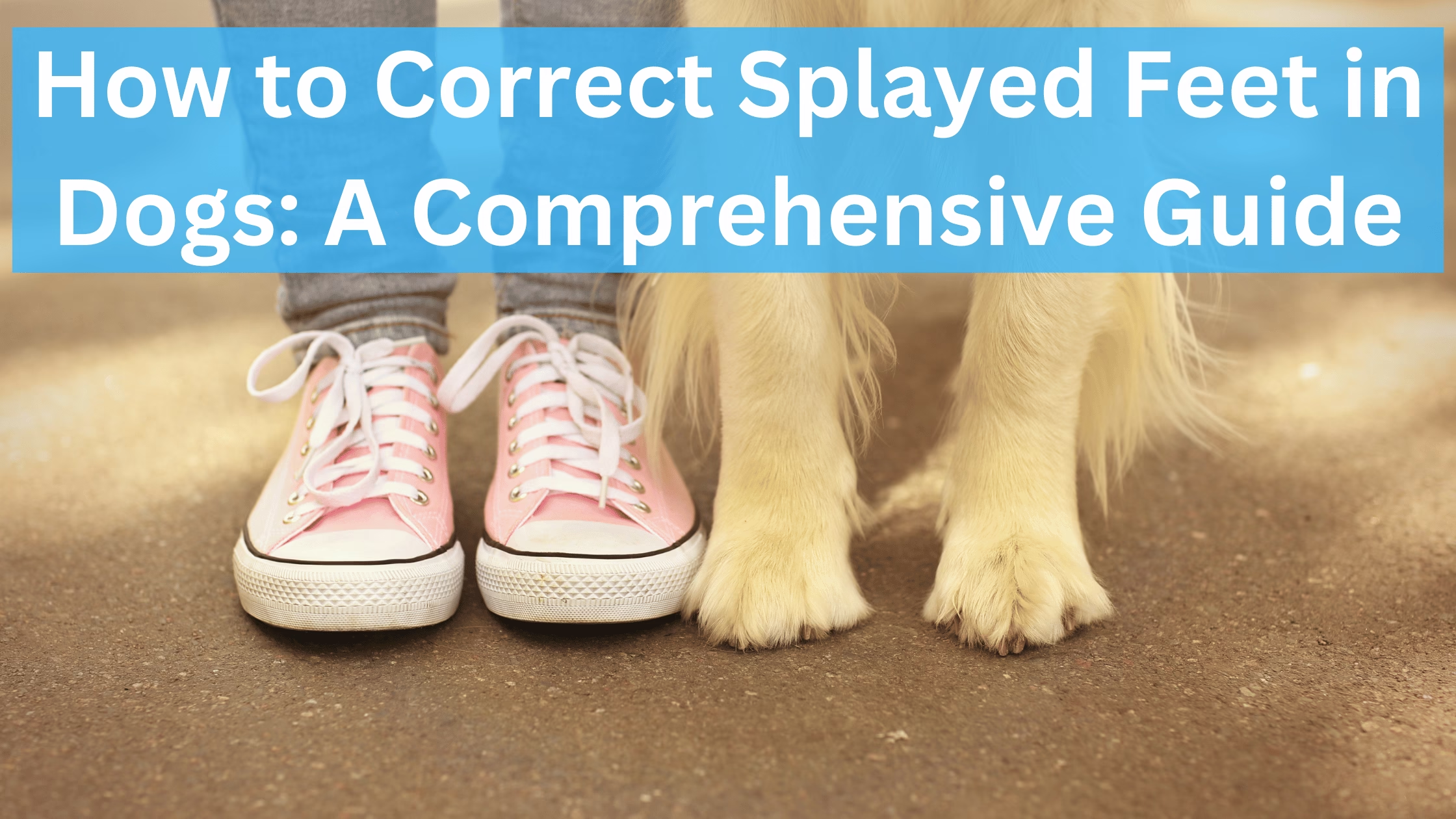
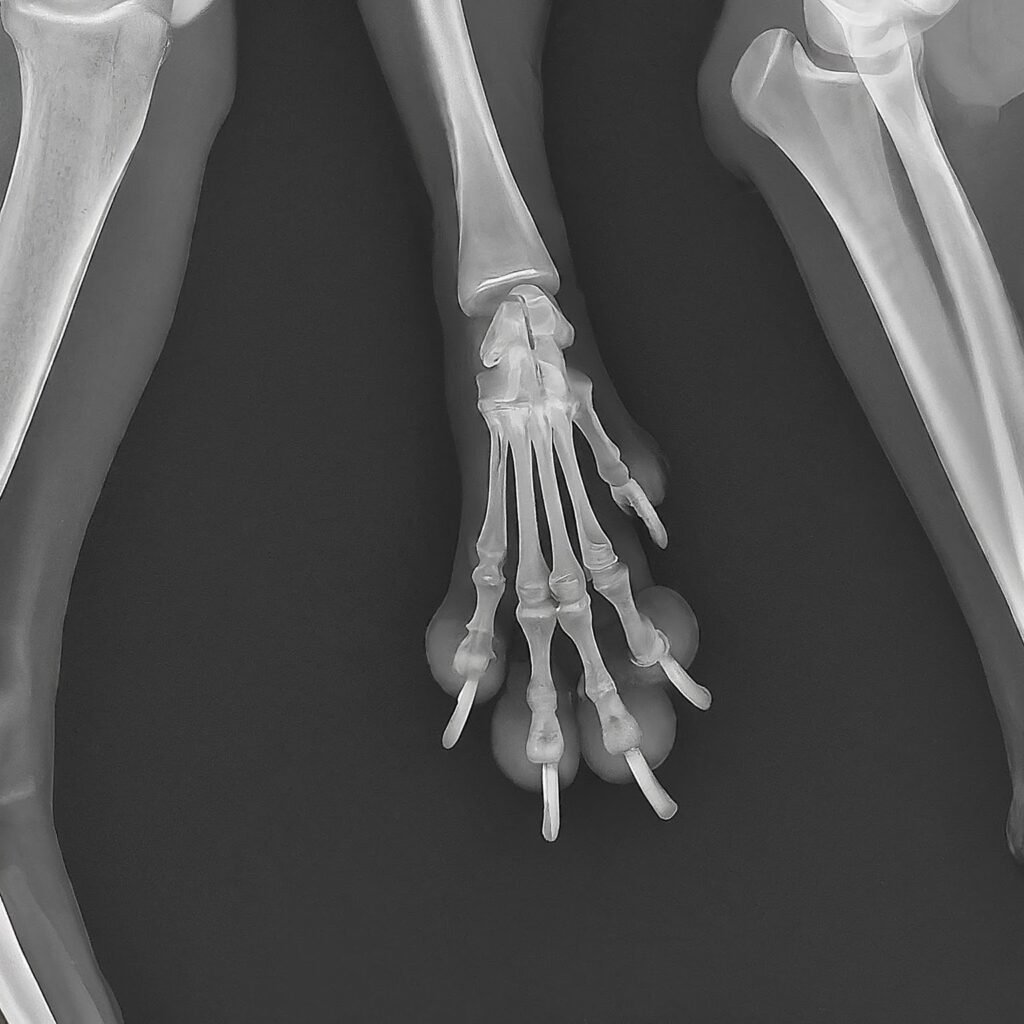
Splayed feet, also known as “open feet,” is a common condition in dogs characterized by toes that spread apart more than usual.
This can lead to discomfort, reduced mobility, and long-term health issues.
Fortunately, there are several effective methods to correct splayed feet in dogs. In this article, we will explore the causes, prevention strategies, and How to Correct Splayed Feet in Dogs.
Understanding Splayed Feet in Dogs
Understanding Splayed Feet in Dogs
Splayed feet can result from various factors, including genetics, improper nutrition, lack of exercise, and environmental conditions. Recognizing the signs early and taking appropriate action can significantly improve your dog’s quality of life.
Causes of Splayed Feet in Dogs
Genetics: Some dog breeds are predisposed to splayed feet due to their genetic makeup. Breeds such as Dachshunds and Basset Hounds are more likely to develop this condition.
Nutritional Deficiencies: A lack of essential nutrients, particularly proteins, vitamins, and minerals, can weaken a dog’s ligaments and bones, leading to splayed feet.
Inadequate Exercise: Dogs that do not receive sufficient exercise may develop weak muscles and ligaments, contributing to splayed feet.
Environmental Factors: Constantly walking on hard, slippery surfaces can cause a dog’s feet to splay.
Poor nail care: Overgrown nails can cause your dog to slip and put undue pressure on their feet and legs.
Signs and Symptoms of Splayed Feet
Visible Spreading of Toes: The most obvious sign is the toes spreading apart more than normal.
Flat Footedness: The dog’s feet may appear flatter than usual.
Difficulty Walking: Dogs with splayed feet may have trouble walking or show signs of discomfort.
Frequent Injuries: Splayed feet can make dogs more prone to injuries, such as cuts or abrasions on their feet.
Preventive Measures for Splayed Feet
Proper Nutrition: Ensure your dog receives a balanced diet rich in essential nutrients. High-quality dog food formulated for their breed and age can help maintain strong bones and ligaments.
Regular Exercise: Daily exercise routines that include walking, running, and playing can strengthen your dog’s muscles and ligaments, preventing splayed feet.
Suitable Surfaces: Provide your dog with a variety of surfaces to walk on. Avoid prolonged exposure to hard, slippery floors.
How to Correct Splayed Feet in Dogs
How to Correct Splayed Feet in Dogs
Addressing splayed feet in dogs involves a multifaceted approach that includes professional guidance, targeted exercises, and lifestyle adjustments. Here, we delve deeper into each corrective measure to provide you with detailed insights on how to effectively manage and improve this condition.
Consult a Veterinarian
The first and most crucial step in correcting splayed feet is to consult a veterinarian. A professional assessment is essential for several reasons:
Accurate Diagnosis: A veterinarian can accurately diagnose the condition, ruling out other potential issues such as arthritis, fractures, or neurological disorders.
Tailored Treatment Plans: Based on the diagnosis, the vet can develop a treatment plan tailored specifically to your dog’s needs. This plan may include dietary changes, supplements, or medications to address underlying causes.
Monitoring and Follow-Up: Regular check-ups with the vet will ensure that the treatment is effective and allow for adjustments as needed. Continuous monitoring is vital for long-term management and prevention of recurrence.
Foot Exercises
Incorporating specific foot exercises into your dog’s routine can significantly improve the strength and flexibility of their feet. Here are some effective exercises:
Toe Tucks: Gently tuck your dog’s toes under their feet while they are standing. Hold for a few seconds and release. This exercise helps to strengthen the muscles and ligaments in the feet.
Paw Lifts: Encourage your dog to lift each paw individually while standing. You can do this by gently lifting each paw and holding it for a few seconds before placing it back down.
Balance Exercises: Use balance boards or wobble cushions to improve your dog’s overall foot strength and stability. Start with short sessions and gradually increase the duration as your dog becomes more comfortable.
Walking on Different Surfaces: Encourage your dog to walk on a variety of surfaces such as grass, sand, and gravel. This can help strengthen the muscles in their feet and improve overall foot health.
Orthopedic Supports
Orthopedic supports such as paw pads and boots can provide significant relief and support for dogs with splayed feet:
Paw Pads: These are soft, cushioned pads that can be placed inside your dog’s regular footwear. They provide extra support and reduce the strain on the feet.
Boots: Specially designed orthopedic boots can offer protection and support, especially during walks or outdoor activities. Ensure the boots fit well and are comfortable for your dog to wear.
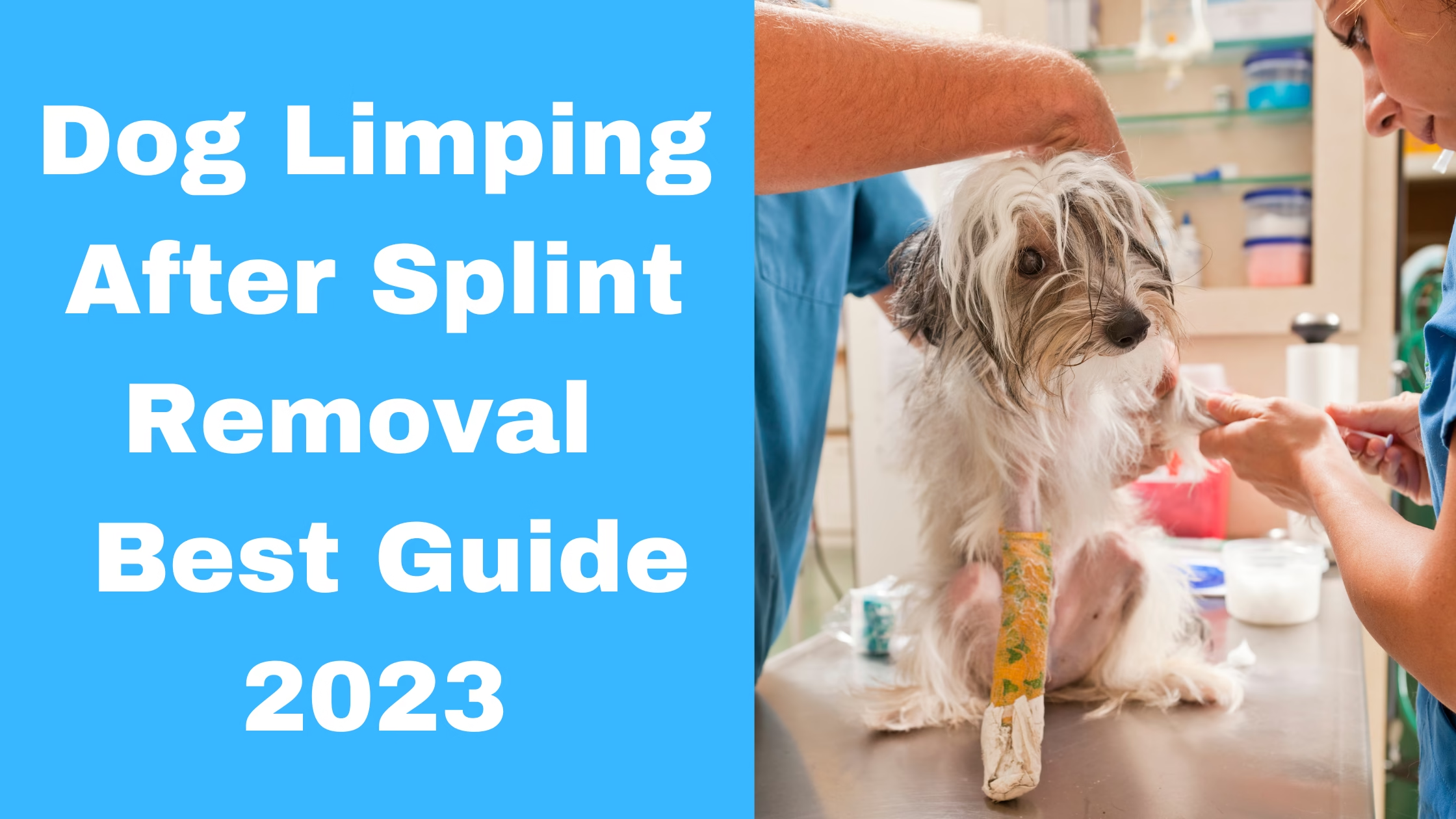
Splints and Braces: In some cases, veterinarians may recommend splints or braces to correct the alignment of the feet and provide additional support. These should be used under professional guidance to avoid causing further issues.
Physical Therapy
Physical therapy can be highly beneficial for dogs with splayed feet. A professional therapist can guide you through a series of exercises and treatments designed to strengthen and support your dog’s feet:
Hydrotherapy: Water-based exercises, such as swimming or walking on an underwater treadmill, can help improve muscle strength and flexibility without putting excessive strain on the joints.
Massage Therapy: Regular massages can help improve blood circulation and relieve tension in the muscles and ligaments of the feet.
Laser Therapy: Low-level laser therapy can promote healing and reduce inflammation in affected areas.
Range of Motion Exercises: These exercises are designed to improve flexibility and mobility in your dog’s feet, helping to correct splayed feet over time.
Weight Management
Maintaining a healthy weight is crucial for dogs with splayed feet. Excess weight can exacerbate the condition by putting additional pressure on the feet:
Balanced Diet: Ensure your dog is on a balanced diet that meets their nutritional needs. Consult your veterinarian for recommendations on the best food for your dog’s breed, age, and activity level.
Portion Control: Monitor your dog’s food intake to prevent overeating. Use a measuring cup to ensure you are providing the right amount of food each day.
Regular Exercise: Encourage regular physical activity to help your dog maintain a healthy weight. Adjust the type and intensity of exercise based on your dog’s condition and overall health.
Healthy Treats: Opt for low-calorie, nutrient-dense treats to avoid unnecessary weight gain. Fruits and vegetables like carrots and apples can be good options.
By following these detailed corrective measures, you can effectively manage and improve splayed feet in your dog. Always consult with your veterinarian before starting any new treatment or exercise regimen to ensure it is safe and appropriate for your pet’s specific condition.
Home Care Tips for Dogs with Splayed Feet
Regular Nail Trimming: Keep your dog’s nails trimmed to prevent additional strain on their toes.
Paw Inspections: Regularly inspect your dog’s paws for any signs of injury or discomfort.
Comfortable Bedding: Provide soft and supportive bedding to reduce pressure on your dog’s feet while resting.
Splayed feet in dogs can be a manageable condition with the right approach. By understanding the causes, recognizing the symptoms early, and implementing preventive and corrective measures, you can help your dog lead a healthy and comfortable life. Always consult with a veterinarian for professional advice and tailored treatment plans.
For more tips on dog health and care, visit our blog regularly and ensure your furry friend stays happy and healthy!
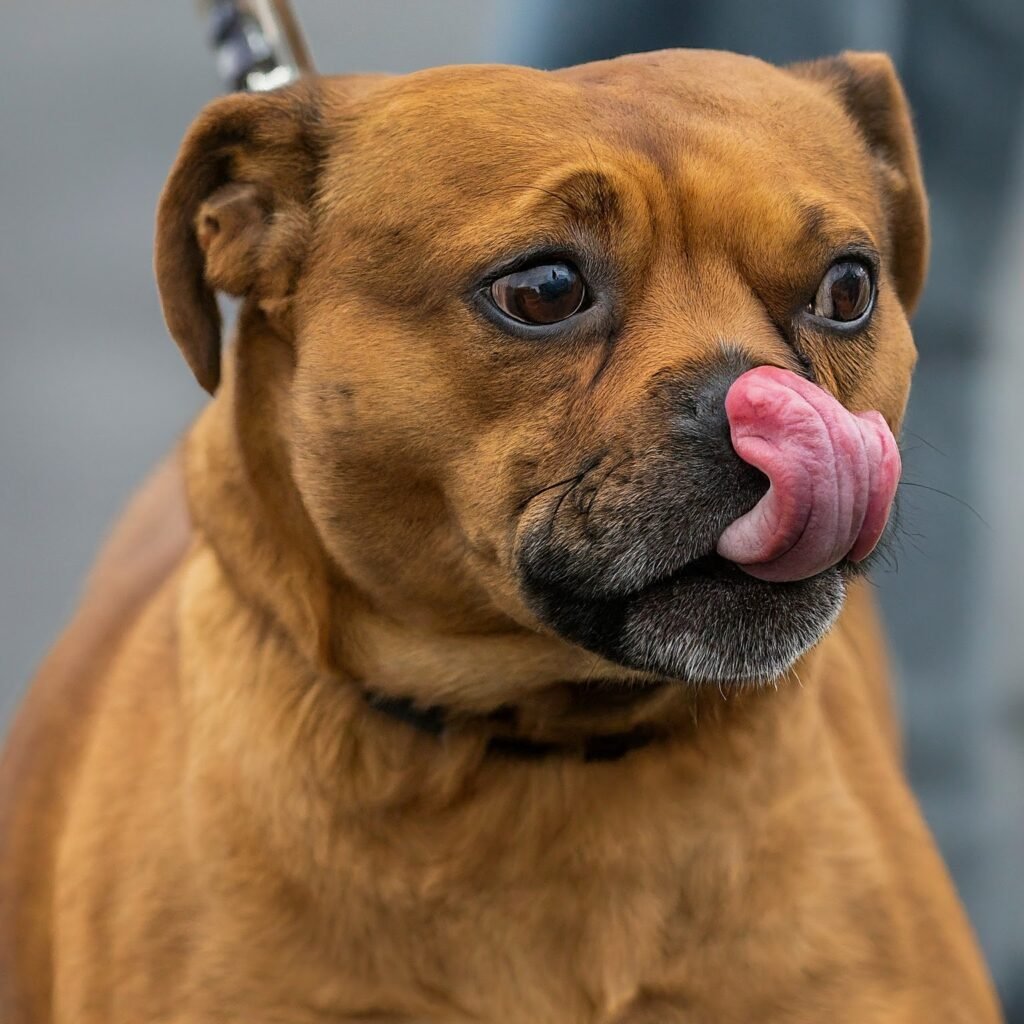
As a dog owner, you might have noticed your furry friend licking the floor and wondered what could be causing this peculiar behavior. While occasional licking is generally harmless, persistent floor licking can be a sign of underlying issues. As a dog expert, I’m here to help you understand the possible reasons and what you can do about it.
Why Is My Dog Licking the Floor?
Why Is My Dog Licking the Floor? Insights from a Dog Expert 7
1. Exploration and Curiosity
Dogs explore the world with their noses and mouths. They may lick the floor simply because they are curious about a new or interesting smell or taste.
If your dog licks the floor occasionally and shows no other signs of distress, this behavior is likely just a part of their natural curiosity.
2. Spilled Food or Drinks
One of the most common reasons dogs lick the floor is the presence of food or drink residue.
Even if you’ve cleaned up after a spill, your dog’s keen sense of smell can detect minute particles, prompting them to lick the area.
3. Seeking Attention
Dogs often repeat behaviors that get them attention.
If licking the floor has previously resulted in interaction from you, whether positive or negative, your dog might continue to do it to garner your attention.
It’s essential to monitor your reactions and ensure you’re not inadvertently encouraging the behavior.
4. Boredom or Anxiety
Floor licking can be a sign of boredom or anxiety. Dogs need mental and physical stimulation to stay happy and healthy.
If they don’t get enough exercise or mental engagement, they might resort to behaviors like floor licking to cope with their boredom or anxiety.
Providing plenty of toys, engaging in regular playtime, and ensuring daily exercise can help alleviate these issues.
5. Gastrointestinal Issues
Persistent floor licking might indicate underlying gastrointestinal (GI) problems. Dogs with GI discomfort may lick surfaces in an attempt to soothe their stomachs.
If your dog is licking the floor frequently and exhibits other symptoms such as vomiting, diarrhea, loss of appetite, or lethargy, it’s crucial to consult your veterinarian.
6. Nutritional Deficiencies
Sometimes, dogs lick unusual surfaces due to nutritional deficiencies. If your dog’s diet lacks essential nutrients, they may lick the floor or other non-food items to compensate.
Ensuring your dog has a balanced and nutritious diet is vital. Consult your vet about the best dietary options for your dog’s specific needs.
7. Compulsive Behavior
In some cases, floor licking can become a compulsive behavior. Compulsive licking might be linked to anxiety, stress, or underlying medical conditions.
If your dog’s licking behavior is excessive and repetitive, it’s essential to seek advice from a vet or a professional animal behaviorist to determine the cause and develop a management plan.
What to Do About Floor Licking
What to Do About Floor Licking
If your dog’s floor licking is infrequent and doesn’t seem to cause any distress, it’s likely nothing to worry about. However, if the behavior is persistent, you can take several steps to address it:
Ensure Cleanliness: Regularly clean your floors to remove any food residues or enticing smells that might attract your dog.
Provide Enrichment: Keep your dog mentally and physically stimulated with regular exercise, interactive toys, and training sessions.
Evaluate Diet: Ensure your dog is on a balanced diet that meets all their nutritional needs. Consult your vet for dietary advice.
Monitor Health: Keep an eye on your dog’s overall health and behavior. If you notice any signs of illness or distress, consult your vet promptly.
Behavioral Support: If the licking is due to anxiety or compulsion, work with a vet or a behaviorist to develop strategies to manage and reduce the behavior.
Understanding why your dog licks the floor can help you address the behavior effectively.
While it may be a harmless exploration or a quest for leftovers, it can also signal deeper issues like anxiety, nutritional deficiencies, or health problems.
By observing your dog’s behavior and taking appropriate action, you can ensure your furry friend stays happy and healthy.
For more expert tips and advice on dog behavior, health, and training, follow our blog or join our community of dog lovers.
If you have specific concerns about your dog’s licking behavior, feel free to reach out to a veterinary professional for personalized guidance.
Imagine finding a lump on your beloved dog. A trip to the vet confirms your worst fear – a mast cell tumor.
These tumors, while not always a death sentence, can be a complex issue for dog owners. Mast cell tumors can vary greatly in their aggressiveness, making treatment decisions incredibly difficult.
This blog post will equip you with the knowledge you need to navigate this challenging situation.
We’ll explore what mast cell tumors are, the factors influencing treatment decisions, and resources to help you prioritize your furry friend’s well-being.
Understanding Mast Cell Tumors
When to stop fighting mast cell tumors in dog? 12
Deep within your dog’s body lies a network of immune system soldiers called mast cells. These tiny warriors release chemicals to fight allergies and infections.
Unfortunately, sometimes these mast cells turn rogue and form tumors. These mast cell tumors can appear anywhere on your dog’s body, from their skin to their internal organs.
The severity of the situation depends on several factors. The tumor’s location can impact treatment options and potential side effects. Size matters too, with larger tumors generally indicating a more advanced stage.
Most importantly, the tumor’s grade, which reflects its aggressiveness, plays a crucial role in determining the best course of action.
The lower the grade (1 or 2), the slower the growth rate and the better the prognosis. However, higher-grade (3) tumors are more aggressive and require a more intensive approach.
Understanding these factors is vital for navigating the emotional rollercoaster of treatment decisions. In upcoming section, we’ll delve into the key considerations when deciding whether to fight or find comfort for your furry friend.
Symptoms to Watch For
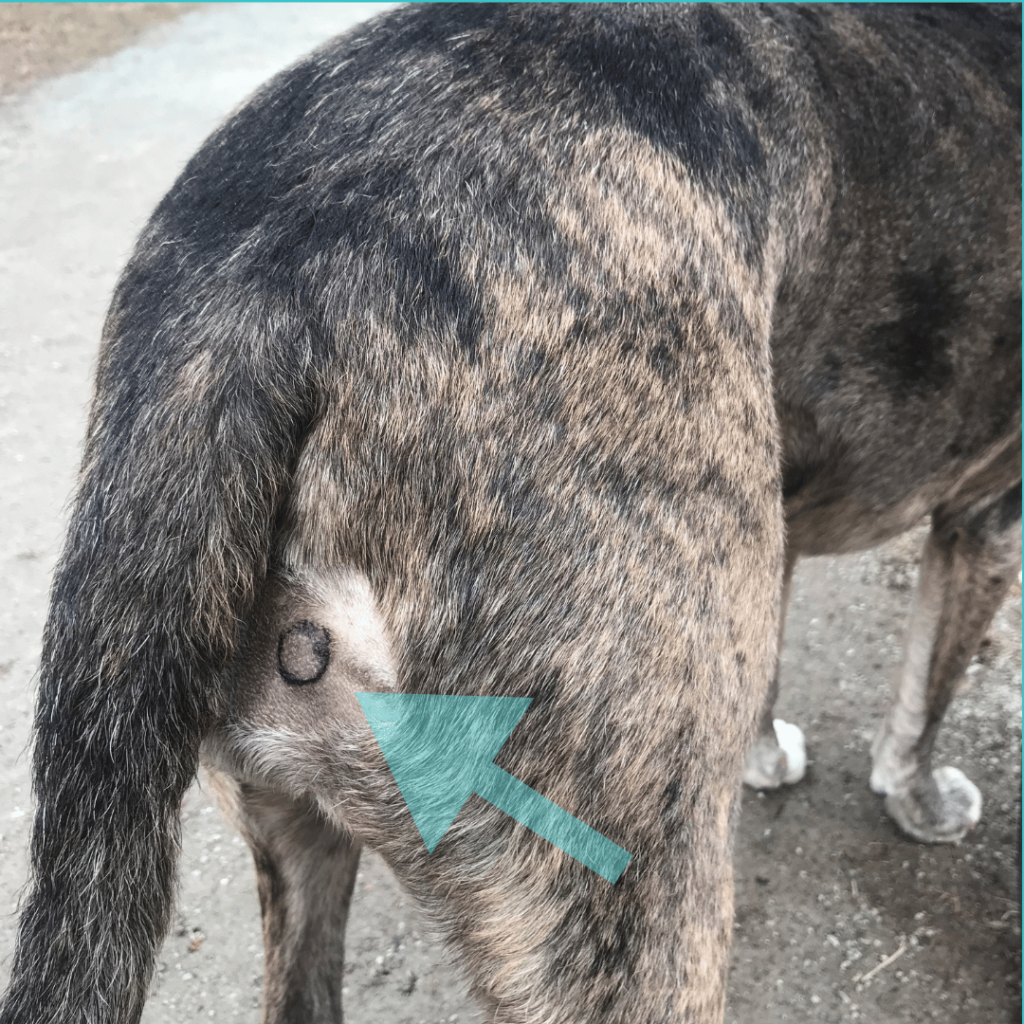
Mast cell Tumor
While mast cell tumors can sometimes appear with no outward signs, there are several symptoms you should watch for in your dog:
Lumps or bumps on the skin: This is the most common symptom, and the lumps can vary in size, shape, and color.
Recurring skin infections: The chemicals released by mast cell tumors can disrupt the skin’s natural defenses, making your dog more prone to infections.
Digestive issues: Vomiting, diarrhea, and loss of appetite can all be signs of mast cell tumors, especially if they are located in the digestive tract.
Difficulty breathing: If the tumor is located near the lungs or trachea, your dog may have trouble breathing.
Lethargy: A general lack of energy and decreased interest in activities can indicate a mast cell tumor or its impact on your dog’s health.
If you notice any of these symptoms in your dog, it’s crucial to schedule an appointment with your veterinarian for a thorough examination. Early detection and diagnosis are essential for maximizing treatment options and improving your dog’s prognosis.
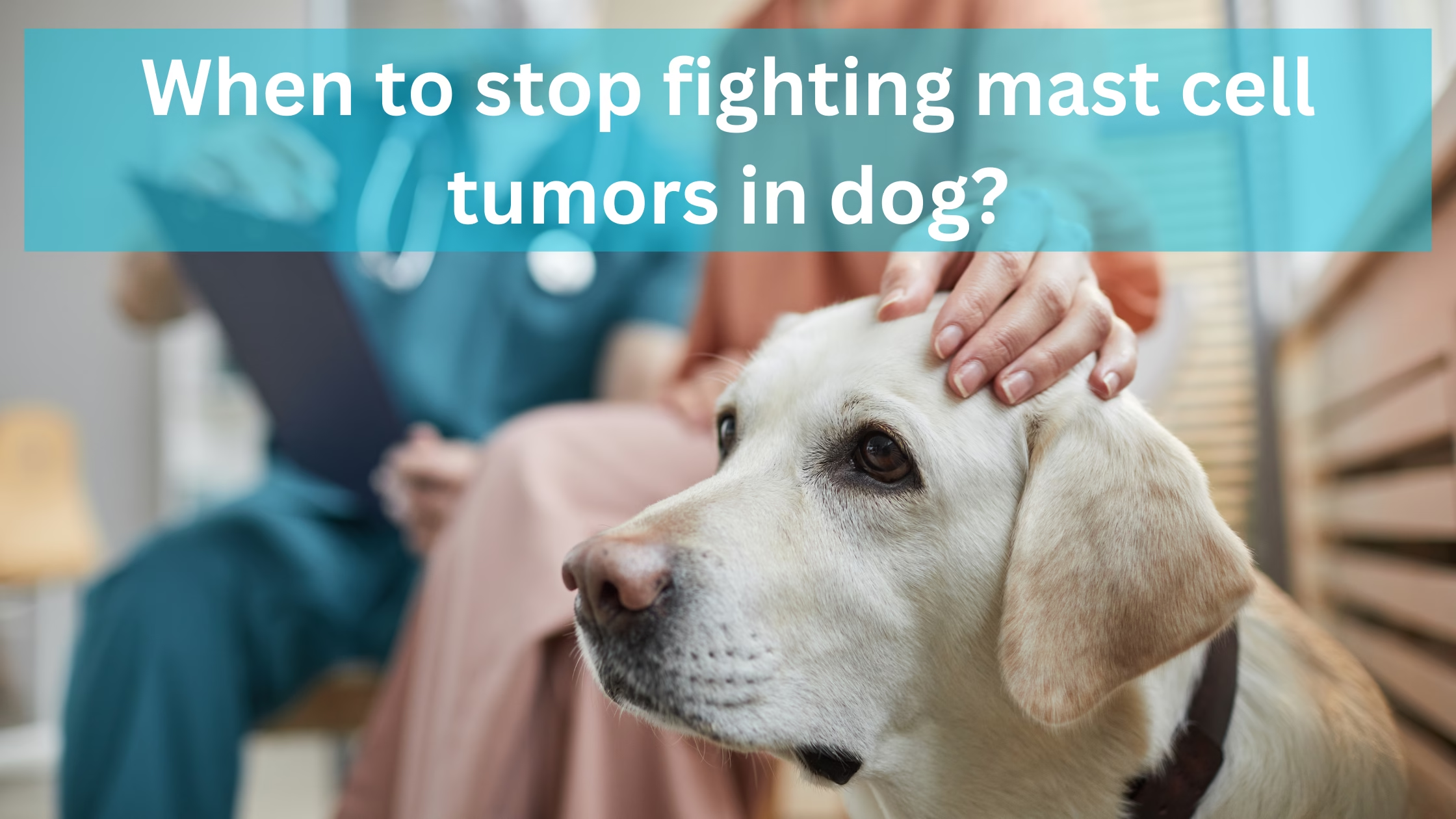
When to stop fighting mast cell tumors in dog?
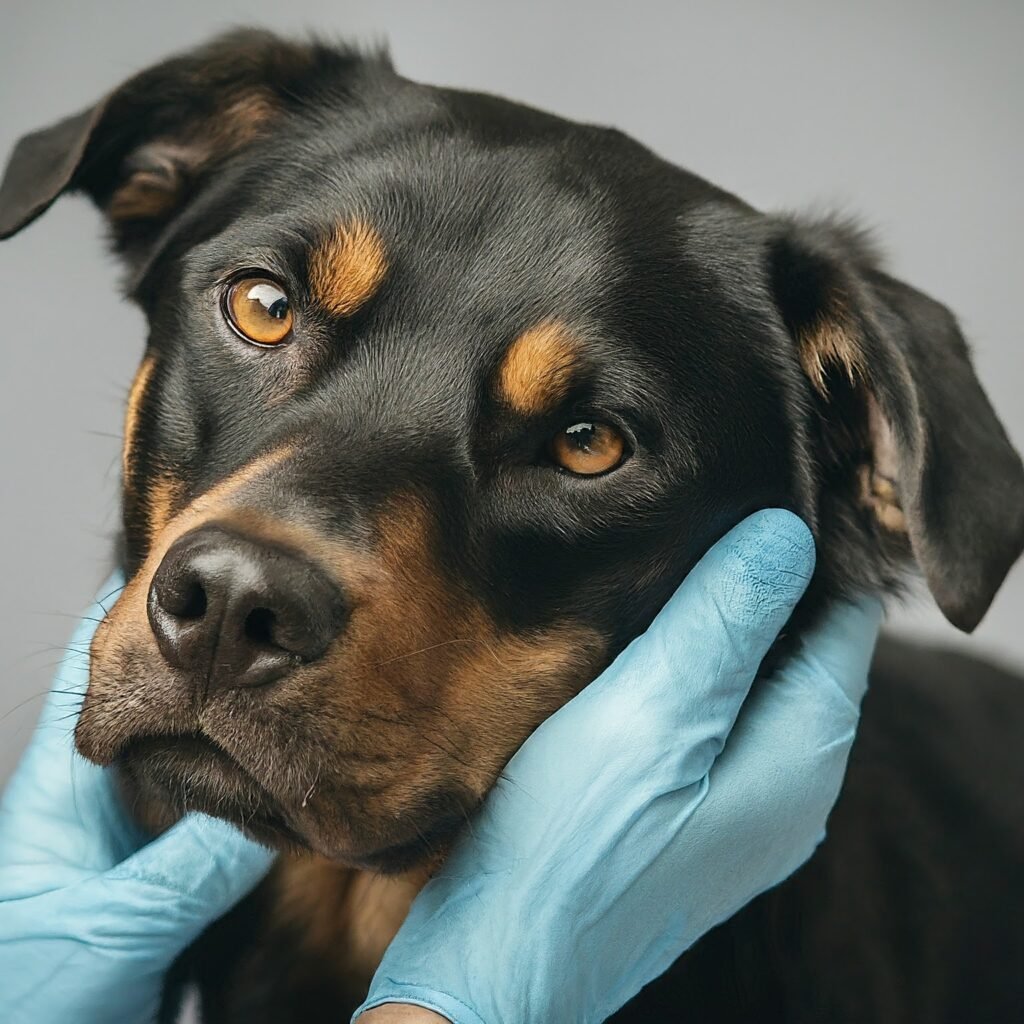
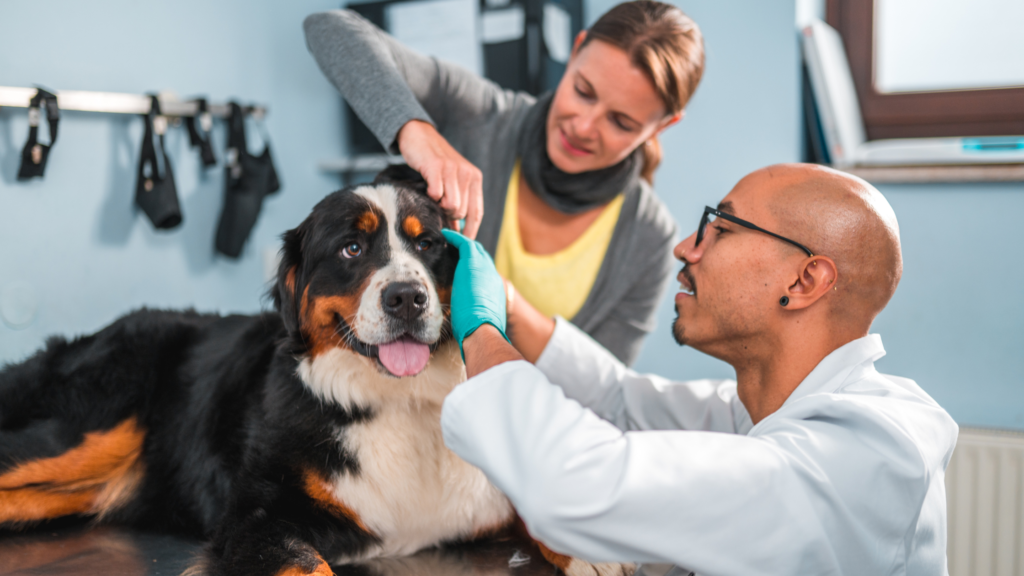
Vet examining a dog
The decision of whether to continue or stop treatment for a mast cell tumor is deeply personal and requires careful consideration.
There’s no single “right” answer, and the best course of action will vary depending on your dog’s unique situation.
Here are the key factors to consider when making this difficult choice:
A. Tumor Progression:
Growth Rate: Is the tumor growing rapidly, or has it remained stable for a while? A rapidly growing tumor may require more aggressive treatment, while a slow-growing one might be manageable with less intensive approaches.
Spread: Has the tumor spread to other organs? Widespread tumors are generally more challenging to treat and may have a poorer prognosis.
B. Treatment Side Effects:
Comfort Level: Is the treatment causing your dog significant pain or discomfort? Certain treatments like chemotherapy can have side effects that impact your dog’s quality of life.
Quality of Life: Is your dog still happy and enjoying life’s activities, or is the treatment significantly impacting their well-being?
C. Your Dog’s Well-Being:
Enjoyment of Life: The most important factor is your dog’s happiness and overall well-being. If treatment is causing undue suffering, prioritizing comfort might be the best choice.
Open and honest communication with your veterinarian is crucial during this process. They can provide personalized guidance based on your dog’s specific case and help you weigh the potential benefits and drawbacks of each treatment option.
Prioritizing Your Dog’s Comfort
Throughout your dog’s journey with a mast cell tumor, their comfort and well-being should always be the top priority.
Treatment is a powerful tool, but it’s not the only consideration. Imagine your dog after a long walk in the park, their tail wagging with pure joy. That’s the feeling you want to strive for, even when facing difficult decisions.
While treatment can offer valuable time and improved quality of life, there are situations where stopping treatment might be the most compassionate choice.
In cases of advanced tumors with rapid spread or when treatment causes significant discomfort, prioritizing comfort may be the best course of action.
This doesn’t mean giving up hope; it means focusing on making your dog’s remaining days as comfortable and happy as possible.
Resources for Support
Making decisions about your dog’s health can be overwhelming, but you don’t have to go through this alone. Here are some resources available to support you:
A. Veterinarian: Your Trusted Guide
Your veterinarian is your most valuable resource. They can provide personalized guidance based on your dog’s specific diagnosis, stage, and overall health.
Don’t hesitate to ask questions, discuss treatment options in detail, and express your concerns about potential side effects and their impact on your dog’s comfort.
A good veterinarian will work with you to create a treatment plan that prioritizes both fighting the disease and maintaining your dog’s quality of life.
B. Online Communities: Finding Strength in Numbers
Online communities like Reddit forums dedicated to mast cell tumors in dogs can be a great source of support.
Connecting with other dog owners who have faced similar situations allows you to share experiences, ask questions, and gain valuable insights.
These communities can offer emotional support and a sense of understanding during a challenging time.
C. Grade 3 Mast Cell Tumor Prognosis: Understanding Aggressiveness
As mentioned earlier, Grade 3 mast cell tumors are the most aggressive type. The prognosis for these tumors varies depending on individual factors, but generally, they require more intensive treatment and may have a shorter lifespan. Your veterinarian can provide a more specific prognosis based on your dog’s unique case.
Remember, there’s no single answer when it comes to treating mast cell tumors. The best course of action depends on your dog’s specific situation and your priorities.
By prioritizing your dog’s comfort, utilizing available resources, and working closely with your veterinarian, you can navigate this difficult journey with confidence and love.
FAQ’S
How are mast cell tumors diagnosed?
Diagnosis typically involves a combination of physical examination, fine-needle aspirate (collecting cells with a thin needle), and potentially a biopsy (removal of a tissue sample) for analysis.
What are the treatment options for mast cell tumors?
Treatment options vary depending on the tumor’s location, size, and grade. They can include surgery, chemotherapy, radiation therapy, or a combination of these approaches.
How long can a dog live with a mast cell tumor?
Prognosis depends heavily on the tumor grade and other factors. Generally, lower-grade tumors have a better prognosis than higher-grade ones.
How can I ensure my dog’s comfort during treatment?
Discuss pain management options with your veterinarian. Prioritize activities your dog enjoys and create a calm, comfortable environment at home.
When should I consider stopping treatment?
There’s no single answer. Consider factors like tumor progression, treatment side effects, and most importantly, your dog’s overall well-being and quality of life. Discuss this openly with your veterinarian.
My dog has a lump, but isn’t showing any other symptoms. Could it be a mast cell tumor?
Yes, mast cell tumors can sometimes appear without additional symptoms. It’s crucial to schedule a vet visit for any lumps or bumps, regardless of other signs.
My dog keeps scratching the same spot. Is that a sign of a mast cell tumor?
Itching can be a symptom of mast cell tumors, but it can also have other causes. See your veterinarian for a diagnosis.
What are the side effects of surgery for mast cell tumors?
Side effects depend on the location and size of the tumor. They can include pain, swelling, and infection. Discuss potential side effects with your veterinarian.
Is chemotherapy always necessary for mast cell tumors?
No, not all mast cell tumors require chemotherapy. The decision depends on the tumor’s grade and other factors. Your veterinarian will recommend the most appropriate treatment plan for your dog.
What can I expect after my dog’s mast cell tumor removal?
The recovery process and long-term outlook depend on the specific case. Your veterinarian will provide detailed information on what to expect after surgery.
How can I tell if the treatment is improving my dog’s quality of life?
Look for signs like increased energy, improved appetite, and a renewed interest in activities they enjoy. Pay attention to any changes in behavior or discomfort that might indicate treatment side effects.
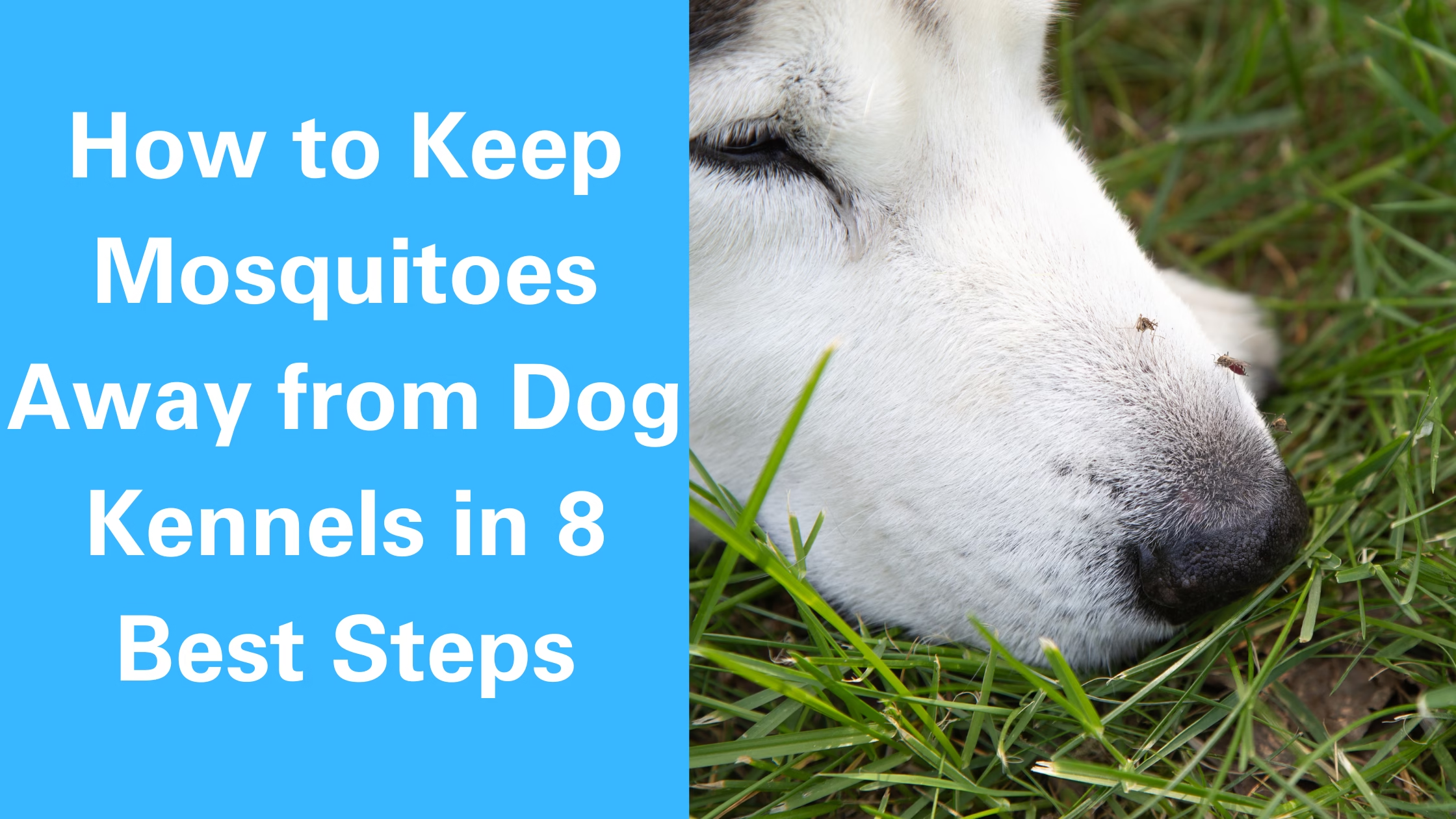
Welcome to our comprehensive guide on how to keep mosquitoes away from dog kennels. As pet owners, we understand the importance of providing our furry friends with a safe and comfortable environment.
Mosquitoes can be annoying and pose potential health risks to dogs due to their bites and the transmission of diseases.
Therefore, it’s essential to take proactive measures to keep mosquitoes at bay and ensure the well-being of our canine companions.
This article will explore practical strategies and natural solutions to protect your dog from mosquito bites and minimize the risk of mosquito-borne diseases.
From simple steps you can take to advanced repellent options, we’ll provide you with the knowledge and tools to create a mosquito-free zone around your dog’s kennel.
Remember, prevention is vital when it comes to mosquito control. Implementing these strategies can enhance your dog’s comfort and safeguard their health.
Let’s dive in and discover how to keep those pesky mosquitoes away from your dog’s kennel!
How to Keep Mosquitoes Away from Dog Kennels Step-by-Step Guide
Learn how to effectively keep mosquitoes away from your dog kennel with this comprehensive step-by-step guide. Discover essential techniques such as removing standing water, maintaining cleanliness, using mosquito netting or screens, employing fans, considering mosquito repellents for dogs, utilizing natural mosquito repellents, providing outdoor shelter, and timing outdoor activities. Implement these strategies to create a safe and comfortable environment for your furry friend, free from pesky mosquito bites. Follow this expert advice to ensure your dog’s well-being and enjoy a mosquito-free dog kennel experience.
1. Remove Standing Water
Mosquitoes breed in stagnant water, so it’s crucial to eliminate any potential breeding grounds. Regularly check the area around the dog kennel and remove any standing water. Empty and clean water bowls daily to prevent mosquitoes from laying eggs.
2. Maintain Cleanliness
A clean environment reduces mosquito attraction. Clean the dog kennel area regularly, removing debris, fallen leaves, and potential mosquito hiding spots. Dispose of waste promptly and keep the surroundings tidy. Additionally, trim vegetation and grass around the kennel to minimize resting areas for mosquitoes.
3. Use Mosquito Netting or Screens
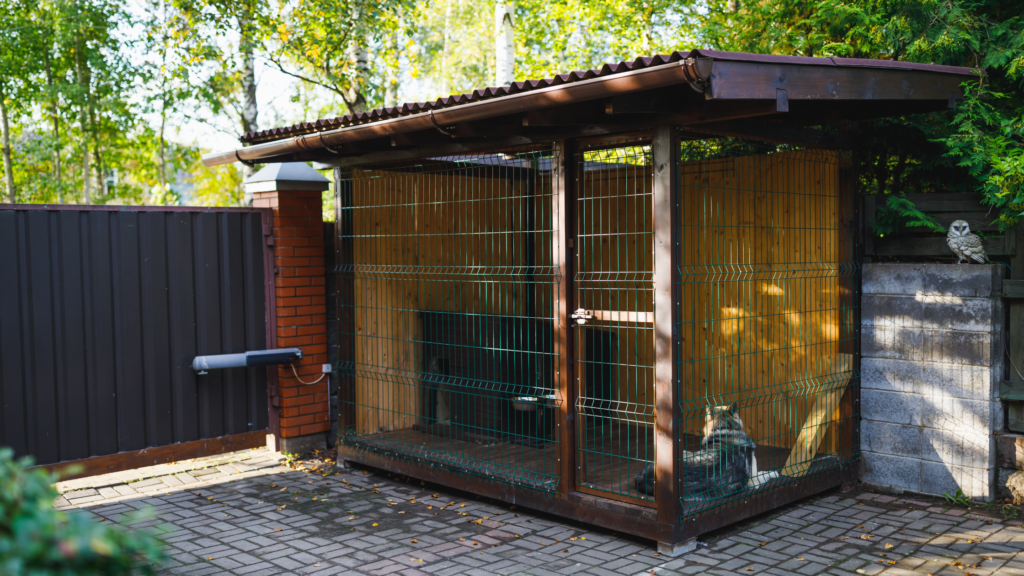
Install fine mesh mosquito netting or screens on windows, doors, and other openings of the dog kennel. This creates a physical barrier preventing mosquitoes from entering the kennel while allowing airflow. Ensure the netting is secure and in good condition.
4. Employ Fans
Mosquitoes are weak fliers, so using fans can help deter them. Place fans strategically around the dog kennel to create a continuous airflow. The breeze created by the fans makes it difficult for mosquitoes to land on your dog, reducing the chances of bites.
5. Consider Mosquito Repellents for Dogs
There are various mosquito repellent products available specifically designed for dogs. These include spot-on treatments, collars, or sprays. Follow the instructions provided by the manufacturer for proper application and reapplication. These repellents can provide an additional layer of protection against mosquitoes.
6. Utilize Natural Mosquito Repellents
If you prefer natural alternatives, consider using essential oils known for their mosquito-repellent properties. Citronella and lemongrass are commonly used essential oils that are safe for dogs. Dilute the essential oils according to guidelines and apply them to your dog’s collar or bedding. Avoid direct contact with your dog’s skin, and consult a veterinarian if you have any concerns.
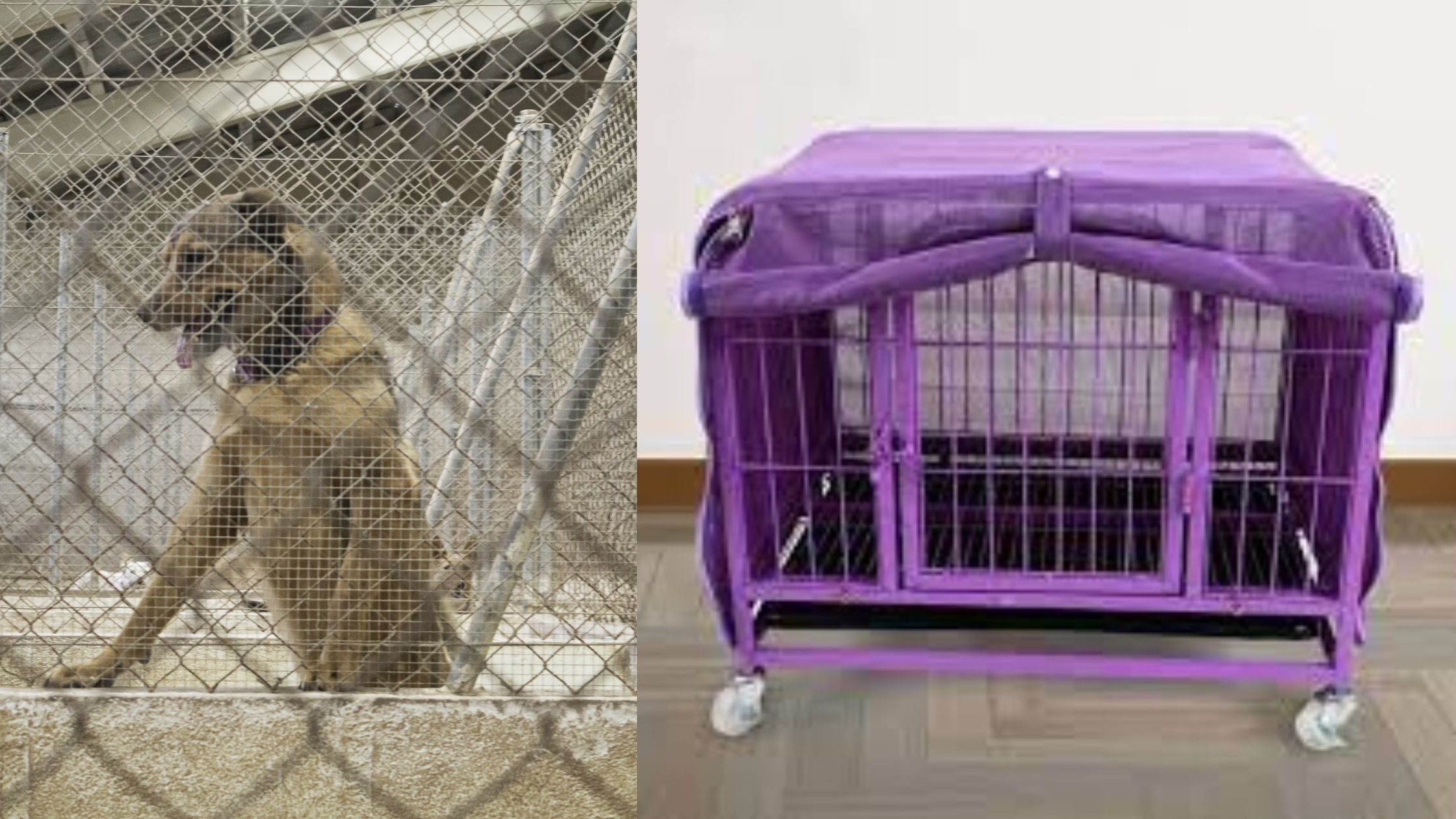
7. Provide Outdoor Shelter
Offer shaded areas or dog houses with screened openings to protect from mosquitoes. This gives your dog a comfortable, relaxing space while minimizing mosquito exposure. The screens on the openings act as a barrier, preventing mosquitoes from entering the shelter.
8. Time Outdoor Activities
Schedule outdoor activities with your dog outside of peak mosquito activity times. Mosquitoes are most active during dawn and dusk, so plan your walks or playtime accordingly. By avoiding these times, you can significantly reduce the risk of mosquito bites.
Supply:
Mosquito netting or screens
Essential oils (e.g., citronella, lemongrass)
Mosquito repellent products for dogs (spot-on treatments, collars, sprays)
Water bowls
Cleaning supplies (e.g., broom, mop)
Mosquito traps
Larvicides or mosquito dunks
Dog shelters or houses with screened openings
Fans
Tools:
Screwdriver or similar tool for installing mosquito netting or screens
Sprayer or dropper for applying essential oils
Cleaning tools (e.g., broom, mop, bucket)
Materials:Fine mesh mosquito netting or screens
Essential oils (citronella, lemongrass, lavender, etc.)
Mosquito repellent products for dogs
Cleaning solutions or disinfectants
Mosquito traps
Larvicides or mosquito dunks
Dog shelters or houses with screened openings
Fans
Following these step-by-step guidelines, you can effectively keep mosquitoes away from your dog’s kennel and create a more pleasant and safe environment for your furry friend.
Remember, consistent implementation of preventive measures is vital to long-term mosquito control.
Mosquito Repellents for Dogs: What is the best mosquito repellent for dogs?
When it comes to protecting your dog from mosquitoes, several effective mosquito repellent options are available.
Let’s explore the different mosquito repellents suitable for dogs and their effectiveness in keeping those pesky insects at bay.
1. Topical Treatments
Topical mosquito repellents for dogs are applied directly to the skin or coat. These products usually come in the form of spot-on treatments or ointments.
They contain active ingredients that repel mosquitoes and other biting insects. Common active ingredients include permethrin, pyrethroids, or natural plant extracts.
Topical treatments provide long-lasting protection, typically lasting for several weeks before reapplication is needed.
2. Sprays
Mosquito repellent sprays for dogs are applied by spraying the product onto the dog’s coat. These sprays create a barrier that repels mosquitoes and other pests.
Look for sprays specifically formulated for dogs, as they have been designed to be safe for canine use. Follow the instructions provided by the manufacturer for application and reapplication intervals.
3. Collars
Mosquito-repellent collars around the dog’s neck release active ingredients that repel mosquitoes. These collars often contain insecticides like permethrin.
They provide continuous protection against mosquitoes and can be effective for several months.
Ensure you choose a collar specifically designed for dogs and follow the manufacturer’s instructions regarding sizing and usage.
4. Spot-on Treatments
Spot-on treatments are applied directly to a specific area on your dog’s back, typically between the shoulder blades.
These treatments contain insecticides that repel mosquitoes. They are convenient to use and provide long-lasting protection.
Follow the instructions provided by the manufacturer for application and reapplication intervals.
When selecting a mosquito repellent for your dog, it’s essential to consider their age, size, and any existing health conditions.
Some products may not be suitable for puppies or dogs with specific sensitivities. Consult your veterinarian to choose the most appropriate mosquito repellent for your dog.
Remember, no mosquito repellent is 100% foolproof, and its effectiveness may vary depending on the region and mosquito species.
It’s essential to follow the instructions provided by the manufacturer regarding application and reapplication intervals to ensure optimal protection.
In addition to using mosquito repellents, implementing preventive measures such as removing standing water and maintaining Cleanliness around the dog kennel will enhance the effectiveness of the repellents in creating a mosquito-free environment for your furry friend.
By utilizing suitable mosquito repellents, you can provide your dog with an extra layer of protection against mosquito bites and reduce the risk of mosquito-borne diseases.
Natural Mosquito Repellents for Dogs: Are essential oils safe for dogs as mosquito repellents?
Natural Mosquito Repellents for Dogs
Suppose you prefer a natural approach to repelling mosquitoes from your dog. In that case, essential oils can be a safe and effective option.
However, it’s important to understand which essential oils are safe for dogs and how to use them properly.
Let’s explore the world of natural mosquito repellents for dogs and address whether essential oils are safe for our furry friends.
1. Safety of Essential Oils for Dogs
Not all essential oils are safe for dogs, as some can be toxic or irritating to their sensitive systems. However, several essential oils are considered safe when used correctly.
Before using any essential oil on your dog, it’s essential to do your research, consult with a veterinarian, and ensure that the oil is specifically safe for canine use.
2. Recommended Essential Oils
Certain essential oils have mosquito-repellent properties and are safe for dogs. Some popular choices include:
– Citronella: Known for its mosquito-repellent properties, citronella oil can effectively ward off mosquitoes. It has a pleasant scent and is generally safe for dogs.
– Lemongrass: Lemongrass oil is another natural mosquito repellent that can be used on dogs. It has a refreshing citrus aroma and is considered safe when properly diluted.
– Lavender: Lavender oil has a calming scent and can help repel mosquitoes. It is safe for dogs and also provides a soothing effect.
3. Proper Dilution and Application
Essential oils should always be properly diluted before applying them to your dog.
A general guideline for dilution is to mix 1-2 drops of essential oil with 1 tablespoon of carrier oil, such as coconut or jojoba oil.
Avoid applying essential oils directly to your dog’s skin, as they irritate. Instead, apply the diluted mixture to your dog’s collar, bandana, or bedding.
This allows them to benefit from the mosquito-repellent properties of the essential oils without direct contact.
4. Caution and Individual Sensitivities
Just like humans, dogs can have individual sensitivities to certain essential oils. Observing your dog’s behavior and any signs of irritation or discomfort when using essential oils.
It is important if you notice any adverse reactions, discontinue use immediately and consult with your veterinarian.
5. Alternatives and Variations
While essential oils can be effective natural mosquito repellents for dogs, it’s also worth exploring other alternatives.
Some herbs like rosemary, neem, and catnip have mosquito-repellent properties. You can create a natural repellent spray by steeping these herbs in water and using the infused liquid as a spray.
Remember to test new repellents on a small area of your dog’s fur and monitor for adverse reactions.
Natural mosquito repellents can provide an eco-friendly and safer option for repelling mosquitoes from your dog.
However, it’s crucial to exercise caution, proper dilution, and consider your dog’s sensitivities. If you have any concerns or questions, consult with your veterinarian to ensure the safety and well-being of your furry friend.
Using natural mosquito repellents properly can provide your dog with added protection against mosquitoes while minimizing exposure to potentially harmful chemicals.
Removing Mosquitoes from a Dog Kennel: How to remove mosquitoes from a dog kennel?
How to remove mosquitoes from a dog kennel?
Having mosquitoes buzzing around your dog’s kennel can be a nuisance and potentially pose health risks.
To ensure a mosquito-free environment for your furry friend, it’s essential to take proactive measures to remove mosquitoes from the dog kennel.
Let’s explore some effective methods to keep those pesky insects at bay.
1. Regular Cleaning and Maintenance
Keeping the dog kennel clean and well-maintained is essential in minimizing mosquito populations. Here are some critical steps to follow:
– Remove debris, such as leaves or grass clippings, from the kennel area regularly. Mosquitoes often seek shelter in these areas.
– Clean the dog kennel thoroughly to eliminate any potential mosquito breeding sites. Scrub the floors and walls to remove any organic matter in which mosquitoes may lay their eggs.
– Empty and clean water bowls daily to prevent stagnant water, as it attracts mosquitoes for breeding. Provide fresh water to your dog regularly.
2. Eliminate Standing Water
Mosquitoes breed in stagnant water, so removing or treating any standing water around the dog kennel is crucial. Follow these steps:
– Check for any containers, buckets, or toys that collect water. Empty them or turn them upside down to prevent water accumulation.
– Fix any leaking faucets or pipes to avoid water pooling.
– If you have a water source, such as a pond or birdbath near the kennel, consider using mosquito dunks or larvicides that target mosquito larvae. These products are safe for pets but deadly to mosquito larvae.
3. Employ Mosquito Traps
Mosquito traps can be an effective tool in reducing the mosquito population around the dog kennel. Consider using traps specifically designed for outdoor use.
These traps emit attractants that lure mosquitoes and capture them, helping to control the mosquito population in the area.
4. Utilize Mosquito Netting or Screens
Installing fine mesh mosquito netting or screens on windows, doors, and openings of the dog kennel can create a physical barrier, preventing mosquitoes from entering.
Ensure the netting or screens are appropriately secured and free from tears or gaps.
5. Consider Natural Mosquito Control
In addition to the above methods, you can explore natural mosquito control options.
Planting mosquito-repellent plants like citronella, marigold, or lavender around the kennel area can help deter mosquitoes.
However, remember that plants alone may not provide complete protection and should be used with other measures.
Following these steps can significantly reduce the mosquito population in and around the dog kennel, creating a more comfortable and safer environment for your furry friend.
Regular cleaning, eliminating standing water, employing mosquito traps, and utilizing mosquito netting or screens will help keep mosquitoes at bay and minimize the risk of mosquito-borne diseases.
Remember, mosquitoes can be persistent, so it’s important to consistently implement these measures to ensure ongoing protection for your dog.
Your diligent efforts will go a long way in providing a mosquito-free zone for your beloved canine companion.
Preventing Mosquitoes from Breeding in a Dog Kennel: How to prevent mosquitoes from breeding in a dog kennel?
Prevention is vital for keeping mosquitoes away from your dog’s kennel. Taking proactive measures to prevent mosquitoes from breeding can create a safer and more enjoyable environment for your furry companion.
Here are some effective techniques to prevent mosquitoes from breeding in a dog kennel:
1. Ensure Proper Drainage
Proper drainage is essential to prevent standing water, which serves as a breeding ground for mosquitoes. Here’s what you can do:
– Inspect the kennel area for any areas where water may collect, such as low-lying spots or uneven surfaces. Level out the ground or create channels to redirect water flow away from the kennel.
– Clear clogged gutters or downspouts to prevent water from pooling around the kennel area.
– Improve soil drainage by adding gravel or creating slopes encouraging water runoff.
2. Treat Standing Water with Larvicides
Suppose you have unavoidable sources of standing water near the dog kennel, such as ponds or birdbaths.
In that case, it’s essential to treat them with larvicides. Larvicides are products designed to kill mosquito larvae before they become adult mosquitoes. Follow these steps:
– Use larvicides that are safe for pets and labeled for mosquito control. Consult with your local pet store or veterinary professional for suitable options.
– Apply the larvicide according to the instructions provided by the manufacturer. Treat the standing water at regular intervals to prevent mosquito larvae from maturing.
3. Utilize Mosquito Dunks or Biological Controls
Mosquito dunks effectively control mosquito populations and prevent breeding in stagnant water.
These small, donut-shaped discs contain a biological larvicide called Bacillus thuringiensis israelensis (BTI), explicitly targeting mosquito larvae. Here’s how you can use them:
– Place mosquito dunks where standing water is present, such as ponds, birdbaths, or rain barrels. The dunks will slowly release BTI, which kills mosquito larvae without harming other organisms.
– Follow the instructions provided on the mosquito dunk packaging for proper usage and application.
4. Maintain a Clean and Dry Environment
A clean and dry environment is crucial to prevent mosquitoes from finding suitable breeding sites. Follow these guidelines:
– Regularly remove debris, leaves, and any organic matter that may accumulate in and around the kennel area. These materials can collect water and become breeding grounds for mosquitoes.
– Keep the dog kennel clean and dry. Wipe away any moisture or spills promptly.
Implementing these preventive measures can significantly reduce the risk of mosquitoes breeding in and around the dog kennel.
Proper drainage, treating standing water with larvicides, using mosquito dunks, and maintaining a clean and dry environment will help create an inhospitable environment for mosquitoes and protect your dog from their annoying bites.
Remember, mosquitoes can breed in even the smallest amount of stagnant water, so it’s essential to remain vigilant and consistently implement these prevention techniques.
Doing so will ensure a more comfortable and mosquito-free space for your beloved four-legged friend.
Protecting Dogs from Mosquito Bites: How can I protect my dog from mosquito bites?
How can I protect my dog from mosquito bites?
As responsible dog owners, it’s essential to take steps to protect our furry friends from mosquito bites.
Mosquitoes cause irritation and discomfort and can transmit harmful diseases to our beloved dogs.
Here are some practical measures you can take to protect your dog from mosquito bites:
1. Provide Proper Outdoor Shelter
Offering your dog proper outdoor shelter is essential for its protection against mosquitoes. Consider the following:
– Provide a shaded area or a dog house with screened openings. This will create a physical barrier, preventing mosquitoes from reaching your dog.
– Ensure the shelter is well-ventilated to promote air circulation and minimize the likelihood of mosquitoes congregating.
2. Use Fans for Air Circulation
Mosquitoes are weak fliers and are deterred by air currents. By strategically placing fans around your dog’s outdoor area, you can create airflow that discourages mosquitoes from landing on your dog.
The breeze generated by the fans can make it difficult for mosquitoes to fly and bite.
3. Avoid Peak Mosquito Activity Times
Mosquitoes are most active during dawn and dusk when environmental conditions favor their activity.
Plan outdoor activities with your dog outside of these peak mosquito times to reduce the risk of mosquito bites.
Consider early morning walks or evening play sessions after sunset when mosquito activity is lower.
4. Regular Veterinary Check-ups and Vaccinations
Regular veterinary check-ups are essential for your dog’s overall health and well-being.
Discuss mosquito-borne diseases prevalent in your area during these visits and inquire about appropriate vaccinations.
Vaccinations, such as those against heartworm disease, can protect your dog from the potentially devastating effects of mosquito-transmitted illnesses.
Follow your veterinarian’s recommended vaccination schedule to protect your dog’s immune system.
Additionally, discuss with your veterinarian the use of preventive treatments specifically targeting mosquitoes.
These treatments may include oral or topical medications that repel mosquitoes or prevent the development of mosquito larvae.
Protecting your dog from mosquito bites goes beyond personal comfort—it’s about safeguarding their health.
Mosquitoes can transmit diseases like heartworm, West Nile virus, and other severe conditions that can have long-lasting effects on your dog’s well-being.
You can significantly reduce the risk of mosquito bites and the associated health complications by providing proper outdoor shelter, utilizing fans for air circulation, avoiding peak mosquito activity times, and staying up-to-date with veterinary check-ups and vaccinations.
Take the necessary precautions, be vigilant, and prioritize your dog’s well-being. With your proactive efforts, you can ensure a safer and more enjoyable outdoor experience for your dog, free from mosquito bites’ annoyance and potential dangers.
Frequently Asked Questions
1. Can I use DEET on my dog?
DEET, which stands for N, N-Diethyl-meta-toluamide, is a common ingredient in many insect repellents designed for humans. However, using DEET-based products directly on your dog is not recommended. DEET can be toxic to dogs if ingested or absorbed through their skin. It’s best to opt for mosquito repellents specifically formulated for dogs, which are safer and more suitable for their unique physiology.
2. How often should I reapply mosquito repellent to my dog?
The frequency of reapplication will depend on the specific product you are using and its instructions. Follow the manufacturer’s guidelines regarding reapplication intervals. Some repellents may protect for several hours, while others require more frequent reapplication. If your dog gets wet or swims, you may need to reapply the repellent afterward, as water can reduce its effectiveness. Always read and follow the instructions on the product label to ensure proper usage.
3. How do I know if a mosquito has bitten my dog?
Mosquito bites on dogs can appear as small, red, itchy bumps on the skin. However, remember that dogs may react differently to mosquito bites than humans. Some dogs may experience mild irritation and scratching, while others may be more sensitive and develop more severe reactions. If you notice your dog scratching or biting in certain areas, inspect the skin for any signs of mosquito bites. If you suspect your dog has been bitten and exhibits discomfort or an allergic reaction, consult your veterinarian for appropriate treatment.
4. What are the symptoms of mosquito-borne diseases in dogs?
Mosquitoes can transmit dog diseases, including heartworm disease and West Nile virus. Symptoms may vary depending on the specific disease. Still, common signs can include lethargy, coughing, difficulty breathing, weight loss, fever, and changes in appetite. If you observe any abnormal symptoms or suspect your dog may have contracted a mosquito-borne disease, seek veterinary care promptly for accurate diagnosis and appropriate treatment.
5. What can I do to prevent mosquito-borne diseases in my dog?
Prevention is vital when it comes to protecting your dog from mosquito-borne diseases. Here are some preventive measures you can take:
– Ensure your dog is on regular heartworm preventive medication your veterinarian prescribes.
– Minimize your dog’s exposure to mosquitoes by following the earlier tips, such as using mosquito repellents, providing proper outdoor shelter, and avoiding peak mosquito activity times.
– Keep your yard well-maintained and free of standing water, as it can serve as a breeding ground for mosquitoes.
– Consult with your veterinarian about additional preventive measures, such as vaccines or specific treatments, to reduce the risk of mosquito-borne diseases based on location and prevalent diseases in your area.
Prevention and proactive measures are crucial in safeguarding your dog’s health. By staying informed, using appropriate mosquito repellents, and working closely with your veterinarian, you can help minimize the risks of mosquito bites and mosquito-borne diseases for your beloved canine companion.
Keeping mosquitoes away from dog kennels is essential for the health and well-being of our furry friends.
Following a few simple steps, we can create a safer environment that minimizes the risk of mosquito bites and mosquito-borne diseases.
First and foremost, remove any standing water in and around the dog kennel to eliminate potential mosquito breeding sites.
Regular cleaning and maintenance of the kennel area and proper drainage play a crucial role in preventing mosquito infestations.
Using mosquito netting or screens on windows, doors, and openings of the kennel provides an effective barrier against mosquitoes.
Additionally, employing fans strategically helps create airflow and discourages mosquitoes from landing on dogs.
When it comes to mosquito repellents for dogs, there are various options available. Topical treatments, sprays, collars, and spot-on treatments can protect against mosquitoes adequately.
Always choose products specifically designed for dogs and follow the instructions provided by the manufacturer for safe and optimal use.
For those who prefer natural alternatives, essential oils such as citronella, lemongrass, and lavender can be used as mosquito repellents for dogs.
Dilute the oils properly and apply them to the dog’s collar or bedding, ensuring they do not come into direct contact with the dog’s skin.
Removing mosquitoes from the dog kennel is essential to enhance mosquito control further.
Regular cleaning, proper waste disposal, and using mosquito traps can help reduce mosquito populations within the kennel area.
Lastly, protecting dogs from mosquito bites involves the following:
Providing adequate outdoor shelter.
Using fans for air circulation.
Avoiding peak mosquito activity times, such as dawn and dusk.
Regular veterinary check-ups and vaccinations against mosquito-borne diseases are also vital preventive measures.
By implementing these strategies and taking proactive measures, we can create a safe and mosquito-free environment for our canine companions.
Remember, keeping mosquitoes away from dog kennels is not only about their comfort but also about safeguarding their health.
So, let’s prioritize mosquito control and ensure our furry friends can enjoy a mosquito-free and happy life.
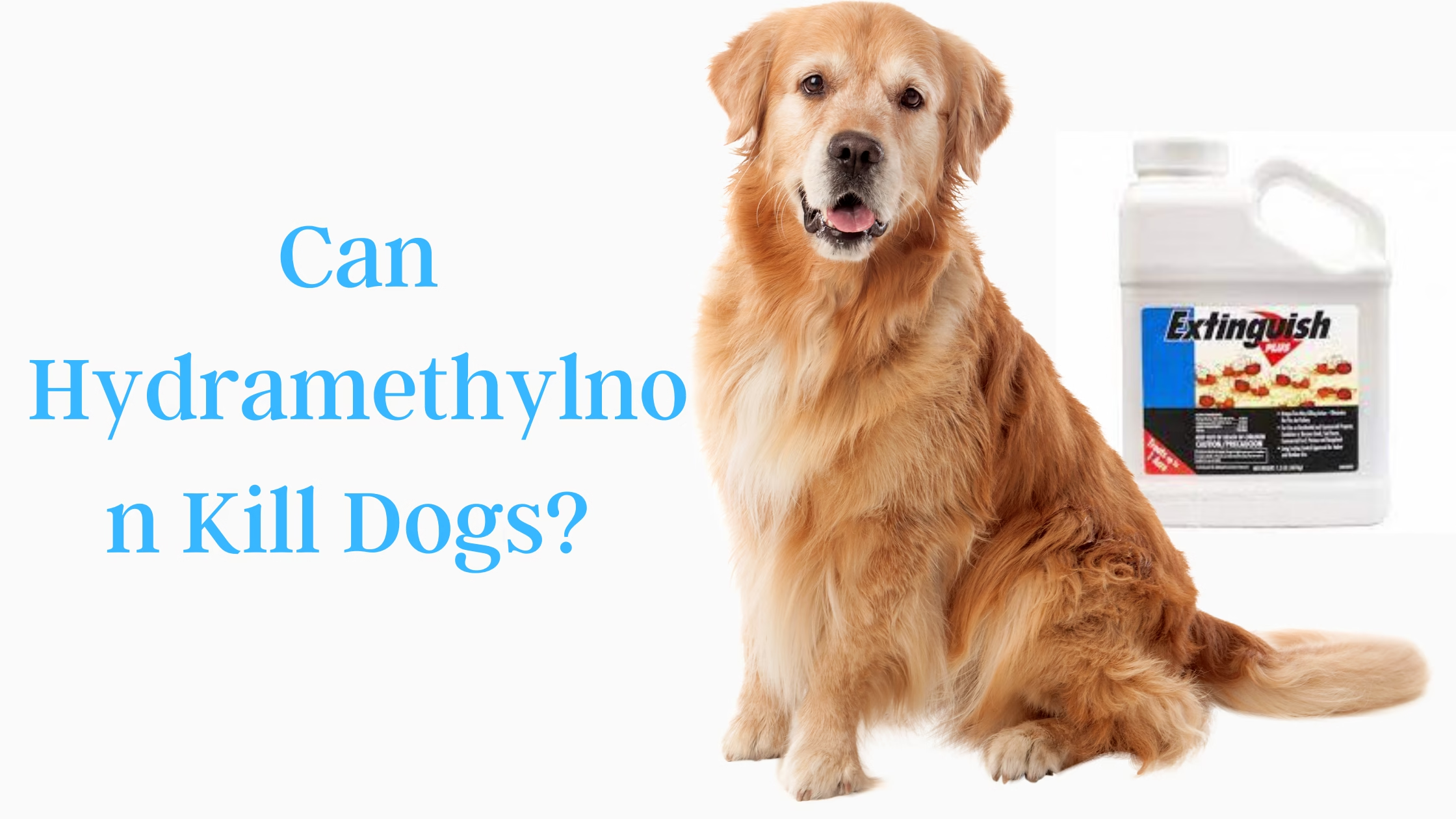
Have you ever wondered, “Can Hydramethylnon Kill Dogs?” Our furry friends bring us joy and companionship, so it’s crucial to prioritize their safety, especially when it comes to pest control.
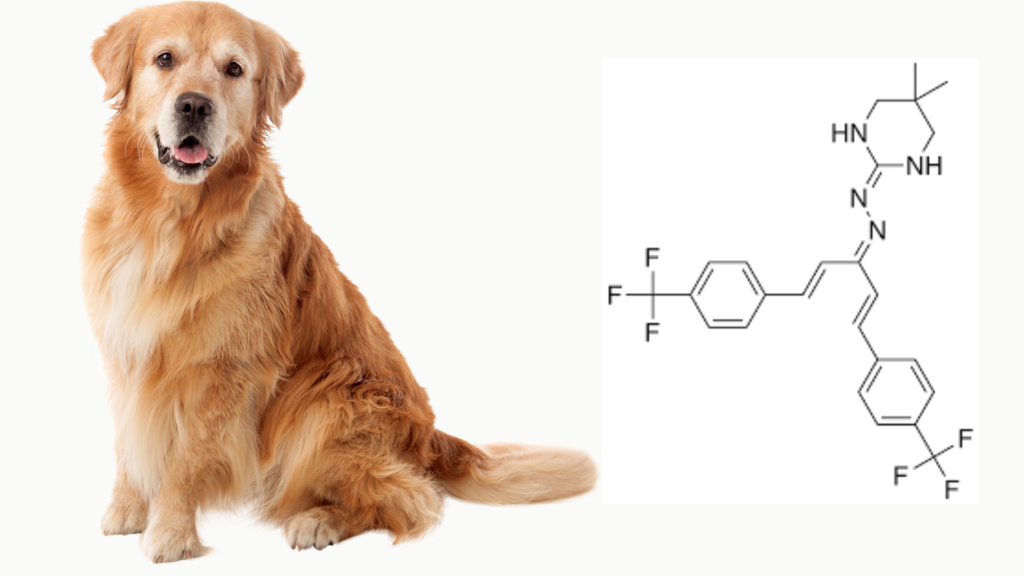
This article delves into the fascinating world of hydramethylnon and its potential toxicity in dogs.
We’ll explore the symptoms of hydramethylnon poisoning, discuss treatment options, and provide practical tips to prevent mishaps.
So, let’s embark on this journey to understand hydramethylnon better and safeguard our beloved canine companions. After all, knowledge is the key to keeping our furry friends safe and sound.
Hydramethylnon Toxicity in Dogs
Hydramethylnon Toxicity in Dogs
Picture this: your adorable pup is curious and might be tempted to investigate anything they come across, including pest control baits.
But what happens if your furry friend accidentally ingests hydramethylnon? Are they in immediate danger?
While hydramethylnon can indeed be toxic to dogs, the good news is that fatalities are rare if swift action is taken. It’s essential to remember that the dose makes the poison.
Ingesting small amounts of hydramethylnon may cause mild symptoms, while larger quantities can be more concerning.
Can hydramethylnon kill dogs?
While it’s possible in extreme cases, most instances can be effectively managed with proper care. The key lies in recognizing the signs early on and seeking prompt veterinary assistance.
Remember, our four-legged friends are resilient, and the chances of a positive outcome are significantly increased with timely intervention.
So, keep a close eye on your furry companion and take action swiftly if you suspect they’ve encountered hydramethylnon. Your quick response can make all the difference in their well-being.
Understanding Hydramethylnon
Imagine a secret weapon against pesky pests like ants and roaches.
Enter hydramethylnon, a powerful ingredient in ant baits and roach baits.
But what exactly is hydramethylnon? Well, think of it as a superhero for pest control.
Hydramethylnon is a chemical compound specifically designed to target and eliminate unwanted insects.
It’s like a tiny bug assassin that disrupts their nervous systems, ultimately leading to their demise.
This remarkable substance has gained popularity for its effectiveness in dealing with stubborn infestations.
When battling pests, hydramethylnon is a force to be reckoned with. It’s like having a trusted ally in the fight against unwanted intruders.
So, next time you spot an army of ants or an unwelcome roach, remember that hydramethylnon is here to save the day!
We know that prevention is better than cure, but sometimes accidents happen.
If your furry friend has ingested hydramethylnon, knowing the telltale signs of poisoning is crucial.
By recognizing these symptoms early on, you can take swift action and ensure your pup’s well-being.
Here are some common symptoms of hydramethylnon poisoning in dogs to watch out for:
1. Gastrointestinal Distress: Watch out for vomiting, diarrhea, or excessive drooling. These symptoms may indicate that your pup has encountered hydramethylnon.
2. Lethargy and Weakness: If your usually energetic companion suddenly becomes passive, weak, or disoriented, it could indicate hydramethylnon toxicity.
3. Loss of Appetite: A sudden decrease in appetite, refusal to eat, or unexplained weight loss may indicate a problem.
4. Tremors or Seizures: In severe cases, dogs may experience muscle tremors, convulsions, or seizures. These symptoms require immediate attention.
Remember, the importance of recognizing these symptoms cannot be overstated. The sooner you identify the signs, the sooner you can seek veterinary assistance. Time is of the essence when it comes to protecting your furry friend’s health.
So, what are the symptoms of hydramethylnon poisoning in dogs? Watch for gastrointestinal distress, lethargy, loss of appetite, and tremors or seizures.
Being vigilant can help your pup get the care they need and increase their chances of a speedy recovery.
Treatment for Hydramethylnon Poisoning in Dogs
Treatment for Hydramethylnon Poisoning in Dogs
Regarding hydramethylnon poisoning in dogs, time is of the essence. If you suspect your pup has ingested hydramethylnon, acting swiftly to ensure, their well-being is crucial.
Here are the immediate steps to take:
1. Contact a Veterinarian: Reach out to your trusted veterinarian immediately. They are the experts who can provide professional guidance tailored to your dog’s situation.
2. Provide Information: Be prepared to provide details about the incident, including the amount of hydramethylnon ingested (if known) and the time of ingestion. This information will assist the veterinarian in determining the appropriate course of action.
3. Follow Veterinary Advice: Your veterinarian may recommend various treatment options based on the severity of the poisoning. These options can include:
a. Decontamination: In some cases, inducing vomiting or administering activated charcoal may be necessary to prevent further absorption of hydramethylnon.
b. Supportive Care: Depending on your dog’s symptoms, supportive care may address gastrointestinal distress, dehydration, or other complications. This can include intravenous fluids, anti-nausea medications, and monitoring vital signs.
c. Specific Antidotes: In certain situations, your veterinarian may administer specific antidotes to counteract the effects of hydramethylnon poisoning.
4. Follow Instructions Carefully: To ensure a successful recovery, following your veterinarian’s instructions diligently is vital. This may include administering prescribed medications, monitoring your dog’s progress, and scheduling follow-up visits.
Remember, every case of hydramethylnon poisoning is unique, and professional veterinary guidance is crucial for the best outcome.
By acting promptly and adhering to your veterinarian’s advice, you can give your furry friend the best chance to recover fully.
Preventing Hydramethylnon Poisoning in Dogs
Preventing Hydramethylnon Poisoning in Dogs
They say prevention is the best medicine, and when it comes to hydramethylnon poisoning in dogs, a proactive approach can save you and your furry friend from unnecessary worries.
Here are some practical tips to help you prevent incidents of hydramethylnon poisoning:
1. Secure Storage: Store pest control products, including hydramethylnon-based baits, in a secure location inaccessible to your dog. Consider using locked cabinets or high shelves to prevent curious paws from reaching them.
2. Read and Follow Product Labels: Take the time to carefully read the labels and instructions of pest control products. Understand the potential risks associated with hydramethylnon and follow the recommended precautions.
3. Pet-Safe Alternatives: Explore alternative pest control methods specifically designed to be safe for pets. Numerous pet-friendly options are available, such as natural repellents, pet-safe traps, and baits that don’t contain hydramethylnon.
4. Consult a Professional: If you’re dealing with a persistent pest problem, consult a professional pest control expert with experience in pet-safe methods. They can assess your situation and recommend effective solutions that won’t put your furry friend at risk.
5. Vigilance and Supervision: Keep a watchful eye on your dog during walks or visits to outdoor areas. Be aware of your surroundings and avoid areas treated with hydramethylnon or other pest control products.
By implementing these preventive measures, you can create a safer environment for your dog and minimize the risk of hydramethylnon poisoning.
Remember, protecting your furry friend is about being proactive, informed, and making conscious choices regarding pest control methods.
FAQ’s
How much hydramethylnon is poisonous to dogs?
The toxicity of hydramethylnon in dogs is dose-dependent. The specific amount of hydramethylnon that can be poisonous to a dog is generally considered above 28,000 milligrams per kilogram (mg/kg) of body weight.
However, it’s important to note that even smaller amounts of hydramethylnon can adversely affect a dog’s health, and individual sensitivities can vary. It’s always best to prevent exposure to hydramethylnon and ensure your dog’s safety by storing pest control products securely and out of their reach.
If you suspect your dog has ingested hydramethylnon, regardless of the amount, it’s crucial to seek immediate veterinary care. Only a veterinarian can adequately assess your dog’s condition and provide the necessary treatment and care to ensure their well-being.
What should I do if my dog eats hydramethylnon?
If you suspect or know that your dog has ingested hydramethylnon, it’s crucial to take the following steps:
Contact a Veterinarian: Call your veterinarian immediately and provide them with details about the situation, including the quantity of hydramethylnon ingested and the time of ingestion.
Follow Veterinary Guidance: Follow the instructions given by your veterinarian. They may recommend inducing vomiting, administering activated charcoal, or other necessary measures to minimize absorption and address the poisoning.
Seek Professional Care: Let a veterinary professional evaluate your dog’s condition and provide appropriate treatment. Only attempt to treat hydramethylnon poisoning at home with professional guidance.
Remember, prompt veterinary care is vital in cases of hydramethylnon ingestion. The veterinarian can assess your dog’s specific situation and provide the necessary care and treatment for a better chance at a successful recovery.
As we wrap up our exploration of hydramethylnon and its potential toxicity in dogs, let’s recap the essential points we’ve covered.
We addressed the burning question, “Can Hydramethylnon Kill Dogs?” While hydramethylnon can be toxic to dogs, fatalities are rare when prompt action is taken.
The key lies in recognizing the symptoms and seeking veterinary assistance without delay.
We then discussed the common symptoms of hydramethylnon poisoning in dogs, emphasizing the importance of early recognition.
By staying vigilant, dog owners can ensure that their furry companions receive the necessary care promptly.
Regarding treatment, we stressed the need to contact a veterinarian immediately if hydramethylnon ingestion is suspected.
We outlined potential treatment options, including decontamination, supportive care, and specific antidotes.
We highlighted the importance of following the veterinarian’s instructions for a successful recovery.
Prevention took center stage as we shared practical tips to avoid hydramethylnon poisoning incidents.
Securing pest control products, reading labels, and exploring pet-safe alternatives were recommended strategies to safeguard our four-legged friends from harm.
In conclusion, pet safety and responsible pest control practices are paramount.
If you suspect your dog has been exposed to hydramethylnon, don’t hesitate to seek veterinary care.
With timely intervention, the chances of a positive outcome are significantly increased.
Remember, as dog owners; we have the power to protect our furry companions from potential dangers.
Being informed, proactive, and attentive can create a safe and loving environment where our beloved dogs can thrive.
Maggot infestation in dogs is a distressing and potentially dangerous situation that requires immediate attention.
These tiny, wriggling larvae can cause discomfort and harm our furry friends.
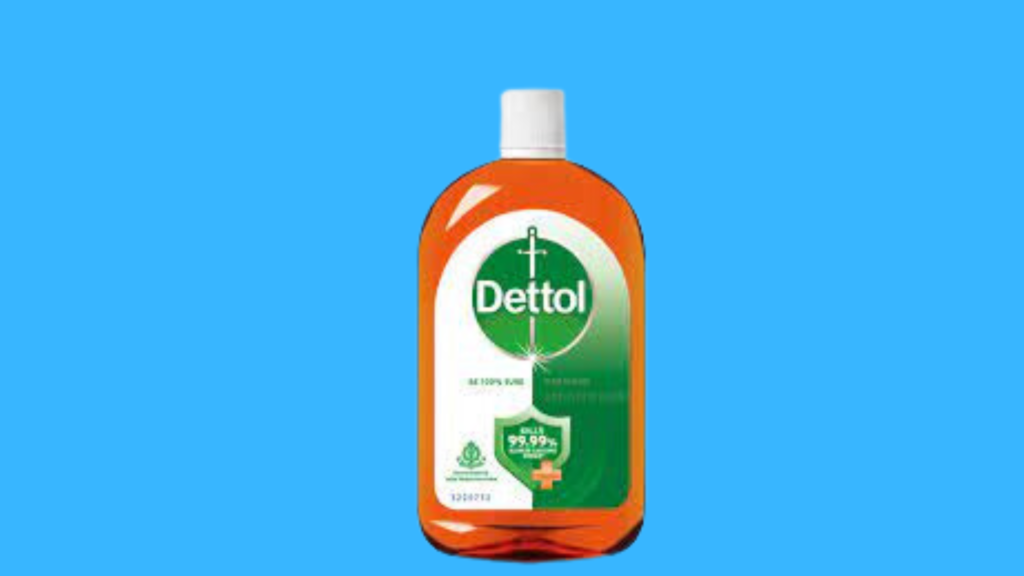
If you’re facing this issue, you might wonder if Dettol, a commonly used antiseptic, can effectively kill maggots on dogs.
Can Dettol Kill Maggots in Dogs?
Can Dettol Kill Maggots in Dogs?
Yes, Dettol can be effective in killing maggots in dogs. While Dettol is a popular antiseptic and disinfectant used for various purposes, its effectiveness against maggots requires careful consideration.
Dettol is primarily designed for external use on human skin and surfaces. Although it possesses antibacterial and antifungal properties, its specific effectiveness against maggots may vary.
Additionally, the safety of using Dettol on dogs and its direct application to maggot-infested wounds should be thoroughly understood to prevent adverse reactions.
Throughout this article, we will provide valuable insights and alternative methods to treat maggot infestation in dogs, considering the potential use of Dettol as a solution.
However, it is essential to consult with a veterinarian before using any products or attempting home remedies to ensure the best possible care for your furry companion.
So, let’s dive into the world of maggot infestation, explore different treatment options, and evaluate the role of Dettol in combating this issue.
By the end of this article, you will understand how to effectively deal with maggot infestation in dogs, ensuring their well-being and comfort.
I. Understanding Maggot Infestation in Dogs
Understanding Maggot Infestation in Dogs
A. What are maggots?
When it comes to maggot infestation in dogs, it’s important to understand what maggots are.
Maggots are the larval stage of flies, specifically the common green bottle fly or blowfly.
These tiny, legless creatures hatch from fly eggs and can quickly multiply in numbers.
Larvae are attracted to moist and decaying organic matter, such as wounds, feces, or rotting food.
They thrive in warm and humid environments, making dogs susceptible to infestation, especially if they have open wounds or poor hygiene.
B. Causes of maggot infestation in dogs
Maggot infestation in dogs typically occurs when flies lay eggs on or near a dog’s body.
The eggs hatch into maggots, feeding on the dog’s tissue or organic matter in wounds.
Common causes of maggot infestation in dogs include untreated wounds, excessive skin folds or creases, filthy fur, urine or feces-soaked fur, and poor hygiene practices.
Dogs with mobility issues or underlying health conditions are also more susceptible to maggot infestations.
C. Signs and symptoms of maggot infestation
Identifying maggot infestation in dogs early is crucial for prompt treatment. Look out for the following signs and symptoms:
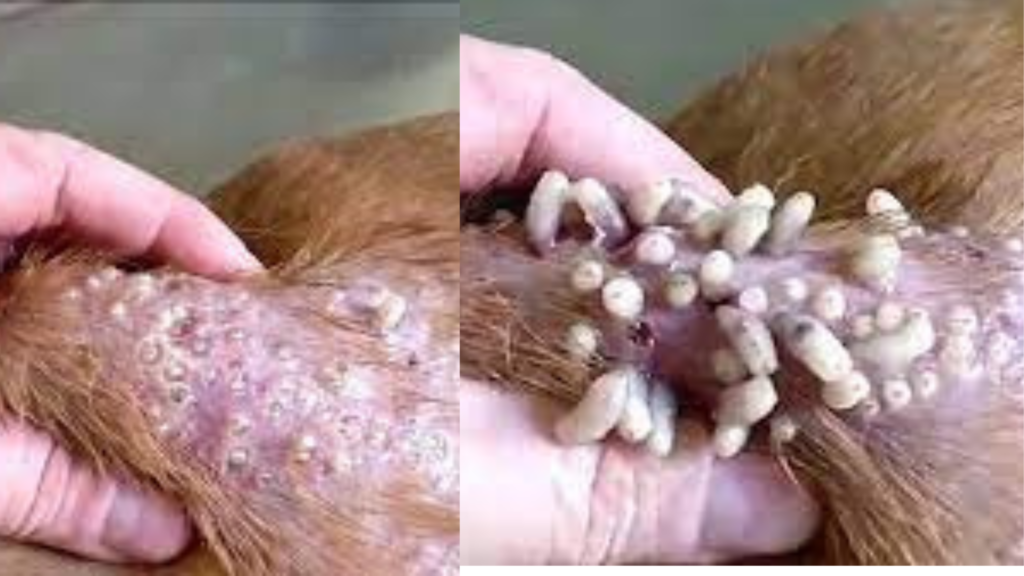
1. Presence of maggots: You may observe tiny white larvae moving on or near the dog’s body, particularly around wounds, filthy fur, or areas with excessive moisture.
2. Discomfort and itching: Infested dogs may exhibit discomfort, constant scratching, licking, or biting at the affected area.
3. Foul odor: Maggots produce a distinctive smell that can be unpleasant and noticeable.
4. Swelling and inflammation: The infested area may show redness, swelling, or inflammation.
5. Behavioral changes: Dogs may become lethargic, lose their appetite, or display signs of pain or distress.
It’s important to remember that maggot infestation can seriously require immediate veterinary attention.
If you notice any signs or suspect your dog has maggots, consult your veterinarian for an accurate diagnosis and appropriate treatment.
In the following sections, we will explore various treatment options, including using Dettol, to address maggot infestation in dogs effectively. Stay tuned for valuable insights and recommendations.
II. Treating Maggot Infestation in Dogs
Treating Maggot Infestation in Dogs
A. Importance of prompt action
When it comes to treating maggot infestation in dogs, prompt action is essential.
Maggot infestations can cause significant discomfort, pain, and potential complications for your furry friend.
Delaying treatment can worsen the condition and increase the risk of infection. Therefore, acting swiftly and effectively is crucial to alleviate your dog’s suffering and prevent further harm.
B. Step-by-step guide to treating maggots on dogs
1. Preparing the necessary supplies:
Before starting the treatment, gather the required supplies to ensure a smooth and efficient process.
These may include gloves, tweezers, saline solution, clean towels, antiseptic solution (such as diluted povidone-iodine or chlorhexidine), and a topical wound treatment prescribed by your veterinarian.
2. Safely removing the maggots:
Carefully inspect the affected area to locate and remove the larvae.
It’s crucial to handle this process to minimize your dog’s discomfort gently.
Using gloved hands or tweezers, pick up each maggot and place them in a container filled with soapy water or rubbing alcohol to ensure they are properly disposed of.
3. Cleaning and disinfecting the wound:
Thoroughly clean the wound using a mild saline solution or as advised by your veterinarian.
Gently flush the area to remove any remaining debris or maggots’ remnants.
After cleaning, apply an antiseptic solution to disinfect the wound and promote healing.
Avoid using Dettol directly on the wound, which may cause skin irritation.
4. Applying topical treatments:
Follow your veterinarian’s instructions regarding the application of topical treatments.
They may recommend specific ointments or creams to aid in wound healing and prevent infection.
These topical treatments can help soothe the affected area and provide additional protection.
5. Monitoring and aftercare:
Keep a close eye on your dog’s progress during the healing process.
Watch for signs of infection, such as increased redness, swelling, discharge, or worsening symptoms.
Administer any prescribed medications as directed.
Provide a clean and comfortable environment for your dog to rest and recover.
If you notice any concerning changes or the infestation persists, consult your veterinarian for further guidance.
Remember, while the outlined steps can assist in treating maggot infestation in dogs, it’s crucial to involve your veterinarian for proper diagnosis and treatment recommendations.
They can provide personalized advice based on your dog’s condition and ensure the best care.
Dettol is a widely recognized brand known for its antiseptic properties.
It contains various active ingredients, including chloroxylenol, which exhibits antibacterial and antifungal properties.
Dettol is commonly used for wound cleansing and disinfection in humans and is a potential solution for addressing dog maggot infestation.
B. Can Dettol effectively kill maggots on dogs?
While Dettol has antimicrobial properties, its effectiveness in killing maggots in dogs may vary.
It is important to note that maggot infestations can be complex and require comprehensive treatment.
While Dettol may help disinfect wounds and prevent infection, it may not be sufficient as a standalone treatment for killing maggots.
C. Safe usage of Dettol for maggot infestation
Suppose you decide to use Dettol to address maggot infestation in dogs. In that case, it is crucial to do so cautiously and follow safe usage guidelines.
Here are a few considerations to keep in mind:
– Dilute Dettol properly: Use Dettol in its diluted form as per the instructions provided on the packaging. Avoid undiluted, as it may cause skin irritation or other adverse effects.
– Avoid sensitive areas: Avoid applying Dettol near your dog’s eyes, ears, or sensitive mucous membranes. If contact occurs, rinse the area thoroughly with clean water.
– Consult your veterinarian: Before using Dettol or any other product on your dog, consult your veterinarian. They can guide you on its suitability for your dog’s specific condition and offer alternative solutions if necessary.
D. Risks and considerations of using Dettol
It’s important to be aware of the potential risks associated with using Dettol for maggot infestation in dogs:
– Skin sensitivity: Some dogs may be more sensitive to the ingredients in Dettol, which could cause skin irritation or allergic reactions. If you notice any adverse reactions, discontinue use immediately and consult your veterinarian.
– Incomplete maggot removal: Dettol alone may not completely eradicate maggot infestations. Ensuring thorough maggot removal through careful inspection and proper wound cleansing is crucial.
– Professional guidance: Maggot infestations can vary in severity, and professional veterinary care is often necessary for proper diagnosis and treatment. Always consult your veterinarian for expert advice.
Combining appropriate maggot removal techniques, wound cleansing, and consultation with your veterinarian can ensure a comprehensive approach to addressing maggot infestation in dogs.
IV. Alternative Methods to Kill Maggots on Dogs
A. Natural remedies and home solutions
While Dettol is one potential solution, there are also natural remedies and home solutions that can help address dog maggot infestations. These options are often preferred by pet owners who prefer more holistic approaches. Here are a few natural remedies to consider:
– Warm saline solution: A warm saline solution can flush maggots from the affected area. Dissolve salt in clean, warm water and gently rinse the wound.
– Neem oil: Neem oil has natural antibacterial and antifungal properties. Applying a small amount of diluted neem oil to the wound can help deter maggots and promote healing.
– Turmeric paste: Turmeric possesses antimicrobial properties and can heal wounds. Create a paste using turmeric powder and water, and apply it to the wound after a thorough cleaning.
B. Seeking professional veterinary care
In cases of severe maggot infestations or if you are unsure about handling the situation yourself, it is recommended to seek professional veterinary care.
Veterinarians have the expertise and resources to provide proper diagnosis and treatment.
They can perform maggot removal, administer appropriate medications, and ensure your dog’s overall well-being.
C. Other recommended products or treatments
Apart from Dettol, several other products and treatments can effectively address maggot infestations in dogs. Some of these options include:
– Veterinary-approved insecticides: Your veterinarian may recommend specific insecticides that are safe for dogs to kill Maggots.
– Topical ointments or creams: There are various topical treatments available that can help in eliminating maggots and promoting wound healing. These may contain ingredients such as antibiotics or antiparasitic agents.
– Systemic medications: In severe cases, oral or injectable medications may be prescribed by a veterinarian to address underlying infections and kill Maggots.
Remember, it is essential to consult with your veterinarian before trying any alternative methods or using new products.
They can provide guidance based on your dog’s individual needs and recommend the most suitable course of action.
V. First Aid for Maggot Wounds in Dogs
A. Recognizing and Assessing Maggot-Infested Wounds
It’s important to be able to identify maggot-infested wounds on your dog.
Look for signs such as an unpleasant odor, visible maggots, excessive licking or scratching, swelling, redness, or discharge from the affected area.
Once you spot these indications, it’s crucial to take immediate action.
B. Immediate Actions to Take
When faced with a maggot-infested wound on your dog, here are some essential steps to follow for immediate first aid:
1. Stay calm: It’s natural to feel concerned, but staying calm will help you handle the situation better.
2. Restrain your dog: Ensure your dog remains still and comfortable to prevent further aggravation of the wound or accidental injury.
3. Protect yourself: Wear gloves to protect your hands from direct contact with the maggots or the wound.
4. Remove visible maggots: Use blunt-tipped tweezers or forceps to remove visible maggots from the wound. Be gentle and avoid causing any additional harm to your dog.
5. Clean the wound: Gently clean the wound with a mild antiseptic solution or warm saline water. This will help remove debris and reduce the risk of infection.
6. antiseptic cream or ointment: Once the wound is clean and dry, apply a veterinary-approved antiseptic cream or ointment to prevent further infection and promote healing.
C. How to Provide Temporary Relief and Prevent Further Infestation
While waiting for professional veterinary care or before you can administer additional treatments, here are some measures you can take to provide temporary relief and prevent further infestation:
1. Cover the wound: Use a clean, non-stick dressing or bandage to cover the wound. This will protect it from further contamination and reduce the likelihood of fly eggs laying in the area.
2. Prevent your dog from licking or scratching: Ensure your dog does not have access to the wound, as excessive licking or scratching can worsen the condition. An Elizabethan collar can prevent your dog from reaching the affected area.
3. Keep your dog clean and dry: Maintaining good hygiene is crucial during healing. Regularly clean your dog’s fur, especially in the surrounding wound area, to prevent additional infections.
4. Monitor for signs of infection: Keep a close eye on the wound for any signs of infection, such as increased redness, swelling, or discharge. If you notice any concerning changes, consult with a veterinarian promptly.
Remember, while providing first aid can help alleviate immediate discomfort and prevent further infestation, seeking professional veterinary care for a comprehensive evaluation and proper treatment of maggot-infested wounds in dogs is essential.
In the next section, we will discuss preventive measures to minimize the risk of maggot infestations and ensure your dog’s well-being.
VI. Prevention and Best Practices
A. Tips to Prevent Maggot Infestation in Dogs
Taking proactive measures can significantly reduce the risk of maggot infestation in your beloved furry friend. Here are some essential tips to keep in mind:
1. Regular grooming: Maintain a routine grooming schedule to keep your dog’s coat clean and free from debris that can attract flies.
2. Clean living environment: Ensure your dog’s living area, bedding, and surroundings are clean and free from waste or decaying matter that may attract flies.
3. Prevent access to carcasses: Avoid letting your dog come into contact with dead animals, as they can harbor maggots and other harmful parasites.
4. Eliminate food sources for flies: Properly dispose of leftover food and close trash bins to discourage fly activity near your dog’s living area.
B. Proper Wound Care and Hygiene
Maintaining good wound care and hygiene practices can go a long way in preventing maggot infestations. Here’s what you should do:
1. Promptly address wounds: Clean and treat any wounds your dog sustains immediately to minimize the risk of flies laying eggs in the open wound.
2. Regularly inspect your dog for wounds: Conduct routine checks for any injuries or sores, paying particular attention to areas prone to friction, moisture, or skin folds.
3. Keep wounds clean and dry: Cleanse wounds with a veterinarian-recommended antiseptic solution and ensure they remain dry to discourage fly attraction.
C. Regular Inspections and Parasite Control
Regular inspections and effective parasite control measures are crucial in preventing maggot infestations. Follow these guidelines:
1. Conduct thorough inspections: Regularly examine your dog’s body, especially sensitive areas such as ears, anus, and genital region, for any signs of irritation, wounds, or parasites.
2. Use preventive treatments: Consult with your veterinarian about appropriate preventive treatments, such as topical medications or collars, to protect your dog against fleas, ticks, and other parasites that can cause wounds and attract flies.
3. Stay up to date with vaccinations: Ensure your dog is current on vaccinations to reduce the risk of diseases that can weaken their immune system and make them more susceptible to maggot infestations.
Following these preventive measures and best practices can significantly reduce the chances of your dog experiencing maggot infestation.
Remember, regular veterinary check-ups and open communication with your veterinarian are essential for maintaining your dog’s overall health and well-being.
In conclusion, being proactive in preventing maggot infestations, practicing proper wound care, and prioritizing your dog’s hygiene and parasite control will help keep your furry companion happy, healthy, and free from the discomfort of maggot-related issues.
Frequently Asked Questions
Is Dettol safe for dogs?
When used properly and in moderation, Dettol can be safe for dogs. However, it is important to follow the guidelines provided by the manufacturer and consult with your veterinarian before using any product on your furry friend. Dogs may have different sensitivities, so it’s crucial to watch for any signs of adverse reactions and discontinue use if necessary.
What other methods can be used to kill maggots on dogs?
In addition to using Dettol, several other methods can effectively eliminate maggots in dogs:
1. Warm water and mild soap: Gently washing the affected area with warm water and mild soap can help remove maggots.
2. Veterinary-recommended insecticides: Your veterinarian may prescribe or recommend specific insecticides or medications to kill maggots.
3. Natural remedies: Some natural solutions, such as diluted vinegar or essential oils, may help repel or kill maggots. However, it’s important to consult your veterinarian before using home remedies to ensure they are safe and effective for your dog.
How can one determine if the maggots are dead?
Determining if maggots are dead can be challenging. However, you can look for signs such as immobility, lack of touch response, or changes in coloration. It’s best to consult your veterinarian for an accurate assessment and guidance on further treatment.
Strategies for preventing maggots from coming back
Preventing a recurrence of maggot infestation is essential to ensure your dog’s well-being. Here are some strategies to consider:
1. Thorough wound care: Properly clean and care for any wounds your dog may have to minimize the risk of attracting flies and subsequent maggot infestation.
2. Regular inspections: Conduct routine inspections to promptly identify any wounds or signs of irritation that may attract flies.
3. Maintain a clean environment: Keep your dog’s living area clean, free from waste or decaying matter, and dispose of trash properly to deter fly activity.
4. Use preventive measures: Use veterinarian-recommended measures, such as flea and tick control products, to minimize the risk of wounds and subsequent maggot infestations.
Following these guidelines and seeking professional advice can help prevent maggot infestations, ensure your dog’s well-being, and promote a healthy and happy life for your furry companion.
Remember, when dealing with health concerns or infestations, it’s always best to consult your veterinarian for personalized advice and appropriate treatment options tailored to your dog’s specific needs.
Maggot infestation in dogs can be a distressing and potentially harmful condition.
In this article, we have explored various aspects of treating and preventing maggot infestations in dogs, specifically focusing on the potential use of Dettol as a solution.
We started by understanding what maggots are and the common causes of dog infestation.
We discussed the signs and symptoms to watch out for, emphasizing the Importance of prompt action in addressing this issue.
We provided a step-by-step guide on how to treat maggots on dogs, including preparing the necessary supplies, safely removing the maggots, cleaning and disinfecting the wound, applying topical treatments, and monitoring the healing process.
It’s crucial to follow these steps carefully to ensure effective treatment.
While exploring Dettol as a potential solution, we discussed its properties and whether it can effectively kill maggots on dogs.
However, it’s important to exercise caution and consult with a veterinarian before using any product on your dog.
Your veterinarian can provide personalized guidance based on your dog’s needs and health condition.
We also highlighted alternative methods for killing maggots on dogs, including natural remedies and seeking professional veterinary care.
Additionally, we emphasized the Importance of first aid for maggot-infested wounds. We provided temporary relief techniques to prevent further infestation.
We discussed important preventive measures such as wound care, regular inspections, and maintaining a clean environment to prevent future maggot infestations.
We also emphasized veterinarian-recommended preventive measures like flea and tick control.
In conclusion, it is vital to prioritize your dog’s well-being by promptly addressing maggot infestations.
While Dettol may be a potential solution, consulting with a veterinarian for proper diagnosis and treatment is crucial.
Each dog is unique; professional advice can ensure the most effective and safe approach.
Remember, your veterinarian is your trusted partner in your dog’s health journey. By seeking their guidance, you can provide the best care for your furry friend, ensuring their comfort and happiness.
Welcome to the world of doggy recovery! Seeing your Dog limping after splint removal can be concerning.
But fret not because we’re here to guide you through the process and provide valuable insights on how to help your dog during this phase.
This article delves into dogs limping after splint removal, focusing on recovery and post-splinting care.
We’ll address common questions and concerns that pet owners often have when their dog’s leg is no longer immobilized.
We aim to equip you with the knowledge and understanding needed to support your dog’s healing journey effectively.
We’ll explore various aspects, including the duration of limping, post-splinting care guidelines, reasons why dogs may continue to limp, signs of infection to watch out for, and when to seek veterinary care.
Additionally, we’ll provide insights into promoting healing and muscle building, as well as potential complications and risks.
By the end of this article, you’ll have a comprehensive understanding of the recovery process and the necessary steps to ensure your dog’s well-being.
So, let’s embark on this informative and exciting journey together, helping our furry friends bounce back on their paws with confidence and comfort!
Understanding the Recovery Process
Understanding the Recovery Process
Have you ever wondered how long your beloved pup might continue to limp after a broken leg and the subsequent splint removal?
Let’s dive into the fascinating world of doggy recovery and explore the ins and outs of the healing process.
How long will my dog limp after a broken leg?
First and foremost, it’s important to note that the duration of limping can vary from dog to dog.
The recovery timeline depends on several factors, such as the fracture’s severity, the break’s location, and your dog’s individual healing capabilities.
While some dogs may stop limping relatively quickly, others require more time and patience.
On average, it’s common for dogs to experience some degree of limping for a few weeks to a couple of months after a broken leg and splint removal.
However, it’s essential to remember that each case is unique, and your veterinarian will provide you with more specific information based on your dog’s condition.
During recovery, you might notice that your dog’s limping gradually improves over time.
Your furry friend will restore mobility and confidence as the bone heals and the muscles regain strength.
Patience and consistent post-splinting care are critical factors in supporting your dog’s recovery journey.
Remember, if you have any concerns about the duration or progress of your dog’s limping, don’t hesitate to contact your veterinarian.
They can provide personalized guidance and address any additional questions you may have.
Together, we’ll help your furry friend get back on all four paws and enjoy their adventurous life to the fullest!
Post-Splinting Care for dogs
Congratulations on reaching the post-splinting phase of your dog’s recovery! Now, it’s time to focus on the essential steps and precautions that will aid your furry friend in fully regaining their strength and mobility.
How long should a dog wear a splint?
First and foremost, the duration of time your dog needs to wear a splint will depend on the advice and guidance of your veterinarian.
Generally, dogs wear splints for several weeks to a few months. However, following your vet’s instructions diligently is crucial to ensure optimal healing and minimize the risk of re-injury.
Once the splint is removed, providing your dog with a safe and comfortable environment is essential. Limit their physical activity and avoid strenuous exercise that could strain the healing leg.
Additionally, prevent them from jumping or engaging in rough play that might compromise recovery.
Your veterinarian may recommend specific exercises or activities to support your dog’s rehabilitation.
These can include controlled walks, gentle stretching, and low-impact exercises to strengthen the muscles surrounding the previously injured leg gradually.
Always consult your vet before implementing any exercise regimen to ensure it suits your dog’s unique situation.
Keep a close eye on your furry companion during the recovery period. Watch for any discomfort, excessive swelling, or redness around the leg.
These could indicate a potential problem, such as infection or improper healing. If you notice any concerning symptoms, don’t hesitate to contact your veterinarian for further guidance.
Remember, the road to recovery requires patience and consistency. Provide your dog with plenty of love, care, and encouragement throughout the process.
With proper post-splinting care and rehabilitation, your four-legged friend will soon be back on their feet, ready to embark on new adventures together!
Dog Limping After Splint Removal
Ah, the curious case of the limping dog after splint removal! It’s common for our furry companions to continue limping even once the splint has been removed.
But fear not, for there are several reasons why this might occur.
Why is my dog limping after splint removal?
Firstly, it’s important to remember that the healing process takes time.
After a broken leg, the affected muscles, tendons, and ligaments may have weakened or become stiff due to inactivity during splinting.
This can lead to a temporary imbalance in your dog’s gait, causing them to limp as they readjust to using the leg again.
Additionally, residual pain and discomfort can contribute to continued limping.
While the splint may have provided support and stability, some pain persists. Just like humans, dogs may instinctively favor the injured leg to alleviate any lingering discomfort.
Muscle weakness is another factor to consider. When a leg is immobilized for an extended period, the muscles surrounding it may undergo atrophy or become weaker.
As a result, your dog may experience difficulty fully bearing weight on the previously injured limb, leading to a noticeable limp.
Fortunately, in most cases, these post-splinting limps resolve gradually over time as your dog regains strength, flexibility, and confidence in their recovering leg.
However, if the limping persists or worsens, or you notice any concerning signs such as swelling or increased pain, you must consult your veterinarian for a thorough evaluation.
Remember, each dog’s recovery is unique, and the duration and intensity of limping can vary.
Patience, gentle exercise, and consistent post-splinting care will go a long way in helping your furry friend regain full mobility.
Before you know it, they’ll be bounding around with their trademark enthusiasm, leaving that post-splinting limp far behind!
Ah, the eagerly awaited recovery period after splint removal! While every dog’s healing journey is unique, there are some general guidelines and signs to remember.
What is the average recovery time for a dog after splint removal?
Firstly, let’s talk about the average recovery time. After the splint is removed, your furry friend usually takes a few weeks to regain their full strength and mobility.
However, please note that this can vary depending on the severity of the initial injury, your dog’s overall health, and its healing process.
Patience is critical during this phase, as it takes time for the muscles, tendons, and ligaments to regain strength and flexibility.
What are the signs of infection after splint removal?
Now, let’s turn our attention to signs of infection. It’s essential to closely monitor your dog’s leg for any red flags indicating an infection.
These can include swelling, redness, discharge, or excessive licking of the area. If you notice any of these symptoms, it’s crucial to consult your veterinarian promptly.
Infections can impede healing and lead to further complications if left untreated.
Your vet will be able to examine the leg, provide appropriate treatment, and help ensure a smooth recovery for your furry friend.
Remember, open communication with your veterinarian is essential during this phase.
They can provide specific guidance tailored to your dog’s needs and monitor their progress closely.
With proper care, attention, and a watchful eye for signs of infection, your loyal companion will return to their paws quickly!
Seeking Veterinary Care
Ah, the role of the vigilant pet parent continues even after the splint is removed! While most dogs recover smoothly, there are instances where seeking veterinary care is crucial to ensure your furry friend’s well-being.
When should I take my dog back to the vet?
So, when should you take your dog back to the vet? Well, there are a few situations that warrant immediate veterinary attention.
If your dog experiences sudden and severe pain or excessive swelling or limping worsens significantly, it’s time to pick up the phone and schedule a visit to the vet.
These could be signs of complications or underlying issues that require professional evaluation.
Additionally, if you notice any concerning changes in your dog’s behavior, such as decreased appetite, lethargy, or unusual discharge from the leg, you must consult your veterinarian promptly.
Our four-legged companions can’t vocalize their discomfort, so we must be their advocates and address potential problems.
Remember, your veterinarian is your trusted partner in your dog’s recovery journey.
They have the knowledge and expertise to assess your dog’s condition, conduct necessary tests or examinations, and provide appropriate treatment or interventions.
It’s always better to err on the side of caution regarding your precious pup’s health. If you have any doubts or concerns during recovery, don’t hesitate to contact your veterinarian.
They’ll be able to guide you and ensure your dog receives the best care possible, bringing them one step closer to a happy and healthy life on all four paws.
Promoting Healing and Muscle Building
Promoting Healing and Muscle Building
Promoting healing and muscle building in the splinted leg becomes crucial as your dog continues on their road to recovery.
But how can you assist your furry friend in regaining strength and mobility? Let’s explore some tips and exercises to aid in their rehabilitation journey.
How can I help my dog build up muscle in his splinted leg?
First and foremost, it’s essential to consult your veterinarian or a veterinary rehabilitation specialist before initiating any exercises.
They can provide specific guidance tailored to your dog’s condition and recovery progress.
What exercises can I do to help him recover?
Controlled physical activity is critical to helping your dog build muscle in the splinted leg.
Start with gentle exercises such as controlled leash walks or short, supervised sessions of low-impact movements.
These activities encourage your dog to use the leg, gradually promoting muscle strength without causing undue stress or strain.
Another beneficial exercise is range-of-motion exercises, which involve gently flexing and extending the joints of the splinted leg.
Your veterinarian or a professional rehabilitation therapist can demonstrate these exercises and guide you in performing them safely. These exercises help maintain joint flexibility and prevent stiffness.
Additionally, rehabilitation tools such as balance boards or physiotherapy balls can strengthen muscles.
These tools challenge your dog’s balance and engage the powers of the splinted leg as they maintain stability.
However, using these tools under professional guidance is crucial to ensure proper technique and prevent injury.
Remember, consistency and patience are key during your dog’s recovery process.
Gradually increase the duration and intensity of exercises as guided by your veterinarian. Constantly monitor your dog’s comfort level and adjust the activities accordingly.
Remember that every dog’s recovery journey is unique, and the rehabilitation process may vary.
Your veterinarian or a rehabilitation specialist can provide personalized recommendations based on your dog’s condition, age, and overall health.
By providing targeted exercises and promoting gradual muscle building, you’ll be helping your canine companion regain strength and mobility in their splinted leg.
Together, you’ll work towards a successful recovery and a wagging tail that signals your restored zest for life!
Complications and Risks
While we hope for a smooth and uneventful recovery after splint removal, there can be instances where complications arise.
It’s essential to be aware of the signs that indicate a dog’s leg may not be healing properly and the potential risks involved.
By staying vigilant, you can take the necessary steps to address any issues that may arise.
What are the signs of a dog’s leg not healing correctly?
Signs that a dog’s leg may not heal correctly include persistent or worsening limping, swelling, or discomfort.
If you notice your dog favoring the previously splinted leg, experiencing persistent lameness, or showing signs of pain, it could indicate an issue with the healing process.
Other symptoms to watch for include open wounds, discharge, or a noticeable change in the appearance of the leg.
If you observe any of these signs, it’s essential to consult your veterinarian promptly.
What are the risks of complications after splint removal?
Complications after splint removal can vary depending on the nature of the original injury, the effectiveness of the treatment, and individual factors.
Some common complications may include delayed or incomplete bone healing, infection, or the development of abnormal bone formations.
These complications can prolong the recovery process and may require additional medical intervention.
The risks associated with complications after splint removal emphasize the importance of post-splinting care and regular monitoring.
If left untreated, complications can lead to chronic pain, further damage to the affected leg, and potentially impact your dog’s overall quality of life.
Timely intervention and veterinary guidance are essential to address complications and ensure proper healing.
If you have concerns about your dog’s recovery or suspect that the leg may not be healing as expected, it’s crucial to contact your veterinarian.
They can assess the situation, perform diagnostic tests if necessary, and recommend appropriate treatment options to promote proper healing and address any complications.
Remember, each dog’s healing process is unique, and complications are not inevitable.
By closely monitoring your dog’s recovery, following post-splinting care guidelines, and seeking veterinary attention when needed, you can increase the chances of a successful and uneventful recovery.
Your proactive approach will contribute to your furry friend’s well-being and their return to a happy, active life.
In conclusion, a dog’s recovery journey after splint removal requires patience, diligence, and proper post-splinting care.
We’ve explored various aspects of this process, from understanding the duration of limping to promoting muscle strength and monitoring for signs of infection or complications.
Remember, each dog’s recovery timeline may vary, and patience’s essential as they regain their strength and mobility.
Adhering to the guidelines provided by your veterinarian and following a gradual approach to physical activity will contribute to a smoother recovery.
Vigilance is vital when it comes to post-splinting care. Keep a close eye on your dog for any signs of infection, such as swelling, redness, discharge, or excessive licking.
If you notice these signs, promptly consult your veterinarian for appropriate treatment.
We’ve also discussed the importance of seeking veterinary care when needed.
Don’t hesitate to contact your veterinarian if you have concerns or observe any abnormalities during your dog’s recovery.
They can provide personalized guidance and support based on your dog’s situation.
Your role as a responsible and attentive pet owner is crucial in this process.
By providing the necessary care, monitoring for any changes, and working closely with your veterinarian, you can help ensure a successful recovery for your furry friend.
Remember, your veterinarian is your trusted partner throughout this journey. They have the expertise and knowledge to address any concerns, provide tailored advice, and offer reassurance during recovery.
So, stay proactive, be patient, and remember to celebrate each milestone your dog achieves. With proper care and support, they will soon be back on their feet, ready to enjoy life’s adventures again.