Category: Dog Health

  • Can You Burn Dog Poop? Exploring Safe Disposal Methods

    Can You Burn Dog Poop? Exploring Safe Disposal Methods

    Welcome to the world of dog waste disposal! Today, we’ll address the question: Can you burn dog poop?

    Before we delve into the fiery details, it’s essential to understand the significance of proper waste management.

    Improper disposal can harm the environment and pose health risks. So, let’s explore the legality, health risks, and environmental impacts of burning dog poop.

    We’ll discover alternative methods for handling this organic waste along the way.

    Join us on this enlightening journey toward responsible and eco-friendly dog waste management.

    Let’s make informed choices together!

    Can You Burn Dog Poop?

    Can You Burn Dog Poop?
    Can You Burn Dog Poop?

    Ah, the burning question: Can you unleash the fiery power on your dog’s poop?

    No, burning dog poop is not recommended. Burning dog poop can release harmful toxins and contribute to air pollution. It can also create unpleasant odors and pose health risks when inhaled. Additionally, the chemicals present in dog waste can damage burning equipment such as fire pits.

    Instead of burning, it is best to consider safe and eco-friendly alternatives for disposing of dog poop, such as bagging it and placing it in designated waste bins.

    Responsible waste management practices help protect our health and the environment.

    Is it Safe and Legal to Burn Dog Poop?

    We’re here to shed some light on whether it’s safe and legal to set dog poop ablaze. Before you gather your matches and lighter fluid, let’s explore the ins and outs of this fiery matter.

    Regarding the legality of burning dog poop, it’s crucial to understand that regulations vary depending on where you live.

    Some areas have strict laws prohibiting open burning, including burning organic waste like dog poop.

    These regulations aim to protect the environment, prevent air pollution, and maintain community health and cleanliness.

    To avoid any legal issues, it’s essential to familiarize yourself with the local laws and regulations regarding waste disposal.

    Now, let’s talk about safety concerns. Burning dog poop can pose potential health risks and hazards, so it’s essential to consider them.

    When organic waste burns, it releases toxic fumes and particles.

    Inhaling these fumes can irritate the respiratory system and cause discomfort, especially for individuals with pre-existing respiratory conditions.

    The smoke produced during the burning process can also carry unpleasant odors that can linger in the surrounding area.

    Furthermore, burning dog poop may not eliminate all the pathogens present in the waste.

    Some bacteria and parasites can withstand the combustion process and survive, potentially leading to the spread of diseases and contamination of the environment.

    This can pose risks not only to humans but also to other animals and wildlife in the vicinity.

    Proper waste management is of utmost importance when handling dog poop.

    We must prioritize the health and well-being of ourselves, our pets, and the environment. Instead of burning, there are safer and more responsible methods for disposing of dog waste.

    By bagging the waste and disposing of it in designated waste bins, we can prevent the release of harmful substances into the air and minimize the risk of contamination.

    Some areas may have specific guidelines for dog waste disposal, such as using biodegradable bags or separate waste collection systems.

    Following these guidelines ensures we do our part to maintain cleanliness and protect the environment.

    So, is it safe and legal to burn dog poop? The answer may vary depending on your location and local regulations.

    However, considering the potential health risks and the importance of responsible waste management, exploring alternative disposal methods that prioritize safety and environmental sustainability is recommended.

    Let’s keep our surroundings clean, our air fresh, and our communities healthy by making informed choices when handling dog waste.

    Burning Dog Poop in a Burn Barrel

    Burning dog poop in a burn barrel is a method that some people consider for waste disposal. Let’s examine this practice, its advantages and disadvantages, and whether it suits burning dog poop.

    1. The Burn Barrel Method

    A burn barrel is a metal container designed explicitly for burning waste. It typically has small ventilation holes or slots to facilitate air circulation. Here’s what you need to know about burning dog poop in a burn barrel:

       a. Waste Incineration: Burning dog poop in a burn barrel involves placing the waste inside the barrel and igniting it. As the waste burns, it becomes ash, reducing its volume and mass.

       b. Efficient Combustion: The design of a burn barrel promotes efficient combustion by allowing sufficient airflow to support the burning process. This helps minimize the amount of smoke and unburned waste produced.

       c. Waste Reduction: Burning dog poop in a burn barrel can significantly reduce the amount of waste that would otherwise end up in landfills or other disposal methods.

    2. Advantages of Using a Burn Barrel

       a. Waste Volume Reduction: Burning dog poop in a burn barrel can effectively reduce the volume of waste, making it more manageable and potentially reducing the frequency of waste disposal.

       b. Convenient and Accessible: Burn barrels are relatively easy to obtain, and burning waste is straightforward.

       c. Potential Pest Control: Burning dog waste may help eliminate or deter pests attracted to the odor or waste materials.

    3. Disadvantages and Considerations

       a. Air Pollution: Burning any type of waste, including dog poop, releases pollutants into the air. The combustion process produces smoke, particulate matter, and potentially harmful gases, which can contribute to air pollution and have adverse health effects.

       b. Odor and Nuisance: Burning dog poop can generate strong odors, which may cause discomfort for you and your neighbors. Considering the impact on the surrounding environment and nearby households is essential.

       c. Legal Restrictions: Using burn barrels for waste disposal may be subject to local regulations and restrictions. Before burning dog poop in a burn barrel, comply with applicable laws or ordinances.

    4. Can You Burn Dog Poop in a Burn Barrel?

    The permissibility of burning dog poop in a burn barrel varies depending on your location and local regulations.

    You must check with your local authorities to determine if burning dog waste in a burn barrel is allowed in your area.

    However, even if it’s permissible, it’s crucial to consider the potential environmental and health impacts associated with burning waste.

    Exploring alternative waste disposal methods that are more environmentally friendly and reduce air pollution should be encouraged.

    Remember, responsible waste management is critical to protecting our environment and ensuring the well-being of our communities.

    While burning dog poop in a burn barrel may seem like a quick solution, weighing the advantages and disadvantages and making an informed decision that aligns with local regulations and promotes sustainable waste management practices is essential.

    Burning Dog Poop in a Fire Pit

    The idea of burning dog poop in a fire pit might have crossed your mind as a possible waste disposal method.

    However, it’s essential to consider the appropriateness and potential issues associated with this approach.

    Let’s delve into the topic and address the question: Can you burn dog poop in a fire pit?

    1. Appropriateness of Burning Dog Poop in a Fire Pit

    Fire pits are typically designed for recreational purposes, such as enjoying warmth and ambiance.

    While they can effectively burn organic materials like firewood, burning dog poop in a fire pit presents different considerations.

    2. Potential Issues and Concerns

       a. Odor and Smoke: Dog waste emits strong odors when burned, which can be unpleasant and potentially disruptive to the surrounding environment. Burning dog poop can also release smoke that may irritate your eyes and respiratory system.

       b. Air Quality and Pollution: Burning dog poop in a fire pit can contribute to air pollution. The combustion process releases pollutants into the air, including particulate matter and potentially harmful gases, which can have adverse health and environmental effects.

       c. Fire Pit Damage: Dog waste contains various substances that can be harmful when burned. The release of certain chemicals and compounds can cause damage to the fire pit itself, affecting its performance and longevity.

    3. Health and Safety Considerations

    Burning dog poop can pose health risks due to releasing toxic substances and pathogens.

    Inhaling the smoke or being exposed to the fumes can harm your health.

    When considering waste disposal methods, it’s essential to prioritize the well-being and safety of yourself and others.

    4. Alternative Waste Disposal Methods

    Instead of burning dog poop in a fire pit, exploring safer and more environmentally friendly options is recommended. These alternatives include:

       a. Bagging and Bin Disposal: Use biodegradable bags to collect dog waste and dispose of it in designated bins. This helps prevent the spread of pathogens and minimizes environmental impact.

       b. Pet Waste Composting: Consider composting dog poop using specific systems designed to handle animal waste. This process promotes natural decomposition and can produce nutrient-rich compost for non-edible plants.

       c. Professional Waste Removal Services: Specialized pet waste removal services are available in some areas. These services handle the collection and responsible disposal of dog waste, ensuring proper sanitation and environmental practices.

    While a fire pit may seem convenient for burning dog poop, it’s essential to consider the appropriateness, potential issues, and health risks involved.

    Protecting air quality, minimizing environmental impact, and ensuring the safety of yourself and others should be paramount.

    By adopting alternative waste disposals methods such as bagging and bin disposal or pet waste composting, you can contribute to a cleaner environment and prioritize the health and well-being of your community.

    Responsible waste management is crucial for maintaining a healthy and sustainable living environment for humans and animals.

    Health Risks of Burning Dog Poop

    Let’s dive into the fiery world of burning dog poop and uncover the potential health risks that lurk in the smoke.

    While it may seem like a quick and convenient way to dispose of your furry friend’s waste, there are some hazards you need to be aware of.

    One primary health risk of burning dog poop is inhaling smoke.

    When organic waste burns, it releases toxic fumes and particles into the air.

    These airborne pollutants can irritate the respiratory system, leading to coughing, wheezing, and shortness of breath.

    Exposure to these pollutants can exacerbate their symptoms and pose a significant health threat for individuals with underlying respiratory conditions like asthma or chronic obstructive pulmonary disease (COPD).

    But that’s not all. The smoke from burning dog poop can contain various harmful substances and toxins.

    These toxins can include volatile organic compounds (VOCs), chemicals that vaporize at room temperature and can adversely affect human health.

    Prolonged exposure to VOCs can lead to headaches, dizziness, nausea, and even more severe respiratory and neurological problems.

    Additionally, burning dog poop may not eliminate all the pathogens present in the waste.

    Some bacteria and parasites can withstand the heat of combustion and survive, posing a risk of spreading diseases to humans and animals.

    These pathogens can contaminate the air, soil, and water, potentially leading to infections and other health complications.

    To safeguard your health and the well-being of those around you, avoiding inhaling the smoke produced by burning dog poop is crucial.

    If you find yourself in a situation where burning is the only option, take necessary precautions, such as wearing a protective mask and ensuring proper ventilation to minimize exposure to the smoke.

    However, it’s important to note that burning dog poop is not the recommended method for waste disposal due to these health risks.

    There are safer and more environmentally friendly alternatives that can help protect your health and preserve our air quality.

    By bagging dog waste and disposing of it in designated waste bins, you can prevent the release of harmful pollutants and minimize the risk of respiratory irritation and infections.

    Additionally, some communities provide specific waste collection services for pet waste, allowing for proper treatment and disposal.

    So, when it comes to burning dog poop, it’s essential to weigh the potential health risks and opt for safer disposal methods that prioritize your well-being and the environment’s health.

    Let’s make responsible choices that keep us and our surroundings healthy and thriving.

    Environmental Impacts of Burning Dog Poop

    Let’s venture into the world of environmental consequences and shed light on the impact of burning dog poop.

    While it may seem convenient to dispose of waste, this fiery act can harm our precious environment.

    One of the primary environmental concerns associated with burning dog poop is air pollution.

    When dog waste is set ablaze, it releases a plume of smoke filled with harmful pollutants into our air.

    These pollutants include particulate matter, nitrogen oxides, and volatile organic compounds (VOCs). When these substances mingle with the atmosphere, they contribute to smog formation and harmful ground-level ozone.

    The release of particulate matter during burning can lead to reduced air quality.

    These tiny particles can be inhaled deep into our lungs, causing respiratory issues and aggravating conditions like asthma and allergies.

    Moreover, they can also settle on plants, bodies of water, and soil, disrupting ecosystems and impacting the overall health of our environment.

    Burning dog poop also contributes to the emission of greenhouse gases, such as carbon dioxide and methane.

    These gases trap heat in the atmosphere, leading to global warming and climate change.

    As responsible inhabitants of this beautiful planet, we must take steps to minimize our carbon footprint and reduce the release of greenhouse gases.

    Furthermore, burning dog poop does not ensure the destruction of pathogens and parasites in the waste.

    Some harmful microorganisms can survive combustion and find their way into the environment.

    This poses a risk to water bodies, soil quality, and the health of other animals that come into contact with contaminated areas.

    To mitigate the environmental impacts of dog poop disposal, exploring alternative methods that prioritize sustainability is essential.

    Bagging the waste and disposing it in designated waste bins is a responsible choice that prevents air pollution, protects water sources from contamination, and reduces the release of greenhouse gases.

    Another eco-friendly option is composting. Composting dog poop using proper techniques can transform it into nutrient-rich fertilizer for non-edible plants.

    However, it’s crucial to note that composting dog waste requires specific precautions and should not be mixed with regular household compost.

    Ultimately, by choosing environmentally friendly disposal methods, we can minimize the adverse impacts on air quality, reduce greenhouse gas emissions, and protect the health and vitality of our ecosystems.

    Let’s be mindful stewards of the environment and make conscious choices that leave a positive and lasting impact on our planet.

    Also Read : Corgi German Shepherd Mix – A Comprehensive Guide

    Best Ways to Dispose of Dog Poop

    Regarding the responsible and eco-conscious disposal of dog poop, there are several safe and environmentally friendly alternatives to burning.

    Let’s explore the best ways to bid farewell to your furry friend’s waste while keeping our surroundings clean and healthy.

    1. Bagging and Binning

    One of the simplest and most widely practiced methods is bagging dog poop and disposing it in designated waste bins.

    Use biodegradable or compostable bags to minimize environmental impact.

    By sealing the waste in a bag, you prevent potential contamination and ensure proper containment until it reaches a suitable waste management facility.

    2. Pet Waste Stations

    Many parks, trails, and public areas have pet waste stations.

    These stations typically provide bags and waste bins designed for dog poop disposal.

    Be sure to utilize these facilities whenever they are available to maintain cleanliness and prevent pollution.

    3. Pet Waste Composting

    Composting dog poop is an eco-friendly option to turn waste into nutrient-rich fertilizer.

    However, it is essential to approach this method with caution.

    Dog waste contains pathogens that may not be eliminated through regular composting.

    To safely compost dog poop, use a dedicated composting system designed specifically for pet waste.

    This helps ensure that the composting process reaches high enough temperatures to kill off harmful bacteria and parasites.

    4. Professional Pet Waste Removal Services

    You can hire professional pet waste removal services if you prefer a hassle-free approach.

    These companies specialize in regularly cleaning and disposing dog waste from your yard.

    They have the expertise and equipment to handle the waste responsibly and ensure environmental regulations dispose of it.

    5. Flushable Dog Poop Bags

    Another option gaining popularity is the use of flushable dog poop bags.

    These innovative bags are designed to dissolve and disintegrate in water, allowing you to flush the waste down the toilet.

    However, it’s essential to check local regulations and ensure your plumbing system can handle the flushing of pet waste before opting for this method.

    Remember, it’s crucial to prioritize proper disposal of dog poop to prevent contamination of water sources, maintain clean public spaces, and minimize the spread of diseases.

    By adopting these best practices, you contribute to a healthier environment and promote responsible pet ownership.

    Be aware of local regulations and guidelines regarding dog waste disposal, as they may vary in different regions.

    Let’s show our furry friends and the planet some love by choosing the best and most sustainable ways to dispose of dog poop.

    Composting Dog Poop
    Composting Dog Poop
    Composting Dog Poop

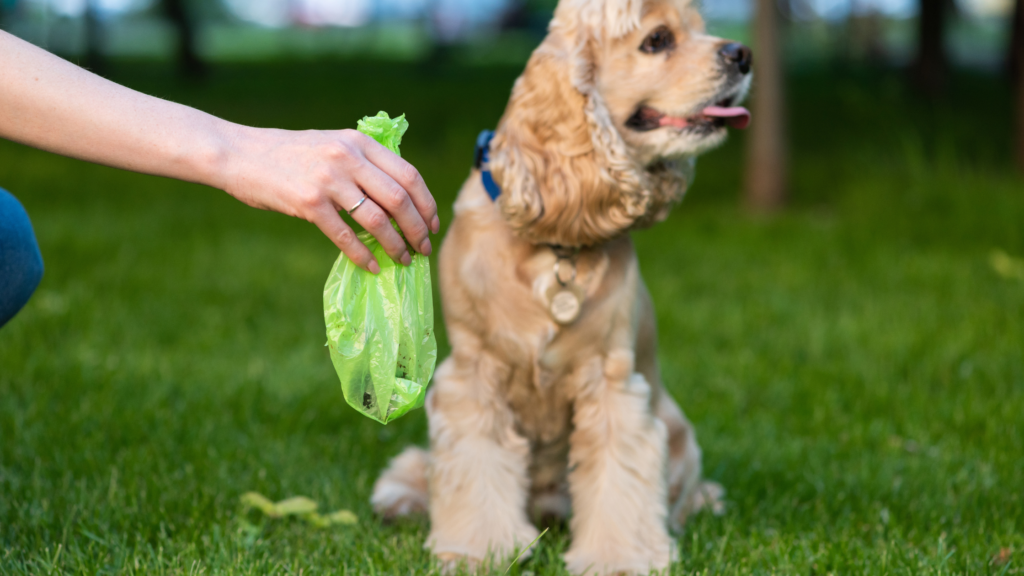
    Composting dog poop is not only an environmentally friendly method of disposal but also a way to harness its potential as a valuable resource.

    Understanding the process and taking necessary precautions can turn dog waste into nutrient-rich compost for your plants or gardens.

    Let’s explore how you can compost dog poop effectively and responsibly.

    1. The Composting Process

    Composting is a natural decomposition process that converts organic waste into nutrient-rich soil amendments.

    When composting dog poop, creating a separate composting system specifically for pet waste is essential to ensure safety and prevent contamination.

    Here’s how the composting process typically works:

       a. Choose a Dedicated Composting Area: Select a well-ventilated and secluded area in your yard for composting. Ensure it is away from edible plants and water sources to avoid contamination.

       b. Collect Dog Poop: Collect the dog poop in a dedicated composting container or bin. Only use compostable bags if they are specifically designed for pet waste composting.

       c. Layering: Alternate layers of dog waste with carbon-rich materials such as dry leaves, straws, or wood chips. This helps create the right balance of nitrogen and carbon in the compost pile.

       d. Moisture and Aeration: Maintain the moisture level in the compost pile by occasionally watering it. Additionally, turning or aerating the pile helps promote decomposition and prevents unpleasant odors.

       e. Time and Temperature: Composting dog poop requires time and patience. The process typically takes several months to a year to complete. It’s essential to ensure the compost reaches a temperature of at least 140°F (60°C) to kill potential pathogens.

       f. Mature Compost: Once the composting process is complete, the dog poop transforms into a dark, crumbly, and earthy-smelling material. This mature compost can be used as a soil amendment for non-edible plants or as a top lawn dressing.

    2. Considerations and Precautions

    While composting dog poop can be a sustainable practice, it’s crucial to consider some essential factors and take necessary precautions:

       a. Avoid Using Compost on Edible Plants: Due to the potential presence of harmful bacteria and pathogens, it is not recommended to use compost derived from dog waste on plants intended for human consumption.

       b. Use the Compost Appropriately: Apply the compost only to non-edible plants and avoid direct contact with fruits, vegetables, or herbs. Keeping the compost away from children’s play areas is also advisable.

       c. Pet Medication and Chemicals: If your dog is on medication or has been treated with chemicals, it’s best to avoid composting its waste. These substances can persist in the compost, adversely affecting plants and soil health.

       d. Regular Monitoring: Regularly monitor the compost pile to ensure it maintains the correct moisture level, proper aeration, and Temperature. This helps promote efficient decomposition and reduces the risk of odors or pests.

    Following these considerations and precautions, you can safely and effectively compost dog poop, turning it into a beneficial soil amendment while minimizing environmental impact.

    Remember, composting dog waste is only suitable for some, and it may not be allowed in certain areas due to local regulations or limitations.

    If composting is not viable, consider alternative waste disposal methods such as bagging and binning or using professional pet waste removal services.

    Composting dog poop offers a sustainable way to reduce waste, enrich soil, and contribute to a healthier environment. Join the movement and explore the potential of composting as a responsible dog owner!

    Producing Biogas from Dog Poop
    Producing Biogas from Dog Poop
    Producing Biogas from Dog Poop

    Did you know that dog poop can be a potential renewable energy source?

    It’s true! By harnessing the power of bacteria and decomposition, you can transform dog waste into biogas—a valuable energy resource.

    Let’s delve into the fascinating world of biogas production from dog poop and learn how you can contribute to a greener future.

    1. The Biogas Production Process

    Biogas is a mixture of methane and carbon dioxide generated through the anaerobic digestion of organic materials.

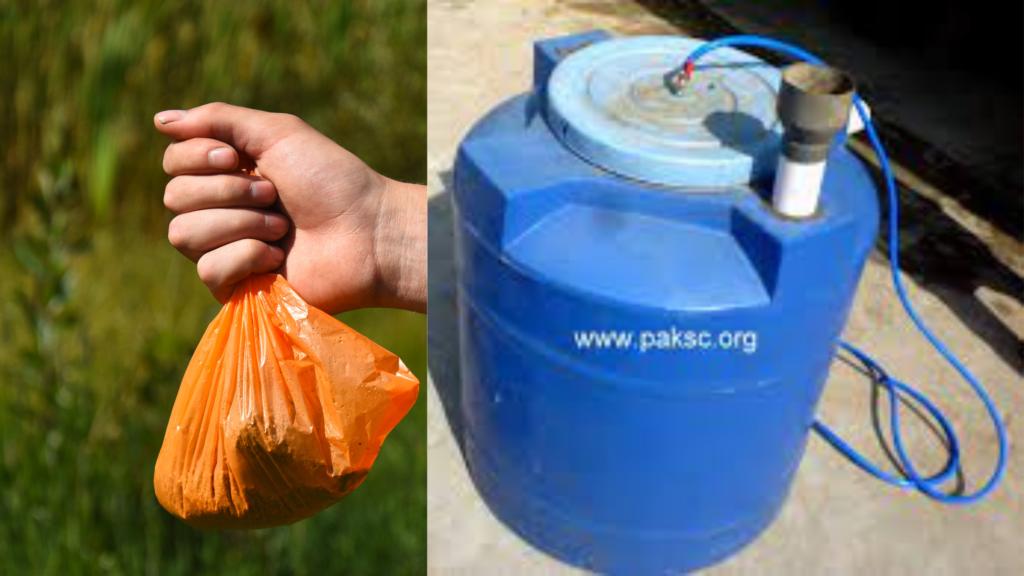
    This process occurs in a controlled environment called a biogas digester.

    Here’s how you can produce biogas from dog poop:

       a. Biogas Digester Setup: Start by setting up a small-scale biogas digester in your backyard or garden. It can be a dedicated container or a specially designed system promoting anaerobic digestion.

       b. Collect Dog Poop: Collect the dog poop and add it to the biogas digester. It’s important to remember that only dog waste should be used in this process to ensure the right balance of organic matter.

       c. Additional Feedstock: To enhance biogas production, add other organic materials such as kitchen scraps, grass clippings, or agricultural waste to the digester. This helps create a diverse mix of organic matter and boosts biogas yield.

       d. Anaerobic Digestion: The microorganisms present in the digester break down the organic matter, including dog poop, in the absence of oxygen. This process produces methane gas, which is the main component of biogas.

       e. Gas Collection and Utilization: Capture the biogas produced in the digester using a gas collection system. This can be a simple setup with pipes and valves directing the gas to a storage tank, gas stove, heater, or other gas-powered appliances.

    2. Requirements and Limitations

    While producing biogas from dog poop may sound exciting, it’s essential to consider the following requirements and limitations:

       a. Digester Design and Size: The size and design of the biogas digester should be appropriate for the amount of dog waste generated. Smaller systems may be sufficient for a single dog, while larger systems are required for multiple dogs or higher waste volumes.

       b. Temperature and pH: The anaerobic digestion process is temperature-sensitive, typically requiring temperatures between 90°F (32°C) and 120°F (49°C). Maintaining the optimal pH range of 6.5 to 8.5 is crucial for efficient biogas production.

       c. Waste-to-Biogas Ratio: A proper waste-to-biogas ratio is essential for optimal performance. Too much or too little dog waste about other feedstock can affect gas production and overall efficiency.

       d. Maintenance and Monitoring: Regular maintenance and monitoring of the biogas digester are necessary to ensure proper functioning. This includes monitoring gas production, Temperature, and pH levels and managing potential issues, such as clogging or imbalances.

       e. Scale and Local Regulations: Remember that biogas production from dog poop is typically suitable for small-scale setups. Before starting a biogas project, check local regulations, permits, and any restrictions that may apply to biogas production in your area.

    While producing biogas from dog poop offers a sustainable energy solution, it requires careful planning, knowledge, and commitment to maintenance.

    It may only be suitable or feasible for some, particularly in urban or regulated environments.

    If you’re passionate about renewable energy and want to explore alternative ways to reduce waste, producing biogas from dog poop can be an intriguing option.

    Also Read : Can Dogs Eat Plantain Chips? The Benefits & Risks – 2023

    Conclusion

    In conclusion, burning dog poop as a disposal method poses various risks and concerns.

    Throughout this article, we have explored this practice’s potential environmental and health impacts.

    It is essential to prioritize responsible waste management to ensure the well-being of both ourselves and the environment.

    Burning dog poop can release harmful toxins and contribute to air pollution, affecting our health and the ecosystem.

    The odors and smoke produced can be unpleasant and disruptive, while the chemicals in dog waste can damage fire pits and other burning equipment.

    Instead of burning, we should consider safer and more eco-friendly alternatives.

    Bagging dog poop and disposing of it in designated waste bins is a simple and effective solution that helps prevent the spread of pathogens and keeps our surroundings clean.

    Composting dog poop using specialized systems can also promote natural decomposition and yield nutrient-rich compost for non-edible plants.

    By adopting responsible waste management practices, we protect our health and contribute to a cleaner and more sustainable environment.

    Our collective responsibility is to prioritize the well-being of our communities and the ecosystems we inhabit.

    Remember that our choices in disposing of dog waste can significantly impact.

    By embracing safe and environmentally friendly alternatives, we can ensure a healthier future for ourselves, our furry friends, and the planet we call home.

    Together, let’s make a positive difference through responsible waste management practices.
  • Can Hydroxyzine Kill Dogs? What You Should Know

    Can Hydroxyzine Kill Dogs? What You Should Know

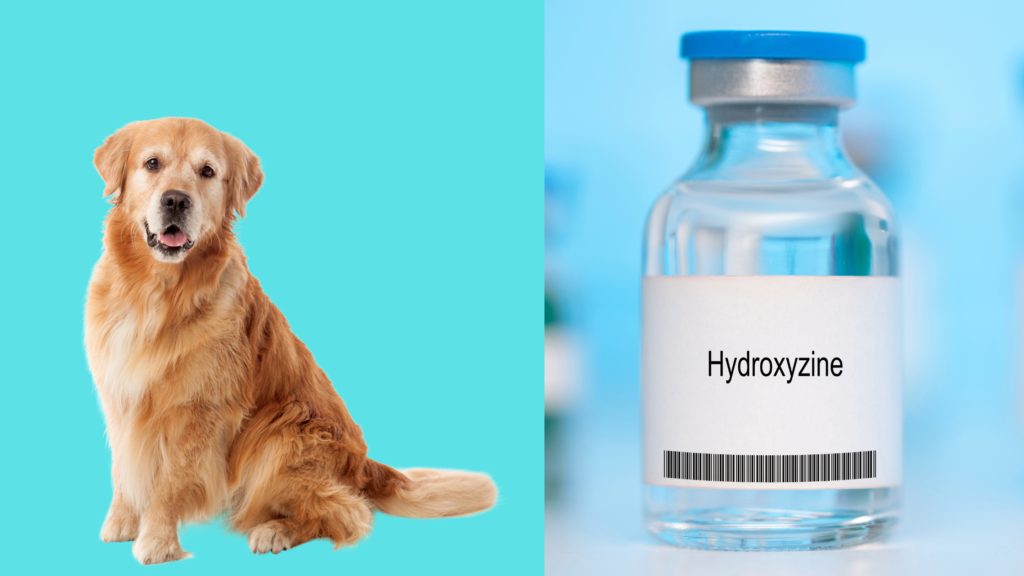
    Can Hydroxyzine Kill Dogs? Probably No. – Welcome to our article on hydroxyzine and its potential risks for dogs.

    Hydroxyzine is a medication used in humans and animals to manage various conditions.

    However, pet owners must be aware of the possible dangers of this medication when used on dogs.

    By understanding the potential risks and taking appropriate precautions, we can ensure the well-being and safety of our furry friends.

    In this article, we will explore the topic of hydroxyzine toxicity in dogs, addressing key questions and providing valuable information to help you make informed decisions about your dog’s health.

    So, let’s delve into this critical subject and learn more about hydroxyzine and its potential effects on our canine companions.

    Is hydroxyzine safe for dogs?

    Is hydroxyzine safe for dogs?
    Is hydroxyzine safe for dogs?

    Hydroxyzine, when used appropriately and under the guidance of a veterinarian, can be safe for dogs.

    It is a medication commonly prescribed to dogs for various conditions, such as allergies, itching, anxiety, and motion sickness.

    However, it is crucial to emphasize that proper veterinary supervision is essential when administering hydroxyzine to your furry companion.

    The safety of hydroxyzine lies in using it as prescribed by a veterinarian.

    This means following the recommended dosage and duration of treatment specific to your dog’s condition.

    Veterinarians consider the dog’s size, age, overall health, and any existing medical conditions before prescribing hydroxyzine.

    It’s important to note that using hydroxyzine without veterinary guidance or exceeding the recommended dosage can harm your dog’s health.

    A veterinarian will consider your dog’s needs and tailor the treatment plan to ensure safety and effectiveness.

    Always consult your veterinarian before giving any medication to your dog, including hydroxyzine.

    They will provide proper guidance, evaluate your dog’s specific situation, and determine the appropriate dosage and duration of treatment based on their professional expertise.

    Remember, the safety of your furry friend should always be a top priority, and seeking veterinary advice is crucial when it comes to medication use.

    Working closely with your veterinarian ensures hydroxyzine is used safely and effectively for your dog’s needs.

    Also Read : Snickerdoodle Dog: Breed Information, and Best Care Guide

    Hydroxyzine toxicity in dogs

    A. Hydroxyzine poisoning and overdose

    Hydroxyzine poisoning occurs when a dog ingests an excessive amount of the medication, either accidentally or intentionally.

    An overdose happens when the dosage administered exceeds the recommended amount. Both situations can lead to adverse effects and potential toxicity.

    It’s crucial to prevent accidental ingestion or overdosing of hydroxyzine in dogs.

    Keep medications securely stored in a place inaccessible to pets, and never leave them within reach.

    Accidental ingestion can occur when curious dogs find unattended medication bottles or improperly disposed of pills.

    In case of suspected ingestion or overdose, immediate veterinary attention is necessary.

    B. Factors influencing hydroxyzine toxicity in dogs

    Several factors can influence a dog’s susceptibility to hydroxyzine toxicity. These include age, breed, size, and underlying health conditions.

    1. Age: Young puppies and elderly dogs may be more sensitive to the effects of hydroxyzine. Their bodies may metabolize the medication differently, potentially increasing the risk of toxicity.

    2. Breed: Certain breeds, including hydroxyzine, may be more sensitive to medications. It’s essential to be aware of any breed-specific sensitivities and discuss them with your veterinarian.

    3. Size: Dogs of different sizes may require different dosages of hydroxyzine. Smaller dogs may be more susceptible to the effects of the medication, so it’s crucial to follow the recommended dosage based on your dog’s size.

    4. Underlying health conditions: Dogs with pre-existing medical conditions, such as liver or kidney disease, may be at a higher risk of experiencing adverse effects or complications from hydroxyzine.

    In such cases, a veterinarian will carefully consider the appropriate dosage and closely monitor the dog’s response.

    Understanding these factors can help pet owners, and veterinarians make informed decisions regarding the use of hydroxyzine in dogs.

    By considering these factors, veterinary professionals can tailor the treatment plan to minimize the risk of toxicity and ensure the dog’s well-being.

    Always consult a veterinarian before administering hydroxyzine to your dog, and follow their instructions carefully.

    Veterinary guidance is crucial in determining the appropriate dosage and monitoring your dog’s response to the medication, thereby minimizing the risk of hydroxyzine toxicity.

    How much hydroxyzine is toxic to dogs?

    Determining the exact dosage of hydroxyzine that is considered toxic to dogs can be challenging, as it can vary depending on individual factors.

    A veterinarian should always determine the recommended dosage and toxicity threshold of hydroxyzine in dogs.

    Generally, veterinarians prescribe hydroxyzine at specific dosages based on a dog’s weight, medical condition, and other relevant factors.

    The typical dosage range for dogs is 0.5 to 1 mg per pound of body weight, administered orally two to three times a day.

    However, it’s important to note that these are general guidelines and may vary depending on the specific circumstances.

    The toxicity level of hydroxyzine can be influenced by various factors, including a dog’s overall health, age, breed, and any underlying medical conditions.

    Certain dogs may be more sensitive to the medication and experience lower-dose adverse effects. In comparison, others may tolerate higher doses without complications.

    To determine the appropriate dosage and ensure your dog’s safety, it is essential to consult with a veterinarian.

    They will consider your dog’s individual characteristics, medical history, and the specific condition being treated to prescribe the most suitable hydroxyzine dosage.

    Never attempt to determine the dosage or experiment with the medication on your own, as this can pose a risk to your dog’s health.

    Only a veterinarian has the expertise to assess your dog’s needs and prescribe the appropriate hydroxyzine dosage.

    Remember, the goal is to achieve the desired therapeutic effect while minimizing the risk of toxicity.

    By working closely with your veterinarian and following their instructions, you can ensure your dog receives the correct hydroxyzine dosage, maximizing the benefits and minimizing potential risks.

    Symptoms of hydroxyzine toxicity in dogs

    When a dog experiences hydroxyzine toxicity, there are several common signs and symptoms to watch out for. These indicators can vary in severity and may include:

    1. Sedation: Dogs may appear excessively tired, lethargic, or have difficulty staying awake. They may seem unresponsive or have a decreased awareness of their surroundings.

    2. Lethargy: A dog affected by hydroxyzine toxicity may lack energy and enthusiasm. They may be less interested in activities or show decreased mobility.

    3. Tremors: Uncontrolled shaking or trembling of the muscles can be a noticeable sign of hydroxyzine toxicity. Dogs may have tremors in their limbs, head, or entire body.

    4. Rapid breathing: Increased respiratory rate, or tachypnea, can be observed in dogs experiencing hydroxyzine toxicity. This may be accompanied by shallow or labored breathing.

    5. Changes in heart rate: Dogs may exhibit an irregular or rapid heartbeat (tachycardia) or a slower-than-normal heart rate (bradycardia) when affected by hydroxyzine toxicity.

    It is important to remember that these symptoms can indicate a potential problem. Still, they are not exclusive to hydroxyzine toxicity.

    Other underlying conditions or concurrent medications may also contribute to similar symptoms.

    Suppose you notice any of these signs in your dog and suspect hydroxyzine toxicity. In that case, it is crucial to seek immediate veterinary attention.

    If your dog displays signs of hydroxyzine toxicity, do not delay contacting your veterinarian or an emergency veterinary clinic.

    They can assess your dog’s condition, perform necessary diagnostic tests, and provide the appropriate treatment.

    Prompt veterinary intervention is essential to manage hydroxyzine toxicity and minimize potential complications effectively.

    Remember, your veterinarian is the best resource for evaluating your dog’s symptoms and determining the appropriate action.

    By being vigilant and proactive in seeking veterinary care, you can ensure the well-being and safety of your furry friend if hydroxyzine toxicity is suspected.

    What to do if my dog has ingested hydroxyzine?

    If you suspect your dog has ingested hydroxyzine, taking immediate action is essential to ensure their safety. Here are some steps to consider if the ingestion is recent:

    1. Assess the situation: Determine the quantity of hydroxyzine your dog may have consumed and the timeframe of the ingestion. This information will be helpful when consulting with a veterinarian.

    2. Contact a veterinarian: Reach out to your veterinarian immediately. Please describe the situation and provide them with all relevant details.

    They will guide you on the next steps based on your dog’s size, weight, and hydroxyzine ingested.

    3. Follow veterinary advice: Your veterinarian may recommend different courses of action depending on the specific circumstances.

    They may advise you to induce vomiting, but only if it is deemed safe and effective for your dog’s condition.

    Inducing vomiting should only be done under veterinary guidance, as it may not be appropriate in some instances.

    4. Veterinary poison control helpline: If you cannot reach your veterinarian or need immediate assistance, consider contacting a veterinary poison control helpline.

    They have professionals trained in handling cases of toxic ingestions and can provide guidance tailored to your dog’s situation.

    Keep in mind that there may be a fee associated with their services.

    5. Do not administer any treatments without veterinary guidance: It is essential to refrain from giving your dog any medications or treatments without consulting a veterinarian first.

    Unsupervised administration of substances can lead to unintended consequences and may worsen the situation.

    Remember, each case is unique, and the appropriate steps may vary based on individual factors.

    By promptly contacting a veterinarian or a veterinary poison control helpline, you can ensure that your dog receives the necessary care and attention to address hydroxyzine ingestion.

    Do not delay seeking professional guidance, as early intervention can significantly improve the outcome and help minimize any potential risks or complications.

    Your veterinarian is the best resource for providing the appropriate advice and treatment recommendations for your dog’s needs.

    Can hydroxyzine kill dogs?

    Can hydroxyzine kill dogs?
    Can hydroxyzine kill dogs?

    Hydroxyzine, like any medication, can have potential risks and adverse effects if not used properly.

    In cases of extreme overdose or when certain dogs have specific sensitivities, severe hydroxyzine toxicity can occur.

    However, it’s important to note that fatal outcomes from hydroxyzine toxicity are rare when immediate veterinary care is sought.

    Hydroxyzine is primarily used as an antihistamine and anxiolytic in veterinary medicine.

    While it can be beneficial in managing specific conditions, it must be used under the guidance and supervision of a veterinarian.

    They will determine the appropriate dosage based on your dog’s needs, considering size, weight, and medical history.

    Extreme overdose or accidental ingestion of large amounts of hydroxyzine can lead to severe complications.

    These may include profound sedation, respiratory depression, changes in blood pressure, and cardiac abnormalities.

    However, it’s important to remember that such cases are relatively rare, especially when dogs receive timely veterinary attention.

    Suppose you suspect your dog has ingested excessive hydroxyzine or is showing signs of severe toxicity.

    In that case, it is crucial to seek immediate veterinary care.

    Veterinarians have the knowledge and resources to manage these situations effectively and provide the necessary treatment.

    Prompt veterinary intervention can significantly reduce the risk of severe consequences.

    Remember, responsible medication use and prompt veterinary attention when needed is the key to ensuring your dog’s safety.

    Following your veterinarian’s instructions and promptly seeking their guidance can minimize the risks associated with hydroxyzine use and protect your beloved canine companion.

    While it’s essential to be aware of the potential risks, it’s also important to understand that fatal outcomes from hydroxyzine toxicity are rare when veterinary care is sought promptly.

    Trust in the expertise of your veterinarian, as they are best equipped to evaluate your dog’s condition and provide appropriate care.

    Also Read : Why Your Dog Threw Up Yellow Liquid and Died – Best Guide

    Conclusion

    In conclusion, responsible use and veterinary guidance are crucial when it comes to using hydroxyzine in dogs.

    While hydroxyzine can be beneficial in managing specific conditions, it’s essential to follow your veterinarian’s instructions and only administer the medication as prescribed.

    Hydroxyzine toxicity can occur in cases of extreme overdose or dogs with specific sensitivities.

    However, it’s important to remember that fatal outcomes from hydroxyzine toxicity are rare when immediate veterinary care is sought.

    Suppose you suspect that your dog has ingested an excessive amount of hydroxyzine or is experiencing severe symptoms. In that case, it’s vital to seek immediate veterinary attention.

    Remember, your veterinarian is the best source of guidance regarding medication use in your dog.

    They will determine the appropriate dosage based on your dog’s specific needs and provide instructions for proper administration.

    If you have any concerns or suspect hydroxyzine toxicity in your pet, do not hesitate to contact your veterinarian for advice and assistance.

    By using hydroxyzine responsibly and seeking veterinary guidance, you can minimize the potential risks and ensure the well-being of your furry friend.

    Let’s prioritize our dogs’ health and safety by working with our trusted veterinarians and reporting any suspected cases of hydroxyzine toxicity.

    Always remember that the well-being of our beloved pets is a collective effort, and your veterinarian is there to provide the expertise and care needed to keep them happy and healthy.

  • Why Your Dog Threw Up Yellow Liquid and Died – Best Guide

    Why Your Dog Threw Up Yellow Liquid and Died – Best Guide

    Why Your Dog Threw Up Yellow Liquid and Died? – Discovering why your beloved dog vomited yellow liquid and, unfortunately, passed away is heartbreaking.

    Understanding the underlying causes of this distressing symptom is crucial for pet owners.

    By unraveling the potential reasons behind a dog throwing up yellow liquid, we can gain insight into possible life-threatening conditions and take appropriate action.

    In this article, we will delve into the world of canine health to shed light on why dogs may vomit yellow liquid and explore what steps can be taken to address this issue.

    Let’s embark on this journey to equip ourselves with the knowledge that may help prevent such tragedies.

    The dog threw up yellow liquid and died – What happened? Why did my dog throw up yellow liquid and die?

    The dog threw up yellow liquid and died - What happened? Why did my dog throw up yellow liquid and die?
    The dog threw up yellow liquid and died – What happened? Why did my dog throw up yellow liquid and die?

    The passing of a beloved pet is undoubtedly a heartbreaking experience.

    When your dog exhibits the distressing symptom of vomiting yellow liquid, it becomes essential to delve into the potential causes to understand better what might have led to such a tragic outcome.

    Yellow vomit in dogs can indicate an underlying health issue, and its presence should never be taken lightly.

    While occasional vomiting may occur in dogs due to various factors such as dietary indiscretion or temporary upset stomachs, persistent or recurrent episodes of yellow vomit require immediate attention.

    Considering various possibilities to unravel why your dog threw up yellow liquid and tragically passed away is crucial.

    These may include gastrointestinal conditions like gastritis, where the stomach lining becomes inflamed due to excessive food intake, ingesting indigestible substances, or certain medications.

    Pancreatitis, which involves pancreas inflammation, can also lead to yellow vomiting. Fatty foods, excessive alcohol intake, or specific medications can trigger this condition.

    Other potential causes include liver disease, where the liver’s proper functioning is compromised, leading to a range of symptoms, including yellow vomit.

    Kidney disease, characterized by renal issues, can also contribute to vomiting yellow liquid in dogs.

    An intestinal blockage, which prevents the typical passage of food through the intestines, can lead to vomiting, including yellow liquid.

    Lastly, tumors in the stomach, intestines, or other organs can cause yellow vomiting.

    While it is devastating to face such a tragic loss, understanding the possible causes behind your dog’s yellow vomit can provide insight into potential underlying health conditions.

    This knowledge can guide you in seeking appropriate veterinary care and taking the necessary steps to address the issue promptly.

    Every dog is unique, and many factors can influence their health.

    Consulting with a veterinarian is essential for a comprehensive evaluation of your dog’s symptoms and medical history, leading to an accurate diagnosis and appropriate treatment.

    By gaining insight into the reasons behind your dog’s yellow vomit, we hope to empower you with the knowledge that may help prevent similar tragedies in the future and promote the well-being of our beloved canine companions.

    What should I do if my dog throws up yellow liquid?

    What should I do if my dog throws up yellow liquid?
    What should I do if my dog throws up yellow liquid?

    Discovering that your dog has vomited yellow liquid can be alarming and distressing.

    In such situations, it is crucial to take immediate action to ensure the well-being of your furry friend. Here are the steps you should consider when faced with a dog vomiting yellow liquid:

    1. Seek emergency veterinary care

    Time is essential if your dog’s condition deteriorates rapidly or exhibits other symptoms.

    Contact your veterinarian or the nearest emergency veterinary clinic right away.

    They can provide guidance and determine whether your dog requires immediate medical attention.

    2. Notify the veterinarian about the situation

    When speaking with the veterinarian or veterinary staff, inform them about your dog’s symptoms, including the yellow vomit.

    Be prepared to provide details such as the duration and frequency of vomiting, any additional symptoms or changes in behavior, and any recent dietary or environmental changes that may be relevant.

    This information will assist the veterinarian in assessing the situation more accurately.

    3. Collect any necessary information for the vet

    If possible, gather any samples of the vomit to bring with you to the veterinary clinic. This can help the veterinarian in their diagnostic process.

    Additionally, note any recent dietary changes, medications, or potential exposure to toxins or harmful substances.

    Sharing these details will aid the veterinarian in identifying potential causes and determining the appropriate course of action.

    Remember, the guidance and expertise of a veterinarian are essential in determining the underlying cause of your dog’s yellow vomiting and providing appropriate treatment.

    They will conduct a thorough examination, possibly perform diagnostic tests, and recommend the most suitable treatment plan for your dog’s situation.

    During this challenging time, provide comfort and reassurance to your dog, keeping them calm and ensuring they have access to fresh water. Avoid offering any food until advised by the veterinarian.

    By taking swift action and involving a veterinary professional, you prioritize your dog’s health and give them the best chance of a positive outcome.

    Your veterinarian will guide you through the steps and provide your beloved companion with the necessary care and support.

    Also Read : Can blowing smoke in a dog’s face kill them?

    Is it normal for a dog to throw up yellow liquid?

    As a concerned dog owner, you may wonder whether it is normal for dogs to vomit yellow liquid occasionally.

    While dogs, like humans, can experience occasional episodes of vomiting due to various factors, persistent or recurrent yellow vomiting is not considered normal and should not be ignored.

    Vomiting is the body’s way of expelling something that doesn’t belong or is irritating. It is a natural defense mechanism to protect the digestive system.

    However, when your dog consistently vomits yellow liquid, it indicates an underlying issue that requires attention.

    Yellow vomit in dogs can signify several health conditions, such as gastritis, pancreatitis, liver disease, kidney disease, intestinal blockage, or tumors.

    These conditions can range from mild to severe and may require prompt medical intervention.

    Pay close attention to your dog’s vomiting patterns and accompanying symptoms are essential.

    Suppose your dog occasionally vomits a small amount of yellow liquid, especially after eating grass or due to temporary stomach upset.

    In that case, it may not be a cause for immediate concern.

    However, suppose your dog consistently vomits yellow liquid or experiences other worrisome symptoms such as loss of appetite, lethargy, abdominal pain, or dehydration. In that case, it is crucial to seek veterinary advice promptly.

    Monitoring your dog’s well-being and seeking veterinary guidance are vital to their health and happiness.

    Even if the vomiting seems to subside or your dog appears normal after an episode, it is still recommended to consult a veterinarian.

    They have the expertise to evaluate your dog’s specific situation, conduct necessary diagnostic tests, and determine the underlying cause of the yellow vomiting.

    By seeking veterinary advice, you take proactive steps to address potential health issues early on.

    Remember, your veterinarian is your best resource for accurate diagnosis and appropriate treatment options.

    They can provide personalized guidance based on your dog’s health history, symptoms, and examination findings.

    Don’t dismiss persistent yellow vomiting as a normal occurrence. Your dog relies on your care and advocacy for their well-being.

    Stay attentive, be proactive, and work closely with your veterinarian to ensure the best possible outcome for your furry companion.

    What are the causes of yellow vomit in dogs?

    Yellow vomit in dogs can be indicative of several underlying health conditions.

    Understanding these potential causes is crucial to identify the source of the problem and seek appropriate treatment.

    Let’s explore some of the common causes:

    A. Gastritis

    Gastritis refers to the inflammation of the stomach lining.

    It can occur due to overeating, ingesting indigestible substances, or specific medication side effects.

    Inflammation in the stomach lining can lead to the production of yellow vomit.

    B. Pancreatitis

    Pancreatitis is the inflammation of the pancreas.

    Factors like consumption of fatty foods, excessive alcohol intake, or certain medications can trigger it.

    When the pancreas becomes inflamed, it can cause yellow vomit in dogs.

    C. Liver disease

    Liver-related conditions can contribute to yellow vomiting in dogs.

    The liver plays a vital role in digestion and detoxification.

    When it is compromised, it can lead to a range of symptoms, including yellow vomit.

    D. Kidney disease

    Kidney disease affects the functioning of the kidneys, which play a crucial role in filtering waste from the body.

    When the kidneys are not functioning correctly, it can result in a buildup of toxins, leading to various symptoms, including yellow vomit.

    E. Intestinal blockage

    An intestinal blockage occurs when something obstructs the typical passage of food through the intestines.

    This obstruction can prevent the proper digestion and absorption of food, resulting in vomiting.

    If the blockage is severe, it may lead to the expulsion of yellow liquid.

    F. Tumors

    Abnormal growths in the digestive system, such as tumors, can cause yellow vomit in dogs.

    These growths can interfere with the normal functioning of the digestive organs, leading to vomiting and other associated symptoms.

    Notably, these causes are not exhaustive, and other factors can contribute to yellow vomiting in dogs.

    Additionally, multiple causes can coexist, making a thorough veterinary evaluation essential for accurate diagnosis and appropriate treatment.

    If your dog experiences yellow vomit, it is crucial to consult with a veterinarian.

    They will conduct a comprehensive examination, possibly perform diagnostic tests, and determine the specific cause of the vomiting.

    This will enable them to recommend the most effective treatment plan for your dog’s condition.

    By understanding the potential causes of yellow vomit in dogs, you can better comprehend the complexity of this symptom and work with your veterinarian to provide the best care for your furry companion.

    How can I prevent my dog from vomiting yellow liquid?

    Preventing yellow vomiting in dogs is crucial to maintaining their health and well-being.

    While some causes of yellow vomit may be beyond our control, there are preventive measures you can take to minimize the likelihood of this distressing symptom.

    Consider the following strategies:

    A. Healthy diet

    Feeding your dog a balanced and appropriate diet is vital to promoting good digestive health.

    Consult your veterinarian to determine the most suitable diet for your dog’s needs.

    High-quality dog food that provides essential nutrients will help keep your dog’s digestive system functioning correctly, reducing the risk of gastrointestinal issues that may lead to yellow vomiting.

    B. Avoiding harmful substances

    Awareness of the potential dangers of feeding your dog table scraps or certain toxic foods is essential.

    Human foods like chocolate, grapes, onions, and caffeine can be harmful or even toxic to dogs, causing digestive upset and potentially leading to yellow vomiting.

    Stick to a diet specifically for dogs, and refrain from sharing your meals with them to avoid unnecessary digestive disturbances.

    C. Hydration

    Proper hydration is essential for maintaining a healthy digestive system and preventing dehydration-related vomiting. Ensure your dog has access to fresh and clean water at all times.

    Regularly check their water bowl to ensure it is filled, and consider providing additional water sources throughout the house, especially during hot weather or if your dog is particularly active.

    D. Regular veterinary checkups

    Scheduling regular checkups with your veterinarian is vital for preventive care.

    These routine examinations allow the veterinarian to monitor your dog’s overall health, identify potential issues early on, and provide appropriate interventions or treatments.

    By addressing any underlying health problems promptly, you can help prevent complications that could lead to yellow vomiting or other concerning symptoms.

    During veterinary visits, your veterinarian may also recommend preventive measures specific to your dog’s needs, such as vaccinations, parasite control, and dental care.

    Following their guidance and a proactive approach to your dog’s health can reduce the risk of various health conditions contributing to yellow vomiting.

    Every dog is unique, and preventive measures may vary based on their needs. Consult your veterinarian for personalized recommendations and guidance tailored to your dog’s circumstances.

    By implementing these preventive measures, you can help reduce the likelihood of your dog experiencing yellow vomiting and contribute to their overall health and happiness.

    Providing a healthy diet, avoiding harmful substances, ensuring proper hydration, and regular veterinary checkups will go a long way in maintaining your dog’s digestive health and preventing unnecessary discomfort.

    Also Read : Snickerdoodle Dog: Breed Information, and Best Care Guide

    Conclusion

    Dealing with a situation where your dog vomits yellow liquid can be distressing and alarming.

    Understanding the potential causes behind this symptom and taking appropriate action to ensure your dog’s health and well-being is essential.

    Throughout this article, we’ve explored the various aspects of yellow vomiting in dogs.

    We discussed the tragic scenario of a dog vomiting yellow liquid and emphasized the importance of understanding the underlying causes.

    While occasional vomiting may occur in dogs, persistent yellow vomiting is not considered normal and requires attention.

    When faced with a dog that throws up yellow liquid, it’s crucial to act swiftly. Seeking immediate veterinary care should be your top priority.

    Contact your veterinarian and inform them about the situation, providing the necessary details to aid their assessment.

    Remember, your veterinarian is the best resource to accurately diagnose the cause of the vomiting and provide appropriate treatment options.

    We addressed whether it is normal for a dog to vomit yellow liquid. While occasional vomiting can happen, persistent yellow vomiting is not considered normal. It’s essential to monitor your dog closely and seek veterinary advice if you notice persistent yellow vomiting or other worrisome symptoms.

    We also delved into the potential causes of yellow vomit in dogs. These included gastritis, pancreatitis, liver disease, kidney disease, intestinal blockage, and tumors.

    Understanding these causes helps to shed light on the issue’s complexity. It highlights the importance of veterinary evaluation for accurate diagnosis and treatment.

    Finally, we discussed preventive measures to help reduce the likelihood of yellow vomiting in dogs.

    A healthy diet, avoiding harmful substances, maintaining proper hydration, and regular veterinary checkups are crucial in preventing digestive issues and related symptoms.

    In conclusion, if your dog vomits yellow liquid, take it seriously and seek veterinary attention promptly.

    Stay vigilant, be proactive, and work closely with your veterinarian to ensure the best care for your beloved furry friend.

    Taking preventive measures and addressing any health concerns early on can help reduce the risk of yellow vomiting and contribute to your dog’s overall well-being and happiness.

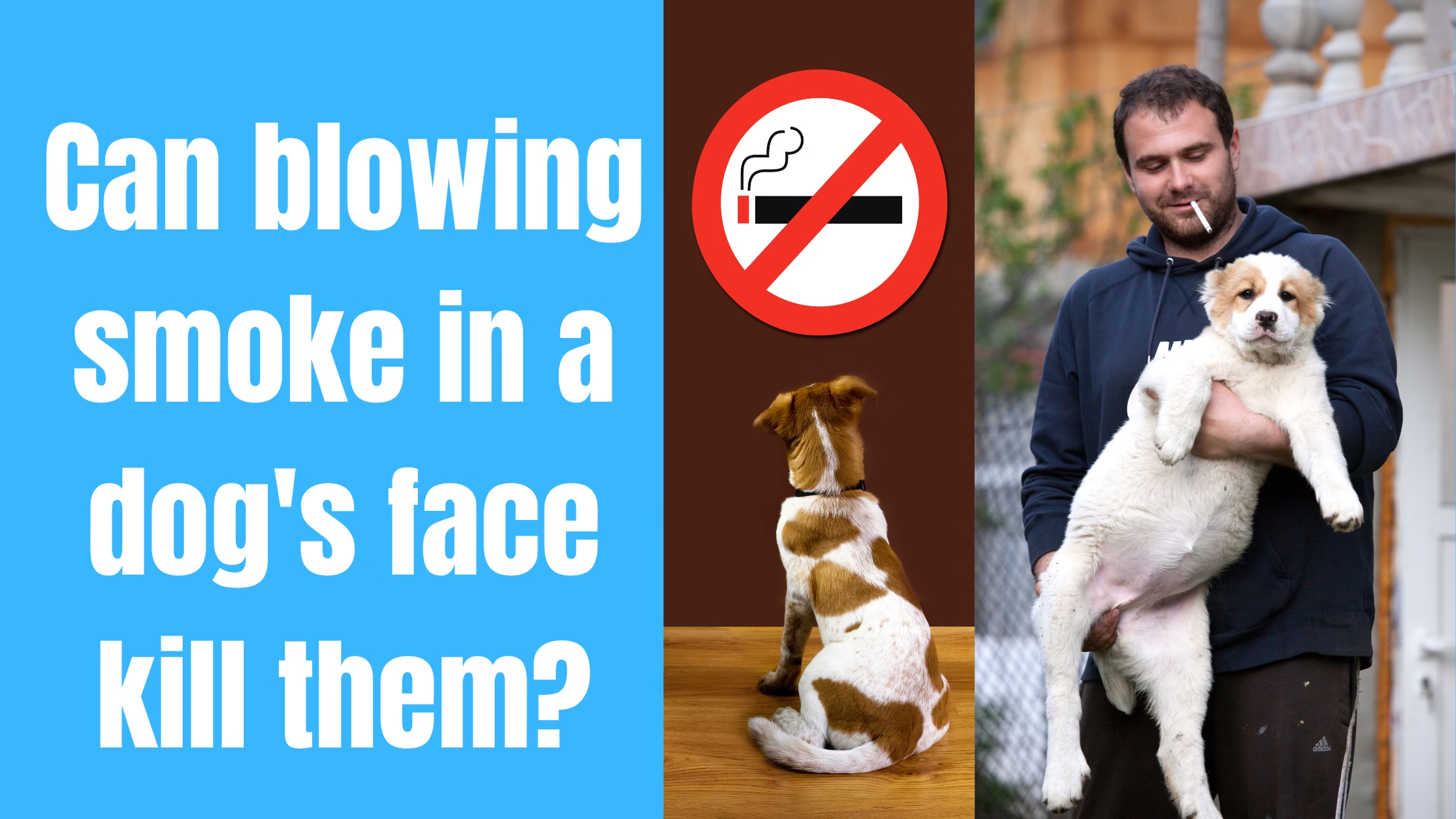
  • Can blowing smoke in a dog’s face kill them?

    Can blowing smoke in a dog’s face kill them?

    Dogs are not immune to the harmful effects of secondhand smoke, and their well-being can be seriously compromised when exposed to this toxic smoke.

    In this comprehensive article, we will delve into the impact of secondhand smoke on dogs and shed light on the symptoms of secondhand smoke poisoning.

    Additionally, we will address a common concern among dog owners: Can blowing smoke in a dog’s face kill them? 

    Our furry friends rely on us to provide a safe and healthy environment, and understanding the risks associated with secondhand smoke is crucial for their overall health.

    So, let’s explore the dangers of secondhand smoke exposure for our beloved canine companions and learn how we can protect them from this hazardous threat.

    What is secondhand smoke?

    Secondhand smoke is exhaled by a smoker and released from the burning end of a tobacco product such as a cigarette, cigar, or pipe.

    It contains thousands of harmful chemicals, including nicotine, tar, carbon monoxide, and various carcinogens.

    Is secondhand smoke harmful to dogs? 

    Yes, secondhand smoke is harmful to dogs. Dogs are susceptible to the same health problems caused by secondhand smoke as humans.

    The chemicals present in smoke can negatively impact a dog’s respiratory system, cardiovascular health, and overall well-being.

    What harmful chemicals are present in secondhand smoke that can affect dogs?

    When it comes to secondhand smoke, it’s not just the smoke that threatens our furry friends.

    There are numerous harmful chemicals present in secondhand smoke that can have a detrimental impact on dogs’ health.

    Let’s take a closer look at some of these chemicals and their potential effects:

    1. Nicotine

    Nicotine is a highly toxic substance found in tobacco smoke.

    When dogs inhale secondhand smoke containing nicotine, it can affect their nervous system, leading to increased heart rate, elevated blood pressure, and even seizures.

    2. Carbon Monoxide

    Carbon monoxide is a colorless and odorless gas produced by burning tobacco.

    When dogs breathe in secondhand smoke containing carbon monoxide, it binds to their red blood cells, reducing their oxygen-carrying capacity.

    This can result in oxygen deprivation and cause issues like difficulty breathing, weakness, and even organ damage.

    3. Formaldehyde

    Formaldehyde is a known carcinogen and irritant found in secondhand smoke.

    Dogs exposed to this chemical may experience respiratory problems, eye irritation, and allergic reactions.

    4. Benzene

    Benzene is another toxic compound found in secondhand smoke.

    Prolonged exposure to benzene can damage dogs’ bone marrow, leading to decreased red and white blood cell counts and compromising their immune system.

    5. Ammonia

    Ammonia is a respiratory irritant commonly found in cigarette smoke.

    Dogs exposed to secondhand smoke containing ammonia may develop coughing, wheezing, and respiratory infections.

    How does secondhand smoke affect dogs?

    How does secondhand smoke affect dogs?
    How does secondhand smoke affect dogs?

    Just like humans, dogs can be negatively affected by secondhand smoke.

    When exposed to secondhand smoke, dogs can inhale the toxic chemicals and particles.

    These substances can irritate their respiratory system, cause inflammation in their airways, and enter their bloodstream, leading to various health problems.

    Exposure to secondhand smoke can increase a dog’s risk of developing various health conditions, including respiratory issues such as bronchitis, asthma, and pneumonia.

    It can also contribute to developing lung cancer and other types of dog cancer. Secondhand smoke can weaken a dog’s immune system, making them more susceptible to infections and illnesses.

    It’s important to note that the effects of secondhand smoke on dogs can vary depending on factors such as the duration and intensity of exposure and the individual dog’s overall health.

    However, even minimal exposure to secondhand smoke can harm a dog’s well-being.

    To protect our furry companions’ health, keeping them in a smoke-free environment is crucial.

    Avoid smoking around dogs, both indoors and outdoors, and make sure to provide them with fresh air and clean living space.

    By doing so, we can help safeguard their respiratory health and promote their overall quality of life.

    What are the health problems that secondhand smoke can cause in dogs?

    What are the health problems that secondhand smoke can cause in dogs |
    What are the health problems that secondhand smoke can cause in dogs?

    Here are some health problems that secondhand smoke can cause in dogs:

    1. Respiratory issues: Dogs exposed to secondhand smoke can develop respiratory problems such as coughing, wheezing, bronchitis, and asthma.

    They may experience difficulty breathing and have an increased risk of developing lung infections.

    2. Lung cancer: Secondhand smoke has been linked to an increased risk of lung cancer in dogs, just like in humans.

    Dogs exposed to smoke are more likely to develop lung or respiratory tumors.

    3. Allergies and skin problems: The chemicals in smoke can trigger allergies in dogs, leading to skin irritations, itching, and hot spots.

    They may develop dermatitis or other skin conditions due to the irritants present in the smoke.

    4. Eye and nasal issues: Dogs exposed to secondhand smoke may experience red, watery eyes, nasal discharge, and irritation.

    They may also develop sinus problems and chronic inflammation in their nasal passages.

    5. Cardiovascular problems: Secondhand smoke can affect a dog’s cardiovascular health, increasing the risk of heart disease, high blood pressure, and decreased lung function.

    6. Increased cancer risk: In addition to lung cancer, dogs exposed to secondhand smoke have a higher risk of developing other types of cancer, including nasal cancer, oral cancer, and bladder cancer.

    It’s crucial to prioritize dogs’ health by providing them with a smoke-free environment.

    Avoiding exposure to secondhand smoke is essential for their well-being. It can help prevent the development of these severe health problems.

    What are the symptoms of secondhand smoke poisoning in dogs? 

    Symptoms of secondhand smoke poisoning in dogs can vary depending on the extent of their exposure and their sensitivity.

    Here are some common signs to watch out for:

    1. Respiratory issues: Dogs may experience coughing, wheezing, difficulty breathing, or an increased respiratory rate. They may also exhibit labored breathing or show signs of congestion.

    2. Eye and nose irritation: Dogs exposed to secondhand smoke may develop red, watery eyes, nasal discharge, or sneezing.

    3. Allergic reactions: Some dogs may be allergic to the chemicals in secondhand smoke, leading to itching, skin rashes, or hives.

    4. Gastrointestinal problems: Dogs may experience nausea, vomiting, diarrhea, or a loss of appetite.

    5. Behavioral changes: Secondhand smoke exposure can cause dogs to become restless, anxious, or exhibit signs of stress.

    It’s important to note that these symptoms can also indicate other health conditions, so it’s essential to consult a veterinarian for a proper diagnosis.

    Also Read : German Shepherd Golden Retriever Mix : Best Guide 2023

    Can blowing smoke in a dog’s face kill them?

    As for whether blowing smoke in a dog’s face can kill them, it’s unlikely to cause immediate death. 

    However, it can have severe health consequences, especially with repeated exposure.

    Blowing smoke directly into a dog’s face exposes them to a concentrated dose of harmful chemicals, leading to respiratory distress, lung damage, and long-term health problems.

    It is best to avoid exposing dogs to smoke altogether to protect their well-being.

    How can you protect your dog from secondhand smoke?

    How can you protect your dog from secondhand smoke |
    How can you protect your dog from secondhand smoke

    1. Smoke-free home

    Establishing a smoke-free environment is the best way to protect your dog from secondhand smoke.

    Avoid smoking indoors and ensure your home remains a clean and healthy space for your furry friend.

    2. Designated smoking area

    If you or someone in your household smokes, create a designated outdoor smoking area away from your dog.

    This helps minimize their exposure to the harmful effects of secondhand smoke.

    3. Ventilation

    Ensure proper ventilation in your home to reduce the accumulation of smoke particles.

    Open windows or use air purifiers to help improve air quality.

    4. Educate others

    If guests or visitors smoke, kindly request that they refrain from smoking near your dog or in your home.

    Educate them about the potential risks and the importance of a smoke-free environment.

    5. Consider quitting

    Quitting smoking altogether is beneficial for your health and your dog’s well-being.

    It eliminates the risk of exposing your dog to secondhand smoke entirely.

    What should you do if you think your dog has been exposed to secondhand smoke?

    1. Monitor for symptoms

    Keep a close eye on your dog for any signs of respiratory distress, coughing, wheezing, or other unusual symptoms.

    Watch for changes in their behavior or any allergic reactions.

    2. Consult a veterinarian

    If you suspect your dog has been exposed to secondhand smoke or is displaying symptoms related to smoke inhalation, seek veterinary advice.

    A professional can assess their condition, provide appropriate treatment, and offer further guidance.

    3. Provide a smoke-free environment.

    Remove your dog from the source of the smoke and ensure they have access to fresh air.

    Please keep them in a well-ventilated area away from smoke until they receive proper medical attention.

    Is it illegal to blow smoke in a dog’s face?

    While it may not be explicitly illegal to blow smoke in a dog’s face in all jurisdictions, it is considered highly irresponsible and cruel.

    It goes against the principles of responsible pet ownership and can cause significant harm to the dog’s health.

    Blowing smoke in a dog’s face can lead to respiratory issues, lung damage, and other health problems.

    Treating animals with care, respect, and kindness is essential, and exposing them to harmful substances like smoke is strongly discouraged.

    Also Read : Rottweiler Pitbull Mix – A Unique and Powerful Crossbreed

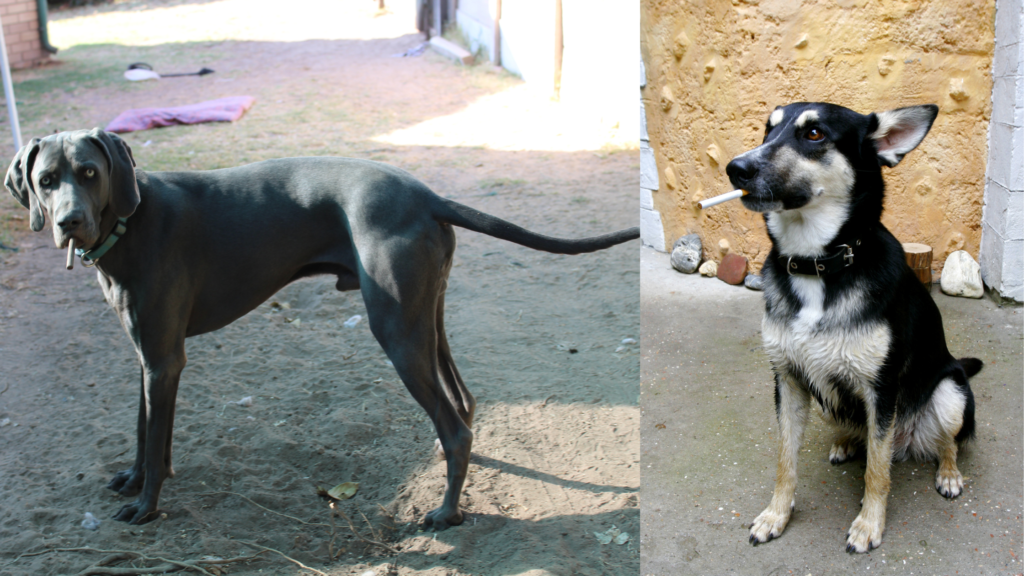
    Ethical Considerations: Say No to Smoking Dog Memes – Smoker dog

    smoker dog dog smoking cigarette |
    Smoker Dog – Dog Smoking Cigarette

    While providing information about the dangers of secondhand smoke for dogs is essential, addressing a concerning trend that has emerged in recent years is equally crucial.

    There have been instances where people have taken photos or created memes of dogs appearing to smoke.

    It is essential to highlight that this behavior is wrong and immoral. Here’s why:

    • Health Risk: Depicting a dog smoking, even as a joke or meme, can normalize harmful behavior and create the misconception that smoking is acceptable or entertaining. This can have serious consequences, as it downplays the actual health risks associated with smoking for dogs and humans.
    • Animal Welfare: Dogs cannot give consent to participate in such activities. Creating images or videos of dogs smoking can subject them to unnecessary stress, discomfort, or even harm. As pet owners and advocates, we are responsible for prioritizing their well-being and treating them with kindness and respect.
    • Misleading Information: Memes and viral images can spread quickly and significantly influence public perception. Creating or sharing smoking dog memes perpetuates misinformation and undermines the serious nature of the topic – the health risks associated with secondhand smoke.
    • Promoting Responsible Pet Ownership: Encouraging responsible pet ownership means ensuring our beloved companions’ physical and emotional well-being. It involves providing them with a safe environment, proper nutrition, regular veterinary care, and protecting them from harmful substances, including smoke.

    In conclusion, it is essential to recognize that creating or sharing smoking dog memes is wrong and immoral and goes against the principles of responsible pet ownership.

    Let’s foster a culture of compassion and respect for our furry friends, spreading awareness about the dangers of secondhand smoke in a responsible and informative manner.

    Together, we can promote the well-being and happiness of our beloved canine companions.

    Conclusion

    Secondhand smoke poses a severe dog risk, leading to various health problems.

    To protect your furry friend, creating a smoke-free environment in your home is crucial and avoiding exposing them to secondhand smoke.

    Establishing a smoke-free zone, educating others, and improving ventilation can significantly reduce your dog’s exposure to harmful smoke particles.

    Suppose you suspect your dog has been exposed to secondhand smoke or is exhibiting symptoms of smoke inhalation.

    In that case, it is vital to consult a veterinarian promptly.

    They can provide proper medical care, diagnose potential issues, and offer guidance on ensuring your dog’s well-being.

    Remember, prioritizing your dog’s health and creating a safe, smoke-free environment is essential to being a responsible pet owner.

  • Bio Sponge for Dogs: Is Bio Sponge Safe for Dogs?

    Bio Sponge for Dogs: Is Bio Sponge Safe for Dogs?

    When caring for our furry friends, ensuring their digestive health is of utmost importance. One valuable tool in this endeavour is Bio Sponge for dogs.

    Bio Sponge is a specially formulated supplement designed to support canine gastrointestinal health.

    Whether you’re a concerned pet owner looking for ways to manage digestive upsets or simply seeking ways to promote a healthy digestive system for your dog, Bio Sponge offers several benefits that can make a significant difference in your furry companion’s well-being.

    Bio Sponge is specifically formulated to address common digestive issues that dogs may experience, such as diarrhoea, gas, and bloating.

    This unique supplement acts as a sponge, binding toxins and harmful substances in the digestive tract and helping to restore balance.

    By doing so, Bio Sponge helps alleviate uncomfortable symptoms and promotes a healthier gut environment for your dog.

    The great news is that Bio Sponge is safe for dogs as directed. It has been developed with the well-being of canines in mind, and extensive research has gone into ensuring its effectiveness and safety.

    However, it is always advisable to consult with your veterinarian before introducing any new supplement to your pet’s routine, especially if your dog has pre-existing health conditions or is on medication.

    In the following sections, we will delve deeper into the benefits and uses of Bio Sponge for dogs.

    We will explore its role in managing digestive upsets, how it supports gastrointestinal health during dietary changes, dosage guidelines, safety precautions, and considerations.

    By the end of this article, you will have a comprehensive understanding of Bio Sponge and its potential to enhance your dog’s digestive well-being.

    So, let’s embark on this journey together and discover the wonders of Bio Sponge for dogs and how it can contribute to your beloved furry friend’s overall health and happiness!

    Understanding Bio Sponge for dogs

    Understanding Bio Sponge for dogs
    Understanding Bio Sponge for dogs

    A. What is Bio Sponge and What is it Used for in Dogs?

    Bio Sponge is a remarkable supplement specially formulated to support dogs’ digestive health.

    It comprises unique ingredients that work synergistically to benefit our furry companions.

    The main component of Bio Sponge is a highly absorbent substance derived from natural sources.

    This substance can bind toxins, harmful substances, and excess fluids in the digestive tract.

    Bio Sponge is primarily used to manage digestive upsets in dogs.

    It is a gentle yet effective solution for common gastrointestinal issues such as diarrhea, gas, and bloating.

    By binding toxins and harmful substances, Bio Sponge helps to alleviate the uncomfortable symptoms associated with digestive disturbances and restore balance to the gut.

    B. Does Bio Sponge Work on Dogs for Diarrhea?

    Yes, Bio Sponge has shown great effectiveness in addressing diarrhea symptoms in dogs.

    When dogs experience diarrhea, it often indicates an imbalance in their digestive system.

    Bio Sponge can restore normal digestive function and firm up stool.

    Binding toxins and harmful substances help reduce the frequency and severity of diarrhea episodes.

    In addition to alleviating diarrhea, Bio Sponge supports the overall health of the gastrointestinal tract.

    It helps create an environment where beneficial nutrients can be effectively absorbed by the body, promoting optimal digestion and nutrient utilization.

    C. What Does Bio Sponge Do?

    Bio Sponge works by acting as a sponge in the digestive system of dogs.

    Once ingested, it travels through the digestive tract, binding toxins, harmful bacteria, and excess fluids.

    This binding action helps remove these unwanted substances from the body, promoting a healthier and more balanced gut environment.

    Furthermore, Bio Sponge supports the absorption of beneficial nutrients in the intestines.

    Binding toxins and harmful substances help prevent their absorption into the bloodstream, allowing the body to better utilize essential nutrients.

    This mechanism of action helps maintain a healthy gut and contributes to overall digestive well-being.

    In summary, Bio Sponge is a powerful supplement that aids in managing digestive upsets in dogs.

    Its ability to bind toxins, restore balance, and support nutrient absorption makes it an invaluable tool in promoting a healthy digestive system.

    By incorporating Bio Sponge into your dog’s routine, you can provide the support they need to maintain optimal digestive health and enjoy a happier, more comfortable life.

    Benefits and Uses of Bio Sponge for Dogs

    Benefits and Uses of Bio Sponge for Dogs
    Benefits and Uses of Bio Sponge for Dogs

    A. Managing Digestive Upsets and Diarrhea

    Regarding managing digestive upsets and diarrhea in dogs, Bio Sponge can be a game-changer.

    This remarkable supplement offers a gentle and effective solution to alleviate symptoms and promote digestive health.

    By binding toxins and harmful substances in the digestive tract, Bio Sponge helps to reduce the severity and duration of diarrhea episodes.

    It works to firm up the stool, providing relief and comfort to your furry friend.

    In addition to its toxin-binding properties, Bio Sponge also supports the overall health of the gastrointestinal system.

    It helps create an environment where the digestive system can function optimally, allowing for better nutrient absorption and utilization.

    By addressing the root causes of digestive upsets, Bio Sponge helps restore balance and promotes a healthier digestive system in your dog.

    B. Supporting Digestive Health during Dietary Changes

    Dietary transitions can sometimes pose challenges for dogs, leading to gastrointestinal issues such as food sensitivities, indigestion, and diarrhea.

    This is where Bio Sponge can play a vital role. Bio Sponge can assist during dietary changes by soothing the digestive system and minimizing the discomfort associated with dietary transitions.

    Its toxin-binding properties help to alleviate gastrointestinal distress caused by new foods or changes in diet.

    Furthermore, if your dog has food sensitivities, Bio Sponge can help manage the symptoms by binding potential allergens in the digestive tract.

    This can provide relief, contribute to a smoother transition to the new diet, or help identify specific trigger foods.

    C. Is Bio Sponge Safe for Dogs?

    The safety of your beloved canine companion is of utmost importance, and you may be wondering about the safety of using Bio Sponge.

    Rest assured, Bio Sponge is generally considered safe for dogs when used as directed.

    It has been specifically formulated and extensively tested to ensure its effectiveness and safety.

    However, it is always recommended to consult with your veterinarian before introducing any new supplement or dietary change to your dog’s routine.

    Your veterinarian can provide personalized advice based on your dog’s health needs and specific considerations.

    They can also address any potential interactions with medications or pre-existing health conditions.

    By following the recommended dosage and consulting with your veterinarian, you can ensure the safe and effective use of Bio Sponge for your furry friend, providing them with the support they need for optimal digestive health.

    In the next section, we will explore the proper administration of Bio Sponge to ensure its maximum effectiveness and discuss additional safety precautions to consider.

    Administering Bio Sponge to Dogs

    A. Dosage and Administration Guidelines

    Administering Bio Sponge to your dog requires understanding the appropriate dosage based on weight.

    Following the recommended guidelines is important to ensure optimal effectiveness and safety. Here are some general dosage and administration guidelines for Bio Sponge:

    1. Determine the Appropriate Dosage: The dosage of Bio Sponge typically depends on your dog’s weight.

    Consult the product packaging or your veterinarian to determine the correct dosage for your furry friend.

    2. Administration Methods: There are different ways to administer Bio Sponge to your dog:

       a. Mixing with Food: One common method is to mix the recommended dosage of Bio Sponge with your dog’s regular food.

    This allows for easy ingestion and assimilation. Make sure to thoroughly mix it to ensure proper distribution.

       b. Administering Directly: If your dog does not like having their food altered, you can administer Bio Sponge directly into its mouth.

    Use a syringe or measuring dropper to carefully dispense the recommended dosage into the back of their mouth. Be gentle and ensure your dog swallows it properly.

    Always follow the instructions provided by the manufacturer and consult your veterinarian if you have any concerns or specific questions regarding administering Bio Sponge to your dog.

    B. What is the Best Thing to Stop Diarrhea in Dogs?

    While Bio Sponge can be effective in managing diarrhea in dogs, there are additional measures you can take to help your furry friend find relief and restore normal bowel movements. Here are some tips to consider:

    1. Provide Adequate Hydration: Diarrhea can lead to dehydration in dogs. Ensure your dog has access to fresh water to prevent dehydration and promote hydration.

    2. Adjust the Diet: For mild cases of diarrhea, temporarily transitioning your dog to a bland diet may help. This can include boiled chicken and rice or a prescription diet recommended by your veterinarian. Bland diets are gentle on the digestive system and help firm the stool.

    3. Probiotics: Adding probiotic supplements to your dog’s routine can help restore the balance of beneficial gut bacteria. Probiotics promote a healthy digestive system and can aid in resolving diarrhea episodes.

    4. Veterinary Consultation: It’s important to consult your veterinarian if your dog experiences persistent or severe diarrhea. They can help identify the underlying cause and provide appropriate treatment options tailored to your dog’s needs.

    Remember, every dog is unique, and what works for one may not work for another.

    It’s essential to approach the management of diarrhea in dogs with a balanced and individualized approach, considering their overall health, specific symptoms, and guidance from a veterinary professional.

    By incorporating Bio Sponge, following dosage guidelines, and seeking veterinary advice when necessary, you can support your dog’s digestive health and help them overcome diarrhea with care and diligence.

    Safety, Precautions, and Considerations

    A. Possible Side Effects of Bio Sponge for dogs

    While Bio Sponge is generally safe for dogs when used as directed, it’s essential to be aware of potential side effects.

    Every dog may respond differently; some dogs may be more sensitive than others. Here are a few potential side effects to watch out for:

    1. Digestive Upset: In rare cases, dogs may experience mild digestive upset, such as loose stools or temporary changes in bowel movements.

    If you notice any unusual gastrointestinal symptoms, it’s advisable to monitor your dog’s response and consult with your veterinarian if necessary.

    2. Allergic Reactions: Although rare, dogs can have allergic reactions to certain ingredients in Bio Sponge.

    If you observe signs of an allergic reaction, such as itching, swelling, or difficulty breathing, discontinue use immediately and seek veterinary assistance.

    Remember to closely observe your dog’s behavior and overall well-being when introducing any new supplement, including Bio Sponge.

    If you have any concerns or notice any unexpected changes, it’s always best to consult your veterinarian for guidance.

    Also Read : American Bulldog Pitbull Mix: Energetic & Affectionate!

    B. Choosing a Reliable Brand of Bio Sponge

    When selecting a brand of Bio Sponge for your dog, choosing a reliable and reputable product is important.

    Here are some tips to consider:

    1. Research and Reviews: Conduct thorough research on different brands of Bio Sponge.

    Look for products that have positive reviews from other pet owners, indicating their effectiveness and safety.

    2. Quality and Safety Standards: Ensure your chosen brand follows stringent quality control and safety standards.

    Look for certifications or seals of approval from reputable organizations that demonstrate their commitment to producing high-quality pet supplements.

    3. Veterinary Recommendations: Seek recommendations from your veterinarian.

    They have extensive knowledge of various products and can suggest trusted brands aligning with your dog’s needs.

    4. Ingredient Transparency: Look for brands that provide clear and transparent information about the ingredients used in their Bio Sponge products.

    This allows you to make informed decisions and ensures you give your dog a supplement that meets its dietary requirements.

    By selecting a reliable brand of Bio Sponge, you can have confidence in the quality and safety of the product you’re providing to your furry friend.

    In conclusion, while Bio Sponge is generally safe and well-tolerated by dogs, it’s essential to be aware of potential side effects and monitor your dog’s response.

    By choosing a reputable brand and following proper administration guidelines, you can enhance the safety and effectiveness of Bio Sponge for your beloved canine companion.

    As always, consult your veterinarian to ensure Bio Sponge suits your dog’s health needs.

    Also Read : Fenugreek Dosage for Dog Milk Production: Best Guide 2023

    Conclusion

    In this article, we have explored the benefits and usage of Bio Sponge for dogs, focusing on its role in managing digestive upsets and supporting gastrointestinal health.

    Bio Sponge offers a gentle yet effective solution for common gastrointestinal issues, such as diarrhea, gas, and bloating in dogs.

    By binding toxins and harmful substances in the digestive tract, Bio Sponge helps alleviate symptoms and restore balance to the gut.

    We have learned that Bio Sponge is particularly effective in addressing diarrhea symptoms in dogs.

    Its ability to bind toxins and help firm up stool contributes to a faster recovery and a more comfortable experience for our furry friends.

    Additionally, Bio Sponge supports overall digestive health by promoting the absorption of beneficial nutrients and maintaining a healthy gut environment.

    While using Bio Sponge, it is important to consult with a veterinarian to determine the appropriate dosage for your dog.

    Veterinarians can provide personalized advice based on your dog’s specific health needs and address any concerns or potential interactions with medications.

    This ensures the safe and effective use of Bio Sponge for your dog’s well-being.

    Furthermore, we have discussed the significance of taking a balanced approach to pet care.

    While Bio Sponge can be beneficial, addressing underlying health issues and considering other measures, such as providing adequate hydration, adjusting the diet, and incorporating probiotics if needed, is important.

    Veterinary consultation is crucial for comprehensively understanding your dog’s health and the best action.

    In conclusion, Bio Sponge is a valuable supplement supporting your dog’s digestive health.

    By incorporating Bio Sponge into your dog’s routine, you can relieve them from digestive upsets and contribute to their overall well-being.

    Remember to consult your veterinarian for proper dosage and safety and address any specific concerns.

    You can help your furry friend live a happy and healthy life with proper care and attention.

  • Fenugreek Dosage for Dog Milk Production: Best Guide 2023

    Fenugreek Dosage for Dog Milk Production: Best Guide 2023

    Fenugreek Dosage for Dog Milk Production – Nursing dogs are vital in nurturing their newborn puppies, providing them with the essential nutrition for their growth and development.

    However, some dogs may experience difficulties producing adequate milk, which can concern the mother and her puppies. This is where fenugreek, a remarkable herbal supplement, emerges.

    Fenugreek has gained popularity for its potential to stimulate milk production in nursing dogs.

    Derived from the Trigonella foenum-graecum plant, fenugreek has been used for centuries in traditional medicine for various purposes, including enhancing lactation in humans and animals.

    The primary goal of this article is to provide a comprehensive guide on fenugreek dosage for dog milk production.

    Whether you are a concerned dog owner or a breeder seeking solutions, understanding the benefits and proper usage of fenugreek can help you support your nursing dog in producing ample milk for her puppies.

    So, let’s delve into the fascinating world of fenugreek and explore how this herbal supplement can make a positive difference in dog milk production.

    Understanding Fenugreek and its Benefits for Dog Milk Production

    Understanding Fenugreek and its Benefits for Dog Milk Production
    Understanding Fenugreek and its Benefits for Dog Milk Production

    A. What is Fenugreek and its Origin?

    Fenugreek is a herb from the Fabaceae family and is scientifically known as Trigonella foenum-graecum.

    It has a long history of use in traditional medicine and culinary practices, originating from the Mediterranean region and Asia.

    Fenugreek seeds are commonly used in cooking, but the herb also possesses remarkable medicinal properties.

    B. The Beneficial Properties of Fenugreek for Stimulating Milk Production

    Fenugreek contains various bioactive compounds that contribute to its milk-boosting capabilities.

    One of the key components is diosgenin, a plant-derived compound that mimics the effects of estrogen in the body.

    This estrogenic activity helps stimulate the production of prolactin, the hormone responsible for milk synthesis in mammals, including dogs.

    Additionally, fenugreek is rich in phytoestrogens, plant compounds resembling human estrogen.

    These phytoestrogens can bind to estrogen receptors and promote milk gland development and milk production in nursing dogs.

    C. Potential Reasons for Low Milk Supply in Nursing Dogs

    Several factors can contribute to low milk supply in nursing dogs, causing concerns for the mother and her puppies. These may include:

    1. Insufficient stimulation: Adequate stimulation of the mammary glands is crucial for milk production.

    If the puppies aren’t suckling properly or the mother is separated from her litter too frequently, it can hinder milk production.

    2. Nutritional imbalances: A lack of proper nutrition or an unbalanced diet can negatively impact milk production in nursing dogs.

    Providing the mother with a well-balanced diet that meets her nutritional needs during lactation is essential.

    3. Hormonal imbalances: Hormonal fluctuations or disruptions in the mother’s body, such as insufficient prolactin levels, can affect milk production.

    In such cases, fenugreek can help by stimulating the release of prolactin and supporting milk synthesis.

    Understanding these potential reasons for low milk supply in nursing dogs allows us to recognize the importance of supporting and enhancing milk production through natural means, such as fenugreek supplementation.

    By harnessing the beneficial properties of fenugreek, we can assist nursing dogs in producing the nourishing milk their puppies need for optimal growth and development.

    Determining the Correct Fenugreek Dosage for Dog Milk Production

    Determining the Correct Fenugreek Dosage for Dog Milk Production
    Determining the Correct Fenugreek Dosage for Dog Milk Production

    A. Factors to Consider for Accurate Dosage

    1. The Weight of the Dog: Adjusting Dosage Based on Weight

    When determining the appropriate fenugreek dosage for your dog, it’s essential to consider their weight.

    Larger dogs may require a higher dosage compared to smaller ones.

    This is because body weight can influence the metabolism and absorption of the herb.

    To ensure accurate dosing, following weight-based guidelines provided by veterinarians or reputable sources like us is recommended.

    2. The Dog’s Health Condition: Consulting a Veterinarian

    Before administering fenugreek or any other supplement to your dog, it is crucial to consult a veterinarian.

    They can evaluate your dog’s overall health, assess existing medical conditions, and provide personalized guidance on fenugreek dosage.

    This ensures the safety and well-being of your dog and helps prevent any potential interactions with other medications or health concerns.

    3. The Dog’s Nursing Demands: Higher Dosages for Larger Litters

    The size of the dog’s litter can influence the demand for milk production. Larger litters require more milk to adequately nourish all the puppies.

    In such cases, the fenugreek dosage may need to be adjusted to support increased milk production.

    It’s important to closely monitor the nursing demands and observe if the mother dog is producing enough milk to meet the needs of her litter.

    Working with a veterinarian can provide valuable insights into the appropriate dosage adjustments for specific situations.

    Considering these factors, you can determine the correct fenugreek dosage for your dog’s milk production needs.

    Remember, every dog is unique, and individual responses may vary.

    It is always advisable to seek professional advice to ensure the optimal health and well-being of your nursing dog and her puppies.

    B. Fenugreek Dosage Guidelines for dogs per kg

    When determining the fenugreek dosage for a nursing dog, it’s important to consult with a veterinarian for personalized guidance.

    However, here is a general guideline for fenugreek dosage based on the weight of the nursing dog:

    1. For dogs weighing 1-5 kg (2-11 lbs): Start with a dosage range of 200-400 mg of fenugreek daily.

    2. For dogs weighing 5-15 kg (11-33 lbs): Begin with a dosage range of 400-800 mg of fenugreek daily.

    3. For dogs weighing 15-25 kg (33-55 lbs): Start with a dosage range of 800-1200 mg of fenugreek daily.

    4. For dogs weighing 25-35 kg (55-77 lbs): Begin with a dosage range of 1200-1600 mg of fenugreek daily.

    5. For dogs weighing 35+ kg (77+ lbs): Start with a dosage range of 1600-2000 mg of fenugreek daily.

    Please note that these dosages are general recommendations and should be used as a starting point.

    It’s crucial to consult with a veterinarian who can consider your dog’s specific health condition, age, and other individual factors to determine the most appropriate and safe dosage.

    Your veterinarian will have the expertise and knowledge to provide personalized advice, ensuring your nursing dog’s and her puppies’ well-being.

    C. Fenugreek Dosage Guidelines for dogs per Day

    When dosing fenugreek for dog milk production, it is essential to establish a consistent routine. Here are some dosage guidelines per day:

    1. Start with a Low Dosage: The lowest recommended dosage based on your dog’s weight, as mentioned in the previous section.

    This allows you to gauge your dog’s response and tolerance to fenugreek.

    2. Gradually Increase Dosage: If you observe no adverse effects or improvements in milk production after a few days, you can gradually increase the fenugreek dosage.

    Add after every 3-4 days until you find the dosage that yields positive results.

    3. Split Dosage Throughout the Day: Divide the daily fenugreek dosage into two or three smaller doses. For example, the recommended daily dosage is 800 mg.

    In that case, you can administer two doses of 400 mg or three doses of approximately 270 mg.

    This ensures a consistent supply of fenugreek throughout the day.

    4. Administer with Food: It is generally recommended to give fenugreek supplements with food to aid digestion and absorption.

    Mix the fenugreek powder or capsules with your dog’s regular meals.

    Remember, consistency is key when using fenugreek for dog milk production. Stick to the recommended dosage and administer it regularly throughout the day.

    Monitor your dog’s milk production closely, and if you have any concerns or questions, consult your veterinarian for guidance.

    How Long Does It Take for Fenugreek to Increase Milk Supply?

    How Long Does It Take for Fenugreek to Increase Milk Supply |
    How Long Does It Take for Fenugreek to Increase Milk Supply?

    A. Timeframe for Observing Results in Dog Milk Production

    After administering fenugreek to a nursing dog, it’s important to understand that the results may not be immediate.

    Fenugreek may take a few days to a week to increase the milk supply.

    However, this timeframe can vary based on several factors, including the dog’s response and overall health.

    B. Individual Results and Influencing Factors

    It’s essential to recognize that individual results may vary when using fenugreek to increase milk supply in dogs.

    While some dogs may experience noticeable improvements within a few days, others may require more time to see significant changes.

    Factors such as the dog’s overall health, genetics, nutritional status, and nursing demands can influence the speed and extent of milk production enhancement.

    It’s also important to consider that fenugreek may not be effective for every dog.

    While it has shown promising results for many, there can be instances where other underlying health issues or factors prevent fenugreek from having the desired impact.

    In such cases, it is crucial to consult a veterinarian for a thorough evaluation and alternative approaches, if necessary.

    C. Monitoring Milk Production and Seeking Veterinary Consultation

    During fenugreek usage, dog owners should closely monitor the milk production of their nursing dog.

    Keep an eye on the puppies’ size, health, and weight gain to ensure they are receiving adequate nourishment.

    Suppose concerns about the milk supply or no noticeable improvements occur within a reasonable timeframe. In that case, it is advisable to consult a veterinarian.

    Veterinarians can provide professional guidance based on their expertise and knowledge of your dog’s circumstances.

    They can assess the milk production, evaluate the health of the nursing dog, and offer additional advice or alternatives if needed.

    Your veterinarian will be able to provide the best course of action and support to ensure the well-being of both the mother dog and her puppies.

    Remember, patience is key when using fenugreek to increase milk supply. While it can be an effective natural solution for many dogs, individual results can vary.

    You can ensure optimal care and nutrition for your nursing dog and her puppies by closely monitoring and seeking veterinary assistance when necessary.

    Potential Side Effects and Precautions

    A. Possible Side Effects of Fenugreek on Dogs

    While fenugreek is generally considered safe for dogs, it’s important to be aware of potential side effects.

    These side effects are rare but can occur in some cases. Common side effects may include:

    1. Gastrointestinal Upset: Dogs may experience mild digestive issues such as gas, bloating, or loose stools when initially introduced to fenugreek.

    These symptoms usually subside as the dog’s system adjusts to the supplement.

    2. Allergic Reactions: In rare cases, dogs may have an allergic reaction to fenugreek.

    Signs of an allergic reaction can include itching, skin rashes, swelling of the face or limbs, difficulty breathing, or vomiting.

    If any of these symptoms occur, immediate veterinary attention should be sought.

    B. Importance of Monitoring the Dog’s Health and Adverse Reactions

    It is crucial to closely monitor your dog’s health and well-being using fenugreek.

    Keep a watchful eye for any adverse reactions, especially during the initial stages of supplementation.

    If you notice any concerning symptoms or changes in behavior, discontinue fenugreek usage and consult your veterinarian.

    Regularly observe your dog’s overall health, including their energy levels, appetite, and digestion.

    Monitoring the puppies’ growth and development is also important to ensure they receive sufficient milk supply.

    By paying attention to these factors, you can quickly catch any potential issues and seek prompt veterinary advice.

    Also Read : Can Dogs Eat Babybel Cheese? Discover the Safety & Benefits

    C. Discontinuing Fenugreek Usage and Consulting a Veterinarian

    Suppose your dog experiences negative side effects or an allergic reaction to fenugreek. In that case, it is recommended to discontinue its usage immediately.

    Contact your veterinarian for guidance and follow their instructions.

    They may recommend alternative methods to support milk production or suggest further examination to address any underlying concerns.

    Remember, each dog is unique, and their response to fenugreek may vary.

    By being vigilant, observing any adverse reactions, and seeking professional guidance when needed, you can ensure the safety and well-being of your dog and her nursing puppies.

    Always prioritize your dog’s health and consult a veterinarian before introducing new supplements or changing their diet.

    Your veterinarian will provide personalized advice based on your dog’s needs and circumstances.

    Fenugreek for Dogs: Dosage and Milk Supply Relationship

    A. Addressing the Concern of Fenugreek Decreasing Milk Supply

    There is a common concern among dog owners about whether fenugreek can decrease milk supply.

    However, it’s important to clarify that fenugreek is generally used to increase milk production, not decrease it.

    Fenugreek contains compounds that mimic estrogen and help stimulate the production of prolactin, the hormone responsible for milk synthesis.

    B. Fenugreek: Generally Used to Increase Milk Production

    The primary purpose of fenugreek supplementation in nursing dogs is to enhance milk supply.

    It is believed to have lactogenic properties that support the development and function of milk-producing glands.

    Many dog owners and breeders have used fenugreek to promote healthy lactation in nursing dogs and ensure an ample milk supply for their puppies.

    C. Importance of Monitoring Milk Production

    While fenugreek is known for its milk-boosting properties, it is important to closely monitor the milk production of the nursing dog during the supplementation period.

    This allows you to assess the effectiveness of fenugreek and ensure that the milk supply is sufficient to meet the puppies’ nutritional needs.

    Observing the puppies’ growth, weight gain, and overall health can gauge whether the fenugreek dosage supports optimal milk production.

    If you have any concerns about the milk supply, consult your veterinarian. They can assess the situation, provide additional recommendations, and address potential issues.

    Remember, fenugreek is generally used to increase milk supply, and monitoring the milk production is essential to ensure the well-being of the nursing dog and her puppies.

    Maintaining a close eye on their health and seeking professional advice when needed can provide the best care for your dog and support a healthy nursing experience.

    Conclusion

    In conclusion, fenugreek can be a beneficial herbal supplement for increasing milk production in nursing dogs.

    Throughout this article, we have explored various aspects of fenugreek dosage for dog milk production.

    Here’s a recap of the main points discussed:

    1. Fenugreek is an herb that has been used for centuries and is known for its lactogenic properties, making it a popular choice for stimulating milk production in nursing dogs.

    2. When determining the correct fenugreek dosage for your dog, consider their weight, overall health condition, and the nursing demands of their litter.

    3. We provided a general guideline for fenugreek dosages based on the dog’s weight. Still, it’s crucial to consult a veterinarian for personalized advice that considers your dog’s specific needs.

    4. Consistency and gradual dosage adjustments are important. Start with a low dosage and gradually increase, if necessary, while splitting the daily doses.

    5. Results may vary, and it may take a few days to a week to observe an increase in milk supply. However, closely monitor your dog’s milk production and the puppies’ health, and seek veterinary consultation if any concerns arise.

    Remember, the health and well-being of your dog and her puppies should always be a priority.

    Consulting a veterinarian for personalized advice and closely monitoring your dog’s health and milk production are essential to ensure their care.

    If you found this information helpful, consider sharing this article with other dog owners who may benefit from it.

    For further information or specific concerns, contact your veterinarian, who can provide tailored guidance based on your dog’s unique situation.

    Together, let’s ensure that nursing dogs receive the support they need to provide their puppies with optimal nutrition and care.

  • Why Is My Dog’s Poop Cold? 3 Factors that you should know.

    Why Is My Dog’s Poop Cold? 3 Factors that you should know.

    Have you ever wondered why your dog’s poop feels unusually cold? As pet owners, it’s natural for us to pay attention to any changes in our furry friends’ bodily functions, and the temperature of their poop is no exception.

    Understanding why your dog’s poop might be cold is important for their well-being.

    In this article, we will explore the various factors that can contribute to cold dog poop and provide you with the knowledge to address any concerns you may have.

    We all want what’s best for our beloved canine companions, and being informed about their health is crucial.

    Regarding their bathroom habits, it’s essential to pay attention to any changes, including variations in poop temperature.

    While it may seem like a minor detail, alterations in poop temperature can sometimes indicate an underlying issue.

    By understanding the causes behind cold dog poop, you can ensure that your furry friend stays happy and healthy.

    So, if you’ve ever asked yourself, “Why is my dog’s poop cold?” or felt concerned about the temperature of their waste, you’ve come to the right place.

    Let’s delve into the fascinating world of dog digestion and explore the potential reasons behind this intriguing phenomenon.

    By understanding why your dog’s poop might be cold, you’ll be better equipped to provide them with the care they need.

    Normal Range of Dog Poop Temperature

    Normal Range of Dog Poop Temperature |
    Normal Range of Dog Poop Temperature

    Have you ever wondered what the normal temperature of a dog’s poop should be?

    Well, the answer might surprise you! Typically, a dog’s poop is close to its body temperature, around 101 to 102.5 degrees Fahrenheit (38.3 to 39.2 degrees Celsius).

    However, it’s important to note that slight temperature variations can be perfectly normal and nothing to worry about.

    Just like us humans, dogs’ bodies are influenced by their environment. Factors such as the weather, their diet, and even their level of physical activity can impact the temperature of their poop.

    So, don’t be alarmed if you occasionally notice a slightly cooler or warmer poop.

    As long as your dog is otherwise healthy and displaying no other concerning symptoms, slight temperature variations are generally nothing to be concerned about.

    Establishing a baseline for what is normal for your dog is essential.

    Paying attention to their poop temperature over time and familiarizing yourself with what is typical for them can help you spot any significant changes that might require further investigation.

    So, while there is a normal range for dog poop temperature, remember that slight variations are par for the course.

    Now, let’s dig deeper into the potential causes behind cold dog poop and explore when it may be a cause for concern.

    Why Is My Dog’s Poop Cold? Factors Influencing Poop Temperature

    Why Is My Dogs Poop Cold 3 Factors Influencing dog Poop |
    Why Is My Dog’s Poop Cold? Factors Influencing Poop Temperature

    The temperature of your dog’s poop can be influenced by various factors, including their diet, health conditions, and environmental factors.

    Let’s look closer at how these factors can play a role in determining the temperature of your furry friend’s feces.

    1. Diet and hydration

    Just like with our bodies, what goes into your dog’s stomach can affect the temperature of their poop. Suppose your dog consumes cold water or even occasional snow snacks.

    In that case, it can lower the temperature of their poop. Similarly, certain foods or dietary changes can impact their digestion, leading to variations in poop temperature.

    Ensuring your dog has a balanced diet and adequate hydration can help maintain a healthy poop temperature.

    2. Health conditions

    Sometimes, cold poop can be an indication of an underlying health issue. Gastrointestinal infections, digestive disorders, or certain medications can affect the digestive process and produce cooler poop.

    Suppose your dog is experiencing other symptoms like diarrhea, vomiting, or changes in appetite. In that case, it’s essential to consult your veterinarian to rule out any underlying health conditions.

    3. Environmental factors

    Believe it or not, external conditions can also influence the temperature of your dog’s poop. For example, when your dog is exposed to chilly outdoor temperatures during colder weather, their poop may naturally be colder.

    Suppose your dog is accustomed to defecating in a warm environment, like inside the house or on heated surfaces.

    In that case, the contrast in temperature can be noticeable. So, don’t be surprised if your dog’s poop feels cooler on a frosty winter walk.

    Understanding these factors can help you determine whether your dog’s poop temperature is within a normal range or if it requires further attention.

    However, it’s important to note that while slight variations in poop temperature are common, significant and persistent changes accompanied by other concerning symptoms may warrant a visit to your veterinarian for a proper diagnosis.

    Now that we’ve explored the factors influencing poop temperature, let’s delve into the potential health implications and when you should seek veterinary advice.

    Identifying Abnormal Poop Temperature

    While slight variations in your dog’s poop temperature are generally normal, there are certain instances where cold poop may indicate an underlying issue.

    It’s important to be aware of accompanying symptoms that can help you determine whether the temperature change is a cause for concern. Here’s what you should watch out for:

    1. Changes in appetite

    If your dog’s poop is consistently cold and they show a sudden loss of appetite or a significant decrease in food intake, it could be a sign of a more serious problem.

    A decreased appetite can indicate digestive issues or underlying health conditions requiring a veterinarian’s attention.

    2. Altered stool consistency

    Pay attention to any changes in the consistency or appearance of your dog’s poop.

    If their poop becomes consistently watery and loose or contains blood, mucus, or unusual colors, it could indicate an underlying gastrointestinal problem.

    When combined with cold poop, these changes should be addressed by a veterinarian for a proper diagnosis.

    3. Unusual behavior

    Keep an eye out for any changes in your dog’s behavior. If they seem sluggish, lack energy, or exhibit signs of discomfort or pain, it may be a sign that something is amiss.

    Cold poop and these behavioral changes could indicate an underlying health issue that requires further investigation.

    If you notice any of these accompanying symptoms along with consistently cold poop, it’s crucial to consult with your veterinarian.

    They can evaluate your dog’s overall health, conduct necessary tests, and provide appropriate treatment options.

    Remember, monitoring your dog’s poop and paying attention to their overall well-being is key to ensuring their health and happiness.

    Also Read : Why Is My Dog Pooping Clear Liquid? Best Guide 2023

    Common Causes of Cold Dog Poop

    Several factors can contribute to cold poop in dogs. Understanding these common causes can help explain why your dog’s poop may be colder than usual.

    Let’s explore some of the specific factors and their effects on poop temperature:

    1. Dietary changes

    Sudden changes in your dog’s diet can affect its digestive system and poop temperature. For example, if you recently switched your dog’s food or introduced new ingredients, their body may need time to adjust.

    These changes can lead to colder poop temporarily. Gradual transitions when changing your dog’s diet can help minimize these temperature fluctuations.

    2. Infections and digestive disorders

    Gastrointestinal infections or digestive disorders can impact your dog’s poop temperature.

    Infections caused by bacteria, viruses, or parasites can disrupt the normal functioning of the digestive system, leading to changes in poop consistency and temperature.

    Inflammatory bowel disease, pancreatitis, or other digestive disorders can also contribute to cold poop. If you suspect an infection or digestive issue, consult your veterinarian for proper diagnosis and treatment.

    3. Stress and anxiety

    Dogs, like humans, can experience stress and anxiety, affecting their digestive system. Stress can disrupt the balance of gut bacteria and lead to changes in poop temperature.

    Situations such as changes in routine, moving to a new home, or introducing a new pet can cause stress in dogs.

    Minimizing stress through a stable environment, positive reinforcement, and providing a safe space for your dog can help regulate their poop temperature.

    4. Medications and treatments

    Certain medications or medical treatments can influence poop temperature.

    For instance, antibiotics used to treat infections may temporarily alter the balance of gut bacteria, impacting digestion and poop temperature.

    If your dog is on medication, discuss any potential side effects with your veterinarian to understand if it could affect their poop temperature.

    It’s important to note that while these factors can contribute to cold poop, they may not always be the sole cause.

    If you have concerns about your dog’s poop temperature or notice other persistent symptoms, consult your veterinarian for a comprehensive evaluation and appropriate guidance.

    Understanding the potential causes behind cold poop can help you take appropriate measures to maintain your dog’s digestive health and overall well-being.

    Also Read : Husky American Bulldog Mix – Unleashing the Energetic Charm

    Managing and Treating Cold Dog Poop

    Managing and treating cold dog poop involves adopting practices that promote a healthy digestive system and regulate poop temperature. Here are some general tips to consider:

    1. Balanced diet

    Providing your dog with a balanced and nutritious diet is crucial for their overall health and digestive system.

    Ensure their meals contain high-quality proteins, carbohydrates, healthy fats, and essential nutrients. Consult your veterinarian to determine the appropriate diet for your dog’s needs.

    2. Proper hydration

    Adequate hydration is essential for maintaining a healthy digestive system. Ensure your dog has access to fresh and clean water at all times.

    Avoid offering excessively cold water, as it can temporarily affect poop temperature. Monitor your dog’s water intake during hot weather or increased activity to prevent dehydration.

    3. Regular exercise

    Exercise plays a significant role in maintaining a healthy digestive system for dogs. Physical activity helps stimulate bowel movements and supports proper digestion.

    Engage your dog in regular exercise routines, such as walks, playtime, or interactive toys. Consult your veterinarian for suitable exercise levels for your dog’s breed and age.

    4. Avoid sudden food changes

    Dogs thrive on routine, including their meals. Avoid sudden changes in their diet, as it can disrupt their digestive system and potentially lead to colder poop.

    If you need to transition your dog to a new food, mix the new and old food gradually over several days.

    5. Regular veterinary check-ups

    Regular veterinary check-ups are essential for monitoring your dog’s overall health and identifying potential issues early on.

    Your veterinarian can provide guidance specific to your dog’s needs, perform necessary tests, and address concerns about poop temperature or other digestive issues.

    Remember, while these general tips can help regulate poop temperature and maintain a healthy digestive system, it’s important to consult with your veterinarian for personalized advice.

    They can provide tailored recommendations based on your dog’s needs, ensuring their well-being and helping you address any specific concerns.

    Following these guidelines and staying proactive in your dog’s care can contribute to a healthy digestive system and promote optimal poop temperature, leading to a happier and healthier companion.

    When to Consult a Veterinarian

    While occasional variations in poop temperature may not cause alarm, persistent changes or accompanying symptoms could indicate an underlying issue.

    Recognizing when to consult a veterinarian for a proper diagnosis and tailored treatment options is crucial. Here’s what you should consider:

    1. Persistent changes

    If your dog consistently has cold poop over an extended period, seeking veterinary advice’s a good idea.

    This could indicate an underlying health problem that requires professional attention. Don’t ignore persistent changes, as they could indicate an underlying issue that needs addressing.

    2. Concerning symptoms

    In addition to changes in poop temperature, keep an eye out for other symptoms that may accompany it.

    Look for signs such as frequent diarrhea, constipation, blood in the stool, excessive vomiting, loss of appetite, weight loss, or unusual behavior.

    These symptoms may suggest a more serious underlying condition that requires veterinary intervention.

    3. Diagnostic expertise

    Veterinarians have the expertise and tools to perform diagnostic tests to pinpoint the cause of the abnormal poop temperature.

    They can conduct thorough examinations, run laboratory tests, and evaluate your dog’s overall health to determine the underlying issue accurately.

    Relying on their expertise ensures a comprehensive understanding of your dog’s condition.

    4. Tailored treatment options

    Seeking veterinary advice allows you to receive tailored treatment options based on your dog’s needs.

    Your veterinarian can prescribe appropriate medications, recommend dietary adjustments, or suggest lifestyle modifications to address the underlying cause and help restore normal poop temperature.

    When developing a treatment plan, they will consider factors such as your dog’s age, breed, medical history, and current health status.

    Remember, your veterinarian is your trusted partner in your dog’s health journey.

    They have the knowledge and experience to guide you through any concerns you may have about your dog’s poop temperature or associated symptoms.

    Don’t hesitate to reach out to them for advice and support.

    Consulting a veterinarian ensures your dog receives the necessary care and attention to address any underlying health issues.

    Early detection and intervention can lead to effective treatment and a happier, healthier pup.

    Your veterinarian is there to assist you every step of the way and provide the best possible care for your furry friend.

    Also Read : Wells Syndrome in Dogs: Comprehensive Treatment & Care Guide

    Conclusion

    Understanding why your dog’s cold poop is essential for its overall well-being.

    While slight variations in poop temperature are normal, persistent changes or accompanying symptoms may indicate an underlying health issue that requires attention.

    In this article, we’ve explored the normal range of dog poop temperature.

    These discussed factors can influence poop temperature, identify when cold poop may be a cause for concern, and provide tips for managing and treating cold poop.

    We’ve also emphasized the importance of consulting a veterinarian if you notice persistent changes or concerning symptoms.

    Remember, a balanced diet, proper hydration, regular exercise, and veterinary check-ups are key to maintaining a healthy digestive system in your dog.

    These practices can help regulate poop temperature and improve their health and well-being.

    Don’t hesitate to seek veterinary advice if you have any concerns about your dog’s poop temperature or notice persistent changes.

    Veterinarians have the expertise to diagnose underlying issues and provide tailored treatment options for your dog’s needs.

    You can ensure they lead a happy and healthy life by staying proactive and attentive to your dog’s health.

    Paying attention to their poop temperature is one way to monitor their well-being and catch any potential problems early on.

    Remember, your furry friend relies on you for their care and well-being.

    By staying informed and seeking veterinary advice when necessary, you’re taking important steps toward providing them with the best possible care.

    So, watch your dog’s poop temperature, provide them a healthy lifestyle, and consult a veterinarian when needed.

    With your love and proper care, your dog will enjoy a happy and comfortable life by your side.