Category: Dog Health

  • Inverted Nipple in dogs: Best Guide 2023.

    Inverted Nipple in dogs: Best Guide 2023.

    Have you ever noticed that your furry friend’s nipples appear inverted or retracted inward instead of protruding outward?

    If so, your dog may be experiencing an interesting condition known as an inverted nipple.

    While it may seem like a mere cosmetic concern, understanding and addressing this condition is crucial for the overall well-being of your canine companion.

    In this article, we will dive deep into the world of inverted nipples in dogs.

    We will explore the causes behind this condition, discuss the potential symptoms to look out for and provide valuable insights into the available treatment options.

    By shedding light on this topic, we aim to equip you with the knowledge to better care for your dog’s health and ensure its happiness.

    Just like in humans, inverted nipples in dogs can occur in both males and females.

    Although it may not directly affect their day-to-day activities, leaving this condition unattended can lead to complications such as inflammation, infection, or discomfort for your furry friend.

    Therefore, it is essential to understand the underlying causes, recognize the symptoms, and explore the appropriate treatment options.

    So, whether you’ve just discovered your dog’s inverted nipples or are simply curious about this intriguing phenomenon, join us as we embark on a fascinating journey to unravel the mysteries of inverted nipples in dogs.

    By the end of this article, you will have a comprehensive understanding of this condition, enabling you to provide the best possible care for your beloved canine companion.

    Let’s dive in and discover what lies beneath the surface of inverted nipples in dogs!

    What is an Inverted Nipple in Dogs? What does an inverted nipple look like on a dog?
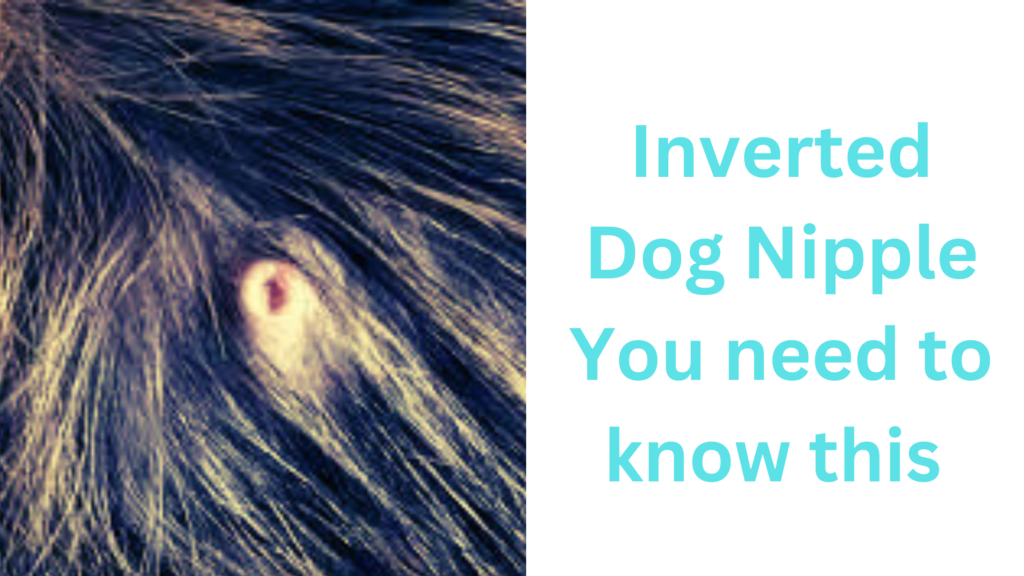
    Inverted Nipple in dogs
    Inverted Dog Nipple: Inverted Nipple in dogs

    In the realm of canine anatomy, nipples play an important role. They are a defining characteristic and serve a vital purpose in the reproductive system.

    Normally, a dog’s nipples are positioned to protrude outward from the mammary glands.

    However, an unusual phenomenon occurs in some cases, causing the nipple to be inverted or retracted inward.

    An inverted nipple in dogs refers to a condition where the nipple is tucked inward or hidden within the surrounding tissue instead of being outwardly visible.

    This can occur in male and female dogs, regardless of age or breed.

    To understand how an inverted nipple occurs, it’s important to grasp the normal anatomical position of a dog’s nipple.

    Typically, a dog’s nipple is structured so that it is firmly attached to the underlying mammary tissue and extends outward. This allows easy access for nursing puppies and aids in the lactation process.

    However, in the case of an inverted nipple, the tissue and ligaments that support the nipple become tighter or shorter, causing it to retract inward.

    This results in the nipple appearing flat or inverted rather than the usual outward protrusion.

    It’s interesting to note that inverted nipples in dogs can occur without any underlying health issues.

    Sometimes, it may be a natural variation within the individual dog’s anatomy.

    However, it’s important to monitor the condition closely, as there are instances where inverted nipples can be associated with other health concerns.

    By understanding what an inverted nipple is and that it can affect both male and female dogs, we can delve deeper into the causes, symptoms, and potential treatment options.

    Let’s continue our exploration to unravel the mysteries surrounding inverted nipples in dogs.

    Causes of Inverted Nipple in Dogs

    While the exact cause of inverted nipples in dogs may vary, several factors can contribute to this condition.

    Understanding these causes can explain why some dogs experience inverted nipples and help identify appropriate treatment options.

    1. Hormonal factors

    Hormonal imbalances during critical stages of development, pregnancy, or lactation can play a role in developing inverted nipples.

    Fluctuations in hormone levels can affect the growth and development of mammary tissue, potentially leading to nipple inversion.

    2. Genetics

    Genetics can also influence the occurrence of inverted nipples in dogs. Certain breeds may have a predisposition to inverted nipples due to their genetic makeup.

    Breeds with more pronounced mammary development or specific anatomical variations may be more susceptible to this condition.

    3. Trauma or injury

    In some cases, trauma or injury to the mammary area can result in nipple inversion.

    Any direct impact or damage to the mammary glands can disrupt the normal structure and support of the nipple, causing it to retract inward.

    It’s important to note that while these factors can contribute to inverted nipples in dogs, the exact cause may not always be easily identified.

    Sometimes, the condition may be present from birth or develop gradually without a specific trigger.

    By understanding the potential causes of inverted nipples, dog owners and veterinarians can better evaluate the underlying factors contributing to the condition.

    This knowledge forms a solid foundation for exploring treatment options and ensuring the overall well-being of the affected dog.

    Symptoms of Inverted Nipple in Dogs

    Identifying the symptoms of inverted nipples in dogs is crucial for timely intervention and appropriate treatment. While the condition may be visually apparent, additional signs to watch out for can indicate complications or discomfort in your furry friend.

    1. Retracted nipple

    The most obvious symptom of an inverted nipple is its inward position or retraction.

    Instead of protruding outward as a normal nipple, the inverted nipple is tucked inward into the mammary tissue. This can create a dimpled or flattened appearance.

    2. Inflammation and redness

    In some cases, inverted nipples can become inflamed or reddened.

    The constant retraction and friction against the mammary tissue can irritate the area, leading to localized inflammation.

    Look for redness, swelling, or tenderness around the inverted nipple.

    3. Increased sensitivity or pain

    Dogs with inverted nipples may experience discomfort or sensitivity in the affected area.

    They may exhibit signs of pain, such as licking or biting at the inverted nipple, or show signs of general discomfort during activities that involve the mammary area, such as nursing or physical contact.

    4. Risk of complications

    Inverted nipples can potentially lead to complications if left untreated.

    The retracted position of the nipple makes it more susceptible to trapping moisture, debris, or bacteria, increasing the risk of infection.

    It’s essential to monitor the area for any signs of discharge, unusual odor, or the development of a localized infection.

    5. Behavioral changes

    In some cases, dogs with inverted nipples may exhibit behavioral changes.

    They may become more protective or sensitive around their mammary area or display signs of discomfort or irritability.

    These behavioral changes can indicate that the inverted nipple is causing discomfort or pain.

    Suppose you notice any of these symptoms in your dog. It’s important to consult a veterinarian for a proper diagnosis and guidance on the best course of action.

    Early detection and intervention can help prevent potential complications and ensure the well-being of your canine companion.

    Diagnosis and Veterinary Examination for Inverted Nipple in Dogs

    When diagnosing an inverted nipple in dogs, a veterinarian plays a crucial role in conducting a comprehensive examination to assess the condition and determine the appropriate course of action.

    Here’s what you can expect during a veterinary examination:

    1. Physical examination

    The first step in diagnosing an inverted nipple is a thorough physical examination.

    The veterinarian will carefully inspect the mammary area, paying close attention to the position and appearance of the nipples.

    They may gently palpate the area to assess any signs of discomfort or abnormalities.

    2. Medical history review

    The veterinarian will inquire about your dog’s medical history, including previous pregnancies, lactation, or hormonal conditions.

    This information helps provide insights into potential underlying causes or contributing factors.

    3. Additional tests or imaging

    Sometimes, the veterinarian may recommend additional tests or imaging to rule out underlying conditions or complications.

    This may include blood tests to assess hormonal levels, ultrasound to examine the mammary glands and surrounding tissue, or cytology to analyze cells from the mammary area.

    It’s important to remember that the diagnosis of an inverted nipple is primarily based on physical examination.

    However, additional tests may be necessary to ensure no underlying medical issues, such as mammary gland tumors or infections.

    Seeking veterinary advice is essential as they have the expertise to accurately diagnose the condition and provide appropriate recommendations for treatment.

    If you suspect your dog has an inverted nipple or notice any related symptoms, don’t hesitate to schedule a veterinary examination.

    Prompt diagnosis and treatment can help ensure your dog’s health and well-being.

    Treatment Options for Inverted Nipple in Dogs
    Treatment Options for Inverted Nipple in Dogs
    Treatment Options for Inverted Nipple in Dogs

    How to treat inverted nipples on a dog? When it comes to addressing an inverted nipple in dogs, there are several treatment options available, ranging from conservative management techniques to surgical intervention. Let’s explore these options in more detail:

    1. Conservative management

    In some cases, conservative management techniques can be employed to encourage nipple protrusion.

    This may involve applying warm compresses to the mammary area to promote blood flow and relaxation of the surrounding tissues.

    Gentle massage or stimulation of the nipple area can also be beneficial.

    These methods encourage the nipple to regain its normal position over time.

    However, it’s important to note that the success of conservative management may vary depending on the individual dog and the underlying cause of the inversion.

    2. Surgical intervention

    If conservative management fails or if the inverted nipple causes discomfort or potential complications, surgical intervention may be recommended.

    The specific surgical procedure will depend on the severity of the inversion and the dog’s overall health.

    In some cases, corrective surgery can be performed to reposition the nipple to its normal outward position.

    In more severe cases or if other mammary gland issues are present, the veterinarian may suggest removing the inverted nipple altogether.

    It’s crucial to consult with a veterinarian to determine the most appropriate surgical approach for your dog.

    Remember, each case is unique, and the treatment approach should be tailored to your dog’s needs.

    Consulting with a veterinarian specializing in veterinary surgery or dermatology is essential to determine the best action.

    They will consider factors such as the dog’s overall health, the severity of the inverted nipple, and any underlying conditions contributing to the problem.

    In conclusion, treatment options for inverted nipples in dogs include conservative management techniques and surgical intervention.

    Working closely with a veterinarian will ensure that the most suitable treatment plan is selected for your furry friend.

    Addressing the issue promptly and appropriately can help improve your dog’s comfort and well-being.

    Also Read: Can Dogs Eat Yellow Rice? Unveiling the Truth & Benefits

    Aftercare and Monitoring for Inverted Nipple in Dogs

    After undergoing treatment for an inverted nipple, whether through conservative management or surgical intervention, it is crucial to provide proper aftercare and closely monitor your dog’s progress. Here are some important considerations:

    1. Post-surgical care

    Suppose your dog has undergone surgery to correct the inverted nipple.

    In that case, following the veterinarian’s instructions for post-operative care is essential.

    This may involve keeping the surgical site clean and dry, administering any prescribed medications, and monitoring for any signs of complications such as excessive swelling, bleeding, or discharge.

    Follow-up appointments may be scheduled to assess the healing process and remove any sutures if necessary.

    2. Wound management

    If your dog has had surgery, it’s important to maintain good wound management practices.

    This may include keeping the area clean and free from debris, applying any recommended wound care products, and preventing your dog from licking or scratching the surgical site.

    Your veterinarian may provide specific instructions on how to care for the wound during the healing process.

    3. Pain management

    If your dog experiences discomfort after surgery, your veterinarian may prescribe pain medications or recommend suitable pain management strategies.

    It’s important to follow the prescribed dosage and administration instructions to ensure your dog’s comfort during recovery.

    4. Monitoring for complications

    Keep a close eye on your dog for any signs of infection, such as redness, swelling, warmth, or discharge at the surgical site.

    Additionally, monitor your dog’s behavior and overall well-being.

    Any changes in appetite, energy levels, or signs of pain should be promptly reported to your veterinarian.

    5. Regular veterinary check-ups

    Regular follow-up visits with your veterinarian are essential to monitor your dog’s progress and overall health.

    These check-ups allow the veterinarian to assess the healing process, address any concerns or complications that may arise, and provide further guidance on the aftercare regimen.

    By providing diligent aftercare and closely monitoring your dog’s recovery, you can help ensure a successful outcome and minimize the risk of complications.

    Remember to maintain open communication with your veterinarian throughout the process, as they are your best resource for guidance and support.

    In conclusion, aftercare and monitoring are vital aspects of the treatment process for inverted nipples in dogs.

    Following the recommended aftercare instructions, practicing good wound management, monitoring for complications, and attending regular veterinary check-ups can help your furry companion recover comfortably and ensure their overall well-being.

    Prevention and Breeding Considerations for Inverted Nipple in Dogs

    When it comes to preventing inverted nipples in dogs, responsible breeding practices and timely interventions play a crucial role. Here are some important points to consider:

    1. Responsible breeding practices

    Breeders are responsible for reducing the likelihood of genetic predisposition to inverted nipples.

    By selecting breeding pairs carefully and considering both parents’ health and genetic history, breeders can minimize the chances of passing on traits that may contribute to nipple inversion.

    Consulting with veterinary professionals and breed-specific organizations can provide valuable guidance in making informed breeding decisions.

    2. Spaying or neutering

    For dogs that already have inverted nipples, spaying or neutering can be an effective preventive measure.

    This eliminates the potential complications associated with breeding or lactation in dogs with inverted nipples.

    Spaying a female dog before her first heat cycle significantly reduces the risk of certain reproductive health issues, including mammary gland-related conditions.

    Neutering male dogs can also prevent the transmission of genetic traits associated with inverted nipples.

    3. Regular veterinary check-ups 

    Routine veterinary check-ups are essential for all dogs, regardless of their nipple condition.

    During these visits, veterinarians can assess the dog’s overall health, including the mammary glands.

    They can detect early signs of nipple inversion or other related concerns, allowing for timely intervention and appropriate preventive measures.

    4. Early intervention

    If you notice abnormalities in your dog’s nipples, including signs of inversion, consult a veterinarian promptly.

    Early intervention can help address the issue before it progresses or causes further complications.

    Veterinarians can conduct thorough examinations, provide accurate diagnoses, and recommend appropriate treatment options tailored to your dog’s needs.

    By prioritizing responsible breeding practices, spaying or neutering dogs with inverted nipples, regular veterinary check-ups, and early intervention, dog owners can actively contribute to preventing and managing inverted nipples in their furry companions.

    Remember, a proactive approach to your dog’s health and well-being is key to ensuring your beloved pet’s happy and healthy life.

    Also Read: Resolving Ingrown Dog Whisker: Effective Treatment Guide

    Also Read: Can Dogs Eat Chicken Pot Pies? A Comprehensive guide 2023.

    Frequently Asked Questions (FAQ) about Inverted Nipples in Dogs

    Are inverted nipples in dogs a cause for concern? 

    In most cases, inverted nipples in dogs are not a cause for concern. However, it’s important to take proper care of your dog’s nipples to prevent any potential health issues.

    Can inverted nipples in dogs cause health issues? 

    Inverted nipples usually do not cause health issues but can indicate an underlying health issue. It’s important to monitor your dog’s nipples for any signs of infection or inflammation and seek veterinary care if necessary.

    Can inverted nipples affect a female dog’s ability to nurse her puppies?

    Inverted nipples can sometimes make it more difficult for a female dog to nurse her puppies. If your dog has inverted nipples and is having difficulty with lactation, it’s important to seek veterinary care.

    Can inverted nipples in male dogs cause any health issues? 

    Inverted nipples in male dogs are rare and usually not a cause for concern. However, if you notice any changes or signs of infection or inflammation, it’s important to contact your veterinarian.

    How are inverted nipples in dogs treated? 

    Treatment for inverted nipples in dogs depends on the underlying cause and associated health issues. Your veterinarian may recommend a combination of physical examination, imaging tests, surgical options, and medications to treat the inverted nipples.

    Can inverted nipples in dogs be corrected? 

    Inverted nipples in dogs can sometimes be corrected through surgical options or medications, depending on the underlying cause.

    Are some dog breeds more prone to inverted nipples than others? 

    No evidence suggests that any particular dog breed is more prone to inverted nipples than others. However, certain congenital conditions may be more common in certain breeds.

    Can inverted nipples in dogs lead to cancer? 

    Inverted nipples are not a risk factor for cancer, but they can make it more difficult to detect any potential lumps or masses that may indicate cancer. It’s important to monitor your dog’s nipples for any changes or abnormalities and seek veterinary care if necessary.

    Can inverted nipples in dogs be a sign of pregnancy? 

    Inverted nipples can sometimes be a sign of pregnancy in female dogs. However, other symptoms, such as weight gain and changes in appetite, are typically more reliable indicators of pregnancy.

    Are there any home remedies for inverted nipples in dogs? 

    There are no proven home remedies for inverted nipples in dogs. It’s important to seek veterinary care to determine the underlying cause and receive appropriate treatment.

    Can inverted nipples in dogs cause pain or discomfort? 

    Inverted nipples themselves usually do not cause pain or discomfort in dogs. However, any associated health issues, such as infection or inflammation, can be painful and may require treatment.

    Can inverted nipples in dogs affect their ability to mate? 

    Inverted nipples in dogs do not typically affect their ability to mate. However, any underlying health issues that may be associated with inverted nipples could potentially impact fertility.

    Is it common for male dogs to have inverted nipples? 

    Inverted nipples are more commonly seen in female dogs than male dogs but can also occur in males. However, any changes or signs of infection should be addressed by a veterinarian.

    Can inverted nipples in dogs cause problems during spaying or neutering? 

    Inverted nipples in dogs should not cause problems during spaying or neutering. However, any associated health issues should be addressed before surgery.

    Can inverted nipples in dogs be prevented? 

    Inverted nipples in dogs are usually congenital or acquired and cannot be prevented. However, proper care and management can help prevent any associated health issues.

    Also Read: How to Fix East-West Feet in Dogs: A Comprehensive Guide 2023.

    Conclusion

    Inverted nipples in dogs can be a concerning condition, but with proper understanding and proactive care, it can be effectively managed.

    Throughout this article, we have explored the causes, symptoms, diagnosis, and treatment options for inverted nipples in dogs. Here’s a recap of the key points:

    1. Inverted nipples occur when the nipple retracts inward instead of protruding outward. This condition can affect both male and female dogs.

    2. Hormonal factors, genetics, and trauma or injury can contribute to the development of inverted nipples in dogs.

    3. Recognizing the symptoms, such as retracted nipples and potential complications like inflammation or discomfort, is crucial for early intervention.

    4. Veterinary examination and diagnosis are essential to confirm the condition and rule out any underlying issues.

    5. Treatment options range from conservative management techniques like warm compresses and massages to surgical interventions, depending on the severity and individual needs of the dog.

    6. Aftercare and monitoring are crucial aspects of the treatment process, ensuring proper healing and minimizing the risk of complications.

    7. Responsible breeding practices and spaying or neutering dogs with inverted nipples can contribute to the prevention and reduce the chances of passing on genetic predisposition.

    In conclusion, if you suspect that your dog has inverted nipples or notice any abnormalities, it is important to consult with a veterinarian.

    They can provide accurate diagnoses, recommend suitable treatment options, and guide you in ensuring your furry friend’s overall health and well-being.

    Remember, the information provided in this article is for educational purposes only and should not replace professional veterinary advice.

    You can give them the best chance at a happy and healthy life by being attentive to your dog’s health and seeking proper veterinary care.

  • How to Fix East-West Feet in Dogs: A Comprehensive Guide 2023.

    How to Fix East-West Feet in Dogs: A Comprehensive Guide 2023.

    How to Fix East-West Feet in Dogs – East-west feet in dogs, also known as “pigeon toes,” can lead to discomfort, joint issues, and decreased mobility. Fortunately, with the right approach, this condition can be corrected. In this article, we’ll discuss the causes of east-west feet in dogs, the potential health implications, and, most importantly, effective methods to fix this issue.

    What is East West Feet in Dogs?

    What is East West Feet in Dogs |
    What is East West Feet in Dogs?

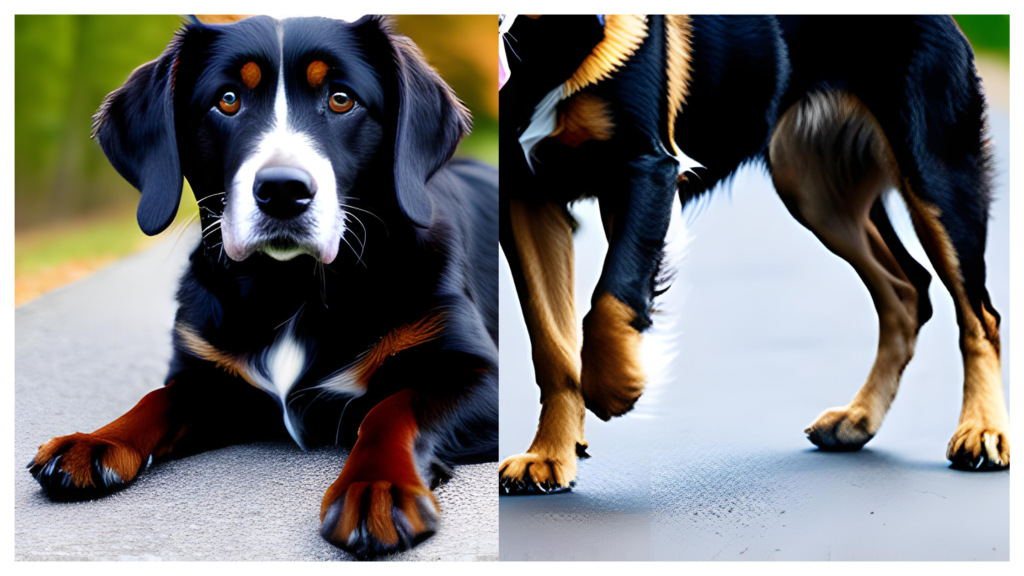
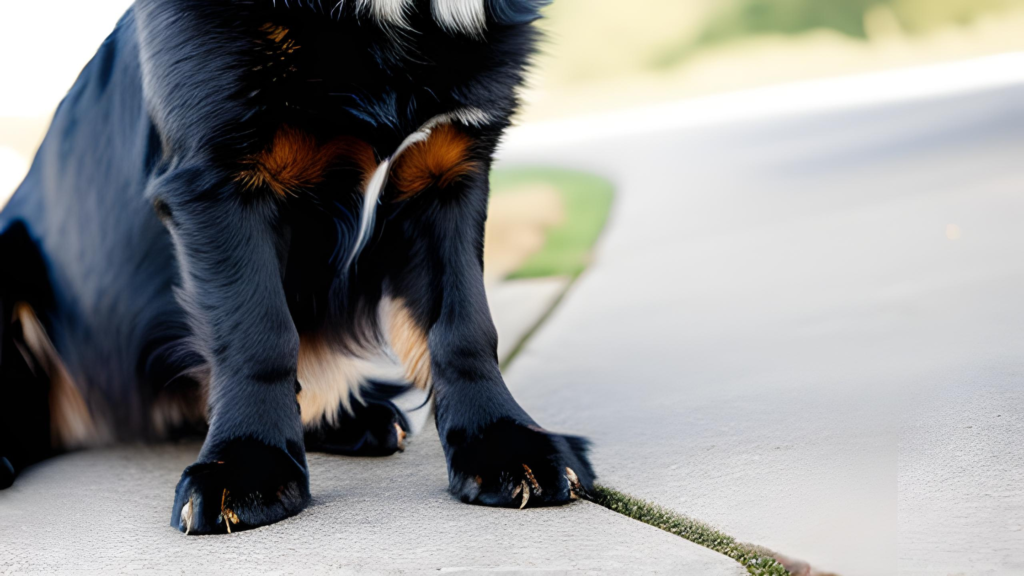
    East-west feet in dogs, also known as “pigeon toes,” is a term used to describe a condition where a dog’s front or hind paws turn outwards, away from the body’s centerline. This condition can affect dogs of all breeds and sizes and may cause the dog to walk with an awkward gait.

    East-west feet in dogs can occur for various reasons, including genetic predisposition, developmental abnormalities, injury, or underlying medical conditions such as carpal valgus, hip dysplasia or arthritis. Some dogs are born with this condition, while others may develop it later.

    Dogs with east-west feet may experience discomfort or pain, leading to decreased mobility and reduced quality of life. It’s important to address this issue promptly to prevent further complications.

    If you suspect your dog has east-west feet, it’s essential to consult with a veterinarian or a qualified canine physical therapist.

    They can perform a thorough examination, take X-rays if necessary, and develop an appropriate treatment plan based on the condition’s underlying cause.

    You can help your furry friend move comfortably and confidently again with the right care and attention.

    Causes of East-West Feet in Dogs

    There are several potential causes of east-west feet in dogs, including genetic predisposition, developmental abnormalities, injury, or underlying medical conditions.

    Genetic Predisposition

    Some breeds are more prone to developing east-west feet than others. For example, breeds with short legs or broad chests, such as Bulldogs or Pugs, may be more likely to have this condition.

    Developmental Abnormalities

    East-west feet can also occur due to developmental abnormalities, such as abnormal bone growth or poor muscle development. In some cases, puppies may develop east-west feet as they grow, and their bones develop at different rates.

    Injury

    Trauma to a dog’s limbs, such as fractures or dislocations, can cause them to walk abnormally and develop east-west feet. This is especially common in puppies, which may be more susceptible to injury due to their energetic nature and still-developing skeletal system.

    Medical Conditions

    Certain medical conditions, such as carpal valgus, hip dysplasia, or arthritis, can cause dogs to shift their weight and develop east-west feet. These conditions can be painful and debilitating if left untreated.

    Identifying the underlying cause of your dog’s east-west feet is important to determine the most effective treatment plan.

    A veterinary professional can perform a physical exam, take x-rays, and recommend further testing if necessary to identify the cause of this condition.

    Once the cause is identified, appropriate treatment can be recommended to help improve your dog’s mobility and quality of life.

    The Impact of East-West Feet on a Dog’s Health

    The Impact of East West Feet on a Dogs Health |
    The Impact of East-West Feet on a Dog’s Health

    East-west feet in dogs can significantly impact their health and well-being. When a dog’s feet turn outwards, its gait becomes unbalanced, and it may have difficulty walking, running, and jumping. This can cause discomfort, pain, and even injury to their joints, muscles, and ligaments.

    Over time, the abnormal positioning of the limbs can lead to abnormal wear and tear on the joints, increasing the risk of developing arthritis or other degenerative joint diseases.

    In severe cases, dogs may also experience hip dysplasia or other skeletal abnormalities, leading to decreased mobility and chronic pain.

    The impact of east-west feet on a dog’s health can be especially severe in working or performance dogs, such as police dogs or agility competitors, who rely on their mobility to perform their jobs.

    In these cases, east-west feet can limit a dog’s ability to perform its duties effectively, potentially putting themselves or others at risk.

    Moreover, the impact of east-west feet on a dog’s mental health cannot be overlooked. Dogs in pain or discomfort may experience stress, anxiety, or depression, affecting their behavior, mood, and overall quality of life.

    If your dog has east-west feet, it’s crucial to address the condition promptly to prevent further complications.

    A qualified veterinarian or canine physical therapist can recommend appropriate treatment options, such as physical therapy, corrective braces, or surgery, to help your dog regain mobility and improve their quality of life.

    How to Fix East-West Feet in Dogs: Step-by-Step Guide

    If your dog has been diagnosed with east-west feet, several treatment options are available to help improve their mobility and quality of life. Here is a step-by-step guide on how to fix east-west feet in dogs

    Physical Therapy Exercises 

    Physical therapy exercises can be an effective way to help improve your dog’s mobility and strength if they have east-west feet.

    A qualified canine physical therapist can recommend specific exercises tailored to your dog’s needs and abilities.

    These may include balance training, resistance training, and other exercises designed to improve coordination and range of motion.

    Balance training exercises may include standing on an unstable surface or walking on a balance beam. These exercises can help your dog develop better coordination and balance, improving their gait and overall mobility.

    Resistance training exercises may include walking uphill or using resistance bands. These exercises can help strengthen your dog’s muscles, improving joint stability and reducing the risk of injury.

    Physical therapy exercises should be performed under the guidance of a trained professional to ensure that they are safe and effective for your dog.

    With consistent practice, physical therapy exercises can help your dog regain mobility and improve their overall quality of life.

    Stretching Techniques 

    Stretching can be an effective way to help improve your dog’s flexibility and range of motion if they have east-west feet. Here are some stretching techniques that can be beneficial for dogs with this condition:

    • Hip stretch: Sit your dog on its haunches and gently pull their rear legs forward, stretching its hip muscles. Hold the stretch for 10-15 seconds, then release and repeat on the other side.
    • Shoulder stretch: Stand behind your dog and gently pull its front legs back, stretching its shoulder muscles. Hold the stretch for 10-15 seconds, then release and repeat on the other side.
    • Calf stretch: Gently pull your dog’s rear legs back, stretching their calf muscles. Hold the stretch for 10-15 seconds, then release and repeat on the other side.
    • Neck stretch: Gently tilt your dog’s head to one side, stretching its neck muscles. Hold the stretch for 10-15 seconds, then release and repeat on the other side.

    It’s important to stretch your dog gently and gradually to avoid causing injury. If your dog shows discomfort or pain during stretching, stop immediately and consult your veterinarian or a qualified canine physical therapist.

    Stretching can be a beneficial component of a comprehensive treatment plan for dogs with east-west feet. However, it should always be performed under the guidance of a trained professional to ensure that it is safe and effective for your dog.

    Dietary Adjustments 

    Dietary adjustments can also play a role in helping to address east-west feet in dogs. Here are some dietary changes that may be recommended:

    • Weight management: If your dog is overweight, losing weight can help reduce the stress on their joints and improve their mobility. Your veterinarian can recommend a healthy weight loss plan for your dog, which may include changes to their diet and exercise routine.
    • Joint supplements: Many joint supplements can help support your dog’s joint health and reduce inflammation. Some examples include glucosamine and chondroitin, omega-3 fatty acids, and green-lipped mussel extract. Consult with your veterinarian before starting your dog on any supplements.
    • Anti-inflammatory diet: Certain foods can trigger inflammation in the body, exacerbating joint pain and mobility issues. An anti-inflammatory diet, including fish, leafy greens, and berries, can help reduce inflammation and support overall health.
    • Food sensitivities: Some dogs may have food sensitivities that can cause inflammation and joint pain. If your dog has a history of digestive issues or skin problems, talk to your veterinarian about the possibility of food sensitivities and whether a special diet may be beneficial.

    Dietary adjustments can be a helpful component of a comprehensive treatment plan for dogs with east-west feet. Consult your veterinarian to determine the most appropriate dietary changes for your dog’s needs and health status.

    Use of Orthotics

    Orthotics, or supportive devices worn on the feet or legs, can also help address east-west feet in dogs. Here are some examples of orthotics that may be used:

    • Toe grips: Toe grips are small rubber devices that fit over the nails on a dog’s toes. They can provide better traction and help to correct a dog’s gait.
    • Splints: Splints can stabilize the ankle joint and support the affected limb. They can also help to reduce pain and inflammation.
    • Custom braces: Custom braces can be designed specifically for your dog’s needs and support the affected limb. They can help to improve gait and reduce the risk of injury.
    • Booties: Booties can provide additional support and traction to the affected limb, helping to improve gait and reduce the risk of injury.

    Orthotics should be prescribed and fitted by a trained professional to ensure they are safe and effective for your dog. Your veterinarian or a qualified canine physical therapist can recommend the most appropriate orthotic devices for your dog’s specific needs and monitor their progress over time.

    When to Seek Professional Help for East-West Feet in Dogs

    If you suspect your dog has east-west feet or is exhibiting any signs of joint pain or mobility issues, it’s important to seek professional help. Here are some signs that may indicate that your dog needs professional treatment:

    • Lameness or limping: If your dog is limping or favoring one limb over the others, this may be a sign of joint pain or mobility issues.
    • Stiffness: If your dog is having difficulty moving around, seems stiff or has trouble getting up and down, this may be a sign of joint pain or stiffness.
    • Discomfort when touched: If your dog seems uncomfortable or reacts negatively when touched on a particular joint or limb, this may indicate pain or inflammation.
    • Changes in gait: If your dog’s gait has changed, such as walking with a wider stance or turning their paws outward, this may be a sign of east-west feet or other joint issues.

    Suppose you notice these signs or have concerns about your dog’s mobility or joint health. In that case, seeking professional help from a veterinarian or qualified canine physical therapist is important.

    They can help diagnose the underlying issue and recommend appropriate treatment options, which may include a combination of physical therapy exercises, stretching techniques, dietary adjustments, and orthotics.

    With proper treatment and management, dogs with east-west feet can live happy and healthy lives.

    Preventing East-West Feet in Dogs: Tips and Strategies

    Preventing east-west feet in dogs can be challenging, but there are several things you can do to promote good joint health and reduce the risk of developing this condition. Here are some tips and strategies for preventing east-west feet in dogs:

    Proper nutrition

    Feeding your dog a well-balanced diet rich in nutrients can help support good joint health. Look for dog foods formulated with high-quality protein sources, healthy fats, and essential vitamins and minerals.

    Maintain a healthy weight.

    Carrying excess weight puts extra strain on a dog’s joints, increasing the risk of developing joint problems. Help your dog maintain a healthy weight through regular exercise and portion control.

    Regular exercise

    Regular exercise is essential for promoting good joint health and maintaining strong muscles. Choose low-impact activities that are easy on your dog’s joints, such as walking, swimming, or gentle play.

    Joint supplements

    There are several joint supplements available that can help to support good joint health in dogs. Look for supplements that contain ingredients such as glucosamine, chondroitin, and omega-3 fatty acids, which are known to promote joint health and reduce inflammation.

    Regular check-ups

    Regular check-ups with a veterinarian can help to identify any potential joint problems early on and allow for prompt treatment. Schedule regular appointments with your veterinarian and watch for any signs of joint pain or mobility issues.

    Also Read: Can Dogs Sesame Sticks? Best Guide 2023.

    Frequently asked questions related to east-west feet in dogs

    How can I tell if my dog has east-west feet? 

    You may tell if your dog has east-west feet by observing how they walk and stand. If their feet turn outward, this may be a sign of the condition. Other symptoms may include limping, reduced mobility, and swelling or pain in the affected joints.

    Can east-west feet in dogs be passed down through genetics? 

    Yes, east-west feet in dogs can be passed down through genetics. If a dog’s parents have the condition, there is a higher likelihood that their offspring will develop it as well. However, other factors, such as injury and developmental issues, can also contribute to developing east-west feet in dogs.

    Can east-west feet in dogs be painful? 

    Yes, east-west feet in dogs can be painful, especially if left untreated. The misalignment of the joints can cause discomfort and inflammation, leading to pain and reduced mobility.

    Can east-west feet in dogs cause long-term health problems? 

    If left untreated, east-west feet in dogs can cause long-term health problems such as arthritis and other joint-related issues. However, these risks can be minimized with the right treatment and management strategies.

    Can east-west feet in dogs be managed without medication? 

    Yes, many cases of east-west feet in dogs can be managed without medication. Non-surgical approaches such as physical therapy exercises, stretching techniques, and the use of orthotics can effectively improve the condition and reduce the need for medication. However, in some cases, medication may be necessary to manage pain and inflammation.

    Is surgery always necessary to correct east-west feet in dogs? 

    Surgery is not always necessary to correct east-west feet in dogs. In many cases, non-surgical approaches such as physical therapy exercises and orthotics can effectively improve the condition.

    Can a dog with east-west feet still participate in physical activities? 

    Depending on the severity of the condition, a dog with east-west feet may still be able to participate in physical activities such as running and playing. However, consulting with a veterinarian or canine physical therapist is important to develop a treatment plan that considers the dog’s needs and abilities.

    Are certain dog breeds more prone to developing east-west feet? 

    Yes, some dog breeds are more prone to developing east-west feet than others. These may include Labrador Retrievers, German Shepherds, and Rottweilers. However, any dog can develop east-west feet, regardless of breed.

    Can lifestyle changes help prevent the development of east-west feet in dogs? 

    Yes, lifestyle changes can help prevent the development of east-west feet in dogs. Maintaining a healthy weight, regular exercise and proper training techniques can all help reduce the risk of joint-related issues in dogs.

    Also Read: Can Dogs Eat Chicken Pot Pies? A Comprehensive guide 2023.

    Conclusion: Helping Your Dog Move Comfortably and Confidently Again

    East-west feet in dogs can be challenging, but with the right treatment and management strategies, your dog can move comfortably and confidently again.

    By working with a veterinarian or qualified canine physical therapist, you can develop a comprehensive treatment plan that may include physical therapy exercises, stretching techniques, dietary adjustments, and orthotics.

    In addition to these treatment options, there are also steps you can take to prevent east-west feet and other joint problems from developing in the first place.

    Providing your dog with a healthy diet, regular exercise, joint supplements, and regular check-ups can promote good joint health and reduce the risk of joint problems.

    With proper care and attention, dogs with east-west feet can live happy and healthy lives. By helping your dog move comfortably and confidently again, you can enjoy many years of joy and companionship with your furry friend.

  • Neurobion Forte for Dogs? A Comprehensive Guide 2023.

    Neurobion Forte for Dogs? A Comprehensive Guide 2023.

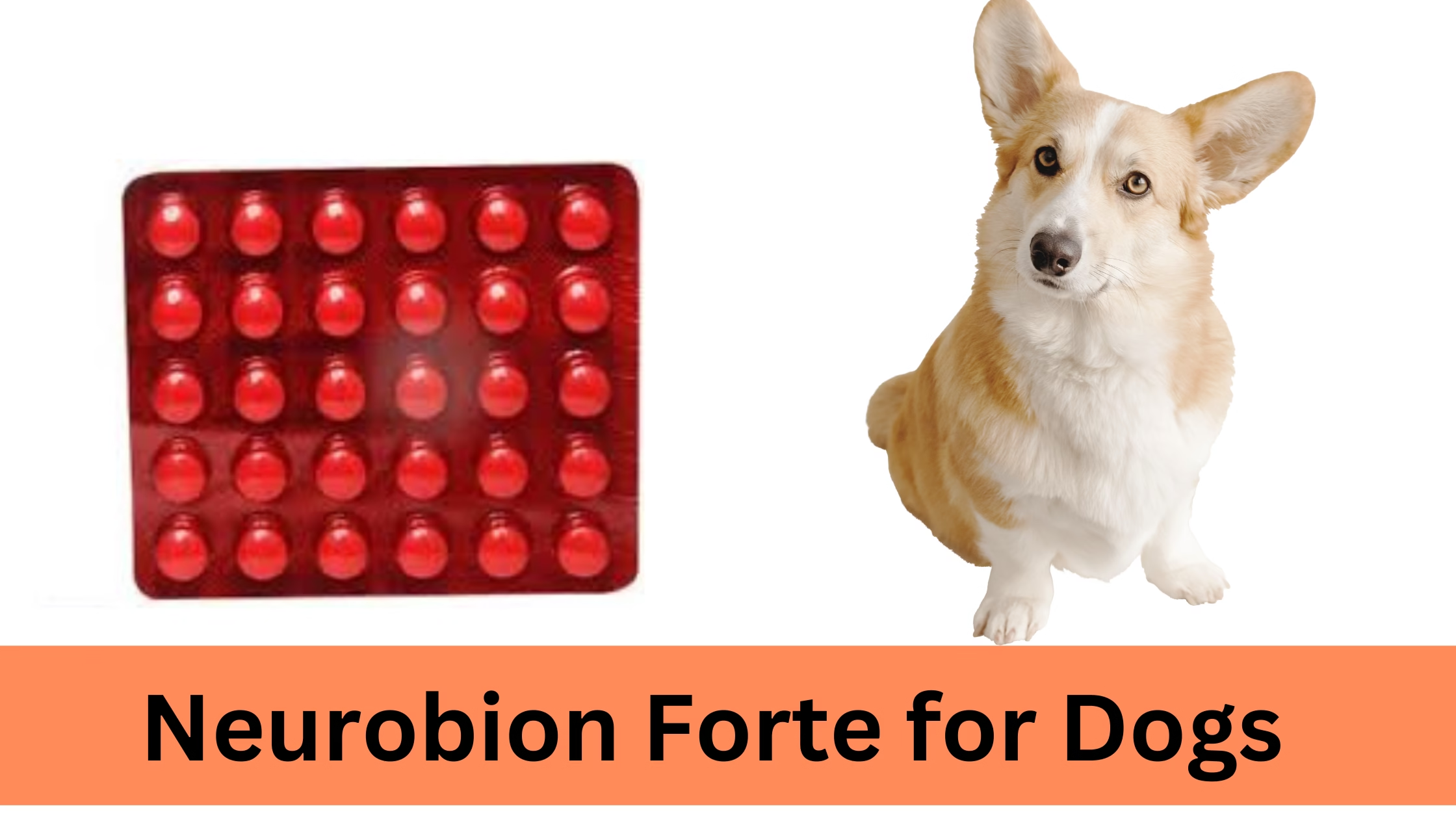
    Neurobion Forte for Dogs? – Neurobion Forte is a popular vitamin supplement commonly used to treat human deficiencies. But can it be used for dogs? In this article, we will explore the use of Neurobion Forte in dogs, its potential benefits, risks, and dosage information.

    What is Neurobion Forte and How Does it Work?

    What is Neurobion Forte and How Does it Work |
    What is Neurobion Forte and How Does it Work?

    Neurobion Forte is a combination of vitamins that includes vitamin B1 (thiamine), vitamin B6 (pyridoxine), and vitamin B12 (cyanocobalamin). These vitamins play important roles in the nervous system and are essential for maintaining healthy nerves and muscles.

    Vitamin B1 helps the body convert food into vitality and supports the proper functioning of the nervous system.

    Vitamin B6 is important for synthesizing neurotransmitters, which are chemicals that transmit signals in the brain. Vitamin B12 is necessary to form red blood cells and properly function the nervous system.

    When given as a supplement, Neurobion Forte can help address deficiencies of these important vitamins, leading to improved nerve and muscle function.

    It may also provide additional benefits such as improved energy levels and overall health.

    Can we give Neurobion to dogs?

    Neurobion Forte is a vitamin supplement designed for humans and is not specifically formulated for dogs.

    While it is not recommended to give Neurobion Forte or any other human vitamin supplement to dogs without the guidance of a veterinarian, some veterinarians may recommend using certain human supplements for dogs in certain situations.

    It is important to consult with a veterinarian before giving your dog any supplements, including Neurobion Forte.

    Your veterinarian can evaluate your dog’s nutritional needs and recommend the most appropriate supplement regimen for your dog’s health and well-being.

    They may also recommend a specific canine-specific vitamin supplement formulated specifically for dogs and contains the appropriate amounts and ratios of vitamins and minerals that dogs need.

    It is important to note that over-supplementation with vitamins can harm dogs and lead to toxicity.

    Signs of vitamin toxicity may include diarrhea, vomiting, loss of appetite, muscle weakness, and neurological symptoms such as depression or seizures.

    If you suspect your dog has ingested too much Neurobion Forte or any other supplement, immediately contact your veterinarian for advice.

    Is Neurobion Forte Safe for Dogs?

    While Neurobion Forte is generally safe for humans, it is not specifically formulated for dogs. It has yet to be extensively studied in veterinary medicine.

    Giving Neurobion Forte to dogs without veterinary guidance can be risky, as the dosage and safety profile may differ from that in humans.

    Dogs have different nutritional requirements than humans, and their bodies may not process vitamins similarly. Additionally, excessive intake of certain vitamins can be harmful to dogs.

    Therefore, it is important to consult a veterinarian before giving your dog Neurobion Forte or any other vitamin supplement.

    Your veterinarian can help determine if your dog has a vitamin deficiency that warrants supplementation and can recommend the appropriate dosage and type of supplement for your dog’s individual needs.

    Also Read: Can Dogs Eat Barbacoa? Is Barbacoa safe for puppies?

    What Are the Benefits of Neurobion Forte for Dogs?

    The potential benefits of Neurobion Forte for dogs depend on their nutritional needs and health status. The vitamins in Neurobion Forte can help support nerve and muscle function, which may benefit dogs with certain health conditions or nutritional deficiencies.

    For example, dogs with nerve damage or neurological disorders may benefit from vitamin B supplementation. Vitamin B6, in particular, has been shown to positively affect nerve function in dogs.

    Additionally, dogs recovering from illness or injury may benefit from a boost of vitamins to support overall health and healing.

    However, it is important to note that supplementing with Neurobion Forte or any other vitamin should be done under the guidance of a veterinarian.

    Over-supplementation of vitamins can harm dogs and lead to adverse effects. Your veterinarian can help determine if Neurobion Forte is appropriate for your dog’s needs and recommend a safe and effective dosage.

    Risks and Side Effects of Using Neurobion Forte in Dogs

    As with any supplement, there are potential risks and side effects associated with using Neurobion Forte in dogs.

    Excessive intake of certain vitamins can harm dogs. It may cause a range of side effects, including diarrhea, vomiting, loss of appetite, and muscle weakness.

    Vitamin B6 toxicity can also cause neurological symptoms such as depression, ataxia (lack of coordination), and seizures.

    Additionally, dogs with certain underlying medical conditions or taking certain medications may be at increased risk of adverse effects from Neurobion Forte or other vitamin supplements.

    For example, dogs with liver or kidney disease may not be able to properly metabolize and eliminate excess vitamins, which can lead to toxicity.

    It is important to always consult with a veterinarian before giving any supplement, including Neurobion Forte, to your dog.

    Your veterinarian can evaluate your dog’s health status and recommend a safe and effective supplement regimen.

    Dosage Information for Neurobion Forte in Dogs

    The appropriate dosage of Neurobion Forte for dogs can vary depending on the dog’s size, age, and individual health needs.

    As with any supplement, following your veterinarian’s recommendations for dosage and administration is important.

    Your veterinarian may recommend a specific dose based on your dog’s nutritional needs and underlying health conditions.

    It is important to note that vitamin supplements should only be given to dogs with a specific indication or recommendation from a veterinarian.

    Over-supplementation with vitamins can be harmful to dogs and may lead to toxicity.

    If you suspect your dog has ingested too much Neurobion Forte or any other supplement, immediately contact your veterinarian for advice.

    Signs of vitamin toxicity may include diarrhea, vomiting, loss of appetite, muscle weakness, and neurological symptoms such as depression or seizures.

    Alternatives to Neurobion Forte for Dogs

    Several alternatives to Neurobion Forte may be safer and more appropriate for dogs.

    One option is to feed your dog a well-balanced diet that meets all their nutritional needs. This can help ensure your dog gets all the necessary vitamins and minerals in the correct amounts.

    Commercial dog foods are formulated to meet the nutritional needs of dogs, and your veterinarian can recommend a specific brand or type of food based on your dog’s needs.

    Another option is to use a canine-specific vitamin supplement formulated specifically for dogs.

    These supplements are typically formulated with the appropriate amounts and ratios of vitamins and minerals that dogs need. They may be safer and more effective than human supplements.

    Before starting any supplement regimen, it is important to consult with a veterinarian.

    Your veterinarian can evaluate your dog’s nutritional needs and recommend the most appropriate supplement regimen for your dog’s health and well-being.

    Also Read: Can Dogs Eat Marzipan? The Dangers of marzipan for dogs – Best Guide

    When to Consult Your Veterinarian

    It is important to consult with your veterinarian before giving your dog any supplements, including Neurobion Forte or any other vitamin supplement.

    Your veterinarian can evaluate your dog’s health status and nutritional needs and recommend the most appropriate supplement regimen.

    You should also consult your veterinarian if you notice any adverse effects or changes in your dog’s behavior or health after starting a supplement regimen.

    Signs of vitamin toxicity or overdose may include vomiting, diarrhea, loss of appetite, muscle weakness, and neurological symptoms such as depression or seizures.

    Additionally, suppose your dog has an underlying medical condition or is taking any medications. In that case, it is important to consult your veterinarian before starting a supplement regimen.

    Some medical conditions and medications can interact with certain supplements, harming your dog’s health.

    If you suspect your dog has ingested too much Neurobion Forte or any other supplement, immediately contact your veterinarian for advice.

    They can guide how to proceed and may recommend bringing your dog in for an evaluation.

  • Can You Use Dermoplast on Dogs? A Comprehensive Guide

    Can You Use Dermoplast on Dogs? A Comprehensive Guide

    You want to provide your furry buddy the finest care possible as a responsible pet owner, which includes attending to any discomfort or pain they might be feeling.

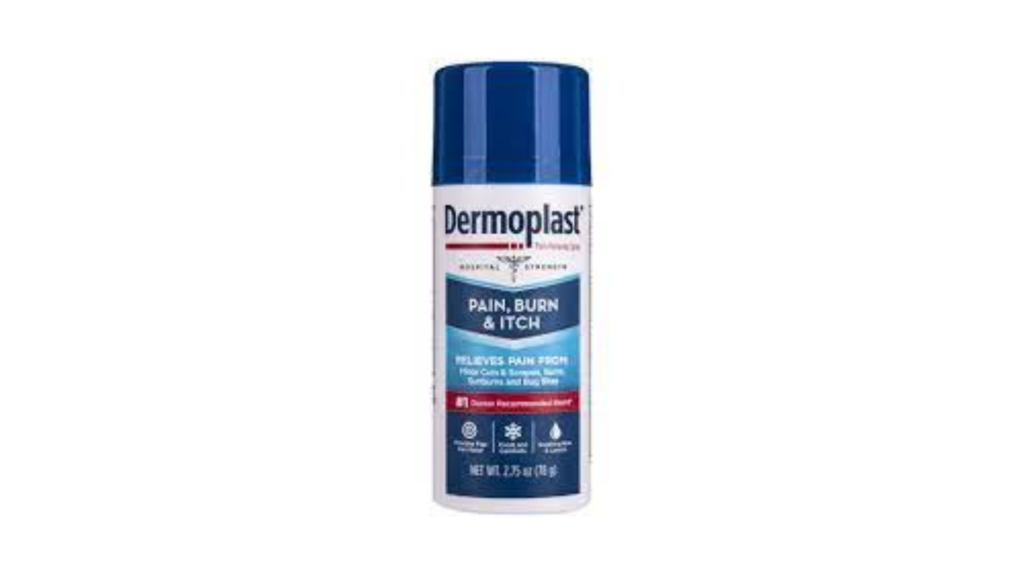
    Dermoplast is a well-known numbing spray available over the counter that people frequently use to treat minor skin irritations and post-surgical pain in humans.

    But Can you use Dermoplast on dogs? In this thorough guide, we’ll examine the potential application of Dermoplast to dogs while outlining its benefits, risks, and requirements for pet owners.

    What is Dermoplast and How Does it Work? 

    Benzocaine, menthol, and occasionally pramoxine are among the active components in Dermoplast, a popular over-the-counter numbing spray.

    It is frequently used in humans to temporarily relieve minor skin irritations, burns, insect bites, and post-surgical pain because it is primarily intended for topical skin treatment.

    Dermoplast’s active chemicals operate by numbing the skin’s nerve endings, temporarily easing the pain, itching, and discomfort brought on by various skin conditions.

    While pramoxine is well known for its numbing effects, menthol gives off a cooling sensation, and benzocaine is a local anesthetic that blocks nerve signals.

    These compounds’ synergistic interactions provide momentary alleviation for modest skin pain.

    Dermoplast is a topical skin care product in various formulations, including sprays and aerosols. It may include extra components like aloe vera, vitamin E, or other skin-soothing substances.

    For the correct use, dosage, and safety precautions, it is crucial to read and abide by the instructions on the product label.

    The use of Dermoplast on dogs or other animals has not been officially approved because it is designed for human use only.

    It is essential to seek the advice of a licensed veterinarian before administering Dermoplast or any other drug to your dog because canines have distinct physiological distinctions from humans and may respond to medications differently.

    Without a doctor’s prescription, using Dermoplast or any other product not made expressly for dogs comes with hazards and may even be harmful to your pet.

    When considering using any product on your pet, always put their health and safety first and consult a licensed veterinarian.

    Also Read: Can Chia Seeds Kill Dogs? Myth vs. Fact

    Can You Use Dermoplast on Dogs?

    Can You Use Dermoplast on Dogs |
    Can You Use Dermoplast on Dogs?

    It’s essential to put your pet’s safety and well-being first as a conscientious pet owner. It’s best to seek the advice of a licensed veterinarian before administering any medication or using any product on dogs.

    Dermoplast is a topical anesthetic spray that has not been expressly authorized for use in dogs or other animals and is designed for use on humans.

    Although the active components in Dermoplast, such as benzocaine, menthol, and pramoxine, are frequently used in human medications to temporarily relieve minor skin discomfort, it’s important to understand that dogs have specific physiological differences and may respond to medications differently than humans.

    Without a vet’s consent, using Dermoplast or any other product not made exclusively for dogs on your canine companion may be risky and harmful to your pet.

    Dogs might lick or eat the product, which could cause them to consume the active substances and have negative consequences.

    Dermoplast contains substances that some dogs may be more sensitive to or allergic to, which might cause skin rashes or other problems.

    Therefore, before considering using Dermoplast or any other product on your dog, it is strongly advised that you speak with your veterinarian.

    Your veterinarian can guide you to ensure the safe and suitable administration of any drug or product for your furry friend, considering your dog’s health condition, age, breed, size, and other characteristics.

    When considering using any product, including Dermoplast, on your dog, it’s crucial to put your pet’s health and well-being first and always seek competent veterinary guidance.

    Your veterinarian is the ideal person to advise on how to administer medications correctly and take other suitable steps to ensure your dog’s comfort and health.

    Risks and Considerations for Using Dermoplast on Dogs 

    Pet owners should know the hazards and considerations of applying Dermoplast or any other product to their dog without consulting a veterinarian.

    Dermoplast is a well-liked topical numbing spray for humans.

    However, there may be hazards and issues when using it on dogs.

    Ingestion and Toxicity: When Dermoplast is applied to a dog’s skin, the animal may lick it off or ingest it, which could result in consuming active chemicals. If used in significant doses, some of the components in Dermoplast, including benzocaine, menthol, and pramoxine, can be hazardous to dogs. Negative consequences could include gastrointestinal distress, vomiting, diarrhea, or even more severe issues.

    Allergic Reactions: Dogs can experience allergic reactions to some Dermoplast components like humans. Skin redness, swelling, itching, and even more severe reactions like anaphylaxis or difficulty breathing can all be signs of an allergic reaction. Suppose you do use Dermoplast or any other product on your dog. In that case, it’s crucial to watch out for any indications of allergic reactions.

    Lack of Safety Information: Dogs or other animals cannot use Dermoplast because it was not created or approved. Dermoplast’s efficacy and safety for canine use have not been properly investigated or confirmed, and there may be little safety information available for its use on dogs.

    Underlying Health Conditions: When using Dermoplast or comparable products, dogs with certain health conditions, such as open wounds, cuts, or skin infections, may be more susceptible to complications or unfavorable reactions. Before applying any product to your dog’s skin, it’s important to consider their general health and current medical concerns.

    Veterinary Advice: As a responsible pet owner, it’s advisable to seek advice from your vet before applying any product—including Dermoplast—to your dog. Your dog’s age, breed, size, other considerations, and your veterinarian’s professional recommendations can all be considered.

    They can help you avoid the risks of using Dermoplast on your dog by advising you on how to properly use medications or goods.

    Dermoplast may be a well-liked numbing spray for humans, but there may be hazards and issues when using it on dogs.

    It’s crucial to seek your veterinarian’s advice and always put your pet’s health and well-being first.

    Your veterinarian is the best person to provide information on how to utilize medications safely and effectively for the comfort and health of your dog.

    Also Read: Why Do Dogs Have Wet Dreams and How Often? Best Guide

    Alternatives to Dermoplast for Dogs 

    There are several alternatives to Dermoplast for dogs that you might take into account. It’s crucial to remember that you should always check your veterinarian before putting any product on your dog to guarantee its safety and suitability for your dog’s particular condition.

    Here are some possible canine Dermoplast substitutes:

    Lidocaine Gel or Spray

    Lidocaine is an effective topical local anesthetic that can be used to numb skin. It may be possible to get lidocaine sprays or gels designed for veterinary usage, which you can use for particular circumstances under your veterinarian’s supervision.

    Calendula Cream

    Calendula is a plant that is naturally anti-inflammatory and calming. When administered topically, calendula cream may aid in calming and soothing dogs’ itchy skin. Use pet-specific calendula cream and adhere to your veterinarian’s advice to be safe.

    Aloe Vera Gel

    Another all-natural remedy that could assist in soothing and moisturizing the skin is aloe vera gel. It can be applied topically on dogs with sunburn or minor skin irritations. Again, it’s critical to use aloe vera gel made especially for pets and to adhere to your vet’s advice.

    Epsom Salt Solution

    When dissolved in water, Epsom salt can provide a calming and restorative solution that may benefit dogs with minor skin irritations.

    Under the direction of your veterinarian, you can prepare a diluted Epsom salt solution and apply it to your dog’s skin.

    Prescription Drugs 

    Your dog’s skin condition may occasionally need that your veterinarian prescribes particular drugs, such as corticosteroids or antibiotics, which can help to reduce pain, inflammation, and discomfort.

    Preventive measures

    Sometimes, the best course of action is prevention. Taking precautions to avoid skin irritants, wounds, or other skin problems in dogs can be extremely important.

    This can entail routine grooming, maintaining clean, moisturized skin on your dog, avoiding known allergens or irritants, and offering a nutritious diet.

    In conclusion, there are several possible Dermoplast alternatives for dogs, but it’s crucial to speak with your veterinarian for the best advice.

    Based on your dog’s ailment, age, breed, and overall health, your veterinarian can suggest the best solutions.

    Giving your dog’s health and well-being top priority is important, and your veterinarian is the best source of guidance on practical solutions for their comfort.

    Tips for Managing Skin Irritations and Pain in Dogs 

    It’s crucial to properly manage your dog’s condition and offer them treatment if they suffer from skin irritations or pain. The following advice could be helpful:

    Consult Your Veterinarian: It’s critical to speak with your veterinarian before beginning any skin-care regimen for your dog. Based on your dog’s particular condition, health history, and breed, they can offer a correct diagnosis and suggest the best course of action.

    Keep the Affected Area Clean: It’s important to keep irritated skin clean to avoid further irritation or infection. Your doctor may advise using a mild, pet-friendly cleanser or antiseptic solution to perform routine cleanings. Avoid using abrasive soaps or human products since they can further aggravate your dog’s skin.

    Avoid Triggers: Identify and avoid any triggers that may be causing your dog’s skin irritation, especially if they are allergies or other irritants. Changing their food, forgoing particular grooming items, or preventing them from being around known allergies or irritants in their environment are examples of how to do this.

    Provide Relief with Topical therapies: Your veterinarian may suggest or prescribe topical therapies like creams, ointments, or sprays depending on the degree of the skin irritation. Apply the remedies just as prescribed and pay close attention to your veterinarian’s instructions.

    Use pain management techniques: Your veterinarian may recommend pain management drugs or methods, including oral pain relievers, local anesthetics, or cold compresses, to help manage your dog’s discomfort if they are both in pain and having skin irritations.

    Prevent Your Dog from Scratching or Licking: Preventing your dog from scratching or licking will help alleviate the irritation on their skin. Use an Elizabethan collar or other suitable safety precautions suggested by your vet to stop your dog from licking or scratching the injured area.

    Maintain a nutritious Diet: A nutritious diet helps improve your dog’s general immunological and skin health. Ensure your dog eats the balanced, wholesome diet your vet has prescribed for the best skin health.

    Regular Veterinarian Checkups: Regular checkups with your vet can aid in locating and treating any underlying medical issues that may be causing your dog’s skin irritations or pain. Follow your veterinarian’s advice regarding your dog’s vaccination schedule, wellness exams, and other preventive care procedures.

    Create a Comfortable Environment for Your Dog: Making your dog feel at ease might assist to relieve tension and accelerate recovery. Make sure your dog has a cozy, clean place to relax and recover. Avoid harsh weather, high humidity, and other environmental elements that could aggravate their skin condition.

    In conclusion, controlling skin irritants and pain in dogs necessitates accurate diagnosis and treatment under a veterinarian’s supervision.

    Your dog can experience relief and improve the health of their skin by heeding these recommendations and cooperating closely with your veterinarian.

    Always put your dog’s health first, and talk to your vet about the best course of action for your pet.

    Also Read: How to Stop Smegma in Dogs: A Step-by-Step Guide

    Conclusion

    In conclusion, dogs’ health and well-being must know how to treat skin irritants and pain. Without the correct direction from a physician, dogs should not be treated with Dermoplast, a regularly used topical therapy for human skin.

    It’s crucial to speak with your vet for an accurate diagnosis and treatment strategy for the unique ailment that your dog is experiencing.

    When applying Dermoplast or any other topical treatment to dogs, there are several dangers and factors to be mindful of, including possible side effects, allergies, and drug interactions.

    Dermoplast for dogs is not the only choice to think about; there may be safer and more effective alternatives.

    Keeping the affected area clean, avoiding triggers, offering pain management techniques, preventing scratching or licking, adhering to a healthy diet, getting regular veterinary checkups, and providing a comfortable environment for your dog’s recovery are additional tips for managing skin irritations and pain in dogs.

    Always put your dog’s health first and consult your veterinarian for the best course of action. You can aid your dog in getting relief from skin irritants and pain, as well as improve the general health of their skin with the right care and treatment.

  • How to Stop Smegma in Dogs: A Step-by-Step Guide

    How to Stop Smegma in Dogs: A Step-by-Step Guide

    Smegma is a frequent condition that can affect male dogs, making them uncomfortable and possibly putting their health at risk if untreated. Understanding how to stop smegma in dogs and maintain your canine companion’s health is crucial for responsible dog owners.

    In this in-depth guide to maintaining their health and happiness, we will examine the causes, signs, and efficient ways to avert and treat canine smegma.

    Understanding Smegma in Dogs: Causes, Symptoms, and Risks

    Responsible pet ownership requires understanding the smegma in dogs’ causes, symptoms, and risks. Both male and female dogs may develop an accumulation of smegma, a natural material.

    It comprises oils, various body fluids, and dead skin cells. The normal secretion of these fluids, which can build up if not periodically cleaned, is the main factor in canine smegma.

    A bad odor, pain, redness, and inflammation in the vaginal region are typical signs of smegma in dogs.

    Smegma is a concern to one’s health if not addressed because it can cause infections, inflammation, and problems urinating or pooping.

    To maintain your furry buddy’s general health and well-being, it is crucial to comprehend the causes, symptoms, and risks of smegma in dogs.

    Smegma in dogs must be prevented and treated with regular hygiene procedures, including thorough genital cleansing.

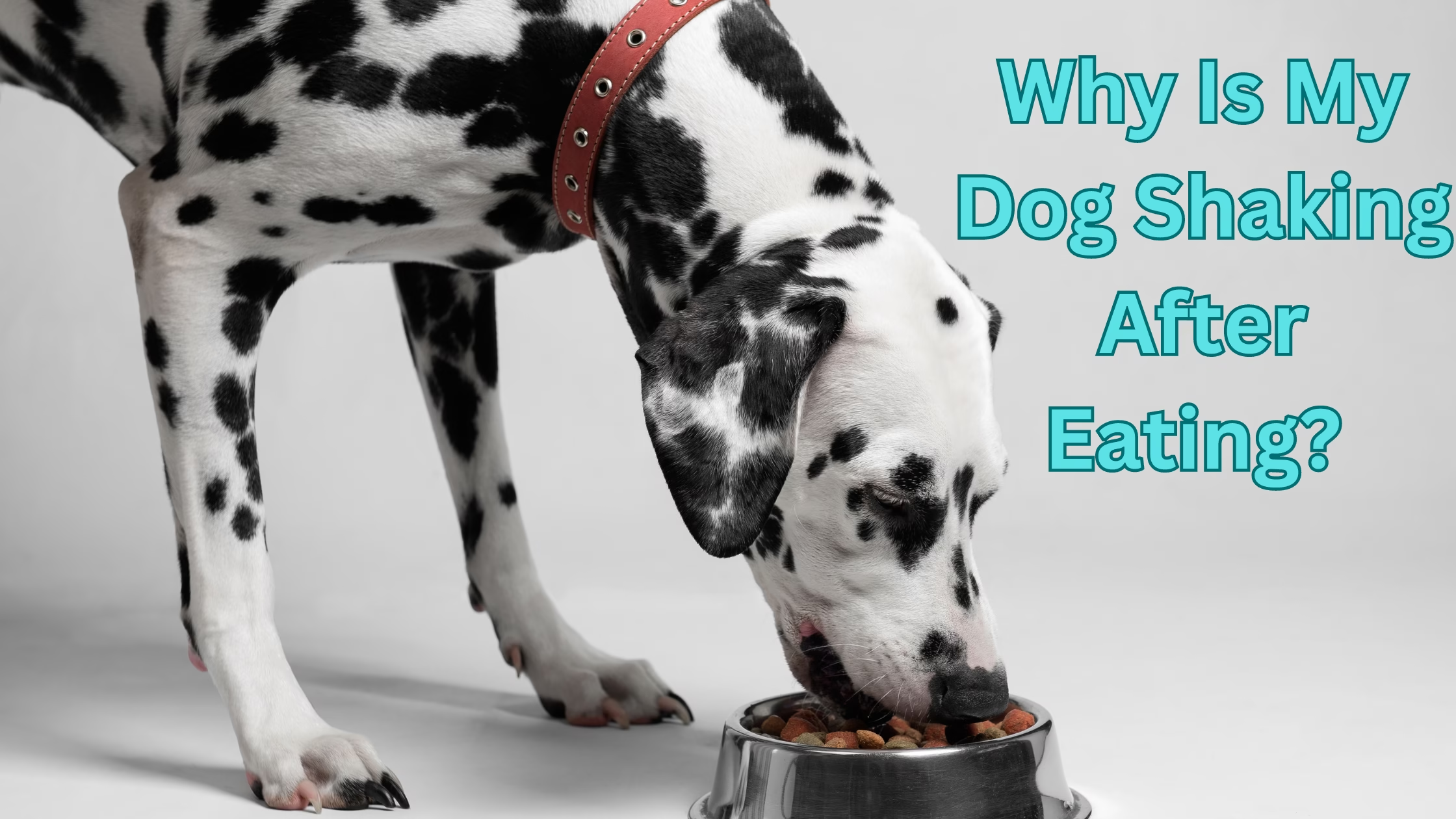
    Also Read: Why Is My Dog Shaking After Eating? Best Guide 2023

    Importance of Proper Hygiene for Canine Health

    Maintaining cleanliness is essential for a dog’s general health and well-being, including reducing smegma development.

    Dogs need regular hygiene routines, much like humans do, to maintain a clean, healthy body.

    Regular grooming, washing, and cleaning particular areas, including the genital region, are all part of good canine hygiene.

    The genital area must be kept clean if smegma formation is to be avoided. Excess oils, dead skin cells, and other debris that may lead to smegma production can be removed with routine washing.

    To prevent your dog from becoming irritated or uncomfortable, it is imperative to clean the genital area using gentle, pet-safe cleaners and warm water.

    Maintaining your dog’s genital cleanliness can help avoid smegma buildup and any potential health problems that may result.

    Along with genital hygiene, regular grooming and bathing can help dogs stay clean and minimize smegma buildup.

    Regular brushing and combing can help eliminate stray hairs and stop matting, which can lead to the development of smegma.

    The chance of smegma collection can be decreased by giving your routine dog baths using pet-safe shampoos to keep their skin and coat clean and healthy.

    In conclusion, good hygiene habits, including routine genital cleaning and general grooming, are crucial for preserving canine health and reducing smegma development.

    It can also be helpful to seek advice from your veterinarian for specialized hygiene suggestions tailored to your dog’s breed, size, and needs.

    Also Read: Why Do Dogs Have Wet Dreams and How Often? Best Guide

    How to Stop Smegma in Dogs: Step-by-Step Guide on How to Clean Your Dog’s Smegma

    How to Stop Smegma in Dogs Step by Step Guide on How to Clean Your Dogs Smegma |
    How to Stop Smegma in Dogs: Step-by-Step Guide on How to Clean Your Dog’s Smegma

    Regular cleaning of your dog’s genital region is essential for halting smegma growth. Here is a step-by-step instruction for successfully cleaning your dog’s genital region to prevent smegma:

    Step 1: Compile Materials

    Before beginning the cleaning process, gather all of the required supplies. Warm water, clean towels or wipes, a mild, pet-safe cleaner, and gloves (if wanted) are also required.

    Step 2: Get Your Dog Ready

    Select a peaceful, cozy area for the cleaning process. It’s crucial to ensure that your dog is at ease and obedient.

    Start by gradually introducing light touch and a good reward if your dog isn’t used to being touched around the genitalia to make them feel more at ease.

    Step 3: Genital Area Cleaning

    Gently wipe your dog’s genital region with a clean, damp towel, cloth, or pet-safe wipe. Make sure to clean around the prepuce (foreskin) or vulva (in females).

    To avoid causing irritation or discomfort, avoid using a lot of pressure or vigorous scrubbing. Suppose your dog has a lot of smegma accumulation.

    In that case, you might need a gentle, water-diluted cleaner appropriate for pets to help dissolve the waste.

    Step 4: Dry and Rinse

    After washing:

    1. Rinse the genital area with warm water to remove any cleanser residue.
    2. Use a fresh towel to pat the area dry, or let it air dry naturally.
    3. Avoid using too much heat or rubbing on the area because these actions can aggravate it further.

    Step 5: Reward and Adequate Praise

    After cleaning, give your dog treats, praise, and positive reinforcement to encourage good behavior and establish a positive relationship with cleaning the genital area.

    Step 6: Continual Upkeep

    Create a regular cleaning schedule based on your dog’s needs and breed traits to prevent smegma buildup.

    Consult your veterinarian for detailed cleaning suggestions since some dogs may need to be cleaned more frequently than others.

    Regular grooming and bathing can also aid in preventing smegma buildup and maintaining overall cleanliness.

    You may effectively clean your dog’s genital area and stop smegma buildup by following this step-by-step advice, encouraging basic hygiene and averting potential health problems linked to smegma in dogs.

    Preventive Measures: Tips to Avoid Smegma Buildup in Dogs

    Smegma buildup in dogs must be avoided if their general health and well-being are to be preserved. The following advice will help prevent smegma accumulation in dogs:

    Regular Cleaning: Create a schedule for routine genital cleaning for your dog. To remove any accumulated dirt, dead skin cells, or surplus oils from the genital area, gently wipe it with warm water, a mild pet-safe cleaner, and clean cloths or wipes. Abrasive cleaning or applying too much power might irritate the skin.

    Breed-Specific Care: Different dog breeds may need varying degrees of care due to variances in anatomy and coat type. Breeds with long hair or creases in their skin may accumulate smegma more easily and must be cleaned more frequently. For advice on caring for a particular breed, speak with your veterinarian.

    Proper Grooming: Regular grooming, including brushing and combing, can aid in preventing matting and removing loose hairs that may help develop smegma. The likelihood of smegma formation can decrease by keeping your dog’s coat clean and tidy.

    Adequate Hydration: Proper hydration is essential to maintain a dog’s healthy skin and hair. Ensure your dog always has access to fresh water, and encourage them to drink enough to be adequately hydrated.

    Balanced Diet: A well-balanced diet and nutrient-rich can also help dogs have healthy skin and fur. Give your dog food that is balanced and appropriate for its size, age, and level of exercise, and ask your veterinarian for dietary advice.

    Regular Vet Check-ups: Regular veterinary examinations can aid in identifying any underlying health conditions that can be responsible for the formation of smegma. Your dog’s genital region can benefit from regular hygiene and care, which your veterinarian can advise.

    Avoid Harsh Products: Keep human soaps, shampoos, and cleaning supplies away from your dog’s genital area when cleaning it. To prevent irritation or pain, choose gentle, dog-safe cleaning products.

    You may efficiently prevent smegma buildup in your dog and encourage proper hygiene by adhering to these preventative measures, resulting in a healthy and content pet. Regular cleaning, correct grooming, adequate hydration, and a balanced diet are crucial to minimize smegma formation and maintain your dog’s general health.

    Diet and Nutrition: Impact on Smegma in Dogs

    Your dog’s diet and nutrition can greatly impact their general health, including whether or not smegma buildup occurs. Here are several ways that diet and nutrition may impact canine smegma:

    High-Quality Diet: To maintain healthy skin and fur, your dog must be fed a high-quality, nutritionally complete diet. A diet high in vitamins, minerals, and omega-3 fatty acids helps support good skin and guard against skin conditions like smegma buildup.

    Avoiding Excessive Carbs: Dogs who consume diets heavy in carbs, such as those containing grains and fillers, may experience inflammation and skin problems. Eating too many carbs can upset the equilibrium of the skin’s natural oils, resulting in excessive sebum production and smegma buildup. Choose a balanced food suitable for your dog’s age, size, and activity level, and ask your veterinarian for dietary advice.

    Food Sensitivities and Allergies: Some dogs may experience food sensitivities or allergies, which can cause skin conditions, including smegma accumulation. To determine if a food allergy or sensitivity may be the root of your dog’s persistent skin issues, it’s vital to speak with your veterinarian. Your veterinarian may suggest a special or elimination diet to identify and avoid probable allergens.

    Hydration: To have good skin and fur, dogs must drink enough water. Dehydration can cause dry skin, which may raise the possibility of smegma buildup. Ensure your dog always has access to fresh water, and encourage them to drink enough to be properly hydrated.

    Weight management: It’s essential for dogs’ health, including their skin and coat condition, to maintain a healthy weight. Overweight dogs are more likely to develop skin conditions, such as excessive sebum production, which can lead to the development of smegma. Ensure your dog follows an exercise and diet plan to maintain a healthy weight.

    Avoiding Table Scraps: Feeding your dog high-fat foods or table scraps might upset their nutritional balance and cause skin problems, including smegma buildup. Don’t give your dog too many goodies, leftovers from the table, or human meals that can be loaded with fat or other unhealthy elements.

    In conclusion, the development of smegma in dogs can be significantly influenced by a balanced and nutritious diet, sufficient hydration, weight management, and avoiding probable food allergens.

    Consult your veterinarian for dietary advice specifically tailored to your dog’s needs. Keep a balanced diet and nutrition routine to ensure your pet has the best skin and coat health.

    Also Read: The Ultimate Dog Training Checklist: Train Your Pup Like a Pro!

    When to Seek Veterinary Assistance: Warning Signs and Treatment Options

    Knowing when to seek veterinary help when treating smegma buildup in dogs is essential. The followings are some symptoms to watch out for and some available treatments:

    Smegma Buildup That Remains or Gets Worse: If your dog’s smegma buildup remains or worsens despite your efforts to practice good hygiene and put forth preventative measures, it’s time to seek veterinary help. This can point to an underlying health problem that demands professional attention.

    Signs of Infection: It’s critical to seek veterinary care immediately if you observe any symptoms of infection near the prepuce, such as redness, swelling, discharge, or an unpleasant odor. Infections, such as antibiotics or topical treatments, may need medical attention to clear and can worsen smegma collection.

    Behavioral Modifications: Your dog may be experiencing discomfort from smegma if they show behavioral modifications such as increased licking, scratching, or discomfort in the prepuce area. Your veterinarian can help you identify the underlying problem and the best action.

    Medical disorders: Smegma accumulation may be more likely in dogs with certain medical disorders, such as diabetes or hormone imbalances. To treat the disease and avoid smegma development, it’s crucial to work closely with your veterinarian if your dog has a known medical condition that impacts the health of its skin.

    Treatment Options: Smegma buildup in dogs may be treated by regular cleaning of the prepuce area, application of topical medicines, and in extreme situations, surgical intervention. Based on the severity of the ailment and your dog’s particular needs, your veterinarian can advise you on the best course of action.

    In conclusion, it’s crucial to seek veterinary help immediately if you observe persistent smegma buildup, infection signs, or behavioral abnormalities or if your dog has a medical issue that must be treated.

    The best canine health can be maintained, and complications can be avoided with early detection and suitable treatment.

    Always see your veterinarian for an accurate diagnosis and suggestions for your animal friend’s care.

    Debunking Common Myths and Misconceptions about Smegma in Dogs

    Debunking Common Myths and Misconceptions about Smegma in Dogs |
    Debunking Common Myths and Misconceptions about Smegma in Dogs

    Smegma in dogs is a subject that, like many others in the field of pet health, is frequently the subject of myths and misinformation. To present factual information, the following frequent myths and misunderstandings will be dispelled:

    Myth: Smegma in dogs is a result of poor hygiene.

    While maintaining cleanliness is essential for managing canine smegma, inadequate hygiene isn’t always to blame.

    Regardless of how well-groomed they are, male dogs and certain female dogs still develop smegma in the prepuce region.

    In addition to regular cleansing of the prepuce area, smegma buildup can also be caused by other elements such as hormonal fluctuations, heredity, and individual anatomies.

    Myth: Smegma in dogs is harmful and needs to be removed completely.

    Smegma is a typical production of the sebaceous glands in the prepuce area and is not hazardous in and of itself.

    It is a characteristic of dogs and acts as a lubricant for protection. However, smegma that has accumulated excessively can cause problems like odor, discomfort, and even infections.

    Smegma must be managed with proper cleaning and preventive measures, but total eradication or excessive cleaning can upset the natural balance of the prepuce area and can be harmful.

    Myth: Smegma only occurs in intact male dogs.

    Smegma can develop in spayed female dogs, even though it is more frequently associated with intact male dogs because of the prepuce and smegma buildup surrounding the penis.

    The clitoral hood, a smaller prepuce seen only in female canines, can also develop smegma and needs to be properly cleaned and maintained.

    Myth: Smegma in dogs always indicates an underlying health issue.

    Smegma is a common occurrence in dogs and is not usually a sign of a serious condition.

    However, significant smegma buildup, odor or color changes, or infection-related symptoms are signals of a more serious condition and should be assessed by a veterinarian.

    Myth: Smegma can be completely prevented in dogs.

    Smegma is a naturally occurring material that dogs cannot entirely avoid.

    However, smegma development in dogs can be controlled and reduced with good hygiene, routine prepuce area cleaning, and applying preventive measures like a nutritious diet, hydration, and weight management.

    In conclusion, regarding smegma in dogs, it’s critical to distinguish between realities and misconceptions.

    Smegma can be effectively understood and managed to maintain the health of dogs. Always speak with your veterinarian for correct information, advice, and proper treatment for your animal buddy.

    Tips for Long-Term Maintenance: Keeping Your Dog Smegma-Free

    Your dog needs regular, ongoing maintenance to remain smegma-free. Here are some pointers to help you maintain a healthy and clean dog bathroom:

    Cleaning Frequently: To avoid smegma buildup, clean your dog’s prepuce frequently. Use a mild cleaning agent suitable for pets your vet has advised. Use mild soaps and chemicals instead of abrasive ones because they can upset the delicate balance of the pretreatment area.

    Food and Hydration: Ensure your dog has balanced food and drinks plenty of water. Proper diet and hydration help support healthy skin and coat, which can help stop smegma buildup. For dietary advice appropriate for your dog’s age, breed, and state of health, speak with your vet.

    Weight management: It’s essential to keep your dog at a healthy weight to stop smegma development. Excess skin folds or creases on overweight or obese dogs may trap smegma and cause excessive buildup. Manage your dog’s weight and avoid unneeded smegma development with regular exercise and portion restriction.

    Regular Vet Check-ups: Establish a schedule for your dog’s routine veterinary examinations. Your dog’s prepuce area can be examined by your veterinarian, who can also offer advice on properly cleaning it and spot any early signs of potential health problems.

    Avoid Over-Cleaning: While routine cleaning is vital, keep your dog’s litter box from becoming overly clean. Excessive cleaning can upset the environment’s natural equilibrium, causing annoyance and possibly harmful health effects. Pay attention to your veterinarian’s advice regarding cleaning frequency and technique.

    Observation for Signs of Infection: Keep a watchful lookout for any infection-related symptoms in your dog, such as redness, swelling, discharge, or an unpleasant odor. For correct diagnosis and treatment, get veterinarian advice as soon as you observe any unexpected changes.

    Regular Grooming: Dogs who receive regular grooming, such as brushing and bathing, are less likely to develop smegma. While washing can help keep the skin clean and free of excessive oil or pollution, brushing can assist in removing loose hairs and debris.

    You may help keep your dog healthy overall and smegma-free by using these suggestions, appropriate hygiene practices, and preventive steps in their daily routine.

    For specific advice on how to take care of your dog’s prepuce area and avoid smegma collection, speak with your veterinarian.

    Also Read: Natural Parasite Cleanse for Dogs: The Ultimate Guide 2023

    Frequently Asked Questions (FAQs) about Smegma in Dogs

    What does smegma in dogs mean?

    In male dogs, smegma is the buildup of debris, oils, and dead skin cells in the prepuce area. If not adequately cleaned, smegma can gather in the prepuce, the sheath that covers the penis in male dogs.

    What causes the accumulation of smegma in dogs?

    Lack of regular cleansing of the prepuce area or poor hygiene usually causes smegma formation in dogs. If the prepuce isn’t frequently cleaned, dead skin cells, oils, and debris can gather and create a thick, unpleasant substance.

    Do female dogs also have a tendency to develop smegma?

    Because female dogs do not have a prepuce like male dogs, they are not as susceptible to smegma buildup. However, female dogs might still have other genital hygiene problems, like vaginal discharge or infections, needing medical treatment.

    How frequently should I clean the prepuce area of my dog to avoid smegma buildup?

    Depending on the particular dog and the state of their prepuce area, cleaning frequency may vary. A general rule of thumb is to clean the prepuce area at least once per week or as often as your veterinarian suggests. Do not overclean the area because this can upset its natural balance.

    What cleaning supplies should I use to clean my dog’s prepuce?

    Utilizing cleaners designed specifically for cleaning the prepuce area that is pet-safe and physician-advised is crucial. Avoid harsh soaps, chemicals, or human products since they may irritate the skin or upset the ecosystem.

    Can smegma accumulation in dogs result in health problems?

    Smegma buildup in dogs can cause potential health problems if left addressed. Your dog may experience discomfort, infections, and inflammation as a result. Regular cleaning and good hygiene are necessary to avoid health problems associated with smegma.

    Can diet and nutrition affect the development of smegma in dogs?

    Yes, food and nutrition can help dogs avoid developing smegma. A balanced, healthy diet helps support general skin and coat health, which can help prevent smegma formation in dogs of all ages, breeds, and health conditions.

    When should I consult a veterinarian about my dog’s smegma problem?

    It’s crucial to get veterinary help immediately if you observe any infection-related symptoms, including redness, swelling, discharge, or a bad odor, or if your dog looks to be in pain. For the right evaluation, diagnosis, and treatment of your dog’s smegma condition, consult your veterinarian.

    Can dogs get smegma and how can you prevent it?

    A nutritious diet, weight management, regular cleaning of the prepuce area, good hygiene, and regular veterinary exams can all help prevent smegma development in dogs. The best way to prevent smegma buildup in dogs is to take preventative measures and practice proper hygiene.

    Should I hire a professional cleaner to care for my dog’s bathroom needs at home?

    Generally speaking, following the right instructions and using pet-safe cleaning products can clean your dog’s prepuce area at home. To guarantee appropriate cleaning and avoid any potential issues, you must obtain expert assistance from your veterinarian or a licensed groomer if you are hesitant or uncomfortable with the process.

    Conclusion: Promoting Good Health and Hygiene for Your Canine Companion

    Smegma buildup in dogs is a frequent problem that can be avoided with good hygiene habits, routine prepuce region cleaning, a nutritious diet, and regular veterinary care.

    Maintaining your dog’s genital hygiene and preventing smegma buildup requires routine washing, pet-safe cleansers, and avoiding harsh chemicals or human products.

    It’s crucial to carefully watch your dog’s prepuce area for infection or pain indications and seek veterinary care if necessary.

    You can keep your dog’s area clean and smegma-free by taking preventive measures and practicing proper hygiene, improving your dog’s general health and well-being.

  • Why Is My Dog Shaking After Eating? Best Guide 2023

    Why Is My Dog Shaking After Eating? Best Guide 2023

    Why Is My Dog Shaking After Eating? If your dog has been trembling after eating, you could be worried about its health. While trembling or shaking may sometimes be common in certain dogs, frequent shaking after meals may point to a problem that needs to be addressed. This article will examine the explanations of your dog shaking after eating and offer enlightening analyses and remedies to assist you in better comprehending and dealing with this behavior.

    Why Is My Dog Shaking After Eating?

    If your dog starts to shake after eating, you might be curious as to what might be the cause. Dogs may tremble after eating for a variety of causes, including medical disorders, dietary issues, and behavioral issues.

    Medical Causes of Dog Shaking After Eating

    After eating, your dog may start to shake, which could be a sign of an underlying medical condition. Several medical conditions might bring on this phenomenon in dogs.

    Hypoglycemia (low blood sugar) and its effects on dog’s energy levels

    Hypoglycemia, sometimes known as low blood sugar, is one possible reason. A dog’s blood sugar levels may surge following a meal, particularly one loaded with carbohydrates, and then decrease quickly, resulting in hypoglycemia.

    The dog may get feeble and exhibit tremors or trembling as a result. Due to their size, age, and metabolism, small dog breeds, young puppies, and senior dogs may be more susceptible to hypoglycemia.

    Gastrointestinal issues and their impact on digestion

    Digestive problems might affect a dog’s ability to digest food, resulting in shaking after eating. Gastritis, indigestion, or an upset stomach can interfere with a dog’s digestion, causing discomfort and trembling. In addition to shaking, dogs occasionally also experience nausea, vomiting, or diarrhea.

    Food allergies or sensitivities and their effects on the body

    After eating, shaking in dogs can also be caused by food allergies or sensitivities. Dogs may become allergic to or sensitive to particular food components, such as grains or proteins.

    Shaking, itching, hives, or other symptoms are some of the reactions that can occur. The shaking episodes can be lessened by identifying and treating potential food allergies or sensitivities through dietary modifications or consulting a veterinarian.

    It’s crucial to see a veterinarian for an accurate diagnosis and treatment if you notice that your dog shakes after eating.

    Certain medical procedures, dietary changes, or medications may be necessary to treat issues that can cause shaking after eating to manage the underlying problem and relieve your furry friend.

    Dietary Factors That May Contribute to Dog Shaking After Eating

    Your dog’s nutrition is very important to its general health and well-being. After eating, some dietary components may contribute to dogs shaking.

    Rapid eating or food gulping and its effects on digestion

    Dogs’ digestion can be impacted by eating quickly or gulping down food. Dogs who eat too quickly risk swallowing a lot of air with their food, which increases gas and causes bloating in the stomach.

    After eating, this may result in shaking or tremors and cause discomfort.

    Additionally, eating quickly can result in inadequate meal chewing, impacting the digestive process. Large food portions may be hard to digest, resulting in gastrointestinal problems like indigestion, constipation, or diarrhea.

    After eating, this may also increase discomfort and trembling.

    Rapid eating can also interfere with hormonal signals controlling hunger and digestion. Dogs who eat too quickly may not produce hormones normally responsible for indicating fullness and contentment, which can result in overeating and poor digestion.

    As the body tries to process the huge amount of food consumed in a short time, this can cause discomfort and tremors.

    High sugar or high carbohydrate diets and their impact on blood sugar levels

    The eating of high-sugar or high-carbohydrate diets is one potential contributing factor.

    A quick rise in blood sugar levels followed by a sudden drop can result from diets high in sugar or carbohydrates, resulting in hypoglycemia.

    In dogs, particularly those sensitive to variations in blood sugar levels, this can present as shaking or tremors.

    Food additives or preservatives

    Food additives or preservatives are other dietary components that may affect dogs.

    Depending on their sensitivity or allergy, some food additives or preservatives may cause an undesirable reaction in some dogs, including shaking or tremors.

    It’s critical to carefully study and comprehend the ingredients in your dog’s food and steer clear of any additions or known allergens that could upset your dog.

    Lack of proper nutrients or imbalanced diet and its effects on overall health

    The quality and freshness of the food a dog consumes can also affect how well its digestive system functions.

    To promote their general health, dogs need a balanced and nourishing diet. Giving them food that is outdated, expired, or of poor quality may create digestive problems, such as indigestion or an upset stomach, which can result in tremors or shake after eating.

    It’s critical to provide your pet with a high-quality, balanced, and fresh diet that satisfies their nutritional demands to reduce potential dietary components that may lead to a dog shaking after eating.

    Your dog’s diet can be appropriate and specific to its needs by consulting a veterinarian or a trained pet nutritionist.

    Also Read: What is the ordinance for barking dog in Stockbridge Georgia: Best Guide 2023 

    Behavioral Factors That May Contribute to Dog Shaking After Eating

    Dogs shaking after eating can sometimes be attributed to behavioral reasons as well. Because they are creatures of habit, dogs sometimes display behaviors that may affect how they physically react after meals.

    Anxiety, stress, or fear related to food or mealtime

    After eating, dogs may shake due to tension, anxiety, or terror-related to food or mealtime.

    Due to traumatic experiences in the past, schedule changes, or underlying behavioral disorders, some dogs may get anxious or stressed when it comes to eating.

    As a result, the body may experience physical symptoms like shaking or trembling right after eating.

    Dogs who are anxious or stressed about food may pace, whine, or be reluctant to approach their food bowl. They could eat quickly or gulp down their food to finish the meal fast and leave the situation.

    This may interfere with normal digestion, which may cause discomfort or trembling after eating.

    Behavioral conditions such as compulsive disorders that may manifest as shaking after eating

    Shaking can also be a symptom of behavioral issues like obsessive disorders in dogs. Dogs with compulsive disorders engage in repetitive, persistent actions that serve no reason.

    These behaviors include pacing, twirling, tail-chasing, and other repetitive activities.

    As part of their obsessive behavior pattern, dogs with compulsive disorders occasionally shake or tremble after eating.

    The compulsive habit and consequent shaking may be brought on by the dog’s tension or anxiety associated with meals.

    Over-excitement or anticipation leading to physical responses

    Dogs may tremble after eating due to excessive excitement or food-related anticipation. Some dogs become overly excited while eating and may physically react by trembling.

    Dogs’ adrenaline levels may rise due to anticipatory hunger or excessive excitement during meals, which can manifest physically as trembling.

    This is more likely to occur in dogs with high levels of a food drive or those who have been taught to identify certain cues with mealtimes, such as the sound of a food bag being opened or preparing their food dish.

    Providing a peaceful and stress-free atmosphere during meals is crucial to address behavioral issues that may contribute to a dog shaking after eating.

    You can lessen your dog’s risk of shaking or trembling after meals by providing a calm and pleasant environment for them to eat in, giving them smaller, more frequent meals, and using slow feeders or puzzle feeders to encourage slower eating.

    Consultation with a professional dog trainer or a veterinary behaviorist may be helpful in properly addressing and managing these behavioral difficulties if your dog exhibits persistent anxiety or tension connected to meals.

    How to Stop Your Dog From Shaking After Eating

    After feeding, if you observe that your dog is shaking, it’s crucial to determine the underlying cause and manage it. The following are some suggested remedies for canines that shake after eating:

    Medical advice: It’s critical to speak with your veterinarian if your dog shakes after eating because of a medical issue. They can conduct a complete examination, perform the necessary diagnostic procedures, and diagnose precisely. Your veterinarian may offer medication, dietary changes, or other forms of treatment depending on the diagnosis.

    Dietary modifications: Your veterinarian may advise making dietary modifications if your dog shakes after eating for dietary reasons, such as food allergies or sensitivities. Address the underlying problem. This can entail switching to a new food, like a hypoallergenic or prescription diet. It’s critical to adhere to your vet’s advice and watch how any food changes affect your dog.

    Feeding procedures: Modifying your dog’s feeding procedures may be able to address his shaking issue. You can avoid your dog overeating, which can cause bloating or discomfort, by giving smaller, more often meals throughout the day. Additionally, using slow or puzzle feeders can promote slower eating and lessen the possibility of tremors or shaking after meals.

    Managing behavioral issues: If anxiety or stress are causing your dog to shake after eating, you should take steps to address these problems. Your dog’s anxiety or worry connected to mealtime can be reduced by creating a peaceful and stress-free atmosphere, offering positive reinforcement and rewards for calm behavior, and applying desensitization and counter-conditioning techniques.

    Regular exercise and mental stimulation: Regular and mental stimulation can help minimize anxiety, stress, and surplus energy in dogs, which may impact their physiological reactions after meals. Giving your dog frequent exercise and involving them in mentally stimulating pursuits like training, puzzle toys, or interactive games can help maintain their physical and mental equilibrium.

    Treating dog shaking after eating necessitates locating the root cause and implementing the necessary remedies.

    Working with your veterinarian, modifying your food, controlling feeding procedures, taking care of behavioral issues, and giving your dog frequent exercise and mental stimulation can all assist in lessening or even eliminating shaking after meals in dogs.

    Speaking with your vet for a precise diagnosis and treatment strategy for your dog’s requirements is crucial.

    Also Read: Rutabaga Cleanse for Dogs: The Perfect Detox for Your Dog!

    Conclusion

    In conclusion, several causes, including medical, nutritional, and behavioral, may contribute to your dog shaking after eating.

    Pay close attention to your dog’s behavior, speak with your veterinarian, and take the necessary action to treat any potential underlying problems.

    You can safeguard your dog’s well-being and encourage healthy eating habits for your canine companion by being aware of the potential causes and putting the right solutions into practice.

  • Natural Parasite Cleanse for Dogs: The Ultimate Guide 2023

    Natural Parasite Cleanse for Dogs: The Ultimate Guide 2023

    Natural Parasite Cleanse for Dogs – You know as a dog owner how important it is to keep your pet healthy and happy. Parasite infestations are a regular health problem that dogs can have.

    Fleas, ticks, and worms are all examples of parasites that can make dogs feel bad and even hurt them in significant ways. 

    There are many commercial items to eliminate parasites, but some pet owners like to use natural remedies instead. 

    In this thorough guide, we’ll look at natural ways to eliminate parasites in dogs that work, so you can keep your pet safe and healthy.

    Understanding Common Parasites in Dogs: Fleas, Ticks, and Worms

    Parasites are unwelcome guests that can live in your pet’s body and cause pain, illness, and other problems. 

    It’s important to know what parasites most often affect dogs, how dangerous they can be, and what signs and symptoms to look out for.

    Types of parasites that commonly affect dogs

    Fleas: These tiny, wingless bugs can jump onto your dog’s fur and quickly spread, causing intense itching, skin irritation, and even allergic reactions. Flea bites can also cause dogs to get sick.

    Ticks: Ticks are spider-like creatures that stick to your dog’s skin and drink its blood. They can spread diseases like Lyme disease, and Rocky Mountain spotted fever to dogs, harming their health.

    Worms: Roundworms, hookworms, whipworms, and tapeworms are just some worms that can infect dogs. Dogs can get weak, lose weight, and have other health problems if they have these worms.

    The risks and health issues associated with parasite infestations

    Infestations of parasites can be very bad for your dog’s health. Some of the health problems and risks that come with bugs in dogs are:

    • Flea bites cause redness, itching, and swelling of the skin.
    • A serious tick infestation can lead to blood loss and anemia.
    • Diseases like Lyme disease, ehrlichiosis, and heartworm disease can be passed on by fleas, bugs, and worms.
    • Worms can cause problems with digestion, poor diet, and weight loss.

    How to tell if your dog has a parasite and what it looks like

    It’s important to stay alert and look for signs and symptoms that could mean your dog has parasites. 

    When dogs have parasites, these are some of the most common signs and symptoms:

    • Scratching, kissing, or biting the skin too much.
    • Fleas, ticks, or worms are found in the fur or poop.
    • Redness, irritation, or infection of the skin.
    • Changes in hunger, loss of weight, or diarrhea.
    • Weakness, lack of energy, or less action.
    • Changes in the hair, like making it dull or losing its shine.

    As a good dog owner, it’s important to check your dog regularly for signs of parasites and take steps to keep them safe. 

    Talk to your vet about the best ways to protect your dog from fleas, ticks, and worms based on their needs and health.

    Benefits of Natural Parasite Cleanse for Dogs

    Controlling parasites is an important part of caring for a pet, and many owners choose natural treatments to keep their furry friends safe and healthy. 

    Natural ways to eliminate parasites in dogs have several advantages over commercial goods, and pet owners are becoming more aware of these benefits.

    Why some pet owners prefer natural remedies for parasite control

    Chemicals should be avoided: Most commercial items for getting rid of parasites contain harsh chemicals that can hurt dogs and cause side effects. 

    On the other hand, natural remedies are made from plant-based ingredients that are usually safe for dogs and don’t subject them to chemicals that could be dangerous.

    Reduced Risk of Toxicity: Some commercial items for getting rid of parasites, especially ones with chemicals like pyrethroids or organophosphates, can be harmful if too much is eaten or absorbed. 

    Most natural treatments with organic or herbal ingredients are less likely to make dogs sick.

    Eco-Friendly Option: Natural parasite cleanses for dogs are often thought to be better for the environment because they don’t contain artificial chemicals that can hurt rivers and wildlife when washed away or thrown away.

    Holistic Approach: When it comes to their pet’s health and well-being, many pet owners like to take a holistic approach, and natural parasite control fits in with this theory. 

    Natural treatments may help a dog’s health in general and can be used with other natural treatments or vitamins.

    Potential for Fewer Side Effects: Commercial items to eliminate parasites can sometimes cause side effects in dogs, such as skin irritations, allergies, or digestive problems. 

    When used as advised, natural remedies may have fewer side effects and be easier for sensitive or allergic dogs to handle.

    The advantages of using natural products for dogs

    Effective Against Parasites: Natural parasite cures for dogs can be just as good as commercial products at getting rid of fleas, ticks, and worms if used correctly and as part of a full program to get rid of parasites.

    Long-term Use: Natural treatments can often be used as a long-term way to get rid of parasites without having to apply chemicals often or give them to the person.

    Safe for Puppies and Older Dogs: Natural medicines are usually safe for puppies, older dogs, and dogs with health problems because they are usually made with milder ingredients and are less likely to cause side effects.

    Possible Health Benefits: Some natural items that kill parasites may also help dogs’ coats and skin stay healthy, boost their immune systems, or make it easier to digest food.

    Common concerns about commercial parasite control products

    Potential Side Effects: Some commercial parasite control products can cause dog side effects. These effects can range from mild skin irritations to more serious allergic responses or effects on the whole body.

    Chemical Exposure: Some dog owners may worry that their dogs could be exposed to strong chemicals in commercial parasite control products, especially if used often or for a long time.

    Effects on the environment: Using commercial products to eliminate parasites may add to pollution and hurt organisms that aren’t the goal, like helpful insects or wildlife.

    Resistance: Over time, parasites can become immune to some chemicals used in commercial goods. This makes them less effective at stopping infestations.

    As with any pet care choice, it’s important to talk to your vet about your options and choose the best way to keep your dog free of parasites based on its needs and health. 

    If you want to use natural remedies safely and effectively, do a lot of research, choose reputable products, and follow the manufacturer’s directions. 

    Regular tracking and preventive measures are key to keeping your furry friend parasite-free and healthy.

    Natural Remedies for Flea and Tick Control in Dogs

    Natural Remedies for Flea and Tick Control in Dogs |
    Natural Remedies for Flea and Tick Control in Dogs

    Fleas and ticks are common pests that can make dogs uncomfortable and hurt their health. 

    There are many commercial items for removing fleas and ticks, but some pet owners prefer natural remedies because they are safer and better for the environment. 

    Here are some harmless ways to protect your dog from fleas and ticks:

    Essential oils and herbs for repelling fleas and ticks

    Lemon Eucalyptus Oil: Lemon eucalyptus oil is a natural oil from the lemon eucalyptus tree. It has been shown to work well at keeping fleas and ticks away. It can be mixed with water to spray or with a carrier oil to put on a dog’s skin.

    Neem Oil: Neem oil comes from the neem tree. It kills insects and can keep fleas and ticks away. It can be mixed with water or other oils to spray or add to pet baths.

    Rosemary, Peppermint, and Lavender: Rosemary, Peppermint, and Lavender essential oils can keep fleas and ticks away. They can be mixed with water to spray or added to pet baths.

    Homemade flea and tick sprays and shampoos

    Vinegar Spray: Fleas and ticks can be kept away with a spray of equal parts water and white vinegar. It can be put on a dog’s fur but not near its eyes or mouth.

    Herbal Flea and Tick Spray: A natural flea and tick spray can be made by steeping dried herbs like rosemary, peppermint, and thyme in hot water and then straining the liquid. After it has cooled, it can be put on a dog’s fur.

    Homemade Herbal Shampoo: Natural ingredients like castile soap, neem oil, and essential oils can help keep fleas and ticks away while cleaning a dog’s hair.

    Natural flea and tick collars and powders for dogs

    Flea and Tick Collars: Some collars prevent fleas and ticks with natural ingredients like essential oils, neem oil, or cedarwood. Dogs can wear these collars, and they protect them from bugs all the time.

    Flea and Tick Powders: Some natural flea and tick powders for dogs, like those with diatomaceous earth, can kill and keep fleas and ticks away. You can put these powders on a dog’s body but avoid the eyes and mouth.

    It’s important to remember that natural remedies can keep fleas and ticks away, but they may not be as effective as commercial goods. 

    Before using a natural remedy on your dog, research, choose trusted products, and talk to your vet. 

    Also, always follow the directions from the maker for safe and correct use, and keep an eye on your dog for any signs of bad reactions. 

    Flea and tick infestations in dogs can be prevented by grooming them regularly, cleaning their bedding and living places, and using good hygiene.

    Worm prevention and treatment for dogs using natural methods

    Worm prevention and treatment for dogs using natural methods |
    Worm prevention and treatment for dogs using natural methods

    Worms are a common disease that can make dogs sick, and preventing and treating them is important for keeping their health in good shape. 

    There are commercial items to eliminate worms, but some pet owners like to use natural methods for a more holistic approach. 

    Here are some natural ways to treat and avoid worms in dogs:

    Herbal remedies for deworming dogs

    Wormwood: Wormwood is a plant that has been used for centuries because it kills parasites. Small amounts can be given to dogs as tea or extract or added as a dried or powdered herb to their food.

    Black Walnut: Another plant used to kill parasites is the black walnut. It can be given to dogs as medicine or added as dried or powdered leaves to their food.

    Pumpkin Seeds: An amino acid called cucurbitacin, found in pumpkin seeds, has been shown to kill parasites. Worms can be prevented and eliminated by mixing ground pumpkin seeds into a dog’s food or treating them.

    Worms can be prevented and treated with natural food supplements.

    Diatomaceous Earth: Diatomaceous earth is a natural material made from tiny algae called diatoms that have turned into fossils. It can be given as a supplement to a dog’s food, and it has been said to help avoid and get rid of worms by making them thirsty and hurting their outer shells.

    Coconut Oil: coconut oil can help fight parasites and supplement a dog’s food. It has been said to help avoid and treat worms by making the digestive tract an unfriendly place for parasites.

    Probiotics: Probiotics are good bacteria that help keep a dog’s digestive and immune systems healthy. They can be given to dogs as a supplement in the form of capsules or powders and have been said to help avoid and control worm infestations.

    Home remedies for eliminating worms in dogs

    Garlic: Garlic has been used naturally to treat dog worms for a long time. It can be put in a dog’s food in small amounts, but you should talk to a vet about the right amount because too much garlic can harm dogs.

    Papaya Seeds: Papaya seeds contain an enzyme called papain, which has been shown to kill parasites. To help eliminate worms, they can be ground up and added to a dog’s food or given as a treat.

    Raw Food Diet: A BARF (Biologically Appropriate Raw Food) diet, which means feeding dogs raw food, has been said to help avoid and treat worm infestations. 

    A raw food diet usually includes raw meat, bones, organs, and vegetables, and it can help improve a dog’s general health and immune system.

    It’s important to remember that natural ways to avoid and treat worms in dogs may not be as effective as commercial deworming products, and the infestation’s severity should be considered. 

    Talking to a vet is important to get the right evaluation, treatment, and dosage advice. 

    Dogs must also have good hygiene, clean their living places regularly, and get rid of their waste correctly to avoid getting worms.

    Proper Nutrition for Boosting Your Dog’s Immune System

    Dogs need a strong immune system to stay healthy and protect themselves from diseases and parasites. Dogs need good nutrition to keep their immune systems in good shape. 

    Here are some important things to know about giving your dog the right food to improve its immune system:

    The role of nutrition in maintaining a healthy immune system

    • A dog’s immune system works best when it gets the right food. A healthy, well-balanced food gives you all the vitamins, minerals, and antioxidants you need for a strong immune system.
    • Dogs with a healthy immune system can fight off parasitic infections like fleas, ticks, and worms by recognizing and killing the parasites before they can spread.
    • Protein, omega-3 fatty acids, and antioxidants are important nutrients that help dogs’ immune systems fight off infections, reduce inflammation, and improve their general health and well-being.

    Foods that can help prevent parasitic infestations in dogs

    Garlic: It has been said that garlic has natural qualities that keep fleas and ticks away. But it’s important to remember that dogs can get sick from too much garlic, so it should only be given in small amounts and under the supervision of a doctor.

    Pumpkin: Pumpkin has a lot of fiber, which can help a dog’s digestive system run smoothly. It can also help eliminate bugs by making you go to the bathroom more often.

    Carrots: Carrots have a lot of beta-carotene, which a dog’s body turns into vitamin A. Vitamin A is important for keeping your immune system strong and can help keep you from parasitic infections.

    Also Read: Rutabaga Cleanse for Dogs: The Perfect Detox for Your Dog!

    Nutritional supplements for supporting your dog’s immune system

    Probiotics: Probiotics are good bacteria that help keep a dog’s gut microbiome healthy, which is an important part of a dog’s defense system. 

    Probiotic pills can help dogs feel better about their digestion and boost their immune systems.

    Omega-3 Fatty Acids: Omega-3 fatty acids can help reduce inflammation and support a healthy immune reaction in dogs. 

    They are found in fish oil. Omega-3 pills can help dogs with allergies, skin problems, and other health problems that affect the immune system.

    Vitamin C: Vitamin C is an antioxidant that can help boost a dog’s immune system and help keep their health in general in good shape. 

    On the other hand, dogs can make their own vitamin C, so supplements are usually unnecessary unless a vet says so.

    Knowing that a dog’s immune system can only be kept healthy in several ways is important. 

    A dog’s general health and well-being also depend on exercising, drinking enough water, and living in a clean place. 

    You should always talk to a doctor about specific dietary suggestions and supplement dosages to ensure your dog’s nutritional needs are met.

    Environmental Management for Preventing Parasites in Dogs

    You need to do more than give your dog medicine to keep your dog from getting parasites. 

    Environmental management is key to keeping your dog’s surroundings clean and free of parasites. 

    Here are some tips and harmless ways to get rid of fleas, ticks, and worms in your dog’s environment:

    Tips for keeping your dog’s environment clean and parasite-free

    • Vacuum your home often, paying special attention to the floors, rugs, bedding, and upholstery where your dog spends most of its time. Vacuuming helps eliminate flea eggs, larvae, and adults, which lowers the number of fleas in your home.
    • Regularly washing your dog’s bed and toys in hot water will kill flea eggs, larvae, or ticks hiding in them.
    • Keep your yard and other outdoor areas clean and in good shape. Mow the grass, trim the bushes often, and eliminate any trash or piles of leaves that fleas and ticks can hide in.
    • Limit your dog’s time in places with lots of trees, tall grass, and still water, as this is where ticks and other parasites like to live.
    • Pick up your dog’s poop immediately to keep worm eggs from spreading around your yard.

    Natural ways to control fleas, ticks, and worms in your dog’s surroundings

    Diatomaceous Earth: Diatomaceous earth is a natural powder made from ancient algae that can eliminate fleas, ticks, and worms around your dog. It works by drying out the parasites and killing them on touch.

    Nematodes: Nematodes are tiny worms that can be used to get rid of fleas, ticks, and other insects in your yard in a harmless way. They eat the parasites’ eggs, which reduces the number of parasites.

    Essential Oils: Some essential oils, such as cedarwood, eucalyptus, and lemon, keep fleas and ticks away. You can use them to make sprays or diffusers to keep these bugs away from your dog.

    Proper hygiene practices for preventing parasitic infestations in dogs

    • You should regularly brush your dog’s body to remove loose hair and fleas or ticks. This can also help you find any early signs of an infection.
    • If you keep your dog’s nails short, it won’t be able to scratch and eat flea or tick eggs when it cleans itself.
    • Don’t let your dog play with other animals that might have parasites, especially in places like dog parks or training facilities where parasites are common.
    • To keep bugs from spreading to other parts of your home, wash your hands well with soap and water after playing with or cleaning up after your dog.

    By taking care of the surroundings and keeping them clean, you can make it less inviting for parasites to live in, which lowers the chance that they will infest your dog. 

    But it’s important to remember that these natural methods might not work as well as prescription drugs for severe infestations. 

    It’s always best to talk to your vet about how to avoid and eliminate parasites.

    Holistic Approaches to Parasite Control for Dogs

    Some dog owners prefer natural or alternative ways to keep parasites away from their dogs instead of traditional methods. 

    These methods focus on using natural treatments and therapies to boost the immune system and keep the health and well-being of the whole person. 

    Here are some ways to look at the whole picture:

    Homeopathy and Acupuncture for parasite control in Dogs

    Homeopathy is an alternative treatment that uses substances diluted to help the body heal itself. Some homeopathic medicines can help boost the body’s immune system and stop or eliminate dog parasites. 

    Talk to a trained homeopathic veterinarian about the best treatments and doses for your dog.

    Acupuncture is a form of traditional Chinese medicine that includes putting thin needles into certain points on the body to increase energy flow and help the body heal. 

    As part of a holistic plan to get rid of parasites in dogs, Acupuncture is thought to help boost the immune system and improve the health of the dog as a whole.

    Herbal remedies for strengthening your dog’s immune system

    Some herbs are known to boost the immune system and can be used as part of a balanced plan to get rid of parasites in dogs. Herbs like echinacea, astragalus, and garlic are examples of these. 

    But it’s important to remember that not all herbs are good for dogs, and dosages should be considered carefully. 

    Talk to a trained herbalist or holistic vet about which herbs and how much to give your dog.

    Alternative therapies for maintaining your dog’s overall health and well-being

    Alternative therapies, like herbs that boost the immune system, can help keep your dog’s overall health and well-being, which in turn can help their immune system and make them less likely to get parasites. 

    Some examples of alternative treatments are chiropractic care, massage, and hydrotherapy. 

    These therapies may improve your dog’s physical and mental health, making them stronger against parasites.

    It’s important to remember that holistic ways to keep parasites away from dogs might not have as much scientific proof or regulatory approval as traditional ways. 

    Before using alternative treatments or therapies on your dog, you should talk to a trained holistic veterinarian or another trusted health professional. 

    They can give you good advice and suggestions based on your dog’s specific health needs and situation. 

    Even if you choose to use holistic methods to care for your dog, keeping up with your vet’s recommendations for regular checkups and parasite protection is important.

    Also Read: The Ultimate Dog Training Checklist: Train Your Pup Like a Pro!

    Conclusion.

    Keeping your dog free of parasites is important for its health and happiness. 

    You can get rid of parasites on your furry friend naturally by using this guide’s tips and remedies. 

    By learning about common parasites, using natural remedies, ensuring your dog gets the right nutrition, taking care of the environment, 

    and thinking about holistic approaches, you can successfully clean your dog of parasites and keep them from returning. 

    Before changing your dog’s health routine, you should always talk to your vet first. 

    Using these natural methods, you can ensure your dog is healthy, happy, and free of parasites.