Category: Dog Health

  • Can Dogs Sense Negative Energy? Hidden Power of Canine Intuition

    Can Dogs Sense Negative Energy? Hidden Power of Canine Intuition

    Dogs have been known for their exceptional senses and remarkable abilities. They can detect drugs, track missing persons, and even predict epileptic seizures. But can dogs sense negative energy? This question has been debated among dog owners and animal behaviour experts for years. In this article, we’ll explore the fascinating topic of canine perception and behavior and investigate whether dogs can truly sense negative energy through their sixth sense.

    Understanding the Canine Sixth Sense: How Dogs Perceive the World Differently
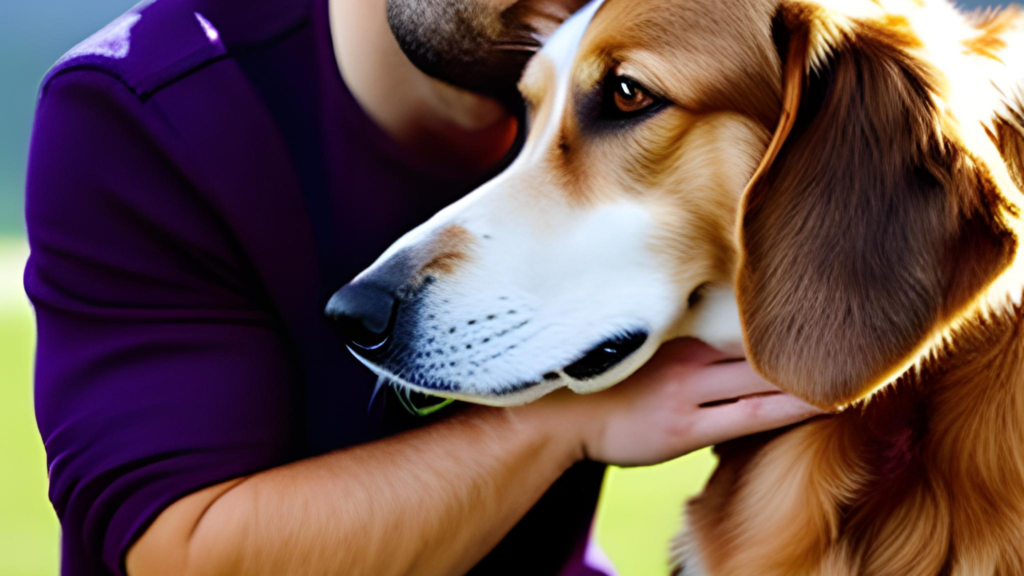
    How Dogs Perceive the World Differently |
    How Dogs Perceive the World Differently

    Dogs perceive the world differently than humans, and their senses are sharper than ours. The sixth canine sense refers to a dog’s ability to detect and respond to stimuli humans cannot see.

    This sixth sense is based on the dog’s incredible sense of smell, acute hearing, and ability to read human body language and facial expressions.

    A dog’s sense of smell is their primary sensory tool, and it’s estimated that they have around 300 million olfactory receptors in their nose, compared to our mere six million.

    This means that dogs can detect scents beyond our sensory range, including the faintest smells, like a drop of blood in a large body of water.

    In addition to their sense of smell, dogs have exceptional hearing that allows them to detect sounds beyond human range.

    They can see it sounds up to four times quieter than humans can hear. This heightened sense of hearing is especially useful for dogs in detecting predators or prey in their environment.

    Lastly, dogs can read human body language and facial expressions to understand our emotions and intentions.

    They are skilled at detecting changes in our posture, tone of voice, and facial expressions, which can help them predict our behavior and respond accordingly.

    Overall, dogs perceive the world through their senses in a vastly different way from humans.

    Their incredible sensory abilities enable them to detect and respond to stimuli beyond our sensory range, making them valuable companions and helpers in many areas of human life.

    What is Negative Energy? Defining the Concept and Its Impact on Humans and Dogs

    Negative energy refers to emotions and feelings that are unpleasant, uncomfortable, or disruptive. It can be caused by stress, anxiety, fear, anger, or other negative emotions that humans and dogs may experience.

    Negative energy can impact a person’s physical and mental health, as well as their overall well-being. It can also have an impact on the behavior and health of dogs.

    For humans, negative energy can manifest as physical symptoms like headaches, fatigue, and muscle tension or emotional symptoms like irritability, anxiety, and depression.

    Chronic exposure to negative energy can lead to more serious health problems like cardiovascular disease, diabetes, and other chronic illnesses.

    For dogs, negative energy can cause behavioral changes such as increased aggression, fear, or avoidance of certain situations or people.

    Dogs may also experience physical symptoms like restlessness, excessive barking, and digestive issues.

    The impact of negative energy on dogs is closely linked to their relationship with their owners. Dogs are highly attuned to their owner’s emotional state.

    They can pick up on negative energy, affecting their behavior and overall health. Dogs that are exposed to chronic negative energy may develop anxiety, depression, and other behavior problems.

    It’s important for pet owners to be aware of their own emotional state and how it may affect their dogs.

    By managing their own negative energy, pet owners can help create a positive and healthy environment for their dogs to thrive in.

    How Can Dogs Sense Negative Energy? Exploring the Different Senses and Signals Involved
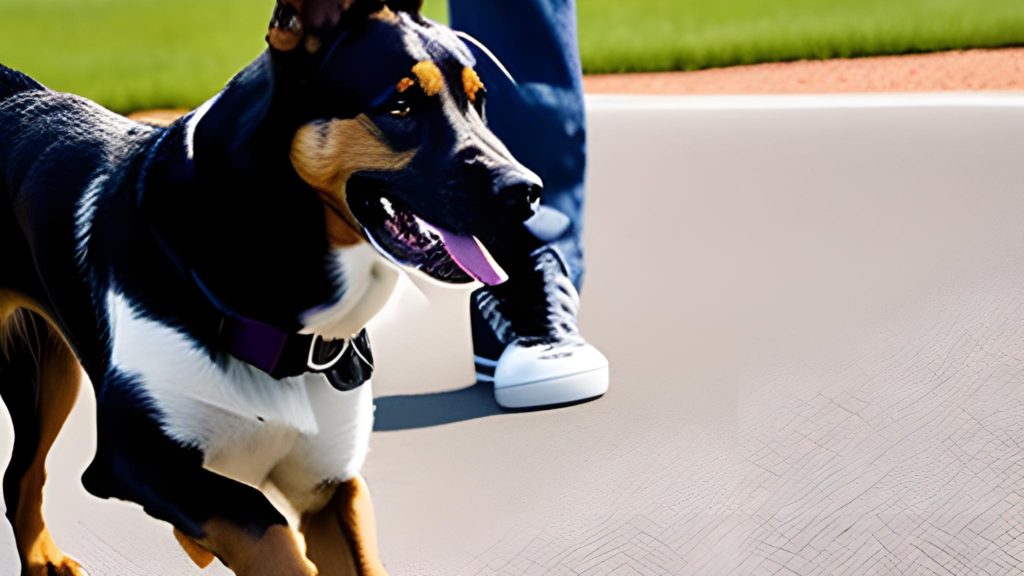
    How Can Dogs Sense Negative Energy?
    How Can Dogs Sense Negative Energy?

    Dogs have a keen sense of intuition and are highly attuned to their environment, including the emotions and feelings of those around them.

    They use their minds to detect negative energy in their surroundings and respond accordingly.

    One of the main ways that dogs sense negative energy is through their sense of smell.

    Dogs have an incredibly keen sense of smell, which allows them to detect subtle changes in the chemical composition of the air around them.

    When a person is experiencing negative emotions, their body chemistry changes and this change can be detected by a dog’s sensitive nose.

    In addition to their sense of smell, dogs also use their sense of hearing to detect negative energy.

    They can pick up on changes in a person’s tone of voice and the cadence of their speech, which can indicate negative emotions like anger, fear, or sadness.

    Dogs are also able to read human body language and facial expressions, which can give them clues about a person’s emotional state.

    For example, a tense person may have a stiff posture or frown on their face, which can be read by a dog as a sign of negative energy.

    Finally, dogs can sense negative energy through their intuition. Dogs are highly attuned to their owner’s emotions and can pick up on subtle changes in their behavior or mood.

    They can sense when something is wrong, even if their owner is not aware of it themselves.

    Overall, dogs use a combination of their senses, including smell, hearing, and intuition, to detect negative energy in their surroundings.

    By paying attention to their dog’s behavior and body language, pet owners can gain insight into their own emotional state and take steps to create a positive and healthy environment for their furry friends.

    Also Read: Mothers Pudding for dogs: A Nutritious and Delicious Treat

    Signs that Your Dog is Sensing Negative Energy: Behavioral and Physiological Indicators

    Dogs are highly sensitive animals capable of catching subtle environmental changes, including negative energy.

    When a dog senses negative energy, it may exhibit a variety of behavioral and physiological indicators. These signs can vary from dog to dog, but some of the most common indicators include:

    Changes in Behavior

    One of the most noticeable signs that your dog is sensing negative energy is a change in their behavior. Some dogs may become more vocal, barking or whining excessively, while others may become quieter.

    They may become more anxious, agitated, or nervous, or they may become more withdrawn or avoidant.

    Changes in Body Language

    Dogs communicate a lot through their body language, and their posture or movement changes can indicate that they are sensing negative energy.

    For example, they may have their tail tucked between their legs and their ears back or avoid eye contact.

    Changes in Eating and Sleeping Habits

    Negative energy can also affect a dog’s eating and sleeping habits. They may lose their appetite or become pickier about their food. They may also have trouble sleeping or become more restless at night.

    Physiological Changes

    Negative energy can also cause physiological changes in a dog’s body. They may have an elevated heart rate, increased respiration, or even digestive issues like vomiting or diarrhea.

    Sensing Negative Energy from Others

    Dogs are highly attuned to their owners’ emotions and can sense negative energy from them. If you are experiencing negative emotions, your dog may become more clingy or follow you around more than usual.

    Overall, suppose you notice any of these signs in your dog. In that case, it’s important to pay attention and identify the source of the negative energy.

    Addressing the underlying cause can help create a positive and healthy environment for your furry friend.

    The Science Behind Dogs’ Ability to Sense Negative Energy: Research and Experiments

    Dogs can sense human emotions and pick up on subtle changes in our behavior, vocalizations, and body language.

    While “negative energy” is difficult to measure or quantify, studies have shown that dogs are highly attuned to our emotional states.

    For example, a study conducted by researchers at the University of Lincoln found that dogs could distinguish between positive and negative emotional expressions on human faces.

    Another study by researchers at the University of Naples found that dogs could detect differences in the scent of sweat produced by humans experiencing fear or anxiety.

    Additionally, research has shown that dogs can pick up on changes in human vocalizations, including recognizing the emotional tone of our voices.

    These studies suggest that dogs are highly perceptive to our emotional cues and can sense changes in our energy and behavior.

    It’s important to note that a dog’s ability to sense negative energy may be influenced by various factors, including genetics, training, and environment.

    Understanding and respecting our dogs’ ability to feel our emotions can create a positive and healthy environment for our furry friends and ourselves.

    Factors That Can Influence Your Dog’s Ability to Sense Negative Energy: Genetics, Training, and Environment

    While all dogs have the innate ability to sense human emotions and energy, several factors can influence how well they can do so. These factors include genetics, training, and environment.

    Genetics plays a role in a dog’s ability to sense negative energy. Some breeds, such as German Shepherds and Labrador Retrievers, are known for their exceptional abilities to sense changes in human emotions.

    This is partly due to their genetics, as these breeds were originally bred for specific tasks such as tracking and hunting, which required a high level of sensitivity to environmental changes.

    Training can also affect a dog’s ability to sense negative energy. Dogs trained to work with humans, such as therapy dogs or service dogs, are often highly attuned to their owners’ emotions and can sense when upset or stressed.

    Training can help dogs learn how to respond appropriately to their owners’ emotions and provide comfort and support when needed.

    The environment is another factor that can influence a dog’s ability to sense negative energy. Dogs that live in a chaotic or stressful environment may become desensitized to changes in human emotions and may need to be more responsive to their owners’ needs.

    On the other hand, dogs that live in a calm and stable environment are more likely to be attuned to their owners’ emotions and able to provide support when needed.

    It’s important to remember that each dog is unique and may respond differently to different factors influencing their ability to sense negative energy.

    Understanding and respecting our dogs’ individual skills and needs can create a positive and healthy environment for our furry friends and ourselves.

    How to Help Your Dog Cope with Negative Energy: Training, Therapy, and Support

    If you suspect that your dog is sensing negative energy or if you are going through a difficult time and want to provide your dog with additional support, there are several steps you can take to help your furry friend cope with their emotions.

    Training is one of the most effective ways to help your dog cope with negative energy. By teaching your dog basic obedience commands such as “sit,” “stay,” and “come,” you can help them feel more secure and confident in their environment.

    Positive reinforcement training, where you reward your dog for good behavior, can also help build a stronger bond between you and your dog and improve their overall sense of well-being.

    Therapy can also be beneficial for dogs that are struggling to cope with negative energy. Animal-assisted treatment, where dogs provide comfort and support to people in hospitals, nursing homes, and other settings, effectively reduces stress and anxiety in both dogs and humans.

    Additionally, specialized therapy dogs are trained to work with people with specific conditions, such as post-traumatic stress disorder (PTSD) or anxiety disorders.

    Support is another important factor in helping your dog cope with negative energy.

    This can come in the form of social support from family and friends and professional support from veterinarians, dog trainers, and behaviorists.

    Talking to your veterinarian or a professional dog trainer can help you identify strategies to help your dog cope with negative energy and provide the support they need to thrive.

    Overall, by providing your dog with the right training, therapy, and support, you can help them cope with negative energy and improve their overall well-being.

    By working closely with your veterinarian and other professionals, you can develop a personalized plan that meets your dog’s needs and helps them live a happy and healthy life.

    It’s important to remember that every dog is unique, and what works for one dog may not work for another.

    Case Studies: Real-Life Examples of Dogs Sensing Negative Energy in Humans
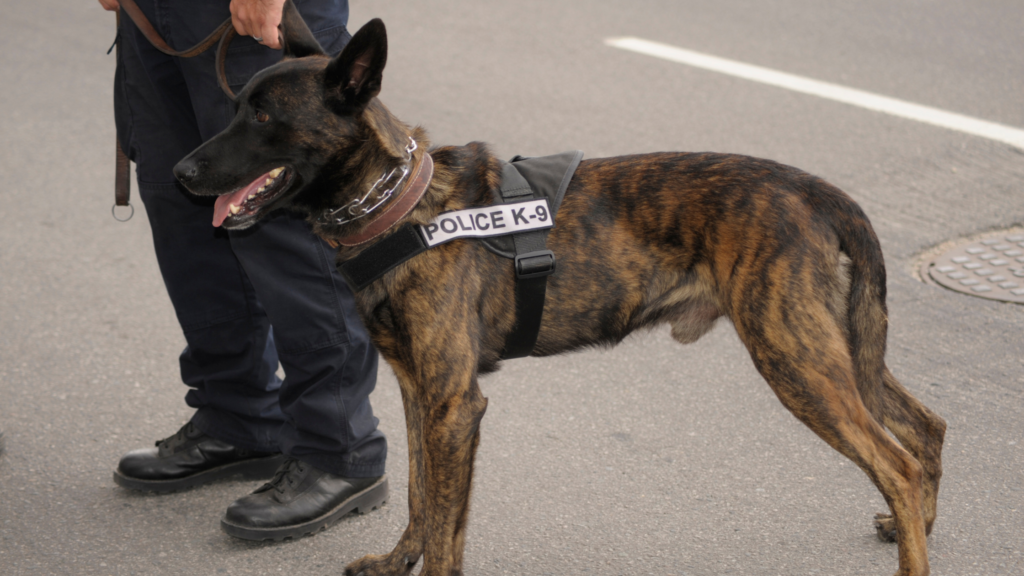
    Real Life Examples of Dogs Sensing Negative Energy in Humans |
    Real-Life Examples of Dogs Sensing Negative Energy in Humans

    Countless anecdotal reports of dogs sensing negative energy in their owners and other humans.

    While these reports are not scientifically proven, they offer intriguing insights into the bond between dogs and humans and their potential to sense emotions that humans may not be aware of.

    One famous example of a dog sensing negative energy occurred after the 9/11 attacks in New York City. Therapy dogs were brought in to comfort rescue workers and others affected by the tragedy.

    Many of these dogs demonstrated an ability to detect stress and anxiety in humans and provide them with a calming presence.

    Similarly, during the COVID-19 pandemic, dogs have been used to detect the virus in humans and provide emotional support to healthcare workers and patients.

    In another example, a therapy dog named Gander was able to sense a patient’s impending seizure and alert their owner to the situation.

    The dog had not been specifically trained to detect attacks but could pick up on the subtle changes in the patient’s behavior and provide an early warning.

    There are also many stories of dogs sensing negative energy in their owners and acting to comfort them.

    For example, some dogs have been known to place a paw on their owner’s hand or arm when feeling sad or anxious.

    Other dogs may become more protective of their owners when they sense they are in danger or under stress.

    While these examples are not conclusive proof that dogs can sense negative energy, they offer compelling evidence that dogs have an innate ability to pick up on human emotional cues.

    Further research is needed to fully understand the science behind this phenomenon.

    Still, these real-life examples demonstrate the unique bond between dogs and humans and the potential for dogs to provide emotional support in times of need.

    Also Read: Can Ramen Noodles Kill Dogs? What Pet Owners Need to Know

    Conclusion: Do Dogs Really Sense Negative Energy? The Complexities of Canine Perception and Behavior.

    The question of whether dogs can sense negative energy is a complex one that is still being explored by scientists and animal behavior experts.

    While there is anecdotal evidence to suggest that dogs can pick up on emotional cues from humans and respond to them in various ways, there is still much we still need to learn about the precise mechanisms involved.

    We know that dogs are highly attuned to their environment and have remarkable sensory abilities that allow them to detect subtle changes in sound, scent, and behavior.

    They are also highly responsive to human emotions. They can become anxious or agitated when their owners are upset or stressed.

    The ability of dogs to sense negative energy may be related to their heightened sensitivity to these environmental and emotional cues.

    It may also be influenced by genetics, training, and socialization, which can shape their perception and behavior.

    Despite the uncertainties surrounding the science of canine perception, the bond between dogs and humans is undeniable.

    Whether dogs truly sense negative energy or not, there is no denying that they can provide emotional support and comfort to their owners in times of need.

    As we continue to explore the mysteries of canine behavior and perception, it is clear that the human-dog relationship is complex and fascinating and deserves further study and appreciation.
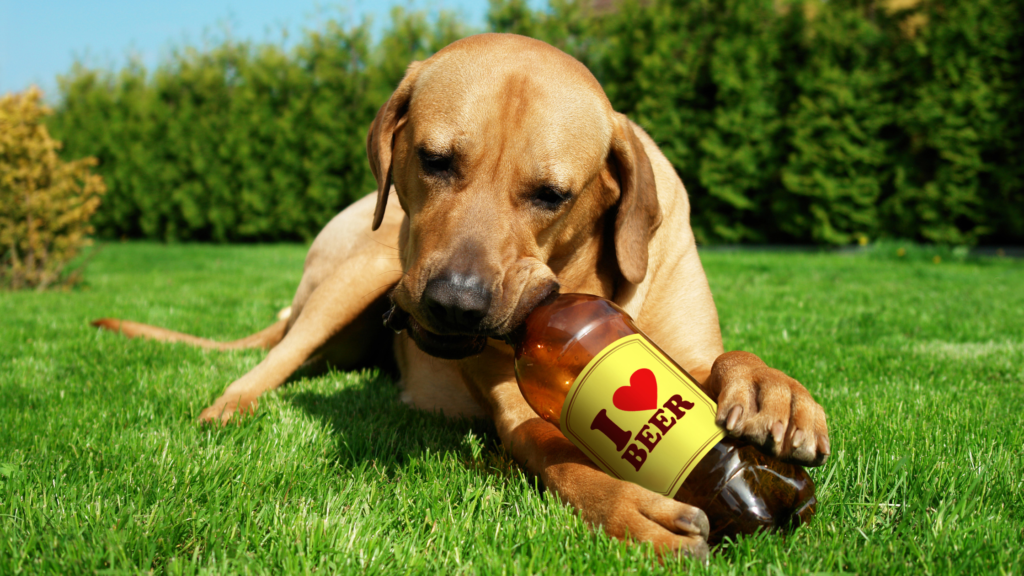
  • Does Beer Kill Worms in Dogs? Separating Myth from Reality

    Does Beer Kill Worms in Dogs? Separating Myth from Reality

    As a dog owner, you may have heard about the supposed benefits of using beer to treat worms in dogs. However, there is a lot of misinformation out there. In this article, we will explore Does beer kills worms in dogs? And provide accurate information to help you make informed decisions about your furry friend’s health.

    Does Beer Kill Worms in Dogs? Separating Myth from Reality

    Does Beer Kill Worms in Dogs2 |
    Does Beer Kill Worms in Dogs?

    Beer is a popular beverage that many people enjoy, but can it be used to treat worms in dogs? The answer is no. Despite what some people may believe, beer is not an effective treatment for worms in dogs. In fact, giving beer to your dog can be harmful and lead to serious health problems.

    Worms can cause various health issues in dogs, such as vomiting, diarrhea, and weight loss. Different types of worms can affect dogs, including roundworms, tapeworms, and hookworms, and each type requires specific treatment. When treating worms in dogs, relying on scientifically proven methods is essential.

    If you suspect your dog has worms, taking them to a veterinarian for a proper diagnosis and treatment plan is crucial. Your vet may recommend deworming medication or other treatments, such as dietary changes. It’s also important to follow preventive measures, such as keeping your dog’s living area clean, regularly deworming them, and maintaining good hygiene.

    In conclusion, while beer may be a popular beverage for humans, it’s not a safe or effective treatment for worms in dogs. If you suspect that your dog has worms, it’s essential to consult with a veterinarian and follow their recommended treatment plan.

    Also Read: Can Dogs Eat Chicken Salad? A Guide to Safe Feeding

    The Harmful Effects of Beer on Dogs

    While beer is a popular beverage for humans, it can harm dogs. Dogs have a different metabolism than humans, so alcohol can have a more severe impact on them.

    Even small amounts of beer can harm dogs and lead to serious health problems. Some harmful effects of beer on dogs include vomiting, diarrhea, difficulty breathing, and even coma.

    Alcohol can also cause dehydration, which can be particularly dangerous for dogs, especially during hot weather.

    In addition, beer contains hops, which can be toxic to dogs and cause hyperthermia, a condition that can lead to high body temperature and other serious health issues.

    It’s also important to note that giving beer to your dog is not recommended to treat worms or other health conditions.

    Beer has no medicinal properties and can harm your dog’s health. Instead, following a veterinarian’s recommended treatment plan and relying on scientifically proven methods to address any health issues your dog may have is crucial.

    In conclusion, beer can have harmful effects on dogs, and it’s essential to avoid giving it to them. If you suspect that your dog has worms or any other health issue, it’s crucial to consult with a veterinarian and follow their recommended treatment plan.

    Symptoms and Treatment of Worms in Dogs

    Worms in Dogs |
    Worms in Dogs

    Worms are a common health issue in dogs, and they can cause a range of symptoms that can vary depending on the type of worm and the severity of the infection.

    Some common symptoms of worms in dogs include vomiting, diarrhea, weight loss, and a lack of energy.

    In some cases, worms may also cause visible signs such as coughing or visible worms in the dog’s stool.

    If you suspect your dog has worms, you must take them to a veterinarian for a proper diagnosis and treatment plan.

    The type of worm your dog has will determine the best course of treatment. For example, roundworms and hookworms are typically treated with deworming medication, while tapeworms may require a different type of medication.

    Your vet may also recommend additional treatments, such as dietary changes or supplements, to support your dog’s recovery.

    Prevention is also vital in managing worms in dogs. Keeping your dog’s living area clean and free from feces can help reduce the risk of infection.

    Regular deworming, based on your veterinarian’s recommendations, is also essential for keeping your dog healthy.

    In conclusion, if you suspect that your dog has worms, it’s essential to consult with a veterinarian for a proper diagnosis and treatment plan.

    You can help your dog recover and stay healthy with the appropriate treatment and preventive measures.

    Natural Remedies for Worms in Dogs

    While medication is typically the most effective way to treat worms in dogs, some natural remedies may also help support your dog’s recovery. Here are a few natural remedies that you may consider:

    • Pumpkin seeds: Pumpkin seeds contain an amino acid called cucurbitin, which can help to paralyze and eliminate worms from the digestive tract. You can grind pumpkin seeds and add them to your dog’s food.
    • Garlic: Garlic has antiparasitic properties and can help to eliminate worms from the digestive tract. However, it’s important to note that garlic can be toxic to dogs in large quantities, so it should only be used in small amounts under the guidance of a veterinarian.
    • Diatomaceous earth: Diatomaceous earth is a fine powder made from the fossilized remains of diatoms. It can help to eliminate worms by damaging their exoskeletons. Be sure to use food-grade diatomaceous earth and follow the recommended dosage.
    • Coconut oil: Coconut oil contains medium-chain fatty acids that can help to eliminate worms from the digestive tract. You can add a small amount of coconut oil to your dog’s food.

    It’s important to note that while natural remedies may help support your dog’s recovery, they should never be used as a substitute for proper veterinary care. If you suspect that your dog has worms, it’s crucial to consult with a veterinarian for an accurate diagnosis and treatment plan.

    Prevention Tips to Keep Your Dog Worm-Free

    Preventing worms in dogs is critical to keeping them healthy and happy. Here are some tips for keeping your dog worm-free:

    • Regular deworming: Regular deworming is essential for preventing worms in dogs. Your veterinarian can recommend a deworming schedule based on your dog’s age, health, and lifestyle.
    • Clean living area: Keeping your dog’s living space clean and free from feces can help reduce infection risk. Regularly clean and disinfect your dog’s food and water bowls, bedding, and toys.
    • Good hygiene: Practicing good hygiene can also help to prevent worms in dogs. Teach children to wash their hands after playing with the dog. Please wash your hands after handling your dog or cleaning up after them.
    • Control fleas: Fleas can transmit tapeworms to dogs, so controlling fleas is essential. Use a flea preventative medication and regularly groom your dog to check for fleas.
    • Avoiding contaminated soil: Dogs can pick up worms from contaminated soil, so avoid letting your dog roam in areas where other animals may have defecated.

    By following these prevention tips, you can help to keep your dog worm-free and healthy. If you suspect that your dog has worms, it’s essential to consult with a veterinarian for a proper diagnosis and treatment plan.

    The role of nutrition in keeping your dog’s digestive system healthy

    Good nutrition is essential for maintaining a healthy digestive system in dogs. Providing your dog with a balanced and nutritious diet can help ensure its digestive system functions correctly and reduce the risk of digestive problems, including those caused by worms.

    Here are some essential nutrients and dietary factors that are important for maintaining digestive health in dogs:

    • Fiber: A diet high in fiber can help regulate digestion and prevent constipation. It can also help promote the growth of beneficial gut bacteria, aiding digestion and boosting the immune system.
    • Protein: Protein is essential for building and repairing body tissues, including those in the digestive system. High-quality protein sources, such as meat, fish, and eggs, are critical for maintaining good digestive health.
    • Probiotics: are beneficial bacteria that can help improve digestion and boost the immune system. Feeding your dog a diet that includes probiotics or providing probiotic supplements can help promote a healthy gut microbiome.
    • Water: Adequate hydration is essential for maintaining good digestion. Ensure your dog has access to plenty of fresh water at all times.
    • Avoiding certain foods: Certain foods, such as those high in fat or sugar, can be problematic for dogs to digest and may lead to digestive problems. Avoid feeding your dog table scraps, and stick to a balanced diet formulated specifically for dogs.

    By ensuring that your dog’s diet includes these essential nutrients and dietary factors, you can help to promote good digestive health and reduce the risk of digestive problems, including those caused by worms.

    The Importance of Regular Veterinary Check-ups

    Regular veterinary check-ups are crucial for maintaining your dog’s health and detecting potential health issues early on. Here are some reasons why regular veterinary check-ups are so important:

    • Early detection of health problems: During a veterinary check-up, your veterinarian will perform a thorough physical exam and may recommend additional tests, such as bloodwork or fecal exams. This helps detect health problems early on when they are easier to treat.
    • Preventive care: Regular veterinary check-ups also allow for preventative care measures to be taken, such as vaccinations, deworming, and flea and tick prevention.
    • Nutrition and weight management: Your veterinarian can also provide advice on your dog’s diet and weight management. This can help to prevent obesity and other health problems associated with poor nutrition.
    • Behavior and Training: Your veterinarian can also offer guidance on behavior and training, improving your dog’s quality of life and strengthening your bond with them.
    • Emergency care: Regular veterinary check-ups can also help ensure you know what to do in an emergency. Your veterinarian can advise on first aid and emergency care, which can save your dog’s life.

    By scheduling regular veterinary check-ups for your dog, you can help keep them healthy and happy for years. If you have any concerns about your dog’s health, you must consult with a veterinarian immediately.

    Also Read: The Best Guide to Salmon and Pollock Oil for Dogs

    Frequently asked questions

    What kills worms in dogs fast?

    There are a few natural remedies that may help to kill worms in dogs quickly. Two of the most effective options are dry coconut and turmeric.

    How do you kill worms in dogs?

    The most common way to kill worms in dogs is by using a commercial dewormer prescribed by a veterinarian. There are also some natural remedies that can be effective.

    Does cigarettes get rid of worms in dogs?

    No, cigarettes are not an effective way to get rid of worms in dogs. In fact, smoking can be harmful to dogs and should be avoided.

    Does apple cider vinegar deworm dogs?

    There is limited scientific evidence to suggest that apple cider vinegar may help to deworm dogs. However, it is not considered a reliable or effective method of treatment.

    What is a natural wormer for dogs?

    There are several natural wormers for dogs, including pumpkin seeds, garlic, and diatomaceous earth. However, it’s important to note that natural remedies may not be as effective as commercial dewormers.

    Can I treat my dog for worms without going to the vet?

    While there are some natural remedies that may help to treat worms in dogs, it’s important to consult with a veterinarian to ensure that your dog receives the appropriate treatment.

    How long does it take for worms to leave a dog?

    The length of time it takes for worms to leave a dog’s system can vary depending on the type of worm and the severity of the infestation. In general, it can take anywhere from a few days to several weeks.

    Can I touch my puppy if he has worms?

    While it’s important to take precautions when dealing with a dog that has worms, there is no need to avoid physical contact altogether. However, it’s important to wash your hands thoroughly after handling your dog.

    How long after deworming will my dog pass worms?

    It’s not uncommon for dogs to pass worms in their feces for several days after being dewormed. However, if your dog continues to pass worms after a week or two, it’s important to contact your veterinarian.

    How do I know if my dogs worms are gone?

    The only way to know for sure if your dog’s worms are gone is by having a veterinarian perform a fecal exam. However, some signs that your dog’s worms may be gone include a decrease in symptoms and a general improvement in overall health.

    Are worms still alive after deworming?

    In some cases, it is possible for worms to still be alive after deworming. However, in most cases, the dewormer will be effective at killing the majority of worms.

    When you deworm a dog, do the worms come out alive?

    It’s not uncommon for worms to be passed in a dog’s feces after being dewormed. However, it’s important to note that not all worms will be visible to the naked eye.

    Do dogs poop more after deworming?

    It’s not uncommon for dogs to have slightly more frequent bowel movements after being dewormed. However, if your dog is experiencing diarrhea or other abnormal symptoms, it’s important to contact your veterinarian.

    What is white worms in dogs poop?

    White worms in a dog’s poop could be a sign of tapeworms, which are a common type of worm in dogs. It’s important to contact your veterinarian for treatment.

    What happens if you don’t deworm your dog?

    If you don’t deworm your dog, they can suffer from a range of health problems, including weight loss, weakness in the muscles and bones, and diarrhea (which can lead to more serious health problems like vomiting and anemia).

    How quickly does dewormer work?

    The effectiveness and speed of dewormer can vary depending on the type of dewormer and the type of worms being treated. Some dewormers may work within hours, while others may take several days to take effect.

    How did my dog get worms?

    Dogs can get worms from a variety of sources, including ingesting contaminated soil, feces, or other materials that contain worm eggs or larvae. They can also contract worms from other infected animals.

    How can I deworm my dog at home?

    While there are over-the-counter dewormers available, it is important to talk to your veterinarian before administering any medications to your dog. Your veterinarian can recommend the best course of treatment based on the type of worms your dog has and their overall health.

    What is the best dewormer for dogs?

    The best dewormer for your dog depends on their specific needs and the type of worms they have. Your veterinarian can recommend the best course of treatment and prescribe medication if necessary. Some common dewormers for dogs include fenbendazole, praziquantel, and pyrantel pamoate.

    How often should I deworm my dog?

    It is generally recommended to deworm your dog every 3 to 6 months, depending on your dog’s lifestyle and risk of exposure to worms.

    Can humans get worms from dogs?

    Yes, it is possible for humans to get certain types of worms from dogs, such as roundworms and hookworms. It is important to practice good hygiene, such as washing your hands after handling your dog’s feces, to minimize the risk of transmission.

    Can dogs get worms from eating raw meat?

    Yes, dogs can get worms from eating raw meat that is contaminated with parasites. It is important to properly handle and prepare raw meat if you choose to feed it to your dog.

    Can I give my dog garlic to prevent worms?

    Garlic is sometimes recommended as a natural remedy for preventing worms in dogs, but its effectiveness is not scientifically proven. It is important to talk to your veterinarian before giving your dog any new supplements or remedies.

    Can I see worms in my dog’s poop?

    Yes, it is possible to see worms in your dog’s poop if they have a heavy infestation. However, not all types of worms are visible to the naked eye.

    Can I use over-the-counter dewormers for my dog?

    There are over-the-counter dewormers available, but it is important to talk to your veterinarian before using them. Your veterinarian can recommend the best dewormer for your dog based on their specific needs.

    How can I prevent my dog from getting worms?

    You can prevent your dog from getting worms by practicing good hygiene, such as picking up and disposing of their feces promptly, and by deworming them regularly. It is also important to keep your dog away from areas where they may be exposed to parasites, such as areas with high amounts of wildlife feces.

  • Are Peonies Toxic to Dogs? What You Need to Know

    Are Peonies Toxic to Dogs? What You Need to Know

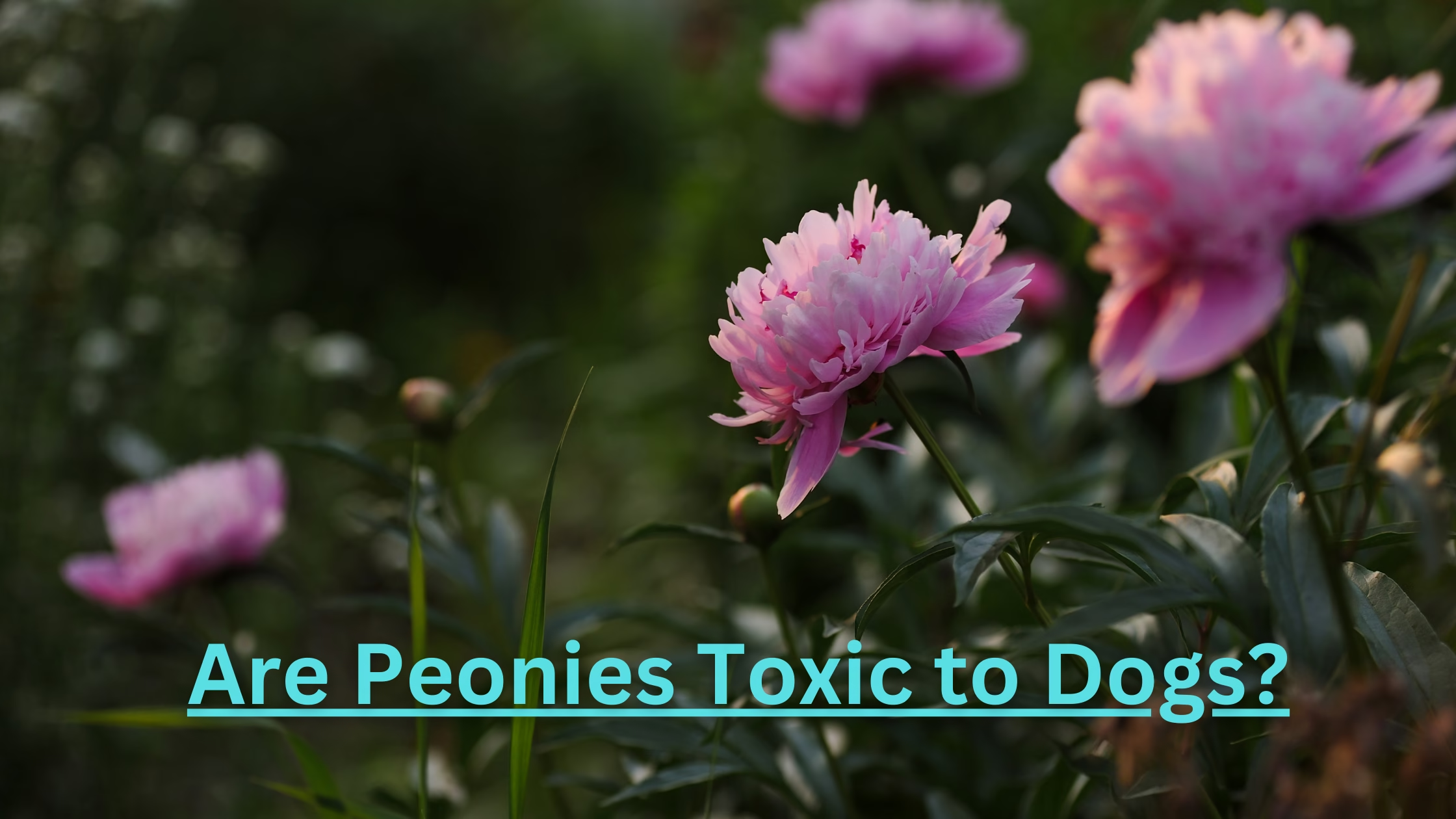
    As a pet owner, one of your top priorities is keeping your furry friend safe and healthy. While most of us know to keep harmful substances like cleaning products and medications out of reach, many may not be aware that certain plants and flowers can be toxic to dogs. Peonies, for example, are a popular and beautiful addition to many gardens and floral arrangements. Still, they can be dangerous if ingested by dogs. In this article, we’ll explore Are Peonies Toxic to Dogs? The potential risks of peony ingestion for dogs, the symptoms of peony poisoning, and how to keep your dog safe.

    What are peonies? Are Peonies Toxic to Dogs?

    What are peonies |
    What are peonies?

    Peonies are a widespread flowering plant native to Asia, Europe, and Western North America. They are known for their large, colorful, and fragrant blooms and are often used in gardens and as cut flowers in floral arrangements. Peonies come in various colors, including white, pink, red, and yellow. They are a popular choice for weddings and other special events. While peonies are generally considered safe for humans, they can pose a potential dog risk if ingested.

    What part of the peony is poisonous to dogs?

    All parts of the peony plant contain substances that can be toxic to dogs if ingested, including flowers, stems, leaves, and roots. The toxic compounds in peonies are called Paeonol and paeoniflorin, which can cause a range of symptoms in dogs if consumed in sufficient quantities. These symptoms can range from mild gastrointestinal upset, such as vomiting and diarrhea, to more severe reactions, such as seizures and coma. Ingesting large amounts of peonies can also lead to heart and respiratory failure, which can be life-threatening. It’s essential to keep your dog away from peonies and other potentially toxic plants to prevent accidental ingestion.

    Also Read: Can Dogs Eat Lemon Pepper? Is lemon pepper safe for dogs?

    What are the symptoms of peony poisoning in dogs?

    The symptoms of peony poisoning in dogs can vary depending on the amount of plant material ingested and the size and health of the dog. Some of the most common symptoms of peony poisoning in dogs include:

    • Vomiting and diarrhea
    • Abdominal pain and cramping
    • Loss of appetite
    • Lethargy and weakness
    • Dehydration
    • Pale gums
    • Excessive drooling and panting
    • Rapid heart rate
    • Tremors and seizures
    • Coma

    Suppose your dog exhibits these symptoms after ingesting peonies or any other potentially toxic plant. In that case, it’s essential to seek veterinary attention immediately. Prompt treatment can help prevent serious complications and improve your dog’s chances of full recovery.

    My dog just ate a peony – What to do if your dog ingests peonies?

    Suppose you suspect that your dog has ingested peonies or any other potentially toxic plant. In that case, it’s essential to seek veterinary attention right away. Here’s what you should do:

    1. Remove your dog from the area and any remaining plant material.
    2. Call your veterinarian or a pet poison control hotline immediately. They can provide guidance on what to do next and advise whether you need to bring your dog in for treatment.
    3. If your veterinarian advises you to induce vomiting, follow their instructions carefully. Do not induce vomiting unless instructed to do so by a veterinary professional.
    4. If you’re instructed to bring your dog to the vet, bring a sample of the plant or any remaining plant material with you for identification purposes.
    5. Follow your veterinarian’s treatment plan carefully and monitor your dog closely for any changes in behavior or symptoms.

    Remember, prompt action is the key to successfully treating plant poisoning in dogs. Don’t hesitate to contact your veterinarian if your dog has ingested a toxic plant like peonies.

    How to prevent your dog from ingesting peonies?

    How to prevent your dog from ingesting peonies |
    How to prevent your dog from ingesting peonies?

    Here are some tips to help prevent your dog from ingesting peonies:

    1. Keep peonies and other potentially toxic plants out of your dog’s reach. If you have peonies in your garden or home, ensure they are securely fenced off or placed in an area your dog cannot access.
    2. Supervise your dog when outside. Keep an eye on your dog in the yard or on walks to ensure they don’t come into contact with any toxic plants.
    3. Train your dog to leave plants alone. Teaching your dog the “leave it” command can help prevent them from eating things they shouldn’t, including plants.
    4. Use deterrents. Some dogs may be deterred by taste or smell deterrents that can be sprayed on plants. Also, placing barriers like chicken wire around plants to prevent access.
    5. Be aware of other plants that are toxic to dogs. Make sure you know which plants are toxic to dogs and take steps to prevent your dog from coming into contact with them.

    Following these tips can help keep your dog safe from peony poisoning and other plant-related illnesses. If you need clarification on whether a plant is safe for your dog, consult your veterinarian or a veterinary toxicologist for guidance.

    Safe alternatives to peonies for your home and garden

    Suppose you’re concerned about the potential risks of peonies and other toxic plants. In that case, you can consider many safe and dog-friendly alternatives for your home and garden. Here are a few options to consider:

    • Marigolds – These colorful flowers are an excellent choice for adding color to your garden. They’re non-toxic to dogs and other pets, making them a safe option for any pet owner.
    • Petunias – Petunias are another dog-friendly option that comes in various colors. They can be used as ground cover or in pots and hanging baskets.
    • Snapdragons – These pretty flowers are popular for adding height to garden beds and come in various colors. They’re also non-toxic to dogs, making them a safe option for pet owners.
    • Sunflowers – Sunflowers are an excellent option for adding height and color to your garden. They’re non-toxic to dogs and can be a fun addition to your dog’s outdoor play area.
    • Herbs – Herbs like basil, parsley, and thyme are safe for dogs and can also be used to add flavor to your cooking. They can be grown in pots or garden beds and are easy to care for.

    Always do your research and consult a veterinary professional if you need clarification on whether a plant is safe for your dog. By choosing dog-friendly plants for your home and garden, you can keep your pet safe and healthy while enjoying the beauty of nature.

    Other common flowers and plants toxic to dogs

    Many flowers and plants can be toxic to dogs; you must be aware of them if you’re a pet owner. Here are a few other common flowers and plants that can be toxic to dogs:

    • Lilies – are highly toxic to dogs; even small amounts can cause severe illness or death. This includes Easter lilies, tiger lilies, and daylilies.
    • Daffodils – Daffodils contain toxic alkaloids that can cause vomiting, diarrhea, abdominal pain, and even convulsions in dogs.
    • Tulips – Tulips contain toxic alkaloids that can cause gastrointestinal upset, loss of appetite, and depression in dogs.
    • Azaleas and Rhododendrons – These plants contain toxins called grayanotoxins that can cause vomiting, diarrhea, and even coma or death in dogs.
    • Sago Palms – Sago’s palms contain cycasin. This toxin can cause vomiting, diarrhea, seizures, liver failure, and even death in dogs.

    It’s important to note that this is not a comprehensive list, and many other flowers and plants can be toxic to dogs. Before introducing new plants to your home or garden, consult a veterinarian if you suspect your dog has ingested a poisonous plant.

    Frequently Asked Question

    Are all parts of the peony plant toxic to dogs?

    Yes, all parts of the peony plant, including the flowers, leaves, and roots, contain substances that can be toxic to dogs.

    How quickly do symptoms of peony poisoning appear in dogs?

    Symptoms can appear within a few hours of ingestion but may take up to a few days to develop.

    What should I do if I suspect my dog has ingested peonies?

    Contact your veterinarian immediately, even if your dog is not showing symptoms yet. Your vet can help you determine the best action based on your dog’s situation.

    Can peony poisoning be fatal for dogs?

    In severe cases, peony poisoning can be fatal. You must seek veterinary care immediately if you suspect your dog has ingested peonies.

    Are there any safe alternatives to peonies for my garden or floral arrangements?

    Yes, there are many safe options for adding beauty to your home or garden. Some secure plant options for dogs include marigolds, petunias, and sunflowers.

    Also Read: Are Orbeez Toxic to Dogs? A Comprehensive Guide

    Conclusion: Protecting your dog from potential hazards

    As a pet owner, you must know the potential hazards that can harm your furry friend. This includes being informed about the toxicity of certain plants and flowers, such as peonies, and taking steps to protect your dog from ingesting them.

    By being aware of the symptoms of poisoning, you can act quickly to seek veterinary care and potentially save your dog’s life. In addition, knowing about safe alternatives and preventing access to toxic plants can help keep your dog healthy and happy.

    Ultimately, being a responsible pet owner means staying informed about potential hazards and taking steps to protect your furry friend from harm. Doing so allows you to enjoy a happy and healthy relationship with your beloved dog for years to come.

  • Are Orbeez Toxic to Dogs? A Comprehensive Guide

    Are Orbeez Toxic to Dogs? A Comprehensive Guide

    Orbeez is a popular toy among children and adults alike. When soaked in water, these tiny, colorful beads can expand to hundreds of times their original size. But, as a responsible pet owner, you might wonder whether they are safe for your furry friend. This article will explore Are Orbeez Toxic to Dogs? and how to keep your pet safe.

    What are Orbeez, and how do they work?

    What are Orbeez |
    What are Orbeez, and how do they work?

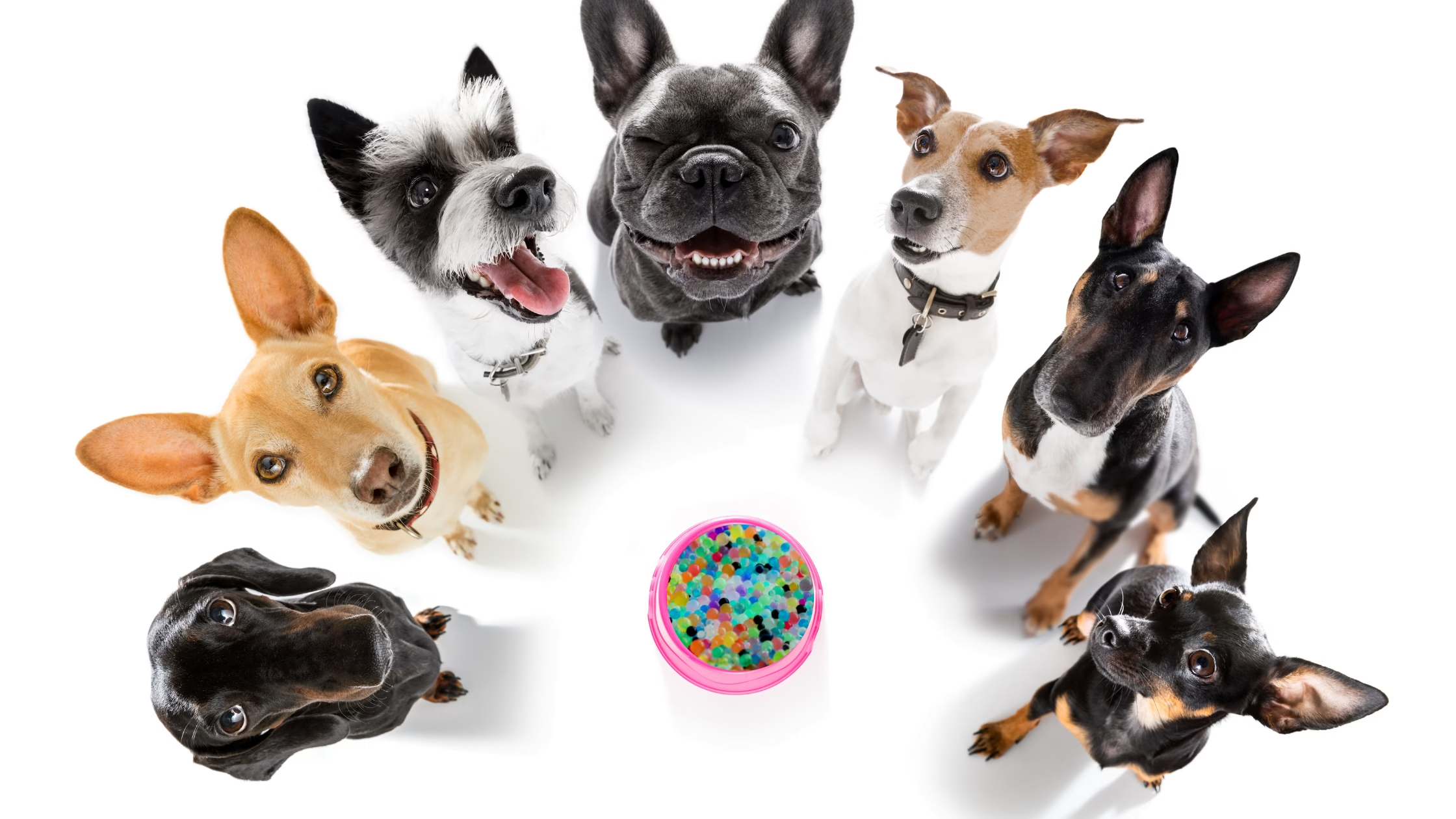
    Orbeez is tiny, round beads made of a superabsorbent polymer. They are commonly used as a sensory toys or for decoration in crafts and floral arrangements. When Orbeez is dry, they are hard and small, but when you soak them in water, they can expand up to 100-300 times their original size, becoming soft, squishy, and bouncy.

    The science behind Orbeez is fascinating. The beads are made of sodium polyacrylate, a polymer that can absorb and hold water. When you add water, the sodium polyacrylate molecules swell and drink the water, causing the beads to expand. The more water they absorb, the larger they become, which makes them entertaining sensory toys for children and adults alike.

    It is important to note that while Orbeez is safe for human use, it can pose a danger to dogs if ingested. Dogs can mistake the colorful beads for food or toys, and the superabsorbent nature of Orbeez can lead to serious health issues if consumed in large amounts. Keeping Orbeez out of reach of pets is crucial to prevent accidental ingestion.

    Is Orbeez safe for humans?

    Is Orbeez safe for humans |
    Is Orbeez safe for humans?

    Orbeez is considered safe for human use as long as they are used as intended. They are often used as sensory toys, decorations, or for gardening purposes. However, it is essential to note that Orbeez is not edible and should not be ingested. If accidentally swallowed, they can cause choking, and if inhaled, they can cause respiratory problems.

    In addition, it is crucial to follow the instructions the manufacturer provides when using Orbeez. They should be soaked in water for the recommended amount of time. They should not be left unattended in water for extended periods. Over time, Orbeez can break down; if they are not disposed of properly, they can create a mess and clog drains.

    Overall, Orbeez is safe for human use as long as they are used as intended and with proper care and supervision.

    What happens if a dog eats Orbeez?

    If a dog ingests Orbeez, it can pose a severe health risk. The super absorbent nature of Orbeez means that they can expand to many times their original size when they come in contact with water, and this can lead to blockages or obstructions in the digestive tract.

    If a dog eats Orbeez, the beads can expand in the stomach or intestines, causing a blockage. This can lead to a range of symptoms, including vomiting, diarrhea, abdominal pain, and loss of appetite. In severe cases, an intestinal blockage can cause dehydration, sepsis, or even death if left untreated.

    It is important to note that the risk of harm to a dog depends on the amount of Orbeez ingested and the dog’s size. Smaller dogs are at a higher risk of developing an intestinal blockage from eating Orbeez.

    If you suspect that your dog has ingested Orbeez, it is crucial to seek veterinary care immediately. A vet may recommend monitoring the dog’s symptoms or performing imaging tests, such as X-rays or ultrasounds, to check for any blockages or obstructions in the digestive tract. In some cases, surgery may be required to remove the blockage.

    Also Read: Are Dogs Allowed in Kroger? Can You Bring Your best Friend to the Store?

    Are water beads toxic to dogs? Or Are Orbeez toxic to dogs?

    Orbeez is not necessarily toxic to dogs but can cause serious health problems if ingested. The super absorbent nature of Orbeez means that they can expand to many times their original size when they come in contact with water, and this can lead to blockages or obstructions in the digestive tract.

    If a dog ingests Orbeez, it can expand in the stomach or intestines, causing a blockage that can lead to a range of symptoms, including vomiting, diarrhea, abdominal pain, and loss of appetite. In severe cases, an intestinal blockage can cause dehydration, sepsis, or even death if left untreated.

    It is important to note that the risk of harm to a dog depends on the amount of Orbeez ingested and the dog’s size. Smaller dogs are at a higher risk of developing an intestinal blockage from eating Orbeez.

    To prevent your dog from ingesting Orbeez, it is essential to keep them out of reach and dispose of them properly. If you suspect that your dog has ingested Orbeez, it is necessary to seek veterinary care immediately. A vet may recommend monitoring the dog’s symptoms or performing imaging tests, such as X-rays or ultrasounds, to check for any blockages or obstructions in the digestive tract. In some cases, surgery may be required to remove the blockage.

    Symptoms of Orbeez ingestion in dogs

    If a dog ingests Orbeez, it can cause a blockage or obstruction in the digestive tract, leading to a range of symptoms. The symptoms may vary depending on the amount of Orbeez ingested and the dog’s size. Some of the common symptoms of Orbeez ingestion in dogs include:

    • Vomiting: A dog may repeatedly vomit if they have eaten Orbeez. The vomiting may be accompanied by retching or dry heaving.
    • Diarrhea: Orbeez ingestion can also cause diarrhea in dogs, which may be watery, bloody, or mucous.
    • Abdominal pain: A dog may experience abdominal pain, discomfort, or bloating if they have eaten Orbeez. They may also show signs of distress, such as whining or pacing.
    • Loss of appetite: Orbeez ingestion can cause a loss of appetite in dogs. They may need more interest in food or treats.
    • Lethargy: A dog may become lethargic or show signs of weakness if they have eaten Orbeez.
    • Dehydration: If dogs cannot keep fluids down due to vomiting or diarrhea caused by Orbeez ingestion, they may become dehydrated.

    If your dog shows any of these symptoms, it is essential to seek veterinary care immediately. A vet may recommend monitoring the dog’s symptoms or performing imaging tests, such as X-rays or ultrasounds, to check for any blockages or obstructions in the digestive tract. In some cases, surgery may be required to remove the blockage.

    What to do if your dog eats Orbeez?

    Suppose you suspect that your dog has eaten Orbeez. In that case, it is essential to take immediate action to minimize the risk of harm. Here are the steps you can take:

    • Stay calm: It is essential to stay calm and assess the situation. Do not panic or try to induce vomiting unless instructed by a veterinarian.
    • Contact your veterinarian: Call your veterinarian or local animal emergency clinic immediately for advice. They can guide you on the next steps and whether you must bring your dog in for treatment.
    • Observe your dog’s symptoms: Watch your dog closely for signs of distress or discomfort, such as vomiting, diarrhea, abdominal pain, or loss of appetite.
    • Do not give your dog anything to eat or drink: Do not give your dog any food or water unless instructed by a veterinarian. This can help prevent further complications if the Orbeez has already started to expand in the stomach.
    • Provide your vet with all necessary information: Be sure to provide your veterinarian with as much information as possible, including the quantity of Orbeez ingested, the time of ingestion, and your dog’s current symptoms.
    • Follow your veterinarian’s advice: Follow the advice given by your veterinarian, including any medication or treatment recommended.

    Prevention is critical to keeping your dog safe from ingesting harmful objects. Keep Orbeez and other small objects out of reach, and supervise your dog when playing with toys or chewing on things.

    How to prevent your dog from eating Orbeez

    Preventing your dog from eating Orbeez is essential to protect them from potential harm. Here are some ways to prevent your dog from eating Orbeez:

    • Keep Orbeez out of reach: Store Orbeez and other small objects securely outside your dog’s reach. Please keep them in a sealed container or cupboard.
    • Supervise your dog: Supervise your dog when they are playing with toys or chewing on things. If you notice they are trying to eat something, they shouldn’t redirect their attention to a toy or treat.
    • Train your dog: Train your dog to leave things alone that they shouldn’t eat. Use positive reinforcement techniques to encourage good behavior.
    • Use pet-friendly toys: Choose pet-friendly toys that are durable and designed for your dog’s size and chewing habits. Avoid toys that can easily break apart, exposing small parts your dog may try to eat.
    • Dispose of Orbeez properly: When you are finished using Orbeez, dispose of them properly. Please do not leave them lying around where your dog can access them.

    By following these tips, you can help keep your dog safe and prevent them from ingesting Orbeez or other small objects that could be harmful. If you suspect your dog has ingested Orbeez or something dangerous, seek veterinary care immediately.

    Also Read: Can Dogs Eat Venison? Best Guide

    Alternatives to Orbeez for your dog’s entertainment

    Alternatives to Orbeez for your dogs entertainment |
    Alternatives to Orbeez for your dog’s entertainment

    There are many safe alternatives to Orbeez that you can provide to your dog for their entertainment. Here are some options:

    • Kong toys: Kong toys are durable and can be filled with treats, peanut butter, or other goodies to keep your dog entertained.
    • Puzzle toys: Puzzle toys challenge your dog’s mind and keep them engaged. Many different types of puzzle toys are available, including treat-dispensing toys and interactive games.
    • Chew toys: Chew toys are great for dogs who love to chew. Look for durable chew toys from safe materials, such as rubber or nylon.
    • Squeaky toys: Squeaky toys are fun for dogs who love to play and chase after things. Just be sure to supervise your dog when playing with squeaky toys to ensure they do not swallow any small parts.
    • Rope toys: Rope toys are great for playing tug-of-war with your dog. They are durable and can help clean your dog’s teeth as they chew on them.

    Remember, always supervise your dog when they are playing with toys to ensure their safety. If you are still determining whether a toy is safe for your dog, consult your veterinarian or a pet expert. You can help keep your dog entertained and happy by providing safe and engaging toys.

    Conclusion: Orbeez and your dog’s safety.

    In conclusion, while Orbeez may seem like a fun and harmless toy, they can be dangerous for dogs if ingested. If your dog has ingested Orbeez, it is crucial to take immediate action to minimize the risk of harm. Contact your veterinarian or local animal emergency clinic immediately for advice and guidance on the next steps.

    Prevention is vital to protecting your dog from ingesting harmful objects like Orbeez. Keep small objects out of reach and supervise your dog when playing with toys or chewing on things. Choose safe and durable toys for your dog’s size and chewing habits.

    Taking these steps can help keep your dog safe and prevent them from ingesting Orbeez or other harmful objects. Remember, the safety and well-being of your dog should always be a top priority.

  • Does Proin Kill Dogs? Is Proin Bad for dogs?

    Does Proin Kill Dogs? Is Proin Bad for dogs?

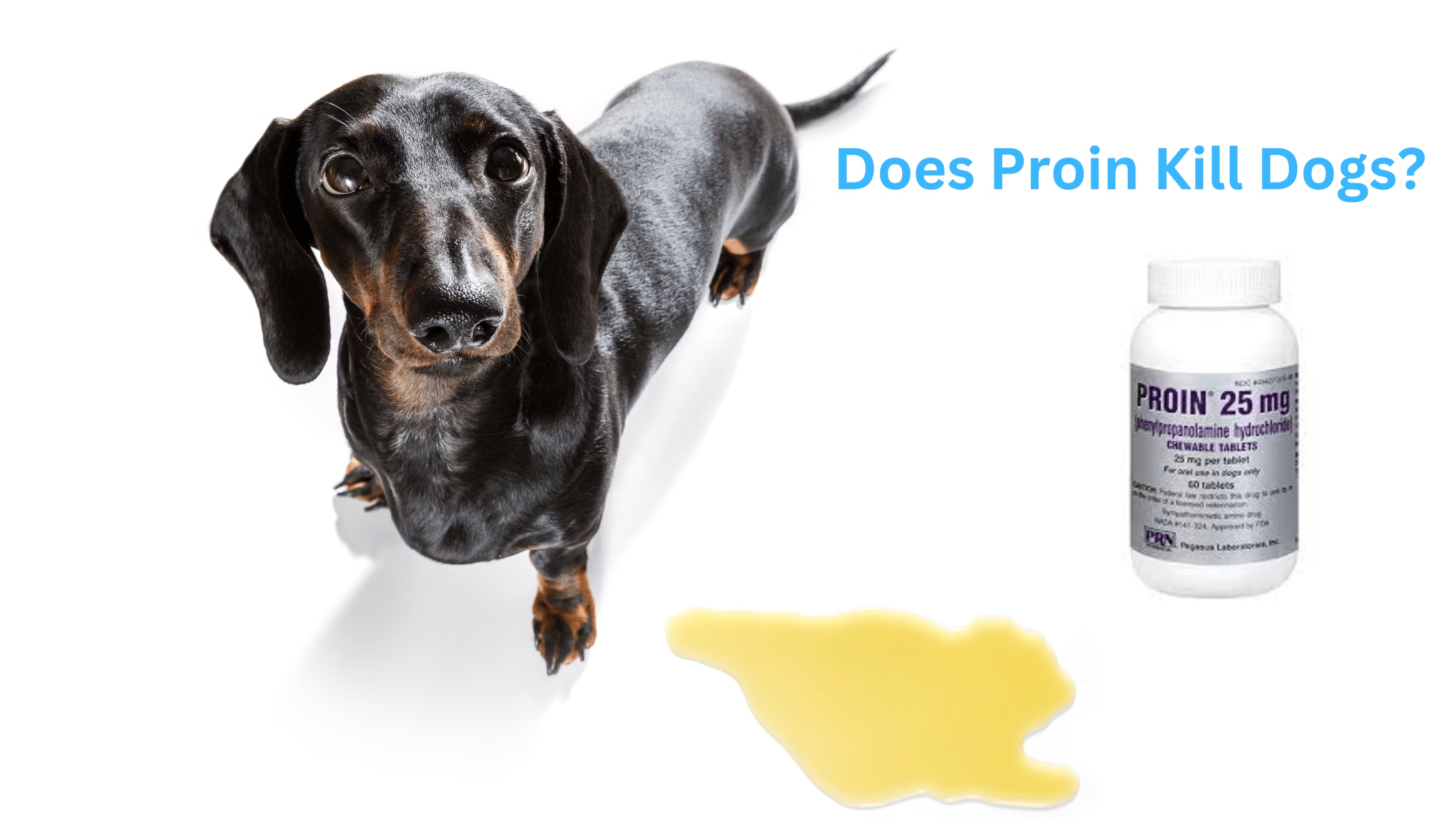
    Does Proin Kill Dogs? NO, Proin does not typically kill dogs when used as directed by a veterinarian. However, Proin can have potential side effects like any medication and should only be given to dogs under veterinary supervision.

    Proin, also known as phenylpropanolamine, is a medication commonly prescribed to treat urinary incontinence in dogs. While it can effectively manage this condition, concerns about its safety and potential side effects have led pet owners to question whether Proin can kill dogs. In this article, we will examine the facts surrounding Proin use in dogs and discuss the risks and benefits of this medication.

    What is Proin, and how does it work?

    Urinary incontinence is a condition in which dogs leak urine involuntarily. This can be caused by various factors, such as a weakened bladder or a urinary tract infection. Proin is a medication commonly used to treat urinary incontinence in dogs.

    Proin works by tightening the muscles in the urethra, the tube that carries urine from the bladder to the outside of the body. By tightening these muscles, Proin helps to prevent urine from leaking out.

    Proin contains an active ingredient called phenylpropanolamine, a type of medication known as a sympathomimetic. This means that it works by mimicking the sympathetic nervous system’s actions, which regulate bodily functions such as heart rate and blood pressure. By mimicking these actions, Proin can help to reduce the symptoms of urinary incontinence in dogs.

    Also Read : Is a Maltese Husky Mix the Best Dog Breed for You? Find Out Here

    Why is Proin prescribed for dogs?

    Proin is prescribed for dogs with urinary incontinence, a condition in which dogs cannot control their bladder and leak urine involuntarily. Urinary incontinence can be caused by various factors, such as a weakened bladder or a urinary tract infection.

    Proin is an effective treatment for urinary incontinence in dogs because it works by tightening the muscles in the urethra, which is the tube that carries urine from the bladder to the outside of the body. By tightening these muscles, Proin helps to prevent urine from leaking out.

    Proin is often prescribed for female dogs that have been spayed, as spaying can increase the risk of urinary incontinence. Male dogs can also develop urinary incontinence, although it is less common in males than females. Proin can also treat other conditions, such as certain types of skin allergies and behavioral disorders, although these are less common.

    Side effects of Proin in dogs?

    While Proin is an effective treatment for urinary incontinence in dogs, it can cause side effects in some cases. Some of the most common side effects of Proin include restlessness, agitation, and increased heart rate. These side effects are mild and temporary and often disappear as the dog’s body adjusts to the medication.

    In some cases, Proin can cause more severe side effects. These can include seizures, high blood pressure, and difficulty breathing. These side effects are rare but can be severe and require immediate veterinary attention.

    Proin can also interact with other medications, so it is important to tell your veterinarian about any other medications or supplements your dog takes before starting Proin. This will help to reduce the risk of potential interactions and side effects.

    If you notice any signs of side effects in your dog while taking Proin, such as vomiting, diarrhea, or lethargy, you should immediately contact your veterinarian. They may recommend adjusting the dose of Proin or switching to a different medication to manage your dog’s urinary incontinence.

    Does Proin kill dogs?

    There is no evidence to suggest that Proin directly causes death in dogs. However, like any medication, Proin can cause side effects, some of which can be serious and potentially life-threatening if left untreated.

    In rare cases, Proin can cause a sudden and severe increase in blood pressure, leading to organ damage or failure. This is most likely to occur in dogs with underlying heart or kidney disease or in dogs taking other medications that can interact with Proin.

    While these side effects are rare, they can be severe and require immediate veterinary attention. It is crucial to monitor your dog closely while taking Proin and to contact your veterinarian if you notice any side effects, such as vomiting, diarrhea, or lethargy.

    It is also essential to follow your veterinarian’s instructions for administering Proin and to only give your dog the prescribed dose. Overdosing on Proin can increase the risk of side effects and may be life-threatening in severe cases. By following your veterinarian’s instructions and monitoring your dog closely, you can help to reduce the risk of potential side effects and ensure that your dog is safe and healthy while taking Proin.

    How to monitor your dog’s response to Proin?

    How to monitor your dogs response to Proin |
    How to monitor your dog’s response to Proin

    If your dog has been prescribed Proin, it is essential to monitor their response to the medication to ensure that it works effectively and that they are not experiencing any side effects.

    One of the most important things to monitor is your dog’s urinary habits. Please track how often your dog urinates and whether it can control its bladder. If your dog’s urinary incontinence has improved since starting Proin, this is a good indication that the medication works effectively.

    It is also essential to monitor your dog for any signs of side effects, such as restlessness, agitation, increased heart rate, or decreased appetite. If you notice any of these signs, contact your veterinarian right away. They may recommend adjusting the dose of Proin or switching to a different medication to manage your dog’s urinary incontinence.

    In addition to monitoring your dog’s urinary habits and behavior, following up with your veterinarian regularly is essential to ensure that Proin is still the most appropriate treatment for your dog. Your veterinarian may recommend blood tests or other diagnostic tests to monitor your dog’s health and ensure that Proin is not causing any adverse effects on its organs or other bodily functions.

    By monitoring your dog’s response to Proin and working closely with your veterinarian, you can help to ensure that your dog is safe and healthy while managing their urinary incontinence.

    Also Read : Rottweilers with cropped ears Deciding What’s Best for Your Dog

    Alternatives to Proin for treating urinary incontinence in dogs.

    There are several alternative treatment options available for managing urinary incontinence in dogs, aside from Proin. These alternatives include changes to the dog’s diet and exercise routine and other medications that work in different ways to treat incontinence.

    One approach to managing urinary incontinence is to modify the dog’s diet to include more fiber or moisture, which can help to improve bowel and bladder function. Increasing the dog’s exercise routine can also help improve muscle tone and control, reducing the frequency and severity of urinary accidents.

    Another alternative to Proin is hormone replacement therapy, which may be appropriate for dogs with urinary incontinence caused by a hormonal imbalance. Hormone replacement therapy can help restore the body’s balance of hormones and improve bladder control.

    If your dog’s urinary incontinence is caused by an underlying medical condition, such as a urinary tract infection or bladder stones, treating the underlying condition may be enough to improve bladder control. This may involve antibiotics or surgery to remove the bladder stones.

    Other medications that may be used to treat urinary incontinence in dogs include estrogen supplements, which can help to improve muscle tone in the urethra and bladder, and imipramine, which can help to reduce bladder contractions and improve bladder capacity.

    In some cases, surgery may be recommended to correct an underlying structural problem contributing to the incontinence.

    Suppose you are concerned about your dog’s urinary incontinence. The best course of treatment for urinary incontinence in dogs will depend on the underlying cause of the condition and the individual health status of the dog. In that case, it is essential to consult with your veterinarian to determine the most appropriate and effective treatment options for your dog’s individual needs.

    Tips for administering Proin safely.

    Administering Proin safely is essential to ensure that your dog receives the correct dose and to reduce the risk of potential side effects. Here are some tips for administering Proin safely:

    1. Always follow your veterinarian’s instructions for administering Proin. This may involve giving the medication with food or at specific times of the day.
    2. Use a pill cutter or ask your veterinarian to prescribe the appropriate dose for your dog’s weight. Do not attempt to cut or crush Proin tablets on your own, as this may affect the potency and effectiveness of the medication.
    3. Store Proin in a safe place that is out of reach of children and pets. Keep the medication in its original packaging and store it in a cool, dry place away from direct sunlight.
    4. Monitor your dog closely for any signs of side effects, such as vomiting, diarrhea, or restlessness. Contact your veterinarian if you notice any signs of side effects, as they may need to adjust the dose or switch to a different medication.
    5. Do not give Proin to pregnant or nursing dogs, as the medication may harm developing fetuses or nursing puppies.
    6. If you miss a dose of Proin, do not double the next dose. Instead, give the missed dose as soon as you remember or wait until the next dose.
    7. Do not give Proin to dogs that are allergic to it or similar medications. If your dog has a history of allergic reactions, talk to your veterinarian before starting Proin.

    By following these tips for administering Proin safely, you can help to ensure that your dog receives the correct dose and that they are safe and healthy while taking the medication. Talk to your veterinarian if you have questions or concerns about administering Proin.

    Precautions and warnings for Proin use.

    Proin is a medication commonly used to treat urinary incontinence in dogs. While it is generally safe and effective when used as directed, there are several precautions and warnings that dog owners should be aware of before giving Proin to their pets.

    1. Do not give Proin to pregnant or nursing dogs, as the medication may harm developing fetuses or nursing puppies.
    2. Proin should be used with caution in dogs with a history of heart disease, high blood pressure, or other medical conditions affecting the cardiovascular system.
    3. Proin can cause side effects, including restlessness, agitation, and increased heart rate. If your dog experiences any of these symptoms, contact your veterinarian immediately.
    4. Do not use Proin with other medications that affect the cardiovascular system, such as beta-blockers or calcium channel blockers, without consulting with your veterinarian.
    5. Proin may interact with other medications, including antidepressants and antihistamines. Be sure to tell your veterinarian about all your dog’s medications.
    6. Proin should be used with caution in dogs with a history of seizures, as the medication may increase the risk of seizures in some cases.
    7. Do not give Proin to dogs that are allergic to it or similar medications. If your dog has a history of allergic reactions, talk to your veterinarian before starting Proin.
    8. Proin should be used with caution in older dogs or those with kidney or liver disease, as the medication may affect the function of these organs.

    Following these precautions and warnings can help ensure your dog is safe and healthy while taking Proin. Talk to your veterinarian if you have questions or concerns about Proin or its use in your dog.

    When to seek veterinary care if your dog experiences adverse reactions to Proin.

    Proin is a medication commonly used to treat urinary incontinence in dogs. While it is generally safe and effective when used as directed, some dogs may experience adverse reactions to the medication. If your dog experiences any of the following symptoms, it is essential to seek veterinary care right away:

    1. Restlessness or agitation
    2. Loss of appetite
    3. Vomiting or diarrhea
    4. Difficulty breathing
    5. Weakness or lethargy
    6. Seizures or convulsions
    7. Rapid or irregular heart rate

    If you notice any of these symptoms in your dog, contact your veterinarian immediately. They may need to adjust the dose or switch to a different medication to treat your dog’s urinary incontinence. It is important not to stop or adjust the medication alone, as this can lead to additional health problems.

    If your dog experiences a severe allergic reaction to Proin, such as swelling of the face, lips, or tongue swelling, difficulty breathing, or collapse, seek emergency veterinary care immediately. These symptoms can be life-threatening if left untreated.

    By seeking veterinary care promptly if your dog experiences adverse reactions to Proin, you can help to ensure that they receive the appropriate treatment and care to minimize the risk of complications.

    What is the best medication for urinary incontinence in dogs?

    What is the best medication for urinary incontinence in dogs |
    What is the best medication for urinary incontinence in dogs?

    The best medication for urinary incontinence in dogs depends on several factors, including the underlying cause of the incontinence, the age and overall health of the dog, and any other medications or health conditions the dog may have.


    The most commonly prescribed medications for urinary incontinence in dogs are Proin (phenylpropanolamine) and estrogen supplements, such as diethylstilbestrol (DES) or estriol. These medications work by tightening the urethral sphincter, which helps to prevent urine from leaking out.


    Other medications may be prescribed, such as alpha-adrenergic agonists like pseudoephedrine or duloxetine or anticholinergics like oxybutynin or tolterodine. These medications work by relaxing the bladder muscle, which can help to improve bladder control.


    It is important to note that not all medications are appropriate for all dogs, and some dogs may experience side effects or adverse reactions to certain medications. Your veterinarian will thoroughly evaluate your dog’s health and medical history to determine the best treatment for your dog’s urinary incontinence.


    In addition to medication, lifestyle changes, and management strategies can help manage urinary incontinence in dogs, such as frequent potty breaks, a consistent feeding schedule, and the use of absorbent pads or diapers.


    Overall, the best medication for urinary incontinence in dogs is safe, effective, and tailored to your dog’s needs and health status. Your veterinarian can help you determine your dog’s most appropriate treatment plan.

    Conclusion: Weighing the risks and benefits of Proin use in dogs.

    Proin is a medication commonly prescribed to treat urinary incontinence in dogs. While it can be an effective treatment for this condition, weighing the risks and benefits of Proin use in dogs is essential.

    The benefits of Proin use include improved bladder control and reduced urinary accidents. However, there are also potential risks associated with Proin use, including side effects such as vomiting, diarrhea, restlessness, and more serious adverse reactions like seizures or heart problems.

    To ensure the safe and effective use of Proin in dogs, following your veterinarian’s instructions for dosing and administration is essential. Your veterinarian will also monitor your dog’s response to the medication and adjust as needed to minimize the risk of adverse reactions.

    In some cases, alternative medications or management strategies may be a better option for treating urinary incontinence in dogs, depending on the dog’s underlying cause and individual health status.

    Ultimately, the decision to use Proin or any other medication for your dog’s urinary incontinence should be made in consultation with your veterinarian, who can help you weigh the risks and benefits and make an informed decision about the best course of treatment for your dog. With careful monitoring and appropriate use, Proin can be a safe and effective option for managing urinary incontinence in dogs.

  • Rottweilers with cropped ears Deciding What’s Best for Your Dog

    Rottweilers with cropped ears Deciding What’s Best for Your Dog

    Rottweilers with Cropped Ears Rottweilers are famous for their strength, loyalty, and protective nature. While some owners leave their Rottweiler ears natural, others opt for ear cropping for various reasons. In this article, we’ll discuss the practice of ear cropping, its pros and cons, and whether it’s a suitable choice for your Rottweiler.

    What is ear cropping?

    What is ear cropping |
    What is ear cropping?

    Ear cropping is a surgical procedure in which a portion of a dog’s ears is removed and reshaped to stand erect. The practice of ear cropping has been around for centuries and was initially done for practical reasons, such as protecting a dog’s ears from injury during hunting, fighting, or guarding. However, over time, ear cropping has become more associated with cosmetic reasons and breed standards, particularly for breeds like Rottweilers.

    The procedure is typically performed on puppies between 7 and 16 weeks of age when their ears are still soft and pliable. A veterinarian or a trained professional will use general anaesthesia to perform the surgery, which involves removing a portion of the ear flap and then suturing the remaining tissue to shape the ear. After the procedure, the ears are typically bandaged and splinted for several days to help them heal in the desired position. The entire healing process can take several weeks or months. The dog may require regular check-ups and aftercare to ensure proper healing.

    History and reasons for ear cropping in Rottweilers

    For centuries, ear cropping has been a common practice for many dog breeds, including Rottweilers. The original purpose of ear cropping was to protect dogs from injuries during hunting, fighting, or guarding activities. Cropped ears were believed to help prevent injuries and improve a dog’s ability to hear and detect sounds.

    Over time, ear cropping became more associated with breed standards and cosmetic preferences. In the case of Rottweilers, ear cropping was historically done to make the breed look more intimidating and to signify that the dog was bred for work and protection. Cropped ears were also believed to improve a Rottweiler’s ability to hear and protect its handler.

    Today, ear cropping is still done for aesthetic and traditional reasons in some circles, particularly in the show ring. However, opinions on the practice are divided. Many believe ear cropping is unnecessary and can harm a dog’s health and well-being. In some countries, ear cropping has been banned or restricted; in others, it remains a common practice. Ultimately, the decision to crop a Rottweiler’s ears should be carefully considered based on the dog’s needs and well-being.

    Also Read : Belgian Malinois Border Collie Mix: Is It the Best Dog for You? 2023

    Pros of Rottweilers with cropped ears

    Several potential benefits are often cited by proponents of ear cropping in Rottweilers. Here are some of the most common ones:

    • Aesthetics: One of the primary reasons people choose to crop their Rottweiler ears is for the breed’s aesthetic appearance. Many Rottweiler enthusiasts believe the cropped ear look is more visually appealing and give the dog a more assertive and intimidating appearance.
    • Health benefits: Some proponents of ear cropping argue that it can provide specific health benefits. For example, cropped ears are believed to be less prone to ear infections. They can improve airflow to the ear canal, reducing the risk of fungal or bacterial infections.
    • Historical significance: Ear cropping has been a traditional practice for Rottweilers and other working breeds for many years. Some breeders and enthusiasts believe preserving these historical practices is essential to maintaining the breed’s heritage and working abilities.

    It’s important to note that many of these potential benefits are subjective and controversial. Little scientific evidence supports the claims that cropped ears are healthier or more functional than natural ones. Additionally, the aesthetic appeal of cropped ears is a matter of personal preference and may only be sometimes appreciated.

    Cons of Rottweilers with cropped ears

    Several potential drawbacks to ear cropping are often cited by opponents of the procedure. Here are some of the most common cons of ear cropping in Rottweilers:

    • Pain and discomfort: Ear cropping is a surgical procedure that involves cutting and reshaping a dog’s ears. This can be painful and traumatic for the dog, especially since the procedure is typically done when the puppy is only a few weeks old and has not yet developed a fully formed immune system.
    • Risk of complications: Ear cropping is a complex surgical procedure that can result in infection, bleeding, or necrosis (tissue death). The dog may also experience discomfort and difficulty eating or drinking during healing.
    • No medical benefits: Contrary to popular belief, no scientific evidence supports the notion that ear cropping provides any health or functional benefits to Rottweilers. In fact, some studies have suggested that ear cropping may increase the risk of specific health problems, such as ear infections and hearing loss.
    • Legal and ethical concerns: Ear cropping is a controversial practice banned or restricted in many countries, including some states in the United States. Critics argue that the practice is inhumane and serves no real purpose but to conform to breed standards or aesthetic preferences.

    Ultimately, the decision to crop a Rottweiler’s ears should be carefully considered based on the dog’s needs and well-being. It’s essential to consult with a veterinarian or experienced breeder to weigh the procedure’s potential risks and benefits and ensure that it is done safely and responsibly.

    Ear care and aftercare for a Rottweiler with cropped ears

    Suppose you have decided to crop your Rottweiler’s ears. In that case, taking good care of them during the healing process is essential to prevent complications and promote proper healing. Here are some tips for ear care and aftercare for a Rottweiler with cropped ears:

    • Follow your vet’s instructions: Your veterinarian will provide you with specific instructions for caring for your Rottweiler’s ears after the surgery. Be sure to follow these instructions closely and ask your vet any questions.
    • Keep the ears clean: Clean your dog’s ears regularly with a gentle, vet-approved cleaning solution. This will help prevent infection and remove any debris or crusting that may develop during healing.
    • Check for signs of infection: Look for any signs, such as redness, swelling, discharge, or foul odour. If you notice any of these signs, contact your veterinarian immediately.
    • Protect the ears: During the healing process, protecting your Rottweiler’s ears from injury or trauma is essential. This may involve restricting your dog’s activity, using a protective headband or bandage, or keeping your dog in a crate or separate room.
    • Be patient: It can take several weeks for a Rottweiler’s ears to fully heal and for the stitches to dissolve. Be patient and follow your vet’s instructions for aftercare until the ears are fully healed.

    By following these tips and working closely with your veterinarian, you can help ensure that your Rottweiler’s ears heal correctly and without complications. Remember that proper ear care and aftercare are essential to the ear cropping process and can help minimize potential risks or complications.

    Also Read : Canigest for Dogs: A Comprehensive Guide to Supporting Your Dog’s Digestive Health

    The legal status of ear cropping in different countries and regions

    Ear cropping is a controversial practice banned or restricted in many countries and regions worldwide. Here are some examples of the legal status of ear cropping in different parts of the world:

    1. Europe: Ear cropping is banned in most European countries, including the UK, Germany, Italy, and Spain. In some countries, such as France and the Netherlands, the practice is allowed only under certain circumstances and with a veterinary license.
    2. Australia and New Zealand: Ear cropping is illegal in Australia and New Zealand and is considered animal cruelty.
    3. Canada: Ear cropping is not illegal in Canada, but the Canadian Veterinary Medical Association opposes the practice and recommends against it except in cases of medical necessity.
    4. United States: The legal status of ear cropping in the US varies by state. Some states, such as California and Vermont, have banned the practice entirely. In contrast, others allow it with certain restrictions or requirements.
    5. Other countries: Ear cropping is banned or restricted in many other countries worldwide, including Brazil, Israel, South Africa, and Japan.

    The trend in many parts of the world is moving away from ear cropping and other cosmetic procedures seen as unnecessary or harmful to animals. However, there are still many regions where ear cropping remains legal and familiar, and opinions on the practice can be highly polarized. Researching your area’s laws and regulations and carefully considering the risks and benefits of ear cropping before deciding on your Rottweiler is essential.

    Alternatives to ear cropping for Rottweilers

    Suppose you’re considering getting a Rottweiler but want to avoid having its ears cropped. In that case, there are alternative options to achieve a similar look. Here are some alternatives to ear cropping for Rottweilers:

    1. Natural ears: Allowing your Rottweiler’s ears to remain in their natural state is the most effortless and natural alternative to ear cropping. Rottweilers typically have floppy, triangular ears carried close to the head. Many people find this look just as attractive as the cropped look.
    2. Show grooming: If you plan to show your Rottweiler in conformation competitions, you can use show grooming techniques to enhance the natural shape of their ears. This may involve using hair spray or other products to help the ears stand up slightly or trimming the hair around the ears to create a more defined shape.
    3. Ear taping: Another alternative to ear cropping is ear taping, which involves using medical adhesive tape to shape and hold the ears upright. This technique can take several months to achieve the desired results and requires careful monitoring and adjustment to ensure that the tape is not causing discomfort or injury to the dog.
    4. Ear prosthetics: In some cases, owners may use ear prosthetics to create the appearance of cropped ears without actually performing the surgery. These prosthetics are typically made of silicone or other materials and can be attached to the dog’s ears using adhesive or other methods. However, this option can be expensive and impractical for all owners.

    Ultimately, the decision to crop a Rottweiler’s ears is personal, and there are valid arguments for and against the practice. However, suppose you decide not to crop your dog’s ears. In that case, there are alternative options available that can still help you achieve the desired look.

    Conclusion: Make an informed decision about ear cropping for your Rottweiler.

    ake an informed decision about ear cropping for your Rottweiler. |
    Make an informed decision about ear cropping for your Rottweiler.

    Whether or not to crop a Rottweiler’s ears is a decision that should be made carefully and thoughtfully. While ear cropping has a long history and is still practised by many Rottweiler owners and breeders, it is essential to consider the potential benefits and drawbacks of the procedure, as well as alternative options for achieving a similar look.

    Some benefits of ear cropping include a more traditional appearance and reduced risk of ear infections. In contrast, the drawbacks can include the dog’s pain and discomfort and potential legal and ethical concerns.

    Ultimately, the decision to crop a Rottweiler’s ears should be based on carefully considering all the factors involved, including the dog’s individual health and well-being, as well as your personal preferences and values as an owner.

    If your Rottweiler’s ears are cropped, choose a reputable and experienced veterinarian who can perform the procedure safely and effectively and provide your dog with the appropriate aftercare to ensure a speedy and healthy recovery. And if you choose not to crop your dog’s ears, remember that alternative options can still help you achieve the look you desire.

  • Canigest for Dogs: A Comprehensive Guide to Supporting Your Dog’s Digestive Health

    Canigest for Dogs: A Comprehensive Guide to Supporting Your Dog’s Digestive Health

    Canigest for Dogs Canigest is a supplement designed to support digestive health in dogs. This powerful formula is packed with natural ingredients that promote healthy digestion, reduce gas and bloating and support a healthy gut microbiome. In this article, we will discuss the benefits of Canigest for dogs and how it can help your furry friend stay healthy and happy.

    Understanding Digestive Issues in Dogs

    Digestive issues are common among dogs and can be caused by various factors, including poor diet, stress, and underlying health conditions. Some common signs of digestive issues in dogs include vomiting, diarrhea, constipation, and loss of appetite. These issues can be uncomfortable and even dangerous for dogs, so take steps to manage and prevent them. One tool many dog owners use to support their pet’s digestive health is Canigest, a supplement designed to promote healthy digestion in dogs. In this article, we’ll explore the benefits of Canigest for dogs and how it works to support digestive health.

    What is Canigest paste for dogs? 

    What is Canigest paste for dogs |
    What is Canigest paste for dogs

    Canigest is a supplement designed to support digestive health in dogs. It contains a blend of probiotics, prebiotics, and digestive enzymes that work together to improve nutrient absorption, promote healthy gut flora, and aid digestion.

    How Canigest for dogs Works

    Canigest is a supplement formulated to support the digestive health of dogs. It contains a blend of natural ingredients such as probiotics, prebiotics, and digestive enzymes, which work together to maintain a healthy balance of gut flora, aid in digestion, and promote nutrient absorption. The probiotics in Canigest help to increase the population of beneficial bacteria in the gut, which can be beneficial in cases of digestive upset, while the prebiotics serves as a food source for these beneficial bacteria. Additionally, the digestive enzymes in Canigest break down food in the stomach and small intestine, making it easier for nutrients to be absorbed by the body.

    Also Read : How Does Cerenia Kill a Dog? Understanding the Risks and Side Effects

    The Benefits of Canigest for dogs

    Canigest is a digestive supplement designed to support digestive health in dogs. The supplement contains natural ingredients, including probiotics, prebiotics, and digestive enzymes, which work together to support healthy digestion.

    One of the critical benefits of Canigest is that it helps to improve the breakdown and absorption of nutrients from food, which can be particularly beneficial for dogs with sensitive stomachs or digestive issues. It can also help to alleviate symptoms such as bloating, flatulence, and diarrhea.

    Another benefit of Canigest is that it helps promote a healthy balance of gut bacteria, which is essential for maintaining overall digestive health. This is achieved by including prebiotics, which acts as food for beneficial bacteria in the gut, and probiotics, which introduce beneficial bacteria to the gut.

    Overall, Canigest is a natural and effective way to support your dog’s digestive health and help them feel its best.

    How to Use Canigest for dogs

    To use Canigest for dogs, follow the instructions on the package carefully. The dosage will depend on the size and weight of your dog, as well as the severity of its digestive issues. In general, Canigest is given orally with food and should be administered once or twice a day.

    It’s important to note that Canigest is not a substitute for veterinary care. Suppose your dog is experiencing severe digestive issues or other symptoms. It’s essential to consult with your veterinarian to determine the underlying cause and appropriate treatment. Canigest is meant to be used as a supplement to support digestive health and may not be effective in treating more severe conditions.

    Suppose you need clarification on whether Canigest is suitable for your dog. It’s always best to consult your veterinarian before starting new supplements or treatments. They can help you determine the best action for your dog’s needs.

    Also Read : Exploring the Great Dane Blue Heeler Mix

    Safety and Side Effects of canigest for dogs

    Canigest is generally considered safe for use in dogs when used as directed. However, as with any supplement or medication, there is a risk of side effects or allergic reactions.

    Some dogs may experience digestive upset, such as vomiting or diarrhea when taking Canigest. If these symptoms persist or are severe, it is important to discontinue use and consult a veterinarian.

    It is also essential to carefully follow the recommended dosage instructions, as giving too much Canigest can lead to potential health problems. Additionally, Canigest is not recommended in pregnant or lactating dogs without veterinary supervision.

    Suppose you have any concerns about using Canigest for your dog. In that case, it is always best to consult your veterinarian first. They can help you determine if Canigest is appropriate for your dog and advise how to use it to ensure your dog’s safety and health.