Category: Dog Health

  • Grooming a Dog that Bites – Best Tips and Tricks

    Grooming a Dog that Bites – Best Tips and Tricks

    Grooming your dog is an essential part of their overall health and well-being. However, grooming a dog that bites can be challenging and potentially dangerous. In this article, we’ll discuss tips and tricks for safely grooming a dog that tends to bite.

    Understanding Why Your Dog Bites During Grooming

    Grooming your dog is an important part of their overall health and well-being. However, some dogs may become anxious or even aggressive during grooming, making it difficult and dangerous to groom them. If your dog bites during grooming, it’s important to understand why so that you can take the necessary steps to help them feel more comfortable and safe.

    Fear or Anxiety

    Grooming can be a stressful experience for some dogs, especially if they have had a bad experience in the past or if they are sensitive to being touched in certain areas. One reason why dogs may bite during grooming is that they feel afraid or anxious. Signs that your dog feels fearful or anxious during grooming may include trembling, panting, whining, or growling.

    To help your dog feel more comfortable during grooming:

    1. Introduce them to tools and techniques slowly and gradually.
    2. Use positive reinforcement techniques, such as giving your dog treats or praise, to help them associate grooming with positive experiences.
    3. Suppose your dog is still exhibiting signs of fear or anxiety during grooming.

    In that case, it may be helpful to seek the assistance of a professional dog trainer or behaviorist.

    Pain or Discomfort

    Another reason why dogs may bite during grooming is that they are experiencing pain or discomfort. This could be due to a medical condition, such as arthritis or an injury, or a grooming tool or technique causing pain or irritation. Signs that your dog is experiencing pain or discomfort during grooming may include whimpering, yelping, or flinching.

    Be sure to use gentle and appropriate grooming techniques to help your dog feel more comfortable during grooming. Additionally, it’s important to regularly inspect your dog’s skin and coat for signs of irritation or injury. If you suspect your dog is experiencing pain or discomfort due to a medical condition, take them to a veterinarian for an evaluation.

    Lack of Trust or Respect

    A third reason dogs may bite during grooming is that they don’t trust or respect their owner or groomer. Dogs are packed animals and rely on clear social cues and boundaries to understand their place in the pack. If a dog doesn’t trust or respect their owner or groomer, it may see grooming challenging to its authority.

    To help your dog feel more comfortable and establish trust and respect, it’s important to use positive reinforcement training techniques to establish clear boundaries and communication. This includes using consistent commands and body language, rewarding good behavior, and ignoring or correcting bad behavior. Additionally, avoiding physical punishment or aggression is important, as this can further erode trust and respect between you and your dog.

    Also Read : The Ultimate Guide to Skull Dog Fursuits: A Comprehensive Guide for Pet Owners

    Preparing Yourself and Your Dog for Grooming

    Preparing Yourself and Your Dog for Grooming |
    Preparing Yourself and Your Dog for Grooming

    Grooming your dog can be challenging, especially if your furry friend is anxious or fearful about the process. However, there are several steps you can take to make grooming a more positive experience for both you and your dog. By preparing yourself and your dog ahead of time, you can reduce the likelihood of your dog biting during grooming.

    Desensitization Training

    One effective way to prepare your dog for grooming is through desensitization training. This involves gradually exposing your dog to the different tools and equipment used during grooming in a non-threatening way. Start by introducing your dog to the tools one at a time, and give treats and praise for calm and relaxed behavior. Over time, gradually increase the duration and intensity of the exposure until your dog is comfortable with the entire grooming process.

    Muzzling

    In some cases, muzzling may be necessary to prevent your dog from biting during grooming. A properly-fitted muzzle can help keep both you and your dog safe. However, it is important to introduce the muzzle gradually and positively, using treats and praise to build your dog’s comfort and confidence with the device.

    Choosing the Right Tools

    Using the right tools for grooming can also help reduce the likelihood of your dog biting. Look for comfortable tools for your dog, such as brushes with soft bristles or grooming gloves. Avoid using tools that cause discomfort or pain. Use positive reinforcement to reward your dog for calm and relaxed behavior during grooming.

    By taking these steps to prepare yourself and your dog for grooming, you can help make the process a more positive and stress-free experience for both of you.

    A Step-by-Step Guide to Grooming a Dog that Bites
    A Step by Step Guide to Grooming a Dog that Bites |
    A Step-by-Step Guide to Grooming a Dog that Bites

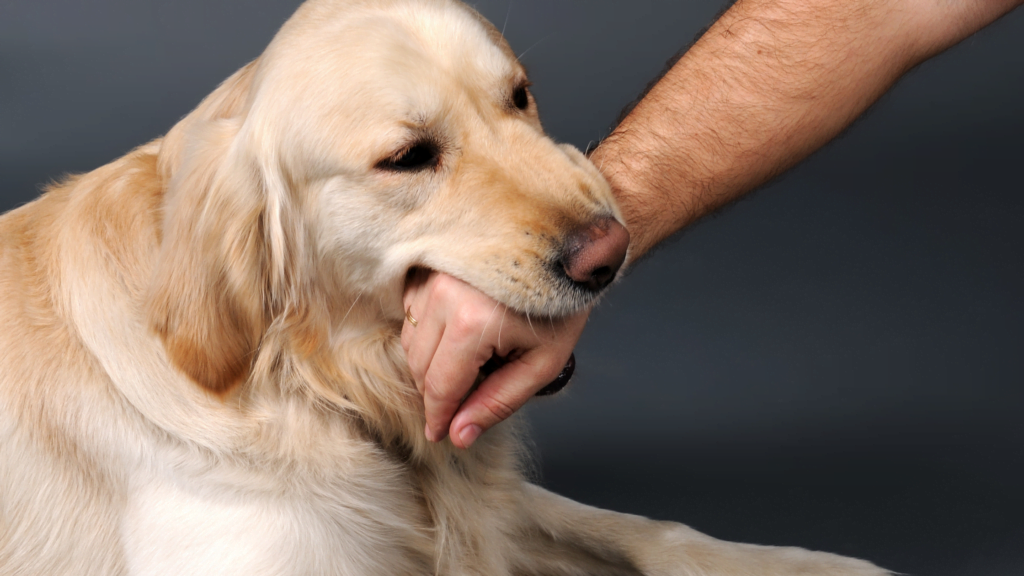
    Grooming a dog that bites can be challenging. Still, with patience and the right techniques, it is possible to make the experience more comfortable and stress-free for you and your dog. The following steps provide a guide to help you groom your dog safely and effectively:

    Starting with Basic Touches

    Start by getting your dog used to basic touches, such as petting and gentle stroking. This will help your dog get used to being touched and will also help to build trust between you and your pet.

    Gradually Introducing Grooming Tools

    Once your dog is comfortable with basic touches, gradually introduce grooming tools such as combs and brushes. Start by letting your dog sniff the tools, get used to their presence, and then gradually use them for grooming your dog.

    Using Positive Reinforcement

    Positive reinforcement is key to ensuring that your dog has a positive association with grooming. Reward your dog with treats, praise, and affection when they behave well during grooming and take breaks when needed to prevent your dog from getting overwhelmed.

    Remember, always prioritize safety when grooming a dog that bites. If your dog is extremely aggressive or difficult to handle, consider seeking professional help from a qualified dog trainer or groomer.

    Safety Tips for Grooming a Dog That Bites

    Safety is of utmost importance when grooming a dog that bites. Here are some safety tips to keep in mind:

    Knowing When to Stop

    Pay attention to your dog’s body language and behavior during grooming. If your dog seems stressed or anxious, take a break or stop the grooming session altogether.

    Enlisting Professional Help

    If your dog’s biting behavior persists or becomes more aggressive, consider enlisting the help of a professional dog groomer or trainer who has experience working with dogs that bite.

    Staying Calm and Focused

    Dogs are sensitive to their owners’ emotions, so staying calm and focused during the grooming process is important. This can help keep your dog calm and prevent any escalation of biting behavior.

    Following these safety tips can help ensure a positive and safe grooming experience for you and your dog.

    Also Read : How to Tell if a Dog Fight is Serious: Understanding the Signs and What to Do

    Preventing Biting During Future Grooming Sessions

    To prevent biting during future grooming sessions, there are several steps you can take:

    Consistency in Training

    It’s important to be consistent with your dog’s training, using the same techniques and commands each time. This will help your dog understand what is expected of them and reduce their anxiety during grooming.

    Regular Grooming to Build Trust

    Regular grooming can help your dog become more comfortable with the process and build trust with you. Start with shorter sessions and gradually increase your time grooming your dog. This will help your dog become more accustomed to grooming and less likely to bite.

    Positive Reinforcement Techniques

     Positive reinforcement techniques, such as giving your dog treats or praise during grooming, can help reinforce good behavior and make the experience more enjoyable for your dog. This can also help to create a positive association with grooming and reduce the likelihood of biting.

    Following these tips and techniques can help prevent biting during future grooming sessions and create a more positive and stress-free experience for you and your dog.

  • How Does Cerenia Kill a Dog? Understanding the Risks and Side Effects

    How Does Cerenia Kill a Dog? Understanding the Risks and Side Effects

    Cerenia is a commonly prescribed medication used to treat vomiting in dogs. While it is generally considered safe and effective when used as directed, there are concerns about its potential risks and side effects. One question that dog owners may have is whether Cerenia can cause death or fatalities in dogs. In this article, we will explore the answer to the question “How Does Cerenia Kill a Dog?” and discuss the potential risks and side effects of Cerenia use in dogs.

    What is Cerenia and How Does it Work?

    Cerenia is a medication used in dogs to prevent vomiting and treat motion sickness. Its active ingredient is maropitant citrate, which works by blocking certain receptors in the brain that are responsible for inducing vomiting. This helps prevent nausea and vomiting in dogs and can be particularly useful for those who experience motion sickness or undergo chemotherapy. Cerenia is available in tablet form or as an injection and is typically prescribed by a veterinarian.

    Why is Cerenia Prescribed for Dogs?

    Cerenia is prescribed for dogs to prevent vomiting and treat motion sickness. It is commonly used in dogs who experience nausea and vomiting for various reasons, such as motion sickness during car rides or flights, gastrointestinal disorders, or postoperative nausea and vomiting. Additionally, Cerenia is sometimes used in dogs undergoing chemotherapy to prevent chemotherapy-induced vomiting. Cerenia is considered safe and effective when used as directed by a veterinarian.

    How Does Cerenia Kill a Dog?

    Cerenia is a medication used to treat vomiting and nausea in dogs. While it is generally considered safe, it can cause death in rare cases. The two possible causes of a dog’s death due to Cerenia are an allergic reaction to the drug and underlying disease that the prescription drug hid.

    An allergic reaction to Cerenia can cause death in dogs, just like in people. It is important to watch for any signs of an allergic reaction, such as difficulty breathing, swelling of the face or tongue, or hives, and seek veterinary care immediately if these symptoms occur.

    Another way that Cerenia can cause death in dogs is when pet owners fail to address or treat the underlying cause of vomiting. When a dog vomits, it is the body’s way of getting rid of harmful substances such as toxins, viruses, and bacteria. Cerenia inhibits vomiting and gets rid of toxins, making it seem like the dog is feeling better. Still, it does not address the underlying cause of the vomiting. Pet owners must only use Cerenia after their veterinarian has already ruled out other health issues.

    Cerenia is a potent drug that should only be used as directed by a veterinarian. Overdose and incorrect dosing are the main causes of death related to Cerenia. To avoid any adverse reactions, it is crucial to follow your vet’s instructions and never exceed the recommended dose. If you notice any unusual symptoms or suspect your dog may have ingested too much Cerenia, seek veterinary attention immediately. Remember, an ounce of prevention is worth a pound of cure.

    Also Read : The Ultimate Guide to Skull Dog Fursuits: A Comprehensive Guide for Pet Owners

    Potential Risks and Side Effects of Cerenia Use in Dogs

    Cerenia is considered safe for use in dogs when used as directed by a veterinarian. However, like any medication, it can cause side effects and potential risks in some dogs. Some of the potential side effects of Cerenia use in dogs may include:

    • Diarrhea
    • Lethargy
    • Loss of appetite
    • Vomiting
    • Drooling
    • Constipation
    • Difficulty breathing
    • Swelling of the face, lips, tongue, or throat
    • Hives or rash

    In rare cases, Cerenia can cause an allergic reaction, which can be life-threatening. Signs of an allergic reaction may include difficulty breathing, swelling of the face, lips, tongue, or throat, and hives. It is important to follow your veterinarian’s instructions when giving Cerenia to your dog and to contact them immediately if you notice any unusual symptoms or signs of an allergic reaction.

    Understanding the Long-Term Effects of Cerenia Use on Dogs

    Limited information is available about the long-term effects of Cerenia use in dogs. However, as with any medication, prolonged or excessive use of Cerenia may lead to potential risks and adverse effects. Long-term use of Cerenia may result in liver or kidney damage, although rare. Additionally, prolonged use of Cerenia may increase the risk of infection, as it may suppress the immune system. It is important to follow your veterinarian’s instructions when giving Cerenia to your dog and to only use it as prescribed. Suppose your dog requires long-term use of Cerenia. In that case, it is important to monitor them closely for any signs of side effects or adverse reactions and to discuss any concerns with your veterinarian.

    What to Do If Your Dog is Prescribed Cerenia

    What to Do If Your Dog is Prescribed Cerenia |
    What to Do If Your Dog is Prescribed Cerenia

    If your dog is prescribed Cerenia, it is important to follow your veterinarian’s instructions. Cerenia is available in tablet form or as an injection and is typically prescribed based on your dog’s weight and the condition being treated. To ensure the safety and effectiveness of Cerenia, you should:

    1. Administer the medication as directed by your veterinarian.
    2. Monitor your dog for any signs of side effects or adverse reactions, and report them to your veterinarian.
    3. Do not give your dog more medication than prescribed, nor give Cerenia to other pets without consulting your veterinarian.
    4. Store Cerenia in a cool, dry place, away from direct sunlight and out of reach of children and pets.
    5. Do not crush or break Cerenia tablets, which can affect the medication’s efficacy.

    It is important to keep all appointments with your veterinarian. At the same time, your dog takes Cerenia to monitor their progress and ensure the medication works as intended. Additionally, you should contact your veterinarian if you have any concerns or questions about Cerenia.

    What to do if your dog experiences vomiting or diarrhea after taking Cerenia, and when to contact your veterinarian.

    If your dog experiences vomiting or diarrhea after taking Cerenia, you should contact your veterinarian as soon as possible. They may advise you to temporarily stop the medication or adjust the dosage. Sometimes, your vet may recommend additional treatment, such as administering fluids or other medications. It’s important to closely monitor your dog’s condition and report any changes to your vet. If your dog shows signs of severe or persistent vomiting or diarrhea or appears to be in distress or discomfort, seek veterinary care immediately.

    How to properly dispose of Cerenia or any other medication that is no longer needed or has expired.

    Properly disposing of medication, including Cerenia, is important to prevent harm to people, animals, and the environment. To dispose of Cerenia, follow these steps:

    1. Check the medication’s label or package insert for specific disposal instructions.
    2. If no instructions are available, mix the medication with an unappealing substance such as used coffee grounds, dirt, or kitty litter in a sealed plastic bag or container.
    3. Place the sealed bag or container in your household trash.
    4. Remove or scratch any identifying personal information on the medication container before recycling or throwing it away.
    5. Do not flush medication down the toilet or drain, as this can contaminate water supplies.

    If you are unsure how to properly dispose of Cerenia or any other medication, contact your local pharmacy or waste management facility for guidance.

    Also Read : Can Dogs Eat Rice Safely? Expert Insights

    How to prevent vomiting and nausea in dogs without medication.

    How to prevent vomiting and nausea in dogs without medication. |
    How to prevent vomiting and nausea in dogs without medication.

    There are several ways to prevent vomiting and nausea in dogs without medication. Here are a few:

    1. Change their diet: Switch to a bland diet of boiled chicken and rice or a prescription gastrointestinal diet, which can be easier to digest and less likely to cause upset.
    2. Feed smaller, more frequent meals: Feeding smaller meals more frequently throughout the day can help prevent nausea and vomiting by keeping the dog’s stomach from becoming too empty or too full.
    3. Avoid feeding right before or after exercise: Wait at least an hour before or after exercise before feeding your dog. This can help prevent nausea and vomiting when a dog’s stomach is too full or too empty during physical activity.
    4. Use natural remedies: Ginger, chamomile, and peppermint are all-natural remedies that help prevent nausea and vomiting in dogs. You can add these herbs to your dog’s food or give them as tea.
    5. Reduce stress: Stress can contribute to nausea and vomiting in dogs, so reducing stress levels can help prevent these symptoms. Ensure that your dog has a comfortable and quiet place to rest, and try to minimize stress-inducing factors in their environment.

    It’s important to note that if your dog is experiencing frequent vomiting and nausea, it’s best to consult a veterinarian to rule out any underlying medical conditions.

    How to recognize if your dog is experiencing motion sickness and what you can do to help them.

    How to recognize if your dog is experiencing motion sickness and what you can do to help them. |
    How to recognize if your dog is experiencing motion sickness and what you can do to help them.

    Some signs that your dog may be experiencing motion sickness include:

    • Excessive drooling
    • Yawning
    • Whining or whimpering
    • Licking their lips
    • Vomiting or retching
    • Inactivity or listlessness

    To help your dog, you can try the following:

    • Take shorter car rides more frequently to help your dog acclimate to being in the car.
    • Ensure your dog has plenty of fresh air by cracking a window or turning on the air conditioning.
    • Avoid feeding your dog right before a car ride, but also don’t let them go without food for too long.
    • Consider using a dog car harness or crate to help your dog feel more secure during the ride.
    • If necessary, talk to your veterinarian about using anti-nausea medication or natural remedies such as ginger or lavender oil.

    Frequently asked questions

    Here are some frequently asked questions about Cerenia use in dogs:

    How long does Cerenia take to work?

    Cerenia begins to work within 1 to 2 hours of administration and lasts 24 hours.

    Can Cerenia be given with food? 

    Cerenia can be given with or without food.

    Is Cerenia safe for puppies?

    Cerenia is generally safe for puppies as long as it is used as directed by a veterinarian.

    Can Cerenia be given to pregnant or nursing dogs?

    The safety of Cerenia use in pregnant or nursing dogs has not been established, so it should be used with caution and only under the guidance of a veterinarian.

    Can Cerenia be given to dogs with liver or kidney disease?

    Cerenia should be used with caution in dogs with liver or kidney disease, as it is metabolized by the liver and excreted by the kidneys. Your veterinarian may adjust the dose or frequency of Cerenia administration based on your dog’s condition.

    Can Cerenia be given with other medications?

    Cerenia can interact with some medications, so it is important to inform your veterinarian of any other medications your dog takes before giving Cerenia.

    Is Cerenia effective for all types of vomiting in dogs?

    Cerenia is most effective for vomiting caused by motion sickness or certain gastrointestinal disorders. It may not be effective for vomiting caused by other conditions or diseases. Your veterinarian can help determine if Cerenia is appropriate for your dog’s specific condition.

    Conclusion: Is Cerenia Safe for Dogs?

    Cerenia is generally considered safe for use in dogs when used as directed by a veterinarian. It is an effective medication for treating vomiting caused by motion sickness or certain gastrointestinal disorders. However, like any medication, there are potential risks and side effects associated with Cerenia use, and it may not be appropriate for all dogs. It is important to follow your veterinarian’s instructions when administering Cerenia to your dog, monitor them for any signs of side effects or adverse reactions, and contact your veterinarian immediately if you have any concerns or notice any unusual symptoms. With proper use and monitoring, Cerenia can be a safe and effective treatment option for vomiting in dogs.

  • Metaflam for Dogs: A Comprehensive Guide to Easing Pain and Inflammation

    Metaflam for Dogs: A Comprehensive Guide to Easing Pain and Inflammation

    Metaflam is a prescription medication used to treat pain and inflammation in dogs. It is commonly used to treat osteoarthritis, hip dysplasia, joint pain, and soft tissue injuries. Metaflam can be an effective treatment option for dogs, but it is essential to understand the potential side effects and precautions associated with its use. In this article, we will discuss the benefits and potential drawbacks of using Metaflam for dogs and provide information on how to correctly administer and monitor its use.

    What is Metaflam, and how does it work?

    What is Metaflam and how does it work |
    What is Metaflam?

    Metaflam is a brand name for meloxicam, a non-steroidal anti-inflammatory drug (NSAID) used to treat pain and inflammation in dogs. It works by blocking the production of certain chemicals in the body that causes pain and inflammation. These chemicals are called prostaglandins. By reducing the production of prostaglandins, Metaflam can help alleviate pain and reduce inflammation, making it an effective treatment for various conditions, including osteoarthritis, hip dysplasia, and other joint conditions in dogs.

    Benefits of using Metaflam for dogs

    There are several benefits of using Metaflam for dogs, including:

    • Pain relief: Metaflam is an effective pain reliever, helping to reduce discomfort associated with conditions such as osteoarthritis and hip dysplasia.
    • Inflammation reduction: By blocking the production of prostaglandins, Metaflam can also help reduce inflammation, improving mobility and quality of life for dogs suffering from joint conditions.
    • Easy administration: Metaflam is available in a flavoured tablet form, making it easy to administer to dogs.
    • Long-lasting effect: Metaflam is a long-acting medication, providing pain relief and reducing inflammation for up to 24 hours with a single dose.
    • Safe and effective: Metaflam has been extensively tested and is a safe and effective treatment for pain and inflammation in dogs.

    Metaflam is a valuable option for pet owners seeking an effective and safe treatment for their dog’s pain and inflammation.

    Conditions commonly treated with Metaflam.

    Metaflam is commonly used to treat the following conditions in dogs:

    • Osteoarthritis: Metaflam can help to relieve pain and reduce inflammation associated with osteoarthritis. This degenerative joint condition is common in aging dogs.
    • Hip dysplasia: Hip dysplasia is a congenital condition in dogs that results in an abnormally shaped hip joint. Metaflam can help to reduce the pain and inflammation associated with this condition.
    • Joint pain and inflammation: Metaflam is often used to treat other joint conditions that cause pain and inflammation, such as elbow dysplasia, ligament injuries, and post-surgical pain.
    • Soft tissue injuries: Metaflam can also treat pain and inflammation associated with such injuries as sprains and strains.

    It is important to note that Metaflam should only be used to treat conditions under the supervision of a veterinarian, as it is a prescription medication. The veterinarian will consider the dog’s specific needs, including their health history and the severity of their condition, before recommending Metaflam.

    Also Read : Can Dogs Eat Rice Safely? Expert Insights

    Dosage and administration of Metaflam

    The dosage and administration of Metaflam for dogs will depend on several factors, including the dog’s size, the severity of its condition, and the specific formulation of the medication being used. It is essential to follow the dosing instructions provided by a veterinarian, as the incorrect administration of Metaflam can have serious consequences.

    Metaflam is administered orally, usually once daily, with or without food. The medication comes in flavoured tablet form, making it easier to administer to dogs resistant to taking pills.

    It is also essential to regularly monitor the dog’s response to Metaflam and check for potential side effects. If any adverse reactions are observed, it is essential to stop the use of the medication and to seek veterinary care.

    It is important to note that Metaflam should only be used under the supervision of a veterinarian, who will determine the appropriate dosage and administration for each dog based on its specific needs.

    Potential side effects and precautions

    Metaflam, like any medication, has the potential to cause side effects in some dogs. Some of the most common side effects of Metaflam include the following:

    • Digestive issues: Metaflam can cause digestive upset, including vomiting, diarrhea, and loss of appetite.
    • Liver or kidney problems: Metaflam can be harmful to the liver or kidneys, and regular monitoring of liver and kidney function is recommended when using this medication.
    • Blood disorders: Metaflam can also cause changes in blood cell counts, and regular monitoring of blood counts is recommended when using this medication.
    • Skin reactions: Some dogs may experience skin reactions, such as itching or rashes when taking Metaflam.

    It is important to note that these side effects are not necessarily shared but can occur in some dogs. If any adverse reactions are observed, it is essential to stop the use of the medication and to seek veterinary care.

    There are also several precautions to consider when using Metaflam, including:

    • Use under veterinary supervision: Metaflam is a prescription medication that should only be used under the supervision of a veterinarian.
    • Regular monitoring: This medication is recommended to monitor the dog’s response to Metaflam, liver, kidney, and blood cell counts.
    • Drug interactions: Metaflam can interact with other medications, including certain antibiotics, anticoagulants, and anti-seizure drugs. It is essential to inform the veterinarian of all dog medications before starting Metaflam.
    • Pregnancy and nursing: Metaflam is not recommended in pregnant or nursing dogs.

    Metaflam can be an effective and safe treatment for pain and inflammation in dogs when used under the supervision of a veterinarian and with proper monitoring and precautions in place.

    Also Read : Solving the Mystery : Why Does My Dog Only Eat at Night

    Conclusion: Is Metaflam right for your dog?

    Metaflam can be a valuable option for pet owners seeking an effective and safe treatment for their dog’s pain and inflammation. However, as with any medication, it is essential to carefully consider whether it is the right choice for your dog.

    When deciding whether Metaflam is suitable for your dog, some factors are the severity of their condition, their health history, and any potential drug interactions. It is also essential to consider potential side effects and regularly monitor your dog’s response to the medication.

    The best way to determine whether Metaflam is the right choice for your dog is to consult with a veterinarian, who can evaluate your dog’s specific needs and make a recommendation based on their case.

    In conclusion, Metaflam can be an effective and safe option for treating pain and inflammation in dogs. Still, it should only be used under the supervision of a veterinarian, who will determine the appropriate dosage and administration for each dog.

  • Boosting Moods: How to cheer up a dog from depression?

    Boosting Moods: How to cheer up a dog from depression?

    Depression in dogs is an often overlooked but increasingly common issue that can be difficult to tackle.

    Dogs provide companionship and bring joy to our lives, so when they become depressed, it can be heartbreaking.

    Fortunately, there are many steps that owners can take to help their furry friends out of the doldrums.

    In this article, we will explore how to cheer up a dog from depression and give them back their sparkle and energy.

    ALSO READ: Mycequin Probiotic for Dogs: The Key to a Healthy Digestive System!

    How to cheer up a dog from depression

    cheer up a dog from depression |
    How to cheer up a dog from depression?

    Depression is a severe condition affecting not only humans but animals.

    Dogs can suffer from the same symptoms of depression that humans experience – feeling down and lacking enthusiasm for activities they previously enjoyed.

    It’s important to recognize these signs in your pet so you can take steps to help them out of this challenging period in their lives.

    The good news is there are many methods pet owners can use to help cheer up a dog suffering from depression.

    Providing plenty of exercise and mental stimulation, including daily walks and playing interactive games with your pup, is essential for helping combat the condition.

    Additionally, spending quality time with your canine friend and showing them extra love will help lift their mood considerably.

    Finally, consulting with an animal behaviorist or veterinarian can also help manage depression in pets.

    Finally, look into natural supplements such as fish oil or probiotics, which have been shown to improve moods in humans and animals alike.

    Signs of Depression in Dogs

    Signs of Depression in Dogs |
    Signs of Depression in Dogs

    Depression is a severe condition affecting humans and animals alike, including our beloved four-legged friends.

    Dogs can become depressed for various reasons, such as the death of a companion animal or human family member, a change in living environment, medical issues, or even boredom.

    Suppose your dog has been exhibiting any of the following signs of depression. In that case, it’s essential to take action right away to cheer them up.

    Typical symptoms of canine depression may include:

    • Lethargy and lack of energy.
    • Decreased appetite or, in some cases, an increase in appetite.
    • Withdrawal from people or other animals.
    • Excessive sleeping.
    • General disinterest in playtime activities.
    • Difficulty focusing on tasks.
    • Loss of housebreaking skills.
    • Changes in standard behavior patterns.

    Causes of Depression in Dogs

    Causes of Depression in Dogs |
    Causes of Depression in Dogs

    Depression can be a complex and debilitating condition affecting humans and animals alike.

    While the causes of depression in dogs may differ from those of humans, understanding the underlying causes of depression can help us to better understand how to treat it.

    When it comes to dogs, there are many potential causes of depression. Some may occur due to environmental changes, such as moving home or an owner leaving for extended periods.

    Other reasons could be physical, such as a health issue or long-term illness causing discomfort or pain.

    Age-related factors could also play a role; older dogs often suffer from loneliness and boredom as they slow down with age.

    Additionally, some breeds are more prone to developing depression than others due to their genetics or temperament.

    Treatment for Dog Depression

    Depression is a severe issue for humans and animals alike, and dogs are no exception. Treatment for dog depression can vary depending on the severity of the problem.

    Some cases may be treated with simple lifestyle changes. In contrast, more severe cases may require professional help from veterinarians or animal behavioralists.

    Veterinarians have identified common signs of depression in dogs, such as lethargy, loss of appetite, excessive sleeping, and withdrawal from everyday activities.

    If you recognize any of these symptoms in your pet, contact your vet to discuss treatment options. Milder forms of depression can often be alleviated by introducing stimulating activities such as walks or playtime into your pet’s routine.

    Providing comfort items such as toys or blankets can also help ease stress levels in dogs feeling down.

    Ways to help cheer up a Dog from Depression

    Ways to help cheer up a Dog from Depression |
    Ways to help cheer up a Dog from Depression

    Depression in dogs is a severe issue caused by various factors, including loneliness, boredom, and health problems.

    If your dog seems depressed or down, there are several ways to help them feel better.

    Understanding their needs and how to meet them will help your pup get back on track to feeling happier and more relaxed.

    The most important thing is to provide love and attention. Dogs need social interaction just like humans do!

    Spending quality time with your pup will give them the reassurance they need that they aren’t alone.

    Take some time each day to play with them, go for walks together, or share some cuddles on the couch; this kind of physical connection can overwhelmingly positively affect their mood.

    Exercise and Playtime: The Key to Cheering Up A Depressed Dog

    Pets bring joy and companionship into our lives, but sometimes they can fall into a state of depression.

    Suppose your dog exhibits signs of depression, such as a lack of energy or appetite. In that case, it’s essential to take action immediately.

    One of the most effective ways to cheer up a depressed pup is by providing plenty of exercise and playtime.

    Exercise helps increase endorphins in your pup’s system, elevating their mood and making them feel better. Not only that, but regular exercise can also reduce stress levels for you and your pup!

    When playing with your dog, variety is vital – try different activities like fetch or frisbee for outdoor fun.

    You can also teach your pup some new tricks to increase mental stimulation or cuddle up with your dog and read them a book!

    Routines and Structure

    Routines and structure can be essential when trying to cheer up a dog from depression. Dogs are creatures of habit, so if you want to help your pup feel better, it’s essential to provide a stable daily routine.

    This means providing regular meals at the same time each day and exercising regularly or taking walks outside.

    You should also ensure that your pet gets enough sleep every night, as this will help keep their energy levels up and their mood in check.

    Additionally, set aside time each day for quality bonding with your pup – brush their fur or play a game together – which will help strengthen the bond between you and provide them with much-needed emotional support.

    Professional Care

    Professional Care is essential for pet owners who want to help their dogs recover from depression.

    It can be difficult for owners to determine if their dog is suffering from depression or simply experiencing a bad day.

    So, consulting with a veterinarian or certified behaviorist is the first step in identifying and treating the issue.

    Once the root cause of a dog’s depression has been identified, professional care may involve implementing behavioral modification techniques and/or providing medications to improve mood and reduce anxiety.

    Depending on the severity of the condition, regular check-ups and ongoing monitoring may be necessary to ensure a successful recovery.

    Professional care also provides pet owners with education about preventing future episodes of depression by recognizing warning signs early on and taking proactive steps that promote emotional wellness in their furry family members.

    Adjusting Diet & Environment

    Depression in dogs can be a difficult and heartbreaking situation. While medication may help, diet and environment play an essential role in helping cheer a dog up from depression.

    Here are some tips on adjusting your pet’s diet and environment to help them better cope with their depression.

    First, consider the diet of your pet. Make sure furry friends are eating a healthy balance of proteins, carbohydrates, fats, vitamins, and minerals so that their body has the fuel it needs for energy and vitality.

    If you need help determining what foods are best for your pup, consult your veterinarian about developing a plan tailored to their needs.

    Additionally, make sure they have plenty of fresh water available throughout the day; being dehydrated can lead to feelings of lethargy and sadness.

    Conclusion: Taking the Steps

    Depression in animals is a serious issue that requires immediate attention. The good news is that it can be managed with proper care and understanding.

    It’s important to remember that depression in dogs requires patience and dedication from owners. Taking the steps outlined above will help to bring your pet back to its old self in no time.

    It’s essential to start by identifying the cause of your dog’s depression, as this will help you decide what type of treatment they need.

    From there, ensure you provide plenty of affection, exercise, and mental stimulation activities such as playtime or agility trials.

    Additionally, ensure you provide them with a healthy diet with plenty of vitamins and minerals for optimal nutrition.

    Finally, don’t forget that regular vet visits are essential when managing canine depression.

  • Mycequin Probiotic for Dogs: The Key to a Healthy Digestive System!

    Mycequin Probiotic for Dogs: The Key to a Healthy Digestive System!

    A healthy digestive system is key to your dog’s overall health and well-being. Mycequin Probiotic for Dogs is a probiotic supplement that can help to keep your dog’s digestive system functioning properly.

    Mycequin Probiotic for Dogs is a powerful probiotic formula that contains six different probiotic strains, which helps support a healthy balance of bacteria in your dog’s gut.

    Mycequin Probiotic for Dogs also improves digestion and nutrient absorption. It can prevent and treat diarrhea, gas, and other gastrointestinal problems.

    Also Read : Can dogs aet nuts ?

    What is Mycequin Probiotic for Dogs?

    What is Mycequin Probiotic for Dogs |
    What is Mycequin Probiotic for Dogs

    If you’re like most dog owners, you’re always on the lookout for ways to keep your furry friend healthy and happy.

    And if you’ve heard about Mycequin probiotics for dogs, you may wonder if it’s a wise choice for your pup. Mequon is a probiotic supplement that helps to support your dog’s digestive health.

    It contains a unique blend of probiotics and prebiotics that work together to promote the growth of healthy bacteria in your dog’s gut. This can help to improve digestive function and support overall health.

    Mycequin probiotic is also made with natural ingredients, so it’s safe for dogs of all ages. And it comes in a convenient chewable tablet, so it’s easy to give to your pup.

    If you’re looking for a probiotic supplement to support your dog’s digestive health, Mycequin probiotics may be a wise choice.

    It’s a safe and natural supplement with a unique blend of probiotics and prebiotics that can help promote healthy gut bacteria. And it’s easy to give to your dog in chewable form.

    How does Mycequin Probiotic for Dogs work ?

    How does Mycequin Probiotic for Dogs work |
    How does Mycequin Probiotic for Dogs work


    Mycequin Probiotic for Dogs is a unique probiotic designed to improve and support your dog’s digestive health and immune system.

    Mycequin Probiotic for Dogs contains six different strains of probiotics, including Lactobacillus acidophilus, Bifidobacterium lactis, Streptococcus thermophilus, Lactobacillus fermentum, Lactobacillus paracasei, and Lactobacillus rhamnosus.

    It contains a blend of Lactobacillus and Bifidobacterium. These two types of beneficial bacteria are often found in the human gut.

    These bacteria help break down food and promote a healthy digestive system. Mycequin Probiotic for Dogs also contains FOS (fructooligosaccharides), a type of carbohydrate that is helpful for gut health.

    FOS helps to promote the growth of beneficial bacteria and also helps to improve nutrient absorption.

    Mycequin Probiotic for Dogs is fortified with vitamins and minerals, including zinc, which is beneficial for the immune system. This probiotic is easy to administer. Add it to your dog’s food.

    What are the benefits of Mycequin Probiotic for Dogs?

    What are the benefits of Mycequin Probiotic for Dogs |
    What are the benefits of Mycequin Probiotic for Dogs

    Probiotics are beneficial microorganisms that reside in the gut and are critical for overall health. They are commonly added to yogurt and other fermented foods and are available as dietary supplements.

    Probiotics improve digestive health, support the immune system, and protect against harmful bacteria.

    There is a growing interest in the use of probiotics for dogs. Probiotics improve digestive health, support the immune system, and protect against harmful bacteria.

    Some of the specific benefits that have been observed in dogs include the following:

    – improved digestive health, including reduced diarrhea and vomiting
    – reduced inflammation and allergies
    – improved skin health
    – reduced incidence of cancer

    Probiotics are safe and well tolerated and can be given to dogs of all ages.

    If your dog is suffering from digestive problems or if you are looking for a way to boost its immune system, probiotics may be a viable option.

    Speak to your veterinarian to determine if probiotics are right for your dog.

    How to give Mycequin Probiotic for Dogs to your dog.

    How to give Mycequin Probiotic for Dogs to your dog |
    How to give Mycequin Probiotic for Dogs to your dog

    When giving Mycequin Probiotic for Dogs to your dog, it is imperative to remember that not all dogs are alike.

    As a result, you will need to tailor the dosage to your specific dog. In most cases, a dosage of 1-2 grams per day is recommended.

    However, it would help if you spoke with your veterinarian to get their professional recommendation.

    There are a few different ways to give your dog Mycequin Probiotic for Dogs. The most common way is to mix it into their food.

    However, you can also give it to them as a pill or a liquid. Again, it would help if you spoke with your veterinarian to get their professional recommendation.

    It is imperative to remember that probiotics are not a cure-all. Still, they can be a valuable tool in helping to maintain your dog’s health.

    Suppose your dog is currently being treated for a health condition. In that case, it is wise to speak with your veterinarian before giving them probiotics.

    What are the side effects of Mycequin Probiotic for Dogs?

    Pet owners should be aware of a few potential side effects of Mycequin Probiotic for Dogs before giving their dog the supplement.

    Some dogs may experience diarrhea, vomiting, or constipation after consuming the supplement. Additionally, if the dog takes other medications, it may interact with the probiotic.

    If the dog experiences any of these side effects, it should stop taking the probiotic and consult its veterinarian.

    Other probiotic options and considerations

    Several other probiotic options on the market can provide health benefits. These include probiotic supplements, yogurt, kefir, and fermented vegetables.

    When selecting a probiotic supplement, it is imperative to choose one that is high in quality and has been third-party tested.

    It would help if you looked for the strains of probiotics in the supplement, the CFU (colony-forming units) count, and the expiration date.

    When choosing yogurt or kefir, it is imperative to read the label to ensure that it contains live and active cultures.

    Kefir is a fermented milk drink high in probiotics. It can be made home by fermenting milk with a kefir starter culture.

    Fermented vegetables are a healthy way to get a high dose of probiotics into your diet. You can make them home by fermenting vegetables with a probiotic culture starter or using a pickling process.

  • Pros and Cons of Belly bands for Dogs – Best Guide

    Pros and Cons of Belly bands for Dogs – Best Guide

    Pros and Cons of Belly bands for Dogs? Belly bands for dogs are a type of garment that is worn around the belly and helps to support the dog’s back and spine. They are often used for dogs who are pregnant or have recently given birth, and can also be helpful for dogs with mobility issues. Belly bands can be made from a variety of materials, including cloth, neoprene, and even leather.

    Belly Bands for Dogs – The Benefits

    Belly bands for Dogs |
    Belly Bands for Dogs – The Benefits

    Belly Bands for Dogs – The Benefits

    Belly bands are a great way to help keep your dog clean and dry. They are also helpful in preventing your dog from getting into trouble by keeping them from getting into things they shouldn’t. Belly bands can be put on your dog when you are not home to supervise them or when you are gone for extended periods of time.

    There are many different brands and styles of belly bands available. Some are made of cloth and some are made of rubber. There are also disposable belly bands available.

    What is a belly band for a Dog?

    The benefits of belly bands are:

    1. They help keep your dog clean and dry.

    2. They can prevent your dog from getting into things they shouldn’t.

    3. They can be put on your dog when you are not home to supervise them.

    4. They are available in many different styles and brands.

    5. They are relatively inexpensive.

    The downside of belly bands is that they can be uncomfortable for your dog if they are not used to wearing them. They can also slip off if they are not fitted properly. If you are considering using belly bands, be sure to talk to your veterinarian first to make sure they are right for your dog.

    How to Choose the Right Belly Band for Your Dog

    How to Choose the Right Belly Band for Your Dog |
    How to Choose the Right Belly Band for Your Dog


    When it comes to choosing the right belly band for your dog, there are a few things you need to take into account.

    • The first is the size of your dog. Belly bands come in a variety of sizes, so you need to make sure you get one that will fit comfortably around your dog’s waist.
    • The second thing to consider is the material the belly band is made from. You want to make sure that the material is breathable and will not cause your dog any discomfort.
    • Finally, you need to decide what type of closure you want on the belly band. Velcro is a popular option, but there are also belly bands that come with a button or snap closure.

      Once you have considered all of these factors, you should be able to narrow down your choices and find the perfect belly band for your dog.

    Also read: Lyme Vaccine for Dogs Pros and Cons

    How to Use a Belly Band for dogs

    How to use a Belly Band for Dogs |
    How to Use a Belly Band for dogs

    A belly band is an important piece of equipment for any dog owner. It is a strap that goes around the dog’s midsection and helps to keep them from urinating in the house. There are many different brands and styles of belly bands available on the market, so it is important to find one that is comfortable for your dog to wear.

    The first step is to measure your dog’s waist. To do this, simply wrap a tape measure around their midsection and make a note of the measurement. Next, you will need to choose a belly band that is the right size for your dog. Most belly bands are adjustable, so you will be able to find one that fits your dog snugly.

    Once you have the belly band, the next step is to put it on your dog. The best way to do this is to have someone help you hold your dog while you put the belly band on. Wrap the belly band around your dog’s midsection and then fasten it in place. You want the belly band to be snug, but not too tight.

    Now that the belly band is in place, you will need to train your dog to use it. The best way to do this is to take your dog outside frequently so that they can relieve themselves. If they start to urinate inside, simply put the belly band back on and take them outside again. With a little patience, your dog will learn that they need to go outside to relieve themselves.

    Belly bands are an effective way to keep your dog from urinating in the house. If you are potty training a new puppy or have an older dog that is having accidents, a belly band can be a helpful tool. With a little training, your dog will quickly learn to use their belly band and you can enjoy a clean house.

    The Pros and Cons of Belly Bands

    The Pros and Cons of Belly Bands |
    The Pros and Cons of Belly Bands

    Most dog owners have heard of belly bands, but many are unsure of what they are or whether they might be right for their own dog. Belly bands are a type of dog diaper that can be very useful for a number of different reasons, but they also have some potential drawbacks that owners should be aware of before making a decision. In this article, we’ll explore the pros and cons of belly bands so that you can make the best decision for your dog.

    One of the biggest advantages of belly bands is that they can be a very effective way to manage incontinence in dogs. If your dog is urinating in the house or having accidents on a regular basis, a belly band can help to absorb the urine and prevent accidents. There are a number of different brands and styles of belly bands available, so you can find one that fits your dog well and is comfortable for them to wear.

    Another advantage of belly bands is that they can be helpful for dogs who are in heat. If you don’t want your dog to mate or you don’t want them to mark their territory with urine, a belly band can help to keep them from doing so. Belly bands can also be helpful for dogs who are prone to getting excited and jumping on people or furniture; wearing a belly band can help to remind them not to do so.

    There are a few potential drawbacks to using belly bands, however. One is that they can be expensive, particularly if you need to buy multiple sizes or you have to replace them frequently. Another is that they can be difficult to put on some dogs, particularly those who are resistant to wearing them. Finally, some dogs may find them uncomfortable to wear or may try to remove them.

    So, what are the pros and cons of belly bands for dogs? Let’s take a look.

    Pros:

    1. Belly bands can be a great way to potty train your dog.

    2. They can help to keep your dog from having accidents in the house.

    3. Belly bands can help to keep your dog from roaming around the neighborhood.

    4. They can help to keep your dog from getting into the trash.

    5. Belly bands can help to keep your dog from chewing on furniture or other objects.

    Cons:

    1. Belly bands can be uncomfortable for your dog.

    2. They can cause your dog to urinate more frequently.

    3. They can cause your dog to have accidents if they are not used properly.

    4. Belly bands can be a choking hazard if your dog chews on them.

    5. Belly bands can be expensive.

    If you’re considering using a belly band, be sure to talk to your vet first to see if it’s the right option for your dog.

    Belly Bands – FAQs

    1. Why do I need a belly band for my dog?

      Belly bands are an important tool for managing incontinence in dogs. They can help to keep your dog clean and dry, and prevent urine from leaking onto your floor or furniture. Belly bands can also help to prevent your dog from licking or scratching their genital area, which can lead to further irritation and infection.

    2. How do belly bands work?

      Belly bands work by holding a absorbent pad or liner against your dog’s belly. This helps to absorb any urine that may leak, and prevents it from coming into contact with your dog’s skin or fur.

    3. How do I choose the right size belly band for my dog?

      Belly bands should be snug but not tight. They should be made of a breathable material, such as cotton, and should allow your dog to move and urinate freely. The best way to determine the right size belly band for your dog is to measure their waist.

    4. How do I put a belly band on my dog?

      Most belly bands have Velcro closures, which make them easy to put on and take off. Simply wrap the belly band around your dog’s waist, and secure the Velcro tabs. You may need to adjust the fit of the belly band as your dog moves around.

    5. How often should I change my dog’s belly band?

      Belly bands should be changed as often as needed, depending on the absorbency of the pads or liners used. Generally, it is best to change them at least once per day, or more often if they become wet or soiled.

    Also read: can dogs eat nuts?

    Conclusion

    There are a lot of different opinions out there about belly bands for dogs. Some people think they are a great way to help keep their dog from having accidents in the house, while others believe that they are inhumane and cause more harm than good. So, there you have it! These are the pros and cons of belly bands for dogs. Ultimately, the decision of whether or not to use a belly band is up to you and your dog. If you think that a belly band may be right for your dog, be sure to consult with your veterinarian first to make sure that it is the best option for your furry friend.

  • Lyme Vaccine for Dogs Pros and Cons

    Lyme Vaccine for Dogs Pros and Cons

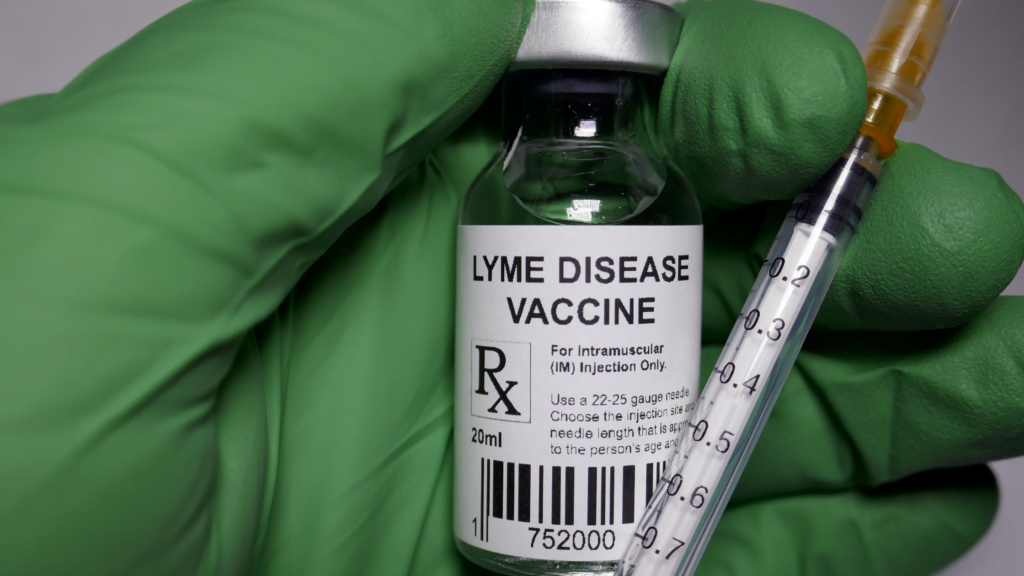
    Lyme Vaccine for Dogs Pros and Cons? Lyme disease is a serious illness that can cause many problems for humans and dogs. The good news is that a vaccine is available for dogs that can help protect them from this disease. The bad news is that there are also some potential risks associated with the vaccine.

    As with any vaccine, it is important to weigh the pros and cons before deciding whether or not to vaccinate your dog. The Lyme disease vaccine is relatively new, so there is not a lot of long-term data available about its efficacy.

    However, the available data looks promising. The vaccine is estimated to be about 70-80% effective in preventing Lyme disease. This means that there is still a chance that your dog could get the disease even if they are vaccinated, but the risk is much lower than if they were not vaccinated.

    One of the potential risks associated with the Lyme disease vaccine is that it can cause side effects in some dogs. The most common side effect is a mild allergic reaction at the injection site. This is usually not serious and goes away within a few days. In rare cases, the vaccine can cause more serious side effects, such as anaphylactic shock.

    The Pros of Vaccinating Your Dog Against Lyme Disease

    The Pros of Vaccinating Your Dog Against Lyme Disease
    The Pros of Vaccinating Your Dog Against Lyme Disease

    As a dog owner, you want to do everything you can to keep your furry friend healthy and safe. That’s why many dog owners choose to vaccinate their dogs against Lyme disease.

    Lyme disease is a serious infection that can cause several health problems for dogs, including joint pain, kidney disease, and even death. While there is no cure for Lyme disease, early detection and treatment are important to help improve your dog’s chances of recovery.

    The Lyme vaccine is safe and effective and can help protect your dog from this potentially fatal disease. Here are some of the pros of vaccinating your dog against Lyme disease:

    1. The Lyme vaccine is very effective.

    Studies have shown that the Lyme vaccine is up to 99% effective in preventing Lyme disease. If your dog is vaccinated and exposed to the bacteria that cause Lyme disease, it can remain healthy.

    2. The Lyme vaccine is safe.

    Like all vaccines, the Lyme vaccine has undergone rigorous safety testing before being approved. The most common side effect of the Lyme vaccine is mild soreness or swelling at the injection site. Serious side effects are extremely rare.

    3. The Lyme vaccine can help protect your dog from other tick-borne diseases.

    In addition to Lyme disease, ticks can transmit other serious diseases to dogs, including ehrlichiosis and Rocky Mountain spotted fever. The Lyme vaccine protects against all of these diseases.

    4. The Lyme vaccine is relatively inexpensive.

    The Lyme vaccine is relatively inexpensive compared to the cost of treating Lyme disease. And, when you consider the potential health consequences of Lyme disease, the vaccine cost is a bargain.

    5. The Lyme vaccine is easy to administer.

    The Lyme vaccine is a simple injection; most dogs tolerate it well. Your veterinarian typically gives the vaccine, but some vets offer the vaccine in a pre-filled syringe that you can administer at home.

    As you can see, there are many good reasons to vaccinate your dog against Lyme disease. The Lyme vaccine is safe, effective

    Also read: can dogs eat nuts?

    The Cons of Vaccinating Your Dog Against Lyme Disease

    The Cons of Vaccinating Your Dog Against Lyme Disease
    The Cons of Vaccinating Your Dog Against Lyme Disease

    When it comes to the pros and cons of vaccinating your dog against Lyme disease, there are a few things you need to take into consideration. Lyme disease is a serious infection that can have devastating consequences for your dog, so it’s important to ensure you weigh up all the options before making a decision.

    The first thing to consider is whether your dog is at risk of contracting Lyme disease. If you live in an area where Lyme disease is prevalent, or if your dog spends a lot of time outdoors in areas where Lyme disease-carrying ticks are common, then the risk is probably higher, and vaccination may be a good idea.

    However, it’s important to remember that no vaccine is 100% effective, so even if your dog is vaccinated, there is still a small chance they could contract Lyme disease. There is also a small risk of side effects from the vaccine itself, so this is something else you need to take into account.

    If you’re still unsure whether vaccination is the right choice for your dog, speak to your vet for more advice. They will be able to assess your situation and give you the best advice on how to protect your dog from Lyme disease.

    Lyme Vaccine for Dogs Pros and Cons – Making the Decision

    As a pet owner, you want to do everything you can to keep your furry friend healthy and safe. That’s why when it comes to vaccination, it’s important to weigh the pros and cons of vaccinating your dog against Lyme disease.

    Lyme disease is a serious illness caused by bacteria transmitted to dogs by biting an infected tick. Lyme disease symptoms include fever, joint pain, loss of appetite, and lethargy. Lyme disease can lead to kidney failure and even death if left untreated.

    While there is no cure for Lyme disease, it can be treated with antibiotics. But the best way to protect your dog from Lyme disease is to prevent them from getting bitten by a tick in the first place. And that’s where vaccination comes in.

    Two types of Lyme vaccines are available for dogs: Killed and Recombinant.

    Killed vaccines are made from killed bacteria,

    while recombinant vaccines are made from a protein found on the surface of the Lyme bacteria.

    Both types of vaccines effectively protect dogs from Lyme disease, but they have some differences. Killed vaccines require booster shots more often than recombinant vaccines and may cause more side effects like fever and joint pain. On the other hand, recombinant vaccines are less likely to cause side effects and only need to be given once a year.

    So, which vaccine is right for your dog? The answer may depend on several factors, including your dog’s age, health, and lifestyle. If you’re unsure which vaccine is right for your dog, talk to your veterinarian. They can help you make an informed decision about vaccinating your dog against Lyme disease.