Category: Dog Health

  • Wells Syndrome in Dogs: Comprehensive Treatment & Care Guide

    Wells Syndrome in Dogs: Comprehensive Treatment & Care Guide

    Welcome to our comprehensive guide on Wells Syndrome in dogs. As pet owners, we must be aware of various health conditions that can affect our furry friends.

    Wells Syndrome, also known as Eosinophilic Granulomatosis, is a rare but significant condition that requires attention in veterinary medicine.

    This article will delve into the causes, symptoms, and treatment options for Wells Syndrome in dogs.

    Whether you’re a concerned pet owner or a veterinary professional seeking information, this article aims to clearly understand this condition.

    Wells Syndrome is a dermatological disorder characterized by eosinophils, a type of white blood cell, causing inflammation and granuloma formation.

    While this condition is relatively rare in dogs, understanding its nature and implications can aid in early detection and appropriate treatment.

    By exploring the causes and triggers, clinical signs, and diagnostic procedures, we can equip ourselves with the knowledge to identify Wells Syndrome in our beloved pets.

    The primary goal of this article is to shed light on Wells Syndrome in dogs and its impact on their health and well-being.

    Additionally, we aim to provide valuable insights into the available treatment options, including veterinary care, medications, and lifestyle modifications.

    By the end of this article, you will have a comprehensive understanding of Wells Syndrome, allowing you to take proactive measures in managing and supporting your dog’s health.

    So, let’s embark on this informative journey together and delve into Wells Syndrome in dogs.

    By empowering ourselves with knowledge, we can ensure the best care for our four-legged companions and enhance their quality of life.

    What is Wells Syndrome in Dogs?

    A. Definition and Background

    Imagine your dog developing peculiar skin lesions or nodules accompanied by persistent itching.

    This could be a sign of Wells Syndrome also known as Eosinophilic Granulomatosis or eosinophilic cellulitis.

    Wells Syndrome is a dermatological condition characterized by eosinophils, a type of white blood cell, causing inflammation and the formation of granulomas (small masses of tissue).

    It is an uncommon condition in dogs, but its impact on their health should not be overlooked.

    Interestingly, Wells Syndrome in dogs shares similarities with its human counterpart. Wells Syndrome is a recognized condition that mainly affects the skin in humans.

    It is relatively rare in dogs, making it a topic of interest in veterinary medicine.

    Although the exact cause of Wells Syndrome remains unclear, researchers believe it may have immune-mediated components and can be triggered by various factors.

    B. Causes and Triggers

    The causes and triggers of Wells Syndrome in dogs can vary from case to case. Here are some potential factors that could contribute to the development of this condition:

    1. Allergies: Allergens, such as certain foods, environmental substances (pollen, dust mites), or contact irritants, may trigger an allergic response in susceptible dogs.

    This hypersensitivity can lead to the development of Wells Syndrome.

    2. Infections: In some cases, infections caused by bacteria, parasites, or fungi may play a role in triggering Wells Syndrome.

    The immune system response to these infections can result in the characteristic eosinophilic inflammation in affected dogs.

    3. Immune System Dysfunction: Disorders that affect the immune system, such as autoimmune conditions, can potentially contribute to the development of Wells Syndrome.

    The immune system mistakenly targets healthy tissues in these cases, leading to inflammation and granuloma formation.

    It’s important to note that while these factors may contribute to the development of Wells Syndrome, the precise mechanism and triggers can vary between individual dogs.

    Identifying the underlying cause of Wells Syndrome is crucial for effective treatment and management.

    Understanding the potential causes and triggers of Wells Syndrome provides valuable insight into the condition.

    By recognizing the role of allergies, infections, and immune system dysfunction, we can work with veterinary professionals to develop appropriate treatment strategies.

    In the following sections, we will explore the symptoms, diagnosis, and treatment options available for Wells Syndrome in dogs, ensuring you are well-equipped to support your furry companion’s health.

    Also Read : The American Bulldog Great Pyrenees Mix: A Perfect Blend.

    Symptoms and Diagnosis of Wells Syndrome in Dogs

    A. Clinical Signs and Presentation

    When it comes to Wells Syndrome in dogs, recognizing the symptoms is crucial for timely intervention. Here are some common signs that may indicate the presence of Wells Syndrome in your furry friend:

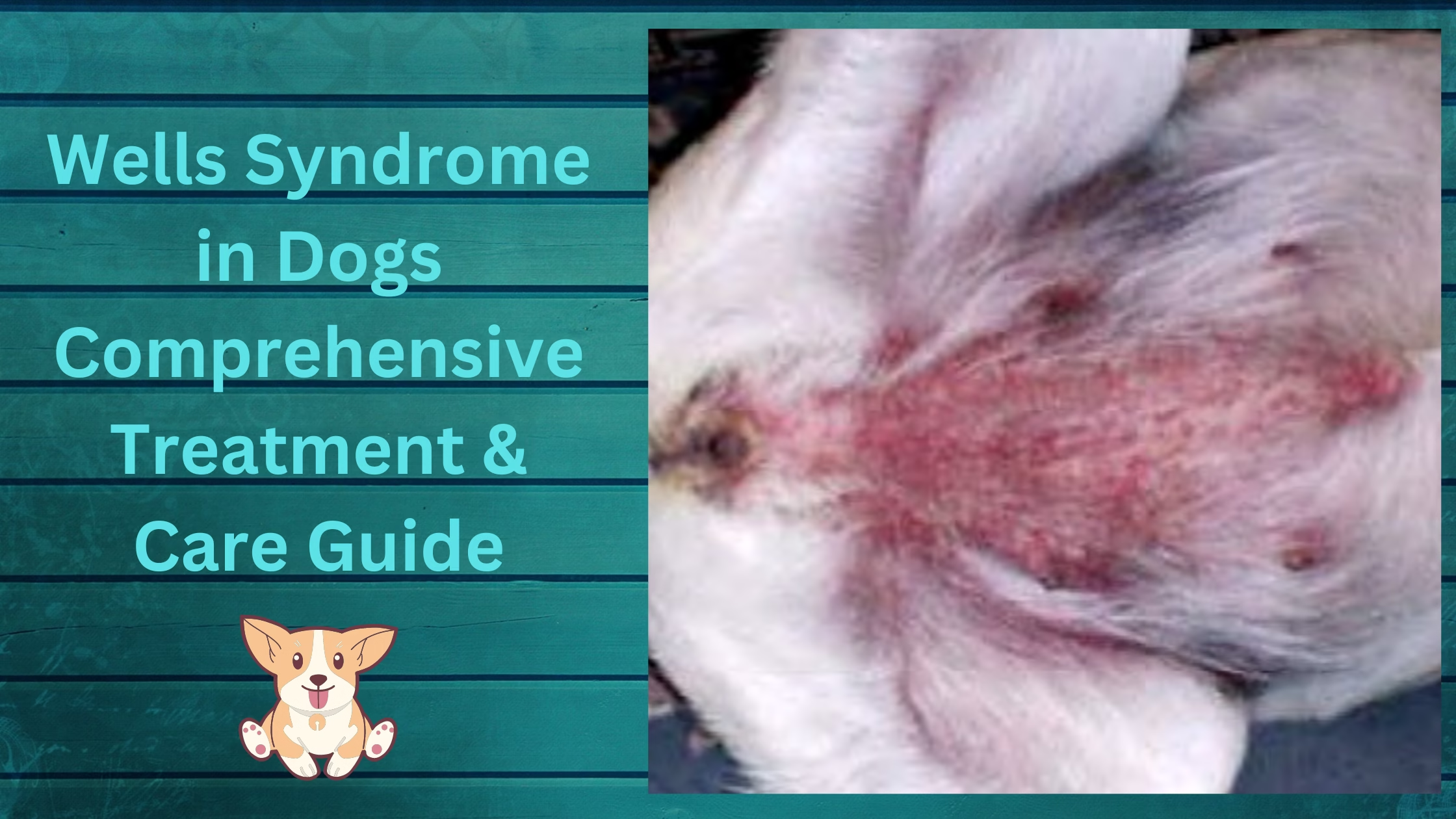
    1. Skin Lesions: Dogs with Wells Syndrome often develop distinct skin lesions or nodules. These can appear as raised, firm, and reddened areas on the skin.

    The lesions may vary in size and can be present on any body part.

    2. Itching and Scratching: Intense itching is a hallmark of Wells Syndrome. Dogs may frequently scratch, bite, or lick the affected areas to alleviate discomfort.

    This can lead to further irritation and potential secondary skin infections.

    3. Hair Loss: Dogs with Wells Syndrome may experience localized or generalized hair loss in the affected areas due to constant scratching and inflammation.

    This can contribute to the appearance of bald patches or thinning fur.

    4. Swelling and Inflammation: In some cases, the affected areas may exhibit swelling or inflammation. This can make the skin appear puffy or thickened, adding to the discomfort experienced by the dog.

    It’s important to note that these symptoms vary in severity from case to case.

    Suppose you notice any of these signs in your dog. In that case, seeking veterinary attention for a proper diagnosis is recommended.

    B. Diagnostic Procedures

    Veterinarians may employ several diagnostic procedures to accurately diagnose Wells Syndrome in dogs.

    These steps help rule out other potential causes and confirm the presence of Wells Syndrome. Here are some common diagnostic steps:

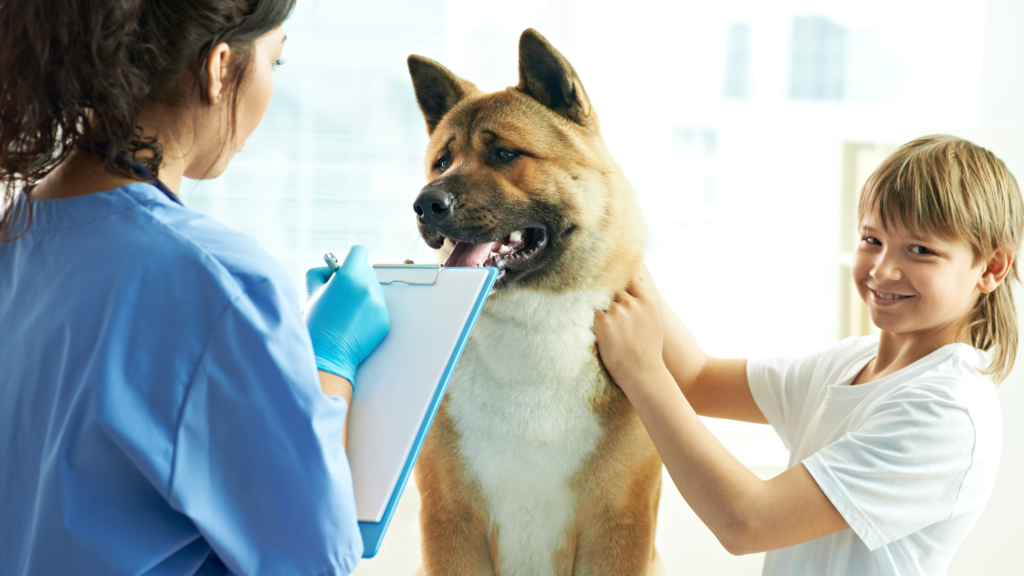
    1. Physical Examination: A thorough physical examination allows the veterinarian to assess the skin lesions, observe the dog’s behavior, and gather essential information for further evaluation.

    2. Skin Biopsy: A skin biopsy involves taking a small sample of the affected skin for microscopic examination.

    This procedure helps identify the characteristic eosinophilic inflammation and granuloma formation associated with Wells Syndrome.

    3. Blood Work: Blood tests may be conducted to evaluate the dog’s overall health, check for any underlying infections, and assess the eosinophil levels in the bloodstream.

    Elevated eosinophil counts can provide supporting evidence for the diagnosis of Wells Syndrome.

    4. Ruling Out Other Conditions: Since some symptoms of Wells Syndrome overlap with other skin conditions, it is important to rule out alternative diagnoses.

    This may involve additional tests such as fungal cultures, skin scrapings, or allergy testing.

    By conducting a comprehensive evaluation and ruling out other potential causes, veterinarians can confirm the presence of Wells Syndrome in dogs.

    This sets the stage for developing an appropriate treatment plan tailored to your dog’s needs.

    The next section will explore the available treatment options and management strategies for Wells Syndrome in dogs, ensuring your furry companion receives the best possible care.

    How do you treat Wells syndrome in dogs?
    How do you treat Wells syndrome in dogs |
    How do you treat Wells syndrome in dogs?

    A. Veterinary Care

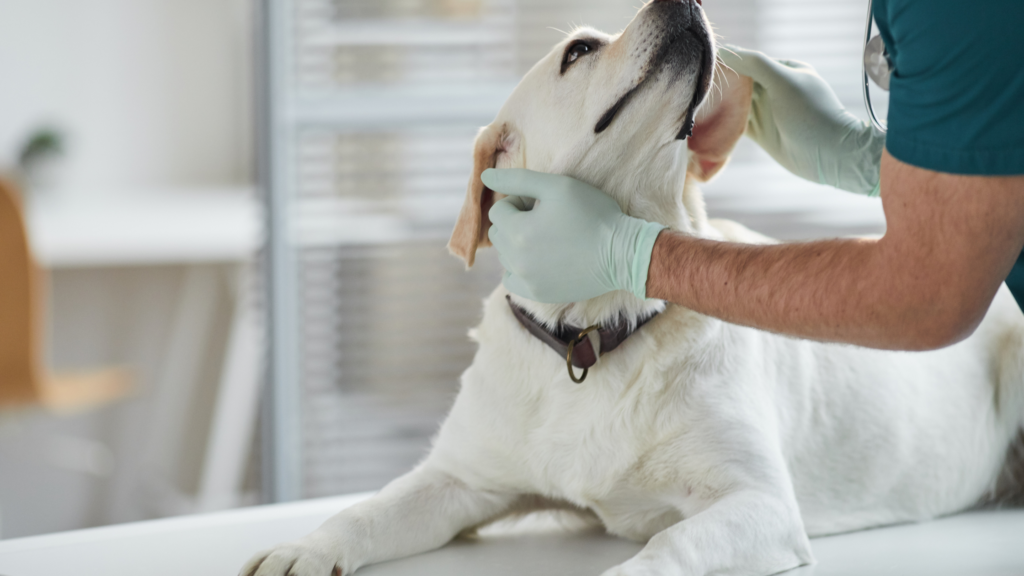
    When treating Wells Syndrome in dogs, seeking veterinary care is paramount. A veterinarian will assess the severity of the condition and recommend appropriate treatment options.

    Here are some common treatment approaches for Wells Syndrome:

    1. Medications: Medications are key in managing Wells Syndrome in dogs. The primary goal is to reduce inflammation and alleviate itching.

    Corticosteroids, such as prednisolone or prednisone, may be prescribed to suppress the immune response and control symptoms.

    If previously administered, discontinuing the use of metronidazole may also be recommended as it could potentially be associated with Well’s-like syndrome in dogs.

    2. Antihistamines: Besides corticosteroids, antihistamines may help relieve itching and minimize allergic reactions associated with Wells Syndrome.

    3. Immunosuppressive Drugs: In more severe or refractory cases, veterinarians may consider immunosuppressive drugs.

    These medications help modulate the immune system’s response and effectively control the inflammation associated with Wells Syndrome.

    However, their usage requires careful monitoring and veterinary supervision due to potential side effects.

    4. Antibiotics: If secondary infections are present due to self-inflicted wounds or compromised skin, antibiotics may be prescribed to treat the bacterial infection and prevent further complications.

    B. Lifestyle Modifications

    In addition to medication, certain lifestyle modifications can greatly contribute to managing Wells Syndrome in dogs. Here are some recommendations to consider:

    1. Avoiding Triggers: Identifying and avoiding potential triggers can help minimize flare-ups.

    Allergy testing may be beneficial in identifying specific allergens that could contribute to the condition.

    Environmental allergens, certain foods, or contact irritants should be identified and eliminated.

    2. Good Skin Hygiene: Good skin hygiene is crucial for dogs with Wells Syndrome.

    Regular bathing with a gentle, hypoallergenic shampoo can help soothe the skin, remove allergens, and prevent secondary infections.

    However, it’s important not to over-bathe, as excessive bathing can dry and worsen the skin.

    3. Nutritional Considerations: A healthy and balanced diet can support your dog’s immune health.

    Consult with your veterinarian to determine if any dietary modifications or supplements can be beneficial for managing Wells Syndrome.

    4. Environmental Control: Minimizing exposure to potential allergens or irritants in the dog’s environment can help reduce the frequency and severity of flare-ups.

    This may involve keeping the living area clean, using allergen-proof bedding, and avoiding known triggers.

    By working closely with a veterinarian and implementing these treatment options and lifestyle modifications, you can effectively manage Wells Syndrome in your dog.

    Regular follow-up visits with the veterinarian are crucial to monitor progress, make necessary adjustments to the treatment plan, and ensure your furry companion’s well-being.

    In the next section, we will discuss the prognosis of Wells Syndrome in dogs and the importance of ongoing care and monitoring.

    Prognosis and Follow-up Care for Dogs with Wells Syndrome

    A. Outlook for Dogs with Wells Syndrome

    Regarding the prognosis of dogs with Wells Syndrome, the outlook can vary depending on several factors.

    While Wells Syndrome can be a chronic condition, early detection, and appropriate management can greatly improve the quality of life for affected dogs. Here are some important points to consider:

    1. Potential Long-Term Effects: With proper treatment and management, many dogs with Wells Syndrome can experience significant improvement in their symptoms.

    However, it’s important to note that some dogs may experience long-term effects, such as scarring or pigmentation changes in the affected areas.

    2. Remission and Recurrence: In some cases, dogs may enter a period of remission where symptoms subside or disappear completely.

    However, it’s crucial to remain vigilant. Wells Syndrome can sometimes recur, especially if triggers are not properly identified and managed.

    B. Monitoring and Follow-up

    Regular monitoring and follow-up care are essential to ensure the best possible outcome for dogs with Wells Syndrome. Here’s why it’s important:

    1. Veterinary Check-ups: Regular visits to the veterinarian allow for ongoing monitoring of the dog’s progress.

    The veterinarian will assess the response to treatment, make any necessary adjustments to the medication regimen, and address any concerns or questions you may have.

    2. Medication Adjustments: The initial treatment plan may need to be modified based on the dog’s response and any side effects observed.

    The veterinarian will closely monitor the dog’s overall health, including blood work, to check for potential medication-related issues.

    Medication dosage or frequency adjustments may be necessary to maintain optimal control of the condition.

    3. Proactive Management: Staying proactive is key since Wells Syndrome can have flare-ups or potential recurrences.

    This includes maintaining good skin hygiene, avoiding triggers, and promptly seeking veterinary attention if any new symptoms or changes occur.

    Remember, each dog’s journey with Wells Syndrome is unique. By staying informed, maintaining open communication with your veterinarian, and providing consistent care, you can help your furry companion live a comfortable and fulfilling life.

    Also Read : Husky American Bulldog Mix – Unleashing the Energetic Charm

    Conclusion

    Wells Syndrome in dogs can present unique challenges. Still, dogs can lead happy and healthy lives with proper understanding, treatment, and ongoing care.

    You can effectively manage the condition by recognizing the common symptoms, seeking veterinary care, implementing appropriate treatment options, and incorporating lifestyle modifications.

    Regular veterinary check-ups and close monitoring are essential to track progress, make any necessary adjustments to the treatment plan, and ensure the best possible outcome for your furry friend.

    With your dedication and support, you can provide the care and attention needed to manage Wells Syndrome in your beloved dog. Together, we can prioritize their well-being and quality of life.
  • Thick Red Veins in Dogs’ Eye: What to Do? – Best Guide

    Thick Red Veins in Dogs’ Eye: What to Do? – Best Guide

    Thick Red Veins in Dogs’ Eye – The saying goes, “Eyes are the windows to the soul,” this holds true for our beloved canine companions. As responsible dog owners, we must keep our furry friends’ eyes healthy and vibrant.

    However, sometimes we may notice unusual signs, such as thick red veins in our dogs’ eyes.

    This peculiar occurrence can be concerning, but fear not, as we delve into understanding the causes, treatments, and preventive measures associated with these veins.

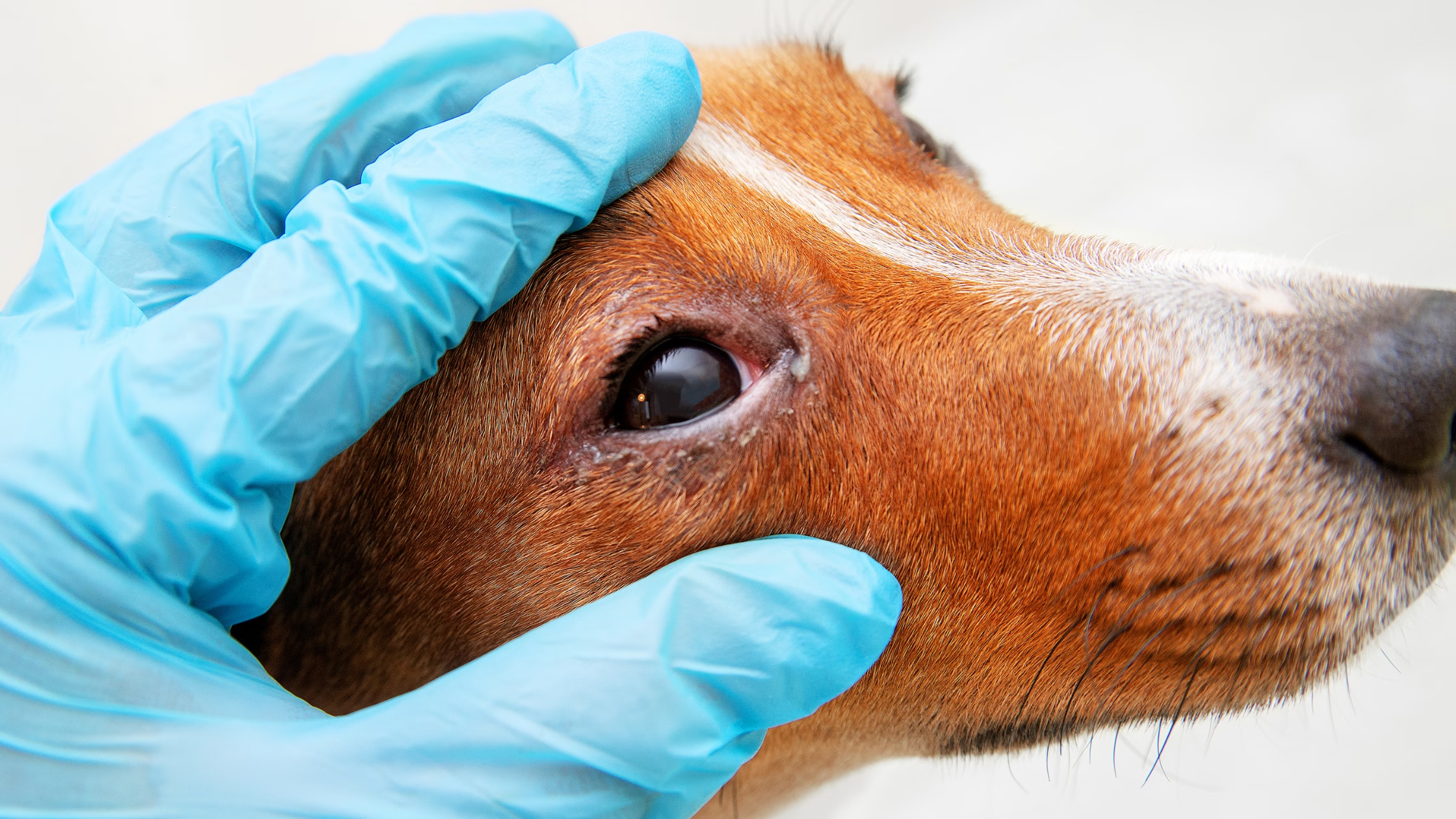
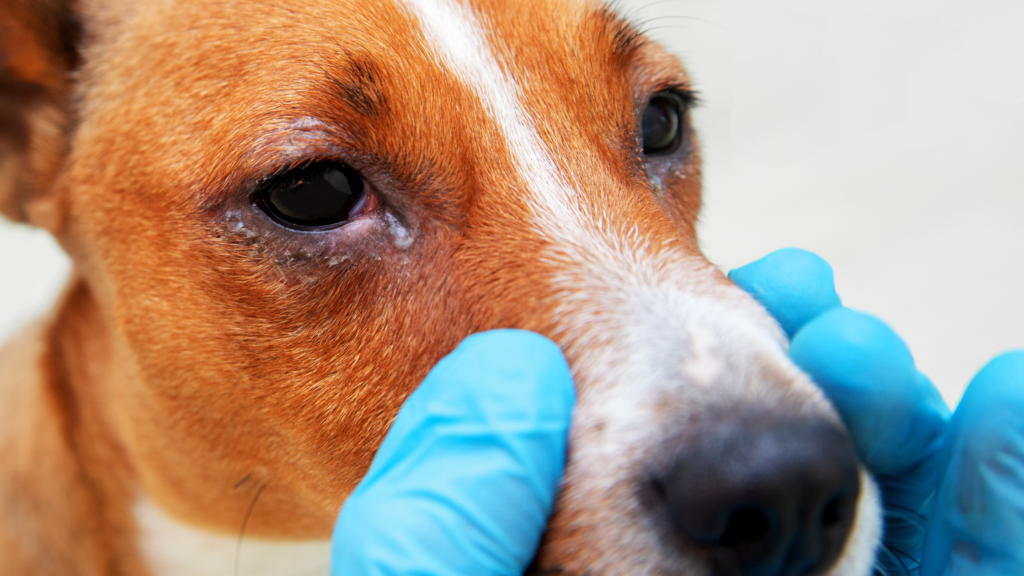
    When we observe thick red veins in a dog’s eye, it often indicates an underlying issue that needs attention.

    Like humans, dogs can experience various eye conditions that may manifest as these visible veins.

    These conditions range from common problems like conjunctivitis to more severe issues like glaucoma.

    Understanding and addressing the causes promptly is crucial for maintaining your furry friend’s ocular well-being.

    This informative guide will explore the significance of maintaining optimal eye health in dogs and shed light on the topic “thick red veins in dog eyes.”

    By grasping the relevance of this keyword, we can better comprehend the potential implications and take the necessary steps to ensure our pets’ eyes stay clear, bright, and healthy.

    So, let’s embark on this enlightening journey together as we uncover the secrets behind thick red veins in dogs’ eyes and discover how we can keep those captivating eyes as captivating as ever!

    Causes of Thick Red Veins in Dogs’ Eyes

    Causes of Thick Red Veins in Dogs Eyes |
    Causes of Thick Red Veins in Dogs’ Eyes

    Conjunctivitis in Dogs

    One common cause of thick red veins in dogs’ eyes is conjunctivitis, also known as pink eye.

    Conjunctivitis occurs when the conjunctiva, the thin membrane covering the eye’s front surface, becomes inflamed.

    This inflammation can be triggered by various factors, including allergies, infections, or irritants.

    Allergies to pollen, dust mites, or certain chemicals can lead to dog conjunctivitis. Infections like bacterial or viral conjunctivitis can also cause the condition.

    Additionally, irritants like smoke, chemicals, or foreign objects can result in conjunctivitis.

    When dogs have conjunctivitis, the blood vessels in the conjunctiva become dilated and more visible, making thick red veins appear.

    Other symptoms may include redness, excessive tearing, discharge, squinting, or pawing at the eye.

    Subconjunctival Hemorrhage in Dogs

    Another possible cause of thick red veins in dogs’ eyes is a subconjunctival hemorrhage.

    This occurs when a blood vessel in the conjunctiva ruptures, causing blood to accumulate beneath the conjunctival tissue.

    Subconjunctival hemorrhages can result from various factors, such as trauma to the eye, vigorous rubbing, high blood pressure, or blood clotting disorders.

    Even activities like excessive coughing or sneezing can contribute to a subconjunctival hemorrhage.

    When subconjunctival bleeding occurs, the affected area appears as a patch or streak of blood on the white part of the eye, surrounded by dilated red blood vessels.

    However, there is typically no associated pain or discharge.

    Glaucoma in Dogs

    Glaucoma, a severe eye condition, can also cause the appearance of thick red veins in dogs’ eyes. Glaucoma occurs when increased pressure within the eye damages the optic nerve.

    The increased intraocular pressure in glaucoma causes the veins in the eye to become engorged and more visible.

    If left untreated, glaucoma can result in permanent vision loss and even blindness.

    Glaucoma can develop due to various factors, including a malfunction in the eye’s drainage system, underlying health conditions, or genetic predisposition.

    Early detection and treatment are crucial to managing glaucoma and preserving a dog’s vision.

    Understanding the causes of thick red veins in dogs’ eyes, such as conjunctivitis, subconjunctival hemorrhage, and glaucoma, can help pet owners recognize potential reasons behind this condition.

    Seeking prompt veterinary attention and appropriate treatment are vital for ensuring our beloved canine companions’ eye health and overall well-being.

    Also Read: Fish Flakes for Dogs: Best Guide

    Diagnosis and Examination of Thick Red Veins in Dogs’ Eye

    Veterinary Evaluation

    Regarding the health of our canine companions’ eyes, it is crucial to consult a veterinarian for a proper diagnosis.

    While we may observe the presence of thick red veins in our dog’s eyes, a veterinarian’s expertise is necessary to determine the underlying cause accurately. 

    During a veterinary eye examination, your veterinarian will carefully examine your dog’s eyes using specialized tools and techniques.

    They will assess the overall eye condition, look for any signs of inflammation, check the cornea’s clarity, and observe the size and responsiveness of the pupils. 

    In addition to a visual examination, your veterinarian may perform specific diagnostic tests to gather more information.

    For instance, the Schirmer tear test can help assess tear production, crucial for detecting certain types of conjunctivitis or dry eye syndrome.

    They may also measure the intraocular pressure using a tonometer to evaluate the possibility of glaucoma.

    Differentiating Causes

    Identifying the specific cause of thick red veins in your dog’s eyes is essential for determining the appropriate treatment plan.

    Veterinarians employ their expertise to differentiate between conditions that can lead to this symptom, such as conjunctivitis, subconjunctival hemorrhage, and glaucoma.

    To differentiate between these causes, veterinarians consider several factors. They carefully examine the appearance of the eye, assessing the presence of discharge, redness, or swelling.

    By evaluating the history of the condition, they can gather information about potential triggers, such as recent trauma or exposure to allergens.

    Additional diagnostic procedures may be necessary to reach a definitive diagnosis.

    Blood tests can help identify any underlying systemic issues contributing to eye problems, such as autoimmune or blood clotting disorders.

    In some cases, advanced imaging techniques like ultrasound or specialized ocular imaging may be used to visualize the internal structures of the eye and detect any abnormalities.

    By conducting a comprehensive examination and employing diagnostic tools, veterinarians can differentiate between the causes of thick red veins in a dog’s eyes.

    This accurate diagnosis sets the foundation for targeted treatment strategies, ensuring your furry friend receives the most appropriate care for their specific condition.

    Remember, the expertise of a veterinarian is invaluable in diagnosing and understanding the complex nature of eye conditions.

    Seeking professional help is always the best course for your dog’s eye health, as it ensures accurate diagnoses and appropriate treatment plans tailored to your pet’s needs.

    Treatment Options for Thick Red Veins in Dogs’ Eye

    Medication and Topical Treatments

    When treating conditions like conjunctivitis or subconjunctival hemorrhage, veterinarians often prescribe medications to alleviate symptoms and promote healing.

    Antibiotic or antiviral eye drops or ointments may be prescribed for conjunctivitis to combat bacterial or viral infections.

    Anti-inflammatory medications can help reduce the inflammation associated with conjunctivitis.

    Following your veterinarian’s instructions regarding the dosage and application of the prescribed medications is crucial.

    Administering the medication as directed ensures optimal effectiveness and promotes faster recovery.

    Pay attention to the frequency and duration of treatment, as some medications may require multiple daily applications for a specific period.

    While medications can be highly beneficial, being aware of potential side effects or complications is essential.

    Some dogs may experience temporary stinging or discomfort upon applying eye drops or ointments. Rarely, an allergic reaction to certain medications may occur.

    Contact your veterinarian promptly if you notice any unusual or concerning side effects.

    Surgical Interventions

    In some instances, surgical intervention may be necessary to treat thick red veins in the eye, mainly when dealing with conditions like glaucoma or underlying structural abnormalities.

    Glaucoma, characterized by increased intraocular pressure, often requires surgical management to alleviate pressure and prevent further damage to the optic nerve.

    Surgical procedures for glaucoma may include laser therapy to improve fluid drainage or the surgical implantation of a shunt to redirect excess fluid from the eye.

    These procedures aim to regulate intraocular pressure and preserve vision.

    When considering surgical interventions, weighing the risks and benefits is essential. While surgery can be highly effective in managing specific conditions, it has risks.

    Potential complications may include infection, bleeding, or adverse reactions to anesthesia.

    Your veterinarian will thoroughly assess your dog’s overall health and discuss the potential benefits and risks of the specific surgical procedure.

    It is crucial to have open and honest communication with your veterinarian when discussing treatment options.

    They will guide you in making informed decisions regarding the best action for your dog’s eye condition.

    By carefully considering the available treatments and their potential outcomes, you can ensure that your furry companion receives the most appropriate and effective care.

    Early intervention and proactive treatment significantly promote your dog’s eye health and prevent complications.

    Regular follow-up appointments and close monitoring of your pet’s progress are essential to gauge the effectiveness of the chosen treatment plan.

    Always consult your veterinarian for any concerns or questions throughout the treatment process.

    Prevention and General Dog Eye Care

    Maintaining Eye Health in dogs

    Just as we prioritize our own eye health, it is equally essential to establish a regular eye care routine for our furry friends.

    By implementing a few simple practices, we can help prevent eye infections and conditions in dogs.

    First and foremost, practicing good hygiene is crucial. Please keep your dog’s face clean by gently wiping away any discharge or debris that may accumulate around their eyes.

    Use a clean, soft cloth or pet-safe wipes designed explicitly for eye cleaning. Be careful not to touch the eye directly, and avoid using harsh chemicals or soaps.

    Additionally, it’s essential to prevent irritants from entering your dog’s eyes.

    Protect your dog’s eyes from dust, debris, and UV rays outdoors using dog-friendly sunglasses or goggles.

    Suppose you notice your dog excessively rubbing or pawing at their eyes. In that case, it may indicate discomfort or an underlying issue, so seek veterinary attention promptly.

    Maintaining your dog’s overall health also contributes to their eye health. Provide a balanced diet rich in essential nutrients, as proper nutrition supports ocular health.

    Regular exercise helps promote good blood circulation, which also benefits the eyes. Consult your veterinarian for specific dietary recommendations tailored to your dog’s needs.

    Regular Veterinary Check-ups

    Routine visits to the veterinarian are crucial for overall wellness and play a vital role in maintaining your dog’s eye health.

    Regular eye examinations by a veterinarian can help identify potential issues before they worsen, ensuring timely intervention and treatment.

    During these check-ups, your veterinarian will thoroughly examine your dog’s eyes, assessing their clarity, checking for any signs of inflammation or abnormalities, and measuring intraocular pressure if necessary.

    By monitoring the health of your dog’s eyes regularly, your veterinarian can detect any subtle changes or early signs of eye conditions.

    The frequency of veterinary check-ups may vary depending on your dog’s age, breed, and pre-existing eye conditions.

    Puppies and senior dogs may require more frequent visits to monitor their eye health. Your veterinarian can guide the appropriate scheduling of check-ups based on your dog’s needs.

    In addition to regular veterinary visits, be vigilant for changes in your dog’s eye appearance or behavior.

    If you notice persistent redness, excessive tearing, cloudiness, discharge, or other concerning signs, seek veterinary attention promptly.

    Early detection and intervention are crucial in managing eye conditions and preserving your dog’s vision.

    You can minimize the risk of eye infections and conditions by prioritizing regular eye care and proactively approaching your dog’s overall health.

    Prevention and early intervention are vital to ensuring the long-term well-being of your furry friend’s precious eyes.

    Also Read: Can You Board a Dog in Heat? A Comprehensive Guide 2023

    Conclusion

    In conclusion, thick red veins in dogs’ eyes can indicate various underlying conditions, such as conjunctivitis, subconjunctival hemorrhage, or glaucoma.

    Prompt veterinary attention is crucial in accurately diagnosing the cause and providing appropriate treatment options.

    We discussed the importance of maintaining optimal eye health in dogs and highlighted the keyword’s relevance.

    Conjunctivitis, a common condition in dogs, can lead to thick red veins, and treatment may involve topical medications and addressing the underlying cause.

    Subconjunctival hemorrhage, often caused by trauma or underlying blood clotting disorders, may require monitoring and, in some cases, identifying and managing the root cause.

    Glaucoma, a severe eye condition, can result in the appearance of thick red veins. Timely diagnosis and treatment, which may involve medication or surgical interventions, are essential for preserving vision.

    We emphasized the significance of regular veterinary check-ups and proper eye care routines to prevent and detect eye conditions early on.

    Maintaining good hygiene, protecting against irritants, and ensuring a balanced diet contribute to overall eye health in dogs.

    In conclusion, seeking professional advice from a veterinarian is crucial if you notice thick red veins in your dog’s eyes.

    Each case is unique, and accurate diagnosis and appropriate treatment are essential for your dog’s well-being.

    Remember, your veterinarian is the best resource for tailored advice and treatment options for your dog’s needs.

    By staying proactive and attentive to your dog’s eye health, you can help ensure a lifetime of clear vision and emotional ocular well-being for your beloved furry companion.

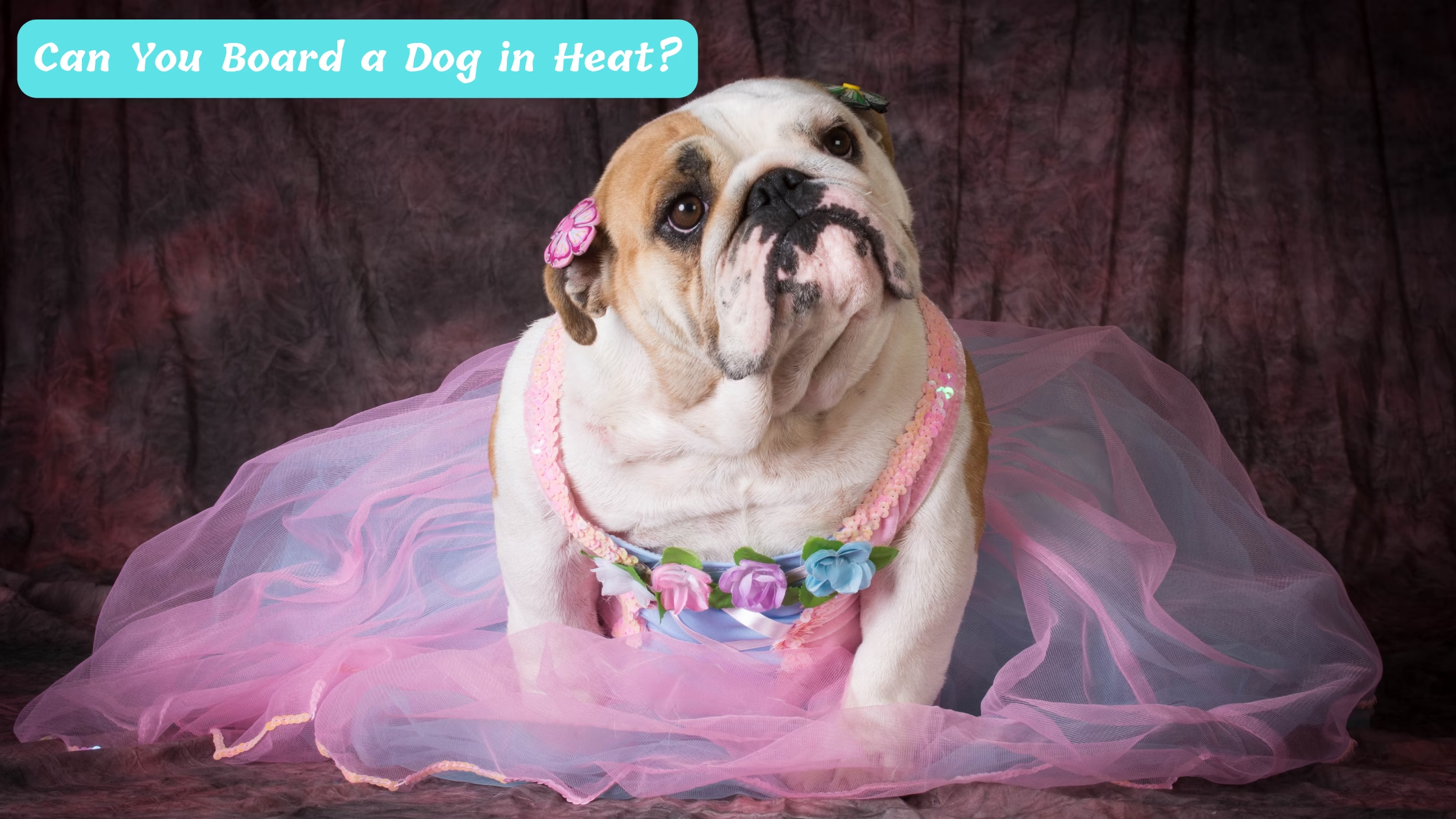
  • Can You Board a Dog in Heat? A Comprehensive Guide 2023

    Can You Board a Dog in Heat? A Comprehensive Guide 2023

    Can You Board a Dog in Heat? Are you a concerned dog owner wondering if it’s possible to board your furry friend while she’s in heat?

    You’re not alone! Many dog owners face this dilemma and want to ensure their pet’s well-being and comfort.

    Understanding the guidelines and considerations for boarding a dog in heat is essential to make an informed decision that aligns with your dog’s needs.

    In this article, we’ll delve into the fascinating world of a dog’s heat cycle and provide valuable insights and tips to help you navigate the boarding process during this sensitive time.

    By the end, you’ll better understand whether boarding your dog in heat is the right choice and how to ensure her safety, health, and happiness throughout the process.

    We’ll explore a range of factors, including boarding facility policies, health considerations, and behavioral aspects, to give you a comprehensive overview.

    So, whether you’re planning a vacation, facing a work trip, or dealing with any other situation that requires temporary care for your beloved pet, this article will equip you with the knowledge you need to make the best decision for your dog.

    Remember, your dog’s well-being is of utmost importance, and by understanding the intricacies of boarding a dog in heat, you can confidently approach the situation and ensure that your furry companion receives the care she deserves.

    So, let’s embark on this journey together and unravel the mysteries of boarding a dog in heat!

    Also Read: Resolving Ingrown Dog Whisker: Effective Treatment Guide

    Understanding the Heat Cycle in Dogs

    Understanding the Heat Cycle in Dogs |
    Understanding the Heat Cycle in Dogs

    Imagine stepping into the magical world of a dog’s heat cycle, a fascinating process female dogs undergo.

    It’s like nature’s symphony, orchestrated with precision and purpose. So, let’s dive into this fascinating phenomenon and unravel the secrets of a dog’s heat cycle.

    The heat cycle, or estrus, is a natural reproductive cycle in female dogs. It’s their body’s way of preparing for potential mating and reproduction.

    Just like humans have menstrual cycles, dogs have heat cycles, although they function quite differently.

    The heat cycle is divided into stages: proestrus, estrus, diestrus, and anestrus, each characterized by unique physiological and behavioral changes and varying durations.

    1. Proestrus

    This is the initial stage of the heat cycle, often accompanied by a symphony of hormonal changes.

    Proestrus typically lasts for about 9 to 10 days. During this stage, a female dog’s body prepares for potential mating.

    You might notice some subtle signs, such as swelling of the vulva and a small amount of bloody discharge.

    However, it’s important to note that the dog is not ready to mate at this stage. She may also exhibit changes in behavior, becoming more restless or seeking attention from male dogs.

    2. Estrus

    Ah, the grand stage of the heat cycle! This is the time when the female dog is receptive to mating. Estrus usually lasts for approximately 5 to 9 days.

    During this phase, the bloody discharge reduces and may even change to a straw-like color.

    The swelling of the vulva persists, and the dog becomes more flirtatious and friendly towards male dogs.

    She may lift her tail to the side, inviting potential suitors to approach. Keeping a close eye on her is crucial to prevent unwanted or unplanned encounters.

    3. Diestrus

    As the curtains close on the grand spectacle, the final stage of the heat cycle, diestrus, takes center stage.

    Diestrus typically lasts 60 to 90 days, regardless of whether mating occurred. If the female dog has not mated, her reproductive system gradually returns to its normal state.

    The swelling of the vulva subsides, and the hormonal levels stabilize. Diestrus marks the end of the heat cycle, and the dog returns to her usual self, patiently waiting for the next cycle to arrive.

    4. Anestrus

    After the culmination of diestrus, anestrus takes the spotlight. Anestrus is a period of reproductive inactivity and serves as a resting phase before the start of the next heat cycle.

    It can last several months, providing a break for the reproductive system and allowing the dog to regain her energy.

    No noticeable physical or behavioral changes occur during anestrus, as it’s a time of rest and preparation for the upcoming heat cycle.

    Understanding the heat cycle and its stages allows us to better appreciate and care for our canine companions during this sensitive time.

    So, let’s move forward and explore the considerations when boarding a dog in heat, ensuring their safety, health, and happiness.

    Factors to Consider When Boarding a Dog in Heat

    Now that we have delved into the enchanting world of a dog’s heat cycle let’s focus on the critical considerations when boarding a dog in heat. It’s crucial to ensure your furry friend’s safety, comfort, and well-being during their stay. Here are some factors to keep in mind:

    1. Communication with the Boarding Facility

    Before boarding your dog in heat, it’s essential to communicate openly with the boarding facility. Please make sure they are experienced and knowledgeable about handling dogs in heat.

    Discuss your dog’s specific needs and provide detailed information about the stage of her heat cycle. This will allow the facility to make appropriate arrangements and provide the necessary care.

    2. Separate Accommodations

    To prevent any unwanted mating attempts or potential conflicts with other dogs, it’s crucial to ensure that your dog is kept separate from intact males during her stay.

    Ask the boarding facility if they have separate accommodations or designated areas for dogs in heat.

    This will provide your dog with a safe and secure environment and alleviate any concerns about unwanted pregnancies or aggressive interactions.

    3. Increased Supervision and Security

    While boarding a dog in heat, it’s important to have increased supervision and security measures in place.

    Ensure the facility has a secure fencing system and a reliable monitoring system to prevent escape attempts.

    Additionally, consider requesting additional staff attention to keep a close eye on your dog, especially during peak times when there might be more activity and excitement.

    4. Regular Exercise and Mental Stimulation

    During boarding, you must provide your dog with regular exercise and mental stimulation.

    Activities such as interactive toys or puzzle games can help keep her mind occupied and reduce potential frustration or restlessness.

    Ask the boarding facility if they offer supervised playtime or individual exercise sessions to cater to your dog’s needs.

    5. Comfort and Familiarity

    To ease your dog’s anxiety and make her feel more comfortable, consider bringing along familiar items from home, such as her bedding or a favorite toy.

    The scent of familiar objects can provide security and familiarity, making the boarding experience less stressful for your dog.

    6. Health and Hygiene

    Ensure that your dog’s health and hygiene needs are met during her stay at the boarding facility.

    Provide clear instructions regarding her feeding schedule, any required medications, and specific grooming requirements.

    If your dog is prone to frequent accidents during the heat cycle, discuss the possibility of more frequent cleaning and hygiene routines with the facility.

    7. Emergency Contact and Updates

    Before boarding your dog, provide the boarding facility with your emergency contact information, phone number, and backup contact.

    Additionally, request regular updates on your dog’s well-being and behavior. This will give you peace of mind and keep you informed about any developments or concerns that may arise.

    Considering these factors when boarding a dog in heat, you can ensure a positive and secure experience for your furry companion.

    Remember, open communication, careful planning, and selecting a reputable boarding facility are vital to providing the best care for your dog during this unique phase of her reproductive cycle.

    Alternatives to Traditional Boarding for dogs in heat.

    Traditional boarding facilities may only sometimes be the ideal choice for some dog owners when boarding a dog in heat.

    Fortunately, alternative options can provide a more tailored and comfortable experience for your furry friend.

    Let’s explore some alternatives to traditional boarding during a dog’s heat cycle:

    1. Trusted Pet Sitter for Dogs in Heat

    Consider hiring a trusted pet sitter who is experienced and comfortable handling dogs in heat.

    A professional pet sitter can provide one-on-one care in the familiar surroundings of your own home.

    This option offers several benefits, including personalized attention, minimized stress from an unfamiliar environment, and the ability to maintain your dog’s routine and daily activities.

    Ensure the pet sitter is well-versed in the specific needs and behaviors associated with dogs in heat.

    This way, they can provide the necessary care and prevent potential risks or complications during this sensitive time.

    2. Specialized Boarding Facilities for Dogs in Heat.

    Another alternative is to search for specialized boarding facilities that cater specifically to dogs in heat.

    These facilities understand the unique requirements and challenges associated with a dog’s heat cycle.

    They provide separate accommodations and designated areas to ensure the safety and well-being of dogs in heat.

    Specialized boarding facilities often have experienced staff knowledgeable about the different stages of the heat cycle and can provide appropriate care and supervision.

    They may also have additional security measures to prevent interactions with intact males and create a stress-free environment for your dog.

    When considering this option, conducting thorough research and visiting the facility beforehand is essential to ensure it meets your expectations and aligns with your dog’s specific needs.

    3. Home Boarding with Responsible Dog Owners for Dogs in Heat

    For dog owners who prefer a more personal touch, home boarding with responsible dog owners can be a viable option.

    This involves finding trustworthy individuals with experience with dogs in heat and willing to provide temporary accommodation for your dog in their home.

    This arrangement allows your dog to receive individual attention and care in a home environment, reducing the stress associated with traditional boarding facilities.

    It’s essential to thoroughly vet the individuals and ensure they have a safe and suitable home environment for your dog.

    When exploring this option, consider factors such as the compatibility between your dog and the resident dogs, any specific requirements your dog may have, and the trustworthiness and reliability of the individuals offering the home boarding services.

    By exploring these alternative options to traditional boarding, you can find a solution that best suits your dog’s needs during her heat cycle.

    Whether hiring a trusted pet sitter, finding specialized boarding facilities, or opting for home boarding, the goal is to provide your dog with a safe and comfortable environment while you’re away.

    Also Read: Fish Flakes for Dogs: Best Guide

    Conclusion – Can You Board a Dog in Heat?

    In conclusion, whether you can board a dog in heat depends on the policies and practices of the boarding facility you choose.

    Some boarding facilities may have specific guidelines and accommodations to board dogs in heat safely. In contrast, others may have restrictions or prefer not to accept them. 

    To make the best decision for your dog, it’s essential to research and communicates with potential boarding facilities thoroughly.

    Discuss your dog’s specific needs, the stage of the heat cycle, and any concerns you may have.

    This open dialogue will allow you to find a boarding facility that understands the unique requirements of dogs in heat and can provide the necessary care and accommodations.

    Remember, your dog’s health, safety, and well-being should always be the top priority.

    If you cannot find a suitable boarding facility or are uncomfortable with the available options, consider alternative arrangements such as hiring a trusted pet sitter or exploring specialized boarding facilities catering to dogs in heat.

    By prioritizing your dog’s needs and making informed decisions, you can ensure a positive and stress-free experience for you and your furry friend during the heat cycle.

  • Resolving Ingrown Dog Whisker: Effective Treatment Guide

    Resolving Ingrown Dog Whisker: Effective Treatment Guide

    Did you know that dog whiskers are more than just attractive features on your furry friend’s face? They play a crucial role in their sensory perception and overall well-being.

    From detecting changes in their surroundings to communicating with other animals, dog whiskers are fascinating and essential.

    However, what happens when these delicate sensory tools become ingrown?

    This comprehensive guide will delve into the intriguing world of ingrown dog whiskers and provide valuable insights into their causes, prevention, and treatment.

    Whether you’re a dedicated dog owner or simply curious about our four-legged companions, this article will illuminate an often-overlooked aspect of canine care.

    Picture this: your adorable canine companion exploring the world around them with their inquisitive snout and those adorable whiskers.

    Scientifically known as vibrissae, these whiskers are not just a charming addition to your dog’s appearance.

    They serve a vital purpose, acting as sensitive receptors that provide essential information about their environment.

    Like our senses of touch and sight, dog whiskers are intricately connected to their ability to navigate and perceive the world.

    Now, let’s address the topic at hand – ingrown dog whiskers.

    While dog whiskers typically grow straight outwards, they can occasionally become trapped or embedded, leading to discomfort and potential complications for your furry friend.

    Ingrown dog whiskers are an inconvenience and can indicate underlying issues that require attention.

    This article explores the causes behind ingrown whiskers, identifies the telltale signs of trouble, and discusses effective preventive measures to keep your dog’s whiskers healthy and unobstructed.

    Whether you’re a proud owner of a whiskered canine companion or simply fascinated by the intricacies of our furry friends, this guide will equip you with the knowledge to ensure your dog’s whiskers stay in optimal shape.

    From practical grooming tips to understanding the importance of a stress-free environment, we’ll cover everything you need to know about dealing with ingrown dog whiskers.

    So, let’s embark on this enlightening journey and learn how to keep those whiskers wagging happily!

    Understanding Dog Whiskers and Their Function

    Understanding Dog Whiskers and Their Function
    Understanding Dog Whiskers and Their Function

    A. Explanation of Dog Whiskers

    Technically known as vibrissae, whiskers are specialized hairs that protrude from specific areas on a dog’s face, primarily around the muzzle, eyebrows, and cheeks.

    These whiskers are more than just adorable facial features—they are essential tools for our canine companions.

    Dog whiskers have distinctive characteristics that set them apart from regular fur. They are longer, stiffer, and more deeply rooted in the skin.

    Whiskers are typically thicker at the base and taper to a finer point, providing dogs with increased sensitivity and perception.

    B. Importance of Intact and Healthy Whiskers

    1. Sensory Perception and Environmental Awareness

    Dog whiskers are remarkably sensitive to even the slightest changes in their surroundings.

    They function as sensory receptors, enabling dogs to gather information about their environment, objects, and even the movements of other animals.

    Whiskers detect air currents, vibrations, and changes in air pressure, helping dogs navigate and make sense of their surroundings.

    Imagine your dog exploring a dimly lit room. Their whiskers act as built-in radar; alerting them to potential obstacles or narrow spaces they may need to squeeze through.

    They can also sense the presence of nearby objects or detect the subtle movement of prey. It’s a unique system that allows dogs to navigate with precision and confidence.

    2. Communication and Social Interactions

    Beyond their environmental awareness, dog whiskers are crucial in communication and social interactions.

    Dogs are adept at reading subtle body language cues; their whiskers contribute to this ability.

    During social interactions with other dogs or humans, whiskers provide valuable information about the emotions and intentions of those around them.

    When a dog is relaxed and at ease, their whiskers are typically neutral.

    However, when they become alert, excited, or anxious, the whiskers may move forward or slightly fan out, indicating their emotional state.

    Similarly, dogs may use their whiskers to gauge proximity and establish boundaries during play or greetings.

    If their whiskers are touched or bent back, it can signal discomfort or a need to adjust the interaction.

    In summary, intact and healthy whiskers are vital for a dog’s sensory perception, environmental awareness, and social communication.

    Understanding the significance of these specialized hairs allows us to appreciate the intricate world our dogs experience daily.

    Now that we’ve explored the fascinating role of dog whiskers let’s delve deeper into the topic of ingrown dog whiskers – a condition that can disrupt these crucial functions.

    By better understanding ingrown whiskers, we can proactively address any issues that may arise and ensure our canine companions continue to thrive.

    Causes and Symptoms of Ingrown Dog Whiskers

    Causes and Symptoms of Ingrown Dog Whiskers
    Causes and Symptoms of Ingrown Dog Whiskers

    A. Common Causes of Ingrown Whiskers

    1. Curvature or Improper Growth Direction:

    Sometimes, a dog’s whiskers may grow in a curved or irregular pattern, causing them to bend and potentially become ingrown.

    This can occur naturally due to genetics or be influenced by external factors such as repeated contact with tight-fitting collars or rubbing against surfaces that put pressure on the whiskers.

    2. Damage or Trauma to Whiskers:

    Accidental damage or trauma to a dog’s whiskers can also lead to ingrown whiskers.

    Dogs are curious creatures, and their whiskers can get caught, pulled, or bent during exploratory adventures, playful encounters, or even grooming mishaps.

    Trauma to the whiskers can cause them to become misaligned or embedded in the surrounding tissue.

    B. Identifying Signs of Ingrown Whiskers

    1. Behavioral Changes

    Dogs with ingrown whiskers may exhibit specific behavioral changes as they experience discomfort or irritation.

    They might excessively scratch or paw at their face, focusing on where the ingrown whisker is.

    You may notice your furry friend rubbing their face against furniture, scratching their snout with their paws, or even pawing at their whiskers to alleviate the discomfort.

    2. Visible Inflammation or Redness:

    Another telltale sign of ingrown whiskers is inflammation or redness around the affected area.

    The skin surrounding the ingrown whisker may appear swollen, irritated, or even slightly infected.

    Please pay attention to any changes in your dog’s facial appearance and closely examine the area around its whiskers to detect signs of inflammation or redness.

    As a responsible pet owner, being attentive to these signs can help you promptly identify and address ingrown whiskers, ensuring your dog’s comfort and well-being.

    Now that we’ve uncovered the causes and symptoms of ingrown dog whiskers, we’ll move on to the next section, exploring effective prevention methods and treatments.

    By understanding how to prevent and manage ingrown whiskers, you can help your canine companion maintain their vibrant and healthy whiskers while avoiding potential complications.

    So, let’s continue our journey towards keeping those precious whiskers wagging happily!

    Prevention and Maintenance of Dog Whiskers

    A. Proper Grooming Practices

    When it comes to maintaining your dog’s whiskers, there are essential grooming practices to keep in mind:

    1. Avoidance of Excessive Trimming or Plucking of Whiskers

    Resist the temptation to trim or pluck your dog’s whiskers.

    While it may seem harmless to tidy up their appearance, excessive trimming or removal of whiskers can disrupt their natural sensory abilities and compromise their overall well-being.

    Whiskers play a vital role in how your dog experiences the world, so let those great whiskers grow and flourish!

    2. Gentle Brushing to Remove Debris and Prevent Tangling

    Regular and gentle brushing around your dog’s whisker area is essential for maintenance.

    This helps remove any debris or tangles that might accumulate, ensuring the whiskers remain clean and unobstructed.

    Choose a soft-bristled brush or a grooming tool designed explicitly for whisker care to gently comb through the fur around the muzzle, cheeks, and eyebrows.

    B. Environmental Considerations

    Creating a whisker-friendly environment is crucial to prevent damage or bending of your dog’s whiskers. Here are a few key considerations:

    1. Provide Adequate Space for Dogs to Navigate Without Whisker Interference

    Dogs use their whiskers to gauge spatial awareness, especially in tight or confined spaces.

    Ensure your living environment allows for ample room for your dog to move around without their whiskers getting unnecessarily compressed or bent.

    This includes providing enough space between furniture, doorways, and any potential obstacles obstructing their whisker movements.

    2. Minimize Potential Hazards that Could Damage or Bend Whiskers

    Take a moment to assess your surroundings from a dog’s perspective.

    Are there sharp edges, objects, or structures that could damage or bend your dog’s whiskers?

    Remove or modify any potential hazards that may pose a risk to your dog’s special sensory tools.

    This could include securing loose wires, padding sharp corners, or rearranging furniture to create a safer environment.

    Adopting these preventative measures and practicing proper maintenance ensures that your dog’s whiskers remain healthy, intact, and fully functional.

    Now that we’ve covered the importance of prevention and maintenance, we’ll explore the next crucial aspect of dealing with ingrown dog whiskers – treatment options.

    Stay tuned as we uncover effective strategies to address ingrown whiskers and restore your dog’s comfort and well-being!

    Treatment Options for Ingrown Dog Whiskers

    Treatment Options for Ingrown Dog Whiskers |
    Treatment Options for Ingrown Dog Whiskers

    A. Home Care Remedies for Ingrown Dog Whiskers

    When faced with ingrown dog whiskers, there are a few home care remedies you can try:

    1. Soothing Irritated Skin with Warm Compresses

    If your dog is experiencing discomfort or inflammation due to an ingrown whisker, applying a warm compress can provide soothing relief.

    Dampen a clean cloth with warm water (not too hot) and gently press it against the affected area for a few minutes.

    The warmth helps alleviate swelling and promotes blood circulation, aiding in natural healing.

    2. Gentle Trimming of the Affected Whisker (If Necessary)

    In some cases, if an ingrown whisker is causing excessive discomfort or posing a risk of further complications, you may consider gentle trimming.

    However, it is crucial to exercise extreme caution and trim the affected whisker with precise, sharp, clean scissors.

    If you’re uncertain or uncomfortable doing this yourself, it’s best to consult a professional groomer or veterinarian for assistance.

    B. Veterinary Intervention for Ingrown Dog Whiskers

    For severe or recurring cases of ingrown dog whiskers, it’s advisable to seek veterinary intervention:

    1. Consulting a Veterinarian for Severe or Recurring Cases

    If home care remedies do not provide adequate relief or the ingrown whiskers persist, it’s essential to consult a veterinarian.

    They can examine the affected area more thoroughly, assess the severity of the condition, and recommend appropriate treatment options.

    2. Possible Medical Treatments or Procedures

    Your veterinarian may prescribe or recommend specific medical treatments based on the severity and underlying cause of the ingrown whiskers.

    This could include the application of antibiotic ointments to prevent infection, anti-inflammatory medications to reduce swelling, or other targeted therapies to address the issue.

    The veterinarian might sometimes suggest removing the ingrown whiskers through a simple procedure.

    This ensures potential complications are resolved, and your dog’s whiskers can grow back correctly.

    Remember, each dog and situation is unique, so it’s essential to consult a professional who can provide tailored advice and treatment options for your furry friend.

    Combining home care remedies with veterinary guidance can effectively address ingrown dog whiskers and restore your dog’s comfort and well-being.

    Now that we’ve explored the various treatment options, let’s move on to the final section, where we’ll share practical tips for managing ingrown whiskers and promoting the overall well-being of your beloved canine companion.

    Stay tuned for valuable insights that will help you keep those whiskers wagging happily!

    Also Read: Can Dogs Eat Pierogies? Are pierogies safe for dogs

    Tips for Managing Ingrown Dog Whiskers and Promoting Overall Well-being

    A. Regular Veterinary Check-ups

    1. Routine Examinations to Detect Potential Whisker-Related Issues

    Schedule regular veterinary check-ups for your dog to ensure their overall health and well-being, including the condition of their whiskers.

    During these examinations, the veterinarian can carefully examine your dog’s whiskers, looking for any signs of ingrown whiskers or other related problems.

    Early detection and intervention can prevent complications and ensure prompt treatment if needed.

    2. Addressing Any Underlying Health Conditions that May Contribute to Ingrown Whiskers

    Some health conditions, such as allergies or skin irritations, can contribute to developing ingrown whiskers in dogs.

    It’s important to discuss any concerns or symptoms with your veterinarian, as they can help identify and manage these underlying conditions.

    Addressing the root causes can minimize the risk of ingrown whiskers and promote overall whisker health.

    B. Maintaining a Stress-Free Environment

    1. Minimizing Stressors that May Cause Excessive Scratching or Self-grooming

    Stress can lead to excessive scratching or self-grooming, increasing the chances of ingrown whiskers.

    Create a calm and stress-free environment for your dog by minimizing triggers that may induce anxiety or discomfort.

    Provide a quiet space where your dog can relax, offer plenty of mental and physical stimulation through interactive play, and ensure they have a comfortable bed or resting area.

    2. Ensuring a Balanced Diet and Proper Hydration for Overall Skin and Coat Health

    A balanced diet and proper hydration are vital for maintaining healthy skin and coat, including your dog’s whiskers.

    Provide a nutritionally balanced diet that meets their specific needs, including essential fatty acids and vitamins promoting skin and coat health.

    Additionally, always ensure your dog has access to fresh water to maintain proper hydration.

    By prioritizing regular veterinary check-ups and maintaining a stress-free environment with a well-balanced diet, you can support your dog’s overall well-being and minimize the occurrence of ingrown whiskers.

    Remember, as a pet owner, your attentiveness and care play a crucial role in promoting your dog’s whisker health.

    Monitor their behavior, observe changes in their whiskers or facial area, and seek veterinary advice when needed.

    By implementing these tips and being proactive in their care, you can keep those precious whiskers healthy and your furry friend happy.

    We hope this comprehensive guide has provided valuable insights into ingrown dog whiskers and how to manage them effectively.

    Armed with knowledge and a deep understanding of your dog’s needs, you can ensure their whiskers continue to fulfill their vital role in their sensory perception and overall well-being.

    Also Read: Can Dogs Eat Yellow Rice? Unveiling the Truth & Benefits

    Conclusion

    In this comprehensive article, we’ve delved into the intriguing world of dog whiskers and explored the topic of ingrown dog whiskers.

    We learned the importance of intact and healthy whiskers for sensory perception, environmental awareness, communication, and social interactions.

    We discussed the common causes and identified signs of ingrown whiskers, emphasizing the behavioral changes and visible inflammation that may indicate this condition.

    Understanding the causes and symptoms allows us to address ingrown whiskers promptly and proactively.

    We then explored prevention and maintenance tips to keep our dog’s whiskers in optimal condition.

    Highlighted were the significance of proper grooming practices, including avoiding excessive trimming or plucking of whiskers, as well as the importance of environmental considerations such as providing ample space and reducing potential hazards.

    Regarding treatment options, we covered home care remedies and the importance of veterinary intervention.

    Soothing irritated skin with warm compresses and gentle trimming was recommended for home care.

    In more severe or recurring cases, consulting a veterinarian and considering medical treatments or procedures, such as antibiotic ointments or removing ingrown whiskers, were advised.

    To ensure overall well-being, we provided tips for managing ingrown dog whiskers and promoting a healthy lifestyle.

    Regular veterinary check-ups were emphasized for early detection and addressing underlying health conditions.

    Maintaining a stress-free environment and ensuring a balanced diet and proper hydration were also highlighted.

    In conclusion, prioritizing the safety and health of our furry friends is paramount.

    When selecting beef hide chews or other products for our dogs, we must consider their potential risks and consult a veterinarian.

    A balanced approach, exploring alternatives, and making informed choices are critical.

    Lastly, we reinforced the importance of supervision and responsible dog ownership.

    By being attentive, proactive, and seeking professional advice, we can give our dogs the love, care, and attention they deserve.

    Remember, our dogs rely on us to be their advocates and caretakers.

    By nurturing their whiskers and overall well-being, we deepen our bond with our canine companions and ensure they lead happy and fulfilling lives.

  • Polysporin for Dogs: The Truth about it’s safety and use.

    Polysporin for Dogs: The Truth about it’s safety and use.

    Polysporin for Dogs – Ah, Polysporin—the familiar antibiotic skin ointment found in many stores across the United States, ready to come to the rescue for minor wounds and abrasions in humans.

    But can this popular ointment be used to treat your dog’s wounds?

    Ah, the temptation to grab that over-the-counter antibiotic and take matters into your own hands! However, veterinary health experts generally advise against it.

    But fear not! There are situations where Polysporin can safely treat your furry friend’s wounds. Let’s dive in and uncover the truth behind Polysporin’s role in your dog’s wound care.

    What is Polysporin, Anyway?

    Polysporin is the catchy brand name for an over-the-counter antibiotic skin ointment and antibiotic eye and ear drops manufactured by the well-known Johnson & Johnson.

    This wonder ointment contains a combination of two antibiotics: bacitracin zinc and polymyxin B sulphate.

    It’s widely available and easily accessible in stores throughout the United States.

    However, it’s important to note that Polysporin eye and ear drops are not sold in the United States except on eBay.

    Instead, they can be found over the counter in Canada.

    Safety First: Is Polysporin Safe for Dogs? Are Polysporin ear drops safe for dogs?

    Are Polysporin ear drops safe for dogs |
    Are Polysporin ear drops safe for dogs?

    Is Polysporin Safe for Dogs?

    Here’s the deal: Polysporin is a skin antibiotic ointment used to treat human skin infections, specifically minor cuts.

    So, can it be used for your dog’s skin? Yes, but with a few precautions.

    Polysporin skin ointment can be used safely for minor cuts or injuries on your dog’s skin, but this should only be done under veterinary supervision. 

    Are Polysporin ear drops safe for dogs?

    It’s important to remember that Polysporin ear and eye products are intended for human use and are ineffective in treating canine eye or ear infections.

    Keep those Polysporin ear drops away from your dog’s precious peepers and floppy ears!

    Polysporin versus Neosporin: The Battle of the Ointments

    In wound care for dogs, Polysporin faces stiff competition from its triple antibiotic ointment counterpart, Neosporin.

    Professionals in the United States tend to lean more towards Neosporin than Polysporin, mainly because Neosporin contains an additional ingredient that Polysporin lacks: neomycin sulphate.

    Neosporin comes in two versions: an over-the-counter skin ointment for minor cuts in humans and a prescription Neosporin Ophthalmic for humans, also available in veterinary ophthalmic versions.

    Remember, over-the-counter Neosporin should never be used in your dog’s eyes or ears—stick to the prescription version for those sensitive areas.

    Also Read: Can Dogs Eat Nopales? Discover the Benefits and Tasty Recipes!

    Navigating the Proper Use of Polysporin on Dogs

    Let’s discuss where you can safely use Polysporin on your four-legged pal.

    The key takeaway is that Polysporin skin ointment is specifically meant for human skin abrasions and should never be used in your dog’s eyes or for treating ear infections.

    Instead, it can be cautiously used on minor scrapes on your furry friend.

    However, it’s crucial to consult with your veterinarian before applying Polysporin to your dog’s skin.

    Certain wounds, such as hot spots (pyoderma), deep wounds, or rashes from serious allergic reactions, require professional care and may not be suitable for Polysporin treatment.

    Exploring Alternatives to Polysporin for Your Dog’s Wounds

    When treating your dog’s minor wounds, you may wonder if there are natural alternatives to Polysporin.

    Well, good news! Some alternative veterinarians prefer natural treatment options to clean and speed up the healing process of minor dog wounds. These options include:

    • Normal Saline Solution: This simple yet effective solution can gently cleanse the wound and promote healing.
    • Alcohol-Free Witch Hazel: In small quantities (only once or twice a day), witch hazel can clean the wound and provide some antiseptic properties. However, it’s important to note that witch hazel should not be used on dry skin as it can worsen the condition.
    • Turmeric: Known for its anti-inflammatory and antimicrobial properties, turmeric can be applied topically to aid in wound healing. However, it’s advisable to consult with your veterinarian before using turmeric on your dog.
    • Herbal Tree Rinses: Chamomile or St. John’s wort rinses can be used as natural wound cleansers and may help soothe and promote healing. Always dilute these herbal extracts appropriately and follow your veterinarian’s advice.
    • Medical-Grade Honey Ointment: Honey has long been recognized for its antibacterial properties and ability to promote wound healing. The medical-grade honey ointment can be applied to minor wounds, but consult your veterinarian before using it.

    Remember, discussing these natural remedies with your veterinarian before using them on your dog is crucial.

    They will provide guidance based on your dog’s specific needs and the nature of the wound.

    Precautions When Using Polysporin on Dogs

    Precautions When Using Polysporin on Dogs |
    Precautions When Using Polysporin on Dogs

    While Polysporin is generally safe for minor scrapes and abrasions on dogs, there are a few precautions to remember.

    Firstly, neither Polysporin nor Neosporin skin ointments should ever be applied to your dog’s eyes or ears.

    These products are not formulated for such use and may cause serious side effects if ingested or applied incorrectly.

    If your dog shows any signs of allergic reactions or swelling after using Polysporin, contact your veterinarian immediately.

    It’s important to note that Polysporin Ear is ineffective in treating ear mites, yeast infections, or other common causes of ear infections in dogs.

    For any discomfort or infection in your dog’s ears, it’s best to have it assessed and treated by a veterinarian.

    Also Read: The Power of Aggressive Dog Board and Train Programs

    Polysporin for Dogs – The Takeaway: Contact Your Veterinarian

    In conclusion, Polysporin can have a role in treating minor cuts and wounds on dogs’ skin, but it should only be used under veterinary supervision.

    Never put Polysporin or Neosporin in your dog’s eyes or ears, as these products are not intended for such use.

    Regarding your dog’s health, it’s always best to consult your veterinarian for proper diagnosis, guidance, and treatment.

    They will recommend the most appropriate action based on your dog’s condition, ensuring the best possible care and outcome.

    So, next time your four-legged companion has a wound, reach out to your DVM and let them guide you on the best course of action.

    Together, you’ll ensure your dog receives the care they deserve and help them heal quickly!

  • Dog Shivering After Bath- How to stop it?- Best Guide 2023

    Dog Shivering After Bath- How to stop it?- Best Guide 2023

    Dog Shivering After Bath – Shivering is a common behavior observed in dogs after Bathing, and it can raise concerns for dog owners.

    This comprehensive guide aims to provide valuable insights into why dogs shiver after a bath, the importance of understanding dog behavior, and an overview of dogs shivering after bathing.

    Purpose of the Guide

    This guide aims to educate dog owners about the reasons behind their dogs’ shivering behavior after Bathing.

    By understanding the potential causes and implications of shivering, dog owners can take appropriate measures to ensure their pets’ well-being and comfort.

    This guide will offer practical tips and strategies to prevent and address shivering episodes and guidance on when to seek veterinary care.

    Importance of Understanding Dog Behavior

    To effectively address any behavioral changes in dogs, including shivering after bathing, it is crucial to have a comprehensive understanding of dog behavior.

    By recognizing normal behavior patterns, identifying signs of distress or anxiety, and interpreting canine body language, dog owners can better assess their pets’ well-being and respond appropriately to their needs.

    Overview of Dog Shivering After Bathing

    Shivering is a natural response exhibited by dogs following a bath, serving various purposes.

    This section will explore the general phenomenon of dogs shivering after Bathing.

    We will explore the potential causes, including cold temperature, wet fur, fear or anxiety, and underlying medical conditions.

    By gaining a broad overview of the topic, readers will be better equipped to comprehend the subsequent sections, which will delve deeper into each case and provide practical solutions.

    Please note that the subsequent sections will provide more detailed information on each topic discussed in the introduction, covering dog behavior, shivering causes, prevention strategies, and when to seek veterinary care.

    Understanding Dog Behavior giving him a bath

    Understanding Dog Behavior giving him a bath |
    Understanding Dog Behavior giving him a bath

    Understanding dog behavior is essential for comprehending why dogs exhibit certain behaviors, such as shivering after bathing.

    In this section, we will explore normal dog behavior after Bathing and signs of distress or anxiety in dogs.

    Normal Dog Behavior After Bathing

    After a bath, dogs often engage in behaviors considered normal.

    Understanding these behaviors can help differentiate between normal reactions and potential signs of distress.

    The following are common behaviors observed in dogs after Bathing:

    Grooming Behavior

    Dogs have an innate instinct to groom themselves, similar to cats’.

    After a bath, dogs may lick themselves, bite at their fur, or rub against objects to dry off and restore their fur’s natural oils.

    Grooming behavior is a way for dogs to maintain cleanliness and comfort.

    Shake-Off Behavior

    Shaking off excess water is a natural behavior dogs exhibit after being wet.

    Dogs vigorously shake their bodies, starting from their head and working their way to the tail to remove water from their fur.

    This shake-off behavior helps dogs dry faster and regain their comfort.

    Seeking Warmth and Comfort

    Dogs often seek warmth and comfort after Bathing, especially when feeling chilly.

    They may look for cozy spots, blankets, or their owners’ laps to snuggle into.

    Seeking warmth is a natural response for dogs to regulate their body temperature and feel secure.

    Signs of Distress or Anxiety in Dogs

    While some shivering after a bath can be normal, it’s essential to recognize signs of distress or anxiety in dogs.

    Understanding these signs can help determine if the shivering is due to underlying stress or discomfort.

    The following are common signs of distress or anxiety in dogs:

    Body Language Cues

    Dogs communicate their emotions through body language.

    Signs of distress or anxiety may include flattened ears, a tucked tail, tense body posture, excessive panting, pacing, or cowering.

    These cues indicate that the dog is not comfortable or at ease.

    Vocalizations and Whining

    Dogs may vocalize their distress or anxiety through whining, whimpering, or excessive barking.

    These vocalizations serve as communication, expressing their discomfort or seeking attention and reassurance.

    Changes in Appetite or Sleep Patterns

    A dog experiencing distress or anxiety may exhibit appetite or sleep patterns changes.

    They may refuse food, eat less than usual, or have difficulty settling down and sleeping.

    These changes in behavior can be indicative of underlying emotional or physical discomfort.

    Understanding normal dog behavior after bathing and recognizing signs of distress or anxiety will enable dog owners to accurately assess their pets’ well-being.

    Owners can provide appropriate care and address any issues by differentiating between normal behaviors and potential stress indicators.

    Why is my dog Shivering after Bath? – Possible Causes of Shivering

    Why is my dog Shivering after Bath |
    Why is my dog Shivering after Bath?

    Shivering in dogs after Bathing can be attributed to various factors. This section will explore the possible causes of shivering and their implications for dogs’ well-being.

    1. Cold Temperature

    Hypothermia and its Symptoms

    Exposure to cold water or a chilly environment can lead to hypothermia in dogs.

    Hypothermia occurs when a dog’s body temperature drops below normal levels, causing shivering as a physiological response to generate heat.

    Recognizing the symptoms of hypothermia, such as intense shivering, pale gums, lethargy, and decreased heart rate, is crucial for prompt intervention.

    Ways to Keep Dogs Warm After Bathing

    It is important to provide dogs with adequate warmth to prevent shivering due to cold temperatures.

    This can be achieved by adjusting the room temperature, using warm towels or blankets, and providing heated pads or beds specifically designed for dogs.

    These measures help maintain a comfortable body temperature and prevent excessive shivering.

    2. Wet Fur

    Effects of Wet Fur on Body Temperature

    When a dog’s fur remains wet after Bathing, it can lead to a drop in body temperature.

    Wet fur is less effective at insulating the body, making dogs more susceptible to the cold.

    As a result, shivering may occur as a mechanism to generate heat and restore the dog’s normal body temperature.

    Towel Drying Techniques

    Proper towel-drying techniques are essential to remove excess moisture from a dog’s fur.

    Gently rubbing the dog’s body with absorbent towels helps absorb the water and speeds up the drying process.

    Paying extra attention to areas with thick furs, such as the chest and abdomen, ensures thorough drying and reduces the likelihood of shivering.

    Importance of Proper Air Drying

    After towel drying, allowing the dog to air dry completely is crucial.

    Proper air drying ensures the dog’s fur is fully dry, minimizing the risk of continued shivering due to residual moisture.

    It is important to provide a warm, draft-free environment during air-drying.

    3. Fear or Anxiety

    Bathing as a Stressor for Some Dogs

    For some dogs, Bathing can be a stressful experience.

    Fear or anxiety triggered by the bathing process may manifest as shivering.

    Factors such as water-related phobias, past traumatic experiences, or unfamiliar environments can develop bathing anxiety in dogs.

    Recognizing Fearful Behaviors

    Observing a dog’s body language and behavior can help identify signs of fear or anxiety during Bathing.

    These may include trembling, panting, attempts to escape, avoidance behaviors, or displaying a lowered body posture.

    Recognizing these fearful behaviors is essential for addressing the underlying anxiety and reducing shivering.

    Techniques for Reducing Bathing Anxiety

    Various techniques can be employed to alleviate bathing anxiety and subsequently reduce shivering. These include:

    • Gradually desensitizing the dog to the bathing process.
    • Providing positive reinforcement.
    • Using calming techniques such as gentle massage or aromatherapy.
    • Seeking professional assistance from a qualified dog trainer or behaviorist.

    4. Medical Conditions

    Shivering after Bathing can also be associated with underlying medical conditions. Awareness of these conditions and their potential impact on a dog’s well-being is important.

    5. Pain or Discomfort

    Dogs experiencing pain or discomfort, such as muscle soreness or joint issues, may exhibit shivering as a response.

    Pain-related shivering is a protective mechanism and may require veterinary attention to diagnose and address the underlying cause.

    A thorough examination by a veterinarian can help identify any musculoskeletal issues or sources of pain, and appropriate treatment options can be pursued to alleviate the discomfort and reduce shivering.

    6. Neurological Issues

    Certain neurological conditions can contribute to shivering after bathing.

    Neurological disorders affecting the central nervous system can disrupt normal motor control and coordination, leading to shivering or tremors.

    If shivering persists or is accompanied by other neurological symptoms such as weakness, difficulty walking, or seizures, it is crucial to consult a veterinarian for a comprehensive evaluation and potential diagnostic tests.

    7. Endocrine Disorders

    Endocrine disorders like Hypothyroidism can impact a dog’s body temperature regulation and metabolism.

    Dogs with Hypothyroidism may have a lower basal body temperature, making them more susceptible to feeling cold and shivering after bathing.

    Blood tests and hormonal evaluations can help diagnose endocrine disorders, and appropriate treatment under veterinary guidance can help manage the condition and alleviate shivering.

    8. Allergic Reactions

    In some cases, shivering after Bathing can be associated with allergic reactions.

    Dogs may develop skin allergies or sensitivities to specific grooming products, shampoos, or conditioners used during Bathing.

    Allergic reactions can cause discomfort and trigger shivering as a response.

    Identifying and avoiding allergens and seeking veterinary advice for suitable hypoallergenic grooming products can help prevent allergic reactions and minimize shivering.

    It is essential to note that while this guide provides an overview of the possible causes of shivering after bathing, each dog is unique, and multiple factors can contribute to their individual response.

    Monitoring the dog’s behavior, consulting with a veterinarian when necessary, and addressing any underlying issues are crucial steps in ensuring the well-being and comfort of dogs after bathing.

    Preventing Shivering After Bathing

    Taking preventive measures can help minimize shivering episodes in dogs after bathing.

    This section will explore strategies to provide warmth, properly dry the dog, and reduce stress and anxiety associated with Bathing.

    Providing Warmth

    Adjusting the Room Temperature

    Maintaining a warm environment prevents dogs from feeling cold after Bathing.

    Ensure that the room where the Bathing takes place is comfortably warm.

    Close windows or doors to minimize drafts, and consider using space heaters or radiators to maintain a consistent temperature.

    Using Warm Towels or Blankets

    Immediately after Bathing, wrap the dog in warm towels or blankets.

    Place the towels in a dryer for a few minutes beforehand to ensure they are warm.

    This will help retain the dog’s body heat, prevent shivering, and provide comfort and security.

    Utilizing Heated Pads or Beds

    Consider using heated pads or beds specifically designed for dogs.

    These products provide a consistent and controlled source of warmth, ensuring that the dog remains cozy and comfortable after bathing.

    Follow the manufacturer’s instructions for safe use and monitor the dog’s behavior while utilizing such products.

    Drying the Dog Properly

    Proper drying techniques are essential to remove excess moisture from the dog’s fur, minimizing the risk of shivering from wetness and cold temperatures.

    Towel Drying Techniques

    After rinsing, gently towel dry the dog by patting and rubbing its fur.

    Use absorbent towels to remove as much moisture as possible.

    Pay extra attention to areas with thick fur or skin folds, ensuring thorough drying to prevent prolonged wetness and subsequent shivering.

    Blow Drying Tips and Cautionary Measures

    If using a blow dryer, set it to a low heat setting and maintain a safe distance from the dog’s skin to avoid burns or discomfort.

    Keep the airflow moving continuously and avoid focusing on one area for too long.

    Regularly check the dryer’s temperature to ensure it remains at a safe and comfortable level for the dog.

    Considerations for Different Coat Types

    Different coat types may require specific drying approaches.

    Dogs with short coats may benefit from quick towel drying.

    In contrast, those with long or dense coats may need additional blow drying to reach the underlying layers of fur.

    Consult a professional groomer or veterinarian for the appropriate drying techniques for your dog’s specific coat type.

    Minimizing Stress and Anxiety

    Reducing stress and anxiety associated with Bathing can help alleviate shivering episodes.

    Creating a positive bathing environment and implementing desensitization and counterconditioning techniques are effective strategies.

    Creating a Positive Bathing Environment

    Make the bathing experience pleasant and positive for the dog.

    Use treats, praise, and rewards to associate bath time with positive experiences. Play calming music or use aromatherapy to create a soothing atmosphere.

    A non-slip mat in the bathing area can also help the dog feel secure and minimize anxiety.

    Desensitization and Counterconditioning

    Gradually acclimate the dog to the bathing process through desensitization and counterconditioning.

    Start with short and positive bathing sessions, gradually increasing the duration.

    Pair each step of the bathing process with rewards and positive reinforcement.

    This helps the dog associate bath time with positive experiences, reducing stress and potential shivering.

    Professional Grooming and Handling

    Consider seeking professional grooming services, especially if your dog experiences significant stress or anxiety during Bathing.

    Professional groomers are experienced in handling anxious dogs and can provide a calm and controlled environment for the bathing process.

    They can use techniques to help relax the dog, ensuring a safer and more comfortable experience.

    Additionally, professional groomers have the expertise to properly dry the dog’s coat and minimize the risk of shivering.

    Remember, each dog is unique, and finding the most effective preventive measures for your furry friend may take time.

    Pay attention to your dog’s reactions and adjust the bathing routine and preventive strategies accordingly.

    By providing warmth, thorough drying, and minimizing stress and anxiety, you can help reduce shivering after Bathing and ensure a more comfortable experience for your dog.

    Also Read: Why Is My Dog Pooping Clear Liquid? Best Guide 2023

    What to Do If Your Dog Shivers after bathing?

    What to do if your dog is shivering after a bath? If your dog is shivering after bathing, responding appropriately to ensure their well-being and address any underlying concerns is essential.

    This section will discuss steps you can take when your dog experiences shivering after bathing.

    Observing the Dog’s Behavior

    Assessing the Severity of Shivering

    Observe the intensity and duration of your dog’s shivering.

    Mild shivering may be a normal response to the bathing process and can subside independently.

    However, suppose the shivering is severe, persistent, or accompanied by other concerning symptoms. In that case, it may indicate an underlying issue that requires attention.

    Noticing Other Distress Signals

    Pay attention to other distress signals your dog may exhibit.

    These could include signs of pain, discomfort, anxiety, or changes in behavior.

    Restlessness, excessive panting, whining, loss of appetite, or lethargy may indicate that the shivering results from an underlying problem.

    Providing Comfort and Reassurance

    Creating a Warm and Cozy Space

    Ensure your dog has access to a warm and cozy space where it can feel comfortable and secure.

    Provide a soft bed or blankets and adjust the room temperature if needed.

    A warm environment can help alleviate shivering and provide comfort to your dog.

    Gentle Physical Contact and Soothing Voice

    Offer gentle physical contact, such as petting or cuddling, to reassure and comfort your dog.

    Speak to them in a soothing and calm voice, which can help relax and reassure them during this stressful time.

    Your presence and affection can have a calming effect and reduce anxiety-related shivering.

    Monitoring the Dog’s Health

    Tracking Shivering Episodes

    Record the frequency, duration, and intensity of your dog’s shivering episodes.

    Note any patterns or triggers that may be contributing to the shivering.

    This information can be helpful when discussing the issue with a veterinarian if necessary.

    Noting Any Other Abnormal Symptoms

    Monitor your dog for any additional abnormal symptoms or changes in behavior.

    These may include difficulty walking, excessive thirst or urination, vomiting, diarrhea, or any other signs that indicate something more than just post-bathing shivering.

    Document these symptoms and share them with your veterinarian for a comprehensive evaluation.

    When to Seek Veterinary Assistance

    If the shivering is severe, persistent, or accompanied by other concerning symptoms, it is recommended to consult with a veterinarian.

    They can conduct a thorough examination, consider your dog’s medical history, and perform any necessary diagnostic tests to identify the underlying cause of the shivering.

    Prompt veterinary care is essential to address any potential health issues and provide appropriate treatment.

    Remember, as a responsible dog owner, your attentiveness and care are crucial in ensuring your dog’s well-being.

    By observing their behavior, providing comfort, and monitoring their health, you can take appropriate actions and seek veterinary assistance to address shivering after bathing.

    Seeking Veterinary Care

    In some cases, shivering after Bathing may indicate an underlying health issue that requires veterinary attention.

    This section will outline when to consult a veterinarian and discuss potential underlying health issues associated with shivering after bathing.

    When to Consult a Veterinarian

    Persistent or Worsening Shivering

    Suppose your dog’s shivering persists or worsens over time, despite implementing preventive measures and providing comfort.

    In that case, it is important to consult a veterinarian.

    Persistent or severe shivering may indicate an underlying medical condition that needs to be addressed.

    Unexplained Physical Changes

    Suppose you notice any unexplained physical changes in your dog, such as weight loss, changes in appetite, excessive thirst or urination, lethargy, or other abnormal symptoms.

    In that case, it is recommended to seek veterinary care.

    When combined with shivering after Bathing, these changes may indicate an underlying health issue that requires professional evaluation.

    Potential Underlying Health Issues

    Hypothyroidism

    Hypothyroidism, a condition where the thyroid gland does not produce enough thyroid hormone, can cause dogs to feel cold and shiver more easily, even after Bathing.

    Other symptoms of Hypothyroidism may include weight gain, lethargy, hair loss, and changes in skin texture.

    If Hypothyroidism is suspected, a veterinarian can perform blood tests to assess thyroid function and provide appropriate treatment.

    It is important to remember that this guide provides general information, and the advice of a qualified veterinarian should always be sought for an accurate diagnosis and treatment plan tailored to your dog’s specific needs.

    Veterinary professionals have the expertise to perform thorough examinations, conduct diagnostic tests, and provide appropriate medical interventions to address any underlying health issues contributing to shivering after bathing.

    By seeking veterinary care when necessary, you can ensure your dog’s overall health and well-being and address any underlying conditions that may be causing the shivering.

    Frequently Asked Questions (FAQs)

    Here are some common questions and answers related to dog bathing and shivering:

    Why is my dog shaking before taking a bath?

    Shaking or trembling before a bath can indicate anxiety or fear in dogs.

    Bathing may be perceived as a stressful or uncomfortable experience for some dogs, causing them to shake or tremble in anticipation.

    It is important to create a calm and positive bathing environment, gradually acclimate your dog to the process, and provide reassurance to help reduce their anxiety.

    How often should a dog have a bath?

    The frequency of Bathing depends on several factors, such as the dog’s breed, coat type, activity level, and overall health.

    In general, most dogs benefit from bathing every 4-8 weeks.

    However, some dogs with specific coat types or skin conditions may require more frequent Bathing.

    In contrast, others may need less frequent baths to maintain their coat’s natural oils.

    Consult with your veterinarian or a professional groomer to determine the appropriate bathing schedule for your dog.

    Is it safe to use a blow dryer on my puppy?

    Using a blow dryer on a puppy can be safe if done properly.

    However, using a low heat setting and keeping the dryer safe from the puppy’s skin is essential to prevent burns or discomfort.

    Ensure the airflow continuously moves and avoid focusing on one area too long.

    Always monitor the puppy’s behavior and body temperature during the drying process.

    If unsure or concerned, consult a professional groomer or veterinarian for guidance.

    Can puppies become ill after Bathing?

    While puppies are generally resilient, they can become chilled or ill if they are not properly dried and kept warm after Bathing.

    Puppies cannot regulate their body temperature, and wet fur can contribute to rapid heat loss.

    It is important to thoroughly dry your puppy after Bathing and provide a warm and comfortable environment to prevent chilling.

    Additionally, avoid very young bathing puppies with a weakened immune system or unwell, as their bodies may be more susceptible to potentially adverse effects.

    Consult your veterinarian for specific guidance on bathing puppies and ensuring their well-being.

    Also Read: Calmer Collars for Dogs: Does it really works? – Best Guide 2023.

    Conclusion

    Shivering after Bathing can be a common occurrence in dogs.

    Still, it’s important to understand the potential causes and take appropriate measures to ensure the comfort and well-being of your furry companion.

    By understanding normal dog behavior after bathing, recognizing signs of distress or anxiety, and addressing the underlying factors contributing to shivering, you can help alleviate this issue.

    We explored various factors that can lead to shivering after bathing, including cold temperature, wet fur, fear or anxiety, and underlying medical conditions.

    Preventive measures such as providing warmth, proper drying techniques, and minimizing stress during Bathing can significantly reduce shivering episodes.

    In cases where shivering persists, worsens, or is accompanied by other abnormal symptoms, it is advisable to seek veterinary care.

    A veterinarian can thoroughly examine, diagnose any underlying health issues, and recommend appropriate treatment options.

    Remember, each dog is unique, and their response to Bathing can vary.

    Paying attention to your dog’s behavior, providing comfort and reassurance, and seeking veterinary assistance when necessary is essential to ensure their well-being.

    By taking a proactive approach and understanding your dog’s needs, you can create a positive bathing experience and minimize shivering, allowing your dog to enjoy the benefits of cleanliness and grooming without unnecessary discomfort.

  • Why Is My Dog Pooping Clear Liquid? Best Guide 2023

    Why Is My Dog Pooping Clear Liquid? Best Guide 2023

    As a pet owner, seeing your dog pooping clear liquid instead of normal feces can be concerning. This can indicate an underlying health issue that needs attention. This article will discuss the possible causes of clear liquid in dog poop and what you can do to help your furry friend.

    Normal dog poop: What does it look like?

    Normal dog poop |
    Normal dog poop: What does it look like?

    Normal dog poop should be firm, moist, and easy to pick up. The color of the poop should be brown, and it should be well-formed, with a consistency similar to Play-Doh.

    When your dog defecates, it should come out in one long piece or several shorter pieces. The poop should hold its shape and not crumble or fall apart. It should also not be too hard or too soft.

    If your dog’s poop looks like small, hard pellets or is too runny, this could be a sign of a health issue. Changes in your dog’s poop may indicate a digestive problem or a change in diet.

    It’s important to regularly check your dog’s poop for any abnormalities, such as a change in color, consistency, or frequency.

    These changes could indicate an underlying health issue, and you should consult your veterinarian if you notice any significant changes in your dog’s poop.

    Why is my dog pooping clear liquid?

    Why is my dog pooping clear liquid |
    Why is my dog pooping clear liquid?

    If you notice clear liquid in your dog’s poop, it can indicate several underlying issues. Some of the possible causes of clear liquid in dog poop include:

    • Dietary changes: Abrupt changes in your dog’s diet can cause digestive upset, leading to clear liquid in the poop. This can happen if you switch to a new brand of dog food, introduce new treats, or allow your dog to eat table scraps.
    • Parasites: Parasites like giardia and coccidia can cause clear liquid in dog poop. These parasites are usually contracted from contaminated food or water and can cause symptoms like diarrhea, vomiting, and loss of appetite.
    • Inflammatory bowel disease (IBD): IBD is a condition that causes chronic inflammation in the digestive tract. It can result in diarrhea, vomiting, and weight loss. In some cases, clear liquid may be present in the stool.
    • Intestinal infections: Infections of the small or large intestine can cause clear liquid in the stool. Viruses, bacteria, or parasites can cause these infections.
    • Pancreatitis is a condition in which the pancreas becomes inflamed and cannot produce enough digestive enzymes. This can lead to diarrhea, vomiting, and clear liquid in the stool.

    If you notice clear liquid in your dog’s poop, it’s important to consult your veterinarian. They can help determine the underlying cause and provide appropriate treatment. Sometimes, a diet or medication change may be necessary to alleviate the symptoms and help your dog feel better.

    Other symptoms to look out for

    When your dog is pooping clear liquid, you should also look out for other symptoms, which can give you an idea of what might be causing the issue. Some of the symptoms to look out for include:

    • Diarrhea: Clear liquid in dog poop often indicates diarrhea, a common symptom of gastrointestinal problems.
    • Vomiting: If your dog is vomiting and pooping clear liquid, it could indicate a more serious condition.
    • Loss of appetite: Dogs with gastrointestinal issues may lose or refuse to eat.
    • Lethargy: If your dog is acting lethargic or seems weak, it could indicate that they are dehydrated or suffering from an underlying health issue.
    • Abdominal pain: Dogs experiencing gastrointestinal issues may also show signs of abdominal pain, such as whining or panting.

    It’s important to monitor your dog’s symptoms and behavior closely and contact your veterinarian if you notice any of these signs. Sometimes, pooping clear liquid can be a sign of a serious health condition requiring immediate medical attention.

    Also Read: Can Dogs Eat Boxelder Bugs? Are They Safe to Eat?

    When to see a vet

    If your dog is pooping clear liquid and displaying other concerning symptoms, it’s important to seek veterinary care as soon as possible.

    This is especially important if your dog is also experiencing diarrhea, vomiting, lethargy, loss of appetite, or other signs of illness.

    Additionally, if your dog is a young puppy, a senior dog, or has an underlying health condition, it’s important to consult with a veterinarian immediately.

    Clear liquid in the stool can be a sign of serious health problems that require prompt medical attention.

    Your veterinarian will perform a physical exam and may recommend diagnostic tests, such as blood work or fecal analysis, to determine the underlying cause of your dog’s symptoms.

    They can then recommend the appropriate treatment plan to address the issue and help your dog feel better.

    Treatment options for dog pooping clear liquid

    Treating a dog pooping clear liquid will depend on the underlying cause. Therefore, having your dog evaluated by a veterinarian to determine the appropriate course of action is important.

    If the cause is due to diet, the vet may recommend changing your dog’s food or putting them on a temporary bland diet to help resolve digestive issues.

    The vet may suggest administering probiotics to help restore the gut’s balance for mild cases.

    In cases where the cause is related to a viral or bacterial infection, antibiotics or antiviral medications may be prescribed.

    It’s important to administer the medication as directed and finish the full course of treatment to prevent the infection from returning.

    Suppose the clear liquid in your dog’s poop is due to a more serious underlying condition, such as inflammatory bowel disease or cancer.

    To diagnose and treat the issue, the vet may suggest additional testing or procedures, such as biopsies or endoscopies.

    Suppose you notice your dog pooping clear liquid or any other unusual symptoms. In that case, scheduling an appointment with a vet as soon as possible is essential to identify the root cause and provide appropriate treatment.

    Home remedies for dog diarrhea

    If your dog is experiencing diarrhea, there are a few home remedies that you can try before seeking veterinary care. Here are some options:

    • Fasting: One of the first things you can do is to withhold food from your dog for 12 to 24 hours. This gives their digestive system a chance to rest and recover.
    • Bland diet: Once your dog’s diarrhea has improved, you can start feeding them a bland diet of boiled chicken and rice. This is easy on their stomach and helps to regulate their digestion.
    • Probiotics: Adding probiotics to your dog’s diet can help to improve their gut health and restore the balance of good bacteria in their intestines.
    • Pumpkin: Adding a small amount of canned pumpkin to your dog’s food can help to firm up their stool and ease diarrhea.
    • Fluids: It’s important to keep your dog hydrated during a bout of diarrhea, so ensure they have access to plenty of fresh water. You can also offer them unflavored Pedialyte or chicken broth to help replace lost electrolytes.

    It’s important to note that if your dog’s diarrhea persists or is accompanied by other symptoms, such as vomiting or lethargy, you should seek veterinary care as soon as possible.

    How to prevent clear liquid in dog poop

    Preventing clear liquid in dog poop requires keeping your dog healthy and providing a balanced diet. Here are some tips to help prevent this issue:

    • Proper Nutrition: Feed your dog a high-quality, balanced diet appropriate for their age, breed, and activity level. Ensure to avoid giving them table scraps and other foods high in fat and spices.
    • Adequate Hydration: Ensure your dog has access to clean and fresh water to prevent dehydration, which can lead to diarrhea.
    • Regular exercise: can help your dog maintain a healthy digestive system and prevent constipation and diarrhea.
    • Parasite Control: Regularly deworm your dog to prevent intestinal parasites that can cause diarrhea.
    • Proper Food Storage: Store your dog’s food in a cool, dry place to prevent bacterial growth that can cause diarrhea.
    • Avoid Sudden Diet Changes: Sudden changes in diet can upset your dog’s digestive system and lead to diarrhea. If you need to change their food, do it gradually over a week or so.

    If your dog is prone to digestive issues or has a history of diarrhea, it’s important to discuss preventative measures with your veterinarian. They can provide additional recommendations based on your dog’s needs and health status.

    Also Read: Deer Legs for Dogs: Are Deer Legs Good for Dogs? – Best Guide

    Conclusion: Taking care of your dog’s health

    In conclusion, paying close attention to your dog’s bowel movements and overall health is essential.

    While clear liquid in your dog’s poop may be a sign of a minor issue, it’s crucial to monitor any additional symptoms and seek veterinary care if necessary.

    Ensuring your dog is on a balanced diet, properly hydrated, and getting enough exercise can go a long way in preventing gastrointestinal issues.

    Maintaining a clean living environment, keeping up with routine vet visits, and practicing good hygiene can also help keep your dog healthy.

    Taking these steps and being proactive in your dog’s health care can help ensure a long and happy life for your furry friend.