Category: Dog Health

  • Home Remedies for Dog Cellulitis: Natural Solutions

    Home Remedies for Dog Cellulitis: Natural Solutions

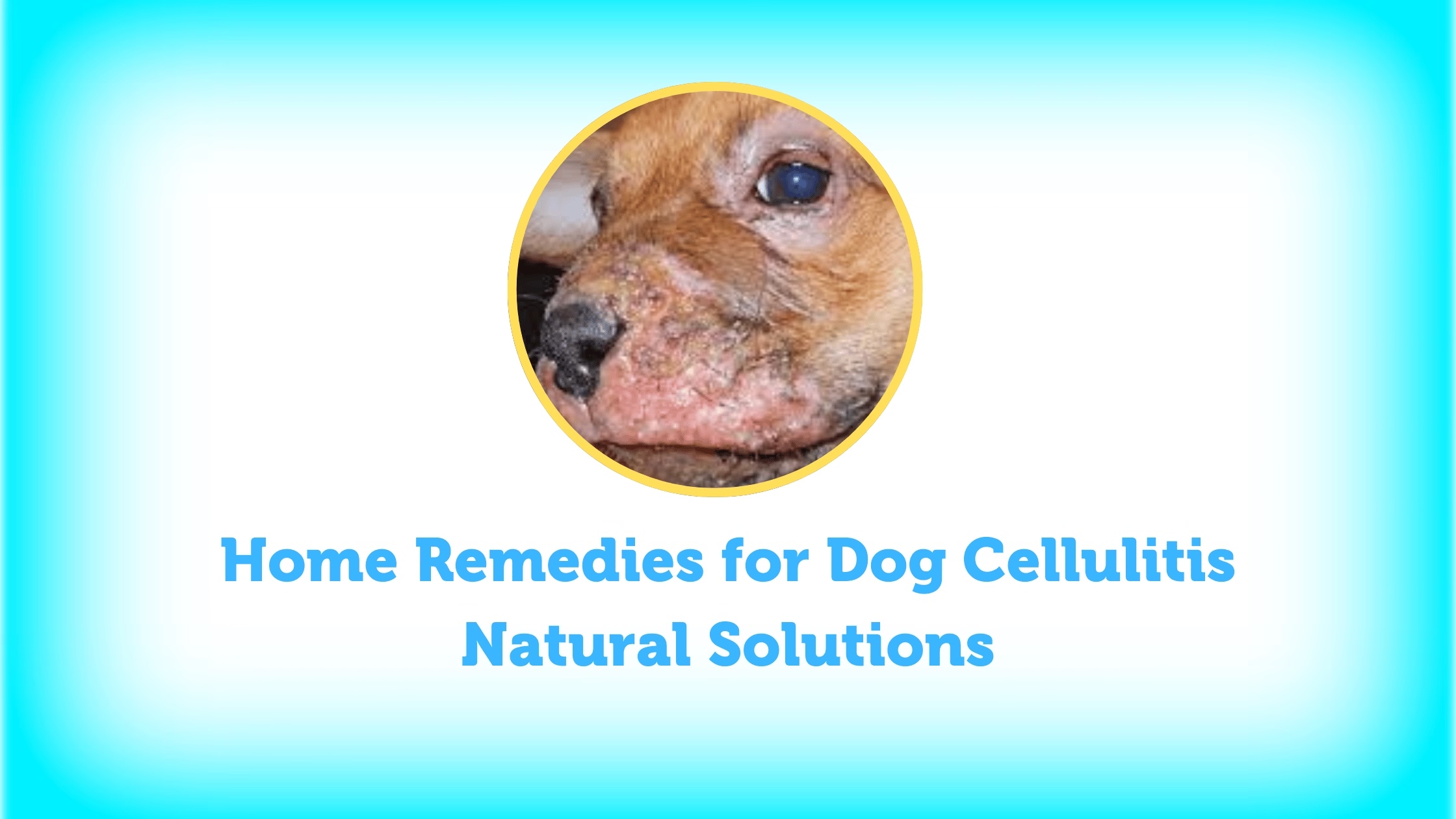
    Home Remedies for Dog Cellulitis: Cellulitis in dogs is a bacterial infection that causes inflammation of the skin and underlying tissues. It can be painful and lead to severe complications if not treated promptly. While veterinary care is essential, there are home remedies that can support the healing process and provide relief for your furry friend. This article will guide you through effective home remedies for dog cellulitis, ensuring your pet’s swift recovery.

    Understanding Dog Cellulitis

    Cellulitis occurs when bacteria, usually Staphylococcus or Streptococcus, enter the skin through cuts, abrasions, or other injuries. Symptoms include:

    • Swelling and redness
    • Pain and tenderness
    • Warmth in the affected area
    • Fever and lethargy in severe cases

    Home Remedies for Dog Cellulitis

    Before trying any home remedy, consult with your veterinarian to ensure it’s safe for your dog’s specific condition. Home remedies should complement, not replace, professional veterinary care.

    1. Warm Compress

    Purpose: Reduces swelling and discomfort.

    How to Use:

    • Soak a clean cloth in warm (not hot) water.
    • Wring out excess water.
    • Apply the warm compress to the affected area for 10-15 minutes, 2-3 times daily.

    2. Epsom Salt Bath

    Purpose: Draws out infection and soothes inflammation.

    How to Use:

    • Dissolve 1-2 cups of Epsom salt in a warm bath.
    • Allow your dog to soak for 10-15 minutes.
    • Ensure the dog does not ingest the water.
    • Rinse your dog thoroughly after the bath to remove any salt residue.

    3. Manuka Honey

    Purpose: Natural antibacterial properties help fight infection.

    How to Use:

    • Apply a thin layer of medical-grade Manuka honey to the affected area.
    • Cover with a sterile bandage if necessary to prevent licking.
    • Change the bandage and reapply honey daily.

    4. Coconut Oil

    Purpose: Moisturizes the skin and has antimicrobial properties.

    How to Use:

    • Apply a small amount of virgin coconut oil to the inflamed skin.
    • Massage gently to ensure it is absorbed.
    • Repeat 2-3 times daily.

    5. Turmeric Paste

    Purpose: Anti-inflammatory and antibacterial properties.

    How to Use:

    • Mix turmeric powder with water to form a paste.
    • Apply the paste to the affected area.
    • Leave it on for 10-15 minutes before rinsing off.
    • Use once daily.

    6. Aloe Vera Gel

    Purpose: Soothes and heals the skin.

    How to Use:

    • Use pure aloe vera gel (free from additives).
    • Apply directly to the inflamed area.
    • Repeat 2-3 times daily.

    Additional Care Tips

    • Keep the Affected Area Clean: Regularly clean the wound with mild soap and water to prevent further infection.
    • Maintain Good Hygiene: Ensure your dog’s living area is clean and dry.
    • Boost Immune System: Provide a balanced diet rich in vitamins and minerals to support your dog’s immune system.
    • Monitor Progress: Keep an eye on the affected area. If the condition worsens or does not improve within a few days, consult your veterinarian.

    When to See a Veterinarian

    While home remedies can be effective, they are not substitutes for professional veterinary care. Seek immediate veterinary attention if your dog shows signs of severe infection, such as:

    • Increased swelling and redness
    • Persistent fever
    • Pus or unusual discharge
    • Significant pain or discomfort
    • Lethargy or loss of appetite

    Also Read: Home Remedies for Dog Wheezing: A comprehensive Guide

    Also Read: Home Remedies for Dog Drooling: A Comprehensive Guide

    Conclusion

    Home remedies can provide significant relief for dogs suffering from cellulitis, promoting faster healing and comfort. Always consult with your veterinarian before starting any home treatment to ensure it’s appropriate for your dog’s condition. With proper care and attention, your furry friend will be on the road to recovery in no time.

  • Home Remedies for Dog Drooling: A Comprehensive Guide

    Home Remedies for Dog Drooling: A Comprehensive Guide

    Dogs drool for many reasons, ranging from natural and benign to indications of more serious health issues. While drooling is a normal part of canine physiology, excessive drooling can be a concern for pet owners. This comprehensive guide will explore the common causes of dog drooling and provide effective Home Remedies for Dog Drooling to manage and reduce excessive salivation.

    Understanding Dog Drooling

    Normal vs. Excessive Drooling

    Drooling, or salivation, is a natural process in dogs. Some breeds, like Saint Bernards and Bulldogs, are known for their propensity to drool due to their facial anatomy.

    However, excessive drooling, known as ptyalism, can indicate underlying health issues.

    Normal Drooling

    • Occurs during mealtime or when anticipating food
    • Seen during exercise or when overheated
    • Common in certain breeds due to anatomical features

    Excessive Drooling

    • Persistent and not related to eating or physical activity
    • Accompanied by other symptoms like vomiting, lethargy, or behavioral changes

    Common Causes of Excessive Drooling

    • Oral Health Issues: Dental problems, gum disease, or oral injuries can increase saliva production.
    • Foreign Objects: Sticks, toys, or other objects stuck in the mouth or throat.
    • Digestive Issues: Nausea, poisoning, or gastrointestinal problems.
    • Heat Stroke: Overheating can cause excessive drooling.
    • Anxiety or Stress: Nervousness can lead to increased salivation.
    • Allergies: Reactions to certain foods or environmental factors.

    Home Remedies for Managing Dog Drooling

    1. Dietary Changes

    Balanced Diet

      • Ensure your dog receives a well-balanced diet rich in essential nutrients. Poor nutrition can lead to health problems that might manifest as excessive drooling.
      • Incorporate high-quality, vet-recommended dog food to maintain overall health.

      Hydration

        • Keep your dog hydrated. Dehydration can cause dry mouth and trigger excessive drooling when the body compensates.
        • Offer clean, fresh water at all times and consider using a pet fountain to encourage drinking.

        Avoiding Allergens

          • Identify and eliminate potential food allergens from your dog’s diet. Common allergens include certain proteins, grains, and artificial additives.
          • Consult your vet for an elimination diet to pinpoint specific allergens.

          2. Herbal Remedies

          Ginger

            • Ginger can help soothe an upset stomach, reducing nausea-induced drooling.
            • Offer a small amount of ginger powder mixed with your dog’s food or provide ginger treats specifically made for dogs.

            Chamomile

              • Known for its calming properties, chamomile can reduce anxiety-related drooling.
              • Brew chamomile tea, let it cool, and add a small amount to your dog’s water or food.

              Peppermint

                • Peppermint can aid digestion and freshen breath, potentially reducing drooling caused by gastrointestinal discomfort.
                • Add a few drops of peppermint oil to water (ensure it’s properly diluted) or use dog-safe peppermint treats.

                3. Hydration and Hygiene

                Regular Water Intake

                  • Encourage your dog to drink water regularly. Proper hydration is crucial for maintaining a healthy balance of bodily fluids.
                  • Use multiple water bowls around the house to make access easy.

                  Clean Mouth

                    • Maintain oral hygiene by regularly brushing your dog’s teeth with canine toothpaste.
                    • Use dental chews or toys designed to clean teeth and gums, preventing oral health issues.

                    Cool Environment

                      • Ensure your dog has a cool place to rest, especially during hot weather. Overheating can lead to excessive drooling.
                      • Use fans, air conditioning, or cooling mats to keep your dog comfortable.

                      Preventive Measures

                      Regular Veterinary Check-Ups

                      • Schedule regular vet visits to monitor your dog’s overall health. Early detection of potential issues can prevent excessive drooling.
                      • Regular dental check-ups are essential for maintaining oral health and preventing conditions that cause drooling.

                      Maintaining Oral Health

                      • Brush your dog’s teeth regularly to prevent plaque and tartar buildup.
                      • Provide dental chews and toys that promote oral hygiene.
                      • Inspect your dog’s mouth for signs of dental problems or foreign objects.

                      Safe Chewing Options

                      • Offer safe, appropriate chewing toys to prevent oral injuries.
                      • Avoid giving your dog small or sharp objects that could get lodged in their mouth or throat.

                      When to See a Veterinarian

                      Identifying Signs of Serious Issues

                      • Persistent drooling that doesn’t improve with home remedies.
                      • Drooling accompanied by other symptoms like vomiting, diarrhea, lethargy, or behavioral changes.
                      • Signs of oral health problems such as bad breath, swollen gums, or difficulty eating.

                      Emergency Situations

                      • Ingesting toxic substances or plants.
                      • Foreign objects lodged in the throat causing choking.
                      • Severe heatstroke with symptoms like heavy panting, confusion, or collapse.

                      FAQ’s for Dog Drooling

                      What can I give my dog to stop drooling?

                      To help manage your dog’s drooling, you can offer:

                      Ginger: Helps with nausea. Mix a small amount of ginger powder into their food.

                      Chamomile: Reduces anxiety-induced drooling. Add a small amount of chamomile tea (cooled) to their water or food.

                      Peppermint: Aids digestion and freshens breath. Use properly diluted peppermint oil in water or give dog-safe peppermint treats.

                      Hydration: Ensure they have access to fresh water at all times.

                      Dental Chews: Promotes oral hygiene and reduces drooling from dental issues.

                      What is the best way to remove dog drool?

                      Soft Cloth: Use a damp, soft cloth to wipe away drool from your dog’s face.

                      Dog Wipes: Specially formulated wipes are available for cleaning drool.

                      Towel: Keep a towel handy for larger dogs that drool frequently.

                      Regular Cleaning: Ensure you clean areas where drool accumulates, such as furniture or floors, to prevent build-up.

                      How to stop a dog from drooling water?

                      Monitor Water Intake: Ensure your dog is not drinking excessively due to heat or after exercise.

                      Cool Environment: Provide a cool resting area to prevent overheating.

                      Oral Hygiene: Maintain your dog’s oral health to prevent excessive drooling due to dental issues.

                      What causes excessive drooling in dogs?

                      Oral Health Issues: Dental problems, gum disease, or oral injuries.

                      Foreign Objects: Sticks, toys, or other objects stuck in the mouth or throat.

                      Digestive Issues: Nausea, poisoning, or gastrointestinal problems.

                      Heat Stroke: Overheating can cause excessive drooling.

                      Anxiety or Stress: Nervousness can lead to increased salivation.

                      Allergies: Reactions to certain foods or environmental factors.

                      How to stop excessive drooling in dogs

                      Regular Oral Care: Brush teeth and provide dental chews.

                      Diet and Hydration: Maintain a balanced diet and ensure proper hydration.

                      Monitor Environment: Keep your dog in a cool, stress-free environment.

                      Herbal Remedies: Use calming and digestive aids like chamomile and ginger.

                      What helps to stop drooling?

                      Balanced Diet: Ensure proper nutrition.

                      Hydration: Keep your dog well-hydrated.

                      Herbal Remedies: Use ginger, chamomile, and peppermint as needed.

                      Oral Hygiene: Regular teeth brushing and dental check-ups.

                      Cool Environment: Prevent overheating with fans, AC, or cooling mats.

                      Home remedies for dog drooling while sleeping?

                      Comfortable Bed: Provide a clean, comfortable bed that supports your dog’s head.

                      Herbal Calming Agents: Chamomile or valerian root can help if anxiety is the cause.

                      Monitor Sleep Position: Adjust their sleeping position to reduce drooling.

                      Home remedies for dog drooling and diarrhea

                      Dietary Adjustments: Bland diet with boiled chicken and rice.

                      Pumpkin: Canned pumpkin can help regulate digestion.

                      Probiotics: Provide probiotics to support gut health.

                      Hydration: Ensure they stay hydrated with fresh water.

                      Sudden excessive salivation in dogs?

                      Identify Triggers: Check for ingestion of toxins or foreign objects.

                      Remove Hazards: Ensure the environment is safe and free of harmful substances.

                      Vet Consultation: Seek immediate veterinary attention if sudden excessive salivation occurs.

                      Home remedies for dog drooling and vomiting?

                      Ginger: Helps with nausea and vomiting.

                      Bland Diet: Feed boiled chicken and rice until vomiting subsides.

                      Hydration: Ensure they stay hydrated.

                      Vet Consultation: Consult your vet if symptoms persist.

                      Dog drooling thick saliva?

                      Oral Examination: Check for signs of dental issues or foreign objects.

                      Hydration: Ensure proper hydration.

                      Vet Check-Up: Consult a vet for underlying health problems.

                      Is excessive drooling in dogs an emergency?

                      Yes, if accompanied by:
                      Vomiting
                      Diarrhea
                      Lethargy
                      Difficulty breathing
                      Swelling or pain in the mouth1

                      Immediate vet attention is necessary in these cases.

                      How to stop a dog from drooling over food?

                      Training: Train your dog to wait calmly for their food.

                      Feeding Schedule: Stick to a consistent feeding schedule to reduce anxiety.

                      Food Puzzle Toys: Use puzzle feeders to slow down eating and reduce excitement-related drooling.

                      Behavioral Techniques: Reward calm behavior with treats and praise.

                      Also Read: Home Remedies for Dog Ear Infections: A Comprehensive Guide

                      Also Read: Home Remedies for Dog Wheezing: A comprehensive Guide

                      Conclusion

                      Excessive drooling in dogs can be a sign of underlying health issues or simply a reaction to environmental factors.

                      Understanding the cause of your dog’s drooling is crucial for determining the best course of action.

                      While home remedies can effectively manage and reduce drooling, it’s important to monitor your dog closely and consult a veterinarian if symptoms persist or worsen.

                      By maintaining a balanced diet, proper hydration, good oral hygiene, and regular vet check-ups, you can ensure your furry friend stays healthy and happy.

                      Remember, every dog is unique, and what works for one might not work for another. Always tailor your approach to your dog’s specific needs and health conditions.

                    1. Home Remedies for Dog Wheezing: A comprehensive Guide

                      Home Remedies for Dog Wheezing: A comprehensive Guide

                      Dog wheezing can be a concerning symptom for any pet owner. It is characterized by a high-pitched whistling sound that occurs when your dog breathes. Wheezing can be caused by various factors, including allergies, infections, or even foreign objects lodged in the airway. While it’s crucial to consult a veterinarian to rule out serious conditions, there are several home remedies that can help alleviate your dog’s discomfort and improve their breathing. This article will explore effective Home remedies for dog wheezing, along with answers to frequently asked questions about this condition.

                      Understanding Dog Wheezing

                      Wheezing in dogs is typically caused by an obstruction or narrowing of the airways. This can result from allergic reactions, infections, asthma, or the presence of foreign objects. Understanding the underlying cause of your dog’s wheezing is crucial for effective treatment.

                      Is my dog wheezing or snoring?

                      It’s essential to distinguish between wheezing and other respiratory sounds such as snoring or reverse sneezing.

                      Wheezing is a continuous, high-pitched sound usually heard during exhalation, whereas snoring is more common during sleep and results from the vibration of relaxed tissues in the throat.

                      Reverse sneezing, on the other hand, involves rapid inhalations and can sound alarming but is generally harmless.

                      Immediate Actions to Take

                      If you notice your dog wheezing, it’s essential to assess the severity of the situation. Here are some immediate steps you can take:

                      1. Stay Calm and Observe: Ensure your dog is in a calm environment and observe their behavior. Take note of any other symptoms such as coughing, lethargy, or difficulty breathing.
                      2. Check for Obstructions: Gently inspect your dog’s mouth and throat for any visible foreign objects. Do not attempt to remove anything deeply lodged, as this could cause further harm.
                      3. Monitor Breathing: If your dog’s breathing seems labored or they appear distressed, it’s crucial to seek veterinary assistance immediately.
                      4. Contact Your Vet: If the wheezing persists or is accompanied by other concerning symptoms, contact your veterinarian for guidance. They may recommend bringing your dog in for an examination.

                      Home Remedies for Dog Wheezing

                      When dealing with mild wheezing, certain home remedies can provide relief and support your dog’s respiratory health. Here are some effective options:

                      Creating a Humid Environment

                      Dry air can exacerbate wheezing, so maintaining a humid environment can help soothe your dog’s airways.

                      • Humidifier: Use a humidifier in the room where your dog spends most of their time. This can help keep their respiratory passages moist and reduce irritation.
                      • Steam Therapy: Allow your dog to breathe in steam from a hot shower. Ensure the bathroom is not too hot and never leave your dog unattended.

                      Herbal Remedies and Supplements

                      Certain natural remedies can be beneficial for easing your dog’s wheezing.

                      • Honey: Honey has natural anti-inflammatory properties and can help soothe the throat. Mix a teaspoon of honey with warm water and offer it to your dog. Ensure the honey is dog-safe and not raw.
                      • Eucalyptus Oil: Inhaling eucalyptus oil can help open up the airways. Add a few drops to a diffuser, but ensure the room is well-ventilated and your dog cannot ingest the oil.
                      • Chamomile Tea: Chamomile has calming effects and can help reduce respiratory inflammation. Brew a mild chamomile tea and let it cool before offering it to your dog.

                      Ensuring Clean Air and Minimizing Allergens

                      Reducing allergens in your home can significantly improve your dog’s respiratory health.

                      • Clean Environment: Regularly clean your home to reduce dust, pollen, and other allergens. Vacuum carpets and upholstery frequently.
                      • Air Purifier: An air purifier can help remove airborne allergens and improve indoor air quality.

                      Proper Hydration and Diet

                      Ensuring your dog is well-hydrated and on a healthy diet can support their overall health, including their respiratory system.

                      • Water Intake: Encourage your dog to drink plenty of water. Proper hydration helps maintain mucus membranes and ease breathing.
                      • Nutritious Diet: Provide a balanced diet rich in essential nutrients to boost your dog’s immune system.

                      Managing Fluid in Dog’s Lungs Naturally

                      Fluid in the lungs, or pulmonary edema, can be a serious condition requiring veterinary attention. However, for mild cases or as supportive care, here are some natural ways to manage it:

                      • Gentle Exercise: Encourage light exercise to help improve lung function and reduce fluid buildup. Avoid strenuous activities that could worsen the condition.
                      • Natural Diuretics: With your vet’s approval, consider natural diuretics like dandelion or parsley. These can help reduce fluid retention but should be used cautiously.
                      • Elevate Sleeping Position: Elevate your dog’s head and chest slightly while they sleep to help ease breathing and reduce fluid accumulation.

                      Prevention and Long-term Care

                      Preventing wheezing and ensuring your dog’s long-term respiratory health involves regular care and vigilance.

                      • Regular Vet Check-ups: Schedule routine veterinary check-ups to monitor your dog’s health and catch any issues early.
                      • Maintain Clean Environment: Keep your home clean and free of dust and allergens. Regularly wash your dog’s bedding and toys.
                      • Avoid Known Allergens: Identify and minimize exposure to allergens that trigger your dog’s wheezing. This may include certain foods, plants, or environmental factors.

                      FAQs on Dog Wheezing

                      Can Dog Wheezing Go Away on Its Own?

                      In some cases, mild wheezing can resolve on its own, especially if it’s caused by temporary irritants like dust or mild allergies. However, persistent or severe wheezing requires veterinary attention to rule out underlying health issues.

                      What Can I Give My Dog to Stop Wheezing?

                      Several home remedies can help alleviate wheezing in dogs, such as using a humidifier, offering honey, and maintaining a clean environment. It’s important to consult your vet before trying new remedies, especially if your dog has pre-existing conditions.

                      Also Read: Home Remedies for Dog Ear Infections: A Comprehensive Guide

                      Also Read: How to Cook Salmon for Dogs: A Comprehensive Guide

                      Conclusion

                      Addressing dog wheezing with home remedies can provide relief and support your pet’s respiratory health.

                      Always monitor your dog’s condition closely and consult a veterinarian for persistent or severe symptoms.

                      By maintaining a clean environment, ensuring proper hydration, and using natural remedies, you can help your dog breathe easier and live a healthier life.

                      Share your experiences and questions in the comments below, and let’s work together to keep our furry friends happy and healthy.


                      Sources

                      PetMD

                    2. Home Remedies for Dog Ear Infections: A Comprehensive Guide

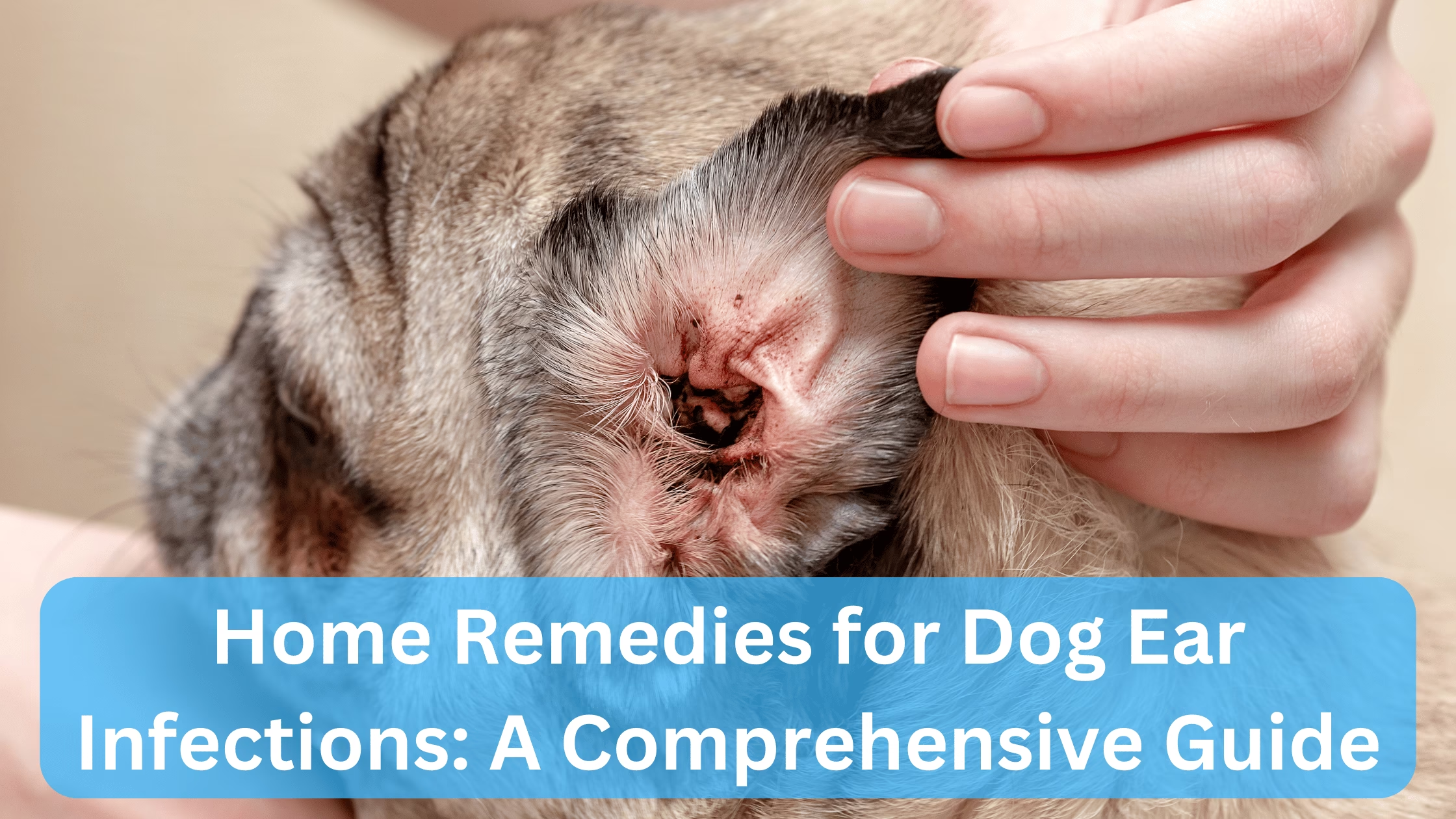
                      Home Remedies for Dog Ear Infections: A Comprehensive Guide

                      Home Remedies for Dog Ear Infections: Does your dog seem like they’re constantly shaking their head and scratching their ears with a vengeance? They might be suffering from a dog ear infection. These infections, caused by bacteria, yeast, or allergies, can make your furry friend incredibly uncomfortable.

                      While a trip to the vet is always the golden standard for proper diagnosis and treatment, there are some home remedies that can offer some relief for your dog’s itchy ears in mild cases. But remember, this is only with your vet’s green light!

                      It’s important to remember that some ear infections require professional attention. Here’s how to know when a vet visit is essential:

                      When to Consider Home Remedies for Dog Ear Infections

                      Before diving into home remedies, it’s crucial to understand when your pup needs professional help. Here are some signs that indicate your dog requires a vet visit:

                      • Severe pain or discomfort in the ear (whimpering, flinching when touched)
                      • Fever (check your dog’s temperature rectally with a digital thermometer)
                      • Thick, bloody, or pus-filled discharge coming from the ear
                      • Redness, swelling, or heat around the ear (a sign of significant inflammation)
                      • A ruptured eardrum (symptoms include head tilting, loss of balance, and unusual eye movements)

                      If you notice any of these signs, don’t hesitate to schedule an appointment with your veterinarian. Early diagnosis and treatment can prevent further complications for your dog’s ear health.

                      However, if your dog’s ear infection seems mild, with just some head shaking and scratching, keep reading! We’ll explore some safe and gentle home remedies to soothe their discomfort.

                      Safe and Effective Home Care Techniques

                      Cleaning the Ears: A Foundation for Healing

                      Just like cleaning a wound promotes healing, cleaning your dog’s ears can help create a better environment for recovery during an ear infection. Removing dirt, wax, and debris trapped in the ear canal allows medication (if prescribed by your vet) to reach the affected area more effectively.

                      Dog Ear Cleaners: Your Gentle Choice

                      When it comes to cleaning your dog’s ears, resist the urge to use human products or homemade solutions. These can irritate your dog’s delicate ear canal and worsen the infection. Instead, opt for a veterinarian-approved dog ear cleaner. These cleaners are formulated specifically for dogs, with a gentle pH balance that won’t cause discomfort.

                      Cleaning Your Dog’s Ears: A Step-by-Step Guide

                      Here’s how to gently clean your dog’s ears:

                      1. Gather your supplies: You’ll need a veterinarian-approved dog ear cleaner, gauze or soft wipes, and a reward for your furry friend!
                      2. Secure your pup: Gently but firmly restrain your dog in a comfortable position.
                      3. Apply the cleaner: Hold the ear flap and squirt a recommended amount of ear cleaner into the ear canal.
                      4. Massage the base of the ear: Gently massage the base of the ear for a few seconds to loosen debris.
                      5. Let your dog shake: Allow your dog to shake their head freely. This helps dislodge loosened debris and solution.
                      6. Wipe away excess: Carefully wipe away any excess moisture and debris from the outer ear with gauze or a soft wipe. Never insert anything like a cotton swab into the ear canal, as this can push debris deeper and damage the eardrum.
                      7. Repeat for the other ear: Repeat the process for the other ear.
                      8. Shower your dog with praise! Reward your dog with a treat or praise for their good behavior during the cleaning process.

                      Frequency

                      The appropriate cleaning frequency depends on the severity of the infection and your vet’s recommendations.

                      Generally, for mild cases, cleaning once or twice a week might be sufficient. However, for more persistent infections, your vet might advise more frequent cleaning.

                      Soothing Home Remedies for Dog Ear Infections

                      While cleaning is crucial, there are some additional home remedies that can offer some comfort to your dog during a mild ear infection.

                      Remember, always consult your veterinarian before using any of these remedies:

                      • Diluted Apple Cider Vinegar Solution: Apple cider vinegar has potential antifungal properties. However, it’s important to dilute it properly with water (consult your vet for the appropriate ratio) to avoid irritation. Apply a small amount of the diluted solution to a cotton ball and wipe the outer ear only, never going inside the ear canal.
                      • Warm Compress: A warm compress can help soothe inflammation around the ear. Soak a clean washcloth in warm water (not hot!), wring it out to remove excess moisture, and then hold it gently against the outside of the affected ear for short intervals.
                      • Coconut Oil: Coconut oil has potential anti-inflammatory and antimicrobial properties. However, use it with caution. Some dogs might be allergic to coconut oil. Consult your vet for safe usage instructions and dosage if you decide to try this remedy.

                      Important Note: Remember, never use harsh chemicals, alcohol, or cotton swabs in the ear canal. These can damage the delicate ear tissue and worsen the infection.

                      Addressing Underlying Issues

                      Sometimes, ear infections can be a sign of underlying allergies.

                      Allergies to food, pollen, or dust mites can irritate the skin and ear canal, creating an environment where bacteria or yeast can thrive.

                      If you suspect your dog might have allergies, consult your veterinarian about allergy testing and management strategies.

                      These strategies can help prevent future ear infections and keep your furry friend feeling comfortable.

                      Prevention is Key

                      The good news is that there are steps you can take to help prevent ear infections in your dog:

                      • Regular Cleaning: As mentioned earlier, regular cleaning with a veterinarian-approved ear cleaner helps remove debris and create a healthy environment for your dog’s ears.
                      • Drying Ears After Swimming: Moisture trapped in the ear canal can be a breeding ground for bacteria and yeast. After swimming or bathing, gently dry your dog’s ears with a soft cloth.
                      • Managing Allergies: If your dog has allergies, working with your veterinarian to develop a management plan can significantly reduce the risk of ear infections.
                      • Healthy Diet: A healthy diet rich in omega-3 fatty acids can contribute to overall skin and ear health, potentially reducing the risk of infections.

                      Also Read: How to Cook Oatmeal for Dogs: A Comprehensive Guide

                      Also Read: How to Cook Salmon for Dogs: A Comprehensive Guide

                      Conclusion

                      While these home remedies can provide some relief for mild ear infections, it’s important to remember that they are not a substitute for veterinary care. For proper diagnosis and treatment, a visit to your veterinarian is always the best course of action.

                      By combining safe home remedies with preventative measures, you can help keep your dog’s ears healthy and comfortable.

                      If your dog is showing any signs of an ear infection, such as head shaking, scratching, redness, or odor, don’t hesitate to schedule a vet visit. Early diagnosis and treatment can prevent complications and ensure your furry friend gets the relief they need.


                      Sources:

                      American Kennel Club (AKC)

                      PetMD

                    3. How to Detox a Dog from Poison

                      How to Detox a Dog from Poison

                      How to Detox a Dog from Poison? – When a dog is poisoned, every moment counts. Quick action can make the difference between life and death, significantly improving the chances of a full recovery.

                      Understanding how to respond immediately to a poisoning incident is crucial for every dog owner.

                      However, it’s important to recognize that while initial steps can help mitigate the effects of poison, veterinary assistance is essential in any poisoning case.

                      A veterinarian has the expertise and tools necessary to provide the appropriate treatment and ensure the best outcome for your pet.

                      The purpose of this blog is to provide a general guide on the initial steps you should take if your dog is poisoned.

                      This guide will help you recognize the signs of poisoning, understand the immediate actions to take, and emphasize the importance of professional veterinary care.

                      Recognizing the Signs of Poisoning in dogs

                      Identifying the symptoms of poisoning early can help you act swiftly and seek the necessary help. Common symptoms of poisoning in dogs include:

                      • Vomiting and diarrhea: Frequent and severe, sometimes with blood.
                      • Excessive drooling: Increased salivation often indicates the ingestion of something harmful.
                      • Lethargy or weakness: A sudden drop in energy levels and reluctance to move.
                      • Seizures or tremors: Uncontrolled shaking or convulsions.
                      • Difficulty breathing: Labored or rapid breathing, indicating respiratory distress.
                      • Uncoordinated movements: Stumbling, staggering, or inability to walk properly.
                      • Pale or blue gums: Discoloration of the gums can indicate poor oxygenation or blood flow.

                      Recognizing these symptoms is the first step in providing the necessary care for your poisoned dog.

                      Equally important is identifying the source of the poison, which could range from household plants and chemicals to human food.

                      Knowing what your dog has ingested can help the veterinarian determine the most effective treatment.

                      Common Poison List

                      How to Detox a Dog from Poison – What should I do if someone poisoned my dog?

                      Stay Calm and Act Quickly

                      When you suspect your dog has been poisoned, it is crucial to remain calm. Panicking can cloud your judgment and slow your response time, which can be detrimental to your dog’s health. Here are the immediate steps you should take to help your dog:

                      1. Remove the Poison Source: If possible, take the poison away from your dog’s reach to prevent further exposure. This could involve removing your dog from the area where the poison is, picking up the toxic substance, or isolating your dog from the contaminated environment.
                      2. Gather Information: Try to identify what the poison is. This can include looking at the packaging of a chemical or medication, noting the type of plant, or identifying the food item. This information will be critical for the veterinarian.

                      Call the Veterinarian or Pet Poison Helpline

                      The next crucial step is to seek professional help immediately. Contact your veterinarian or a pet poison helpline as soon as possible. Time is of the essence, and professionals can provide you with the necessary guidance on what to do next.

                      1. Provide Key Information: When you call, be ready to give detailed information about your dog, including their size, age, symptoms they are exhibiting, and the suspected poison. This will help the veterinarian or helpline expert give you the most accurate advice.
                      2. Follow Instructions: Listen carefully to the instructions given by the professional. They may ask you to bring your dog in immediately, administer first aid at home, or monitor your dog’s condition closely.

                      Follow Professional Advice

                      Adhering strictly to the instructions given by the veterinarian or helpline is crucial for your dog’s recovery.

                      1. Avoid Home Remedies: Do not attempt home remedies unless specifically instructed by a professional. Some common remedies can do more harm than good and may exacerbate the situation.
                      2. Implement Given Advice: Whether it involves inducing vomiting, administering activated charcoal, or simply monitoring your dog, make sure to follow the guidance to the letter. This ensures that your dog receives the best possible care in the critical moments following poisoning.

                      By staying calm, acting quickly, and seeking professional help, you can significantly improve your dog’s chances of recovering from poisoning.

                      At-Home First Aid for Poisoned Dog (Before Veterinary Help Arrives)

                      Inducing Vomiting (Only If Recommended)

                      In some cases, inducing vomiting can help remove the poison from your dog’s stomach before it is absorbed into the bloodstream.

                      However, this should only be done if recommended by a veterinarian or a pet poison helpline professional.

                      1. Situations Where Inducing Vomiting Is Appropriate:
                      • When your dog has ingested a non-caustic substance within the last two hours.
                      • If the substance is not petroleum-based or corrosive.
                      • When your dog is conscious, alert, and able to swallow.
                      1. Methods to Induce Vomiting:
                      • Hydrogen Peroxide: Use a 3% hydrogen peroxide solution. The recommended dosage is 1 teaspoon (5 ml) per 10 pounds (4.5 kg) of the dog’s body weight, administered orally. If your dog does not vomit within 15 minutes, a second dose can be given. Do not exceed two doses.
                      1. When Not to Induce Vomiting:
                      • If your dog has ingested caustic substances such as bleach, drain cleaner, or petroleum products.
                      • If your dog is unconscious, having seizures, or showing signs of severe distress.
                      • If more than two hours have passed since ingestion, as the substance may have already moved beyond the stomach.

                      Activated Charcoal

                      Activated charcoal can be used to absorb toxins in the stomach and intestines, preventing them from entering the bloodstream. This should only be administered if recommended by a veterinarian.

                      1. How Activated Charcoal Works:
                      • Activated charcoal binds to toxins in the gastrointestinal tract, reducing their absorption and facilitating their excretion through feces.
                      1. Correct Dosage and Administration:
                      • The typical dosage is 1 gram of activated charcoal per kilogram of body weight. This can be mixed with water to create a slurry that can be administered orally using a syringe or mixed with food.
                      1. When to Use Activated Charcoal:
                      • Use only if advised by a veterinarian, as it is not effective for all types of toxins and inappropriate use can lead to complications.

                      Providing Fresh Water

                      Keeping your dog hydrated is important, especially if they are experiencing vomiting or diarrhea. However, certain substances may require withholding water until advised otherwise by a veterinarian.

                      1. Importance of Keeping the Dog Hydrated:
                      • Dehydration can exacerbate the effects of poisoning, so ensure your dog has access to fresh water.
                      1. Avoiding Milk and Other Home Remedies:
                      • Do not give your dog milk, oils, or other home remedies unless specifically instructed by a veterinarian. These can sometimes worsen the situation or interfere with proper treatment.

                      By following these at-home first aid steps, you can provide initial care for your dog before professional help arrives.

                      Remember, always consult with a veterinarian before administering any treatments, as they can provide the most accurate guidance based on the specific situation.

                      Veterinary Treatment Options

                      Diagnostic Procedures

                      When you bring your dog to the veterinarian after a suspected poisoning, the first step typically involves diagnostic tests to identify the toxin and assess the extent of the damage. These tests help the vet determine the best course of treatment.

                      1. Blood Tests: Blood samples are taken to check for abnormalities in blood cells, kidney and liver function, and electrolyte levels. These tests can reveal the presence of toxins and how they are affecting your dog’s organs.
                      2. Urine Tests: Urine analysis helps detect toxins that may not show up in blood tests and assesses kidney function, which can be crucial in cases of poisoning.
                      3. Other Diagnostics: Depending on the suspected toxin, the vet might also perform imaging studies (like X-rays or ultrasounds) to check for internal damage or to locate ingested foreign objects.

                      Medical Interventions

                      Once the toxin is identified, the veterinarian will proceed with specific medical interventions to treat the poisoning and mitigate its effects.

                      1. IV Fluids: Intravenous (IV) fluids are administered to help flush out toxins from the bloodstream, maintain hydration, and support kidney function. IV fluids can also help correct electrolyte imbalances caused by vomiting or diarrhea.
                      2. Antidotes: If the specific toxin has an antidote, it will be administered to counteract the poison’s effects. For example, vitamin K1 is an antidote for anticoagulant rodenticide poisoning.
                      3. Medication to Manage Symptoms:
                      • Anti-Seizure Medications: These are given if the dog is experiencing seizures due to the toxin.
                      • Pain Relief: Pain management medications are provided to ensure the dog is comfortable during recovery.
                      • Gastroprotectants: These medications protect the stomach lining and prevent further gastrointestinal damage.

                      Supportive Care

                      After the immediate threat is managed, supportive care is crucial for your dog’s recovery.

                      1. Monitoring Vital Signs: Continuous monitoring of heart rate, blood pressure, respiration, and temperature helps ensure that the dog remains stable and any complications are promptly addressed.
                      2. Providing Supportive Care:
                      • Nutritional Support: Ensuring the dog receives adequate nutrition, which may involve special diets or feeding tubes if necessary.
                      • Rest and Recovery: Creating a quiet, comfortable environment for the dog to rest and recover, minimizing stress and exertion.
                      • Follow-Up Care: Regular follow-up appointments to monitor the dog’s recovery progress and adjust treatment as needed.

                      Veterinary care is essential in managing poisoning cases effectively. By performing thorough diagnostic procedures, administering targeted medical interventions, and providing comprehensive supportive care, veterinarians can significantly improve the chances of a full recovery for your poisoned dog.

                      Preventing Poisoning – How to prevent poisoning in dogs?

                      Pet-Proof Your Home

                      One of the most effective ways to prevent poisoning is to make your home safe for your dog. This involves keeping toxic substances out of reach and ensuring that all potential hazards are properly stored.

                      1. Keeping Toxic Substances Out of Reach:
                      • Store household cleaners, pesticides, and other chemicals in cabinets or areas that are inaccessible to your dog. Use child-proof locks if necessary.
                      • Ensure that human medications are kept in secure places, such as high shelves or locked cabinets.
                      1. Safe Storage of Chemicals, Medications, and Foods:
                      • Keep all medications, both prescription and over-the-counter, in containers with secure lids and store them away from areas where your dog can access them.
                      • Store foods that are toxic to dogs, such as chocolate, grapes, and onions, in high cabinets or the refrigerator, and ensure that trash cans are dog-proof to prevent access to discarded food.

                      Awareness of Toxic Plants and Foods

                      Educating yourself about the plants and foods that are toxic to dogs is essential for preventing accidental poisoning.

                      1. Common Household Plants That Are Toxic to Dogs:
                      • Lilies: Extremely toxic and can cause kidney failure.
                      • Azaleas and Rhododendrons: Can cause vomiting, diarrhea, and potentially fatal cardiovascular collapse.
                      • Sago Palm: Ingesting even small amounts can cause severe liver damage and death.
                      • Tulips and Daffodils: Bulbs are particularly toxic, causing serious stomach issues, convulsions, and heart problems.
                      1. Foods That Can Poison Dogs:
                      • Chocolate: Contains theobromine, which is toxic to dogs.
                      • Grapes and Raisins: Can cause kidney failure.
                      • Onions and Garlic: Can damage red blood cells, leading to anemia.
                      • Alcohol: Can cause intoxication, metabolic acidosis, and even death.

                      Educate Family and Friends

                      Ensuring that everyone in your household is aware of the dangers and knows how to keep your dog safe is crucial.

                      1. Ensuring Everyone in the Household Knows What Substances Are Dangerous:
                      • Discuss and create a list of toxic substances, including plants, foods, and chemicals, and post it in a common area such as the kitchen.
                      • Ensure that everyone, including children, understands the importance of keeping these items away from your dog.
                      1. Importance of Supervision During Walks and Playtime:
                      • Always supervise your dog during walks and playtime, especially in areas where they might encounter toxic plants or discarded food.
                      • Be vigilant in parks or public spaces where other people may leave behind dangerous items.

                      By taking these preventative measures, you can create a safer environment for your dog and significantly reduce the risk of poisoning.

                      Educating yourself and those around you about the potential hazards will help ensure that your dog stays healthy and happy.

                      Conclusion

                      In the unfortunate event of poisoning, immediate action and seeking professional help are critical to your dog’s survival and recovery.

                      Recognizing the signs of poisoning and knowing the first steps to take can make a significant difference.

                      Always contact a veterinarian or a pet poison helpline at the first sign of poisoning to ensure your dog receives the best possible care.

                      Staying informed about potential hazards in your home and environment is essential.

                      Pet-proofing your home, being aware of toxic plants and foods, and educating family and friends are proactive measures that can prevent accidental poisonings.

                      Final Reminders

                      1. Contact a Vet at the First Sign of Poisoning:
                      • Do not hesitate to seek professional help. Immediate consultation with a veterinarian can save your dog’s life.
                      1. Bookmark Pet Poison Helpline Numbers:
                      1. Regular Vet Check-Ups and Emergency Supplies:
                      • Schedule regular veterinary check-ups to monitor your dog’s health and address any potential risks.
                      • Keep a stock of emergency supplies such as hydrogen peroxide, activated charcoal, and your veterinarian’s contact information.
                      1. Spread Awareness:
                      • Share this information with other dog owners to help them protect their pets from poisoning. Raising awareness can prevent incidents and ensure more dogs receive timely help.

                      By taking these steps, you can create a safer environment for your dog and be prepared to act swiftly in case of an emergency. Your vigilance and preparedness are key to ensuring your dog’s health and well-being.

                      Also Read – Helping Your Dog with Separation Anxiety from Another Dog

                      Also Read – Can Dogs Smell Through Vacuum Sealed Bags? Unpacking the Truth

                    4. Helping Your Dog with Separation Anxiety from Another Dog

                      Helping Your Dog with Separation Anxiety from Another Dog

                      Separation anxiety isn’t just a problem between dogs and their human companions. Sometimes, dogs can experience intense distress when separated from their fellow canine buddies. If your dog shows signs of anxiety when separated from another dog, there are steps you can take to ease their distress and help them adjust.

                      Understanding Separation Anxiety in Dogs

                      Separation anxiety manifests in various ways. Common signs include:

                      • Excessive barking or whining
                      • Destructive behavior, such as chewing furniture
                      • Pacing or restlessness
                      • Drooling or panting
                      • Attempting to escape from the home

                      These behaviors indicate that your dog is feeling stressed and insecure without their canine companion. Addressing this issue requires patience, consistency, and a mix of behavioral techniques and environmental changes.

                      Steps to Help Your Dog with Separation Anxiety from Another Dog

                      1. Gradual Desensitization Gradual desensitization involves slowly acclimating your dog to being separated from their buddy. Start by separating them for short periods and gradually increase the time apart. Ensure the separated dog is occupied with toys, treats, or puzzles to distract them from their anxiety.
                      2. Create a Safe Space Designate a comfortable and secure area for your dog when they are alone. This space should include their favorite toys, bedding, and perhaps a piece of clothing with the other dog’s scent. Familiar items can help soothe their anxiety.
                      3. Exercise and Mental Stimulation Ensure your dog gets plenty of physical exercise and mental stimulation. A tired dog is less likely to feel anxious. Engage them in activities such as fetch, tug-of-war, and training exercises to keep their mind occupied and their energy levels balanced.
                      4. Positive Reinforcement Use positive reinforcement to reward your dog for calm behavior during separation. Treats, praise, and affection can reinforce the idea that being alone is a positive experience. Avoid making a fuss when leaving or returning home, as this can heighten anxiety.
                      5. Comfort Items Provide comfort items like a soft toy or a piece of the other dog’s bedding. The familiar scent can have a calming effect and provide a sense of security.
                      6. Consistency and Routine Dogs thrive on routine. Establish consistent times for feeding, walking, and playtime. A predictable schedule can help reduce anxiety and create a sense of stability.
                      7. Professional Help If your dog’s separation anxiety is severe, consider consulting a professional dog trainer or a veterinarian. They can offer specialized training techniques and, if necessary, discuss medical options such as anti-anxiety medication.
                      8. Use Technology Technology can be a great ally in managing separation anxiety. Pet cameras allow you to monitor your dog while you’re away, and some even let you talk to them or dispense treats remotely. This can provide reassurance and reduce their anxiety.
                      9. Slow Transitions If the separation is due to one dog moving to a new home, make the transition as gradual as possible. Arrange for playdates or short visits to help your dog adjust to the absence of their friend over time.
                      10. Interactive Toys Invest in interactive toys that can keep your dog engaged for long periods. Puzzle feeders, treat-dispensing toys, and durable chew toys can provide mental stimulation and distraction.

                      Also Read: How to Teach Your Dog to Roll Over: Best Guide

                      Also Read : Can Dogs Smell Through Vacuum Sealed Bags? Unpacking the Truth
                      Conclusion

                      Helping your dog cope with separation anxiety from another dog requires understanding, patience, and a proactive approach.

                      By gradually desensitizing them to separation, creating a comforting environment, and using positive reinforcement, you can ease their anxiety and help them become more independent.

                      Remember, every dog is different, so it’s important to tailor these strategies to your dog’s specific needs. With time and consistency, your dog can learn to feel secure and calm even when their canine companion isn’t around.

                    5. Understanding Nerveon for Dogs: A Comprehensive Guide

                      Understanding Nerveon for Dogs: A Comprehensive Guide

                      As pet owners, it’s our responsibility to ensure our dogs live happy, healthy lives. One common issue that affects many dogs is nerve pain, and it’s essential to understand the various treatment options available. In this blog post, we will explore Nerveon for dogs, a popular medication used to manage nerve pain. We will also address some frequently asked questions about nerve pain treatments for dogs.

                      Introduction to Nerve Pain in Dogs

                      Nerve pain, also known as neuropathic pain, can result from various conditions such as injuries, infections, or chronic diseases. Dogs experiencing nerve pain may show signs of discomfort, sensitivity to touch, limping, or changes in behavior.

                      What is Nerveon for Dogs?

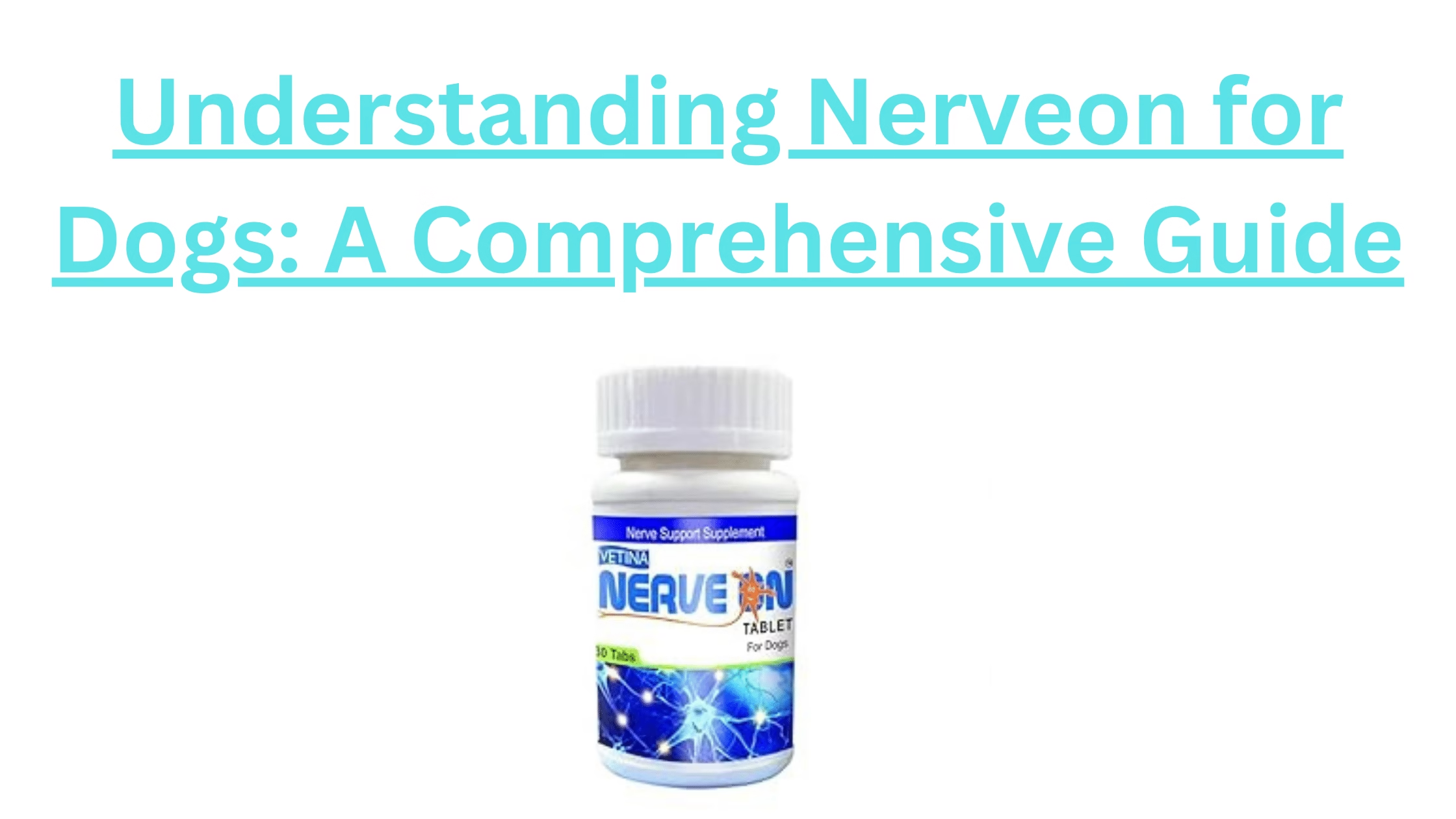
                      Nerveon is a medication specifically formulated to help manage nerve pain in dogs. It is often prescribed by veterinarians to alleviate symptoms associated with nerve damage or inflammation.

                      How Does Nerveon Work?

                      Nerveon works by supporting the nervous system and reducing inflammation. It contains ingredients that help in the regeneration of nerve cells and improve overall nerve function, providing relief from pain and discomfort.

                      Uses of Nerveon Tablets

                      Nerveon tablets are primarily used for:

                      • Managing chronic nerve pain
                      • Reducing inflammation in the nervous system
                      • Supporting nerve cell regeneration
                      • Improving overall nerve function

                      Dosage and Administration

                      The dosage of Nerveon tablets depends on the dog’s weight, age, and the severity of the condition. It’s crucial to follow the veterinarian’s prescription to ensure the medication is effective and to avoid potential side effects.

                      Side Effects of Nerveon Tablets

                      While Nerveon is generally safe, some dogs may experience side effects such as:

                      • Gastrointestinal upset
                      • Lethargy
                      • Allergic reactions
                        If any of these side effects occur, contact your veterinarian immediately.

                      Alternatives to Nerveon

                      There are several alternatives to Nerveon for managing nerve pain in dogs, including:

                      • Gabapentin: A common medication used to treat nerve pain in dogs.
                      • Vitamin B supplements: These can support nerve health and reduce pain.
                      • Physical therapy: Exercises and therapies that help strengthen muscles and improve mobility.

                      Frequently Asked Questions (FAQs)

                      What can I give my dog for nerve pain?

                      There are various options available, including Nerveon tablets, Gabapentin, and Vitamin B supplements. Always consult your veterinarian before starting any treatment.

                      What is a nervon medicine for dogs?

                      Nervon is a medication used to manage nerve pain in dogs. It supports nerve cell regeneration and reduces inflammation.

                      What is the use of nerve B tablet for dogs?

                      Nerve B tablets are used to support nerve health and manage pain associated with nerve damage in dogs.

                      मैं अपने कुत्ते को तंत्रिका दर्द के लिए क्या दे सकता हूं?

                      आप अपने पशु चिकित्सक से परामर्श करके Nerveon, Gabapentin, या विटामिन B सप्लीमेंट्स दे सकते हैं।

                      What is the use of Nerveon tablet?

                      Nerveon tablets are used to manage nerve pain, reduce inflammation, and support nerve cell regeneration in dogs.

                      What does nerve do in dogs?

                      Nerves in dogs transmit signals between the brain and various parts of the body, allowing for movement, sensation, and coordination.

                      What is Neurobion for dogs?

                      Neurobion is a vitamin supplement that supports nerve health and is sometimes used to manage nerve pain in dogs.

                      Can vitamin B cure nerve pain?

                      Vitamin B can support nerve health and reduce pain, but it may not cure the underlying condition causing nerve pain.

                      Conclusion

                      Managing nerve pain in dogs requires a comprehensive approach that includes proper medication, supportive care, and regular veterinary check-ups. Nerveon tablets are a valuable option for many dogs suffering from nerve pain, but it’s essential to consult with your veterinarian to determine the best treatment plan for your pet. By staying informed and proactive, you can help your dog live a comfortable and pain-free life.

                      For more information and personalized advice, always consult your veterinarian.