Category: Dog Health

  • My Dog Ate Aluminum Foil: A Comprehensive Guide

    My Dog Ate Aluminum Foil: A Comprehensive Guide

    If you’ve ever walked into your kitchen only to find your dog has devoured a shiny piece of aluminum foil, you might be filled with panic. “My dog ate aluminum foil!” is a common concern among pet owners.

    While it can be alarming, understanding the implications and the appropriate steps to take can help ease your worries.

    This article will cover everything you need to know about this situation, including potential risks, symptoms to watch for, and when to seek veterinary assistance.

    My Dog Ate Aluminum Foil: Is Aluminum Foil Toxic to Dogs?

    The good news is that aluminum foil itself is not toxic to dogs. It does not leach harmful substances into their bloodstream.

    However, the real concern often lies with what the foil might have contained, such as fatty or toxic foods.

    For example, if the foil was wrapped around chocolate or greasy foods, it could lead to gastrointestinal issues or pancreatitis in your dog.

    Potential Complications if Dog Eats Aluminium Foil

    While many dogs will pass aluminum foil without any issues, there are some potential complications to be aware of:

    • Intestinal Blockage: If a dog swallows a large piece or a crumpled ball of foil, it could cause a blockage in the digestive tract. Symptoms may include vomiting, lethargy, and abdominal pain.
    • Gastrointestinal Damage: Sharp edges of aluminum foil can scratch the intestinal lining, leading to bleeding or infection.
    • Pica Behavior: If your dog frequently eats non-food items like aluminum foil, it could indicate a condition known as pica, where dogs consume non-nutritive substances due to nutritional deficiencies or behavioral issues.

    Are There Any Long-Term Effects if My Dog Regularly Eats Aluminum Foil?

    If your dog has a habit of regularly eating aluminum foil, it could lead to several long-term effects. Frequent ingestion can increase the risk of:

    • Chronic Gastrointestinal Issues: Regularly consuming non-digestible materials can lead to ongoing gastrointestinal problems, including inflammation or blockages.
    • Nutritional Deficiencies: If your dog is consuming non-food items, it may not be getting the necessary nutrients from its regular diet, leading to deficiencies.
    • Behavioral Issues: Persistent pica behavior may indicate underlying stress, anxiety, or boredom, which can require behavioral modification strategies.

    It is crucial to address the underlying reasons for this behavior, as long-term ingestion of aluminum foil can lead to serious health concerns.

    What to Do If Your Dog Eats Aluminum Foil

    If you find yourself in this situation, here are the steps you should follow:

    1. Stay Calm: Panicking will not help your dog. Most dogs will be fine after eating a small amount of foil.
    2. Assess the Situation: Try to determine how much foil your dog has eaten and whether it contained any harmful food items.
    3. Monitor Symptoms: Keep an eye on your dog for the next 24 to 48 hours. Look for signs of distress, such as:
    • Vomiting
    • Loss of appetite
    • Lethargy
    • Abdominal pain
    • Blood in stool
    1. Contact Your Veterinarian: If your dog shows any concerning symptoms, or if they consumed a large amount of foil, contact your vet for advice. They may recommend an examination or an X-ray to check for blockages.
    2. Dietary Adjustments: If your dog is not showing any symptoms, you can offer small, bland meals to help soothe their stomach and encourage the passage of the foil. Ensure they have access to fresh water.

    Monitoring Your Dog’s Recovery

    In most cases, if your dog has ingested aluminum foil, they will pass it without any issues. You should monitor their feces to see if the foil appears, which can take up to 48 hours.

    If you notice any concerning symptoms or if the foil does not pass, consult your veterinarian immediately.

    When to Seek Immediate Help

    You should seek immediate veterinary attention if:

    • Your dog is experiencing severe vomiting or diarrhea.
    • There is blood in their stool.
    • Your dog appears to be in pain or discomfort.
    • They are lethargic and not eating or drinking.

    What If My Dog Ate Tin Foil?

    What If My Dog Ate Tin Foil?
    What If My Dog Ate Tin Foil?

    The terms “aluminum foil” and “tin foil” are often used interchangeably, but they refer to different materials.

    Tin foil is actually an older product that has largely been replaced by aluminum foil due to its superior properties. However, the risks are similar.

    Risks of Eating Tin Foil For Dogs

    • Non-Toxicity: Like aluminum foil, tin foil is not toxic to dogs. The primary concern is what food may have been wrapped in it.
    • Potential for Blockage: If a dog consumes a large piece of tin foil, it can also lead to gastrointestinal blockage, similar to aluminum foil.
    • Food Safety: If the tin foil contained spoiled or toxic food, such as chocolate or onions, the risks increase significantly.

    What to Do If Your Dog Eats Tin Foil

    The steps to take if your dog eats tin foil are similar to those for aluminum foil:

    1. Stay Calm: Most dogs will be fine after eating a small piece of tin foil.
    2. Assess the Amount: Determine how much tin foil was ingested and what it contained.
    3. Monitor for Symptoms: Watch for signs of distress, including vomiting, lethargy, and loss of appetite.
    4. Consult Your Vet: If your dog shows symptoms or consumed a significant amount, contact your veterinarian for advice.
    5. Prevent Future Incidents: Keep all food items, especially those wrapped in foil, out of your dog’s reach to prevent future occurrences.

    Also Read: Are Humidifiers Safe for Dogs? A Comprehensive Guide

    Also Read: Can Dogs Eat Goji Berries? Are Goji Berries Safe for Dogs?

    Conclusion

    Finding out that your dog has eaten aluminum or tin foil can be a frightening experience, but it’s important to remember that, in most cases, it is not a life-threatening situation.

    By staying calm, monitoring your dog’s condition, and knowing when to seek veterinary assistance, you can help ensure your furry friend remains healthy and happy.

    Always consult with your veterinarian if you have any doubts or concerns about your dog’s health after such incidents.


    Sources:

  • Are Humidifiers Safe for Dogs? A Comprehensive Guide

    Are Humidifiers Safe for Dogs? A Comprehensive Guide

    Are Humidifiers Safe for Dogs? As a pet owner, you may wonder about the safety and benefits of using a humidifier in your home, especially if you have a dog. This guide addresses common questions and concerns regarding humidifiers and their impact on dogs, ensuring you make informed decisions for your furry friends.

    Are Humidifiers Safe for Dogs?

    abc |
    Are Humidifiers Safe for Dogs?

    Yes, humidifiers are generally safe for dogs when used correctly. They can significantly improve the quality of life for pets, particularly in dry environments.

    However, it’s essential to choose the right type of humidifier and follow safety precautions to prevent any potential hazards.

    What Are the Best Types of Humidifiers for Pet Owners?

    When selecting a humidifier, consider the following types:

    • Cool Mist Humidifiers: These are the safest option for pets, as they do not produce heat. They work by using a fan or ultrasonic vibrations to create a fine mist, which can help alleviate respiratory issues and dry skin in dogs.
    • Warm Mist Humidifiers: While these can also be effective, they pose a risk of burns if knocked over. If you opt for a warm mist humidifier, ensure it is placed out of reach of your dog.
    • Ultrasonic Humidifiers: These devices are quiet and efficient, making them a great choice for maintaining humidity levels without disturbing your pet.

    What Are the Potential Risks of Using a Humidifier Around Dogs?

    While humidifiers can be beneficial, there are potential risks to consider:

    • Scalding Hazard from Warm Mist Humidifiers: Warm mist humidifiers can cause burns if your dog comes into contact with hot water or steam.
    • Risk of Bacteria and Mold Growth: If not cleaned regularly, humidifiers can become breeding grounds for bacteria and mold, which can be harmful to both dogs and humans.
    • Excess Humidity: Too much humidity can lead to respiratory issues and promote mold growth in your home.

    How Do Warm Mist and Cool Mist Humidifiers Differ in Terms of Safety for Dogs?

    • Warm Mist Humidifiers: These use boiling water to create steam, which can be dangerous if knocked over, posing a burn risk to pets.
    • Cool Mist Humidifiers: These are generally safer as they do not involve boiling water. They create a fine mist that can help with dry skin and respiratory issues without the risk of burns.

    Can Humidifiers Help with My Dog’s Skin Conditions Like Eczema or Dermatitis?

    Yes, humidifiers can help alleviate symptoms of skin conditions like eczema or dermatitis in dogs.

    By adding moisture to the air, humidifiers can soothe dry, irritated skin and promote healing.

    However, it’s important to consult your veterinarian for specific treatment recommendations.

    Are There Any Specific Maintenance Tips for Humidifiers to Ensure They Remain Safe for Dogs?

    To keep your humidifier safe for dogs, follow these maintenance tips:

    • Clean Regularly: Clean your humidifier according to the manufacturer’s instructions to prevent mold and bacteria growth. This usually involves disassembling the unit and wiping down all parts with a vinegar solution.
    • Change Water Daily: Empty, rinse, and refill the water reservoir daily to prevent stagnation and contamination.
    • Monitor Humidity Levels: Use a hygrometer to ensure humidity levels remain between 30% and 50%.

    How Can I Ensure My Dog Doesn’t Get Too Much Moisture from the Humidifier?

    To prevent excessive moisture, consider the following:

    • Monitor Humidity Levels: Use a hygrometer to keep track of humidity in your home and adjust the humidifier accordingly.
    • Limit Usage: Use the humidifier only when necessary, particularly during dry seasons or when your dog shows signs of respiratory distress.
    • Observe Your Dog: Watch for signs of discomfort, such as excessive panting or lethargy, which could indicate that the humidity is too high.

    How Can I Prevent My Dog from Knocking Over a Humidifier?

    To keep your humidifier safe from your dog, consider these tips:

    • Placement: Position the humidifier on a stable surface, such as a high shelf or table, where your dog cannot reach it.
    • Use a Humidifier with a Weighted Base: Some models come with a heavier base that makes them less likely to tip over.
    • Secure Cords: Keep electrical cords out of reach to prevent your dog from tugging or chewing on them.

    Are There Any Specific Brands of Humidifiers That Are Pet-Friendly?

    While most humidifiers are safe for pets, some brands are known for their reliability and safety features. Look for models that are:

    • Easy to Clean: Regular maintenance is crucial to prevent mold and bacteria growth.
    • Quiet Operation: A quieter humidifier will be less likely to disturb your pet.
    • Automatic Shut-off Feature: This feature ensures the humidifier turns off when the water level is low, reducing the risk of overheating.

    Can Humidifiers Help with My Dog’s Asthma?

    Yes, humidifiers can be beneficial for dogs with asthma. The added moisture in the air can help open up the airways and reduce irritation, making it easier for your dog to breathe.

    However, if your dog has asthma, it’s essential to consult your veterinarian before using a humidifier to ensure it is appropriate for their specific condition.

    What Are the Signs That My Dog Might Have Asthma?

    Be aware of the following signs that may indicate your dog has asthma:

    • Coughing: Frequent coughing, especially after exercise or during the night.
    • Wheezing: A whistling sound when your dog breathes.
    • Labored Breathing: Difficulty breathing or rapid breathing.
    • Fatigue: Excessive tiredness or reluctance to engage in normal activities.
    • Blue-tinged Gums: A sign of oxygen deprivation, requiring immediate veterinary attention.

    Also Read: Can Dogs Eat Corn Chips? Are They Safe for Your Dog?

    Also Read: Can Dogs Eat Goji Berries? Are Goji Berries Safe for Dogs?

    Conclusion

    In conclusion, humidifiers can be a safe and beneficial addition to your home for both you and your dog.

    By choosing the right type of humidifier and following safety precautions, you can help improve your dog’s respiratory health, skin condition, and overall comfort.

    Always consult your veterinarian if you have concerns about your dog’s health or the use of a humidifier in your home.

    By being proactive, you can create a healthier living environment for your beloved pet.


    Sources:

  • Dog Ate Spotted Lanternflies: Essential Safety Tips!

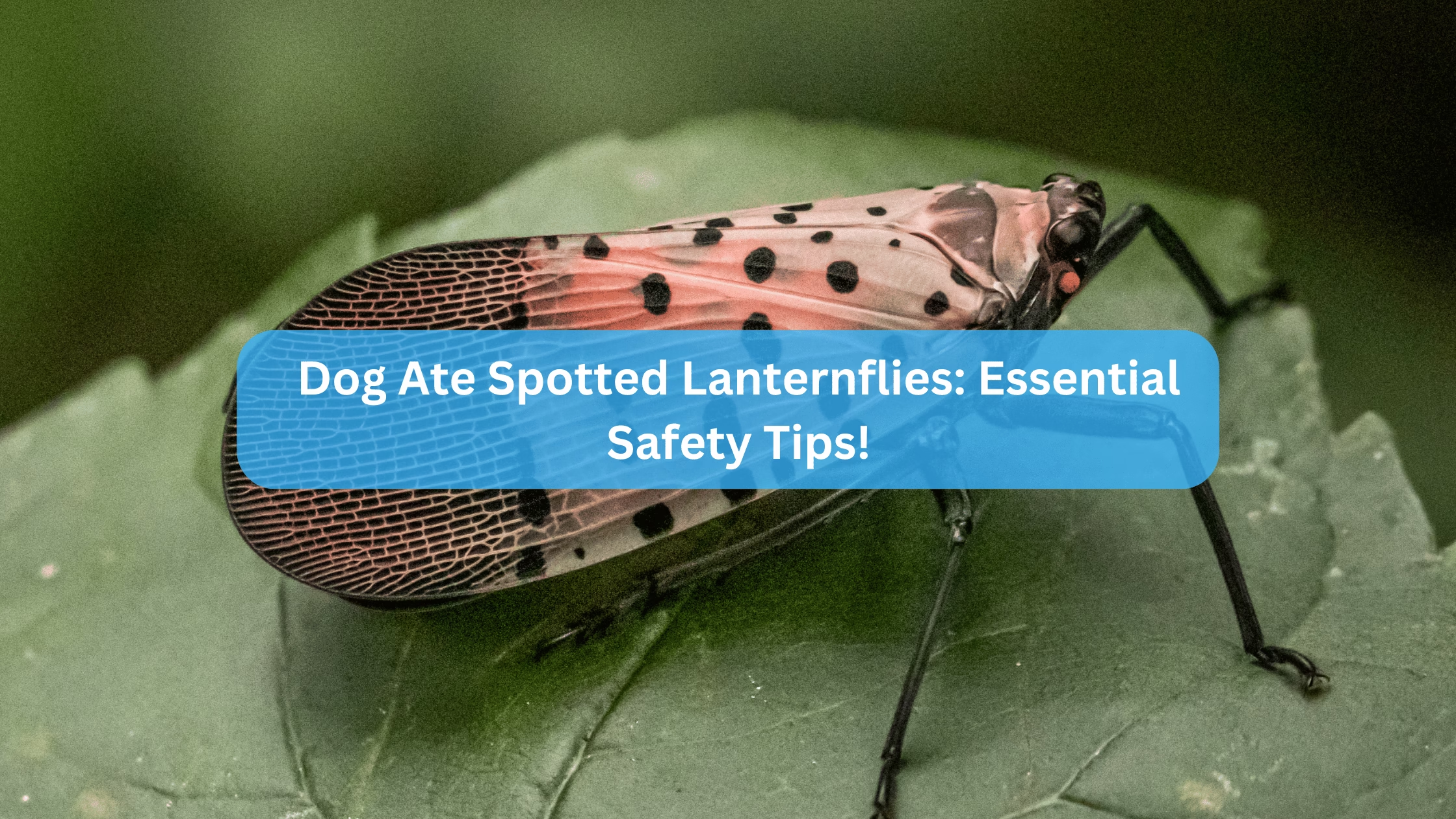
    Dog Ate Spotted Lanternflies: Essential Safety Tips!

    As the spotted lanternfly (Lycorma delicatula) continues to invade various regions of the United States, many pet owners are left wondering about the safety of their furry companions. This article aims to provide a comprehensive overview of the spotted lanternfly, its effects on dogs, and what to do if your Dog Ate Spotted Lanternflies.

    Understanding the Spotted Lanternfly

    The spotted lanternfly is an invasive planthopper native to parts of Asia, including China and Vietnam.

    It was first identified in the United States in 2014 and has since spread rapidly, causing significant damage to agricultural crops and ornamental plants.

    The insect primarily feeds on the sap of over 70 plant species, including fruit trees like grapes and apples, as well as the tree of heaven (Ailanthus altissima), which is its preferred host.

    Characteristics of the Spotted Lanternfly

    • Appearance: Adult spotted lanternflies are approximately 1 inch long and 0.5 inches wide, featuring a black head, gray forewings with black spots, and striking red hindwings. The nymphs are initially black with white spots and later develop red pigmentation as they mature.
    • Life Cycle: The spotted lanternfly undergoes several life stages, starting from eggs laid in masses that resemble grayish mud. These egg masses can contain 30 to 50 eggs and are often found on tree trunks and other surfaces.
    • Damage to Plants: The feeding behavior of spotted lanternflies can lead to significant damage to plants, causing wilting, leaf drop, and the excretion of a sticky substance known as honeydew, which can promote the growth of sooty mold.

    Can Dogs Eat Spotted Lanternflies?

    As a dog owner, you might be concerned about your pet’s curiosity leading them to eat a spotted lanternfly.

    While it is not uncommon for dogs to snack on insects, the question arises: are spotted lanternflies safe for dogs to eat?

    Toxicity Concerns

    Currently, there is no conclusive evidence that spotted lanternflies are toxic to dogs.

    Reports indicate that while some dogs may experience mild gastrointestinal upset after consuming these insects, serious health risks are rare.

    Common symptoms observed in dogs that have ingested spotted lanternflies include:

    • Vomiting
    • Drooling
    • Loss of appetite

    These symptoms are not unique to lanternfly ingestion and could result from consuming various insects or plants. Therefore, if your dog shows signs of distress after eating a spotted lanternfly, it is essential to monitor them closely.

    Are Spotted Lanternflies Dangerous to Dogs?

    Despite the concerns circulating on social media about the dangers of spotted lanternflies to pets, experts assert that these insects do not pose a significant threat.

    The claims that they can cause seizures or blistered pads on dogs are largely unfounded.

    Research Insights

    • No Known Toxins: As of now, no known toxins have been identified in spotted lanternflies that would pose a threat to dogs. Studies have shown that while the insects may have a bitter taste, they do not contain harmful substances that would lead to serious health issues.
    • Potential Risks: Some experts suggest that as the spotted lanternfly continues to adapt to its environment, there may be a possibility of developing toxins from the plants they consume, particularly the tree of heaven. However, this is still a topic of ongoing research.

    Dog Ate Spotted Lanternflies: What Should You Do If Your Dog Eats a Spotted Lanternfly?

    Dog Ate Spotted Lanternflies 1 |
    Dog Ate Spotted Lanternflies: Essential Safety Tips!

    If you discover that your dog has eaten a spotted lanternfly, follow these guidelines:

    • Stay Calm: Most cases of lanternfly ingestion result in mild symptoms that resolve on their own.
    • Observe Your Dog: Keep an eye on your pet for any changes in behavior or health. If symptoms persist, seek veterinary care.
    • Educate Yourself: Stay informed about the spotted lanternfly and its potential impacts on pets as research continues to evolve.

    Also Read: Can Dogs Eat Beetles? A Comprehensive Guide

    Also Read: Can dogs eat bulgur? A Comprehensive Guide for Pet Owners

    Conclusion

    In summary, while the spotted lanternfly is a significant pest for agriculture and the environment, it does not appear to pose a serious threat to dogs.

    Pet owners should remain vigilant and discourage their pets from eating these insects, but there is no need for alarm.

    As research progresses, more information will likely emerge regarding the interactions between spotted lanternflies and pets.

    Always consult your veterinarian if you have concerns about your dog’s health after they have ingested any insects.

    By understanding the nature of spotted lanternflies and their effects on dogs, pet owners can help ensure their pets remain safe and healthy while navigating the challenges posed by this invasive species.


    Sources:

  • How to Remove Hard Poop from Your Dog’s Anus at Home

    How to Remove Hard Poop from Your Dog’s Anus at Home

    Dealing with a dog that has hard poop stuck around their anus can be distressing for both the pet and the owner. This condition, often a sign of constipation, can lead to discomfort and even more serious health issues if not addressed promptly. Here’s a comprehensive guide on how to remove hard poop from your dog’s anus at home safely and effectively, along with preventive measures and answers to common questions.

    What Causes Hard Poop in Dogs?

    What Causes Hard Poop in Dogs |
    What Causes Hard Poop in Dogs?

    Hard poop, or constipation, can occur for several reasons:

    • Dehydration: Insufficient water intake can lead to hard, dry stools.
    • Diet: A lack of fiber in your dog’s diet can result in constipation. Dogs need a balanced diet that includes adequate fiber to maintain healthy digestion.
    • Inactivity: Lack of exercise can slow down the digestive process.
    • Health Issues: Conditions such as anal gland problems, intestinal blockages, or even more serious issues like kidney disease can contribute to constipation.

    Signs of Constipation

    Before attempting to remove hard poop, it’s essential to identify the signs of constipation:

    • Straining to defecate
    • Hard, dry stools
    • Liquid or mucus around the anus
    • Signs of discomfort or pain
    • Lethargy or loss of appetite

    If your dog shows severe signs of distress or has not defecated in 48 hours, consult a veterinarian immediately.

    Steps on How to Remove Hard Poop from Your Dog’s Anus at Home

    If the situation is manageable at home, follow these steps to help your dog:

    1. Prepare the Area

    • Gather Supplies: You will need rubber gloves, warm water, mild soap, a soft cloth or sponge, and possibly scissors or clippers for matted fur.
    • Create a Comfortable Environment: Choose a quiet, comfortable space where your dog feels safe.

    2. Soak the Area

    • Warm Bath: Place your dog in a shallow warm bath. The warm water can help soften the hard feces. Allow your dog to soak for about 10-15 minutes.

    3. Clean the Anus

    • Gently Clean: After soaking, use a soft cloth or sponge with warm, soapy water to gently clean the area around the anus. Be careful not to apply too much pressure.
    • Trim Matted Fur: If there is matted fur around the anus, carefully trim it away with scissors. Be cautious not to cut the skin.

    4. Apply a Lubricant

    • Use a Water-Soluble Jelly: After cleaning, apply a small amount of water-soluble jelly (like K-Y jelly) to soothe the area. This can help ease any irritation caused by the hard feces.

    5. Encourage Elimination

    • Take a Walk: A gentle walk can stimulate your dog’s bowels. The movement may help them pass the remaining stool.

    Preventing Future Issues

    To prevent constipation and hard poop in the future, consider the following:

    • Increase Hydration: Ensure your dog has constant access to fresh water.
    • Dietary Adjustments: Incorporate high-fiber foods into your dog’s diet. Canned pumpkin, green beans, or a fiber supplement can help.
    • Regular Exercise: Engage in daily walks and playtime to promote healthy digestion.
    • Routine Vet Check-ups: Regular check-ups can help identify any underlying health issues that may contribute to constipation.

    Frequently Asked Questions

    What should I do if my dog is straining to poop but nothing comes out?

    If your dog is straining to defecate without success, it may be a sign of constipation or an obstruction. First, check for any signs of discomfort, such as whining or pacing. If your dog has not defecated in 48 hours or shows signs of distress, consult a veterinarian immediately.

    Are there any home remedies for dog constipation?

    Yes, some home remedies can help alleviate mild constipation. Increasing your dog’s water intake, adding fiber-rich foods like canned pumpkin or green beans to their diet, and ensuring regular exercise can promote healthy bowel movements. However, if symptoms persist, seek veterinary advice.

    When should I take my dog to the vet for constipation?

    You should take your dog to the vet if they have not defecated in 48 hours, exhibit severe straining or discomfort, have blood in their stool, or show signs of lethargy or vomiting. These could indicate a more serious health issue that requires professional intervention.

    Can stress cause constipation in dogs?

    Yes, stress can indeed lead to constipation in dogs. Changes in environment, routine, or even the presence of new pets can cause anxiety, which may affect their digestive system. Ensuring a stable environment and using calming techniques can help mitigate this issue.

    How can I tell if my dog is dehydrated?

    Signs of dehydration in dogs include dry gums, lethargy, loss of skin elasticity, and excessive panting. If you suspect your dog is dehydrated, encourage them to drink water and consult your veterinarian if symptoms persist.

    What foods should I avoid giving my dog to prevent constipation?

    To prevent constipation, avoid feeding your dog foods that are low in fiber, such as processed dog foods, and human foods that can be difficult for them to digest, like dairy products and certain grains. Stick to a balanced diet that includes high-fiber options.

    Also Read: Can Dogs Have Glazed Donuts? A Comprehensive Guide

    Also Read: Can Dogs Eat Vienna Sausages? A Comprehensive Guide

    Conclusion

    Removing hard poop from your dog’s anus can be a manageable task if approached with care and attention.

    By following the steps outlined above and taking preventive measures, you can help ensure your dog remains comfortable and healthy.

    Always keep an eye on their habits, and don’t hesitate to seek professional help when needed. Your dog’s health and comfort should always be the top priority.


    Sources:

  • Can Dogs Have 3 Testicles? Discover the Surprising Truth

    Can Dogs Have 3 Testicles? Discover the Surprising Truth

    Can Dogs Have 3 Testicles? When it comes to the health of our furry friends, many pet owners may wonder about unusual conditions, including the possibility of a dog having three testicles.

    While this may sound strange, it is a topic worth exploring. This article will delve into the anatomy of canine reproductive systems, the potential causes of having three testicles, and what it means for your dog’s health.

    Understanding Canine Anatomy

    Typically, male dogs have two testicles, which are responsible for producing sperm and testosterone.

    These testicles are usually located in the scrotum, which is the pouch of skin that hangs beneath the penis.

    However, some dogs may exhibit abnormal conditions that lead to variations in testicular anatomy.

    Can Dogs Have 3 Testicles?

    Yes, dogs can have three testicles, although this condition is extremely rare. The presence of an additional testicle is often referred to as Polyorchidism. This condition can occur due to several factors:

    • Genetic Abnormalities: One primary cause of a dog having three testicles is a genetic mutation that leads to the development of an extra testicle during the dog’s growth and development.
    • Cryptorchidism: This is a condition where one or both testicles fail to descend into the scrotum. If a dog has a retained testicle and develops a third one, it may appear as though the dog has three testicles.
    • Tumors or Growths: In rare instances, tumors or abnormal growths can mimic the appearance of an extra testicle. These growths may require veterinary evaluation to determine their nature and whether they pose any health risks.

    What Causes a Dog to Have Three Testicles?

    The exact cause of polyorchidism is not well understood, but it is believed to result from an abnormal division of the genital ridge early in the development of a male fetus.

    This ridge is the precursor to the testicles, and if it divides incorrectly, a duplicate testis can form.

    However, polyorchidism is rare, with only a few documented cases in veterinary literature.

    Are Dogs with Three Testicles More Prone to Health Issues?

    While having three testicles may not necessarily pose an immediate health risk, it can lead to complications.

    Dogs with polyorchidism may have an increased risk of developing testicular cancer, especially if the extra testicle is retained and not located in the scrotum.

    Regular veterinary check-ups are essential for monitoring any potential health issues.

    Can Three Testicles Affect a Dog’s Fertility?

    In many cases, having three testicles does not affect a dog’s fertility.

    The additional testicle may not be functional, especially if it is not connected to the reproductive system.

    However, if a dog has a retained testicle along with two normal ones, it may face fertility challenges.

    It is important to consult a veterinarian for a thorough evaluation if fertility is a concern.

    How Common Is It for Dogs to Have Extra Testicles?

    Polyorchidism is exceedingly rare in dogs. While the exact prevalence is difficult to determine, there are only a few documented cases in veterinary literature.

    Most pet owners will never encounter this condition in their dogs.

    Is Surgery Necessary for Dogs with Three Testicles?

    Whether surgery is necessary for a dog with three testicles depends on the specific circumstances.

    If the extra testicle is retained and poses a risk of complications, such as cancer or torsion, surgical removal may be recommended.

    However, if the extra testicle is functional and poses no health risks, regular monitoring may be sufficient.

    A veterinarian will provide guidance based on the individual dog’s health status.

    What Should You Do If You Suspect Your Dog Has Three Testicles?

    If you suspect that your dog has three testicles, it’s essential to consult a veterinarian. A thorough examination will help determine whether the additional testicle is a true supernumerary testicle, a retained testicle, or a growth that requires further investigation.

    During the examination, the veterinarian may:

    • Perform a physical examination to assess the size and location of the testicles.
    • Conduct imaging tests, such as ultrasound or X-rays, to get a clearer picture of the reproductive anatomy.
    • Discuss any potential health implications and treatment options if necessary.

    Also Read: Can Dogs Eat June Bugs? A Comprehensive Guide

    Also Read: Ashwagandha for Dogs: Natural Solution for Stress and Health

    Conclusion

    While the idea of a dog having three testicles may seem unusual, it is indeed possible due to various genetic and developmental factors.

    If you suspect that your dog has this condition, it is crucial to seek veterinary advice to ensure their health and well-being.

    Regular veterinary check-ups and open communication with your veterinarian can help you stay informed about your dog’s reproductive health and any potential concerns.

    Remember, your dog’s health is paramount, and understanding their anatomy can help you provide the best care possible.


    Sources:

  • Ashwagandha for Dogs: Natural Solution for Stress and Health

    Ashwagandha for Dogs: Natural Solution for Stress and Health

    Ashwagandha, scientifically known as Withania somnifera, is an ancient herb renowned for its adaptogenic properties that help the body manage stress.

    While it has gained popularity among humans for its numerous health benefits, many pet owners are now discovering its potential advantages for dogs.

    This article explores the benefits, safety, and administration of ashwagandha for dogs, answering common questions pet owners may have.

    What Are the Benefits of Ashwagandha for Dogs?

    ashwagandha plant |
    Benefits of Ashwagandha for Dogs
    1. Stress and Anxiety Relief
      Ashwagandha is primarily known for its ability to reduce stress and anxiety in dogs. Research indicates that it can help regulate cortisol levels, the hormone associated with stress. This can be particularly beneficial for dogs suffering from separation anxiety, fear of loud noises, or general nervousness.
    2. Improved Joint Health
      The anti-inflammatory properties of ashwagandha can aid dogs suffering from joint pain, arthritis, or ligament injuries. The herb contains withanolides, which help reduce inflammation and promote overall joint health, allowing your dog to remain active and playful.
    3. Enhanced Immune Function
      As an adaptogen, ashwagandha supports the immune system by stimulating the production of disease-fighting cells. This can help dogs recover from illnesses more quickly and reduce the risk of infections.
    4. Pain Management
      Older dogs often experience chronic pain and stiffness. Ashwagandha has been shown to alleviate pain severity, making it a valuable addition to the diet of aging pets.
    5. Hormonal Balance
      Ashwagandha can help regulate hormone levels in dogs, including stress hormones and sex hormones. This can be beneficial for dogs experiencing hormonal imbalances, contributing to overall health and well-being.

    How Much Ashwagandha Should I Give My Dog?

    The recommended dosage of ashwagandha for dogs typically depends on their size and weight. Here are general guidelines:

    • Small Dogs (up to 20 lbs): 100-150 mg per day
    • Medium Dogs (21-50 lbs): 150-300 mg per day
    • Large Dogs (51-90 lbs): 300-400 mg per day
    • Giant Dogs (over 90 lbs): 400-500 mg per day

    Always start with a lower dose and gradually increase it while monitoring your dog’s response.

    It’s crucial to consult with a veterinarian before starting any new supplement to ensure it’s appropriate for your dog’s specific health needs.

    Can Ashwagandha Help with My Dog’s Anxiety Issues?

    Yes, ashwagandha is known for its calming effects and can significantly help dogs with anxiety issues.

    Studies have shown that it reduces cortisol levels, which in turn helps alleviate stress and anxiety symptoms in dogs.

    Many pet owners report noticeable improvements in their dogs’ behavior after introducing ashwagandha into their routine.

    How Does Ashwagandha Compare to Other Supplements for Dog Stress Relief?

    When comparing ashwagandha to other supplements for dog stress relief, it stands out due to its adaptogenic properties. Here’s a brief comparison:

    SupplementMain BenefitsSide Effects
    AshwagandhaReduces cortisol, alleviates anxietyRarely gastrointestinal upset
    MelatoninPromotes sleep, reduces anxietyDrowsiness, hormonal effects
    L-TheanineCalms without sedationRarely drowsiness
    CBD OilReduces anxiety, pain reliefDry mouth, potential sedation
    Ashwagandha Compare to Other Supplements for Dog Stress Relief

    Ashwagandha is particularly effective for long-term stress management, while other supplements may provide immediate relief.

    What Are the Best Ashwagandha Products for Dogs?

    When selecting ashwagandha products for dogs, look for those specifically formulated for pets. Some reputable options include:

    • KSM-66 Ashwagandha: A high-quality extract known for its efficacy and safety.
    • Front of the Pack’s The One Supplement: Vet-approved and contains ashwagandha along with other beneficial ingredients.
    • Barkworthies Ashwagandha Chews: Tasty treats that make administration easy for picky eaters.

    Always check for third-party testing and consult with your veterinarian before choosing a product.

    How Long Does It Take to See Results from Ashwagandha for Dogs?

    Pet owners may start to see improvements in their dogs’ behavior within a week of consistent use.

    However, for optimal results, it is recommended to administer ashwagandha for at least four weeks, as indicated by studies showing significant reductions in anxiety symptoms over this period.

    Are There Any Known Side Effects of Ashwagandha in Dogs?

    While ashwagandha is generally considered safe for dogs, some potential side effects may include:

    • Gastrointestinal Upset: Some dogs may experience vomiting or diarrhea, especially if they have sensitive stomachs.
    • Pregnant Dogs: Ashwagandha may pose risks to pregnant dogs, including the potential for miscarriage.
    • Medication Interactions: If your dog is on other medications, particularly those for anxiety or hormonal imbalances, consult your veterinarian to avoid adverse interactions.

    Also Read: My Dog Ate Lavender Plant! What Should I Do? – Best Guide

    Also Read: Can Dogs Eat June Bugs? A Comprehensive Guide

    Conclusion

    Incorporating ashwagandha into your dog’s diet can provide numerous health benefits, from reducing stress and anxiety to improving joint health and boosting the immune system.

    As with any supplement, it is essential to consult with your veterinarian to ensure it is appropriate for your dog’s specific health needs.

    By taking these precautions, you can help your furry friend enjoy a happier, healthier life with the support of this remarkable herb.


    Sources:

  • My Dog Ate Lavender Plant! What Should I Do? – Best Guide

    My Dog Ate Lavender Plant! What Should I Do? – Best Guide

    My Dog Ate Lavender Plant! What Should I Do? You may be concerned about the potential effects if your dog has eaten a lavender plant.

    While lavender is generally considered non-toxic to dogs, there are essential details to remember regarding its consumption and the possible symptoms that can arise.

    Understanding Lavender and Its Effects on Dogs

    dog with lavender |
    Understanding Lavender and Its Effects on Dogs

    Lavender (Lavandula angustifolia) is a popular aromatic plant known for its calming scent and various uses in aromatherapy and cooking.

    Although it contains compounds like linalool and linalyl acetate, which can irritate in large quantities, the overall toxicity level of lavender is low for dogs.

    Is Lavender Toxic to Dogs?

    • Non-Toxic in Moderation: Lavender is often deemed safe for dogs when consumed in small amounts. Most dogs will only experience severe reactions if they ingest large quantities.
    • Mild Symptoms Possible: A dog consuming lavender may experience mild gastrointestinal upset, including symptoms such as vomiting or diarrhea. However, these symptoms are generally not severe and tend to resolve quickly.
    • Potential Risks: Ingesting excessive amounts of lavender may cause more severe conditions, such as intestinal blockages, particularly if the dog ingests large quantities of plant material.

    My Dog Ate Lavender Plant – What to Do If Your Dog Eats Lavender

    If you discover that your dog has eaten lavender, here are steps to follow:

    • Monitor for Symptoms: Monitor your dog for any signs of distress. Common symptoms to watch for include:
    1. Vomiting
    2. Diarrhea
    3. Abdominal pain or bloating
    4. Loss of appetite
    5. Lethargy
    • Contact Your Veterinarian If your dog vomits after eating lavender or exhibits any concerning symptoms. They can provide guidance based on your dog’s specific situation. In most cases, mild symptoms will resolve independently, but your vet can help determine if further action is necessary.
    • Prevent Future Incidents: To avoid ingestion, consider training your dog to leave garden plants alone or use barriers to keep them away from lavender and other potentially harmful plants.

    Long-Term Effects of Lavender Poisoning in Dogs

    Fortunately, lavender is not known to cause long-term effects in dogs— most cases of lavender ingestion result in mild gastrointestinal upset, which typically resolves without lasting consequences.

    However, suppose a dog consumes a large quantity. In that case, the intestinal blockage is risky and can have profound implications if not treated promptly.

    Can Lavender Essential Oil Be Harmful to Dogs If Ingested?

    Yes, lavender essential oil can harm dogs if ingested in significant amounts.

    The oil contains concentrated levels of linalool, which can cause gastrointestinal upset, lethargy, and other symptoms if consumed.

    Keeping essential oils out of reach for pets and using them cautiously in aromatherapy is crucial and ensuring they are properly diluted and applied safely.

    How to Safely Use Lavender Around Your Dog

    While direct ingestion of lavender is discouraged, there are safe ways to utilize lavender for its calming properties:

    • Aromatherapy: Lavender essential oil can be used in diffusers to create a calming environment for your dog. Ensure that the oil is well-diluted and that your dog can exit the area if the scent becomes overwhelming.
    • Topical Applications: Lavender-infused shampoos and sprays designed specifically for dogs can help soothe skin irritations and promote relaxation. Always dilute essential oils before applying them to your dog’s skin to avoid irritation.
    • Calming Products: Many pet products incorporate lavender for its calming effects, which can help reduce anxiety during stressful situations like thunderstorms or travel.

    Preventing Your Dog from Eating Lavender Plants

    To prevent your dog from eating lavender or other plants in the future, consider these strategies:

    • Training: Teach your dog commands like “leave it” or “no” to discourage them from eating plants.
    • Physical Barriers: Use fencing or plant barriers to protect your dog from lavender and other potentially harmful plants in your garden.
    • Alternative Distractions: Provide your dog with plenty of toys and activities to keep them engaged and less likely to nibble on plants.

    Also Read: Why Do Dogs Love Snow? – Discover Reasons & Safety Tips

    Also Read: Why Do Dogs Love Walks? – The Joy of Walks

    Final Thoughts

    In summary, while lavender is generally safe for dogs in small amounts, monitoring your pet closely if they consume any part of the plant is essential.

    Contacting your veterinarian is the best action if your dog vomits or shows any adverse symptoms.

    By understanding the effects of lavender and utilizing it safely, you can enjoy the benefits of this lovely plant without compromising your dog’s health.


    Sources: