Category: Dog Health

  • Can Dogs Get Sick from Humans? A Comprehensive Guide

    Can Dogs Get Sick from Humans? A Comprehensive Guide

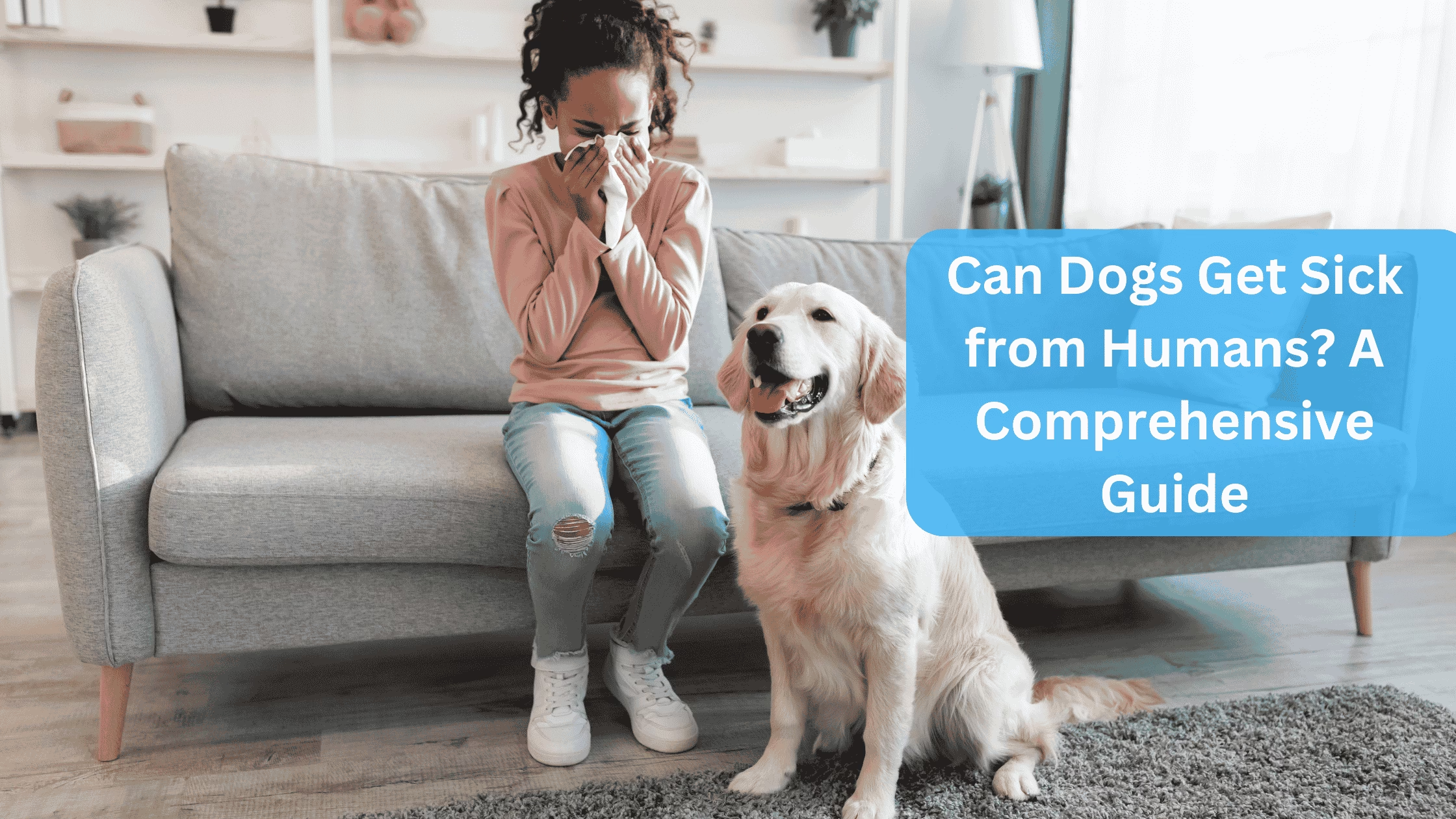
    Can Dogs Get Sick from Humans? – As pet owners, we often wonder about the health of our furry companions, especially when it comes to the potential for illness transmission between humans and dogs.

    The question, “Can dogs get sick from humans?” is not just a matter of curiosity; it’s essential for ensuring the health and safety of both you and your pet.

    In this comprehensive guide, we will explore the various ways diseases can be transmitted from humans to dogs, debunk common myths, and provide tips on how to keep your canine friend healthy. So, let’s dive in—because knowledge is the best medicine! 🐾

    Can Dogs Get Sick from Humans? – Reverse Zoonosis in Dogs

    Reverse zoonosis refers to the transmission of diseases from humans to animals.

    While most people are familiar with zoonotic diseases (those that pass from animals to humans), reverse zoonosis is less commonly discussed.

    However, it’s crucial for pet owners to understand this phenomenon, especially in light of recent health events.

    How Does Disease Transmission Occur in ?

    Transmission can happen through several routes:

    • Direct Contact: Physical interactions such as petting or cuddling can facilitate the transfer of pathogens.
    • Contaminated Surfaces: Touching surfaces that harbor germs (like doorknobs or countertops) and then petting your dog can spread bacteria or viruses.
    • Respiratory Droplets: Coughing or sneezing near your dog can release viruses into the air.

    Common Illnesses That Dogs Can Catch from Humans

    While the risk of transmitting diseases from humans to dogs is relatively low, there are notable illnesses that can make the leap. Here are some key examples:

    1. Can Dogs Get COVID from Humans?

    Yes, dogs can catch COVID-19! Research has shown that the SARS-CoV-2 virus can be transmitted from humans to dogs. Symptoms in infected dogs may include:

    • Coughing
    • Difficulty breathing
    • Fever
    • Lethargy
    • Loss of appetite

    Fortunately, cases in dogs are rare and typically mild. If you have COVID-19, it’s advisable to avoid close contact with your dog until you recover.

    2. Can Dogs Get Influenza from Humans?

    Although dogs cannot catch human flu viruses directly, they can contract canine influenza (H3N2 and H3N8). However, there have been instances where strains of human influenza have infected dogs. Symptoms include:

    • Coughing
    • Sneezing
    • Lethargy
    • Loss of appetite

    If your dog shows signs of respiratory illness after you’ve been sick, consult your veterinarian.

    3. Can Dogs Get Salmonella from Humans?

    Salmonella is a bacteria that can cause food poisoning in both humans and dogs. You can transmit it to your dog through:

    • Contaminated food or surfaces
    • Direct contact after handling raw meat

    Symptoms in dogs may include:

    • Diarrhea
    • Vomiting
    • Fever

    To prevent transmission, practice good hygiene by washing your hands after handling food.

    4. Can Dogs Get Mumps from Humans?

    Though rare, mumps can be transmitted from humans to dogs. Symptoms in dogs may include:

    • Fever
    • Lack of appetite
    • Swelling behind the ears

    If someone in your household has mumps, it’s wise to keep your dog away from them until they recover.

    5. Can Dogs Get MRSA from Humans?

    Methicillin-resistant Staphylococcus aureus (MRSA) is a type of staph infection resistant to many antibiotics. It can be transmitted between humans and dogs through direct contact or contaminated surfaces. Symptoms in dogs may include:

    • Skin infections
    • Abscesses

    If you have an active MRSA infection, avoid close contact with your dog until it’s treated.

    Can Dogs Catch Colds from Humans?

    The common cold in humans is typically caused by rhinoviruses, which cannot be transmitted to dogs. However, similar respiratory infections can affect both species independently.

    Dogs can suffer from kennel cough (Bordetella bronchiseptica), which presents similar symptoms like coughing and sneezing.

    What About Other Transmissible Diseases?

    While we’ve focused on illnesses that can be transmitted from humans to dogs, it’s essential also to consider diseases that may go the other way—those that can be passed from dogs to humans (zoonotic diseases). Some examples include rabies, ringworm, and certain bacterial infections like Campylobacter.

    Common Myths About Dogs Getting Sick from Humans

    There are several myths surrounding the idea of disease transmission between humans and dogs. Let’s debunk some common misconceptions:

    Myth 1: Dogs Can Catch Human Colds

    Fact: While both humans and dogs may experience cold-like symptoms, the viruses that cause colds in people are generally species-specific and cannot be transmitted to dogs.

    Myth 2: You Can Get Sick from Your Dog

    Fact: While there are some diseases that can be transmitted from dogs to humans (like rabies or ringworm), most common illnesses do not cross over between species.

    Myth 3: All Pets Can Catch Human Illnesses

    Fact: Not all pets are susceptible to human illnesses. For example, cats are more likely than dogs to catch colds from their owners due to their different immune systems.

    Myth 4: If You’re Sick, It’s Safe to Cuddle Your Dog

    Fact: While most common colds won’t affect your dog, if you have a contagious illness like COVID-19 or flu-like symptoms, it’s best to limit close contact until you recover.

    Preventing Illness Transmission Between Humans and Dogs

    Now that we know some illnesses that can pass from humans to dogs, let’s discuss how to minimize these risks:

    1. Practice Good Hygiene: Wash your hands regularly after handling food or being around sick individuals.
    2. Avoid Close Contact When Sick: If you’re feeling under the weather, limit physical interactions with your dog until you recover.
    3. Keep Your Dog Healthy: Ensure your dog is up-to-date on vaccinations and regular veterinary check-ups.
    4. Clean Surfaces Regularly: Disinfect areas where you and your dog spend time together to reduce contamination risk.
    5. Monitor Your Dog’s Health: Keep an eye on any changes in behavior or health after you’ve been sick and consult your veterinarian if needed.

    Frequently Asked Questions (FAQs)

    Can I give my dog my leftover medication?

    No! Human medications can be harmful or even fatal for dogs. Always consult your veterinarian before giving any medications intended for humans.

    What should I do if my dog shows symptoms after I’ve been sick?

    If your dog shows signs of illness after you’ve been unwell—such as lethargy, vomiting, or loss of appetite—contact your veterinarian for advice on how to proceed.

    Are there any specific precautions I should take during flu season?

    During flu season or if you’re ill with a contagious disease like COVID-19, it’s wise to limit close contact with your dog as much as possible until you’re better.

    Also Read: Why Is My Dog Throwing Up Worms? A Comprehensive Guide

    Also Read: Dog Car Sickness – A Comprehensive Guide

    Also Read: Can Dogs Eat Fish Eggs? A Comprehensive Guide

    Conclusion

    In conclusion, while it is possible for dogs to get sick from humans through various pathogens, the overall risk is relatively low compared to the reverse scenario where pets transmit illnesses to their owners.

    By practicing good hygiene and being mindful of health conditions within your household, you can help keep both yourself and your furry friend healthy.

    So next time you’re feeling under the weather, remember: a little extra caution goes a long way in keeping those puppy eyes bright and healthy! And who knows? Maybe all they need is some extra cuddles (from a safe distance) while you recover! 🐕❤️


    Sources:
  • Why Is My Dog Throwing Up Worms? A Comprehensive Guide

    Why Is My Dog Throwing Up Worms? A Comprehensive Guide

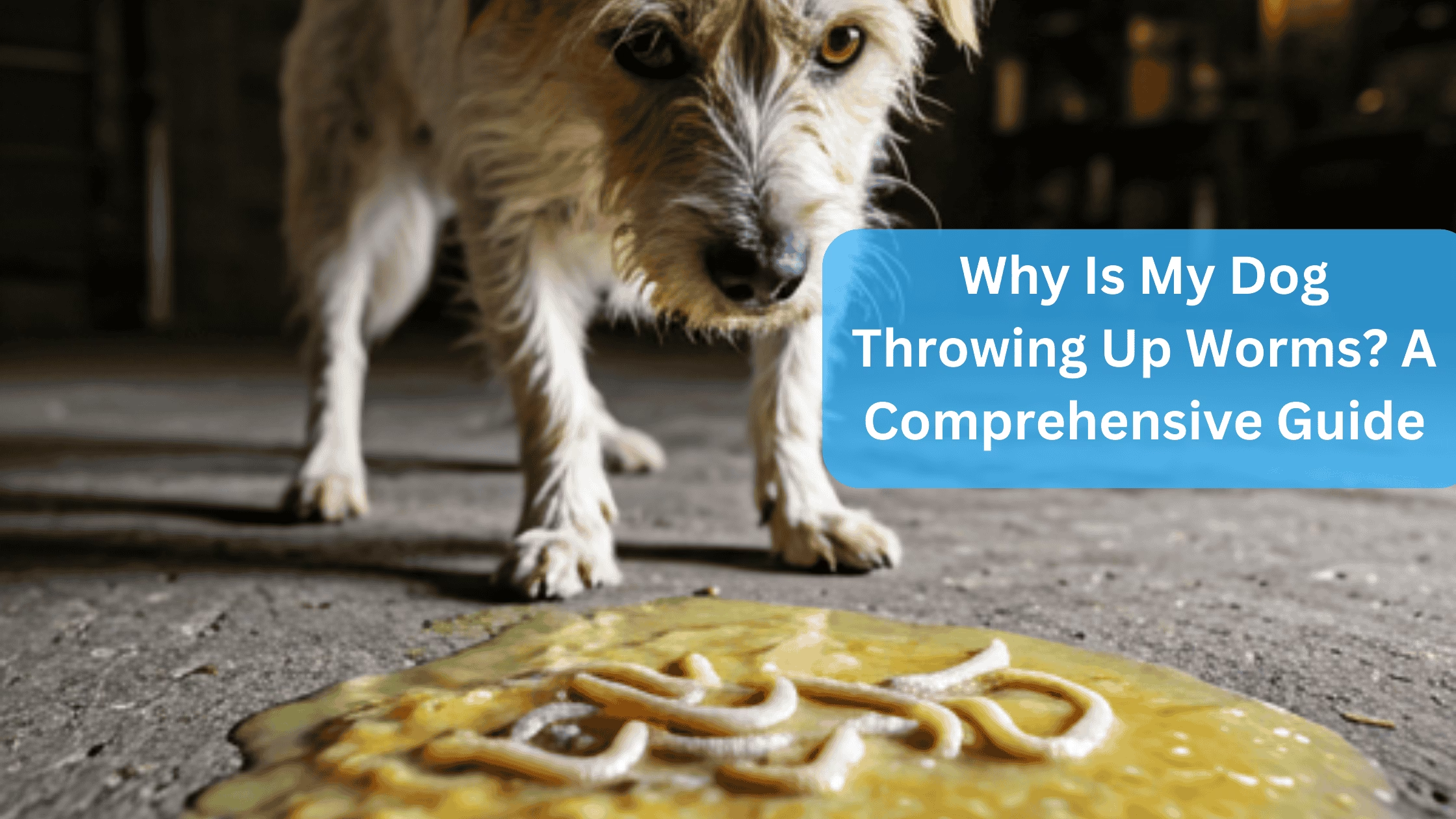
    Why Is My Dog Throwing Up Worms? Seeing your beloved canine companion throw up can be a distressing experience, especially when the contents include worms.

    While this may seem alarming, understanding the reasons behind this occurrence can help you take appropriate action to protect your dog’s health.

    In this guide, we will delve into the various types of worms that can affect dogs, the symptoms of worm infestations, and what steps you should take if you find your dog throwing up worms.

    Understanding Worms in Dogs

    Worms are a common issue for dogs, and they can lead to serious health problems if left untreated. The most prevalent types of worms that affect dogs include:

    • Roundworms: These are long, spaghetti-like parasites that can grow up to 7 inches in length. They are especially common in puppies and can be transmitted through their mother’s milk or feces.
    • Tapeworms: These flat, segmented worms resemble grains of rice and attach themselves to the intestinal wall. Dogs typically acquire tapeworms by ingesting fleas or rodents that carry the larvae.
    • Hookworms: Small but dangerous, hookworms latch onto the intestinal wall and feed on blood. They can cause severe anemia, particularly in puppies.
    • Whipworms: Less common than other types, whipworms reside in the large intestine and can lead to diarrhea and weight loss.

    Understanding these types of worms is crucial for recognizing symptoms and seeking timely treatment.

    Why Is My Dog Throwing Up Worms?

    When your dog vomits worms, it often indicates a significant infestation. Here are the primary reasons why this may occur:

    1. Heavy Intestinal Parasite Load

    A high number of intestinal parasites can overwhelm your dog’s digestive system, leading to vomiting.

    This is particularly common in puppies or dogs with compromised immune systems.

    When the worms multiply excessively, they disrupt normal digestion, resulting in vomiting as the body attempts to expel the invaders.

    2. Gastrointestinal Obstruction

    In some cases, a large number of worms can obstruct the gastrointestinal (GI) tract.

    This blockage can cause severe discomfort and lead to vomiting as the body tries to clear the obstruction.

    If you notice persistent vomiting along with signs of distress (like pacing or whining), it’s crucial to seek veterinary assistance immediately.

    3. Reaction to Worm Treatment

    If your dog has recently been treated for worms, they may vomit as a reaction to the medication or as a result of dying parasites being expelled from their system.

    This is often temporary but should still be monitored closely.

    Common Symptoms of Worm Infestation in Dogs

    In addition to vomiting worms, other symptoms may indicate your dog has a worm infestation:

    • Diarrhea: Dogs with worms often experience diarrhea, which may be bloody in cases of hookworm infection.
    • Potbellied Appearance: Particularly in puppies, a bloated belly can signal a heavy roundworm infestation.
    • Weight Loss: Despite having a good appetite, dogs with worms often lose weight due to nutrient absorption issues.
    • Dull Coat: A shiny coat is a sign of good health; if your dog’s coat appears dull or dry, it could indicate an underlying problem like worms.
    • Lethargy: If your dog is more tired than usual or less active, it might be due to worm-related health issues.
    • Scooting: Dogs may scoot their bottoms on the ground if they have anal irritation from worms.

    What Should I Do If My Dog Is Throwing Up Worms?

    If you observe your dog vomiting worms, follow these steps:

    1. Stay Calm: While it’s natural to feel anxious, staying calm will help you think clearly about what needs to be done next.
    2. Examine the Vomit: If possible, take note of what type of worms you see (roundworms look like spaghetti; tapeworm segments resemble grains of rice). This information will be helpful for your veterinarian.
    3. Contact Your Veterinarian: Schedule an appointment as soon as possible. Your vet will likely perform a physical examination and may request a fecal sample to identify the type of worm present.
    4. Follow Treatment Protocols: Depending on the type of worm diagnosed, your veterinarian will prescribe appropriate deworming medications. It’s essential to follow their instructions carefully for effective treatment.
    5. Monitor Your Dog’s Recovery: Keep an eye on your dog’s behavior after treatment. If vomiting persists or other symptoms worsen, return to the vet for further evaluation.

    Preventing Worm Infestations in Dogs

    Prevention is always better than cure! Here are some tips to help keep your dog worm-free:

    • Regular Deworming: Follow your veterinarian’s recommendations for deworming schedules based on your dog’s age and lifestyle.
    • Flea Control: Since tapeworms are spread through fleas, maintaining a strict flea control regimen is vital.
    • Good Hygiene Practices: Clean up after your dog promptly and avoid letting them sniff or eat feces from other animals.
    • Healthy Diet: Feed your dog a balanced diet that supports their immune system and overall health.
    • Limit Exposure: Keep your dog away from areas where they might encounter infected animals or contaminated soil.

    Frequently Asked Questions (FAQs)

    What should I do if I see worms in my dog’s vomit?

    If you see worms in your dog’s vomit, it’s important to contact your veterinarian immediately for advice and potential treatment options. They may recommend bringing in a sample for examination and will likely want to perform tests on your dog.

    Can humans get worms from dogs?

    Yes, some types of worms can be transmitted from dogs to humans (zoonotic transmission). For instance, roundworms pose a risk especially for young children and pregnant women. Good hygiene practices are essential in preventing transmission.

    How often should I deworm my dog?

    The frequency of deworming depends on several factors including age, lifestyle (e.g., if they spend time outdoors), and exposure risks. Puppies typically require more frequent deworming than adult dogs; consult with your veterinarian for personalized recommendations.

    Are there any home remedies for treating worm infestations?

    While some home remedies are suggested online (like pumpkin seeds or garlic), they are not scientifically proven or reliable treatments for worm infestations. It’s best to seek veterinary care for effective treatment options.

    How can I tell if my dog has worms without seeing them?

    Signs that may indicate a worm infestation include changes in appetite (increased hunger or loss of appetite), unexplained weight loss, lethargy, diarrhea (possibly with blood), and changes in coat condition (dullness or excessive shedding).

    Also Read: Can Dogs Eat Fish Eggs? A Comprehensive Guide

    Also Read: Can Dogs Eat Raw Chicken Breast? A Comprehensive Guide

    Conclusion

    Seeing your dog throw up worms can be distressing for any pet owner.

    However, understanding why it happens and knowing how to respond can make all the difference in ensuring your dog’s health and well-being.

    Regular veterinary check-ups and preventive measures are key components in keeping those pesky parasites at bay!


    Sources:

  • Why Is My Dog Not Eating His Food but Will Eat Treats? Best Tips!

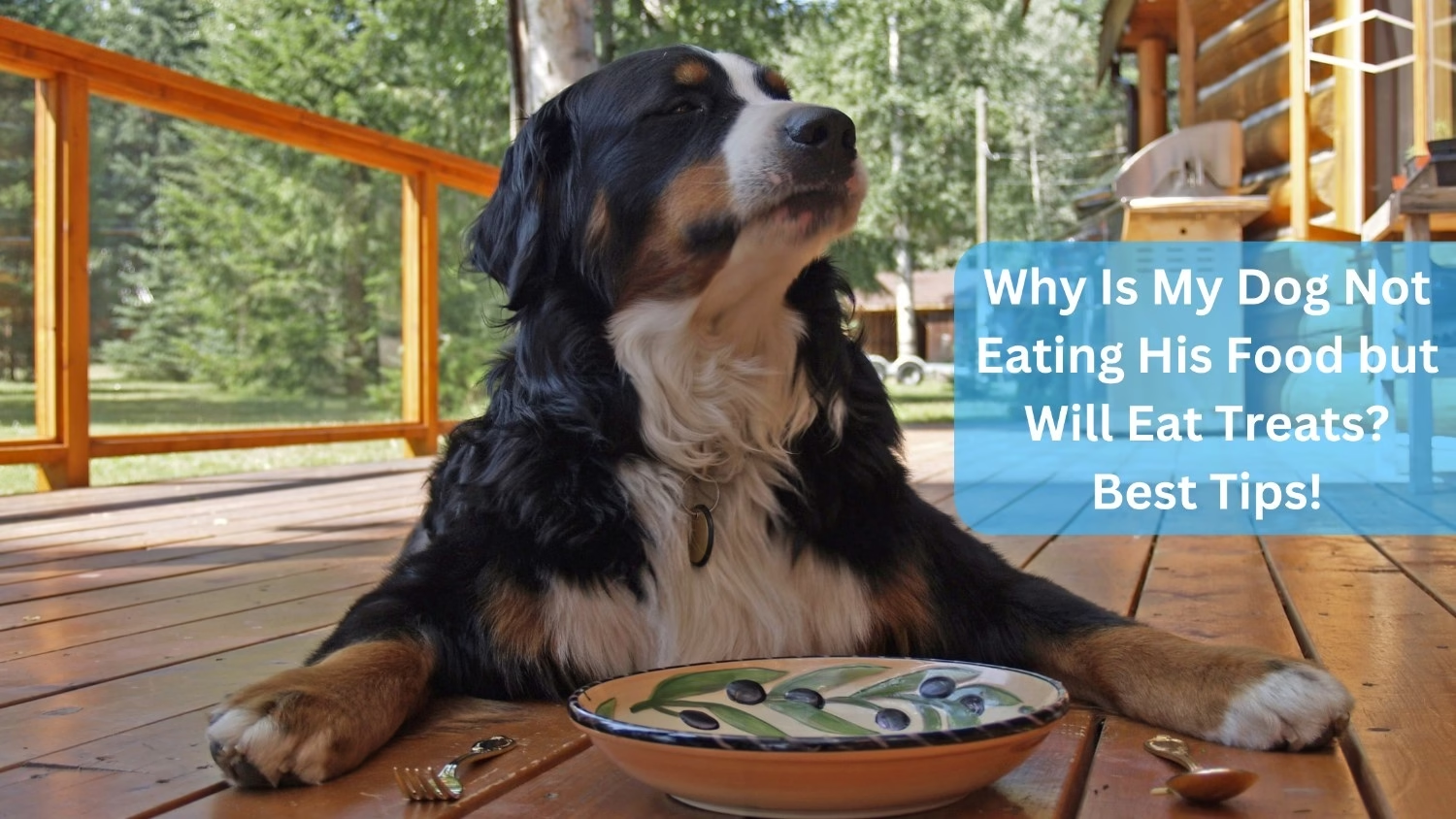
    Why Is My Dog Not Eating His Food but Will Eat Treats? Best Tips!

    As a devoted dog owner, few things are as concerning as watching your furry friend turn up their nose at their regular food while eagerly gobbling up treats. If you’ve found yourself asking, “Why is my dog not eating his food but will eat treats?” you’re not alone!

    This behavior, often referred to as partial anorexia, can stem from a variety of reasons ranging from health issues to behavioral quirks.

    In this comprehensive guide, we’ll explore the possible causes, solutions, and when to seek veterinary advice—all while keeping it informative, friendly, and just a tad witty. Let’s dive in!

    Understanding the Basics: What Is Partial Anorexia?

    Before we delve into the reasons behind your dog’s selective eating habits, it’s essential to understand what partial anorexia means.

    • Partial Anorexia: This term refers to a condition where your dog refuses to eat their regular food but will still consume treats or table scraps. It’s not just about being picky; it often indicates that something is amiss with their health or environment.
    • Full Anorexia: This is a more severe condition where a dog refuses to eat anything at all, including treats. If you suspect your dog is experiencing full anorexia, it’s crucial to consult a veterinarian immediately.

    Why Is My Dog Not Eating His Food but Will Eat Treats?

    If your dog is avoiding their regular meals but still enjoying treats, it’s a sign that something needs attention—whether it’s their diet, health, or emotional well-being.

    Common Reasons Why My Dog Is Not Eating His Food But Will Eat Treats

    Let’s explore some of the most common reasons why your pup might be snubbing their kibble but happily accepting those tasty morsels.

    1. Boredom with Regular Food

    Just like humans can get tired of eating the same meal every day (who wants plain oatmeal for breakfast every morning?), dogs can also become bored with their regular food.

    • Signs: If your dog seems uninterested in their food but perks up at the sight of treats or table scraps, boredom might be the culprit.
    • Solution: Try rotating different flavors or brands of dog food to keep mealtime exciting. You could also mix in some wet food or add safe toppings like pumpkin or plain yogurt for variety.

    2. Stress and Anxiety

    Dogs are sensitive creatures, and changes in their environment can lead to stress and anxiety. Whether it’s moving to a new home, the arrival of a new pet or baby, or even loud noises like thunderstorms, stress can significantly impact a dog’s appetite.

    • Signs: Look for signs of anxiety such as pacing, excessive barking, or hiding. If your dog seems anxious during mealtimes, they may associate feeding with stress.
    • Solution: Create a calm feeding environment by minimizing distractions and providing a safe space for your dog to eat. Consider using calming aids such as anxiety wraps or pheromone diffusers if necessary.

    3. Disruptions in Routine

    Dogs thrive on routine. Sudden changes in feeding times or schedules can confuse them and lead to temporary appetite loss.

    • Signs: If you’ve recently changed your dog’s feeding schedule or moved their food bowl to a different location, they might be hesitant to eat.
    • Solution: Try to stick to a consistent feeding schedule and keep their feeding area familiar and comfortable.

    4. Treat Overload

    Let’s face it—treats are delicious! If you’ve been generous with treats lately (who can resist those puppy eyes?), your dog might simply be too full to bother with their regular meals.

    • Signs: If your dog is refusing meals but eagerly accepting treats throughout the day, they may be filling up on goodies instead of their balanced diet.
    • Solution: Limit treat intake and ensure that they are only given during training sessions or as rewards for good behavior. This will help reinforce that meals are the primary source of nutrition.

    5. Power Dynamics with Other Pets

    In multi-pet households, competition for food can create stress for some dogs. If one pet is more dominant or aggressive during mealtime, it could discourage another pet from eating.

    • Signs: If you notice one pet guarding food while another avoids eating altogether, this could be an issue.
    • Solution: Feed pets separately in different rooms to reduce competition and stress during mealtime.

    6. Food Preferences

    Just like humans have favorite foods (hello pizza!), dogs also develop preferences based on taste and texture. If you’ve switched brands or types of food recently, your dog may simply prefer what they used to eat.

    • Signs: If your dog turns up their nose at new kibble but devours treats enthusiastically, they might have developed a preference for specific flavors or textures.
    • Solution: Experiment with different types of food (dry vs. wet) or brands until you find one that excites your pup’s palate!

    7. Health Issues

    Sometimes the reason behind a dog’s refusal to eat is more serious than mere pickiness—it could indicate an underlying health problem such as dental issues, gastrointestinal problems, or other medical conditions.

    • Signs: Look for additional symptoms such as lethargy, vomiting, diarrhea, or changes in behavior. If your dog seems unwell in any way alongside refusing food, it’s time for a vet visit.
    • Solution: Schedule an appointment with your veterinarian for a thorough examination and diagnostic tests if necessary.

    How to Encourage Your Dog to Eat

    If you’ve identified why your dog isn’t eating their regular meals but will happily munch on treats, here are some strategies you can implement:

    1. Make Mealtime Exciting

    Try adding some excitement back into mealtime by:

    • Mixing in wet food with dry kibble.
    • Adding tasty toppers like low-sodium chicken broth or pureed vegetables.
    • Offering different flavors of kibble to see if they show interest in any particular type.

    2. Stick to Scheduled Feeding Times

    Set specific times for meals and avoid leaving food out all day:

    • Place the food bowl down for about 15–20 minutes.
    • If they don’t eat within that time frame, take the bowl away until the next scheduled feeding time.

    This approach helps establish routine and encourages them to eat when food is available.

    3. Limit Treats Between Meals

    To ensure that treats don’t spoil your dog’s appetite:

    • Cut back on treats significantly until they start eating their regular meals again.
    • Use smaller pieces of treats during training sessions rather than full-sized ones.

    4. Create a Calm Environment

    Make mealtime peaceful by:

    • Reducing noise levels around feeding times.
    • Providing a quiet space where your dog feels safe while eating.

    This can help alleviate any anxiety associated with eating.

    5. Consult Your Veterinarian

    If you’ve tried various strategies without success:

    • Schedule an appointment with your vet.

    They can evaluate potential health issues affecting appetite and provide tailored advice based on your dog’s specific needs.

    Frequently Asked Questions (FAQs)

    Why is my dog eating everything but his food?

    Some dogs may engage in pica, an eating disorder where they consume non-food items due to nutritional deficiencies or behavioral reasons. Always consult with a vet if you suspect this behavior!

    How can I get my dog to eat instead of treats?

    Start by cutting out all non-meal snacks and ensuring that the food you provide is appealing and nutritionally balanced. Stick with one type of food consistently until they develop an appetite for it again.

    Can stress cause my dog not to eat?

    Absolutely! Just like humans can lose their appetite due to stressors like moving homes or changes in routine, dogs can also experience similar reactions that affect their desire to eat.

    Should I worry if my dog won’t eat?

    If your dog refuses food for more than 24 hours or shows signs of illness (like vomiting or lethargy), it’s best to consult with your veterinarian promptly!

    Also Read: Why Do Dogs Wag Their Tails When Sleeping? Best Guide

    Also Read: Why does my dog smell like maple syrup? Best Guide

    Conclusion

    Seeing your beloved pup refuse their regular meals while happily accepting treats can be concerning—but understanding the reasons behind this behavior is essential for addressing it effectively.

    Whether it’s boredom with their diet, stress from environmental changes, or potential health issues at play, being proactive about identifying the cause will help ensure your furry friend remains happy and healthy!

    Remember that patience is key; sometimes it takes time for dogs to adjust back into healthy eating habits after disruptions. With love and attention—and maybe a sprinkle of humor—you’ll have them wagging their tails at mealtime once again! 🐾💖


    Sources:

  • Why Do Dogs Wag Their Tails When Sleeping? Best Guide

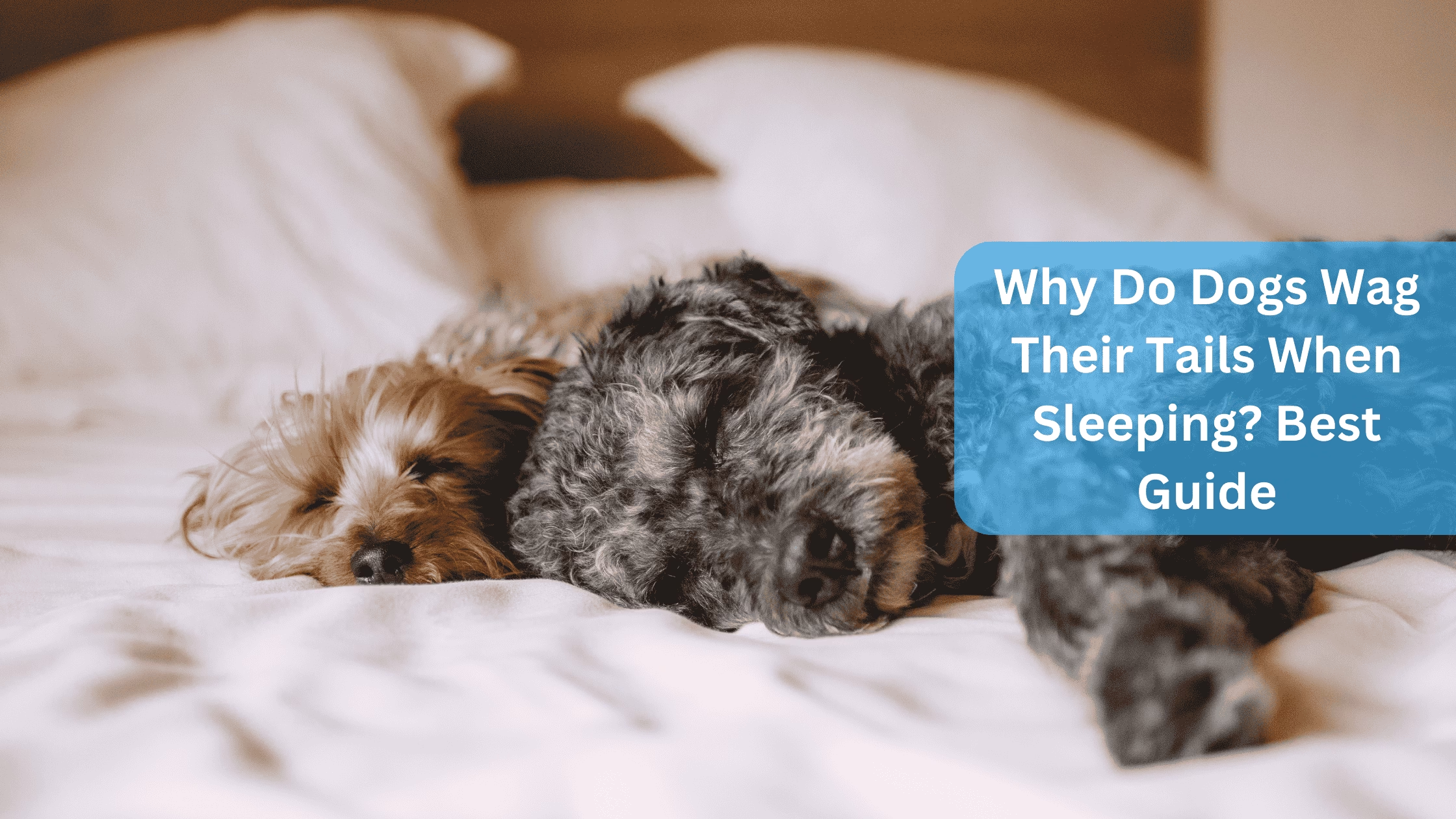
    Why Do Dogs Wag Their Tails When Sleeping? Best Guide

    Why Do Dogs Wag Their Tails When Sleeping? If you’ve ever found yourself watching your dog sleep, you might have noticed their tail wagging or twitching. This adorable behavior can leave pet owners both curious and entertained.

    But why do dogs wag their tails while they sleep? In this comprehensive guide, we’ll explore the reasons behind this tail-wagging phenomenon, what it might indicate about your dog’s dreams and emotions, and when to consider consulting a veterinarian.

    So, grab a cozy blanket and settle in as we dive into the fascinating world of canine sleep behaviors!

    Understanding Canine Sleep Cycles

    Before we can fully appreciate why dogs wag their tails while sleeping, it’s important to understand how dogs sleep. Just like humans, dogs experience different stages of sleep, primarily categorized into light sleep and REM (Rapid Eye Movement) sleep.

    The Stages of Dog Sleep

    • Light Sleep: This is the initial stage where your dog may appear to be resting but is still somewhat aware of their surroundings. They might twitch slightly or move their paws as if dreaming.
    • REM Sleep: This is the stage where dreaming occurs. During REM sleep, your dog’s brain is highly active, and their body may exhibit various movements, including tail wagging, twitching, or even vocalizations like barking or whining.

    Interestingly, a dog’s sleep cycle is much shorter than that of humans—typically around 20 minutes compared to our 90-minute cycles. This means that dogs enter REM sleep more quickly and often take multiple naps throughout the day.

    Why Do Dogs Wag Their Tails When Sleeping?

    Now that we have a grasp on canine sleep cycles, let’s explore the primary reasons why dogs wag their tails while they snooze.

    1. Dreaming

    The most common reason for tail wagging during sleep is that your dog is dreaming! Just like humans, dogs go through REM sleep where they can dream about their daily experiences. This could include chasing squirrels in the park or playing fetch with you.

    • What It Looks Like: You might notice gentle tail wagging or even more vigorous movements if they’re particularly excited in their dream.
    • Fun Fact: Some studies suggest that dogs may dream similarly to humans, reliving experiences from their day!

    2. Emotional Responses

    Dogs are emotional creatures, and their tails are a key part of how they express feelings. Even in sleep, they may react to positive memories or comforting feelings associated with their owners or experiences.

    • What It Looks Like: A soft wagging tail while sleeping often indicates contentment and happiness.
    • Witty Insight: Think of it as your dog having a “tail party” in their dreams—everyone’s invited!

    3. Physical Reflexes

    Sometimes, tail movements during sleep can be involuntary reflexes. Just as humans might twitch or move their legs when dreaming, dogs can exhibit similar physical reactions without any specific emotional context.

    • What It Looks Like: You might see quick twitches or sporadic wagging that doesn’t seem tied to any particular dream scenario.

    4. Contentment While Asleep

    When your dog is deeply relaxed and comfortable in their sleeping environment, they may wag their tail simply out of sheer contentment.

    • What It Looks Like: A slow wagging motion can indicate that your dog feels safe and happy in their resting place.

    Identifying Normal Tail Wagging During Sleep

    To assess whether your dog’s tail wagging during sleep is normal, consider these indicators:

    1. Frequency of Wagging

    • Occasional Wagging: Generally normal and indicates dreaming or relaxation.
    • Constant or Erratic Movements: May warrant closer observation.

    2. Accompanying Sounds

    • Happy Sounds: If your dog seems relaxed and makes soft noises like whimpering or gentle barking, they are likely having a pleasant dream.
    • Distress Sounds: If you hear whining or barking that seems anxious while they are wagging their tail, it could indicate a bad dream.

    3. Overall Body Language

    • Relaxed Posture: Soft facial features and a comfortable posture usually mean they’re enjoying pleasant dreams.
    • Tense Appearance: If they look anxious even while sleeping, it may be worth investigating further.

    Common Conditions Associated with Tail Wagging

    While tail wagging during sleep is typically harmless, there are certain conditions that might cause unusual movements requiring attention:

    1. Sleep Disorders

    Some dogs may experience sleep disorders affecting their quality of rest and behavior. If you notice excessive movement during sleep that disrupts their rest regularly, consulting with a veterinarian may be necessary.

    • What to Do: Keep a record of your dog’s sleeping patterns and behaviors for discussion with your vet for proper evaluation.

    2. Neurological Issues

    In rare cases, abnormal tail movements during sleep could indicate neurological problems. If you observe any other concerning symptoms such as seizures or loss of coordination when awake, seek veterinary advice promptly.

    • What to Do: Monitor for additional symptoms and schedule an appointment with your veterinarian for thorough examination if necessary.

    When Should You Be Concerned?

    While most tail wagging during sleep is perfectly normal, there are certain signs that should prompt you to consult a veterinarian:

    • Sudden Changes in Sleep Patterns: If your dog’s sleeping habits change dramatically—such as increased restlessness or excessive movement—it could indicate an underlying issue.
    • Signs of Distress During Sleep: If your dog appears distressed (e.g., whining excessively or showing signs of pain), it’s important to investigate further.
    • Physical Injuries from Tail Wagging: Vigorous tail movements can lead to injuries if they hit nearby objects like furniture or walls. Be cautious about waking them if they seem to be having a nightmare but monitor them for safety.

    Creating a Comfortable Sleeping Environment for Your Dog

    To ensure your furry friend gets quality rest (and perhaps some delightful dreams), consider these tips for creating an ideal sleeping environment:

    1. Choose the Right Bed

    Invest in a comfortable bed that suits your dog’s size and sleeping style. Orthopedic beds are great for older dogs needing extra support for joints.

    2. Maintain a Consistent Sleep Schedule

    Establishing a routine can help regulate your dog’s internal clock. Aim for consistent bedtimes and wake-up times to promote better sleep quality.

    3. Ensure a Calm Sleeping Space

    Create a quiet area free from distractions where your dog can feel safe and secure while sleeping. Consider using calming scents like lavender or playing soft music designed for pets to enhance relaxation.

    Also Read: Why does my dog smell like maple syrup? Best Guide

    Also Read: Why Does My Dog Smell Like Metal? A Comprehensive Guide

    Conclusion

    Understanding why dogs wag their tails when sleeping involves considering factors such as dreaming, emotional responses, and physical reflexes.

    While occasional tail wagging during sleep is typically harmless and often indicates happy dreams, persistent unusual movements should be monitored closely.

    Always consult with your veterinarian if you have concerns about your dog’s health or behavior—your furry friend relies on you for care and attention!

    By addressing these questions comprehensively, we hope you feel more informed about your pet’s health and well-being! Remember that being proactive about your dog’s health will help ensure they live a long and happy life by your side! 🐶💤


    Sources:

  • Why does my dog smell like maple syrup? Best Guide

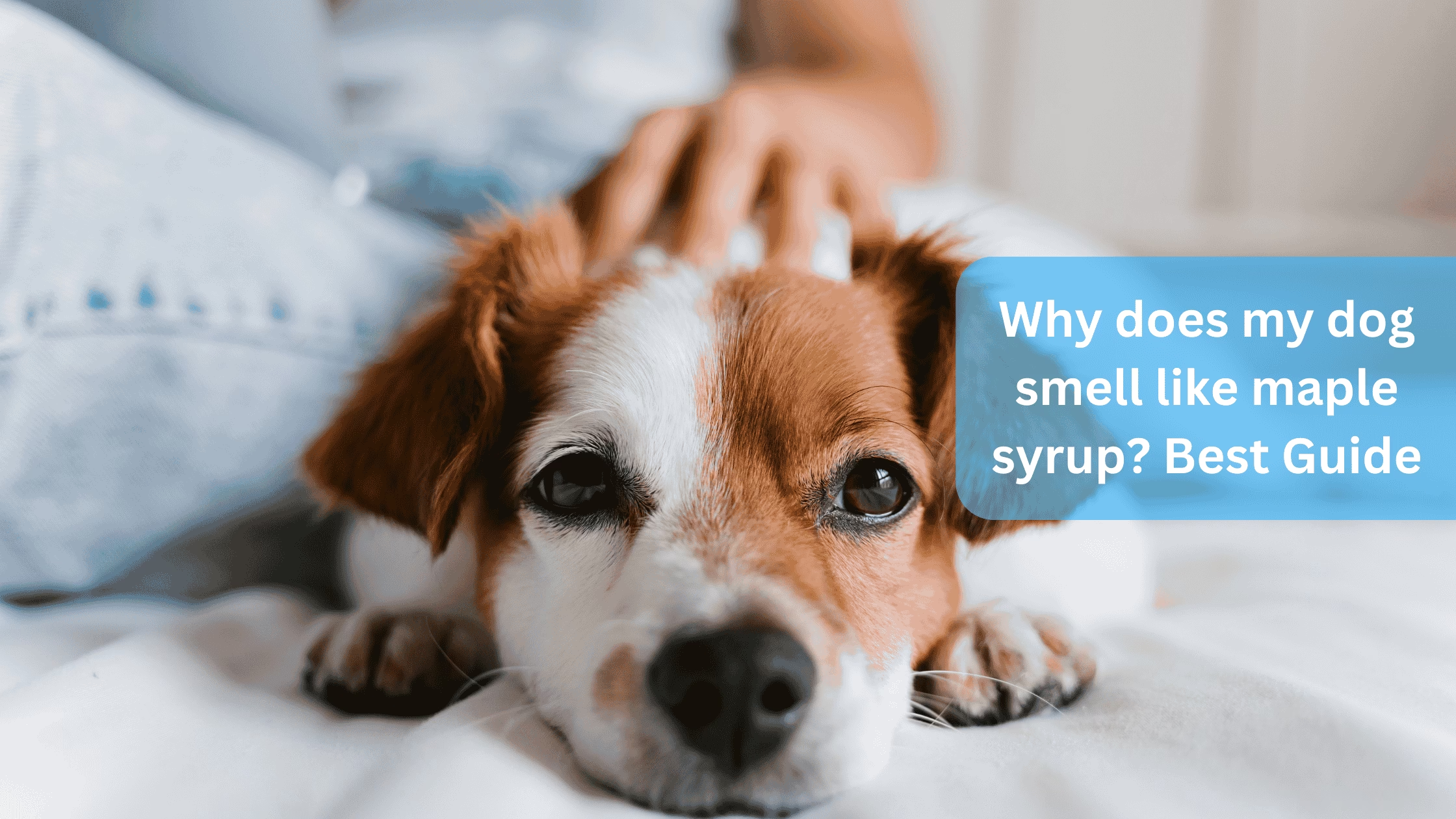
    Why does my dog smell like maple syrup? Best Guide

    If you’ve ever caught a whiff of your furry friend and thought, “Why does my dog smell like maple syrup?” you’re not alone! This peculiar scent can leave pet owners puzzled and concerned. In this comprehensive guide, we’ll explore the various reasons behind this sweet aroma, what it might mean for your dog’s health, and when you should seek veterinary advice.

    Why Does My Dog Smell Like Maple Syrup All the Time?

    The sweet smell of maple syrup emanating from your dog can be attributed to several factors. Here are some common reasons:

    • Diet: If your dog has recently indulged in foods with high sugar content or certain ingredients that have a sweet odor, this could lead to a maple syrup-like smell. Foods containing sweet potatoes or certain fruits might be culprits. Monitoring your dog’s diet is essential to identify any potential triggers—after all, we don’t want our pups smelling like a pancake breakfast!
    • Metabolic Disorders: One of the more serious reasons for a sweet smell is a metabolic disorder, such as Maple Syrup Urine Disease (MSUD). This rare genetic condition affects the metabolism of branched-chain amino acids and can lead to a distinctive sweet odor in urine and breath. If you notice this smell consistently, especially if accompanied by other symptoms (like lethargy—no one likes to see their pup feeling down), it’s crucial to consult your veterinarian.
    • Diabetes: Dogs with diabetes may also present a sweet smell due to excess glucose in their system. This is often accompanied by other symptoms like increased thirst and urination—think of it as their way of saying, “I need more water!” If you suspect diabetes, seeking veterinary care for proper diagnosis and management is vital.
    • Skin Conditions: Some skin infections or conditions can produce unusual odors, including sweet smells, especially if there’s an underlying metabolic issue. Regular grooming and skin checks can help identify any potential problems early on—just like we check our own skin for odd moles or rashes!

    Common Conditions Associated with Sweet Odors

    Understanding specific conditions that may cause a sweet smell can help you determine if your dog needs veterinary attention:

    • Maple Syrup Urine Disease (MSUD): This rare genetic disorder leads to an inability to metabolize certain amino acids. Symptoms include lethargy and abnormal movements. If you suspect MSUD, immediate veterinary consultation is essential—don’t wait for the smell to become a sticky situation!
    • Diabetes Mellitus: This chronic condition is characterized by high blood sugar levels. Along with a sweet smell, symptoms include increased thirst and urination. Regular veterinary check-ups are crucial for management—think of it as keeping your pup’s health in tip-top shape!
    • Kidney Disease: Advanced kidney disease can alter breath odor. If your dog has a sickly sweet smell combined with other symptoms like vomiting or weight loss, seek veterinary advice promptly—your furry friend deserves all the care they can get!

    Identifying the Sweet Smell: Key Indicators

    To assess whether your dog’s sweet smell is a cause for concern, consider the following indicators:

    • Consistency: Does your dog smell sweet all the time, or is it intermittent? A constant smell may indicate an underlying health issue—like that one friend who always seems to have a lingering perfume!
    • Location of the Odor: Is it coming from their mouth, skin, or rear end? A sweet odor from the mouth could suggest dental problems (time for a dental check-up!), while a scent from the rear might indicate anal gland issues—yes, those pesky glands again!
    • Accompanying Symptoms: Look for other signs such as lethargy, vomiting, excessive thirst, or changes in appetite. These could signal more serious health concerns—better safe than sorry!

    Environmental Factors Contributing to the Scent

    Sometimes environmental factors may influence your dog’s scent:

    • Plants and Flowers: Certain plants like sweet clover or blooming maple trees can impart a sweet fragrance that your dog might pick up while outdoors. Who knew nature could be so fragrant?
    • Exposure to Other Animals: If your dog has been around other animals that have strong scents (like those who eat sugary diets), they might carry that aroma back home—like bringing home souvenirs from their playdates!

    Why Does My Dog Give Off a Sweet Smell?

    A sweet smell can be an indication of several health conditions:

    • Sweet Smell from the Bottom: If the sweet scent is particularly strong around your dog’s rear end, it could indicate anal gland issues or infections. It’s essential to monitor this closely—those glands can be quite dramatic! If you notice excessive licking or discomfort in this area, a visit to the vet may be necessary.
    • Dental Issues: Oral health problems can lead to an unusual odor as well. Bacterial infections in the mouth can sometimes produce sweet-smelling breath. Regular dental check-ups and cleanings are vital for maintaining your dog’s oral health—because no one wants their pup’s breath to clear a room!

    Why Does It Randomly Smell Like Maple Syrup?

    The occasional occurrence of a maple syrup scent may not be alarming, but it’s worth investigating:

    • Environmental Factors: Sometimes, dogs can pick up scents from their environment. If they’ve been rolling in grass or near certain plants that emit sweet fragrances, this could explain the random smell. Observing where your dog spends time can help identify potential sources—maybe they’re just trying out new colognes!
    • Temporary Dietary Changes: A sudden change in diet or treats that are rich in sugars can lead to temporary changes in body odor. If you’ve recently introduced new foods or treats (hello, holiday leftovers!), consider reverting back to their previous diet to see if the smell dissipates.

    What Plants Make My Dog Smell Like Maple Syrup?

    Certain plants and flowers can impart a sweet fragrance that might be absorbed by your dog:

    • Sweet Clover: This plant has a distinct sweet smell and can sometimes be found in grassy areas where dogs play. If your dog frequents these areas, they might carry that scent home with them—lucky you!
    • Maple Trees: Interestingly enough, if your dog has been near maple trees during sap season, they might carry that scent back home. Keeping an eye on their outdoor activities can help you understand where these scents come from—it’s like detective work for pet parents!

    Why Does My Dog Smell Like Maple Syrup After Eating?

    If your dog smells like maple syrup specifically after eating, consider the following:

    • Food Ingredients: Check if their food contains any ingredients that might contribute to this smell. Some commercial dog foods have added flavors or sugars that could cause this reaction. Reading ingredient labels carefully can help you avoid potential triggers—because nobody wants their pup smelling like dessert all day!
    • Food Allergies or Sensitivities: Allergies may cause changes in body odor. If you notice this smell consistently after meals (and not just because they raided the treat jar), it might be worth discussing with your vet about potential allergens.

    When to Consult a Veterinarian

    While occasional sweet smells might not be alarming, persistent odors warrant professional evaluation:

    • Signs of Distress: If your dog shows signs of discomfort or distress alongside the sweet smell—such as vomiting, diarrhea, or lethargy—seek veterinary care immediately. Your pup deserves all the love and attention when they’re not feeling well!
    • Duration of Symptoms: If the sweet smell persists for more than a few days without any clear dietary cause or environmental explanation (like rolling in syrup!), it’s best to consult your vet for further investigation.

    Preventive Measures and Solutions

    To help maintain your dog’s health and minimize unusual odors:

    • Regular Vet Check-Ups: Routine veterinary visits can catch potential health issues before they escalate—just like regular check-ups keep us humans healthy too!
    • Balanced Diet: Ensure your dog is on a balanced diet appropriate for their age and health needs. Consult with your vet about any dietary changes—because we all know how important good nutrition is!
    • Good Hygiene Practices: Regular grooming and dental care can prevent odors associated with skin infections or dental disease—plus, who doesn’t love snuggling with a freshly groomed pup?

    Also Read: Why Does My Dog Smell Like Metal? A Comprehensive Guide

    Also Read: Why Does My Dog Smell Bad After a Bath? Expert Insight:

    Conclusion

    Understanding why your dog smells like maple syrup involves careful observation of their diet, environment, and overall health.

    While some causes may be harmless or temporary (like that one time they rolled in something questionable), others could indicate serious health issues requiring veterinary attention.

    Always err on the side of caution—if you’re ever in doubt about your dog’s health, consulting with a veterinarian is the best course of action.

    Your furry friend relies on you for care and attention; staying informed helps ensure they remain happy and healthy!

    By addressing these questions and concerns comprehensively, we hope you feel more informed about your pet’s health and well-being!

    Remember that being proactive about your dog’s health will help ensure they live a long and happy life by your side! 🐾💖


    Sources:

  • Why Does My Dog Smell Like Metal? A Comprehensive Guide

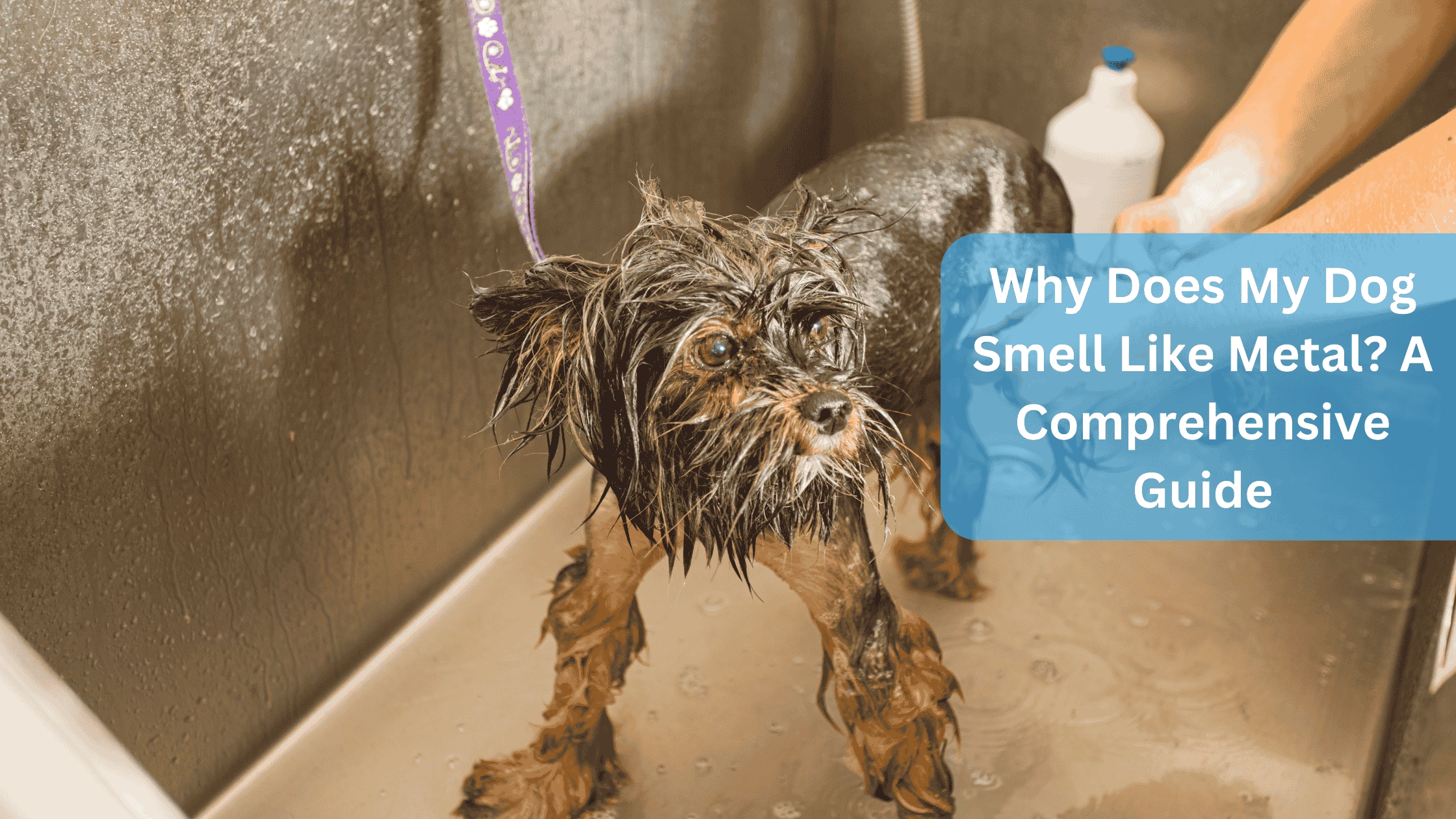
    Why Does My Dog Smell Like Metal? A Comprehensive Guide

    Why Does My Dog Smell Like Metal? Dogs are cherished companions, bringing joy and love into our lives. However, they can sometimes exhibit peculiar odors that leave us scratching our heads.

    One such concern is the metallic smell that some dog owners notice.

    This guide will explore the various reasons behind this phenomenon, addressing common questions and providing insights into when you should be worried and when it might just be an innocent quirk of your furry friend.

    Understanding the Metallic Smell in Dogs

    When your dog smells like metal, it can be perplexing and concerning. The metallic odor can arise from several factors, including health issues, dietary influences, and environmental factors. Understanding these causes is crucial for maintaining your dog’s health and well-being.

    Common Causes of a Metallic Smell in Dogs

    Here are some primary reasons why your dog might smell like metal:

    • Health Conditions: Various medical issues can lead to a metallic odor in dogs. Notable conditions include:
    • Kidney Disease: A common symptom of kidney failure is a metallic or ammonia-like smell on a dog’s breath. This odor results from the buildup of waste products that the kidneys fail to filter out.
    • Diabetes: Dogs with diabetes may also exhibit a sweet or metallic smell due to changes in their metabolism.
    • Liver Problems: Liver dysfunction can lead to changes in body odor as toxins accumulate in the bloodstream.
    • Dental Issues: Poor dental hygiene can result in periodontal disease, which may produce a metallic smell due to infected gums or decaying teeth. If your dog’s breath smells metallic, it could indicate serious dental problems.
    • Dietary Factors: A dog’s diet plays a significant role in its body odor. High-protein diets or specific food types might contribute to a metallic scent. Additionally, certain ingredients can cause changes in how your dog smells.
    • Environmental Factors: Dogs often explore their surroundings with their noses, picking up various scents. If your dog has been outside, it might have come into contact with metal objects or chemicals that contribute to a metallic smell.

    Why Does My Dog Smell Like Metal?

    When you notice that your dog has a metallic smell, it’s essential to consider the context:

    After Being Outside

    If your dog smells like metal after spending time outdoors, it could be due to exposure to metal objects or chemicals. Dogs often explore their environment with their noses, leading them to pick up various scents.

    Breath Smell

    A metallic odor on your dog’s breath could indicate dental issues or systemic health problems such as diabetes or kidney disease. It’s crucial to observe if this odor persists or is accompanied by other symptoms.

    Occasional Odor

    If the metallic smell is intermittent, it may not be cause for alarm. However, it’s still worth monitoring for any accompanying symptoms that might indicate an underlying health issue.

    Treatment Options for Metallic Smells in Dogs

    If your dog exhibits a persistent metallic odor, consider these steps:

    • Veterinary Consultation: Schedule an appointment with your vet to rule out any underlying health issues.
    • Dental Care: Regular teeth brushing and dental check-ups can help maintain oral hygiene and reduce bad odors.
    • Diet Review: Evaluate your dog’s diet for any potential triggers of unusual smells. Discuss dietary options with your vet if necessary.
    • Grooming Routine: Regular baths and grooming can help keep odors at bay and maintain overall cleanliness.

    Why Does My Female Dog Smell Like Metal?

    Female dogs can also exhibit a metallic smell for similar reasons as male dogs:

    • Hormonal Changes: During heat cycles or pregnancy, hormonal fluctuations may alter body odor, leading to a metallic scent.
    • Urinary Tract Infections (UTIs): UTIs are common in female dogs and can lead to a metallic smell due to the presence of bacteria and other pathogens.

    Why Does My Dog’s Butt Smell Like Metal?

    A metallic smell coming from your dog’s rear end could indicate an underlying health issue such as anal gland problems or infections. Regular grooming and veterinary check-ups are essential for maintaining your dog’s health.

    What Does a Metallic Smell Mean?

    A metallic smell often suggests that there is something amiss with your dog’s health. It could relate to dental issues, systemic diseases, or dietary changes. Consulting with a veterinarian is crucial for accurate diagnosis and treatment.

    Is It Normal for Puppy Breath to Smell Metallic?

    While puppy breath typically has a sweet scent, if it smells metallic, it could indicate dental issues or other health concerns. It’s advisable to have a vet check if this persists.

    Can Dogs Smell Metals?

    Dogs have an extraordinary sense of smell and can detect various substances, including metals. They may pick up on metal scents in their environment during walks or playtime.

    Why Does My Dog Smell Like Period Blood?

    If your male dog has a metallic smell reminiscent of period blood, it may be due to hormonal changes in nearby female dogs or other environmental factors. However, if this odor persists or is accompanied by other symptoms, consult your veterinarian.

    Why Does My Dog’s Breath Smell Like Metal?

    Metallic breath can be alarming for pet owners. This condition often arises from:

    • Dental Issues: Periodontal disease can lead to bleeding gums which emit a coppery scent.
    • Kidney Failure: The buildup of toxins due to kidney dysfunction results in a distinct ammonia-like odor that many describe as metallic.
    • Internal Bleeding: If there’s bleeding within the gastrointestinal tract or mouth (due to injury or tumors), this could also produce a metallic scent reminiscent of blood.

    It’s essential to seek veterinary care if you notice persistent changes in your dog’s breath.

    What Causes Anal Gland Issues Leading to Metallic Smells?

    Anal glands are small sacs located near the anus that produce strong-smelling secretions used for marking territory. When these glands become impacted or infected:

    • The resulting secretions may leak out and produce an unpleasant odor that some describe as metallic.
    • Dogs may lick their rear end more frequently due to discomfort from full anal glands, leading to further ingestion of these secretions which can affect their breath as well.

    Regular veterinary check-ups are vital for managing anal gland health effectively.

    Can Diet Affect My Dog’s Odor?

    Absolutely! A dog’s diet plays a significant role in its overall body odor:

    • High-Protein Diets: Diets rich in protein can lead to stronger-smelling urine and feces which may contribute to overall body odor.
    • Specific Ingredients: Some dogs may react negatively to certain ingredients (like fish) which could result in unusual smells emanating from their skin or breath.

    Consulting with a veterinarian about dietary adjustments can help mitigate these odors effectively.

    How Do I Know If My Dog’s Odor Is Serious?

    While some odors are normal (like “doggy” smell), others warrant immediate attention:

    • Sudden changes in odor
    • Accompanying symptoms like lethargy, vomiting, diarrhea
    • Persistent bad breath despite good dental hygiene
    • Unusual odors coming from specific areas (e.g., rear end)

    In these cases, it’s always safer to err on the side of caution and consult with a veterinarian.

    Also Read: Why Does My Dog Smell Bad After a Bath? Expert Insight:

    Also Read: Why Do Dogs Bark in Their Sleep? A Comprehensive Guide

    Conclusion

    Understanding why your dog smells like metal is crucial for ensuring their health and well-being. While occasional odors may not be alarming, persistent smells warrant attention.

    By staying informed about potential causes and treatment options, you can keep your furry friend happy and healthy. Remember, when in doubt, consulting with your veterinarian is always the best course of action!

    The next time you catch a whiff of something unusual coming from your furry friend—be it metal-like or otherwise—remember that understanding the root cause is key!

    Whether it’s related to diet, dental hygiene, environmental factors, or something more serious like kidney disease or infections—being proactive about your dog’s health will ensure they stay happy and healthy for years to come!

    So go ahead—give Fido some extra cuddles today (and maybe schedule that vet appointment while you’re at it)! 🐶❤️


    Sources:

  • Why Does My Dog Smell Bad After a Bath? Expert Insight:

    Why Does My Dog Smell Bad After a Bath? Expert Insight:

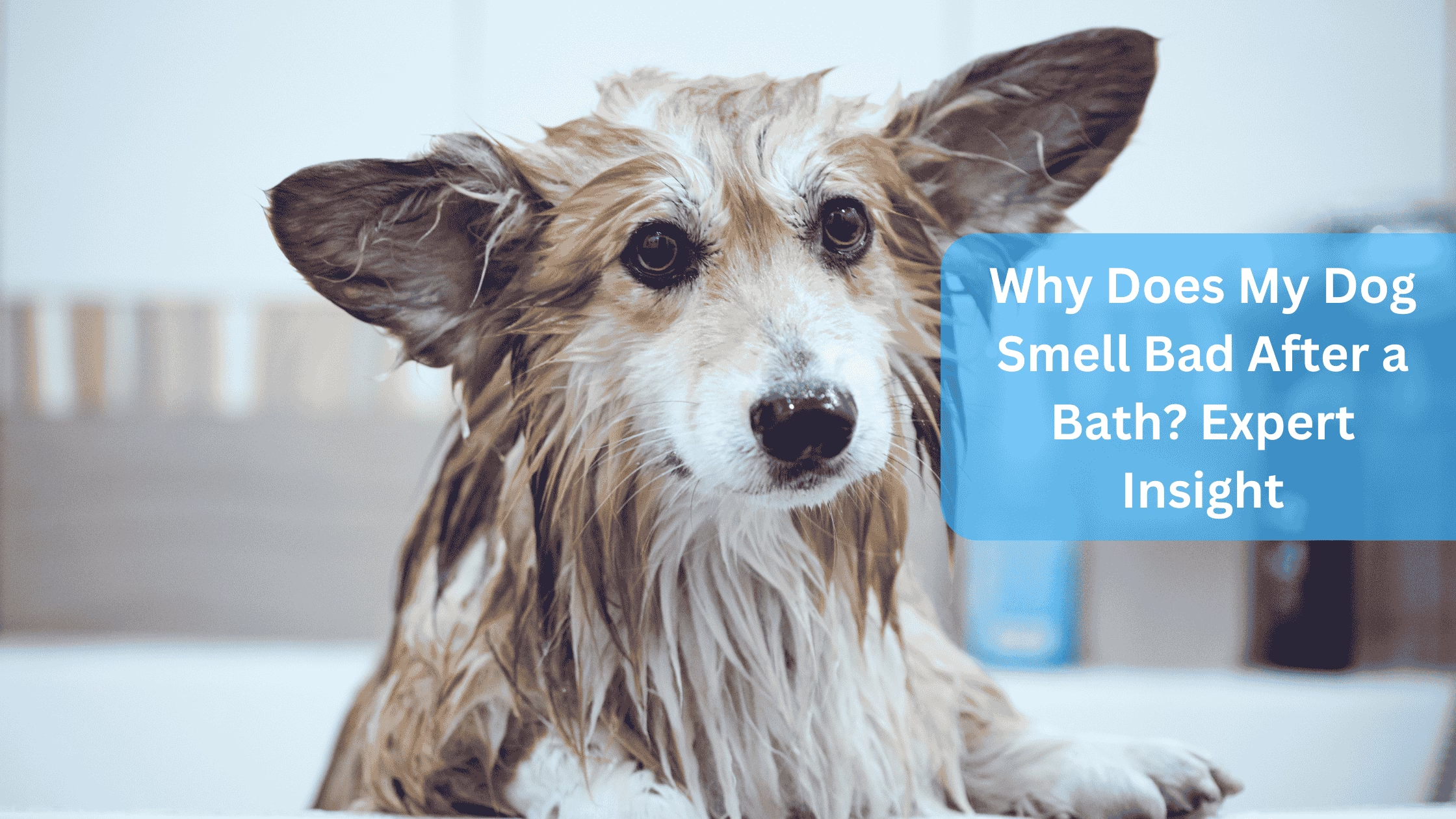
    Why Does My Dog Smell Bad After a Bath? – As a dog owner, you might have experienced the frustration of giving your furry friend a bath, only to find that they still smell bad shortly afterward.

    If you’ve ever wondered, “Why does my dog smell so bad even after a bath?” you’re not alone!

    This guide will explore the various reasons behind persistent dog odors, effective home remedies, and practical tips for keeping your pup smelling fresh.

    So, let’s dive in and tackle those stinky situations together!

    Understanding Dog Odors

    Dogs can develop unpleasant smells for several reasons. Understanding these causes is essential for effective treatment. Here are some common culprits:

    • Natural Body Odor: Just like humans, dogs have natural oils in their skin that can produce a smell, especially when combined with dirt and bacteria. Think of it as their own unique perfume—just not the kind you’d want to wear!
    • Skin Conditions: Infections, allergies, or conditions like seborrhea can lead to foul odors. These conditions may require veterinary intervention, so keep an eye out for any unusual scratching or redness.
    • Dental Issues: Bad breath is often a sign of dental disease or oral infections. Regular dental care is crucial for preventing odor—after all, nobody wants to be greeted by a smelly kiss!
    • Ear Infections: Yeast or bacterial infections in the ears can produce strong odors. Regular ear cleaning can help prevent this; just think of it as giving your pup a spa day!
    • Anal Gland Issues: Impacted anal glands can cause dogs to emit a fishy smell. This condition often requires veterinary attention—so if your dog starts scooting across the floor like they’re auditioning for a dance show, it might be time for a vet visit.

    Why Does My Dog Smell Bad After a Bath?

    It’s puzzling when your pup smells bad despite a fresh bath—let’s uncover the reasons!

    What Does It Mean When Your Dog Stinks Even After a Bath?

    If your dog continues to smell bad after bathing, it often indicates an underlying health issue that needs addressing. Here are some potential issues and their solutions:

    Potential Issues

    1. Skin Infections: Bacterial or fungal infections can cause persistent odors even after bathing. These infections may be accompanied by symptoms like redness, swelling, or discharge.
    2. Periodontal Disease: Bad breath (halitosis) is often the first sign of periodontal disease. This condition results from plaque buildup and can lead to serious dental issues if left untreated.
    3. Ear Infections: If your dog has a yeast or bacterial infection in their ears, it can produce a foul smell that persists despite bathing.
    4. Anal Sac Disease: If your dog’s anal glands become impacted or infected, they may emit a strong fishy odor.
    5. Dietary Issues: Poor-quality food can lead to digestive problems that result in bad odors coming from your dog’s skin or breath.

    Solutions

    • Regular Veterinary Check-Ups: Schedule routine visits to your veterinarian to catch any underlying health issues early on.
    • Proper Grooming: Ensure you’re using appropriate shampoos for your dog’s coat type and skin condition. Avoid human shampoos that can strip natural oils.
    • Dental Care: Brush your dog’s teeth regularly and provide dental chews to help combat bad breath and maintain oral health.
    • Ear Cleaning: Regularly check and clean your dog’s ears with vet-recommended solutions to prevent infections.
    • Diet Improvement: Switch to high-quality dog food that supports skin health and digestion. Consult your vet for dietary recommendations tailored to your dog’s needs.

    Common Questions About Dog Odors

    Why Does My Dog Smell Two Days After a Bath?

    If your dog smells bad just two days after a bath, consider the following:

    • Residual Moisture: If your dog wasn’t dried properly after the bath, moisture can lead to odor development. Make sure to thoroughly dry your dog with towels or a pet dryer after bathing—nobody likes a damp dog!
    • Skin Conditions: Underlying skin infections or allergies may cause persistent odors. If the smell persists despite regular bathing, consult your veterinarian for skin testing or treatment options.

    My Dog Stinks No Matter What I Do

    If you feel like you’ve tried everything and your dog still smells:

    • Diet: Low-quality food can lead to digestive issues and bad odors. Switch to high-quality dog food that lists meat as the first ingredient and includes probiotics for digestive health.
    • Health Issues: Persistent odors may indicate medical problems requiring veterinary attention. Regular check-ups can help identify issues early on.

    Specific Scenarios of Dog Odors

    Why Does My Dog Smell Like Fish?

    A fishy smell often indicates anal gland issues:

    • Impacted Anal Glands: Dogs have two anal sacs that produce a foul-smelling fluid used for marking territory. If these glands become impacted, they may not empty properly, leading to a strong fishy odor. Symptoms include scooting or excessive licking of the rear end. Consult your veterinarian for proper expression of the glands—trust me; it’s better than letting them do it themselves!

    Why Does My Dog Smell Like Fritos?

    If your dog smells like corn chips:

    • Yeast Infection: This distinctive odor often indicates a yeast infection on the skin or in the ears. Yeast thrives in warm, moist environments and can cause itching and discomfort. Consult your veterinarian for appropriate antifungal treatments and recommendations—because no one wants their pup smelling like snack food!

    Home Remedies for Smelly Dogs

    Here are some effective home remedies to help combat dog odors:

    • Baking Soda: Sprinkle baking soda on your dog’s coat, let it sit for 15 minutes, then brush it out. Baking soda absorbs odors effectively without irritating the skin—it’s like magic!
    • Vinegar Rinse: Mix equal parts of water and white vinegar in a spray bottle. Lightly mist your dog’s coat and let it dry. Vinegar neutralizes odors and helps restore pH balance to the skin—plus, it’s safe enough you could use it on salads too!
    • Oatmeal Bath: An oatmeal bath can soothe irritated skin and reduce odor. Use colloidal oatmeal mixed with warm water; it’s gentle on the skin and helps alleviate itching—just don’t let them eat it!

    How to Get Rid of Wet Dog Smell After Bath

    To minimize wet dog smell:

    • Thorough Drying: Use multiple towels to dry your dog thoroughly after a bath. Consider using a pet dryer on a low setting for better results—because nobody wants their house smelling like wet fur!
    • Pet-Safe Deodorizer: Consider using a pet-safe deodorizing spray after drying them off. Look for products specifically designed for dogs that neutralize odors without harsh chemicals—your nose will thank you!

    Maintaining Freshness Between Baths

    To keep your dog smelling fresh between baths:

    • Wipes: Use pet-safe wipes designed specifically for dogs to clean their paws and body without needing a full bath—perfect for those muddy adventures!
    • Brushing: Regular brushing helps remove dirt and debris that contribute to odor while distributing natural oils in their coat—it’s basically spa day at home!

    Also Read: Why Do Dogs Bark in Their Sleep? A Comprehensive Guide

    Also Read: Why Do Dogs Get the Zoomies After a Bath? Unlock the Mystery

    Conclusion

    Persistent bad smells from your dog can be frustrating, but understanding the causes is the first step toward finding solutions.

    Regular grooming, proper diet, and veterinary care play crucial roles in keeping your furry friend smelling fresh.

    If you’ve tried all the home remedies and nothing seems to work, don’t hesitate to consult with your veterinarian for further evaluation—because our dogs deserve to feel—and smell—their best! 🐾✨


    Sources: