Category: Dog Nutrition

  • Turkey Jerky for Dogs : The Ultimate Guide 2023

    Turkey Jerky for Dogs : The Ultimate Guide 2023

    Turkey Jerky for dogs is a healthy and delicious snack option that can provide numerous benefits for your furry friend. This guide will cover everything you need to know about Turkey Jerky, including its benefits, different forms, key ingredients, choosing the best option, safe serving and storage tips, and even making your own.

    Turkey Jerky for Dogs: What is and Why is it Good for Your Dog?

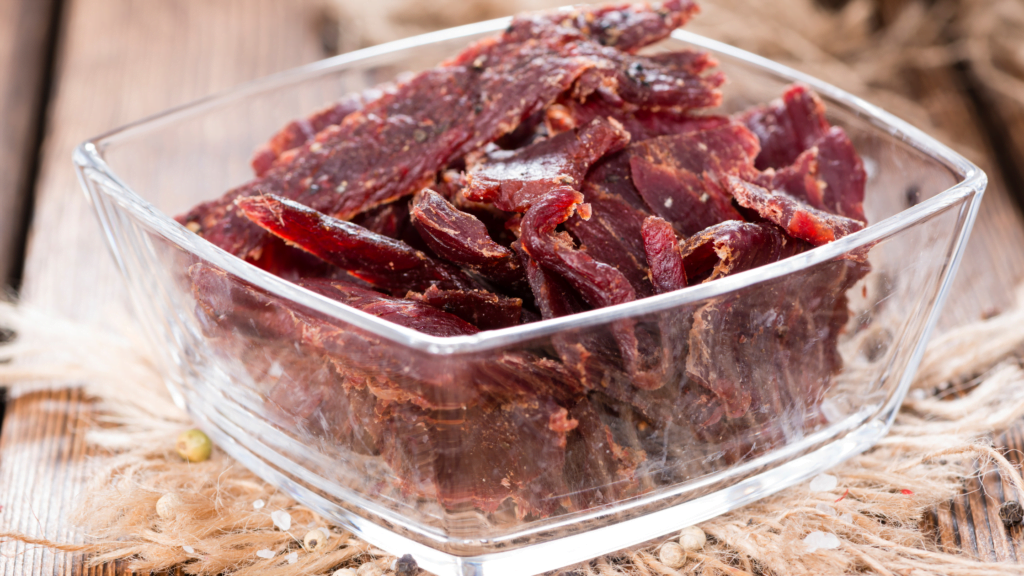
    Turkey jerky is a dog treat made from lean, high-protein turkey meat. It is sliced into thin strips or bite-sized pieces, then dehydrated to remove moisture, resulting in a chewy, flavorful treat. These treats are not only high in protein but also low in fat, making them an excellent option for dogs of all sizes and breeds. By providing a good source of essential nutrients, including B vitamins and high-quality protein, turkey jerky can help support your furry friend’s healthy and active lifestyle.

    Benefits of Feeding Turkey Jerky to Your Dog

    Turkey jerky for dogs has several key benefits that make it a great treat option for your furry friend. Here are some of the most notable benefits:

    High-quality protein: Turkey jerky is a rich source of high-quality protein, essential for maintaining good health in dogs. It helps to build and repair tissues, produce enzymes, and support immune function.

    Low fat: Unlike many other treats, turkey jerky is relatively low. Making it a good option for dogs who need to maintain a healthy weight.

    Teeth cleaning properties: Chewing on tricky, chewy treats like turkey jerky can help remove plaque and tartar, promoting good oral health for your dog.

    Rich in B vitamins: B vitamins are essential for energy metabolism and a healthy nervous system, and turkey jerky is a good source of these important nutrients.

    Convenient and easy to store: Turkey jerky is lightweight and easy to store, making it an excellent option for on-the-go treats or for adding to your dog’s food.

    By incorporating turkey jerky into your dog’s diet, you can help support their overall health and well-being while providing them with a delicious and satisfying treat.

    Also Read : Can Dogs Eat Rice Safely? Expert Insights

    Different Forms of Turkey Jerky for Dogs: Strips, Bites, and More

    Turkey jerky for dogs comes in various forms, each with its unique benefits and drawbacks. Some of the most common forms of turkey jerky for dogs include:

    Strips

    These long, thin pieces of turkey jerky are great for dogs who love to chew. They are often marketed as “long-lasting” treats, as they take longer for dogs to consume than bite-sized pieces.

    Bites

    Bite-sized pieces of turkey jerky are great for smaller dogs or for use as training treats. They are also convenient to carry in your pocket or bag for on-the-go snacking.

    Sticks

    Turkey jerky sticks are similar to strips but are often thicker and have a crunchy texture. They are a good option for dogs who love to chew and can help to promote good oral health.

    Rolled

    Rolled turkey jerky is made by moving the strips into a tighter, more compact form. This can make them easier to carry and store, and they are a good option for dogs who prefer a softer, chewier treat.

    No matter what form of turkey jerky you choose for your dog, it is essential to ensure that it is made from high-quality, lean turkey meat. 

    And does not contain any artificial preservatives, colors, or flavors. By offering a variety of forms, you can help keep your dog’s treat time fresh and exciting while still providing them with the health benefits of turkey jerky.

    Understanding the Ingredients in Turkey Jerky for Dogs

    When choosing turkey jerky for your dog, it is essential to understand the ingredients in the treat. Here are some of the most common ingredients found in turkey jerky for dogs and what they mean:

    • Turkey: The main ingredient in turkey jerky should always be lean, high-quality turkey meat. This should be the first ingredient listed on the package and make up most of the treat.
    • Vegetables: Some turkey jerky brands for dogs include added vegetables, such as sweet potatoes or carrots. These can provide additional vitamins and minerals and can help to make the treat more appealing to your dog.
    • Spices: Some turkey jerky brands for dogs include herbs, such as rosemary or thyme, for added flavor. These should be used in moderation, as too much spice can upset your dog’s stomach.
    • Preservatives: Some turkey jerky brands for dogs may include preservatives, such as citric acid, to help extend the shelf life of the treat. Choosing a brand that uses natural preservatives, such as Vitamin E, is essential whenever possible.
    • Artificial colors and flavors: These should be avoided, as they offer no nutritional benefits and can harm your dog’s health.

    When choosing turkey jerky for your dog, looking for a brand that uses high-quality, natural ingredients is best. It minimizes artificial preservatives, colors, and flavors. This will help ensure your dog gets a healthy, nutritious treat they will love.

    How to Choose the Best Turkey Jerky for Your Dog

    How to Choose the Best Turkey Jerky for Your Dog |
    How to Choose the Best Turkey Jerky for Your Dog

    When choosing the best turkey jerky for your dog, there are a few factors to consider. Here are some tips to help you choose the right treat for your furry friend:

    Quality of ingredients: Look for a brand that uses high-quality, lean turkey meat as the main ingredient. Avoid brands that include artificial preservatives, colors, or flavors.

    Source of turkey: Choose a brand that uses turkey raised without antibiotics or hormones and sourced from responsible, sustainable farms.

    Form: Consider the form of the jerky, such as strips, bites, or sticks, to determine what will appeal to your dog.

    Size: Make sure the jerky size is appropriate for your dog. Bite-sized pieces are great for smaller dogs, while larger dogs may prefer strips or sticks.

    Nutritional value: Look for a brand that includes added vitamins and minerals, such as sweet potatoes or carrots, to provide additional nutritional benefits.

    Allergies: If your dog has any food allergies, look for a brand that does not include any ingredients that may trigger an allergic reaction.

    By considering these factors, you can help ensure that you choose the best turkey jerky for your dog and provide them with a healthy, delicious treat they will love.

    Also Read : Solving the Mystery : Why Does My Dog Only Eat at Night

    How to Serve Turkey Jerky to Your Dog

    There are several ways to serve turkey jerky to your dog. The proper method will depend on your dog’s preferences and the form of the jerky you have chosen. Here are some tips to help you serve turkey jerky to your dog:

    As a treat: Turkey jerky can be used as a reward for good behavior. This is a great way to give your dog a delicious and nutritious snack between meals.

    As a training aid: Turkey jerky can also be used as a training aid. For performing a desired behavior or as a motivator to encourage your dog to learn a new skill.

    As a snack: Turkey jerky can be given as a snack. Either as a standalone treat or a topping for your dog’s food. This is a great way to provide your dog with a tasty and nutritious snack throughout the day.

    When serving turkey jerky to your dog, it is essential to monitor their consumption and to ensure that they do not overeat. Turkey jerky should be given in moderation, as too much can cause digestive upset or other health problems.

    By following these tips, you can help ensure that you serve turkey jerky to your dog in a way they will love, providing them with the health benefits they need.

    How to Store Turkey Jerky for Dogs

    Storing turkey jerky for dogs is essential to ensure that it stays fresh and safe for consumption. Here are some tips to help you keep your dog’s turkey jerky:

    Keep it airtight: Store the jerky in an airtight container, such as a plastic bag or container, to prevent it from drying out or becoming contaminated.

    Store in a cool, dry place: Store the jerky in a cool, dry place, such as a pantry or cupboard, to prevent spoilage or mold growth. Avoid storing it in damp or humid areas like the refrigerator or freezer.

    Check the expiration date: Always check the expiration date of the jerky and discard it if it has passed the date. Do not feed it to your dog if it has an off odor, flavor, or appearance, as this may indicate spoilage or contamination.

    Store separately from other treats: Store the turkey jerky separately from other treats and food to prevent cross-contamination. This is especially important if your dog has any food allergies or sensitivities.

    By following these tips, you can help ensure that you store your dog’s turkey jerky correctly and that it remains fresh and safe for your dog to consume.

    Safety Considerations When Feeding Turkey Jerky to Your Dog

    Turkey jerky can be a nutritious and delicious treat for your dog. But it is essential to be aware of specific safety considerations to ensure your dog stays healthy and safe. Here are some things to keep in mind:

    Allergies: Some dogs may have an allergy to turkey or other ingredients in the jerky. Always check the ingredient list and avoid feeding your dog turkey jerky if they have known allergies.

    Contamination: Turkey jerky has been linked to several contamination cases, including salmonella and other harmful bacteria. Always purchase turkey jerky from a reputable source and check for any recall notices before feeding it to your dog.

    Overeating: Too much turkey jerky can lead to digestive upset, such as vomiting, diarrhea, or other health problems. Constantly monitor your dog’s consumption and feed turkey jerky in moderation.

    Sulfites: Some turkey jerky products may contain sulfites, which can cause allergic reactions in some dogs. Always check the ingredient list and avoid feeding your dog turkey jerky containing sulfites if they have known allergies.

    By following these safety considerations, you can help ensure that you feed turkey jerky to your dog in a way that keeps them healthy and safe. Suppose you have any concerns about feeding turkey jerky to your dog. In that case, it is always best to consult with your veterinarian.

    Also Read : Canned Chicken for Dogs: A Comprehensive Guide to the Benefits and Precautions

    Tips for Safe and Healthy Treats for Your Dog

    Treats can be a great way to show your dog love and affection, but choosing them wisely is essential to ensure your dog’s overall health and wellbeing. Here are some tips to keep in mind:

    Balance: Treats should make up only a tiny portion of your dog’s diet, usually no more than 10% of their daily calorie intake.

    Quality ingredients: Look for treats made with high-quality, all-natural ingredients, and avoid those with artificial preservatives, colors, or flavors.

    Proper portioning: Pay attention to the serving size of the treat and measure out the appropriate amount to avoid overfeeding.

    Allergies: Be mindful of your dog’s food allergies or sensitivities and choose treats accordingly.

    Monitoring: Always monitor your dog while eating treats, and ensure they do not choke or swallow large pieces.

    Homemade treats: Consider making your own treats at home using fresh, whole ingredients and simple recipes.

    By following these tips, you can help ensure that you provide your dog with safe and healthy treats that support its overall health and well-being.

    How to Make Turkey Jerky for Dogs

    How to Make Turkey Jerky for Dogs |
    How to Make Turkey Jerky for Dogs

    Making turkey jerky for your dog can be a fun and rewarding experience. Allowing you to control the ingredients and ensure your dog gets a healthy treat. Here’s how to make turkey jerky for dogs:

    Ingredients:

    • 1 pound of lean turkey breast
    • 2 tablespoons of low-sodium soy sauce
    • 1 tablespoon of honey
    • 1 teaspoon of dried rosemary
    • 1/2 teaspoon of dried thyme

    Instructions:

    1. Preheat your oven to 175°F.
    2. Slice the turkey breast into thin strips, about 1/4 inch thick.
    3. Mix the soy sauce, honey, rosemary, and thyme, in a large bowl.
    4. Add the turkey strips to the marinade and sit for at least 30 minutes.
    5. Place the marinated strips onto a baking sheet lined with parchment paper.
    6. Bake the strips in the preheated oven for 4-6 hours or until they are dehydrated and brittle.
    7. Let the strips cool completely, then store them in an airtight container in the refrigerator for up to two weeks.

    Tips:

    • For a softer jerky, take the strips out of the oven after 4 hours. Please leave them in for a total of 6 hours for a crispier jerky.
    • You can place a sheet of parchment paper between the strips to prevent them from sticking to the baking sheet.

    By making your own turkey jerky, you can ensure that your dog gets a healthy treat free of preservatives and artificial ingredients. Enjoy!

    Frequently Asked Questions about Turkey Jerky for Dogs

    When it comes to feeding turkey jerky to your dog, it’s understandable to have questions. Here are some frequently asked questions and their answers:

    Is turkey jerky good for dogs? 

    Yes, turkey jerky can be a healthy treat for dogs. It is made from lean, all-natural turkey and contains no artificial preservatives, flavors, or colors.

    How much turkey jerky can I give my dog? 

    Treats should make up at most 10% of your dog’s daily calorie intake, so be sure to measure appropriate portions.

    Can dogs eat turkey jerky every day? 

    Turkey jerky should be given in moderation as a treat, not as a daily meal.

    Is homemade turkey jerky for dogs safe? 

    Yes, homemade turkey jerky can be safe for dogs if made with lean, all-natural ingredients and adequately stored.

    Can dogs have turkey jerky with preservatives? 

    It is best to avoid giving your dog turkey jerky with artificial preservatives and choose all-natural options instead.

    Is turkey jerky good for dogs with allergies? 

    If your dog has food allergies, it’s best to consult a veterinarian before giving them turkey jerky or any new treat.

    Final Thoughts: A Healthy and Delicious Snack Option for Your Furry Friend.

    In conclusion, turkey jerky for dogs can be an excellent option for a healthy and delicious snack for your furry friend. It is essential to choose the best quality jerky, understand the ingredients, serve it appropriately, and store it safely. You can also make your own turkey jerky at home with suitable recipes and preparation tips. Regardless of the form or source of turkey jerky, please consult with your veterinarian to ensure it fits well into your dog’s overall diet and health plan. Treating your dog to turkey jerky can be a fun and enjoyable experience for you and your furry friend.

  • Canned Chicken for Dogs: A Comprehensive Guide to the Benefits and Precautions

    Canned Chicken for Dogs: A Comprehensive Guide to the Benefits and Precautions

    Canned Chicken for Dogs: What is it and Why is it So Yummy for Dogs?”

    Canned chicken for dogs is a type of dog food made from cooked chicken meat and stored in a can. It is becoming increasingly popular among dog owners because it is an excellent source of protein and other essential nutrients that dogs need to be healthy.

    Dogs love the taste of canned chicken, a convenient and easy-to-serve option for busy pet owners. Whether you’re looking to switch up your dog’s diet or are looking for a quick and easy meal option, canned chicken for dogs is definitely worth considering.

    It is important to remember that not all canned chicken for dogs is created equal, so be sure to choose a high-quality product with all-natural ingredients that is free of preservatives and fillers.

    The Nutritional Benefits of Canned Chicken for Dogs

    The Nutritional Benefits of Canned Chicken for Dogs |
    The Nutritional Benefits of Canned Chicken for Dogs

    Canned Chicken for Dogs: Good for Them, Good for You!

    Canned chicken for dogs is a nutritious option for your furry friend. It is a rich source of protein, which helps to build and repair muscle tissue, maintain a healthy immune system, and support overall growth and development.
    Canned chicken also contains healthy fats, vitamins, and minerals essential for a balanced diet. Additionally, it is often easier for dogs to digest than other forms of protein, making it an excellent choice for dogs with sensitive stomachs.

    If you want to give your dog the best nutrition possible, consider adding canned chicken to their diet. Just be sure to check the label to make sure it’s made with high-quality ingredients.

    It doesn’t contain any artificial preservatives or fillers. And remember to serve it in moderation – too much of anything, even a good thing, can be bad for your dog!

    Canned Chicken vs. Other Proteins: Why Canned Chicken is Top Dog!

    When it comes to feeding your dog, there are many protein sources. While some pet owners opt for dry kibble, others prefer to feed their dog’s fresh meat or canned food.

    But what sets canned chicken apart from other protein sources?

    For starters, canned chicken is an excellent option for dogs with sensitive stomachs as it is often easier to digest.

    Additionally, canned chicken is a convenient and easy-to-serve option for busy pet owners. Unlike fresh meat, canned chicken doesn’t require refrigeration, making it an excellent choice for travel or on the go.

    Finally, canned chicken is a great source of hydration, especially for dogs that don’t drink enough water. Whether a seasoned dog owner or a new pet parent, consider giving the canned chicken a try and see the difference it can make in your dog’s life.

    Also Read : Can Dogs Eat Rice Safely? Expert Insights

    Choosing the Right Canned Chicken for Your Dog: Quality and Ingredient Considerations

    With so many options on the market, choosing the proper canned chicken for your dog can be overwhelming. But don’t worry; with a few key considerations, you can find the best option for your furry friend.
    Firstly, look for high-quality canned chicken that is made with human-grade ingredients. Avoid products that contain artificial preservatives, fillers, or by-products.

    Secondly, consider your dog’s specific dietary needs. Some dogs may have allergies or are sensitive to particular ingredients, so read the label carefully.

    Finally, choose a reputable brand that produces nutritious food for pets. By selecting the proper canned chicken for your dog, you can give them the best nutrition and support their overall health and happiness.

    Canned Chicken for Dogs: A Guide to Adding this Nutritious Protein to Your Pet’s Diet!

    If you’re looking to incorporate canned chicken into your dog’s diet, there are a few things to keep in mind.

    Firstly, make sure to transition your dog slowly to the new food. Gradually mix the canned chicken with their current food over several days to give their digestive system time to adjust.

    Secondly, consider serving the canned chicken as a topper or mixer with dry kibble. This can help increase the palatability and variety of their diet.

    Additionally, consider the portion size of the canned chicken. Overfeeding your dog can lead to weight gain, so follow the recommended serving size on the label.

    Finally, always provide fresh water for your dog, especially when feeding canned food. With these tips and recommendations, incorporating canned chicken into your dog’s diet can be a tasty and nutritious addition to their routine.

    Also Read : Solving the Mystery : Why Does My Dog Only Eat at Night

    Canned Chicken for Dogs: Understanding the Potential Risks and Precautions

    While canned chicken can be a great source of protein for dogs, it’s essential to be aware of potential drawbacks and precautions:

    1. Canned chicken can be high in sodium, harming dogs in large amounts. To avoid this, look for low-sodium options or choose a different protein source if your dog has a pre-existing health condition that requires a low-sodium diet.
    2. Some dogs may have food allergies or sensitivities to chicken, so be sure to monitor your dog for any adverse reactions such as itching, digestive upset, or changes in behavior.
    3. It’s important to always store canned food properly to avoid spoilage and contamination.
    4. Check the expiration date of the canned chicken before feeding it to your dog.

    By being mindful of these potential drawbacks and precautions, you can ensure that your dog remains healthy and happy while enjoying the benefits of canned chicken.

    Canned Chicken for Dogs: Managing Digestive Issues and Diarrhea

    Canned chicken can be essential in managing dogs’ digestive issues, including diarrhea. The high moisture content in canned chicken can help rehydrate dogs suffering from diarrhea and prevent dehydration.

    Additionally, the soft texture of canned chicken can be easier on dogs with digestive sensitivities and can help soothe an upset stomach.

    When choosing canned chicken for your dog, look for a simple variety made with just chicken and water, avoiding any added preservatives or fillers that may irritate your dog’s digestive system.

    It’s also important to talk to your veterinarian about incorporating canned chicken into your dog’s diet, especially if your dog has a chronic digestive issue or is taking any medications.

    With the right balance of nutrition and care, canned chicken can be a helpful tool in managing digestive issues and supporting a healthy gut for your furry friend.
    Also Read : Metaflam for Dogs: A Comprehensive Guide to Easing Pain and Inflammation

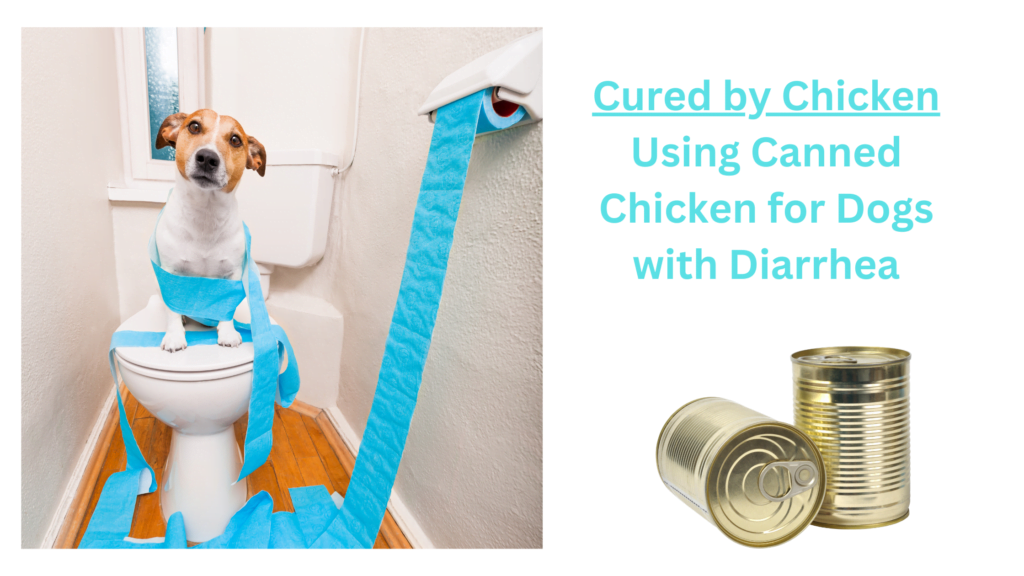
    Cured by Chicken: Using Canned Chicken for Dogs with Diarrhea

    Canned Chicken for Dogs with Diarrhea |
    Cured by Chicken: Using Canned Chicken for Dogs with Diarrhea

    Diarrhea can be a frustrating and uncomfortable problem for dogs, but incorporating canned chicken into their diet may help. The high moisture content of canned chicken can help rehydrate your dog and regulate their digestive system.

    Additionally, canned chicken is a good source of lean protein, which can be easier on a dog’s digestive system than other protein types. However, it’s essential to be cautious when using canned chicken for dogs with diarrhea.

    It’s best to talk to your veterinarian before making any diet changes, especially if your dog takes any medications or has a chronic digestive issue.

    Also, make sure to choose a canned chicken variety made with just chicken and water, avoiding added preservatives or fillers that may further irritate your dog’s digestive system. With proper care and attention, canned chicken can be a helpful solution for dogs with diarrhea.

    Canned Chicken for Dogs with Sensitive Stomachs: A Nutritious Solution

    Dogs with sensitive stomachs can benefit from incorporating canned chicken into their diets. The soft texture and high moisture content of canned chicken can help soothe an upset stomach and improve digestion.

    Additionally, canned chicken is a good source of lean protein, which can be beneficial for dogs with sensitive stomachs that may have trouble digesting other types of protein.

    When choosing canned chicken for your dog, it’s essential to look for a variety made with chicken and water, avoiding added preservatives or fillers that may irritate your dog’s digestive system.

    It’s also important to talk to your veterinarian about incorporating canned chicken into your dog’s diet, especially if your dog has a chronic digestive issue or is taking any medications.

    With the right balance of nutrition and care, canned chicken can be a nutritious solution for dogs with sensitive stomachs.

    Also Read : Can Dogs Eat Beef Jerky? A Comprehensive Guide for Pet Owners

    The Final Scoop: Deciding if Canned Chicken is Right for Your Furry Friend

    In conclusion, canned chicken can be a great source of nutrition for dogs, especially those with sensitive stomachs or digestive issues like diarrhea. However, it’s essential to consult your veterinarian and choose the right type of canned chicken that suits your dog’s dietary needs.

    Consider factors like quality ingredients, ease of digestion, and the presence of any added preservatives or fillers. Doing so can ensure that canned chicken becomes a positive addition to your dog’s diet and helps keep them healthy and happy.

    Ultimately, the decision to feed your dog canned chicken is a personal one that depends on your dog’s individual needs and preferences. You can make the best choice for your furry friend with the correct information and guidance.

  • Solving the Mystery : Why Does My Dog Only Eat at Night

    Solving the Mystery : Why Does My Dog Only Eat at Night

    Dogs are known for their voracious appetite and love for food. Still, sometimes they can exhibit unusual eating habits, such as only eating at night. This behaviour can be concerning for pet owners and may indicate an underlying issue that needs to be addressed. This article will explore why a dog may only eat at night and what you can do to help.

    Why Does My Dog Only Eat at Night? Understanding your dog’s regular eating habits

    Understanding your dog’s regular eating habits is an essential first step in determining why they may only be eating at night. It’s typical for dogs to eat two or three meals per day, but some may prefer to eat smaller, more frequent meals. Factors such as breed, age, activity level, and overall health can all impact a dog’s eating habits. Observing your dog’s standard patterns can provide valuable insight into their behaviour and help identify changes or deviations from what is considered normal.

    Medical conditions that cause night eating in dogs

    Medical conditions can sometimes cause dogs to exhibit night-eating behaviour. Some common health issues that can disrupt a dog’s eating habits include:

    • Hypoglycemia: Low blood sugar levels can cause a dog to feel hungry, even in the middle of the night.
    • Gastrointestinal disorders: Inflammatory bowel disease, exocrine pancreatic insufficiency, and liver disease can all lead to abnormal eating habits.
    • Hormonal imbalances: Thyroid disorders and other hormonal imbalances can cause a dog to feel hungry at unusual times.
    • Medications: Certain medications, such as corticosteroids, can increase a dog’s appetite and lead to night eating.

    Suppose you suspect your dog’s night eating may be related to a medical issue. In that case, it’s essential to consult a veterinarian for a proper diagnosis and treatment plan.

    Separation anxiety and night eating in dogs.

    Separation anxiety and night eating |
    Separation anxiety and night eating in dogs

    Separation anxiety can also cause a dog to exhibit night-eating behaviour. When a dog is separated from their owner, it may experience stress and anxiety, leading to changes in its eating habits. For example, a dog with separation anxiety may start eating more during the night, when they are alone, to comfort themselves.

    Other signs of separation anxiety in dogs include destructive behaviour, excessive barking or whining, and inappropriate elimination. Suppose you suspect your dog may have separation anxiety. In that case, it’s essential to seek the help of a professional dog behaviourist for proper diagnosis and treatment.

    Dietary changes and feeding schedule adjustments

    Dietary changes and feeding schedule adjustments can also affect a dog’s eating habits. For example, switching to a new brand of dog food or changing the type of food being fed (e.g. from dry to wet) can cause a dog to become less interested in eating. Additionally, feeding a dog at varying times or not providing enough food during the day can cause them to become hungry at night.

    To help alleviate any changes in your dog’s eating habits, it’s essential to make dietary changes slowly and to stick to a consistent feeding schedule. Suppose you are making changes to your dog’s diet. In that case, it’s also necessary to consult with a veterinarian to ensure that they receive the proper nutrients in the right amounts.

    Also Read : Can Dogs Eat Rice Safely? Expert Insights

    The impact of treats and snacks on dogs

    The impact of treats and snacks on a dog’s eating habits is an important consideration. Treats and snacks can affect a dog’s appetite, leading to changes in their eating patterns. In some cases, overindulging in pleasures can lead to weight gain and an upset in their regular feeding schedule.

    It’s essential to monitor the number of treats and snacks a dog consumes and to factor that into their daily caloric intake. Treats and snacks should be in moderation, not replace a balanced and nutritious diet.

    It’s also important to consider the type of treats and snacks being given, as some may contain unhealthy ingredients for dogs or may cause digestive issues. Please consult a veterinarian to determine the best types of treats and snacks for your pet based on their needs and health status.

    The impact of exercise on dogs

    The impact of exercise on a dog’s eating habits is significant. Regular physical activity can help to increase a dog’s appetite and stimulate its metabolism, leading to healthier needs and regular eating habits.

    Physical activity can also help to alleviate boredom and relieve stress, impacting a dog’s eating habits and contributing to night eating. Exercise also helps to burn off excess energy, making a dog feel more relaxed and calm, which can help to promote a regular eating schedule.

    It’s vital to incorporate regular exercise into a dog’s routine, tailored to their needs and energy levels. This can include a daily walk, playtime, or interactive toys. However, it’s important not to over-exercise a dog, as this can lead to physical and mental exhaustion, impacting their overall health and well-being.

    Consult with a veterinarian to determine the right amount and type of exercise for your pet based on their age, size, and health status.

    Importance of feeding the right amount to your furry friend.
    The importance of feeding a dog the right amount cannot be overstated. Overfeeding or underfeeding a dog can lead to changes in its eating habits, including night eating.

    Understanding a dog’s individual calorie needs must be based on factors such as age, size, activity level, and health status. A balanced and nutritious diet tailored to a dog’s needs is essential for maintaining its health and well-being.

    Overfeeding a dog can lead to weight gain, contributing to health issues such as obesity, joint problems, and reduced life expectancy. Underfeeding a dog can lead to malnutrition and a weakened immune system.

    Please consult a veterinarian to determine the right amount of food for your pet based on their needs and receive recommendations for a balanced and nutritious diet. Regular check-ups and weight monitoring can help ensure that a dog gets the proper food for their health and well-being.

    Environmental factors

    Environmental factors can significantly affect a dog’s eating habits, including night eating. Changes in a dog’s routine or environment, such as moving to a new home, adding a new pet or family member, or changing the owner’s schedule, can impact a dog’s eating habits.

    Noise, such as fireworks or thunderstorms, can also impact a dog’s eating habits and lead to stress-related behaviour, such as night eating. A dog’s living environment, such as the location of its food and water bowls, can also impact its eating habits.

    It’s important to minimize environmental stressors as much as possible and to provide a calm and stable environment for a dog. Providing a safe and secure space for a dog, such as a cosy bed or crate, can also help to alleviate stress and promote everyday eating habits.

    Consult with a veterinarian to discuss potential environmental factors that may impact your pet’s eating habits and receive recommendations for minimizing stress and promoting a stable and healthy environment.

    The impact of ageing in dogs.

    The impact of ageing on a dog’s eating habits is an important consideration. As dog’s age, their metabolism may slow down, leading to changes in their appetite and eating habits.

    Older dogs may also experience changes in their sense of smell and taste, which can impact their appetite. Dental problems, such as tooth loss or gum disease, can also make it difficult for older dogs to eat, leading to changes in their eating habits.

    It’s important to monitor an ageing dog’s eating habits and promptly address any changes. A balanced and nutritious diet tailored to an older dog’s needs can help maintain their health and well-being. Regular veterinary check-ups, including dental exams, can also help prevent and address any health issues impacting an ageing dog’s eating habits.

    Please consult a veterinarian to determine the best diet and feeding schedule for an ageing dog based on its needs and health status. Regular monitoring of their eating habits and weight can help ensure that they receive the proper nutrition for optimal health and well-being.

    Tips for managing night eating in dogs

    Tips for managing night eating in dogs |
    Tips for managing night eating in dogs

    If your dog only eats at night, several tips can help to manage this behaviour:

    • Establish a routine: Create a regular feeding schedule and stick to it, even on weekends or holidays. This will help to regulate your dog’s hunger cues and promote everyday eating habits.
    • Avoid snacking: Limit treats and snacks between meals, as this can disrupt your dog’s hunger cues and contribute to night eating.
    • Provide interactive toys: Provide your dog with interactive toys and puzzles to keep them mentally stimulated and to distract them from seeking food during the night.
    • Address separation anxiety: If your dog’s night eating is related to separation anxiety, consider seeking the help of a professional behaviourist to address this issue.
    • Consult with a veterinarian: If your dog’s night eating is persistent and cannot be resolved through diet and behaviour modifications, it may be a sign of an underlying medical condition. Consult a veterinarian to rule out any health issues and receive recommendations for managing your pet’s night eating.
    • Provide a relaxing environment: Ensure that your dog’s sleeping area is quiet, dark, and comfortable, as a relaxing environment can help to promote everyday eating habits and reduce stress-related behaviour such as night eating.

    It’s important to remember that every dog is unique and may require individualized approaches to manage their night eating. Consult with a veterinarian to receive personalized recommendations based on your pet’s needs and health status.

    Also Read : Can Dogs Have Strawberry Jam? The Ultimate Guide with Expert Tips

    Conclusion and final thoughts

    In conclusion, night eating in dogs can be caused by various factors, including medical conditions, dietary changes, separation anxiety, environmental factors, ageing, and more. Understanding the underlying cause of your dog’s night eating is critical to finding an effective solution.

    It’s essential to consult with a veterinarian to receive a thorough examination and to rule out any underlying health issues. Modifying your dog’s diet and feeding schedule, addressing separation anxiety, and providing a calm and stable environment can help to minimize stress and promote everyday eating habits.

    In addition, providing interactive toys, limiting treats and snacks, and monitoring your pet’s weight can help manage night eating and ensure proper nutrition. With the right approach, you can help your dog overcome night eating and maintain their health and well-being.

    Remember, every dog is unique and may require individualized approaches to manage their night eating. With the proper care and attention, you can help your pet to overcome this issue and maintain a happy and healthy life.

  • Can Dogs Have Strawberry Jam? The Ultimate Guide with Expert Tips

    Can Dogs Have Strawberry Jam? The Ultimate Guide with Expert Tips

    Can Dogs Have Strawberry Jam? Strawberry jam is a popular sweet spread that many people enjoy, but can dogs also have it? While a small amount of strawberry jam may not harm your furry friend, it is essential to understand the potential health risks and benefits of feeding dogs this treat. This article will explore the nutritional value of strawberry jam, the chances of feeding it to dogs, and provide alternative treatment options to keep your pup healthy and happy. Whether you are just starting your journey as a pet parent or have been a proud dog owner for years, this guide will equip you with the knowledge to make informed decisions about your dog’s diet.

    Can Dogs Have Strawberry Jam?

    Can Dogs Have Strawberry Jam |
    Can Dogs Have Strawberry Jam

    The question of whether dogs can have strawberry jam is one that many pet owners may have. On the one hand, the sweet and fruity flavour may seem appealing to dogs.

    On the other hand, the high sugar content and potential health risks associated with feeding dogs strawberry jam may make it seem like a less-than-ideal treat.

    This article will provide a comprehensive overview of the nutritional value of strawberry jam, the potential risks and benefits of feeding it to dogs, and provide alternative treatment options for pet owners looking to give their furry friends a special treat.

    Whether you’re new to pet ownership or a seasoned dog owner, this guide will provide the information you need to make informed decisions about what you feed your beloved pup.

    Also Read : Can Dogs Eat Rice Safely? Expert Insights

    Understanding the Nutritional Value of Strawberry Jam

    Strawberry jam is made from sugar, strawberries, and pectin. It is a high-sugar, high-calorie food with minimal nutritional value for dogs. A serving of strawberry jam can contain up to 15 grams of sugar, leading to obesity, diabetes, and dental problems in dogs. Also, strawberries can cause digestive upset in some dogs, leading to diarrhoea, vomiting, and stomach pain.

    It’s important to note that many brands of strawberry jam also contain toxic ingredients, such as xylitol, which can cause liver failure and even death in dogs if consumed in large quantities. Therefore, it is crucial to check the label of the jam you plan to feed your dog and ensure it does not contain harmful ingredients.

    In conclusion, while a small amount of strawberry jam may not harm your dog, it should not be a regular part of their diet due to its calorie content, high sugar, and potential health risks.

    The Risks Associated with Feeding Strawberry Jam to Dogs

    The Risks Associated with Feeding Strawberry Jam to Dogs |
    The Risks Associated with Feeding Strawberry Jam to Dogs

    Feeding dogs strawberry jam can pose several health risks, including:

    • Obesity and weight gain: The high sugar and calorie content in a strawberry jam can lead to weight gain and obesity in dogs, resulting in other health problems such as joint problems, breathing difficulties, and decreased life expectancy.
    • Dental problems: The stickiness of strawberry jam can stick to your dog’s teeth, leading to plaque buildup and tooth decay.
    • Digestive upset: The sugar in a strawberry jam can upset your dog’s digestive system, leading to diarrhoea, vomiting, and stomach pain.
    • Toxicity: Some brands of strawberry jam contain xylitol, which is highly toxic to dogs. Xylitol can cause a rapid insulin release, leading to hypoglycemia (low blood sugar), seizures, liver failure, and death.
    • Allergic reactions: Some dogs may have an allergic reaction to strawberries or other ingredients in a jam, which can result in skin irritation, itching, and digestive issues.

    It’s important to remember that dogs have different nutritional requirements than humans, and what may be a treat for us can harm them. Before feeding your dog any human food, it’s best to check with your veterinarian to ensure it is safe and appropriate for your dog’s health and well-being.

    Alternative Treats for Dogs

    Alternative Treats for Dogs |
    Alternative Treats for Dogs

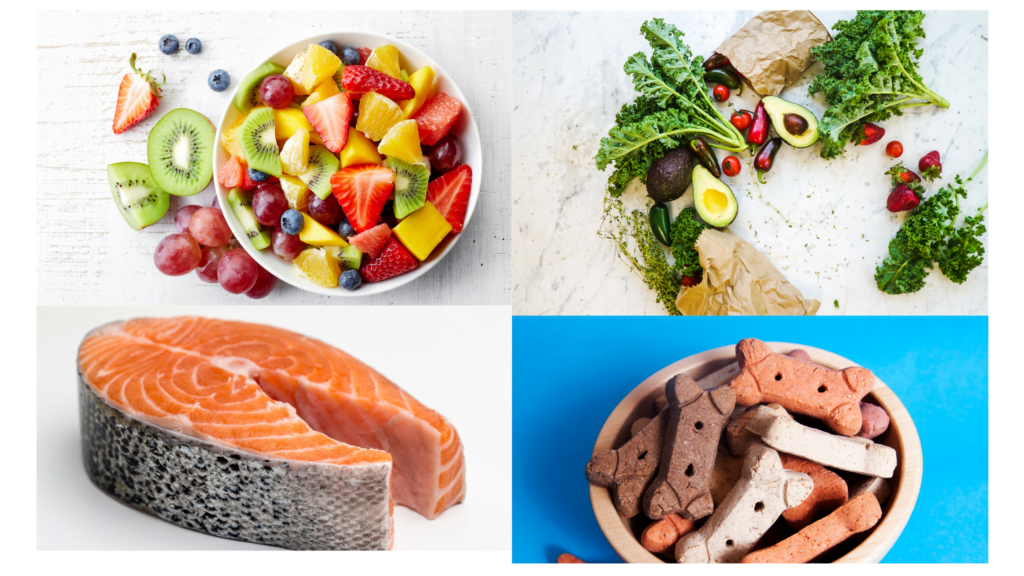
    There are many safe and nutritious alternative treats that you can feed your dog instead of strawberry jam. Some options include:

    • Fresh fruits: Fruits such as apples, bananas, and blueberries are excellent treatment options for dogs. They are low in fat, high in fibre, and packed with vitamins and minerals. Just be sure to remove the seeds, stems, and pits before giving them to your dog, as these can be harmful.
    • Vegetables: Vegetables such as carrots, green beans, and sweet potatoes are healthy and tasty options for dogs. They are low in calories, high in fibre and rich in vitamins and minerals.
    • Meat or fish: Cooked, plain meats or fish such as chicken, turkey, or salmon are a great source of protein for dogs. Just be sure to remove any bones and avoid feeding your dog fatty cuts or skin.
    • Commercial dog treats: There are many healthy commercial dog treats that are made with wholesome ingredients and formulated specifically for dogs. Just be sure to read the label carefully and choose treats low in fat and high in protein.

    It’s always important to monitor your dog’s calorie intake and give treats in moderation. Talk to your veterinarian to determine the best treatment options for your dog based on its needs and health status.

    Also Read : Can Dogs Eat Beef Jerky? A Comprehensive Guide for Pet Owners

    Conclusion: Is Strawberry Jam Safe for Dogs?

    In conclusion, while a small amount of strawberry jam may not harm your dog, making it a regular part of their diet is not recommended due to its high sugar and calorie content and potential health risks. Feeding dogs too much strawberry jam can lead to weight gain, dental problems, digestive upset, and even toxicity if the backup contains harmful ingredients such as xylitol.

    It’s best to stick to healthy, dog-specific treats and foods and to consult with your veterinarian before feeding your dog any new food or treat. They can help determine the best options based on your dog’s needs and health status. By making informed choices, you can ensure that your dog stays happy and healthy for years.

  • Can Dogs Eat Beef Jerky? A Comprehensive Guide for Pet Owners

    Can Dogs Eat Beef Jerky? A Comprehensive Guide for Pet Owners

    Can Dogs Eat Beef Jerky? As a pet owner, it’s essential to understand the potential benefits and drawbacks of feeding beef jerky to your dog. While beef jerky can be a high-protein treat for dogs, it’s also essential to consider factors such as the source of the jerky, the ingredients used, and the impact it can have on your dog’s digestive system.

    This article will provide comprehensive information on beef jerky for dogs, including what every pet owner should know before offering it as a treat. From understanding the nutritional content of beef jerky to balancing the risks and rewards, we’ll guide you through all the information you need to make an informed decision.

    Also Read : Can Dogs Eat Rice Safely? Expert Insights

    Is Beef Jerky a Healthy Treat for Dogs?

    When choosing treats for your dog, you want to ensure they’re not only delicious but also nutritious.

    So, is beef jerky a healthy option for dogs? The answer is not black and white, as it depends on various factors such as the source of the beef jerky, the ingredients used, and the way it’s prepared.

    While beef jerky can provide high-quality protein, it can also contain preservatives, chemicals, and other unhealthy ingredients that may not be suitable for your pet.

    In this article, we’ll dive into the health benefits and drawbacks of feeding beef jerky to your dog, so you can make an informed decision on whether it’s a healthy treat option for your furry friend.

    The Nutritional Content of Beef Jerky for Dogs

    Beef jerky can be a high-protein treat for dogs, with a typical serving containing around 12-15 grams of protein. However, it’s also important to consider other nutritional factors, such as fat and calorie content.

    A serving of beef jerky for dogs can contain anywhere from 5-10 grams of fat and around 50-70 calories. It’s also important to consider the ingredients used in the beef jerky, as some brands may contain preservatives, chemicals, and other unhealthy additives.

    To ensure your dog gets the best possible nutritional benefits from beef jerky, it’s essential to choose a high-quality, all-natural product and consult with your veterinarian to determine the appropriate serving size based on your dog’s individual needs.

    Can Dogs Eat Beef Jerky?

    Can Dogs Eat Beef Jerky |
    Can Dogs Eat Beef Jerky?

    While beef jerky can be a delicious and protein-packed treat for dogs, it’s essential to consider the potential safety risks involved. Beef jerky can contain preservatives, chemicals, and other unhealthy ingredients that may not be suitable for your pet.

    Additionally, some beef jerky brands’ high salt and fat content can cause digestive upset and other health problems for some dogs. It’s also important to consider the size and shape of the beef jerky, as large pieces can pose a choking hazard for small dogs.

    To ensure your dog can safely enjoy beef jerky snacks, it’s essential to choose a high-quality, all-natural product and to consult with your veterinarian to determine the appropriate serving size based on your dog’s individual needs and health history.

    Balancing the Risks and Rewards of Beef Jerky for Dogs

    When feeding your dog treats, it’s essential to weigh the potential risks and rewards involved. Beef jerky can provide a high-protein, delicious snack for dogs but also contain preservatives, chemicals, and other unhealthy ingredients.

    Additionally, some beef jerky brands’ high salt and fat content can cause digestive upset and other health problems for some dogs. On the other hand, feeding your dog a well-balanced, nutritious diet that includes high-quality treats like beef jerky can help to maintain a healthy weight, provide essential nutrients, and improve overall health.

    To determine the right balance of risks and rewards for your dog, it’s necessary to consult with your veterinarian and choose a high-quality, all-natural beef jerky product. With the right approach, beef jerky can be a safe and nutritious treat option for your furry friend.

    The Do’s and Don’ts of Feeding Beef Jerky to Your Dog

    When feeding beef jerky to your dog, there are several important do’s and don’ts to keep in mind:

    Do’s:

    • Choose a high-quality, all-natural beef jerky product with minimal ingredients and preservatives.
    • Consult your veterinarian to determine the appropriate serving size based on your dog’s needs and health history.
    • Offer small pieces of beef jerky as a treat, not a replacement for your dog’s regular diet.
    • Store beef jerky properly to maintain freshness and prevent contamination.

    Don’ts:

    • Don’t feed your dog beef jerky that contains unhealthy additives or chemicals.
    • Don’t offer large pieces of beef jerky that could pose a choking hazard.
    • Stay within the recommended serving size, as overfeeding can cause digestive upset or other health problems.
    • Don’t feed your dog beef jerky sitting out or exposed to heat or moisture, as this can cause spoilage and potential health risks.

    Following these guidelines can help ensure that your dog can safely and happily enjoy the tasty rewards of beef jerky as a special treat.

    How Beef Jerky Can Affect a Dog’s Digestive System

    How Beef Jerky Can Affect a Dogs Digestive System |
    How Beef Jerky Can Affect a Dog’s Digestive System

    Beef jerky can significantly impact a dog’s digestive system, both positively and negatively. On the one hand, the high protein content in beef jerky can be beneficial for dogs, helping to support muscle health and maintenance.

    However, some beef jerky brands’ high salt and fat content can lead to digestive upset and other health problems, such as excessive thirst, bloating, and diarrhea. Additionally, certain chemicals and preservatives in some beef jerky brands can harm a dog’s digestive system and overall health.

    To minimize the negative impact on your dog’s digestive system, it’s essential to choose high-quality, all-natural beef jerky products that contain minimal ingredients and preservatives. You should also limit the beef you feed your dog irregularly, following the recommended serving size based on your dog’s individual needs and health history.

    Suppose your dog experiences any digestive issues after consuming beef jerky. In that case, it’s essential to discontinue feeding and consult your veterinarian for guidance.

    Safe Handling and Storage of Beef Jerky for Dogs

    Proper handling and storage of beef jerky for dogs are crucial to maintain its quality and prevent potential health risks. Here are some tips for the safe handling and storage of beef jerky for your dog:

    • Store beef jerky in an airtight container in a cool, dry place away from direct sunlight and moisture. This will help maintain its freshness and prevent spoilage.
    • Handle beef jerky with clean hands to prevent contamination from bacteria or other harmful substances.
    • Check the expiration date on the packaging before feeding beef jerky to your dog. Do not feed beef jerky that has passed its expiration date or has a strange odor or discoloration.
    • Discard any remaining beef jerky sitting out for more than two hours, as this can increase the risk of spoilage and bacterial growth.
    • Do not leave beef jerky in reach of your dog, as they may consume too much or choke on large pieces.

    Alternatives to Beef Jerky for Treating Dogs

    Suppose you’re looking for alternatives to beef jerky for your dog. In that case, many healthier options can provide similar benefits without the potential risks associated with beef jerky. Here are a few alternatives to consider:

    • Fresh meat or poultry: Fresh, lean cuts of meat or poultry, such as chicken or turkey, can provide high-quality protein for your dog and are a great alternative to beef jerky.
    • Fresh fruit and vegetables: Many fruits and vegetables, such as apples, carrots, and green beans, can be great healthy treats for your dog.
    • Homemade dog treats: You can also make treats using simple, healthy ingredients such as peanut butter, oats, and bananas.
    • Commercial dog treats: Many high-quality commercial dog treats are made with wholesome ingredients and are free from harmful chemicals and preservatives.

    By offering your dog a variety of healthy treats, you can help ensure that they are getting the nutrients they need while avoiding any potential health risks associated with feeding beef jerky. Always consult your veterinarian before introducing new foods or treats to your dog, especially if they have health concerns.

    Also Read : Can Slim Jims Kill Dogs? A Guide to Understanding the Risks

    Consulting with a Veterinarian: Is Beef Jerky Right for Your Dog

    Consulting with a Veterinarian Is Beef Jerky Right for Your Dog |
    Consulting with a Veterinarian: Is Beef Jerky Right for Your Dog

    Before making any changes to your dog’s diet, consulting with a veterinarian is always recommended, especially when introducing new foods like beef jerky. A veterinarian can help you determine whether beef jerky is a good choice for your dog based on their needs, including age, size, health status, and dietary restrictions.

    Your veterinarian can also provide recommendations on the type of beef jerky that is best for your dog and the proper portion size and frequency of feeding. They may also advise you to avoid feeding your dog certain types of beef jerky that contain harmful ingredients, such as artificial preservatives, chemicals, or high sodium levels.

    In conclusion, consulting with a veterinarian is essential to ensure that beef jerky is a safe and healthy treat for your dog. They can help you navigate the complexities of feeding beef jerky and ensure your dog gets all the nutrients they need to stay healthy and happy.

    FAQ

    Can Dogs Safely Enjoy Jack Link’s Beef Jerky?

    Dogs and beef jerky go hand in hand. Many pet owners love to give their furry friends treats, and beef jerky seems like a perfect option due to its high protein content. However, not all types of beef jerky are suitable for dogs, and feeding it to your pet can come with some risks.
    One popular brand of beef jerky is Jack Link’s. Pet owners often wonder whether this type of jerky is safe for their dogs. The answer is not straightforward, as it depends on various factors such as the ingredients, size, and age of your dog.
    When it comes to the ingredients, it is important to look for jerky that does not contain harmful substances such as garlic, onion, and added sugars. Additionally, the size and age of your dog can also play a role, as smaller and older dogs have a weaker digestive system and are more prone to experiencing adverse effects.
    The good news is that Jack Link’s Beef Jerky does not contain harmful ingredients and is made from high-quality beef. This means that if fed in moderation, it can be a healthy treat for your dog. However, it is essential to be mindful of the amount you feed, as too much can lead to digestive issues such as upset stomachs and diarrhea.
    Another factor to consider is storage. Beef jerky can easily spoil and become contaminated with bacteria, especially if it is not stored correctly. It is crucial to keep your jerky in a dry, cool place and to avoid exposing it to heat, humidity, and sunlight.
    In conclusion, while Jack Link’s Beef Jerky can be a tasty treat for your dog, it is essential to be mindful of its nutritional content, size, and age. Always consult with your veterinarian before introducing any new food to your pet, and be aware of the risks and benefits of feeding beef jerky.

    Can dogs eat beef jerky teriyaki?

    Beef jerky, including teriyaki flavored, can be a tempting treat for dog owners to share with their furry friends. However, it is important to consider the ingredients and potential health risks before offering beef jerky to your dog. Some brands of beef jerky may contain high levels of salt, preservatives, and other additives that can be harmful to dogs. Additionally, the texture and size of the jerky can pose a choking hazard or cause digestive issues.
    It is always best to consult with your veterinarian before offering any new food to your dog, including beef jerky. They can assess your dog’s overall health and advise on the best diet for their individual needs. If you decide to offer your dog beef jerky, it is important to do so in moderation and to choose a high-quality, all-natural product that is free from harmful additives.
    In conclusion, while dogs can technically eat beef jerky teriyaki, it is important to be mindful of the ingredients and potential health risks before offering it to your pet. It is always best to check with your veterinarian to ensure that it is safe and appropriate for your dog.

    Can dogs eat beef jerky sticks?

    Beef jerky sticks can be a tempting treat for dogs, but pet owners should exercise caution before offering this snack to their furry friends. While beef is a protein-rich meat that can be part of a balanced diet for dogs, the process of making beef jerky can introduce ingredients that can be harmful to canines. For example, some beef jerky products contain high levels of salt, preservatives, or spices that can cause digestive upset or other health problems for dogs.
    Additionally, the texture of beef jerky sticks can be a choking hazard for some dogs, particularly those with small jaws or dental issues. Pet owners should supervise their dogs while they are chewing on beef jerky sticks and discontinue use if they notice any signs of discomfort or distress.
    In general, it is always a good idea to consult with a veterinarian before introducing a new food or treat into your dog’s diet. Your vet can advise you on the specific dietary needs of your pet and can help you make an informed decision about whether beef jerky sticks are a safe and healthy snack for your dog.

  • Can Slim Jims Kill Dogs? A Guide to Understanding the Risks

    Can Slim Jims Kill Dogs? A Guide to Understanding the Risks

    The topic of whether Can Slim Jims Kill Dogs is an important one for pet owners to understand. Slim Jims are a popular snack food that is widely consumed, but they can be dangerous for dogs if consumed in large quantities. This article will explore the dangers of Slim Jims to dogs and what pet owners should know to keep their pets safe.

    Understanding the risks of feeding Slim Jims to pets cannot be overstated. Dogs are curious creatures and often get into things they shouldn’t. Suppose a pet owner is unaware of the dangers of Slim Jims. In that case, they may accidentally feed their pet many of these snacks, leading to serious health problems or even death. By understanding the dangers of Slim Jims to dogs, pet owners can take steps to keep their pets safe and healthy.

    What is Slim Jims?

    What is Slim Jims |
    What is Slim Jims?

    Slim Jims are a type of dried meat snack that is widely popular in the United States. They are made from beef, pork, or a combination of the two and are flavored with spices, seasonings, and other ingredients. Slim Jims are often marketed as a high-protein snack that is convenient and easy to eat. They are widely available in convenience stores, gas stations, and supermarkets.

    Slim Jims are typically packaged in long, thin sticks that are easy to eat as a snack. They are often consumed as quick, high-protein snacks or as portable food for people on the go. Despite their popularity, Slim Jims are not without risks, especially for dogs who may consume them. This article will explore the dangers of Slim Jims to dogs and what pet owners should know to keep their pets safe.

    Ingredients Used in Slim Jims: Understanding What Goes into Your Dog’s Snack

    Slim Jims are a popular snack for people, but they can be dangerous for dogs. Understanding the ingredients used in Slim Jims is essential for pet owners who want to make informed decisions about what to feed their pets.

    Slim Jims are typically made with a mixture of meat and spices, preservatives, and other additives. Common ingredients used in Slim Jims include:

    • Meat: Beef, pork, or a combination of both is the main ingredient in Slim Jims. This provides the protein and flavor that dogs crave.
    • Spices: Slim Jims are often seasoned with a mixture of herbs, including salt, garlic, and paprika.
    • Preservatives: Nitrite is commonly used as a preservative in Slim Jims. It helps to extend the shelf life of the product and add flavor.
    • Additives: Other additives, such as corn syrup, sugar, and monosodium glutamate (MSG), are also used in Slim Jims.

    While some of these ingredients, such as meat and spices, can be safe for dogs in moderation, others, such as nitrite and MSG, can be harmful. Pet owners must understand the risks associated with these ingredients and take steps to limit their dog’s exposure.

    Also Read : Can Dogs Eat Rice Safely? Expert Insights

    Can Slim Jims Kill Dogs? Can dogs eat slim jims?

    Yes, Slim Jims can be dangerous and potentially fatal for dogs if consumed in large quantities. Slim Jims contain nitrates and nitrites, preservatives used to extend the product’s shelf life. When consumed in large quantities, these preservatives can be toxic to dogs and lead to serious health problems, including death.

    In addition to the risks associated with nitrates and nitrites, Slim Jims are also high in fat and salt, which can harm dogs if consumed in large quantities. The high-fat content can lead to pancreatitis, which can cause severe abdominal pain and vomiting. The high salt content can also lead to dehydration and electrolyte imbalances, which can be dangerous for dogs.

    Pet owners must be aware of the dangers of Slim Jims to dogs and take steps to prevent their pets from consuming them. Suppose a dog does consume a large quantity of Slim Jims. In that case, it is essential to seek veterinary care immediately to minimize the risk of severe health problems or death.

    The Dangers of Nitrite in Slim Jims

    One of the main dangers of Slim Jims to dogs is the presence of nitrites in the product. Nitrites are preservatives used to extend the shelf life of Slim Jims, but they can be toxic to dogs if consumed in large quantities.

    Nitrites can interfere with the oxygen-carrying capacity of the blood, leading to a condition known as methemoglobinemia. This condition can cause symptoms such as shortness of breath, weakness, and, in severe cases, death.

    In addition to the risk of methemoglobinemia, nitrites can cause other health problems in dogs, including digestive upset, vomiting, and diarrhea. The risk of these symptoms increases if the dog quickly consumes a large quantity of Slim Jims.

    Pet owners must be aware of the dangers of nitrites in Slim Jims and take steps to prevent their pets from consuming this product. Suppose a dog does consume a large quantity of Slim Jims. In that case, it is essential to seek veterinary care immediately to minimize the risk of severe health problems or death.

    High Salt Content in Slim Jims: A Danger for Dogs

    One of the dangers of Slim Jims for dogs is their high salt content. While salt is an essential nutrient for dogs, too much can lead to serious health problems. Too much salt can cause excessive thirst, urinary issues, and salt poisoning in dogs. This can result in symptoms such as vomiting, diarrhea, muscle tremors, and seizures. Limiting the number of salty snacks, including Slim Jims, your dog consumes is essential to avoid these risks.

    Salt is added to Slim Jims as a flavor enhancer and preservative. While it may make the snack appealing to humans, it can harm dogs. Pet owners should be mindful of the amount of salt in the snacks and treats they give to their dogs and choose products that have lower salt levels. Additionally, providing a balanced diet for your dog that meets its nutritional needs and includes sources of crucial nutrients, including sodium, is essential.

    High Fat Content in Slim Jims: A Risk for Dogs

    Another danger of Slim Jims for dogs is their high-fat content. Fat is an essential energy source for dogs. Still, too much of it can lead to digestive problems and contribute to obesity and other health issues. Consuming too much fat can also lead to the development of pancreatitis, a severe condition in which the pancreas becomes inflamed and unable to properly digest and absorb fats.

    Slim Jims are often made with high-fat ingredients, such as beef and pork, earning them fatty snacks for dogs. This can be particularly problematic for overweight dogs or prone to digestive issues. To avoid these risks, limiting the number of fatty snacks, including Slim Jims, that your dog consumes and providing a balanced diet that meets its nutritional needs is essential.

    In addition to limiting the amount of high-fat snacks, pet owners can also take steps to promote a healthy weight and prevent obesity in their dogs. This may include providing regular exercise, feeding a balanced diet, and monitoring their weight regularly.

    Prevention and Treatment of Slim Jims Poisoning in Dogs

    To prevent Slim Jim’s poisoning in dogs, pet owners should take the following steps:

    • Keep Slim Jims and other similar snacks out of reach of dogs.
    • Store Slim Jims in a secure place, such as a pantry or cupboard, where dogs cannot access them
    • Do not feed Slim Jims to dogs as a treat or snack.
    • Be aware of the symptoms of Slim Jim’s poisoning in dogs and seek veterinary care immediately if you suspect your dog has consumed a large quantity of this product.

    My dog ate a slim jim?

    My dog ate a slim jim |
    My dog ate a slim jim

    If a dog does consume a large quantity of Slim Jims, it is essential to seek veterinary care immediately. Treatment for Slim Jim’s poisoning in dogs may include:

    • Inducing vomiting to remove the product from the dog’s digestive system
    • Administering activated charcoal to absorb any remaining toxins in the dog’s system
    • Providing supportive care, such as IV fluids and electrolyte supplementation, to address dehydration and electrolyte imbalances
    • Monitoring the dog’s vital signs and blood oxygen levels to ensure that the condition does not progress to methemoglobinemia

    The earlier treatment is started, the better the outcome is likely to be for the dog. Pet owners should never attempt to treat Slim Jim’s poisoning at home, as this can be dangerous and worsen the condition. Instead, they should seek veterinary care immediately to ensure their pet receives the best care.

    Healthy Alternative Snacks for Dogs: Keeping Your Furry Friend Safe and Satisfied

    Healthy Alternative Snacks for Dogs Keeping Your Furry Friend Safe and Satisfied |
    Healthy Alternative Snacks for Dogs: Keeping Your Furry Friend Safe and Satisfied

    While Slim Jims may be a popular snack for people, they can be dangerous for dogs. If you’re looking for alternative snacks that are safe and healthy for your furry friend, here are some options to consider:

    • Fresh fruits and vegetables: Dogs can safely eat many fruits and vegetables, including apples, bananas, carrots, and green beans. These snacks are a great source of vitamins and minerals and can provide a healthy treat for your dog.
    • Cooked meat: Cooked chicken, turkey, or beef can make a healthy and tasty snack for dogs. Just be sure to remove all bones and fat before feeding it to your dog.
    • Peanut butter: Peanut butter can be a healthy and delicious snack for dogs. Just be sure to choose a brand that does not contain xylitol, a sugar substitute that is toxic to dogs.
    • Homemade dog treats: Making your own dog treats at home is a great way to control the ingredients and provide your dog with a healthy snack. Many recipes available online are easy to make and can be customized to your dog’s preferences.
    • Commercial dog treats: Many commercial dog treats are specifically designed to be safe and healthy for dogs. Just read the label carefully to ensure that the treats do not contain harmful ingredients.

    Conclusion

    Slim Jims are a popular snack food that can be dangerous and potentially fatal for dogs if consumed in large quantities. The main dangers of Slim Jims to dogs are the presence of nitrites in the product and the high fat and salt content.

    To prevent Slim Jim’s poisoning in dogs, pet owners should take steps to keep this product out of reach of their pets and be aware of the symptoms of Slim Jim’s poisoning. Suppose a dog does consume a large quantity of Slim Jims.

    In that case, it is essential to seek veterinary care immediately to minimize the risk of severe health problems or death. By being aware of the dangers of Slim Jims to dogs, pet owners can help keep their pets safe and healthy.

  • Can Dogs Eat Rice Safely? Expert Insights

    Can Dogs Eat Rice Safely? Expert Insights

    Can Dogs Eat Rice Safely? Rice is a staple food for many worldwide and is often considered safe and healthy for dogs. Rice is a good carbohydrate source, providing dogs the energy to maintain their daily activities.

    However, not all types of rice are suitable for dogs, and it is essential to know the right kind of rice to feed them and in what quantity.

    In this article, we will examine the variations of rice, their health advantages and drawbacks, and the appropriate method to give rice to dogs as part of a nutritious diet.

    It’s important to note that while rice can be a safe and nutritious addition to a dog’s diet, it should not be the main component of their diet.

    A well-rounded diet incorporating a diversity of protein, fat, and carbohydrate sources, as well as vital vitamins and minerals, is crucial for dogs to maintain optimal health. It is essential to seek the advice of a veterinarian before making any modifications to your dog’s diet.

    Types of Rice: White vs. Brown

    White and brown rice are the main options when considering the types of rice to feed to dogs.

    Can Dogs eat White Rice?

    Can Dogs eat White Rice |
    Can Dogs eat White Rice

    White rice is a popular choice as it is easily digestible and a good source of carbohydrates. This can be beneficial for dogs recovering from illness or surgery. However, it should be noted that white rice has had the bran and the germ removed, making it less nutritious compared to brown rice.

    Can Dogs eat Brown Rice?

    Can Dogs eat Brown Rice |
    Can Dogs eat Brown Rice

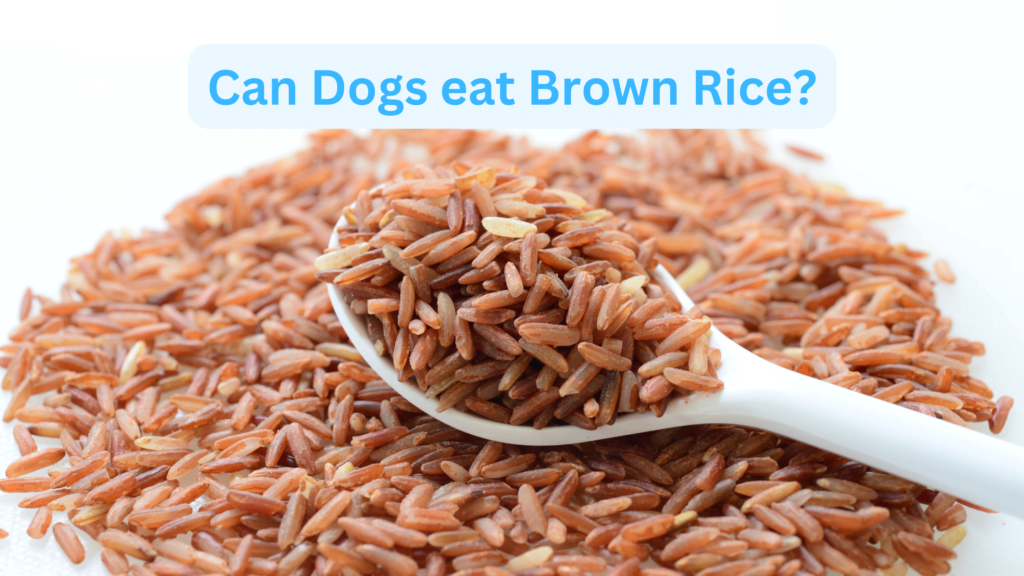
    Brown rice, on the other hand, is a whole grain containing bran and germ, making it more nutritious. Rice is a good source of fiber, vitamins, & minerals. However, it may be harder for dogs to digest and can cause stomach upset if not cooked well. It is recommended to cook brown rice thoroughly and mix it with other food before serving it to dogs. It is always wise to consult a veterinarian before making any changes to your furry’s diet.

    It is generally safer to feed white rice to dogs than brown rice. Still, if you want to give your dog the added nutrition of brown rice, it is best to do so in small amounts and after cooking it well. It’s important to note that brown rice should not be fed to dogs with gluten intolerance or other health conditions. Consult your veterinarian before making any changes to your dog’s diet.

    Health Benefits and Risks of Feeding Rice to Dogs

    Rice can provide several health benefits for dogs when fed in the right amounts. It is a good source of carbohydrates that provides energy for dogs to maintain their daily activities. It’s also a good source of B vitamins such as thiamine, niacin, and vitamin B6. It is also a gluten-free grain, making it a good option for dogs with gluten allergies or sensitivities. Additionally, rice can be a good option for dogs with sensitive stomachs because it’s easy to digest.

    However, some risks are also to consider when feeding rice to dogs. One of the main risks is that rice can cause stomach upset in some dogs, primarily if it is provided in large amounts or if the dog is not used to eating rice. Rice can also cause bloating or gas in some dogs. Additionally, the rice must be cooked properly to avoid becoming complex and complicated for dogs to digest.

    Another important aspect is the contamination of rice with heavy metals, pesticides, and other harmful chemicals such as Arsenic, which can cause serious health problems for dogs such as Neurotoxicity and diminished brain function, High blood pressure, Vascular disease by narrowing or blocking blood vessels, Cancer (7), Heart disease, Diabetes. Therefore, it is recommended to use organic, high-quality rice when feeding your dog. Organic rice is less likely to contain harmful pesticides or chemicals that can harm your dog’s health. 

    Feeding rice as a part of a balanced diet can benefit dogs. Still, it should be done in moderation and with the guidance of a veterinarian or a professional. It’s always good to have a variety of food in the diet and not rely heavily on one ingredient.

    How Much Rice Can Dogs Eat Safely?

    When it comes to feeding rice to dogs, the amount that can be safely consumed will vary depending on the size, weight, and overall health of the dog. As a general guideline, it’s recommended to feed no more than 25% of a dog’s daily caloric intake in rice. This means that if a dog needs to consume 500 calories daily, no more than 125 calories should come from rice.

    It’s also important to note that rice should not be the only source of carbohydrates in a dog’s diet. They should also receive carbohydrates from other sources, such as vegetables and fruits. Additionally, dogs also require a balanced diet that includes a variety of protein, fat, and carbohydrate sources as well as essential vitamins and minerals to maintain optimal health.

    It’s also important to note that the quantity should be adjusted according to the dog’s needs and activity level. For example, a highly active dog may require more carbohydrates than a less active dog. Therefore, it’s always best to consult a veterinarian or professional before making any changes to your dog’s diet.

    Feeding Rice as a Main Diet or Treat

    When it comes to feeding rice to dogs, it’s essential to consider whether it should be used as a prominent part of their diet or as a treat. Rice can be a nutritious addition to a dog’s diet when fed in moderation. And as part of a balanced diet that includes a variety of protein, fat, carbohydrate sources, and essential vitamins and minerals. However, it should not be the main component of a dog’s diet.

    Suppose you consider using rice as a central part of your dog’s diet. In that case, it’s essential to consult a veterinarian or a professional to ensure your dog receives all the necessary nutrients. It should not be the only source of carbohydrates in a dog’s diet. It should be combined with other protein, fat, and carbohydrate sources. Additionally, it’s essential to use high-quality, organic rice to minimize the risk of contamination with heavy metals and pesticides.

    On the other hand, if you consider using rice as a treat for your dog, it can be a good option in small amounts. Rice can be mixed with other ingredients to make homemade dog treats or used as a topping on their food. However, it’s essential to remember that treats should not make up more than 10% of a dog’s daily caloric intake.

    Combining Rice with Other Foods for Dogs

    When it comes to feeding rice to dogs, it’s essential to consider how it should be combined with other foods to provide a balanced and nutritious diet. Rice is a quality source of carbohydrates and B vitamins, but it should not be the main component of a dog’s diet. Combining rice with other sources of protein, carbohydrates, and fat, as well as essential vitamins and minerals, is critical to ensure that your dog receives all the necessary nutrients.

    One way to combine rice with other foods for dogs is to mix it with a protein source such as chicken, fish, or meat. This will give your dog a balance of carbohydrates and protein, which is essential for maintaining good health. For example, you can cook rice with chicken broth and add diced chicken and vegetables to make a healthy and balanced meal for your dog.

    Another way to combine rice with other foods for dogs is to use it as a topping on their food. Rice can be mixed with other ingredients, such as cooked vegetables, eggs, or cheese, to make a tasty and nutritious meal for your dog. Additionally, you can make homemade dog treats by mixing rice flour with other ingredients such as peanut butter, eggs, and pumpkin puree.

    It’s also important to note that rice should not be fed to dogs as the only source of carbohydrates in their diet. They should also receive carbohydrates from other sources, such as vegetables and fruits.

    Special Considerations for Dogs with Health Conditions

    When it comes to feeding rice to dogs with health conditions, it’s essential to consult a veterinarian or professional before making any changes to their diet. Certain health conditions can affect a dog’s ability to digest and absorb certain nutrients. , and it’s essential to ensure that their diet is tailored to meet their specific needs.

    For example, dogs with diabetes should be fed a diet low in carbohydrates and sugar. Limit or avoid rice altogether. Similarly, dogs with kidney disease may need to restrict their protein and phosphorus intake. And it’s essential to ensure that the protein source combined with the rice is appropriate for their condition.

    Dogs with food allergies or sensitivities may also need to avoid certain types of rice or combine them with other ingredients. For example, dogs with gluten intolerance should avoid wheat-based rice products, and it’s essential to use gluten-free rice options.

    Additionally, some dogs may have trouble digesting rice because of its high fiber content, which can cause stomach upset or diarrhea. Suppose your dog is experiencing digestive problems after consuming rice. In that case, it’s best to consult a veterinarian to rule out any underlying health conditions or food allergies.

    Alternative Grains for Dogs

    Alternative Grains for Dogs |
    Alternative Grains for Dogs

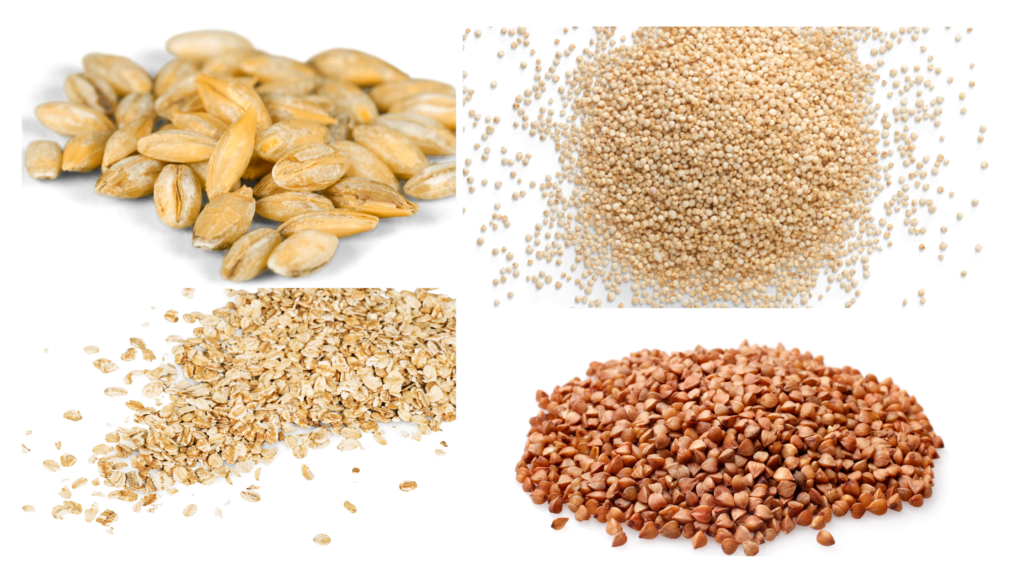
    Rice is not the only grain option available for dogs. Many alternative grains can be included in a dog’s diet, providing similar nutritional benefits. Some of the alternative grains that can be fed to dogs include:

    • Oatmeal: Oatmeal is an excellent alternative to rice for dogs as it is a good source of fiber, vitamins, and minerals. Oatmeal can be fed cooked or raw and mixed with other ingredients such as meat, vegetables, and fruits to make a healthy and balanced meal for your dog.
    • Barley: Barley is another alternative grain that can be fed to dogs. It’s a good source of fiber, vitamins, and minerals and can be used similarly to rice in recipes. Barley can also be used as a substitute for rice in homemade dog food recipes.
    • Quinoa: Quinoa is a nutrient-rich grain that is often considered a superfood. It’s a good protein, fiber, and essential amino acid source. Quinoa can be cooked and served as a side dish for dogs or mixed with other ingredients to make a healthy and nutritious meal.
    • Buckwheat: Buckwheat is a gluten-free grain that is a good source of fiber, vitamins, and minerals. It can be fed to dogs cooked or raw and mixed with other ingredients such as meat, vegetables, and fruits to make a healthy and balanced meal.

    When considering adding new food to your dog’s diet, it’s crucial to introduce it gradually to allow their digestive system to adjust. This will also enable you to watch for any adverse reactions. It is always advisable to seek the advice of a veterinarian or professional before making any changes to your dog’s diet.

    Preparing Rice for Dogs: Cooked vs. Uncooked

    When preparing rice for dogs, there are two main options: cooked and uncooked. Each option has its own benefits and risks, and it’s essential to consider them before deciding.

    Cooked Rice for dogs: Cooking rice for dogs is the most common way to prepare it, as it makes it easy to digest and kills any potential bacteria. Cooked rice can be mixed with other ingredients such as meat, vegetables, and fruits to create a healthy and balanced meal for your dog. It can also be served as a side dish with a dog’s regular diet.

    Uncooked Rice for dogs: Uncooked rice, on the other hand, is not recommended for dogs as it can be challenging to digest, and it may cause stomach upset or diarrhea. Uncooked rice also contains phytic acid, which can bind to minerals such as zinc and iron, making them less available to dogs. Additionally, uncooked rice can contain bacteria such as E. coli and salmonella that can cause food poisoning if not handled and stored correctly.

    Can Dogs Eat Different Forms of Rice?

    Here are some frequently asked questions about different forms of rice and whether or not they are safe for dogs to eat:

    Can dogs eat rice pudding?

    Rice pudding is typically made with milk and sugar, which can harm dogs. It’s best to avoid giving rice pudding to dogs and instead opt for a healthier alternative, such as plain cooked rice mixed with some vegetables or meat.

    Can dogs eat rice cakes?

    Rice cakes are usually made with processed rice and can be high in salt and sugar. In general, it’s best to avoid giving rice cakes to dogs and instead opt for a healthier alternative, such as plain cooked rice mixed with some vegetables or meat.

    Can dogs eat rice flour?

    Rice flour is safe for dogs to eat in moderation. It can be used as an ingredient in homemade dog food or treat recipes, but it should be something other than the dog’s main diet. 

    Can dogs eat rice bran?

    Rice bran is safe for dogs to eat in moderation. It’s a good source of fiber and can be used as an ingredient in homemade dog food or treat recipes but should not be fed as a primary diet to dogs.

    Can dogs eat wild rice?

    Wild rice is safe for dogs to eat in moderation. It’s a good source of nutrients and can be used as an ingredient in homemade dog food or treat recipes, but it should be kept as a supplement for dogs.

    Can dogs eat rice noodles?

    Rice noodles are safe for dogs to eat in moderation. They can be used as an ingredient in homemade dog food or treat recipes but should not be fed as a primary diet for dogs.

    Can dogs eat rice cereal?

    Rice cereal is typically made with processed rice and can be high in sugar and salt. It’s best to avoid giving rice cereal to dogs and instead opt for a healthier alternative, such as plain cooked rice mixed with some vegetables or meat.

    Can dogs eat rice milk?

    Rice milk is typically made with processed rice and can be high in sugar and salt. It’s best to avoid giving rice milk to dogs and instead opt for a healthier alternative, such as water or a low-fat, unsweetened milk alternative.

    Can dogs eat fried rice?

    Fried rice is typically made with processed rice and can be high in salt and oil. It’s best to avoid giving fried rice to dogs and instead opt for a healthier alternative, such as plain cooked rice mixed with some vegetables or meat.

    Can dogs eat sticky rice?

    Sticky rice is safe for dogs to eat in moderation. It can be used as an ingredient in homemade dog food or treat recipes but should not be fed as a primary diet for dogs.

    Can dogs eat jasmine rice?

    Jasmine rice is safe for dogs to eat in moderation. It can be used as an ingredient in homemade dog food or treat recipes but should not be fed as a primary diet for dogs.

    Can dogs eat basmati rice?

    Basmati rice is safe for dogs to eat in moderation. It can be used as an ingredient in homemade dog food or treat recipes but should not be fed as a primary diet for dogs.

    Can dogs eat sushi rice?

    Sushi rice is typically made with processed rice and can be high in salt and sugar. It’s best to avoid giving sushi rice to dogs and instead opt for a healthier alternative, such as plain cooked rice mixed with some vegetables or meat.

    Can dogs eat Rice Krispie treats?

    Can dogs eat Rice Krispie treats |
    Can dogs eat Rice Krispie treats?

    Dogs can technically eat rice krispies treats, but it is not recommended as it is not a healthy food choice. Rice Krispies treats are often made with marshmallows and butter, which can be high in sugar and fat. These ingredients can lead to weight gain, pancreatitis, and other health issues in dogs. Additionally, many store-bought rice krispies treats may contain artificial flavors and preservatives that can harm dogs.

    When giving your dog a treat, it is best to opt for treats specifically made for dogs or homemade treats prepared with safe ingredients. Suppose you have doubts about the tasty treat you want to give your dog. In that case, it is recommended to consult your veterinarian for guidance.

    Can dogs eat rice every day?

    Including rice in a dog’s diet can be safe, but it should not be the sole source of their nutrition. Rice can be used as a carbohydrate source and is an excellent addition to a balanced diet for dogs. However, it is essential to note that too much rice can lead to weight gain and other health issues.

    It is suggested to provide a moderate quantity of rice to dogs as part of a well-rounded diet that encompasses a variety of proteins, fruits, and vegetables. Rice should not be fed as the main ingredient or staple in a dog’s diet, as it lacks essential nutrients that dogs need to maintain good health.

    It is always a good idea to consult a veterinarian before making any changes to your dog’s diet. They will provide you with the best recommendations and guidance regarding daily food portions. They can also help you understand your dog’s specific nutritional needs based on age, size, and activity level. They can also help you spot any potential health issues related to diet.

    Storing and Serving Leftover Rice for Dogs

    Storing and Serving Leftover Rice for Dogs |
    Storing and Serving Leftover Rice for Dogs

    Storing and serving leftover rice for dogs is an important aspect to consider when feeding rice to your dog. Here are a few tips to keep in mind:

    • Store leftover rice in an airtight container in the refrigerator to prevent it from going wrong. Rice can be stored in the fridge for up to four days.
    • Ensure the rice is cooked and cooled completely before serving it to your dog. Hot rice can cause burns or injuries to your dog’s mouth and throat.
    • Reheat the rice in the microwave or on the stovetop before serving. This will help to kill any bacteria that may have formed while the rice was in the fridge.
    • Please do not add any additional ingredients to the rice when reheating it. Rice should be fed plain to dogs.
    • Be mindful of portion size when serving rice to your dog. A serving size for a dog is typically smaller than a serving size for a human.
    • Observe your dog for allergic reactions or digestive issues after feeding rice for the first time. If your dog has any health conditions, it’s always better to consult your veterinarian before serving rice to them.

    By following these tips, you can ensure that leftover rice is stored and served safely to your dog, and you can also ensure that your dog is getting the right amount of food.

    Flavored Rice for Dogs: Pros and Cons

    Flavored rice may seem convenient and tasty, but it is essential to consider the pros and cons before feeding it to your dog.

    Pros:

    • Some flavored rice for dogs may contain added vitamins and minerals, which can benefit your dog’s health.
    • Flavored rice may make it easier get picky dogs to eat their food.
    • Some flavored rice varieties contain added protein, which can be beneficial for dogs who have difficulty digesting certain types of protein.

    Cons:

    • Many flavored rice products for dogs contain added salt, sugar, and preservatives, which can harm your dog’s health.
    • Some flavored rice products may have artificial colors and flavors, harming your dog’s health.
    • Some flavored rice may also contain gluten, damaging dogs with gluten allergies.
    • Some flavored rice products may be high in calories, which can lead to weight gain if fed in excess.

    It’s always best to read the ingredient list on the packaging and consult with your veterinarian before feeding flavored rice to your dog. It’s also best to provide rice in small amounts to monitor the dog’s reaction if your dog has any health condition.

    It is always recommended to feed your dog plain rice and add healthy, natural flavors like fresh herbs, fruits, and vegetables. This way, you can ensure that your dog gets a balanced diet without unnecessary additives.

    How to Add Rice to Your Dog’s Diet

    Adding rice to your dog’s diet can be a great way to provide them with additional nutrition and energy. Here are a few tips on how to add rice to your dog’s diet:

    • Start with small portions: When introducing rice to your dog’s diet, start with small quantities to see how they react. Gradually increase the amount of rice as your dog gets used to it.
    • Cook the rice properly: Ensure it is properly before giving it to your dog. Rice should be cooked until it is soft and easy to digest.
    • Mix with other foods: Mixing rice with different foods like meat, vegetables, or broth can make it more palatable and easier to digest for your dog.
    • Consider the type of rice: White rice is a good option for dogs as it is easily digestible. Brown rice is also a good option, but it may take longer to digest and may cause gas.
    • Monitor your dog’s reaction: Keep an eye on your dog for allergic reactions or digestive issues after introducing rice to its diet.
    • Consult your veterinarian: If you need help adding rice to your dog’s diet or if your dog has any health conditions, it’s best to consult with your veterinarian.

    By following these tips, you can add rice to your dog’s diet safely and healthily and ensure that your dog is getting the nutrition they need.

    Conclusion: Rice as a Part of a Balanced Dog Diet

    In conclusion, rice can benefit a dog’s diet as it provides energy and essential nutrients like carbohydrates and fiber. However, it is important to remember that rice should be fed in moderation and with a balanced diet that includes many protein sources, vegetables, and fruits.

    White rice is a good option for dogs as it is easily digestible, while brown rice is also a good option, but it may take longer to digest and may cause gas. It’s best to consult your veterinarian before introducing rice to your dog’s diet, especially if your dog has any health conditions or food allergies.

    When feeding rice, it’s essential to ensure it is adequately cooked. And mixed with other foods for optimal palatability and digestibility. It’s also necessary to monitor your dog’s reaction and be mindful of the type of rice and the amount you are feeding.

    Ultimately, a balanced diet that includes a variety of foods is the key to keeping your dog healthy and happy. Rice can be a great addition to a dog’s diet, but it should never be the sole source of nutrition.