Category: Dog Nutrition

  • Can Dogs Eat Chicken Salad? A Guide to Safe Feeding

    Can Dogs Eat Chicken Salad? A Guide to Safe Feeding

    Chicken salad is a delicious and nutritious meal for humans, but can dogs eat chicken salad too? As a responsible pet owner, knowing what human foods are safe for your furry friend to consume is essential.

    In this article, we’ll discuss the nutritional value of chicken salad for dogs, potential health benefits and risks, and safe feeding practices to ensure your pup stays healthy and happy.

    Nutritional Value of Chicken Salad

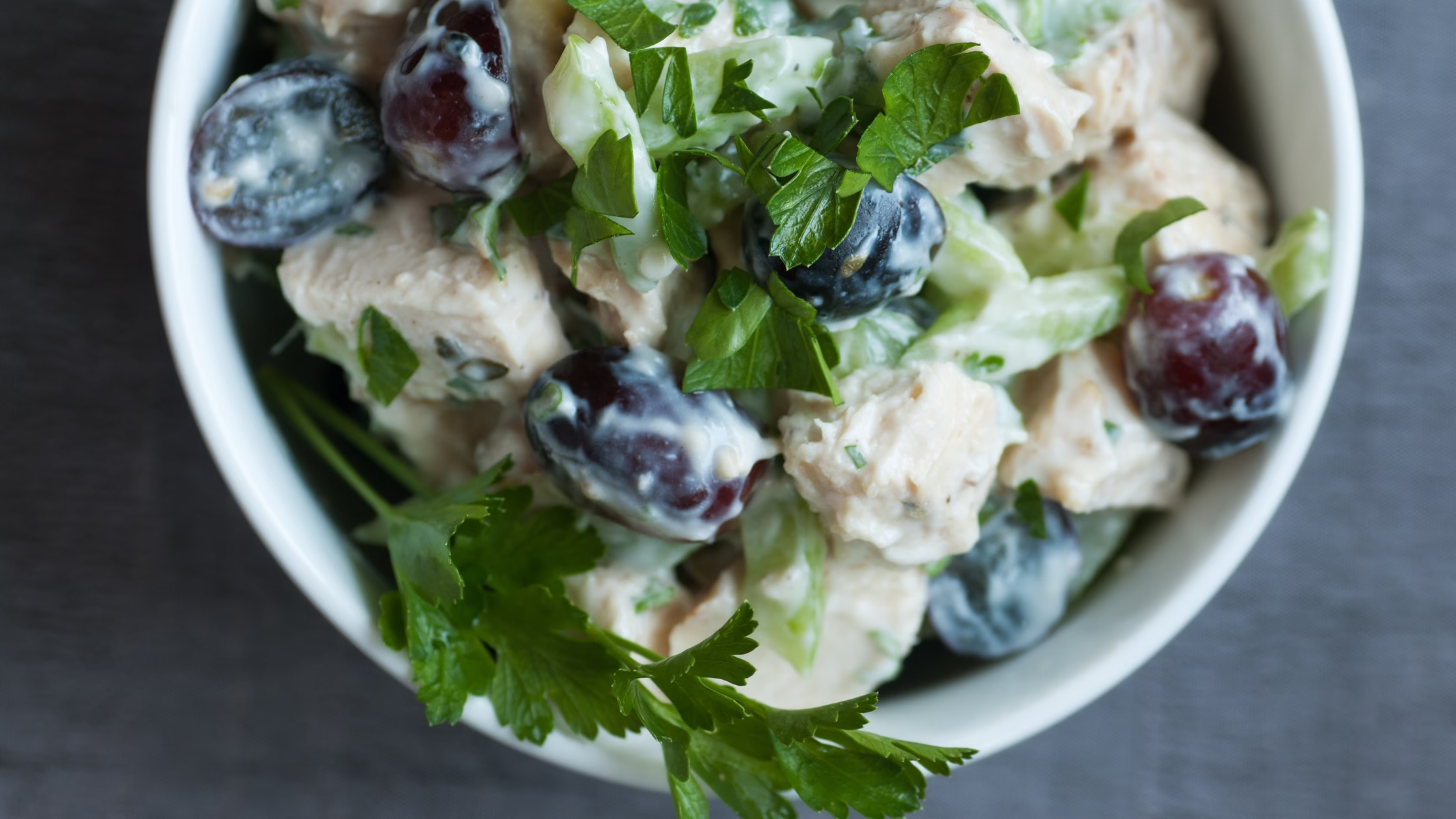
    Chicken salad is a popular dish typically made by mixing cooked, chopped chicken with other ingredients such as Mayonnaise, celery, and onions.

    While it can be a tasty and satisfying meal for humans, it’s essential to consider the nutritional value of chicken salad before sharing it with your furry friend.

    The Ingredients Typically Found in Chicken Salad

    Chicken salad’s nutritional value depends on the ingredients used in the recipe.

    Some common elements in a chicken salad include chicken breast, Mayonnaise, celery, onions, grapes, apples, and nuts.

    These ingredients can provide a range of macronutrients such as protein, fat, and carbohydrates, as well as micronutrients like vitamins and minerals.

    Macronutrients and Micronutrients in Chicken Salad

    Chicken is a good protein source and an essential nutrient for dogs. However, some dogs may have difficulty digesting large amounts of fat or be sensitive to specific ingredients such as onions or grapes.

    While high in fat, Mayonnaise can also be a source of calories and essential fatty acids. Vegetables like celery and apples can provide fiber and micronutrients.

    At the same time, nuts like almonds or walnuts can offer healthy fats and additional protein.

    It’s important to note that while chicken salad can offer some nutritional value to dogs, it should not be a regular part of their diet.

    Additionally, it’s important to avoid using ingredients like garlic, onions, grapes, or raisins, as they can be toxic to dogs in specific amounts.

    Overall, if you want to treat your dog to chicken salad, use a recipe specifically designed for dogs and avoid any ingredients that may be harmful to their health.

    Can Dogs Eat Chicken Salad?
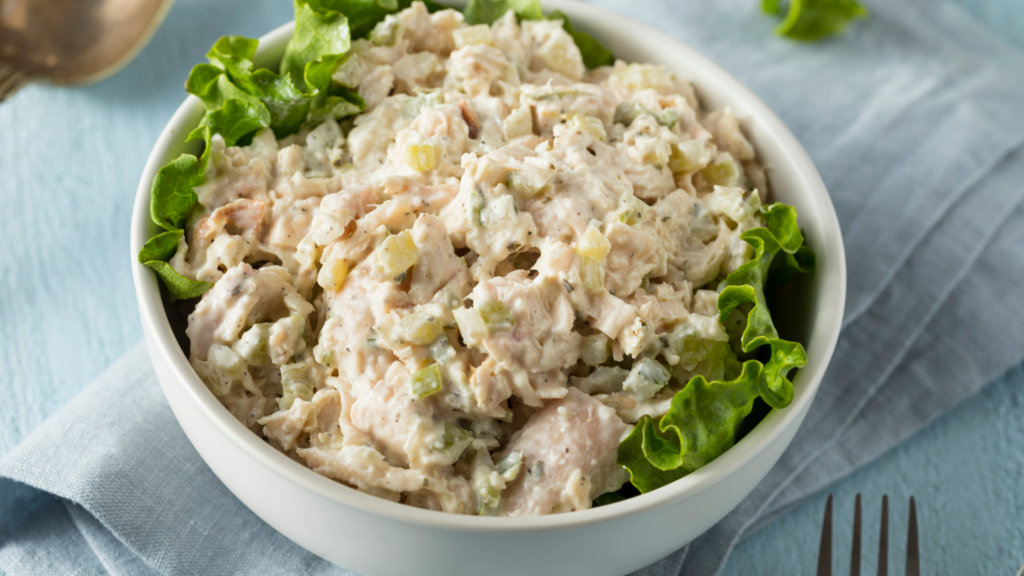
    Can Dogs Eat Chicken Salad2 |
    Can Dogs Eat Chicken Salad?

    Chicken is a common protein source in many commercial dog foods, and many dogs love the taste of this versatile meat.

    However, when it comes to chicken salad, the answer is a bit more complicated.

    Chicken salad often contains other ingredients, such as Mayonnaise, onions, grapes, or nuts, which may be unsafe for dogs to consume in large quantities.

    Potential Health Benefits of Chicken for Dogs

    Chicken is an excellent protein source for dogs, essential for building and maintaining strong muscles.

    It also contains vital vitamins and minerals, such as vitamin B6, phosphorus, and selenium, that can help support your dog’s overall health.

    Potential Risks of Feeding Chicken Salad to Dogs

    While chicken can be a healthy addition to your dog’s diet, many ingredients commonly found in chicken salad can be dangerous.

    For example, onions and grapes are toxic to dogs and can cause serious health problems if consumed in large quantities.

    Conversely, Mayonnaise is high in fat and can cause digestive issues or even pancreatitis if your dog overeats.

    Factors to Consider When Deciding Whether to Feed Your Dog Chicken Salad

    When deciding whether to feed your dog chicken salad, it’s essential to consider the ingredients and your dog’s individual health needs.

    Suppose the chicken salad contains only chicken and other safe ingredients, and your dog has no health issues that would be exacerbated by eating chicken.

    In that case, feeding in small quantities as an occasional treat may be safe.

    However, suppose the chicken salad contains toxic ingredients, or your dog has a sensitive stomach.

    In that case, it’s best to avoid feeding it altogether. As always, it’s essential to consult with your veterinarian before changing your dog’s diet.

    Also Read: The Best Guide to Salmon and Pollock Oil for Dogs

    How to properly introduce new foods to your dog

    When introducing new foods to your dog, it is essential to do so gradually. This allows their digestive system to adjust and reduces the risk of gastrointestinal upset.

    Start by adding a small amount of chicken salad to your dog’s regular food and gradually increase the amount over several days.

    Monitor your dog’s behavior and digestion during this process.

    How much chicken salad can dogs eat?

    While chicken salad can be a tasty treat for your dog, it should only make up a portion of their diet. Limiting treats to 10% of your dog’s daily caloric intake is a good rule of thumb.

    Additionally, the serving size of chicken salad should be appropriate for your dog’s size and weight. Consult your veterinarian to determine your dog’s proper portion size and frequency.

    Can dogs eat chicken salad with Mayonnaise?
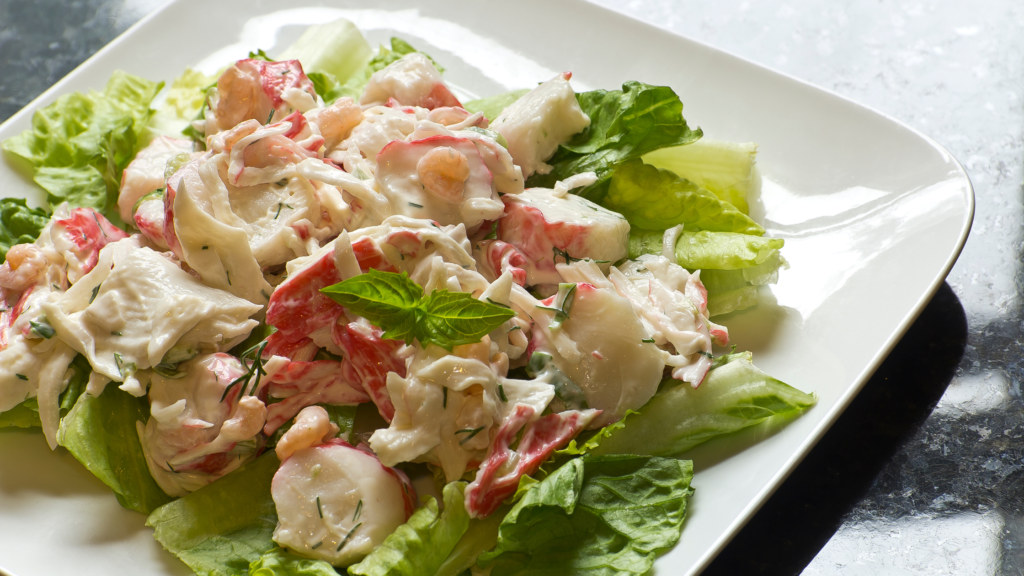
    Can dogs eat chicken salad with Mayonnaise |
    Can dogs eat chicken salad with Mayonnaise?

    Dogs can technically eat a chicken salad with Mayonnaise, but it’s not recommended. Mayonnaise contains a lot of fat and calories, which can lead to weight gain and other health issues in dogs if consumed in excess.

    Additionally, many commercial Mayonnaise brands contain additives and preservatives that can harm dogs.

    If you want to feed your dog chicken salad, it’s best to use plain, cooked chicken and other dog-friendly ingredients.

    You can also use a small amount of plain yogurt or cottage cheese instead of Mayonnaise as a healthier alternative.

    Suppose you have concerns about feeding your dog chicken salad or other human food. In that case, it’s best to consult with your veterinarian.

    It’s always important to remember that even if an ingredient is safe for dogs to eat, it should be given in moderation and as part of a balanced diet.

    Can dogs eat chicken salad sandwiches?
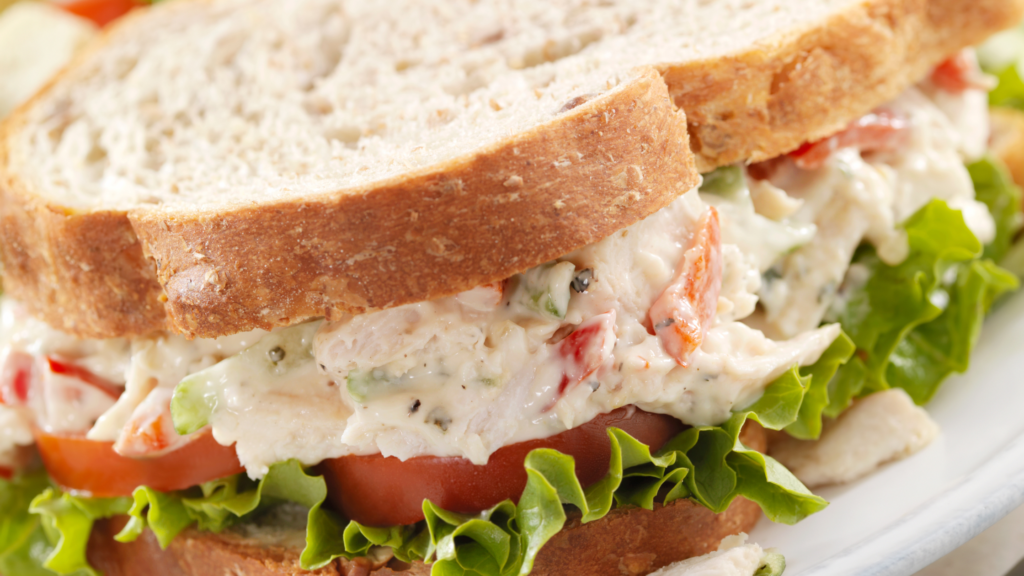
    Can dogs eat chicken salad sandwiches |
    Can dogs eat chicken salad sandwiches?

    While it’s generally not recommended to feed dogs human foods like chicken salad sandwiches, the answer depends on the specific ingredients used in the sandwich.

    Suppose the sandwich contains only chicken, bread, and perhaps some vegetables like lettuce or tomato. In that case, it may be safe for dogs to eat in moderation.

    However, chicken salad sandwiches typically contain additional ingredients like Mayonnaise, onions, and celery, which are unsafe for dogs to consume.

    Mayonnaise, in particular, contains a high amount of fat, which can cause gastrointestinal issues for dogs and potentially lead to pancreatitis.

    Onions and garlic, often used as flavoring agents in chicken salad sandwiches, can be toxic to dogs in large amounts and cause damage to their red blood cells.

    Therefore, while small amounts of the plain chicken sandwich may be okay for dogs to consume, it’s best to avoid giving them chicken salad sandwiches or any human foods that contain potentially harmful ingredients.

    Instead, stick to a well-balanced and nutritionally complete diet specifically formulated for dogs.

    Homemade chicken salad recipes for dogs

    While chicken salad can be a tasty treat for dogs, it’s essential to remember that not all ingredients in human chicken salad recipes may be safe for dogs. Here are two simple homemade chicken salad recipes that are both safe and nutritious for your furry friend:

    Simple Chicken Salad

    Ingredients:

    • 2 cups cooked and shredded chicken
    • 1/2 cup cooked and mashed sweet potato
    • 1/2 cup cooked and mashed green beans
    • 1 tablespoon olive oil

    Instructions:

    1. Combine all ingredients in a bowl and mix well.
    2. Serve in small portions as a treat or a meal topper.

    Chicken and Rice Salad

    Ingredients:

    • 2 cups cooked and shredded chicken
    • 1/2 cup cooked brown rice
    • 1/2 cup cooked and diced carrots
    • 1/2 cup cooked and chopped green beans
    • 1 tablespoon olive oil

    Instructions:

    1. Combine all ingredients in a bowl and mix well.
    2. Serve in small portions as a treat or a meal topper.

    Both recipes provide your dog a healthy balance of protein, fiber, and healthy fats. However, it’s always essential to consult your veterinarian before changing your dog’s diet, including introducing new foods or treats.

    Alternatives to chicken salad for dogs

     If you’re looking for an alternative to chicken salad for your dog, there are plenty of options. Cooked, plain chicken is a healthy and tasty treat that can be added to your dog’s regular food.

    Other options include vegetables such as green beans or carrots and fruits such as apples or bananas. It’s always a good idea to check with your veterinarian before introducing new foods to your dog’s diet.

    Also Read: Are Peonies Toxic to Dogs? What You Need to Know

    Conclusion

    In conclusion, while chicken can be a healthy addition to your dog’s diet, chicken salad is not recommended.

    Chicken salad often contains ingredients harmful to dogs, such as onions, garlic, grapes, and raisins.

    Additionally, chicken salad is usually high in fat and sodium, which can lead to obesity and other health problems in dogs.

    It is essential to always be mindful of what you are feeding your dog and avoid feeding them potentially harmful human foods.

    If you want to give your dog chicken, it is best to stick with plain, cooked chicken without any added seasonings or sauces.

    Suppose you have any concerns about your dog’s diet or health. In that case, it is always best to consult your veterinarian for personalized advice.

    Remember that your dog’s diet should primarily consist of high-quality, balanced food that meets its nutritional needs.
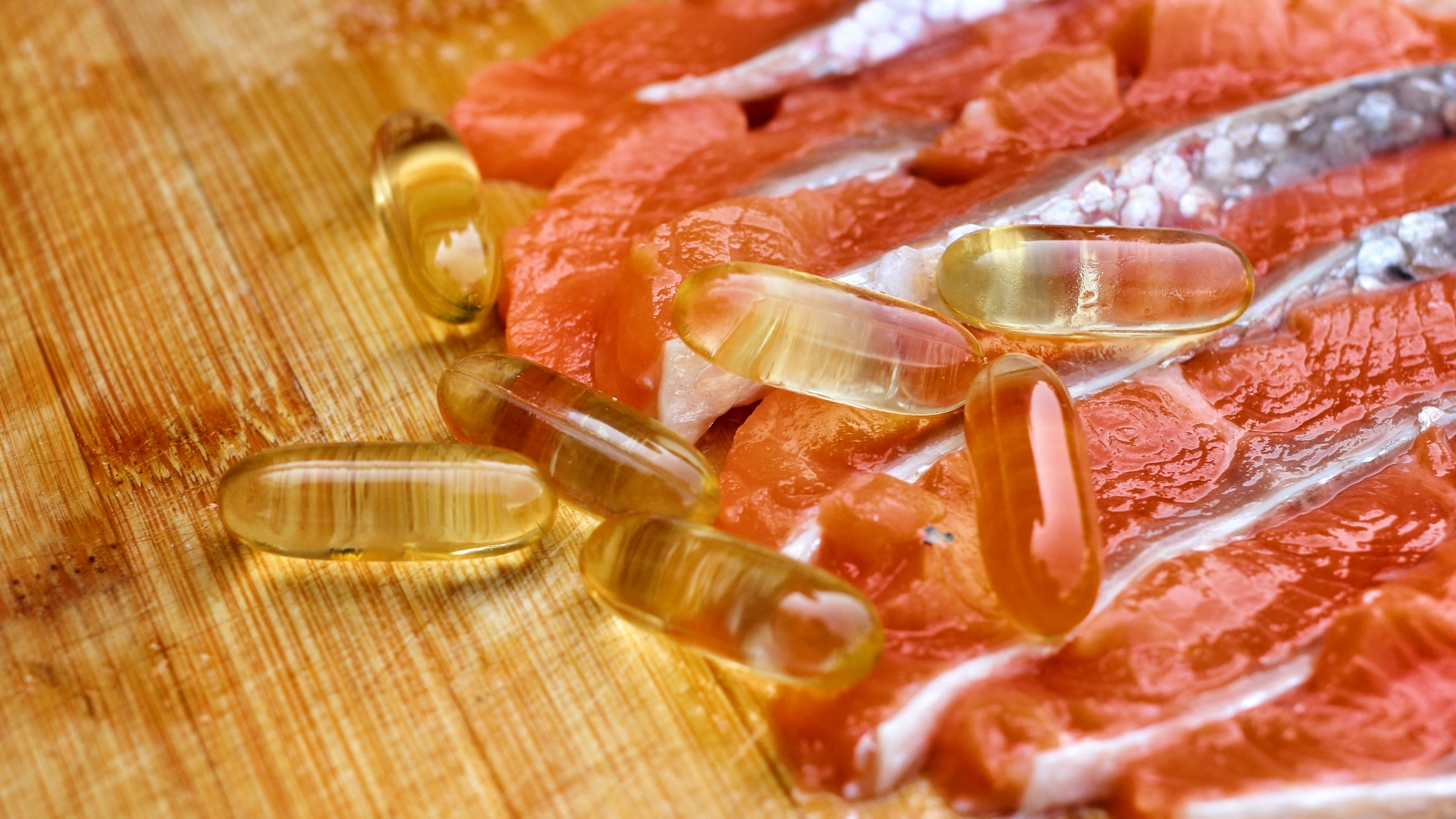
  • The Best Guide to Salmon and Pollock Oil for Dogs

    The Best Guide to Salmon and Pollock Oil for Dogs

    If you’re looking for a natural way to boost your dog’s health, consider adding salmon and pollock oil to their diet. These oils are packed with omega-3 fatty acids, which can provide a range of benefits for your furry friend. This comprehensive guide will explore everything you need to know about salmon and pollock oil for dogs, including the benefits, dosage guidelines, and more.

    What are salmon and pollock oil?

    What are salmon and pollock oil |
    What are salmon and pollock oil?

    Salmon and pollock oil are two fish oil types commonly used as supplements for dogs. These oils are rich in omega-3 fatty acids, which have a range of health benefits for dogs. Salmon oil is made from the fatty tissues of salmon. In contrast, pollock oil is made from the fatty tissues of pollock, a whitefish commonly found in the northern Pacific Ocean. Both types of oil are often used interchangeably as sources of omega-3s for dogs. Still, there are some differences in their nutritional profiles and how they are sourced and processed.

    Is salmon and pollock oil good for dogs?

    Yes, salmon and pollock oil can be very beneficial for dogs. Both of these oils are rich in omega-3 fatty acids, essential for maintaining good health in dogs.

    Omega-3s can help support a dog’s cognitive function, joint health, and immune system and improve their skin and coat.

    In addition, salmon and pollock oil contain vitamin E, a powerful antioxidant that can help protect against free radical damage.

    It’s important to note that not all salmon and pollock oils are created equal, and choosing a high-quality product that is free from contaminants and sustainably sourced is essential.

    Additionally, following dosage guidelines and monitoring your dog for adverse reactions is necessary.

    Suppose you have any concerns about giving your dog salmon or pollock oil. In that case, you should consult your veterinarian to determine if it’s appropriate for your dog’s needs.

    Understanding the differences between salmon and pollock oil for dogs

    Understanding the differences between salmon and pollock oil is essential when deciding which is best for your dog. While both oils are rich in omega-3 fatty acids, they differ in their nutritional profiles and in how they are sourced and processed.

    The nutritional profile of salmon oil

    Salmon oil is known for its high levels of EPA (eicosapentaenoic acid) and DHA (docosahexaenoic acid), two types of omega-3 fatty acids that are essential for dogs.

    These fatty acids have been shown to have a range of health benefits, including reducing inflammation, improving cognitive function, and supporting heart health.

    Salmon oil also contains vitamin D and astaxanthin, a powerful antioxidant that can help protect cells from damage.

    The nutritional profile of pollock oil

    Pollock oil is also high in EPA and DHA. However, it typically contains slightly lower levels of these fatty acids than salmon oil. However, pollock oil is a good source of vitamin E. This antioxidant can help support immune function and protect cells from damage.

    Which oil is best for your dog? 

    Both salmon and pollock oil can be good sources of omega-3s for dogs, and the choice between the two may depend on a variety of factors, such as availability, cost, and personal preference.

    Some dogs may also have specific health needs that may make one oil a better choice than the other.

    It’s always a good idea to consult with your veterinarian before starting your dog on any new supplement, including salmon or pollock oil, to ensure it’s the right choice for your dog’s specific needs.

    Also Read: Are Peonies Toxic to Dogs? What You Need to Know

    The benefits of omega-3 fatty acids for dogs

    The benefits of omega-3 fatty acids for dogs are numerous. Omega-3s are essential fatty acids that cannot be produced by the body and must be obtained through diet or supplements.

    Omega-3s have been shown to have anti-inflammatory effects, which can help to reduce inflammation throughout the body, including in the joints.

    This makes omega-3s popular for dogs with joint issues, such as arthritis. In addition, omega-3s have been linked to improved brain health and cognitive function in dogs and support a healthy immune system.

    Common health issues that salmon and pollock oil can help with

    Common health issues that salmon and pollock oil can help with include allergies, dry skin, and coat problems.

    Omega-3s have anti-inflammatory effects that can help reduce itching and inflammation associated with allergies.

    They can also help improve the skin and coat, making it healthier and shinier. Omega-3s have also been shown to benefit dogs with kidney and heart disease.

    The impact of omega-3s on cognitive function and brain health

    The impact of omega-3s on cognitive function and brain health is an essential consideration for dog owners.

    Omega-3s are important for developing and maintaining the nervous system, and they can help improve memory, learning, and problem-solving skills in dogs.

    Additionally, omega-3s have been shown to have protective effects on the brain, reducing the risk of age-related cognitive decline.

    How omega-3s can support your dog’s immune system

    Omega-3s can support your dog’s immune system by helping to reduce inflammation and boost the production of immune cells.

    This can help to protect your dog against infections and other diseases. Omega-3s have also been shown to have anti-cancer effects, reducing the risk of some types of cancer in dogs.

    The role of omega-3s in joint health and mobility

    The role of omega-3s in joint health and mobility is another important consideration for dog owners.

    Omega-3s have been shown to have anti-inflammatory effects that can help to reduce joint pain and stiffness, making it easier for dogs to move around and stay active.

    This can benefit older dogs or dogs with arthritis or other common issues.

    How salmon and pollock oil can improve your dog’s skin and coat

    Omega-3s have been shown to help reduce dryness and itching associated with skin allergies and improve the overall health and shine of your dog’s coat.

    Finally, salmon and pollock oil can improve your dog’s skin and coat. This can help your dog look and feel better and reduce the risk of skin infections and other issues.

    Dosage guidelines for salmon and pollock oil for dogs

    Dosage guidelines for salmon and pollock oil for dogs |
    Dosage guidelines for salmon and pollock oil for dogs

    Dosage guidelines for salmon and pollock oil are essential when supplementing your dog’s diet with these oils. While both oils are generally considered safe for dogs, it’s vital to ensure that you give your dog the appropriate amount for its size, weight, and specific health needs.

    How much salmon and pollock oil should you give your dog? 

    The recommended dosage for salmon and pollock oil will depend on your dog’s size, weight, and individual health needs. Generally, a good starting point is to give your dog about 1 teaspoon of oil per 10 pounds of body weight per day. However, it’s important to note that this is just a general guideline. You should consult your veterinarian before starting your dog on any new supplement.

    Factors to consider when determining the proper dosage

    Factors to consider when determining the correct dosage include your dog’s age, activity level, and overall health status. Dogs that are more active or have specific health issues may require higher doses of omega-3s than dogs that are less active or healthy. It’s also important to consider any other supplements or medications your dog may take. These can interact with omega-3s and affect the dosage requirements.

    How often should you give your dog salmon or pollock oil? 

    The frequency of supplementation will depend on the specific product you’re using and your dog’s individual needs. Some products recommend daily supplementation, while others suggest less frequent use. It’s essential to follow the manufacturer’s instructions and consult with your veterinarian to determine the appropriate frequency of service for your dog.

    In summary, when supplementing your dog’s diet with salmon or pollock oil, it’s essential to consider the appropriate dosage guidelines. Consult with your veterinarian to determine the right amount and frequency of use based on your dog’s needs and health status.

    Other sources of omega-3 fatty acids for dogs

    While salmon and pollock oil are excellent omega-3 fatty acids for dogs, other essential fatty acids can also benefit your furry friend.

    Flaxseed oil is a plant-based source of omega-3s and can be a good alternative for dogs that are allergic to fish or have other dietary restrictions. However, it’s important to note that the type of omega-3s found in flaxseed oil (alpha-linolenic acid or ALA) is not as easily absorbed by dogs as the EPA and DHA found in fish-based sources.

    Chia seeds are another plant-based source of omega-3s that can be added to your dog’s diet. These tiny seeds are high in fiber and also provide other nutrients like protein and calcium.

    Fish meal is a dried and ground-up form of fish commonly used in pet food as a source of protein and omega-3s. However, it’s important to note that the quality and type of fish used in the meal can vary and may not always be a reliable source of omega-3s.

    Fish-based dog food is another option for providing your dog with omega-3s. These dog foods typically contain fish as the primary protein source. They can provide a well-balanced diet with the essential fatty acids your dog needs.

    In summary, while salmon and pollock oil are excellent sources of omega-3s for dogs, other options are available for dogs with dietary restrictions or preferences. Consult with your veterinarian to determine the best sources of omega-3s for your dog’s needs.

    Tips for introducing salmon or pollock oil to your dog’s diet 

    Introducing salmon or pollock oil to your dog’s diet can significantly boost their omega-3 intake and support their overall health. However, it’s essential to present the oil gradually and correctly to ensure that your dog accepts it and doesn’t experience any digestive upset. Here are some tips for introducing salmon or pollock oil to your dog’s diet:

    • Gradually increase the amount of oil: Start with a small amount (e.g., 1/4 teaspoon) and gradually increase the amount over several days to avoid any digestive upset.
    • Mix the oil with your dog’s food: Mix it with your dog’s regular food to make it more palatable and easier to consume. This can also help mask any fishy taste or smell your dog may find unappealing.
    • Choose a flavored oil that your dog will enjoy: Some salmon or pollock oils come in flavored varieties, such as salmon or beef, making them more appealing. Alternatively, add a small amount of low-sodium chicken or beef broth to the oil to enhance the flavor.
    • Consider using a dropper or syringe: If your dog hesitates to eat the oil mixed with their food, you can try using a dropper or syringe to administer it directly into their mouth. This can be especially helpful for dogs that are picky eaters or have trouble consuming liquids.

    Introducing salmon or pollock oil to your dog’s diet can significantly support their health. By following these tips, you can help ensure that your dog accepts the oil and benefits from its many nutritional properties.

    Risks and side effects of giving your dog salmon or pollock oil

    While salmon and pollock oil can offer numerous health benefits for dogs, there are also some potential risks and side effects to be aware of. Here are some potential risks and side effects of giving your dog salmon or pollock oil:

    • Potential interactions with medications: Omega-3 fatty acids can have blood-thinning effects and may interact with certain medications, such as blood thinners. If your dog is taking medication, consult your veterinarian before adding salmon or pollock oil to their diet.
    • Digestive issues: Some dogs may experience digestive problems, such as diarrhea or vomiting, when first introduced to salmon or pollock oil. To minimize the risk of digestive upset, gradually and in small amounts, introduce the oil and constantly monitor your dog for adverse reactions.
    • Allergic reactions: While rare, some dogs may be allergic to salmon or pollock oil. Signs of an allergic reaction may include itching, hives, swelling, or difficulty breathing. If your dog shows any of these signs, discontinue the use of the oil and consult with your veterinarian.

    In summary, while the risks and side effects of salmon and pollock oil for dogs are generally minimal, it’s essential to be aware of potential interactions with medications and the possibility of digestive issues or allergic reactions. Monitor your dog for any adverse reactions. Always consult your veterinarian before adding new supplements or dietary changes to your dog’s routine.

    Choosing a high-quality salmon or pollock oil for your dog

    When choosing a salmon or pollock oil for your dog, selecting a high-quality product that is safe, nutritious, and sustainably sourced is essential. Here are some tips for choosing a high-quality salmon or pollock oil for your dog:

    • Choose a reputable brand: Look for a brand with a good reputation and positive reviews from other dog owners. Avoid products that have a lot of negative feedback or that are produced by companies with a history of poor quality control.
    • Avoid oils treated with chemicals: Some oils may be treated with chemicals to increase their shelf life or improve their appearance. However, these chemicals can be harmful to your dog’s health. Look for oils free from additives or chemicals and processed using gentle, natural methods.
    • Ensure that the oil is sourced from sustainable fisheries: It’s essential to choose a sustainably sourced product to minimize the impact on the environment and ensure that fish populations are not depleted. Look for products certified by organizations such as the Marine Stewardship Council (MSC) or the Aquaculture Stewardship Council (ASC), ensuring that the fish is sourced from sustainable fisheries.
    • Check the nutritional profile: Look for salmon or pollock oil rich in omega-3 fatty acids, particularly EPA and DHA. The oil should also be high in protein and low in saturated fat. Some oils may also be fortified with additional vitamins and minerals to provide nutritional benefits.

    In summary, choosing a high-quality salmon or pollock oil for your dog is essential in ensuring that they receive the maximum health benefits from this nutritious supplement. By selecting a reputable brand, avoiding fats treated with chemicals, and ensuring that the oil is sourced from sustainable fisheries, you can help support your dog’s overall health and well-being.

    Also Read: Can Dogs Eat Lemon Pepper? Is lemon pepper safe for dogs?

    Conclusion

    Salmon and pollock oil can be a great addition to your dog’s diet, providing numerous health benefits that can help keep your furry friend happy and healthy. By following the guidelines outlined in this guide, you can ensure that your dog receives the optimal dosage of these beneficial oils and enjoys all their benefits. You can help your dog live a long, healthy, and happy life with some care and attention.

  • Can Dogs Eat Lemon Pepper? Is lemon pepper safe for dogs?

    Can Dogs Eat Lemon Pepper? Is lemon pepper safe for dogs?

    As a dog owner, you must be mindful of what you feed your furry friend. While some human foods are safe for dogs, others can be harmful or toxic. If you’re wondering whether Can Dogs Eat Lemon Pepper? Is lemon pepper safe for dogs? Read on to learn more about the potential risks and benefits.

    What is lemon pepper?

    What is lemon pepper |
    What is lemon pepper?

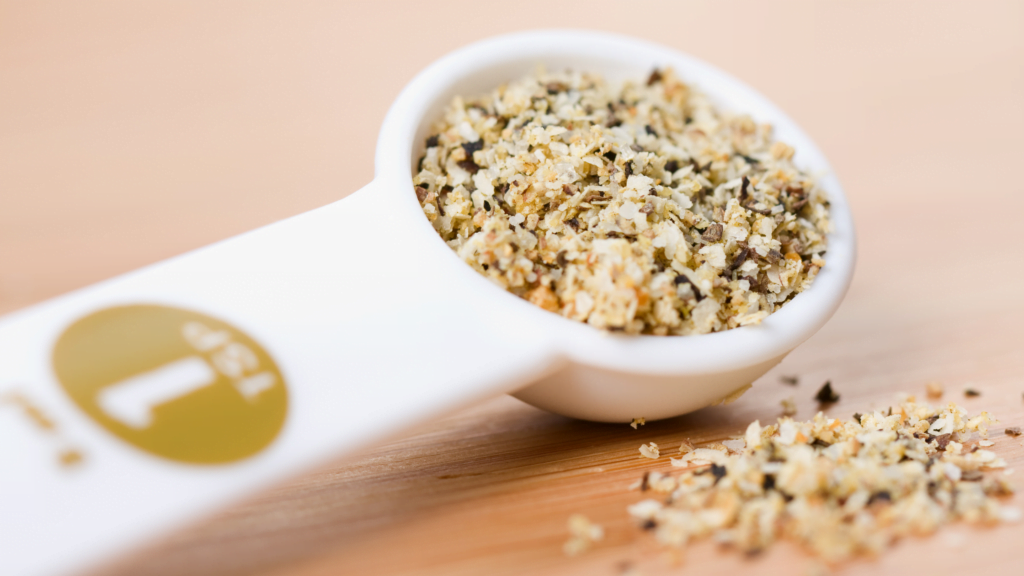
    Lemon pepper is a seasoning blend commonly used in cooking to add flavor to various dishes. It is typically made by combining dried and ground lemon zest with black pepper and sometimes other spices such as garlic or onion powder. Lemon pepper has a tangy and slightly sweet flavor, with mild heat from the black pepper. It is often used to season poultry, seafood, vegetables, and salads. While it is popular in human cuisine, it’s important to understand whether lemon pepper is safe for dogs.

    Can Dogs Eat Lemon Pepper? Is lemon pepper safe for dogs?

    Lemon pepper seasoning contains ingredients that may be unsafe for dogs, including black pepper and potentially high amounts of sodium. While a small amount of lemon pepper seasoning is unlikely to cause harm to your dog, it is generally recommended to avoid feeding your dog any human food that contains spices or herbs. This is because dogs have different digestive systems and nutritional requirements than humans, and some foods that are safe for us can be harmful or toxic to dogs.

    Also, due to the high sodium content, lemon pepper may not be suitable for dogs with certain health conditions, such as kidney disease or hypertension. It’s always best to consult your veterinarian before introducing new foods or seasonings into your dog’s diet to ensure it is safe and appropriate for your furry friend.

    Also Read: Are Orbeez Toxic to Dogs? A Comprehensive Guide

    Potential risks of feeding lemon pepper to dogs

    Feeding lemon pepper seasoning to dogs can potentially cause several risks and health concerns, including:

    • Digestive upset: After consuming lemon pepper seasoning, dogs may experience digestive upset, including vomiting or diarrhea. This can be due to the high levels of salt and spices in the herb.
    • Sodium toxicity: Lemon pepper seasoning often contains high sodium levels, which can harm dogs in large quantities. Dogs with preexisting health conditions, such as kidney or heart disease, are particularly susceptible to sodium toxicity.
    • Allergic reactions: Dogs may be allergic to one or more of the ingredients in lemon pepper seasoning, such as black pepper or garlic. Allergic reactions can cause symptoms such as itching, hives, and swelling.
    • Pancreatitis: The high-fat content of some lemon pepper seasoning blends can increase the risk of pancreatitis in dogs. This serious condition can cause abdominal pain, vomiting, and loss of appetite.
    • Obesity: Feeding your dog foods high in salt, spices, and fat, like lemon pepper seasoning, can contribute to weight gain and obesity, leading to other health problems such as diabetes, joint issues, and heart disease.

    It’s always best to avoid feeding your dog lemon pepper seasoning and other human foods that contain spices and herbs. If you suspect your dog has consumed lemon pepper or any other harmful food, seek veterinary attention immediately.

    Health benefits of lemon pepper for dogs

    While lemon pepper seasoning may not be safe for dogs to consume in large quantities, some potential health benefits are associated with the individual ingredients in the seasoning. Here are a few examples:

    • Lemon zest: Lemon zest contains high levels of vitamin C and antioxidants, which can support your dog’s immune system and help protect against free radical damage.
    • Black pepper: Black pepper has antibacterial properties and can help improve digestion and nutrient absorption. In small amounts, it may also help relieve inflammation and pain.
    • Garlic: While garlic is not recommended in large amounts, small amounts can provide some health benefits for dogs, such as supporting the immune system and preventing heart disease.

    It’s important to note that these health benefits can be obtained from other, safer foods and supplements specifically formulated for dogs. Please speak with your veterinarian about incorporating safe, nutritious foods and supplements into your dog’s diet to promote their health and well-being.

    Alternatives to lemon pepper for adding flavor to your dog’s food

    If you want to add some flavor to your dog’s food, many safe and healthy options exist. Here are a few alternatives to lemon pepper seasoning:

    • Low-sodium broth: Adding a small amount of chicken or beef broth to your dog’s food can provide a tasty flavor boost without the added sodium and spices.
    • Fresh herbs: Adding fresh herbs like parsley, basil, or cilantro can provide flavor and beneficial nutrients for your dog. Just be sure to chop them finely and only add a small amount.
    • Natural spices: Some natural spices, such as turmeric, ginger, and cinnamon, can be added to your dog’s food in small amounts for flavor and potential health benefits.
    • Fresh fruits and vegetables: Adding fresh fruits and vegetables to your dog’s diet can provide a range of vitamins, minerals, and antioxidants while adding natural sweetness and flavor to their meals.

    Always introduce new foods and flavors to your dog’s diet slowly and in small amounts, and consult your veterinarian before making any significant changes.

    Tips for feeding your dog a healthy and balanced diet

    Tips for feeding your dog a healthy and balanced diet |
    Tips for feeding your dog a healthy and balanced diet

    Feeding your dog a healthy and balanced diet is essential for their health and well-being. Here are some tips to help ensure your dog is getting the nutrients they need:

    • Choose high-quality dog food: Look for food made with high-quality ingredients, including real meat, vegetables, and fruits. Avoid dog food that contains fillers, artificial preservatives, and colors.
    • Consider your dog’s age and health: Dogs have different nutritional needs depending on their age, size, and health conditions. Consider these factors when choosing dog food, and talk to your veterinarian if you have any concerns.
    • Avoid feeding your dog human food: While some human foods are safe for dogs in small amounts, it’s generally best to avoid feeding your dog from your plate. Human food can be high in calories, sodium, and unhealthy fats.
    • Provide fresh, clean water: Ensure your dog has access to fresh, clean water.
    • Measure your dog’s food: Feeding your dog too much can lead to obesity and other health problems. Use a measuring cup to provide the right food for your dog’s size and activity level.
    • Incorporate healthy snacks: Treats should comprise at most 10% of your dog’s diet. Choose nutritious snacks like fresh fruits and vegetables or dog-specific treats with high-quality ingredients.
    • Consider adding supplements: Certain supplements, such as omega-3 fatty acids or joint support supplements, may benefit your dog’s health. Talk to your veterinarian about which accessories may be appropriate for your dog.

    Always consult your veterinarian before making any significant changes to your dog’s diet, and regularly monitor your dog’s weight and overall health.

    What to do if your dog accidentally eats lemon pepper

    If you suspect your dog has accidentally eaten lemon pepper seasoning, monitoring them closely for any signs of illness or discomfort is important. Here are some steps you can take:

    • Remove any remaining lemon pepper seasoning: If your dog has access to the lemon pepper seasoning, remove it from their reach to prevent them from consuming any more.
    • Observe your dog’s behavior: Watch for any signs of illness or discomfort, such as vomiting, diarrhea, or lethargy.
    • Contact your veterinarian: If you notice any concerning symptoms or are unsure whether the lemon pepper seasoning could harm your dog, contact your veterinarian immediately. They can advise you on the best course of action based on your dog’s circumstances.
    • Provide water: Ensure your dog can access fresh, clean water to stay hydrated.
    • Be prepared for a vet visit: If your dog has consumed a lot of lemon pepper seasoning or is showing severe symptoms, your veterinarian may recommend bringing them in for an evaluation and potential treatment.

    Remember that prevention is always the best approach to keeping your dog safe and healthy. Keep harmful foods and substances out of your dog’s reach, and monitor them closely to prevent accidental ingestion.

    Also Read: Are Dogs Allowed in Kroger? Can You Bring Your best Friend to the Store?

    Conclusion: Making informed choices about what to feed your dog

    As dog owners, it’s our responsibility to make informed choices about what to feed our furry friends. While some foods, like lemon pepper seasoning, may be safe in small amounts, it’s important to be aware of the potential risks and always avoid caution. When feeding your dog, focus on providing a high-quality, balanced diet that meets its nutritional needs. Incorporate healthy snacks and supplements as appropriate, and always consult your veterinarian before making any significant changes to your dog’s diet. By taking these steps, you can help ensure your dog stays healthy and happy for years.
  • Can Dogs Eat Venison? Best Guide

    Can Dogs Eat Venison? Best Guide

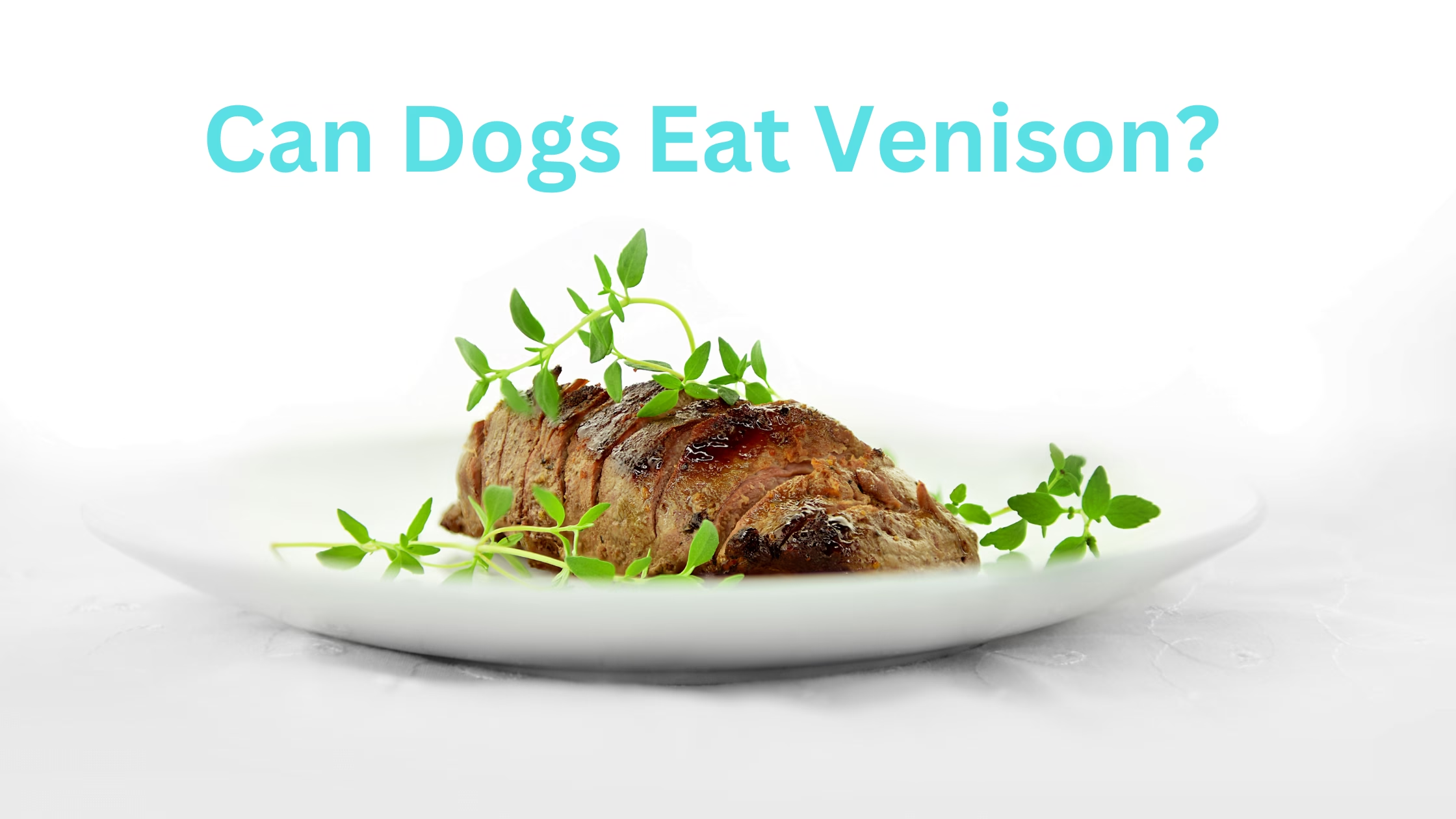
    Venison is meat from deer and is often considered a human delicacy. But what about dogs? As a pet owner, you may wonder if it’s safe for your furry friend to eat venison. This article will explore the topic of dogs and venison, including whether can dogs eat venison?, the nutritional benefits and risks, and how to safely incorporate it into their diet.

    Can Dogs Eat Venison?

    Venison is meat from deer, and many dog owners wonder if it’s safe for their furry friends to eat. The good news is that venison is generally safe for dogs to eat, and it’s a common ingredient in many high-quality dog foods. However, some important things to remember if you consider feeding your dog venison.

    Firstly, ensuring the venison is cooked thoroughly before feeding it to your dog is important. Raw or undercooked venison can contain harmful bacteria that can make your dog sick. Additionally, suppose you’re providing your dog with venison bones. In that case, you should always supervise them to ensure they’re not splintering and potentially causing harm.

    When it comes to venison sausage, jerky, liver, or burgers, it’s best to avoid feeding these to your dog. These products often contain added ingredients such as spices, preservatives, and other additives that can harm dogs. Stick to providing your dog with plain, cooked venison meat to ensure their safety and health.

    When prepared and fed correctly, venison can be a healthy and tasty addition to your dog’s diet. However, it’s always a good idea to consult your veterinarian before making any major changes to your dog’s diet to ensure they get all the nutrients they need.

    Also Read: Can Dogs Eat Falafel? Is Falafel Safe for Dogs?

    Potential health benefits of venison for dogs

    Potential health benefits of venison for dogs |
    Potential health benefits of venison for dogs

    Here are some potential health benefits of venison for dogs:

    • High in protein: Venison is a great source of protein, which is essential for building and repairing your dog’s muscles, skin, and other tissues.
    • Low in fat: Venison is typically leaner than beef, pork, and other types of meat, which can benefit dogs that need to lose weight or have digestive issues.
    • Rich in vitamins and minerals: Venison is a good source of B vitamins, zinc, iron, and other essential nutrients supporting your dog’s overall health and well-being.
    • Hypoallergenic: Some dogs are allergic to common proteins like beef or chicken, but venison can be a good alternative as it is less likely to cause allergic reactions.
    • Supports joint health: Venison contains glucosamine and chondroitin, which can help maintain your dog’s joint health and mobility.

    It’s important to note that while venison can provide health benefits, it should always be fed in moderation and as part of a balanced diet. Additionally, suppose your dog has any medical conditions or dietary restrictions. In that case, it’s always a good idea to consult your veterinarian before introducing new foods.

    Potential health risks of venison for dogs

    Potential health risks of venison for dogs |
    Potential health risks of venison for dogs

    While venison can provide some health benefits for dogs, there are also some potential risks to be aware of:

    • Bone fragments: If dogs eat venison bones, they can break and splinter, causing injury to the mouth, throat, or intestines.
    • Digestive issues: Dogs who eat large amounts of venison or who have sensitive stomachs may experience digestive issues such as vomiting, diarrhea, or constipation.
    • Parasites: Wild venison can potentially carry parasites such as E. coli, salmonella, or toxoplasma gondii, which can cause illness in dogs.
    • Game meat intolerance: Some dogs may have an intolerance to game meats such as venison, causing an allergic reaction or other symptoms such as itching, skin irritation, or respiratory distress.
    • High-fat content: Venison can be high in fat, which can lead to weight gain and associated health problems such as pancreatitis or heart disease if consumed in excess.
    • Mercury contamination: If the venison comes from an area with high levels of environmental pollution, it may contain high levels of mercury, which can be harmful to dogs.

    It is important to consult with a veterinarian before adding venison or any other new food to your dog’s diet to ensure that it is safe and appropriate for your dog’s individual needs and health status.

    Can Dogs Eat Venison Bones?

    While venison bones may seem like a tempting treat for your dog, they can pose several risks. Bones can splinter and break apart, which can cause choking, blockages in the digestive tract, or even puncture the digestive system.

    In addition, venison bones are harder than the bones of other animals, which can cause dental problems or even break your dog’s teeth. It’s generally recommended to avoid feeding your dog any type of bone, including venison bones, as the risks outweigh the potential benefits.

    If you decide to give your dog a bone, it’s important to choose a large, raw bone that has not been cooked, as cooked bones are more likely to splinter. Even then, it’s important to supervise your dog carefully and remove the bone if it becomes too small or seems to be having difficulty chewing or swallowing it. It’s always better to err on the side of caution and choose a safer treat for your furry friend.

    Can Dogs Eat Venison Sausage?

    Venison sausage can be a tasty treat for dogs. Still, feeding it in moderation and with some precautions is important. While venison is a lean meat high in protein, it’s often mixed with other ingredients such as spices, salt, and fat to make sausage. These additives can cause stomach upset or pancreatitis in dogs if consumed in large quantities or over a prolonged period.

    If you want to feed your dog venison sausage, choose a high-quality brand that doesn’t contain harmful ingredients, such as onions or garlic. It’s also a good idea to cut the sausage into small pieces and feed it as an occasional treat rather than a regular part of their diet. As with any new food, monitor your dog’s reaction after feeding them venison sausage for the first time. Contact your veterinarian if you notice any signs of digestive upset or other adverse reactions.

    Also Read: Can A Pregnant Dog Jump Around? Best Guide Everything You Need To Know

    Can Dogs Eat Venison Jerky?

    While venison meat is generally safe for dogs, venison jerky is not recommended. This is because most store-bought jerky products, including venison jerky, are heavily processed and contain high amounts of sodium and other preservatives that can harm dogs. Additionally, many jerky products are made with spices and flavorings that can upset a dog’s stomach or cause an allergic reaction.

    If you want to feed your dog venison as a treat, it’s best to give them a small piece of plain, cooked venison meat rather than jerky. This way, you can ensure your dog gets a healthy, nutritious snack without any harmful additives.

    Can Dogs Eat Venison Meat?

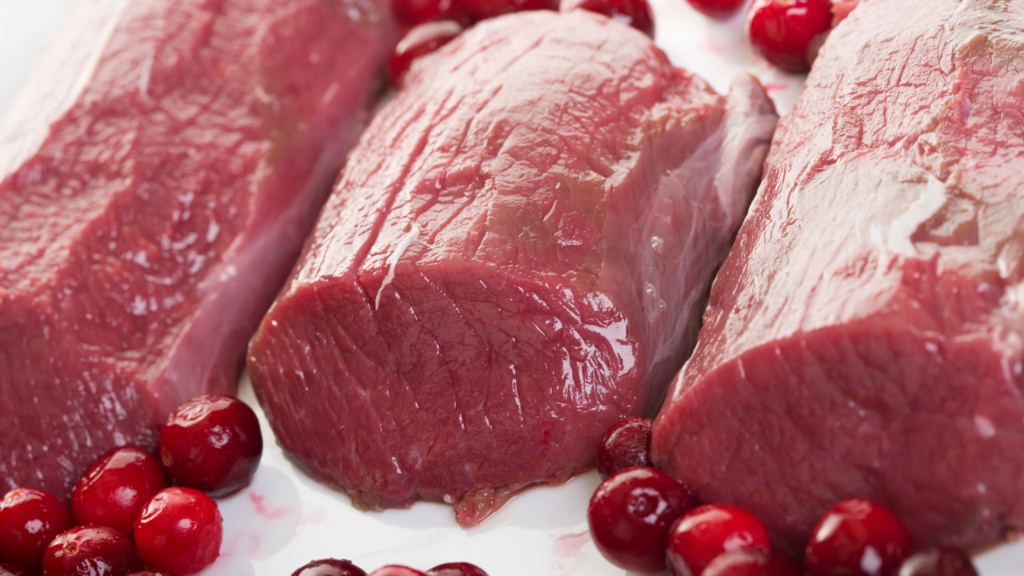
    Yes, dogs can eat venison meat. In fact, venison is a common ingredient in many high-quality dog foods. Venison is a lean protein source that is low in fat and high in essential vitamins and minerals, making it a healthy choice for dogs. It is also a good source of iron, which helps dogs maintain healthy red blood cells. However, ensuring the venison is cooked thoroughly and served without any seasoning or added ingredients that may harm dogs is important. Additionally, it’s always a good idea to consult with your veterinarian before introducing any new food into your dog’s diet, especially if your dog has any pre-existing health conditions.

    Can Dogs Eat Venison Liver?

    While venison liver is safe for dogs to eat in moderation, it should not be a regular part of their diet. The liver is a rich source of nutrients, including protein, iron, and vitamins A and B. However, it also contains high levels of vitamin A, which can be toxic if consumed in large amounts. As with any liver, it’s best to feed it to your dog in small quantities as an occasional treat rather than a mainstay of their diet. If you need help with how much liver to feed your dog or how often, consult your veterinarian for guidance.

    Can Dogs Eat Venison Burger or Hamburger?

    While plain venison meat can be a healthy protein source for dogs, it’s important to be cautious about processed venison products like burgers or hamburgers. These products can contain added seasonings, spices, and other ingredients that may harm dogs. Additionally, the high-fat content in these products can upset a dog’s stomach and lead to pancreatitis.

    Suppose you want to feed your dog a venison burger or hamburger. In that case, it’s best to cook it plain without any added ingredients or seasonings. You should also limit the amount you give to your dog and ensure it’s not a regular part of their diet. As with any new food, monitoring your dog for any signs of an upset stomach or allergic reaction after eating a venison burger or hamburger is important.

    Generally, it’s always best to consult with your veterinarian before introducing new foods to your dog’s diet, especially if your dog has any pre-existing health conditions or dietary restrictions.

    Can Dogs Eat Venison Raw?

    Can Dogs Eat Venison Raw |
    Can Dogs Eat Venison Raw

    Feeding your dog raw meat, including venison, comes with potential risks. While some people advocate for a raw food diet for dogs, certain precautions must be taken to ensure your pet’s safety. Raw meat can contain harmful bacteria like Salmonella and E. coli, which can cause severe illness in dogs and humans. Additionally, feeding your dog a diet solely of raw meat can lead to nutritional imbalances and deficiencies.

    Suppose you choose to feed your dog venison or other raw meat. In that case, it’s important to take precautions to minimize the risk of bacterial infection. This includes handling the meat carefully, storing it at the appropriate temperature, and washing your hands and surfaces that come into contact with the raw meat. It’s also a good idea to consult with a veterinarian or animal nutritionist to ensure your dog receives a balanced and nutritionally complete diet.

    While dogs can technically eat venison raw, it is generally not recommended due to the potential risks involved. It’s important to always prioritize your dog’s health and safety when deciding its diet.

    Conclusion: Can Dogs Eat Venison?

    In conclusion, dogs can eat venison if cooked thoroughly, served bonelessly, and provided in moderation. It is important to consult with your veterinarian before introducing venison or any new food into your dog’s diet. While venison can be a healthy addition to your dog’s diet, it is crucial to ensure that it is sourced from a reputable supplier and is properly prepared to avoid any health risks. By following these guidelines and monitoring your dog’s reactions, you can safely incorporate venison into your dog’s diet and provide them with a nutritious and delicious meal.

  • Can Dogs Eat Falafel? Is Falafel Safe for Dogs?

    Can Dogs Eat Falafel? Is Falafel Safe for Dogs?

    Falafel is a tasty Middle Eastern dish that is becoming increasingly popular worldwide. But for dog owners, the question arises: can dogs eat falafel? While it may seem like a harmless treat to share with your furry friend, it’s essential to know that some ingredients commonly found in falafel can be dangerous to dogs. In this article, we will explore the topic in-depth and answer all your questions about whether or not dogs can safely enjoy falafel.

    What is Falafel and its Nutritional Value for Dogs?

    Falafel is a Middle Eastern dish made from ground chickpeas, herbs, and spices. The mixture is shaped into small balls or patties and deep-fried or baked. Falafel is usually served on pita bread with vegetables, tahini sauce, and hummus.

    Regarding the nutritional value of falafel for dogs, it is essential to note that while chickpeas are a good source of protein, fiber, and vitamins, some other ingredients found in falafel can harm dogs.

    For example, garlic and onions are commonly used in falafel recipes. Still, they contain compounds that can damage a dog’s red blood cells, leading to anemia. Additionally, falafel is often seasoned with spices like cumin and coriander, which can cause digestive upset in some dogs.

    In moderation, chickpeas can be a healthy addition to a dog’s diet, as they provide protein and fiber. Still, it’s essential to be cautious about giving your dog falafel or any food that contains potentially harmful ingredients. As always, it’s best to consult with a veterinarian before introducing new foods into your dog’s diet to ensure they are safe and appropriate for your pet.

    Chickpeas in Falafel – Safe or Harmful for Dogs?

    Chickpeas in Falafel Safe or Harmful for Dogs |
    Chickpeas in Falafel – Safe or Harmful for Dogs?

    Chickpeas are a common ingredient in falafel and can be safe for dogs in moderation. Chickpeas are a good source of protein, fiber, and vitamins, which can help support a dog’s overall health.

    However, it’s important to note that while chickpeas are generally safe for dogs to eat, they can cause digestive upset if consumed in large quantities. Dogs may sometimes experience bloating, gas, or diarrhea after eating chickpeas or other legumes.

    It’s also important to be mindful of how the chickpeas are prepared. Falafel is often deep-fried or baked, which can add extra fat and calories to the dish. If you’re planning to give your dog chickpeas, serving them plain, cooked, and in small quantities is best.

    Additionally, some falafel recipes may contain other ingredients that are harmful to dogs, such as garlic and onions. These ingredients should be avoided as they can cause anemia and other health problems.

    Chickpeas can be a healthy addition to a dog’s diet when given in moderation and prepared correctly. However, it’s essential to be aware of potential digestive issues and to avoid any other harmful ingredients that may be present in falafel or other dishes. Always consult a veterinarian before introducing new foods to your dog’s diet.

    Can Dogs Eat Falafel Seasonings and Spices?

    It depends on the specific seasonings and spices used in the falafel recipe. Some spices commonly used in falafel, such as cumin and coriander, are generally safe for dogs in small quantities. These spices can provide flavor and offer some health benefits, such as aiding digestion.

    However, other spices commonly used in falafel, such as garlic and onion powder, can be toxic to dogs and should be avoided. These ingredients contain compounds that can damage a dog’s red blood cells, leading to anemia.

    Suppose you need clarification on whether a particular seasoning or spice is safe for your dog to eat. In that case, it’s best to err on the side of caution and avoid it. As always, it’s essential to consult with a veterinarian before introducing new foods or spices to your dog’s diet.

    In summary, some falafel seasonings and spices can be safe for dogs in small quantities, while others can be harmful. It’s essential to be aware of the potential risks and to avoid any ingredients that may be toxic to your dog.

    Also Read: Can A Pregnant Dog Jump Around? Best Guide Everything You Need To Know

    Risks of Giving Falafel to Dogs: Digestive and Allergic Reactions

    Several risks are associated with giving falafel to dogs, including digestive and allergic reactions.

    Digestive issues: Falafel contains various ingredients that can cause digestive upset in dogs, including spices, herbs, and oils used in the recipe. Additionally, falafel is often deep-fried or baked, making it high in fat and calories. Consuming too much falafel can lead to symptoms such as vomiting, diarrhea, and stomach discomfort.

    Allergic reactions: Some dogs may be allergic to ingredients in falafel, such as chickpeas, sesame seeds (often used in tahini sauce), or other components in the falafel recipe. Symptoms of an allergic reaction in dogs may include itching, hives, swelling, difficulty breathing, and even anaphylactic shock.

    Toxic ingredients: Falafel may contain harmful ingredients such as garlic and onions, which can damage a dog’s red blood cells, leading to anemia. These ingredients can cause various symptoms in dogs, including lethargy, weakness, pale gums, and loss of appetite.

    In summary, giving falafel to dogs can pose several risks, including digestive upset, allergic reactions, and exposure to toxic ingredients. It’s best to avoid feeding falafel to dogs and stick to dog-safe foods recommended by veterinarians. Suppose you suspect your dog has ingested falafel or any other potentially harmful food. In that case, contacting a veterinarian immediately is essential for advice.

    Safe Foods for Dogs: Falafel Alternatives to Try

    If you’re looking for safe and healthy alternatives to falafel to give your dog, consider several options. Here are a few ideas:

    1. Plain-cooked chickpeas: Chickpeas are a healthy and protein-packed alternative to falafel. You can serve them plain and cooked, in small quantities, as a treat or mixed into your dog’s regular food.
    2. Carrots: Carrots are a great low-calorie snack for dogs, providing a good source of vitamins and fiber. You can serve them raw or cooked but cut them into small pieces to prevent choking.
    3. Green beans: Green beans are another low-calorie option that dogs tend to enjoy. They’re high in fiber and help keep your dog full between meals.
    4. Sweet potatoes: Sweet potatoes are a good source of vitamins, fiber, and antioxidants, and they’re also low in fat. You can serve them cooked and mashed or cut into small pieces and baked as a healthy alternative to potato chips.
    5. Cooked chicken or turkey: Cooked chicken or turkey is a lean source of protein that most dogs enjoy. Just be sure to remove any bones and skin before serving.

    Always consult a veterinarian before introducing new foods to your dog’s diet to ensure they are safe and appropriate for your pet.

    Tips for Sharing Food with Your Dog: Dos and Don’ts

    Tips for Sharing Food with Your Dog Dos and Donts |
    Tips for Sharing Food with Your Dog: Dos and Don’ts

    Sharing food with your dog can be a great way to bond with your furry friend and give them a special treat. However, it’s essential to do so safely and healthily. Here are some dos and don’ts to keep in mind when sharing food with your dog:

    Dos:

    1. Choose dog-safe foods: Stick to dog-safe foods that are recommended by veterinarians, and avoid feeding your dog any human foods that are toxic to dogs.
    2. Offer small amounts: When introducing new foods to your dog’s diet, start with small quantities to see how they react. Too much fresh food can cause digestive upset.
    3. Monitor your dog: Always supervise your dog while eating, and watch for any signs of discomfort or distress.
    4. Use food as a reward: Use small pieces of dog-safe food during training sessions or reinforce good behavior.
    5. Offer variety: Variety is vital to a healthy diet. So, consider rotating different dog-safe foods to keep your dog interested and engaged.

    Don’ts:

    1. Feed your dog table scraps: Feeding your dog table scraps can contribute to weight gain and cause digestive issues. It can also reinforce destructive behaviors, such as begging.
    2. Give your dog bones: Bones can be a choking hazard and cause digestive issues or intestinal blockages.
    3. Offer food high in fat, salt, or sugar: These foods can contribute to obesity and other health problems in dogs.
    4. Share spicy or seasoned food: Spicy or seasoned food can cause digestive upset in dogs, and some spices can even be toxic to dogs.
    5. Feed your dog chocolate, grapes, raisins, onions, or garlic: These foods are toxic to dogs and can cause serious health problems.

    In summary, sharing food with your dog can be a fun and healthy way to bond with your furry friend, as long as you do so safely and responsibly. Always consult a veterinarian before introducing new foods to your dog’s diet. Monitor your dog closely for any signs of discomfort or distress.

    Also Read: Can Takis Kill Dogs? What You Need to Know

    Conclusion: Is Falafel Safe for Dogs? What You Need to Consider.

    In conclusion, while falafel is a popular and delicious food for humans, it is not considered safe for dogs. The risk of digestive upset, allergic reactions, and exposure to toxic ingredients such as garlic and onions make falafel a wrong food choice for dogs.

    Instead, dog owners should stick to dog-safe foods recommended by veterinarians, such as cooked chicken or turkey, plain cooked chickpeas, green beans, sweet potatoes, and carrots. Suppose you suspect your dog has ingested falafel or any other potentially harmful food.

    In that case, contacting a veterinarian immediately is essential for advice. Always consult a veterinarian before introducing new foods to your dog’s diet to ensure they are safe and appropriate for your pet.

  • Can dogs eat Honey Buns? Is Honey toxic for dogs

    Can dogs eat Honey Buns? Is Honey toxic for dogs

    As a dog owner, you may have heard that honey has many health benefits for humans, such as boosting immunity and soothing sore throats. But what about dogs? Can dogs eat Honey Buns? Is honey toxic for dogs? , a popular snack food that contains honey? This article will explore the potential risks and benefits of feeding your dog honey and honey buns.

    What are Honey and Honey Buns?

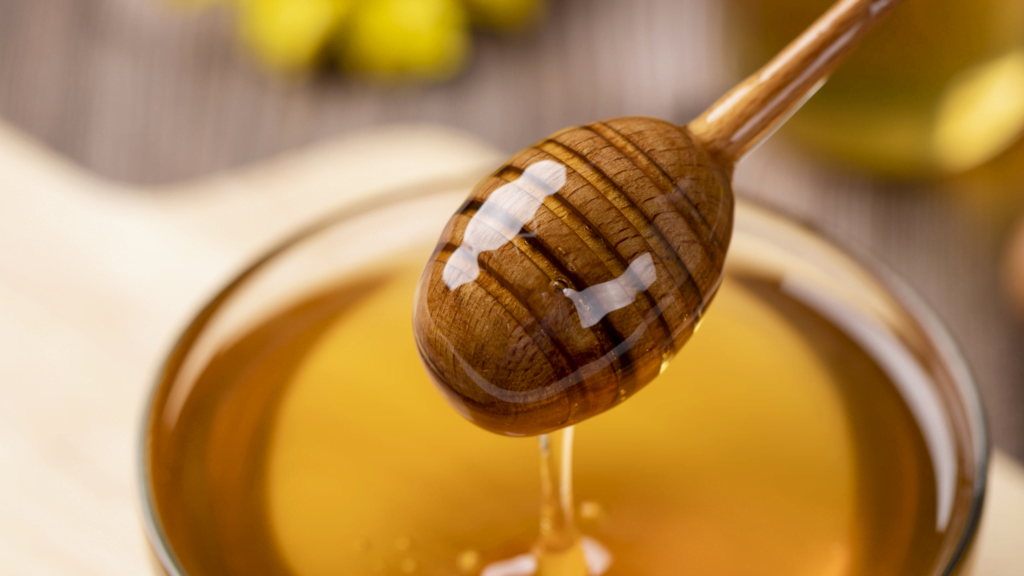
    Honey is a sweet, viscous liquid made by bees from the nectar of flowers. Humans use it as a popular natural sweetener in cooking and baking and a natural remedy for various health issues.

    On the other hand, honeybuns are a popular snack food that contains honey as one of the ingredients. They are typically made from flour, sugar, oil, and honey. They are often sold pre-packaged in convenience stores and supermarkets.

    While honey is a natural and nutritious food for humans, it’s important to remember that dogs have different nutritional needs and digestive systems. Before feeding your dog honey or honey buns, it’s essential to understand the potential risks and benefits, which we’ll explore in the following sections.

    Nutritional Value of Honey and Honey Buns

    Honey is a natural sweetener that contains a variety of nutrients and antioxidants. It’s high in carbohydrates, with one tablespoon of honey containing about 17 grams of carbohydrates. Honey also contains small amounts of vitamins and minerals, such as vitamin C, calcium, and iron.

    The nutritional value of honey buns largely depends on the other ingredients they contain, such as flour, sugar, and oil. Honeybuns, on the other hand, are typically high in calories, sugar, and unhealthy fats. They are not nutritious for humans or dogs and should be consumed in moderation, if at all.

    When it comes to feeding your dog, it’s essential to understand their nutritional needs and provide them with a balanced diet that meets those needs.

    While honey can be a healthy addition to your dog’s diet in moderation, honey buns are not recommended due to their high sugar and fat content.

    Instead, there are other nutritious foods that you can give your dog as a treat or snack, which we’ll explore in the following sections.

    Can Dogs Eat Honey?

    Yes, dogs can eat honey in moderation. Honey is a natural sweetener with antioxidants and anti-inflammatory and antibacterial properties. It’s also a good energy source and can be a healthy addition to your dog’s diet.

    However, it’s important to remember that honey is high in sugar, so it should only be given to your dog in small amounts. Too much honey can lead to weight gain, tooth decay, and other health issues. Additionally, you should avoid giving honey to dogs with diabetes or those who are overweight or obese.

    When giving honey to your dog, it’s best to start with a small amount and monitor their reaction. Some dogs may be allergic to honey or have difficulty digesting it, leading to digestive issues. Suppose your dog experiences adverse reactions after eating honey, such as vomiting or diarrhea. In that case, you should stop giving it to them and consult a veterinarian.

    Is Honey Toxic for Dogs?

    Is Honey Toxic for Dogs |
    Is Honey Toxic for Dogs

    While honey is generally safe for dogs to consume, it can be toxic in certain circumstances. Raw honey, which is unprocessed and unpasteurized, may contain botulism spores that can harm dogs. These spores can grow and produce a toxin called botulinum, leading to botulism, a severe and potentially life-threatening condition.

    To reduce the risk of botulism, it’s recommended that you only give your dog commercially available honey that has been pasteurized and processed. Additionally, you should avoid giving honey to puppies under one-year-old. Their immune systems are not fully developed and may be more susceptible to botulism.

    It’s also important to remember that honey is high in sugar, so it should only be given to your dog in moderation. Too much honey can lead to weight gain, tooth decay, and other health issues. If you’re unsure whether honey is safe for your dog to consume, you should consult a veterinarian.

    Can Dogs Eat Honey Buns?

    Giving honey buns or other similar human snacks to dogs is not recommended. Honey buns are typically high in calories, sugar, and unhealthy fats, which can lead to weight gain, obesity, and other health issues in dogs. Additionally, honey buns often contain other ingredients, such as chocolate or raisins, which can be toxic to dogs.

    While a small amount of honey bun as an occasional treat is unlikely to cause harm to your dog, it’s best to avoid feeding them to your pet altogether. Instead, there are other nutritious and safe treats that you can give your dog, such as fruits, vegetables, or specially-made dog treats that are low in sugar and calories.

    Suppose you suspect your dog has consumed a significant amount of honey buns or any other food that may be harmful to them. In that case, you should contact your veterinarian immediately.

    Also Read: Can Takis Kill Dogs? What You Need to Know

    Potential Risks of Feeding Honey and Honey Buns to Dogs

    While honey can be a healthy addition to your dog’s diet in moderation, there are potential risks associated with feeding honey and honey buns to dogs.

    One of the main risks associated with honey is the potential for botulism, a severe and potentially life-threatening condition.

    Raw honey may contain botulism spores that can grow and produce a toxin called botulinum, which can lead to botulism.

    To reduce the risk of botulism, it’s recommended that you only give your dog commercially available honey that has been pasteurized and processed.

    Another risk associated with feeding honey and honey buns to dogs is their high sugar content. Too much sugar can lead to weight gain, tooth decay, and other health issues in dogs. Also, honey buns are often high in unhealthy fats, contributing to weight gain and other health problems.

    Finally, honey buns may contain other ingredients, such as chocolate or raisins, which can be toxic to dogs. Chocolate can harm dogs and cause vomiting, diarrhea, and other symptoms, while raisins can cause kidney failure.

    To ensure the health and safety of your dog, it’s best to avoid feeding them honey buns and other human snacks high in sugar, unhealthy fats, or potentially toxic ingredients. Instead, stick to a balanced diet that meets their nutritional needs. Consult with a veterinarian if you have any questions or concerns.

    Benefits of Honey for Dogs

    Benefits of Honey for Dogs |
    Benefits of Honey for Dogs

    Honey can offer several potential benefits for dogs when given in moderation.

    Firstly, honey is a natural sweetener that contains antioxidants, which can help to support your dog’s immune system and protect against free radical damage. Honey also has anti-inflammatory and antibacterial properties, which can help to soothe and heal minor cuts and wounds.

    Honey is also a good energy source for dogs. It contains natural sugars that can provide quick energy when needed. Also, honey is a natural cough suppressant that can help soothe a sore throat and reduce coughing.

    Furthermore, honey has been shown to have prebiotic effects, which means that it can help to promote the growth of beneficial bacteria in your dog’s gut and improve its digestive health.

    It’s important to remember that honey should only be given to your dog in small amounts, as it is high in sugar and calories. Additionally, you should always use commercially available honey that has been pasteurized and processed, as raw honey may contain botulism spores that can harm dogs.

    Overall, honey can be a healthy addition to your dog’s diet when given in moderation and as part of a balanced diet.

    Alternatives to Honey and Honey Buns for Dogs

    Suppose you’re looking for safe and nutritious alternatives to honey and honey buns for your dog. In that case, there are several options to choose from:

    • Fresh fruits: Many fruits, such as apples, bananas, blueberries, and watermelon, are safe and healthy for dogs. They are low in calories and high in vitamins and minerals that can benefit your dog’s health.
    • Vegetables: Vegetables like carrots, green beans, and sweet potatoes are also great options for dogs. They are low in calories and high in fiber, vitamins, and minerals.
    • Peanut butter: Peanut butter is a popular and nutritious dog treat, high in protein, healthy fats, and vitamins. However, it’s essential to choose natural peanut butter without added sugar or salt and to give it to your dog in moderation.
    • Yogurt: Plain, unsweetened yogurt is another healthy option for dogs. It is high in protein and contains beneficial probiotics that can improve digestive health.
    • Specially made dog treats: Many commercially available dog treats are specifically formulated to be healthy and nutritious. Look for treats that are low in calories and sugar and contain natural ingredients like chicken, beef, or fish.

    When choosing treats for your dog, it’s essential to read the ingredient label carefully and choose safe and healthy treats for your pet. Additionally, treats should only make up a small portion of your dog’s overall diet rather than replace a balanced and nutritious diet.

    How Much is Honey Safe for Dogs?

    While honey can be a healthy addition to your dog’s diet in moderation, giving it to them in the right amount is essential.

    The recommended serving size of honey for dogs is one teaspoon per day for small dogs and no more than two teaspoons per day for larger dogs. It’s important to remember that honey is high in calories and sugar, so that overfeeding can lead to weight gain and other health issues.

    Additionally, you should always choose commercially available honey that has been pasteurized and processed, as raw honey may contain botulism spores that can harm dogs.

    If you have any concerns about feeding honey to your dog or if they have any underlying health issues, it’s always best to consult with a veterinarian before adding honey to their diet. They can help you determine the correct serving size and ensure that honey is safe for your dog.

    Signs of Allergic Reaction in Dogs

    Like humans, dogs can develop allergies to a wide range of substances, including foods like honey and honey buns. If your dog is allergic to honey, it may exhibit one or more of the following signs of an allergic reaction:

    • Skin irritation: Allergic reactions in dogs often manifest as skin irritations, such as itching, redness, and swelling. Your dog may scratch, lick, or bite at their skin to relieve the discomfort.
    • Digestive problems: Allergies can also affect your dog’s digestive system, causing vomiting, diarrhea, and abdominal pain.
    • Respiratory problems: In some cases, allergies can cause respiratory symptoms in dogs, such as coughing, sneezing, and difficulty breathing.
    • Behavioral changes: Allergies can also cause behavioral changes in dogs, such as lethargy, restlessness, and anxiety.

    If you suspect that your dog has an allergic reaction, it’s essential to seek veterinary care as soon as possible. Your veterinarian can perform a physical exam and diagnostic tests to determine the cause of your dog’s symptoms and provide appropriate treatment. Sometimes, allergic reactions can be life-threatening, so prompt veterinary care is essential.

    Other Human Foods Dogs Should Avoid

    While many human foods are safe and healthy for dogs, some should be avoided as they can be harmful or toxic. Here are some human foods that dogs should avoid:

    • Chocolate: Chocolate contains theobromine, which is toxic to dogs and can cause symptoms like vomiting, diarrhea, tremors, and seizures.
    • Grapes and raisins: Grapes and raisins can cause kidney failure in dogs, even in small amounts.
    • Onions and garlic: contain compounds that can damage dogs’ red blood cells and cause anemia.
    • Avocado: Avocado contains a toxin called persin that can cause vomiting and diarrhea in dogs.
    • Alcohol: Alcohol can cause alcohol poisoning in dogs, leading to symptoms like vomiting, diarrhea, difficulty breathing, and even coma or death.
    • Xylitol: is a sugar substitute commonly found in sugar-free gum, candy, and other products. It can cause a rapid insulin release in dogs, leading to hypoglycemia (low blood sugar), seizures, and liver failure.
    • Fatty foods: High-fat foods like bacon, sausage, and butter can cause digestive upset and pancreatitis in dogs.

    It’s important to remember that dogs have different nutritional needs than humans, and some foods that are safe for us can harm them. Keep potentially harmful foods out of their reach. Always check with your veterinarian before feeding your dog any new foods.

    Importance of a Balanced Diet for Dogs

    A balanced diet is essential for dogs to maintain optimal health and well-being. A diet that provides all the necessary nutrients in the right amounts can help prevent disease, maintain a healthy weight, and promote healthy skin and coats.

    A balanced diet for dogs should consist of the following:

    • Protein: Dogs need protein to build and repair tissue, maintain healthy skin and coat, and support a healthy immune system. High-quality sources of protein include meat, fish, eggs, and legumes.
    • Carbohydrates: Carbohydrates provide energy for dogs and are an essential fiber source, promoting digestive health. Good sources of carbohydrates include whole grains, vegetables, and fruits.
    • Fats: Fats are a concentrated energy source essential for healthy skin and coat, brain function, and hormone production. Good fat sources include fish oil, flaxseed oil, and chicken fat.
    • Vitamins and minerals: Vitamins and minerals are essential for maintaining a healthy immune system, promoting strong bones and teeth, and supporting overall health. Good sources of vitamins and minerals include fruits, vegetables, and supplements.

    A balanced dog diet should also consider their age, breed, size, and activity level. Puppies, for example, need more protein and fat than adult dogs. At the same time, seniors may require fewer calories to maintain a healthy weight.

    If you need to check if your dog’s diet is balanced or if you’re considering changing its diet, it’s always best to consult a veterinarian. They can help you determine the best diet for your dog’s needs and ensure they’re getting all the nutrients they need to stay healthy.

    Tips for Keeping Your Dog Safe and Healthy

    As a pet owner, you must keep your dog safe and healthy. Here are some tips to help you do just that:

    • Provide a balanced diet: As discussed earlier, a balanced diet is essential for dogs to maintain optimal health and well-being. Make sure to provide your dog with a high-quality, nutritious diet that meets its individual needs.
    • Provide fresh water: Make sure your dog has access to clean water at all times. This is especially important during hot weather or if your dog is active.
    • Regular exercise: is essential for maintaining your dog’s physical and mental health. Take your dog for daily walks or runs, play fetch, or engage in other activities that get them moving.
    • Visit the vet regularly: Regular check-ups with a veterinarian can help prevent and detect health issues early on. Ensure your dog is up to date on their vaccinations and preventative care, such as heartworm prevention.
    • Groom your dog: Regular grooming can help keep your dog’s coat healthy and shiny, prevent matting and tangles, and remove parasites like fleas and ticks.
    • Please keep your dog safe: Make sure it is always safe by keeping them on a leash when in public, using a secure fence around your yard, and keeping harmful substances out of its reach.
    • Provide mental stimulation: Dogs need mental stimulation as much as physical exercise. Provide your dog with toys, puzzles, and games that challenge their mind and keep them entertained.

    Following these tips can help keep your dog safe, healthy, and happy for years.

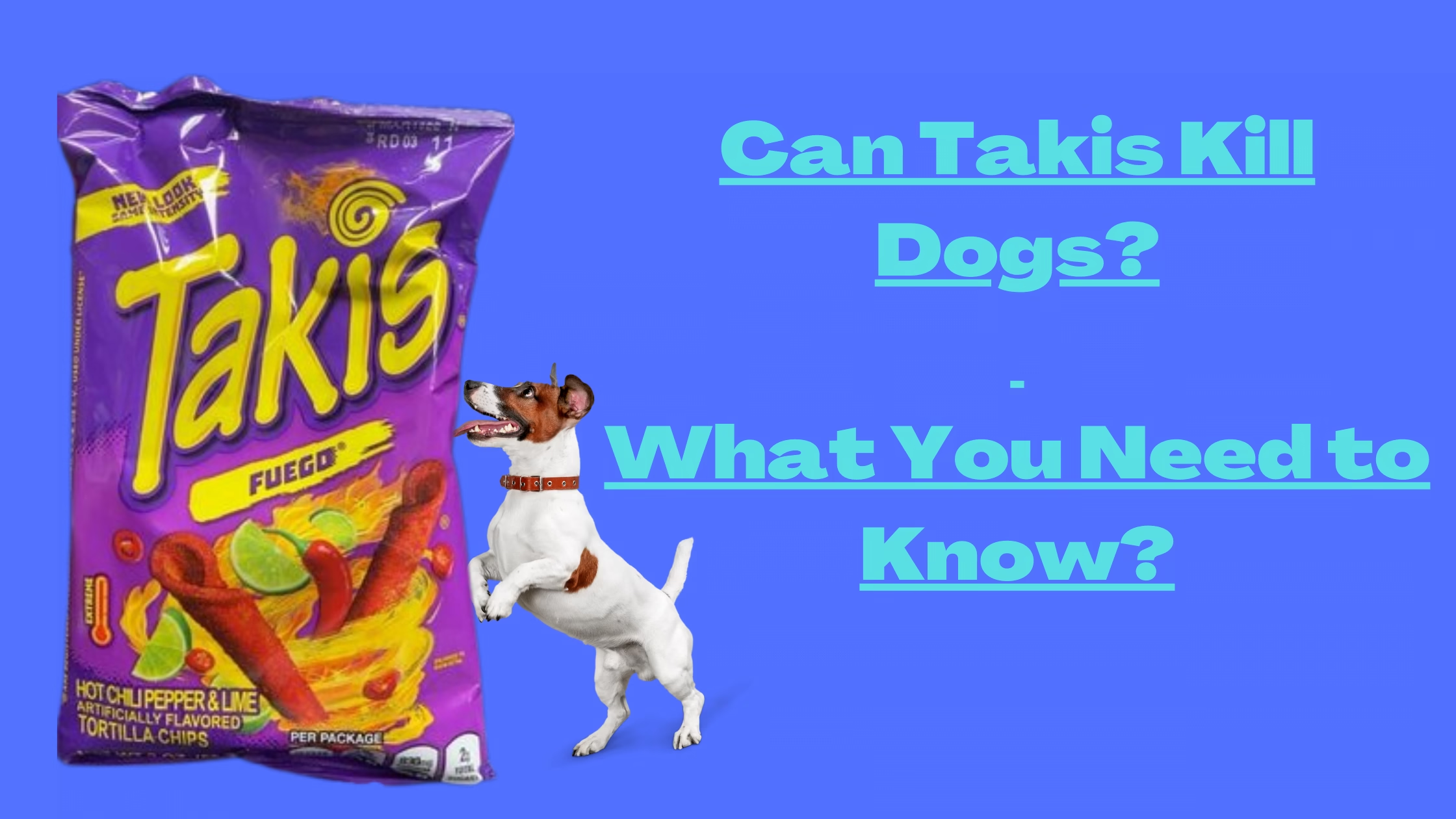
  • Can Takis Kill Dogs? What You Need to Know

    Can Takis Kill Dogs? What You Need to Know

    Takis is a popular spicy snack among humans, but what happens if your dog accidentally eats one? As a responsible pet owner, knowing if Takis are safe for dogs to eat is essential. In this article, we’ll answer common questions such as “Can Takis kill dogs?” ”Can dogs eat takis ?” and “How long does it take for Takis to digest in dogs?” We’ll also explore the potential risks and side effects of dogs eating Takis and what you can do to keep your furry friend safe.

    Can Dogs Eat Takis? Are Takis Bad for Dogs?

    If you’re a Takis fan, you may wonder if your furry friend can enjoy them too. Unfortunately, the answer is no. 

    Takis are a popular snack many enjoy, but what about our furry friends? As a responsible pet owner, it’s essential to understand the potential risks associated with feeding Takis to dogs.

    While Takis are safe for human consumption, they’re unsuitable for dogs. Here’s why:

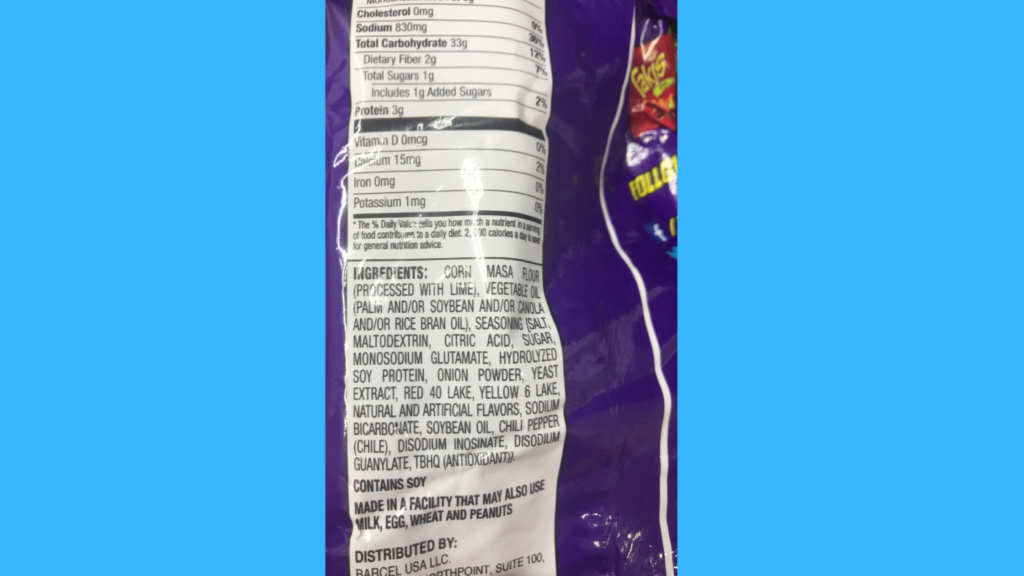
    Ingredients in Takis that could be harmful to dogs

    Ingredients in Takis that could be harmful to dogs |
    Ingredients in Takis that could be harmful to dogs

    One of the primary concerns regarding dogs eating Takis is the high sodium content. Takis are loaded with salt, which can harm dogs in large amounts. Additionally, Takis contain artificial flavors and colors, which may cause adverse reactions in some dogs.

    Why Takis are not suitable food for dogs

    • High salt levels – Takis are known for their bold and spicy flavors but also contain high salt levels. Too much salt can lead to various health problems in dogs, including dehydration, kidney damage, and even death.
    • High in fat – Takis are also high in fat, which can cause your dog to gain weight and lead to obesity.
    • Artificial ingredients – Takis are made with various artificial ingredients, including food colorings, preservatives, and flavorings, which can harm dogs in large quantities.

    Can Takis Kill Dogs?

    As a responsible dog owner, it’s essential to be aware of the potential dangers of certain foods to your furry friend. 

    Takis, a spicy rolled tortilla chip snack, can harm dogs if consumed in large quantities. 

    While one or two Takis may not cause any harm to a dog, a more significant amount could lead to serious health problems or even death.

    The high spices and artificial flavorings in Takis can irritate a dog’s digestive system, leading to vomiting, diarrhea, and stomach pain. 

    Additionally, the high salt content in Takis can lead to salt toxicity in dogs, which can cause seizures, kidney damage, and even death.

    If you suspect your dog has eaten a large amount of Takis, it’s essential to seek veterinary care immediately. Your vet may recommend inducing vomiting or other treatments to minimize the damage caused by the Takis.

    It’s always best to stick to a balanced and healthy diet for your dog and avoid feeding them human snacks like Takis, which can harm their health.

    How Long Does It Take for Takis to Digest in Dogs?

    The digestive process in dogs can vary depending on a variety of factors, including the size of the dog, its age, and its overall health. 

    Dogs generally have a faster digestive system than humans, meaning they can process food more quickly. 

    However, this also means that foods that are difficult to digest can cause problems for dogs. 

    Regarding Takis, these spicy snacks are made with various ingredients that can be difficult for dogs to digest, including corn, vegetable oil, and artificial flavors. 

    As a result, it may take dogs longer to digest Takis than other types of food. 

    While the exact amount of time it takes for Takis to digest in dogs can vary, it’s generally recommended that you avoid feeding Takis or other spicy snacks to your furry friend to prevent digestive issues.

    Can Takis Cause Diarrhea in Dogs?

    Can Takis Cause Diarrhea in Dogs |
    Can Takis Cause Diarrhea in Dogs

    Can Takis Cause Diarrhea in Dogs? Takis are known for their intense spice and flavor but can harm dogs. 

    Eating Takis can cause digestive problems for dogs, including diarrhea. The high level of spices and artificial ingredients in Takis can be difficult for dogs to digest and lead to upset stomachs. 

    Suppose your dog has diarrhea after eating Takis or any other food. In that case, it’s essential to monitor their condition and ensure they drink plenty of water to stay hydrated.

    How Takis can disrupt dogs’ digestive systems

    Takis’s high fat and sodium content can also cause health issues in dogs. Excess sodium can lead to dehydration, while too much fat can cause pancreatitis in dogs. 

    The ingredients in Takis, such as artificial flavors and colors, can also harm dogs over time. These ingredients can lead to obesity, digestive problems, and other health issues.

    What to do if your dog experiences diarrhea after eating a Taki

    If your dog has diarrhea after eating Takis, taking action immediately is essential. You should remove any remaining Takis from your dog’s reach and offer them plenty of water. 

    Monitor your dog’s condition closely and contact your veterinarian if diarrhea persists or if your dog shows any other signs of illness. 

    In the future, it’s best to avoid feeding your dog Takis or any other spicy, high-fat, or processed foods. Opt for healthy, dog-friendly snacks, such as carrots or apple slices.

    My Dog Ate a Taki: What Should I Do?

    My Dog Ate a Taki induce vomiting 1 |
    My Dog Ate a Taki : What Should I Do?Induce vomiting

    If you’re a pet owner, you know that dogs can sometimes be pretty curious and mischievous. 

    Your furry friend may get into things they shouldn’t and, in some cases, accidentally eat something they shouldn’t have. Takis is a typical snack that people enjoy, but it can harm dogs. 

    If your dog has eaten a Taki, taking action immediately is essential. Here are some steps to follow and signs to watch out for:

    Steps to take if your dog accidentally ate a Taki

    • Remain calm: It’s essential to stay calm and act quickly, but don’t panic. Your dog can sense your emotions, and if you’re stressed, it can make the situation worse.
    • Check the ingredients: Look at the ingredients list on the bag of Takis and note what your dog has consumed. This information will be helpful when you call your veterinarian.
    • Call your vet: Contact your veterinarian immediately and let them know what happened. They may recommend bringing your dog in for an exam or further action.

    Signs to watch out for

    • Vomiting and diarrhea: These are common symptoms of food poisoning and can indicate that your dog’s body is trying to expel something harmful.
    • Lethargy: If your dog seems unusually tired or slow, it could be a sign that they are feeling unwell.
    • Loss of appetite: If your dog suddenly loses interest in their food, it could be a sign that its digestive system is upset.
    • Increased thirst and urination: Increased thirst and urination can signify your dog’s body is working hard to eliminate something harmful.

    If your dog shows any of these symptoms or if you’re unsure if your dog has eaten Takis, contact your veterinarian immediately. Acting quickly can make all the difference in ensuring your dog’s health and well-being.

    Safe alternatives to feed your dog

    If you’re looking for a safe and healthy snack for your dog, there are plenty of options to choose from. 

    These snacks are low in calories, high in nutrients, and won’t cause any harm to your furry friend. Some good options include carrots, apples, sweet potatoes, and green beans. 

    Always check with your veterinarian before introducing new foods to your dog’s diet.