Category: Dog Training

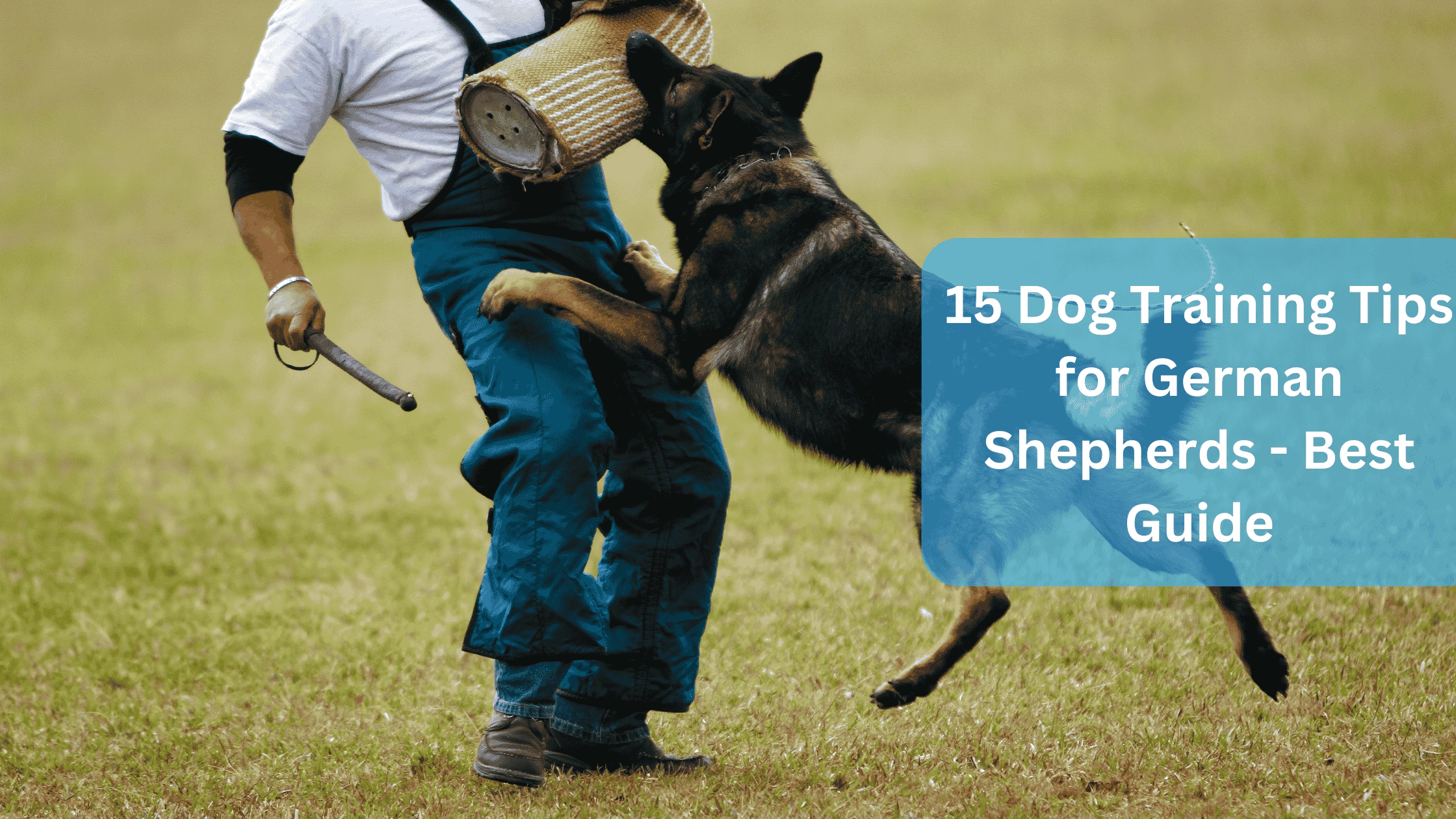
  • 15 Dog Training Tips for German Shepherds – Best Guide

    15 Dog Training Tips for German Shepherds – Best Guide

    Dog Training Tips for German Shepherds – German Shepherds are renowned for their intelligence, versatility, and loyalty.

    As one of the most popular dog breeds worldwide, they excel in various roles, from working dogs in law enforcement to beloved family pets.

    However, effective training is crucial to harness their potential and ensure they become well-adjusted companions.

    This guide will provide you with comprehensive dog training tips specifically tailored for German Shepherds, covering everything from foundational training techniques to advanced skills.

    Understanding the German Shepherd

    Before diving into training techniques, it’s essential to understand the unique characteristics of German Shepherds that influence their training.

    • Intelligence: German Shepherds are among the top three most intelligent dog breeds. Their ability to learn commands quickly makes them highly trainable.
    • Energy Levels: These dogs are energetic and require regular exercise. Insufficient physical activity can lead to behavioral issues.
    • Protective Instincts: German Shepherds are naturally protective of their families and territory, which can manifest as wariness towards strangers if not properly socialized.

    15 Dog Training Tips for German Shepherds – Best Guide

    Basic Training Principles

    1. Positive Reinforcement

    The cornerstone of effective dog training is positive reinforcement. This method encourages desired behaviors by rewarding your dog with treats, praise, or playtime when they follow commands correctly.

    • Consistency is Key: Always reward the same behavior consistently to help your dog understand what is expected.
    • Timing Matters: Reward your dog immediately after they perform the desired action to reinforce the connection between the behavior and the reward.

    2. Establish Leadership

    German Shepherds thrive under strong leadership. They need a confident owner who can provide structure and guidance.

    • Be Firm but Fair: Use a calm and assertive tone when giving commands. Avoid harsh punishments; instead, focus on redirecting unwanted behavior.
    • Set Boundaries: Clearly define what is acceptable and what is not. Consistency in enforcing these boundaries helps your dog feel secure.

    Essential Training Tips for German Shepherds

    3. Start Early

    Begin training your German Shepherd as early as possible. Puppies are more receptive to learning and socialization during their critical development period (between 8 weeks and 16 weeks).

    • Socialization: Expose your puppy to various environments, people, and other animals to help them develop confidence and reduce fear-based behaviors later in life.

    4. Short Training Sessions

    Keep training sessions short but frequent. Aim for sessions of about 5-10 minutes multiple times a day rather than longer sessions that may lead to frustration or boredom.

    5. Use Clear Commands

    Use simple, distinct commands for each action you want your dog to learn. Consistency in language helps prevent confusion.

    • Examples of commands include:
    • Sit
    • Stay
    • Come
    • Down

    6. Leash Training

    Leash training is essential for a well-behaved walking experience. Start by introducing your dog to the leash gradually.

    • Loose Leash Walking: Teach your German Shepherd to walk beside you without pulling on the leash. Reward them for staying close and walking calmly.

    7. Crate Training

    Crate training can be beneficial for both you and your dog. It provides a safe space for your German Shepherd when you’re not home and aids in housebreaking.

    • Make It Comfortable: Ensure the crate is cozy with bedding and toys to encourage your dog to see it as a safe haven rather than a punishment area.

    Advanced Training Techniques

    Once your German Shepherd has mastered basic commands, consider introducing more advanced training techniques:

    8. Agility Training

    Agility training can be an excellent outlet for a German Shepherd’s energy while enhancing their obedience skills.

    • Set up an agility course with jumps, tunnels, and weave poles. This activity provides mental stimulation and physical exercise.

    9. Scent Work

    German Shepherds have an exceptional sense of smell, making them ideal candidates for scent work or tracking activities.

    • Start with simple scent games at home using treats hidden around the house or yard, gradually increasing difficulty as they learn.

    Common Challenges in Training

    Training a German Shepherd can come with challenges due to their intelligence and strong-willed nature:

    10. Stubbornness

    While intelligent, some German Shepherds may exhibit stubbornness during training sessions.

    • Patience is Crucial: If your dog seems resistant, take a step back and try a different approach or command that might resonate better with them.

    11. Distraction

    German Shepherds can become easily distracted by their environment during training sessions.

    • Controlled Environments: Begin training in a quiet area free from distractions before gradually introducing more stimulating environments as they improve.

    Addressing Behavioral Issues

    Training isn’t just about commands; it’s also about addressing behavioral issues that may arise:

    12. Barking

    Excessive barking can be problematic but can often be managed through proper training techniques.

    • Identify triggers that cause barking (e.g., strangers approaching) and redirect their attention using commands or treats when they remain quiet.

    13. Aggression Towards Strangers

    Due to their protective nature, some German Shepherds may show aggression towards unfamiliar people if not properly socialized.

    • Early socialization is key; expose them gradually to various situations involving new people while rewarding calm behavior.

    Health Considerations During Training

    Maintaining your dog’s health is essential during the training process:

    14. Regular Vet Check-ups

    Ensure your German Shepherd receives regular veterinary care to monitor their health as they grow and train.

    15. Nutrition and Exercise

    A balanced diet tailored to your dog’s age, size, and activity level will support their overall well-being and energy levels during training sessions.

    Also Read: Why Do Dogs Howl at Night? A Comprehensive Guide

    Also Read: Are Poinsettias Poisonous to Dogs? A Comprehensive Guide

    Conclusion

    Training a German Shepherd requires patience, consistency, and understanding of their unique traits. By employing positive reinforcement techniques, establishing yourself as a leader, and addressing potential behavioral issues early on, you can cultivate a well-behaved companion who thrives both at home and in public settings.

    This comprehensive guide covers fundamental tips for successfully training your German Shepherd while also addressing common challenges faced by owners. Remember that every dog learns at its own pace; celebrating small victories along the way will strengthen your bond with your furry friend!


    Sources:

  • Why Do Dogs Howl at Night? A Comprehensive Guide

    Why Do Dogs Howl at Night? A Comprehensive Guide

    Why Do Dogs Howl at Night? Dogs are known for their vocalizations, and one of the most intriguing sounds they make is howling.

    While howling can occur at any time of day, many dog owners notice their pets howling more frequently at night.

    This behavior can be puzzling and concerning for pet parents.

    In this comprehensive guide, we will explore the reasons behind why dogs howl at night, address common questions related to this behavior, and provide insights into how to manage it effectively.

    Understanding Dog Howling

    Howling is a natural form of communication for dogs, rooted in their ancestry as wolves.

    In the wild, wolves howl to communicate with their pack members, signal their location, and establish territory.

    Although domesticated dogs have adapted to living with humans, many of these instinctual behaviors remain.

    Why Do Dogs Howl?

    Before diving into the specifics of nighttime howling, let’s look at some general reasons why dogs howl:

    • Communication: Dogs use howling to communicate with other dogs and humans. It can serve as a way to express emotions or alert others to something happening nearby.
    • Attention-Seeking: Some dogs howl to get attention from their owners. If they feel ignored or want something, they may resort to howling as a way to prompt a response.
    • Anxiety or Distress: Dogs may howl when they are feeling anxious or distressed, especially if they are left alone or separated from their owners.
    • Response to Sounds: Many dogs howl in response to high-pitched noises such as sirens or musical instruments. This behavior is often instinctual and can be traced back to their wolf ancestors.

    Why Do Dogs Howl at Night?

    Now that we understand the general reasons behind howling, let’s focus on why dogs specifically howl at night. Several factors can contribute to this behavior:

    1. Increased Sensory Awareness

    At night, the world becomes quieter and darker. Dogs may become more aware of their surroundings and sensitive to sounds that go unnoticed during the day. This heightened awareness can lead them to howl in response to noises such as:

    • Sirens
    • Other dogs howling
    • Nocturnal animals moving outside

    2. Territorial Behavior

    Dogs are naturally territorial animals. At night, they may feel more protective of their home and family. Howling can serve as a way for them to assert their presence and warn other animals (or perceived intruders) that they are on guard.

    3. Separation Anxiety

    If your dog has developed separation anxiety, it may howl at night when it feels alone or isolated. This is particularly common in dogs that are used to sleeping close to their owners but have recently been moved to a different sleeping area.

    4. Hunger or Thirst

    Dogs may howl at night if they are hungry or thirsty. If you notice your dog howling consistently during the night, it might be worth checking their food and water supply before bed.

    5. Discomfort or Pain

    Howling can also indicate discomfort or pain in your dog. If your dog is feeling unwell or has an injury, it may vocalize its distress through howling. If you suspect this is the case, consult your veterinarian for advice.

    6. Social Interaction

    Dogs are social animals that thrive on interaction with their pack (humans included). If they hear other dogs howling in the neighborhood, they might join in as a form of social bonding or communication.

    7. Dreams and Sleep Behavior

    Just like humans, dogs experience dreams during sleep. Some dogs may howl while dreaming—this could be due to excitement or distress in their dream state.

    Managing Your Dog’s Nighttime Howling

    If your dog’s nighttime howling becomes disruptive for you or your neighbors, here are some strategies you can implement:

    1. Establish a Routine

    Create a consistent bedtime routine for your dog that includes playtime and bathroom breaks before settling down for the night. A tired dog is less likely to howl out of boredom or restlessness.

    2. Provide Comfort

    Ensure your dog has a comfortable sleeping environment with appropriate bedding and minimal distractions (like loud noises). Consider using calming products like pheromone diffusers or anxiety wraps if needed.

    3. Address Separation Anxiety

    If your dog suffers from separation anxiety, gradually acclimate them to being alone by practicing short separations during the day before transitioning them into nighttime alone time.

    4. Use Positive Reinforcement

    Reward quiet behavior with treats and praise when your dog remains calm during the night instead of howling for attention.

    5. Consult Your Veterinarian

    If excessive howling persists despite trying various strategies, consult your veterinarian for advice on potential underlying health issues or behavioral concerns that need addressing.

    Common Questions About Dog Howling at Night

    To further clarify the topic of nighttime howling, let’s address some common questions pet owners often have:

    Why Do My Dogs Howl at Night?

    If you have multiple dogs and notice them howling together at night, it could be due to several reasons:

    • Social Bonding: Dogs are social animals, and howling can serve as a way for them to communicate and bond with each other. When one dog starts howling, others may join in as a form of social interaction.
    • Response to External Stimuli: Dogs have heightened senses compared to humans, particularly their hearing. At night, when the world is quieter, they may hear sounds that go unnoticed by us—such as sirens or wildlife noises.
    • Communication: Dogs may also howl to communicate with you or other dogs in the area about perceived threats or simply express curiosity about what’s happening around them.

    Why Do Dogs Bark and Howl at Night?

    Barking combined with howling can indicate that your dog is trying to alert you to something unusual happening outside:

    • Alerting to Intruders: Many dogs have protective instincts and will bark or howl if they sense something unusual near their territory.
    • Expressing Excitement or Anxiety: Barking and howling can also be a response to excitement or anxiety caused by noises outside.
    • Seeking Attention: If your dog feels ignored during the night, it might resort to barking and howling as a way to prompt you into action.

    Why Do Dogs Randomly Howl at Night?

    Random howling could stem from various triggers:

    • Sudden Noises: Thunderstorms, fireworks, or loud music can trigger howling as a response to sudden noises that startle them.
    • Boredom: If your dog has not had enough physical or mental stimulation during the day, it may resort to howling out of boredom.
    • Attention-Seeking Behavior: Sometimes dogs howl randomly because they want attention from their owners.

    Why Do Dogs Howl at Night for No Reason?

    Sometimes it may seem like your dog is howling without any apparent reason; however:

    • Anxiety or Stress: Changes in routine or environment can lead to anxiety-induced howling.
    • Hunger or Thirst: If your dog is hungry or thirsty during the night, it may howl as a way of signaling its need for food or water.
    • Health Issues: Frequent howling without an obvious cause could indicate discomfort due to health issues; consult your veterinarian if concerned.

    What Is the Spiritual Meaning of Dogs Howling at Night?

    In various cultures and folklore:

    • Cultural Interpretations: Some believe that dogs howling at night signals impending danger or warns of supernatural occurrences.
    • Focus on Health and Well-being: While these interpretations vary widely across cultures, it’s essential for pet owners to prioritize their dog’s health first.

    Why Do Dogs Howl Like Wolves at Night?

    Since domestic dogs share ancestry with wolves:

    • Instinctual Behavior: Howling serves as an important form of communication among wolves within a pack; domestic dogs retain some of these instinctual behaviors.
    • Pack Dynamics: Domestic dogs may howl at night as part of social interactions with other dogs nearby or even with their human families.

    Why Do Dogs Howl Together at Night?

    When one dog starts howling:

    • Social Behavior: This is particularly common among packs of dogs who enjoy vocalizing together; if one dog initiates a howl in response to an external stimulus (like another dog’s bark), others may join in simply for fun.
    • Communication Among Pack Members: Howling together reinforces social bonds within a group of dogs and allows them to communicate effectively about their environment.

    Why Do Wild Dogs Howl at Night?

    Wild dogs primarily use howling for communication purposes:

    • Locating Pack Members: In the wild, wolves use howling as a means of locating each other during nighttime activities when visibility is low.
    • Territorial Announcements: Howling serves as a way for wild dogs to announce territory boundaries; this vocalization helps prevent conflicts over territory by signaling presence without direct confrontation.

    Also Read: How to Make a Constipated Dog Poop Quickly: A Comprehensive Guide

    Also Read: Is Nature’s Recipe Good for Dogs? A Comprehensive Guide

    Conclusion

    Understanding why dogs howl at night involves recognizing both instinctual behaviors inherited from their wild ancestors and responses triggered by environmental factors.

    By addressing any underlying issues such as anxiety, boredom, or health concerns—and providing proper training—you can help manage excessive nighttime vocalizations effectively while ensuring your furry friend remains happy and healthy!


    Sources:

  • Training a Dog to Ring a Bell to Go Outside: Best Guide

    Training a Dog to Ring a Bell to Go Outside: Best Guide

    Training a Dog to Ring a Bell to Go Outside – Training your dog to ring a bell to signal when it needs to go outside can be a game-changer for both you and your furry friend.

    Not only does it provide a clear communication method, but it can also reduce accidents in the house and save you from the dreaded silent stare that often precedes a potty mishap.

    In this guide, we’ll explore everything you need to know about teaching your dog this useful skill, from the initial setup to troubleshooting common issues. So grab some treats, and let’s get started!

    Why Train Your Dog to Ring a Bell?

    Before diving into the training process, let’s discuss why teaching your dog to ring a bell is beneficial:

    • Clear Communication: Dogs have their own ways of communicating their needs, but these signals can often be subtle or easily missed. A bell provides a clear and unmistakable way for your dog to let you know when it needs to go outside.
    • Reduces Accidents: By giving your dog a reliable method to signal its needs, you can significantly reduce the number of indoor accidents, making both your life and your dog’s life more pleasant.
    • Engagement and Enrichment: Training sessions are an excellent way for you and your dog to bond. Teaching new skills keeps your dog’s mind active and engaged.
    • Convenience for Guests: If you have visitors or pet sitters, having a bell-trained dog means they can easily understand how to respond to your pet’s needs without needing extensive training themselves.

    Getting Started: What You’ll Need

    Before you begin training, gather the following supplies:

    • A Bell: You can use any type of bell that suits your home. Options include jingle bells hung from the doorknob, electronic doorbells, or even recordable buttons that allow your dog to “speak” when pressed.
    • Treats: Have plenty of high-value treats on hand. These should be something your dog loves and doesn’t get regularly—think chicken, cheese, or commercial dog treats.
    • Patience and Consistency: Training takes time, so be prepared for some trial and error along the way.

    Training a Dog to Ring a Bell to Go Outside: Step-by-Step Training Process

    Step 1: Introduce the Bell

    Start by letting your dog become familiar with the bell:

    1. Show the Bell: Hold the bell in front of your dog and let it sniff and investigate. This will help alleviate any fear or hesitation about the new object.
    2. Reward Curiosity: When your dog shows interest—whether by sniffing or touching the bell—reward it with a treat. This helps create positive associations with the bell.
    3. Hang the Bell: Once your dog is comfortable with the bell, hang it near the door you typically use for potty breaks. Make sure it’s at nose level so your dog can easily reach it.

    Step 2: Teach Your Dog to Ring the Bell

    Now that your dog is familiar with the bell, it’s time to teach it how to ring it:

    1. Encourage Interaction: Use treats to encourage your dog to touch or nudge the bell with its nose. You might need to hold it in front of them initially or place it on the ground.
    2. Mark and Reward: The moment your dog touches or rings the bell, say “Yes!” or click if you’re using a clicker, then immediately reward with a treat. This reinforces the behavior.
    3. Repeat: Practice this several times until your dog consistently touches the bell when prompted. Keep training sessions short (about 5-10 minutes) to maintain engagement.

    Step 3: Associate Bell Ringing with Going Outside

    Once your dog is ringing the bell on command, it’s time to link this action with going outside:

    1. Ring Before Going Out: Every time you take your dog outside for potty breaks, ring the bell yourself before opening the door. This helps establish a connection between ringing the bell and going outside.
    2. Encourage Independent Ringing: After several repetitions of ringing the bell yourself before going out, wait for your dog to ring it on its own. When they do, praise enthusiastically and take them outside immediately.
    3. Reinforce Outside Behavior: Once outside, reward them again after they relieve themselves. This further solidifies their understanding that ringing the bell leads to going outside for potty breaks.

    Pro Tip: To teach your dog to ring a bell for different purposes, assign a specific number of rings for each action. For example, have your dog ring the bell once to go outside, twice for food, three times for potty breaks, and four times for training sessions. This clear system helps your dog understand what each number of rings means, enhancing communication and making it easier for you to respond to their needs effectively!

    Step 4: Consistency is Key

    Consistency is crucial in any training process:

    • Always respond immediately when your dog rings the bell by taking them outside.
    • Never open the door unless they ring the bell first; this reinforces their understanding that ringing equals access outdoors.
    • If they ring the bell without needing to go out (which may happen occasionally), still take them out briefly but don’t reward them with treats afterward unless they relieve themselves.

    Troubleshooting Common Issues

    Even with consistent training, you may encounter some hiccups along the way. Here are solutions for common problems:

    Problem 1: Dog Is Afraid of the Bell

    If your dog seems scared of ringing the bell:

    • Start by rewarding them just for being near it without any pressure.
    • Gradually encourage them closer until they’re comfortable touching it without fear.

    Problem 2: Dog Rings Bell Too Often

    If your pup starts ringing the bell excessively:

    • Ignore unnecessary rings; only respond when they ring with intent (i.e., when they genuinely need to go out).
    • Reinforce calm behavior instead of rewarding every ring.

    Problem 3: Dog Does not Understand What To Do

    If progress seems slow:

    • Go back a step! Ensure they understand how to touch or nudge before expecting them to ring independently.
    • Use higher-value treats or more enticing rewards during training sessions.

    Frequently Asked Questions (FAQs)

    How long does it take for a dog to learn this?

    Most dogs can learn to ring a bell within one to two weeks if trained consistently and positively.

    Can I use any type of bell?

    Yes! Choose one that suits your home environment—jingle bells are popular but electronic options work well too!

    Is this method suitable for all dogs?

    Absolutely! Dogs of all ages and sizes can learn this skill as long as they’re physically capable of reaching and ringing the bell.

    What if my dog doesn’t need frequent potty breaks?

    If you have an older or less active dog that doesn’t need frequent trips outside, you can still teach them this skill as a way of communicating their needs more clearly during walks or playtime breaks.

    Also Read: How to train a dog not to bark with a shock collar: A Comprehensive Guide

    Also Read: How to Train a Dog Not to Bark Out the Window: A Comprehensive Guide

    Also Read: How to Train a Dog Not to Bark at Everything: A Comprehensive Guide

    Also Read: How to Teach Your Dog to Bark on Command: A Step-by-Step Guide

    Also Read: How to Train a Dog Not to Bark at Other Dogs: Important Steps.

    Conclusion

    Training a dog to ring a bell to go outside is not only practical but also strengthens communication between you and your furry friend.

    By following these steps with patience and consistency, you’ll create an effective system that benefits both of you—no more silent stares or accidents!

    Remember, every dog’s learning pace is different; celebrate small victories along the way, and keep those treats handy!

    So grab that bell and start ringing in some success! Your pup will thank you (and so will your floors). Happy training!


    Sources:

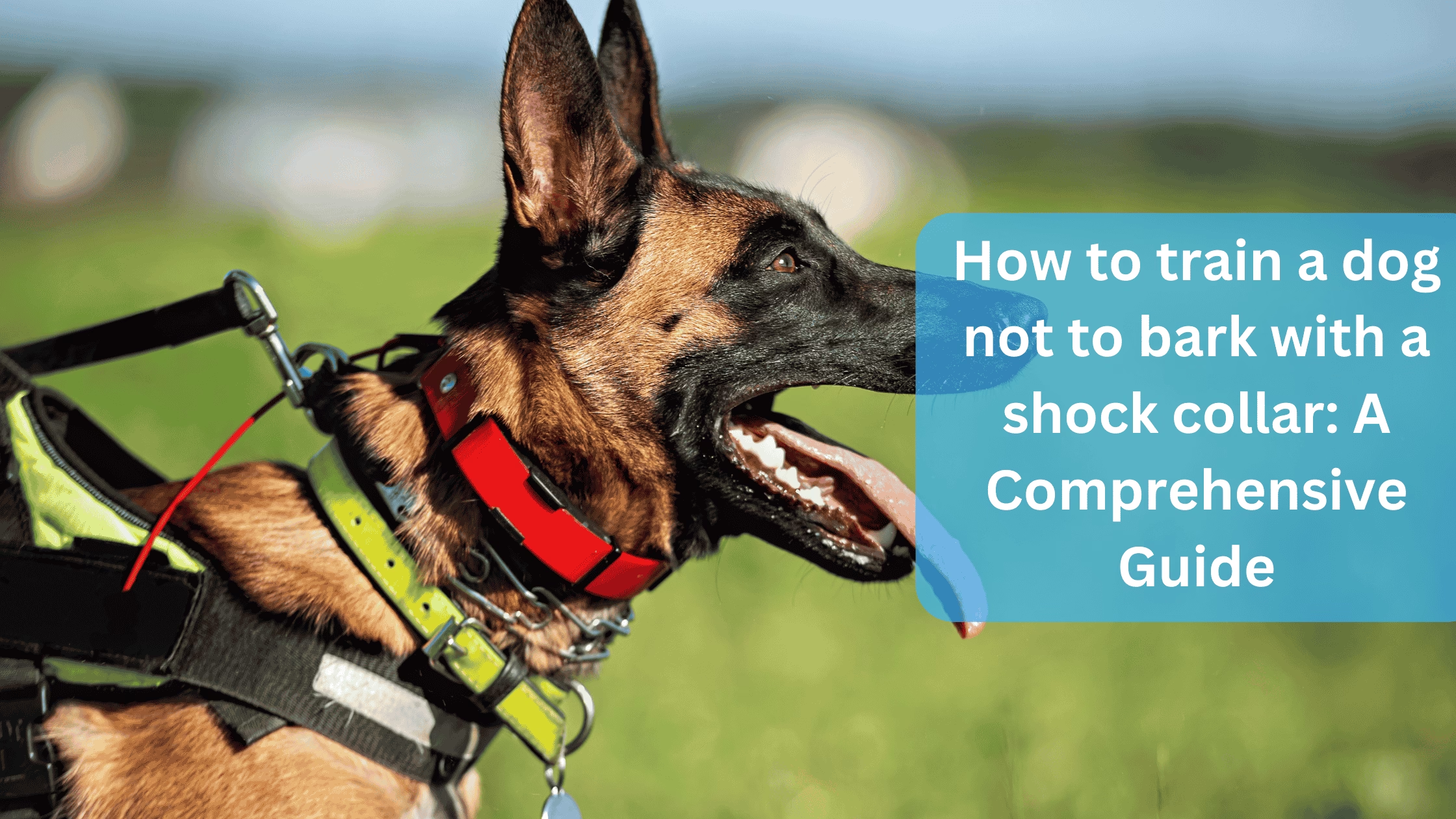
  • How to train a dog not to bark with a shock collar: A Comprehensive Guide

    How to train a dog not to bark with a shock collar: A Comprehensive Guide

    Training a dog not to bark can be a challenging task, especially when the barking becomes excessive or disruptive. While many dog owners prefer positive reinforcement methods, there are situations where using a shock collar may be considered as an option. This guide will explore how to train a dog not to bark with a shock collar, while also emphasizing the importance of using this tool responsibly and as a last resort.

    Understanding Barking Behavior of Dog

    Before we delve into training techniques, it’s essential to understand why dogs bark in the first place. Dogs bark for various reasons, including:

    1. Territorial Instincts: Dogs often bark to protect their territory. When they see someone approaching their home, they may bark as a warning.
    2. Fear or Anxiety: Some dogs bark out of fear or anxiety when they encounter unfamiliar people or situations.
    3. Excitement: Dogs may bark out of excitement when they see something moving outside or when they’re anticipating playtime.
    4. Attention-Seeking: If barking gets them attention from their owners, dogs may continue this behavior whenever they want something.
    5. Boredom: Dogs that lack mental stimulation may bark simply to entertain themselves.

    Understanding these motivations is crucial for developing an effective training plan tailored to your dog’s specific needs.

    When to Consider Using a Shock Collar for Dogs

    While positive reinforcement is often the preferred method for training dogs, there are scenarios where how to train a dog not to bark with a shock collar may be appropriate:

    • Severe Behavioral Issues: If your dog exhibits aggressive barking that poses a danger to others or themselves, a shock collar may be used in conjunction with professional training.
    • Lack of Response to Other Methods: If your dog has not responded to traditional training techniques after consistent efforts over time, a shock collar might be considered as part of a comprehensive training approach.
    • Controlled Environment: Using a shock collar in a controlled environment where you can monitor your dog’s reactions is essential for ensuring safety and effectiveness.

    Important Note

    Using a shock collar should always be done under the guidance of a professional trainer who can provide support and ensure that it’s used correctly and humanely.

    How to train a dog not to bark with a shock collar

    Step 1: Choose the Right Shock Collar

    If you decide that using a shock collar is necessary, choosing the right one is crucial:

    1. Adjustable Levels: Look for collars that offer adjustable levels of stimulation so you can find the appropriate level for your dog without causing distress.
    2. Humane Options: Some collars come with features such as vibration or sound warnings before delivering a shock, which can help train your dog without relying solely on shocks.
    3. Fit and Comfort: Ensure the collar fits your dog comfortably without causing irritation or discomfort.

    Step 2: Introduce the Shock Collar Gradually

    Once you have selected an appropriate collar, it’s essential to introduce it gradually:

    1. Familiarization: Allow your dog to sniff and explore the collar before putting it on. This helps them associate it with positive experiences rather than fear.
    2. Short Sessions: Start by having your dog wear the collar for short periods while engaging in regular activities at home. This helps them get used to the sensation without associating it with barking yet.
    3. Monitor Behavior: Observe how your dog reacts while wearing the collar. Ensure they are comfortable and not showing signs of stress or anxiety.

    Step 3: Set Clear Training Goals

    Before beginning training, set clear goals for what you want to achieve:

    • Identify Triggers: Determine what specific situations cause your dog to bark excessively (e.g., strangers walking by, delivery drivers).
    • Establish Commands: Decide on commands you will use during training sessions (e.g., “quiet” or “enough”).
    • Consistency is Key: Ensure everyone in your household is on board with the training plan and uses the same commands and techniques.

    Step 4: Combine Positive Reinforcement with Shock Collar Training

    To maximize effectiveness and minimize stress for your dog, combine positive reinforcement with shock collar training:

    1. Use Commands: When your dog starts barking at a trigger (like someone at the door), give the command “quiet.”
    2. Apply Stimulation if Necessary: If your dog continues barking after giving the command, apply stimulation from the shock collar at the lowest effective level just enough to get their attention—not enough to cause pain or fear.
    3. Reward Calm Behavior: Once your dog stops barking, immediately reward them with praise and treats. This reinforces that being quiet leads to positive outcomes.
    4. Repeat Consistently: Consistency is vital; repeat this process until your dog learns that barking leads to an unpleasant sensation while being quiet leads to rewards.

    Example Shock Collar Training Scenario:

    Imagine you’re sitting in your living room when someone approaches your front door:

    • Your dog starts barking.
    • Calmly say “quiet.”
    • If they continue barking after 5 seconds, apply stimulation from the collar at the lowest setting.
    • As soon as they stop barking, reward them with treats and praise.
    • Repeat this process consistently over several sessions until they learn that being quiet earns them rewards.

    Step 5: Monitor Your Dog’s Progress

    As you continue training, monitor your dog’s progress closely:

    1. Adjust Stimulation Levels: If your dog seems unresponsive to lower levels of stimulation, gradually increase it until you find what works best without causing distress.
    2. Observe Behavioral Changes: Take note of any changes in behavior—both positive (less barking) and negative (increased anxiety). Adjust your approach accordingly.
    3. Be Patient: Remember that learning takes time; don’t expect immediate results. Celebrate small victories along the way!

    Step 6: Know When to Seek Professional Help

    If you find that using a shock collar does not yield positive results or if your dog’s behavior worsens, it may be time to seek professional help:

    • Professional Trainers: A certified dog trainer can provide personalized guidance tailored to your dog’s specific needs and behaviors.
    • Veterinary Behaviorists: If fear or anxiety seems to be driving excessive barking, consulting with a veterinary behaviorist may be beneficial for addressing underlying issues.

    Troubleshooting Common Issues

    Even with consistent training efforts, you may encounter challenges along the way. Here are some common issues and how to address them:

    Issue 1: Reactivity Increases During Training

    If you notice that your dog’s reactivity increases during training sessions:

    • Increase Distance from Triggers: Go back to observing from a greater distance where your dog feels safe.
    • Shorter Sessions: Keep training sessions shorter but more frequent to prevent overwhelming your pup.

    Issue 2: Your Dog Only Barks When You’re Not Looking

    If your dog barks only when you’re distracted:

    • Practice “Leave It” Command: Teach them this command so they learn not only what not to do but also what they should do instead (like focusing on you).

    Issue 3: Lack of Interest in Treats

    If treats don’t seem enticing enough during training:

    • Try Different Treats: Experiment with various high-value treats until you find something that excites them.

    Creating Lasting Change in your Dog

    Training takes time and patience; remember that consistency is key! Here are some additional tips for creating lasting change:

    1. Be Patient: Understand that changing behavior takes time—don’t expect overnight success.
    2. Celebrate Small Wins: Acknowledge progress along the way; even minor improvements are steps toward success!
    3. Involve Family Members: Ensure everyone in your household is on board with the training plan so that commands and expectations remain consistent across all interactions with your dog.
    4. Stay Positive: Maintain a positive attitude throughout the training process; dogs are sensitive creatures who pick up on their owners’ emotions!

    Also Read: How to Train a Dog Not to Bark at Everything: A Comprehensive Guide

    Also Read: How to Teach Your Dog to Bark on Command: A Step-by-Step Guide

    Also Read: How to Train a Dog Not to Bark at Other Dogs: Important Steps.

    Also Read: How to Train a Dog Not to Bark Out the Window: A Comprehensive Guide

    Conclusion

    Training your dog not to bark using a shock collar requires dedication, understanding, and consistency—but it can be done responsibly!

    By identifying triggers, combining positive reinforcement techniques with controlled use of a shock collar, providing mental stimulation, and ensuring proper socialization, you’ll help create a calmer environment for both you and your furry friend.

    Remember that every dog is unique; what works for one may not work for another. Stay committed and keep things fun—training should be an enjoyable experience for both of you! With love and persistence, you’ll see progress over time.

    As always, if you’re facing challenges along the way or need additional support, don’t hesitate to reach out for professional help. Happy training!


    Sources:

  • How to Train a Dog Not to Bark Out the Window: A Comprehensive Guide

    How to Train a Dog Not to Bark Out the Window: A Comprehensive Guide

    How to Train a Dog Not to Bark Out the Window? If you’ve ever been startled by your dog barking at passersby, delivery drivers, or even squirrels outside the window, you know how frustrating it can be.

    Dogs often bark out the window as a way to express their excitement, alertness, or territorial instincts. While barking is a natural behavior for dogs, excessive barking can become a nuisance and disrupt your home life. Fortunately, with the right training techniques and a little patience, you can teach your dog to stop barking out the window.

    This comprehensive guide will provide you with effective strategies to help your furry friend learn to be calm and quiet when faced with distractions outside.

    Understanding Why Dogs Bark Out the Window

    Before we dive into training techniques, it’s essential to understand why dogs bark out the window in the first place. Here are some common reasons:

    1. Territorial Instincts: Many dogs perceive their home as their territory and feel compelled to protect it. When they see someone approaching, they may bark to alert you and assert their dominance.
    2. Fear or Anxiety: Some dogs bark out of fear or anxiety when they encounter unfamiliar sights or sounds. This is especially common in dogs that haven’t been adequately socialized.
    3. Excitement: Dogs may also bark out of sheer excitement when they see something moving outside—be it a person, another dog, or even a car.
    4. Attention-Seeking: If your dog learns that barking gets them attention (even if it’s negative), they may continue this behavior whenever they want something.
    5. Boredom: Dogs that lack mental stimulation may bark out of boredom when looking for something to engage with.

    Understanding these motivations is crucial for developing an effective training plan tailored to your dog’s specific needs.

    How to Train a Dog Not to Bark Out the Window

    Step 1: Identify Your Dog’s Triggers

    The first step in addressing excessive barking is identifying what specifically triggers your dog’s vocalizations when they’re near a window. To do this:

    • Observe Your Dog: Spend time watching your dog in different environments. Take notes on what causes them to bark—whether it’s people walking by, delivery drivers approaching, or other animals outside.
    • Keep a Barking Diary: Document instances of barking, noting the time of day, location, and what triggered the barking. This will help you identify patterns and specific triggers.

    By pinpointing these triggers, you can tailor your training approach more effectively.

    Step 2: Create a Calm Environment

    Creating a calm environment can significantly reduce your dog’s need to bark out the window:

    • Limit Exposure to Triggers: If certain stimuli cause barking (like passersby), consider using curtains or blinds to block their view when you’re home.
    • Use White Noise: Playing soft music or white noise can help mask outside sounds that might trigger barking.
    • Designate Quiet Zones: Create areas in your home where your dog can retreat when feeling overwhelmed by external stimuli.

    Practical Tips:

    • Install privacy film on windows to obscure visibility without blocking light.
    • Use baby gates to limit access to rooms with windows that overlook busy streets.

    Step 3: Implement Positive Reinforcement Training

    Positive reinforcement is one of the most effective ways to train your dog not to bark excessively:

    1. Choose High-Value Treats: Use treats that are particularly enticing for your dog—small pieces of chicken, cheese, or any favorite snack work well.
    2. Reward Calm Behavior: When your dog remains calm in the presence of a trigger (like someone walking by), immediately reward them with praise and treats. This reinforces the idea that staying quiet leads to positive outcomes.
    3. Practice “Quiet” Command: Teach your dog a command like “quiet.” When they start barking at someone approaching, calmly say “quiet,” and if they stop barking—even for just a moment—reward them immediately.
    4. Gradually Increase Exposure: As your dog becomes more comfortable with their triggers while remaining calm, gradually decrease the distance between them and the trigger while continuing to reward calm behavior.

    Example Training Scenario:

    Imagine you’re sitting in your living room when a neighbor walks past your window. As soon as your dog starts barking:

    • Say “quiet” in a calm voice.
    • Wait for them to stop barking.
    • Immediately reward them with a treat when they do.
    • Repeat this process consistently until they learn that being quiet earns them rewards.

    Step 4: Teach an Alternate Behavior

    Teaching an alternate behavior can help redirect your dog’s focus away from barking:

    1. Choose an Alternate Command: Select a command such as “look” or “focus.” When you see a stranger approaching, use this command to get your dog’s attention on you instead of whatever is causing them to bark.
    2. Practice in Low-Stress Situations: Start practicing this command in low-distraction environments before introducing distractions gradually.
    3. Reward Success: When your dog successfully focuses on you instead of barking at the stranger, reward them with treats and praise.

    Pro Tip:

    Use hand signals along with verbal commands for better communication with your dog!

    Step 5: Socialization is Essential

    Socializing your dog with various people and situations can help reduce fear-based barking:

    1. Controlled Socialization Sessions: Arrange playdates with calm people who can help expose your dog to new experiences without overwhelming them.
    2. Training Classes: Enroll in obedience classes where socialization is part of the curriculum. Professional trainers can provide valuable guidance on managing barking behaviors in group settings.
    3. Gradual Exposure to New Experiences: Expose your dog gradually to new experiences (like visiting busy parks) while rewarding calm behavior during these outings.

    Socialization Activities:

    • Take short trips where you encounter different people.
    • Invite friends over frequently so your dog gets used to new faces.

    Step 6: Provide Mental Stimulation

    A mentally stimulated dog is less likely to engage in excessive barking due to boredom:

    • Interactive Toys: Invest in puzzle toys that challenge your dog mentally and keep them engaged during quiet times.
    • Regular Exercise: Ensure your dog receives plenty of physical exercise through daily walks, playtime, and activities like fetch or agility training.
    • Training Sessions: Incorporate short training sessions into your daily routine—teaching new tricks can be mentally stimulating for dogs!

    Fun Activities:

    • Hide treats around the house for a scavenger hunt.
    • Teach new commands or tricks regularly for mental engagement.

    Step 7: Know When to Seek Professional Help

    If you’ve tried various techniques without success, it might be time to seek professional help:

    • Professional Trainers: A certified dog trainer can provide personalized guidance tailored to your dog’s specific needs and behaviors.
    • Veterinary Behaviorists: If fear or anxiety seems to be driving the barking, consulting with a veterinary behaviorist may be beneficial for addressing underlying issues.

    Troubleshooting Common Issues

    Even with consistent training efforts, you may encounter challenges along the way. Here are some common issues and how to address them:

    Issue 1: Reactivity Increases During Training

    If you notice that your dog’s reactivity increases during training sessions:

    • Increase Distance: Go back to observing from a greater distance where your dog feels safe.
    • Shorter Sessions: Keep training sessions shorter but more frequent to prevent overwhelming your pup.

    Issue 2: Your Dog Only Barks When You’re Not Looking

    If your dog barks only when you’re distracted:

    • Practice “Leave It” Command: Teach them this command so they learn not only what not to do but also what they should do instead (like focusing on you).

    Issue 3: Lack of Interest in Treats

    If treats don’t seem enticing enough during training:

    • Try Different Treats: Experiment with various high-value treats until you find something that excites them.

    Creating Lasting Change

    Training takes time and patience; remember that consistency is key! Here are some additional tips for creating lasting change:

    1. Be Patient: Understand that changing behavior takes time—don’t expect overnight success.
    2. Celebrate Small Wins: Acknowledge progress along the way; even minor improvements are steps toward success!
    3. Involve Family Members: Ensure everyone in your household is on board with the training plan so that commands and expectations remain consistent across all interactions with your dog.
    4. Stay Positive: Maintain a positive attitude throughout the training process; dogs are sensitive creatures who pick up on their owners’ emotions!

    Also Read: How to Train a Dog Not to Bark at Everything: A Comprehensive Guide

    Also Read: How to Teach Your Dog to Bark on Command: A Step-by-Step Guide

    Also Read: How to Train a Dog Not to Bark at Other Dogs: Important Steps.

    Conclusion

    Training your dog not to bark out the window requires dedication, understanding, and consistency—but it’s entirely achievable! By identifying triggers, using positive reinforcement techniques, providing mental stimulation, and ensuring proper socialization, you’ll help create a calmer environment for both you and your furry friend.

    Remember that every dog is unique; what works for one may not work for another. Stay committed and keep things fun—training should be an enjoyable experience for both of you! With love and persistence, you’ll see progress over time.

    As always, if you’re facing challenges along the way or need additional support, don’t hesitate to reach out for professional help. Happy training!


    Sources:

  • How to Train a Dog Not to Bark at Everything: A Comprehensive Guide

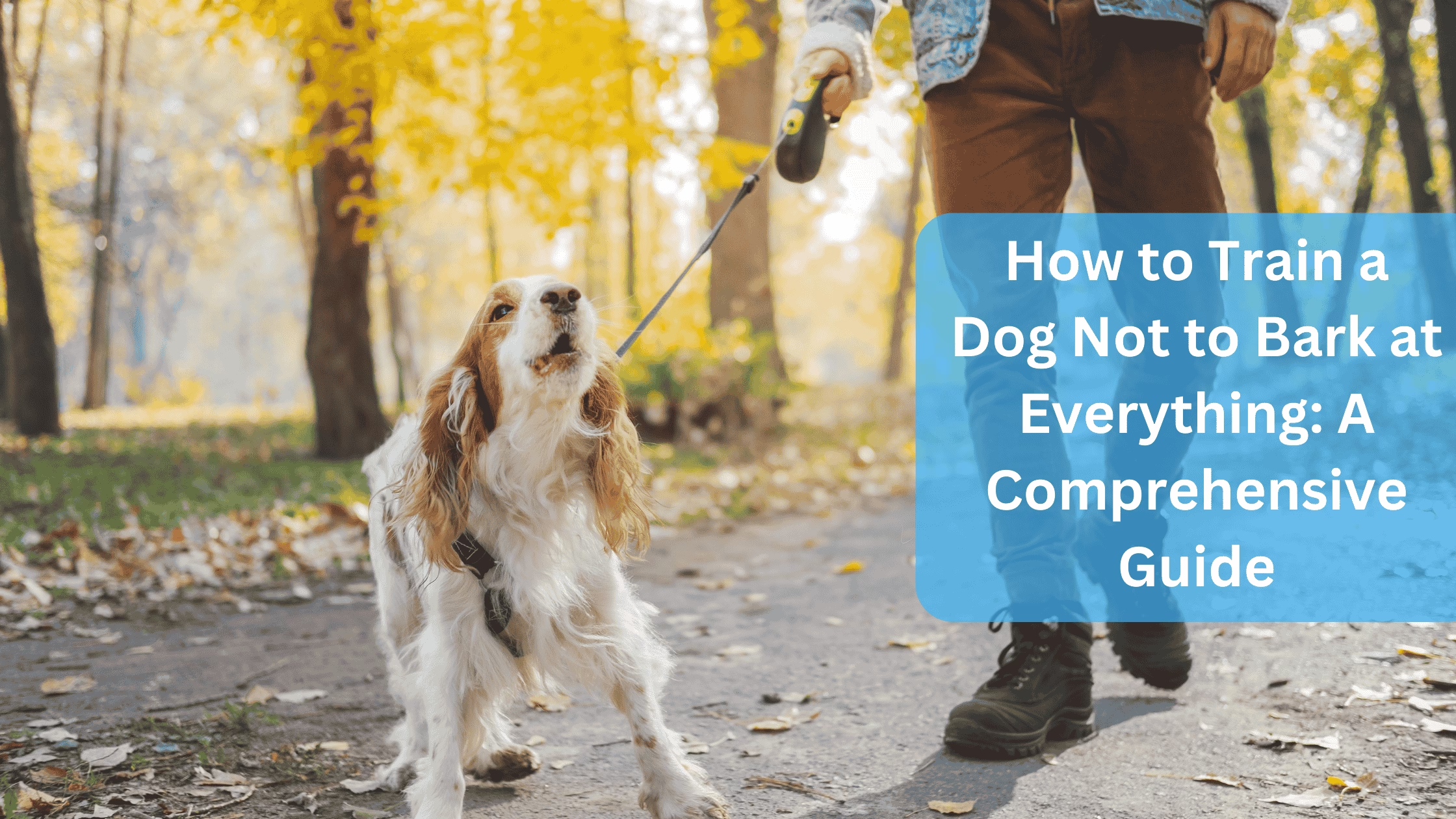
    How to Train a Dog Not to Bark at Everything: A Comprehensive Guide

    How to Train a Dog Not to Bark at Everything? Barking is one of the most quintessential characteristics of dogs, but when it turns into a constant chorus, it can drive even the most patient pet owner to the brink.

    If your dog seems to bark at everything—be it the mailman, a passing car, or even a shadow on the wall—you’re not alone! Many dog owners face this challenge, and fortunately, there are effective strategies to help you train your dog to be more selective about their vocalizations.

    In this comprehensive guide, we will explore the reasons behind excessive barking, practical training techniques, and tips for creating a peaceful environment for both you and your furry friend. Let’s dive in!

    Understanding Why Dogs Bark at Everything

    Before we tackle how to train your dog not to bark at everything, it’s essential to understand why dogs bark in the first place. Dogs communicate through barking for various reasons:

    1. Alerting: Dogs often bark to alert their owners of something unusual happening in their environment. This could be anything from a stranger approaching to an unexpected noise.
    2. Fear or Anxiety: Some dogs bark at unfamiliar sights or sounds because they are scared or anxious. This is particularly common in dogs that haven’t been adequately socialized.
    3. Boredom: A lack of mental and physical stimulation can lead dogs to bark out of boredom. If they don’t have enough outlets for their energy, barking can become a way to entertain themselves.
    4. Attention-Seeking: If your dog learns that barking gets them attention (even if it’s negative), they may continue this behavior whenever they want something.
    5. Territorial Behavior: Dogs may bark to assert their territory when they see or hear something they perceive as an intruder.

    Understanding these motivations is crucial for developing an effective training plan tailored to your dog’s specific needs.

    How to Train a Dog Not to Bark at Everything?

    Step 1: Identify Your Dog’s Triggers

    The first step in addressing excessive barking is identifying what specifically triggers your dog’s vocalizations. To do this:

    • Observe Your Dog: Spend time watching your dog in different environments. Take notes on what causes them to bark—be it people walking by, other animals, or sudden noises.
    • Keep a Barking Diary: Document instances of barking, noting the time of day, location, and what triggered the barking. This will help you identify patterns and specific triggers.

    By pinpointing these triggers, you can tailor your training approach more effectively.

    Step 2: Create a Calm Environment

    Creating a calm environment can significantly reduce your dog’s need to bark at everything:

    • Limit Exposure to Triggers: If you know certain stimuli cause barking (like passersby), consider using curtains or blinds to block their view when you’re home.
    • Use White Noise: Playing soft music or white noise can help mask outside sounds that might trigger barking.
    • Designate Quiet Zones: Create areas in your home where your dog can retreat when feeling overwhelmed by external stimuli.

    Step 3: Implement Positive Reinforcement Training

    Positive reinforcement is one of the most effective ways to train your dog not to bark excessively:

    1. Choose High-Value Treats: Use treats that are particularly enticing for your dog—this could be small pieces of chicken, cheese, or any favorite snack.
    2. Reward Calm Behavior: When your dog remains calm in the presence of a trigger (like another dog walking by), immediately reward them with praise and treats. This reinforces the idea that staying quiet leads to positive outcomes.
    3. Practice “Quiet” Command: Teach your dog a command like “quiet.” When they start barking at something, calmly say “quiet,” and if they stop barking—even for just a moment—reward them immediately.
    4. Gradually Increase Exposure: As your dog becomes more comfortable with their triggers while remaining calm, gradually decrease the distance between them and the trigger while continuing to reward calm behavior.

    Step 4: Teach an Alternate Behavior

    Teaching an alternate behavior can help redirect your dog’s focus away from barking:

    1. Choose an Alternate Command: Select a command such as “look” or “focus.” When you see a trigger approaching, use this command to get your dog’s attention on you instead of whatever is causing them to bark.
    2. Practice in Low-Stress Situations: Start practicing this command in low-distraction environments before introducing distractions gradually.
    3. Reward Success: When your dog successfully focuses on you instead of barking at the trigger, reward them with treats and praise.

    Step 5: Socialization is Essential

    Socializing your dog with various people and situations can help reduce fear-based barking:

    1. Controlled Socialization Sessions: Arrange playdates with calm dogs in controlled environments where both dogs can interact positively without overwhelming each other.
    2. Training Classes: Enroll in obedience classes where socialization is part of the curriculum. Professional trainers can provide valuable guidance on managing barking behaviors in group settings.
    3. Gradual Exposure to New Experiences: Expose your dog gradually to new experiences (like visiting busy parks) while rewarding calm behavior during these outings.

    Step 6: Provide Mental Stimulation

    A mentally stimulated dog is less likely to engage in excessive barking due to boredom:

    • Interactive Toys: Invest in puzzle toys that challenge your dog mentally and keep them engaged during quiet times.
    • Regular Exercise: Ensure your dog receives plenty of physical exercise through daily walks, playtime, and activities like fetch or agility training.
    • Training Sessions: Incorporate short training sessions into your daily routine—teaching new tricks can be mentally stimulating for dogs!

    Step 7: Know When to Seek Professional Help

    If you’ve tried various techniques without success, it might be time to seek professional help:

    • Professional Trainers: A certified dog trainer can provide personalized guidance tailored to your dog’s specific needs and behaviors.
    • Veterinary Behaviorists: If fear or anxiety seems to be driving the barking, consulting with a veterinary behaviorist may be beneficial for addressing underlying issues.

    Troubleshooting Common Issues

    Even with consistent training efforts, you may encounter challenges along the way. Here are some common issues and how to address them:

    Issue 1: Reactivity Increases During Training

    If you notice that your dog’s reactivity increases during training sessions:

    • Increase Distance: Go back to observing from a greater distance where your dog feels safe.
    • Shorter Sessions: Keep training sessions shorter but more frequent to prevent overwhelming your pup.

    Issue 2: Your Dog Only Barks When You’re Not Looking

    If your dog barks only when you’re distracted:

    • Practice “Leave It” Command: Teach them this command so they learn not only what not to do but also what they should do instead (like focusing on you).

    Issue 3: Lack of Interest in Treats

    If treats don’t seem enticing enough during training:

    • Try Different Treats: Experiment with various high-value treats until you find something that excites them.

    Creating Lasting Change

    Training takes time and patience; remember that consistency is key! Here are some additional tips for creating lasting change:

    1. Be Patient: Understand that changing behavior takes time—don’t expect overnight success.
    2. Celebrate Small Wins: Acknowledge progress along the way; even minor improvements are steps toward success!
    3. Involve Family Members: Ensure everyone in your household is on board with the training plan so that commands and expectations remain consistent across all interactions with your dog.
    4. Stay Positive: Maintain a positive attitude throughout the training process; dogs are sensitive creatures who pick up on their owners’ emotions!

    Also Read: Can Dogs Eat Tomatoes? Are They Safe For Dogs?

    Also Read: How to Teach Your Dog to Bark on Command: A Step-by-Step Guide

    Also Read: How to Train a Dog Not to Bark at Other Dogs: Important Steps.

    Conclusion

    Training your dog not to bark at everything requires dedication, understanding, and consistency—but it’s entirely achievable!

    By identifying triggers, using positive reinforcement techniques, providing mental stimulation, and ensuring proper socialization, you’ll help create a calmer environment for both you and your furry friend.

    Remember that every dog is unique; what works for one may not work for another.

    Stay committed and keep things fun—training should be an enjoyable experience for both of you! With love and persistence, you’ll see progress over time.


    Sources:

  • How to Train a Dog Not to Bark at Other Dogs: Important Steps.

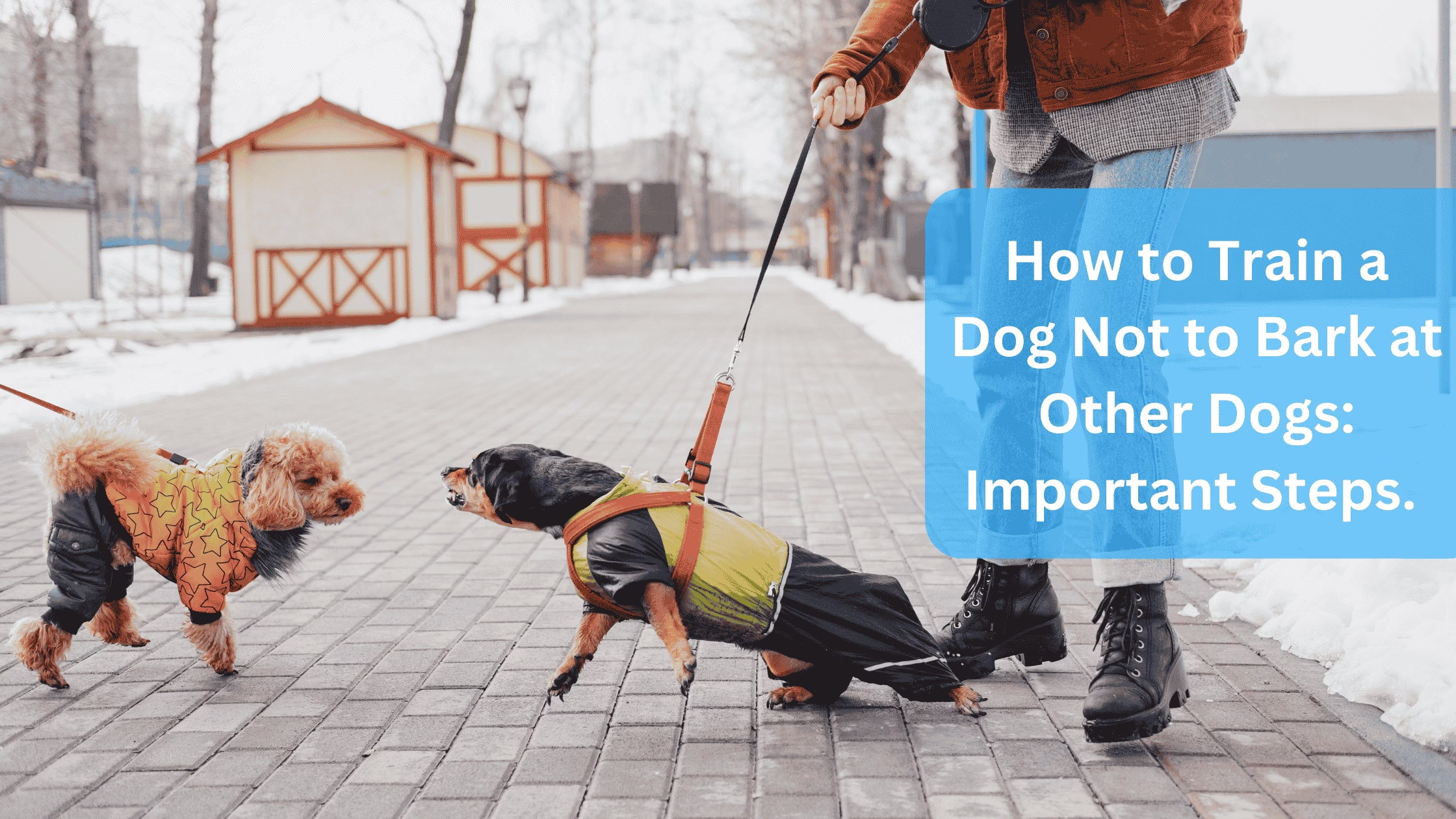
    How to Train a Dog Not to Bark at Other Dogs: Important Steps.

    How to Train a Dog Not to Bark at Other Dogs? Training your dog not to bark at other dogs can feel like an uphill battle, especially if you have a particularly vocal pup.

    Barking is a natural form of communication for dogs, but excessive barking can lead to unwanted attention and stress for both you and your furry friend.

    In this guide, we’ll explore effective strategies to help you manage and reduce your dog’s barking behavior when encountering other dogs.

    Understanding Why Dogs Bark

    Before diving into training techniques, it’s essential to understand why dogs bark in the first place. Barking serves various purposes, including:

    • Communication: Dogs bark to express their needs or alert their owners to something unusual.
    • Excitement: A dog may bark out of sheer excitement when they see another dog.
    • Fear or Anxiety: Some dogs bark at other dogs due to fear or anxiety, especially if they feel threatened.
    • Territorial Behavior: Dogs may bark to assert their territory when they see another dog approaching.

    Understanding the motivation behind your dog’s barking is crucial in addressing the behavior effectively.

    How to Train a Dog Not to Bark at Other Dogs?

    Step 1: Assess the Situation

    Before you begin training, take some time to observe your dog’s behavior. Ask yourself the following questions:

    • When does your dog bark at other dogs? Is it during walks, at the park, or when they see dogs through a window?
    • What is the intensity of the barking? Is it a friendly bark, a warning bark, or a fearful bark?
    • How does your dog behave before and after barking? Do they seem relaxed or agitated?

    By assessing these factors, you can tailor your training approach to address your dog’s specific triggers and motivations.

    Step 2: Choose the Right Training Environment

    Select a suitable environment for training sessions. Ideally, choose a location where your dog can encounter other dogs but at a distance that doesn’t provoke barking. This could be:

    • A quiet park during off-peak hours
    • A less crowded street for walks
    • Your backyard if you have neighbors with dogs

    The goal is to start training in a low-stress environment where your dog feels safe and secure.

    Step 3: Use Positive Reinforcement

    Positive reinforcement is one of the most effective training methods for modifying behavior. Here’s how to implement it:

    1. Gather Treats: Use high-value treats that your dog loves—think chicken, cheese, or special dog treats.
    2. Observe from a Distance: When another dog approaches, keep your distance so that your dog remains calm and doesn’t feel threatened.
    3. Reward Calm Behavior: As soon as your dog notices the other dog without barking, praise them enthusiastically and offer a treat. This reinforces the idea that calm behavior leads to positive outcomes.
    4. Gradually Decrease Distance: Once your dog consistently remains calm at a distance, gradually decrease the space between them and other dogs while continuing to reward calm behavior.

    Step 4: Teach an Alternate Behavior

    Teaching an alternate behavior can help redirect your dog’s focus away from barking. Here’s how:

    1. Choose a Command: Select a simple command such as “look” or “focus.” This command will signal your dog to pay attention to you instead of the other dog.
    2. Practice in Low-Stress Situations: Start practicing this command in low-distraction environments. Use treats to encourage them to look at you when you say the command.
    3. Introduce Distractions Gradually: Once your dog understands the command, introduce distractions gradually by having another person walk their dog nearby while you practice.
    4. Reward Success: When your dog successfully focuses on you instead of barking at the other dog, reward them with treats and praise.

    Step 5: Manage Your Dog’s Environment

    Sometimes managing your dog’s environment can prevent unwanted barking situations altogether:

    • Avoid Triggers: If you know certain areas or times are likely to trigger barking (like busy parks), try adjusting your walking route or schedule.
    • Use Barriers: If your dog barks at other dogs through windows or fences, consider using frosted window film or privacy fencing to block their view.

    Step 6: Socialization is Key

    Socializing your dog with other dogs can help reduce fear-based barking:

    1. Controlled Playdates: Arrange controlled playdates with calm, well-behaved dogs that won’t provoke excessive barking.
    2. Training Classes: Consider enrolling in obedience classes where socialization is part of the curriculum. Professional trainers can provide guidance on managing barking behaviors in group settings.
    3. Dog Parks: Once your dog is more comfortable around other dogs, visit local dog parks during off-peak hours for gradual exposure.

    Step 7: Stay Calm and Consistent

    Your demeanor plays an important role in how effectively you train your dog:

    • Stay Calm: Dogs are highly attuned to their owners’ emotions. If you’re anxious or frustrated about their barking, they may become more agitated.
    • Be Consistent: Consistency is key in any training program. Ensure everyone in your household follows the same training methods and commands so that your dog receives clear signals about what behaviors are expected.

    Step 8: Know When to Seek Help

    If you’ve tried various techniques without success, it might be time to seek professional help:

    • Professional Trainers: A certified dog trainer can provide personalized guidance tailored to your dog’s specific needs and behaviors.
    • Veterinary Behaviorists: If fear or anxiety seems to be driving the barking, consulting with a veterinary behaviorist may be beneficial for addressing underlying issues.

    Troubleshooting Common Issues

    Even with consistent training efforts, you may encounter challenges along the way. Here are some common issues and how to address them:

    Issue 1: Reactivity Increases During Training

    If you notice that your dog’s reactivity increases during training sessions:

    • Increase Distance: Go back to observing from a greater distance where your dog feels safe.
    • Shorter Sessions: Keep training sessions shorter but more frequent to prevent overwhelming your pup.

    Issue 2: Your Dog Only Barks When You’re Not Looking

    If your dog barks only when you’re distracted:

    • Practice “Leave It” Command: Teach them this command so they learn not only what not to do but also what they should do instead (like focusing on you).

    Issue 3: Lack of Interest in Treats

    If treats don’t seem enticing enough during training:

    • Try Different Treats: Experiment with various high-value treats until you find something that excites them.

    Also Read: Can Dogs Eat Tomatoes? Are They Safe For Dogs?

    Also Read: The Mudhol Hound: A Comprehensive Guide

    Also Read: How to Teach Your Dog to Bark on Command: A Step-by-Step Guide

    Conclusion

    Training your dog not to bark at other dogs requires patience, consistency, and understanding of canine behavior.

    By using positive reinforcement techniques and gradually exposing them to their triggers in controlled environments, you can help them learn appropriate behaviors over time.

    Remember that every dog is unique; what works for one may not work for another. Stay committed and keep things fun—training should be an enjoyable experience for both of you! With dedication and love, you’ll see progress in no time.

    As always, if you’re facing challenges along the way or need additional support, don’t hesitate to reach out for professional help. Happy training!


    Sources: