Category: Dog Training

  • How to Train a Cockapoo: A Comprehensive Guide

    How to Train a Cockapoo: A Comprehensive Guide

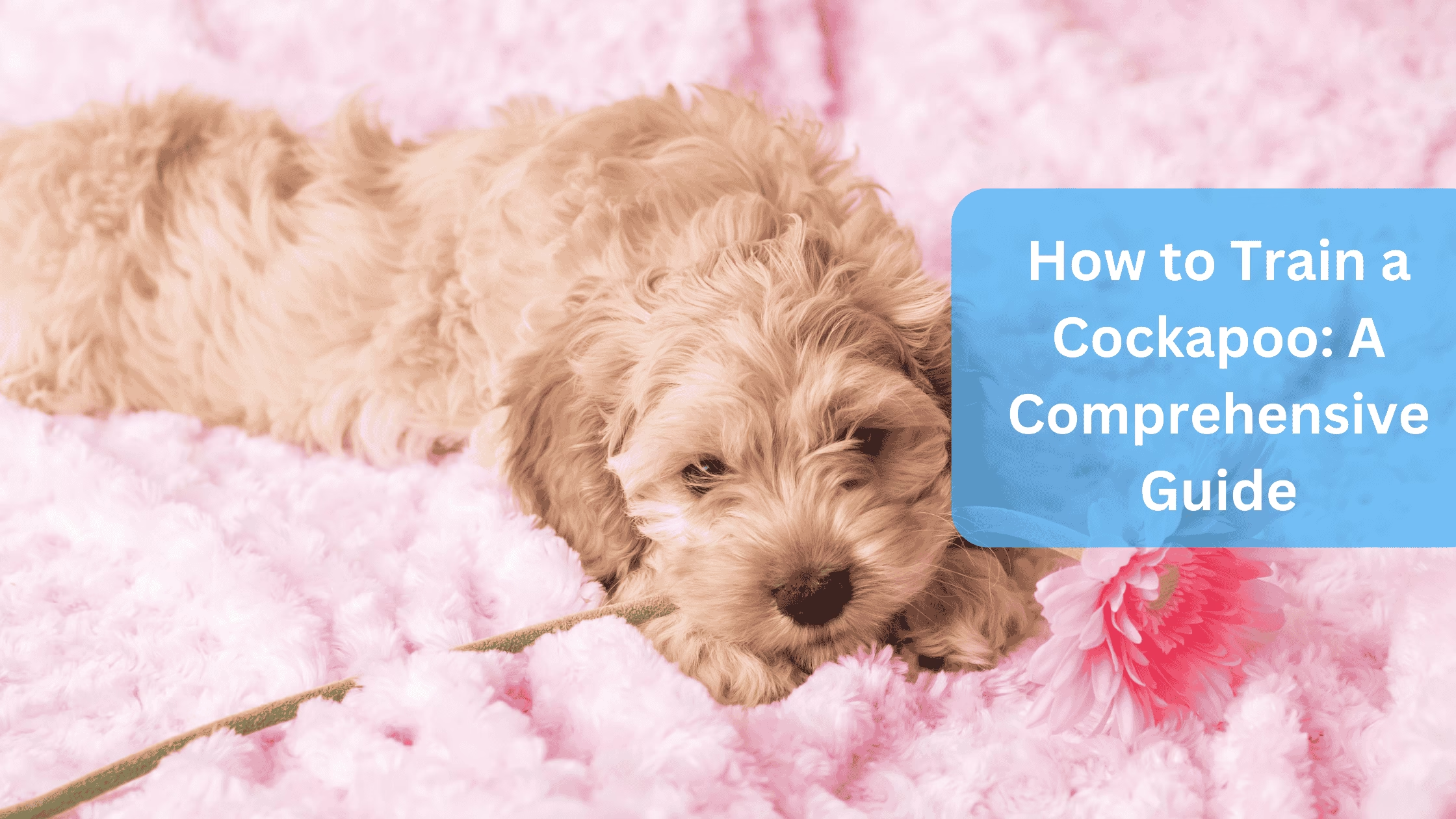
    How to Train a Cockapoo? – Training a Cockapoo can be a rewarding experience, as these dogs are known for their intelligence, playful nature, and eagerness to please.

    This guide will provide you with detailed steps on how to train your Cockapoo effectively, covering various aspects such as basic obedience training, potty training, dealing with unwanted behaviors, and more.

    Understanding the Cockapoo

    Before diving into training techniques, it’s important to understand the characteristics of the Cockapoo breed.

    A Cockapoo is a crossbreed between a Cocker Spaniel and a Poodle, which means they inherit traits from both parent breeds.

    They are typically small to medium-sized dogs, weighing between 12 to 24 pounds and standing about 10 to 15 inches tall.

    Key Characteristics of Cockapoos

    • Intelligent: Both parent breeds are known for their intelligence, making Cockapoos quick learners.
    • Affectionate: They thrive on human companionship and are known for their friendly demeanor.
    • Playful: Cockapoos are energetic and enjoy playtime, making them great family pets.
    • Sensitive: They respond best to positive reinforcement rather than harsh training methods.

    Understanding these traits will help you tailor your training approach to suit your Cockapoo’s personality.

    Getting Started with Training

    Setting Training Goals

    Before you begin training your Cockapoo, it’s essential to set clear goals. Consider what specific behaviors you want to teach your dog. Common training goals include:

    • Basic obedience commands (sit, stay, come)
    • Potty training
    • Crate training
    • Socialization with other dogs and people
    • Addressing unwanted behaviors (barking, biting)

    Having specific goals will help you stay focused during training sessions and measure your progress over time.

    Preparing Your Home

    Creating a conducive environment for training is crucial. Here are some steps to prepare your home:

    • Designate a Training Area: Choose a quiet space in your home where you can conduct training sessions without distractions.
    • Remove Distractions: Ensure that the area is free from noise and other pets that could divert your dog’s attention.
    • Gather Training Supplies: Have treats, toys, a clicker (if using clicker training), and any other necessary supplies ready before starting.

    Basic Obedience Training for Cockapoos

    Basic obedience training is essential for every dog, including Cockapoos. This training establishes a foundation of good behavior and helps you communicate effectively with your furry friend.

    Teaching Basic Commands

    1. Sit:

      • Hold a treat above your Cockapoo’s nose.
      • Move the treat back over their head; as they follow it with their eyes, their backside will lower naturally into a sitting position.
      • Once they are sitting, say “sit” and give them the treat. Repeat this process several times until they respond consistently.

      2. Stay:

        • Start with your dog in a sitting position.
        • Hold your hand up with your palm facing them and say “stay.”
        • Take a step back; if they remain seated, return to them and reward them immediately.
        • Gradually increase the distance and duration of the stay while rewarding successful attempts.

        3. Come:

          • Use a long leash initially for control.
          • Call their name followed by “come” in an enthusiastic tone.
          • Gently pull on the leash if needed until they reach you; reward them immediately upon arrival.

          4. Down:

            • With your dog in a sitting position, hold a treat close to their nose.
            • Move the treat down toward the floor; as they follow it downwards, their body should lower into a lying position.
            • Once they are lying down, say “down” and reward them.

            Consistency is Key

            Consistency is crucial when it comes to puppy training. Ensure that everyone in your household is on the same page and using the same commands and rewards. This helps your Cockapoo understand the desired behavior and avoid confusion.

            Positive Reinforcement

            Positive reinforcement is a powerful tool in puppy obedience training. It involves rewarding your Cockapoo with praise, treats, or playtime whenever they exhibit the desired behavior.

            This approach helps your puppy associate good behavior with positive outcomes, making them more likely to repeat the action in the future.

            Keep Training Sessions Short

            Puppies have limited attention spans; aim for short sessions of about 10-15 minutes multiple times per day. This keeps your Cockapoo engaged and helps them retain information better.

            Potty Training Your Cockapoo

            Potty training is one of the first things you should focus on when bringing home a Cockapoo puppy. It requires patience and consistency but can be accomplished with the right approach.

            How to Potty Train a Cockapoo

            1. Establish a Routine: Take your puppy outside frequently—after meals, naps, and playtime. Puppies have small bladders and need regular opportunities to relieve themselves.
            2. Choose a Designated Spot: Always take your puppy to the same spot outside to help them associate it with going potty.
            3. Reward Immediately: Praise and reward your puppy immediately after they go potty outside. This reinforces the behavior you want them to repeat.
            4. Supervise Indoors: Keep an eye on your puppy indoors; if you catch them in the act of going inside, gently interrupt them and take them outside immediately.
            5. Recognize Signs: Learn to recognize signs that indicate when your puppy needs to go out—sniffing around or whining are common indicators.
            6. Be Patient: Accidents will happen during potty training; remain calm and avoid punishment. Instead, clean up thoroughly to remove any lingering odors that might encourage repeat incidents in the same spot.

            How Long Does It Take to Potty Train a Cockapoo?

            Typically, it takes about four to six months for full potty training; however, some puppies may take longer depending on their individual temperament and consistency in training methods.

            How Long Does It Take to Potty Train a Cockapoo Puppy?

            For puppies specifically, you might expect potty training to take anywhere from six weeks to several months depending on how consistent you are with routines and rewards.

            Crate Training Your Cockapoo

            Crate training is beneficial for both you and your Cockapoo by providing them with their own safe space while also aiding in potty training efforts.

            How to Crate Train a Cockapoo

            1. Introduce the Crate: Allow your puppy to explore the crate at their own pace; place treats inside to encourage them to enter voluntarily.
            2. Short Stays: Start by closing the door for short periods while you are nearby. Gradually increase the duration as they become more comfortable.
            3. Create Positive Associations: Make the crate an inviting space by adding soft bedding and toys. Feed meals in the crate or give treats when they enter voluntarily.
            4. Never Use It as Punishment: The crate should be seen as a positive space where they can relax; avoid using it as punishment as this will create negative associations.
            5. Establish a Routine: Incorporate crate time into their daily routine—this will help them understand when it’s time for rest or quiet time.
            6. Gradual Independence: Once comfortable in their crate while you’re home, gradually leave them alone in it while you step out briefly before extending this time as they adjust.

            Addressing Unwanted Behaviors

            Cockapoos can exhibit unwanted behaviors such as barking excessively or biting if not properly trained.

            How to Train a Cockapoo Not to Bite

            1. Redirect Unwanted Behaviors: Instead of punishing biting behavior, redirect it towards appropriate chew toys or activities that allow them to use their mouth without causing harm.
            2. Use Positive Reinforcement: When they chew on appropriate items instead of hands or furniture, reward them immediately with praise or treats.
            3. Teach Bite Inhibition: If they bite too hard during playtime or nipping at hands becomes an issue, let out a high-pitched yelp or say “ouch” loudly; this mimics how littermates would react during playtime when one bites too hard—this teaches boundaries!
            4. Socialization Opportunities: Expose your puppy regularly around other dogs so they learn proper play behavior from peers which can help curb biting tendencies over time!

            How to Train a Cockapoo Not to Bark

            1. Identify Triggers: Pay attention to what causes your dog to bark—whether it’s strangers passing by or loud noises—and try to minimize these triggers when possible.
            2. Teach “Quiet” Command: When your dog starts barking, calmly say “quiet” or “enough.” Wait until they stop barking before rewarding them with praise or treats.
            3. Redirect Attention: If barking continues due to boredom or frustration, redirect their attention with toys or engaging activities like fetch or tug-of-war.
            4. Provide Adequate Exercise: Ensure that your Cockapoo gets enough physical activity daily; this can help reduce excess energy that may lead to barking out of boredom.

            How to Train a Cockapoo Puppy Not to Bite

            Training methods for preventing biting in puppies involve similar strategies:

            1) Use appropriate toys for chewing instead of hands/feet during playtime.
            2) Implement consistent commands like “no” when biting occurs followed by redirection towards acceptable items.
            3) Encourage gentle play through positive reinforcement techniques whenever calm behavior exhibited!

            Training Your Puppy

            Training should start as soon as you bring home your new puppy! Early socialization and exposure are crucial for developing well-rounded adult dogs later down line!

            How to Train a Cockapoo Puppy

            1) Start Early: Begin basic obedience training as soon as possible—puppies are most receptive during their early months!

            2) Socialize: Introduce them gradually into different environments (parks/cafes) while exposing them various sounds/situations so they become confident adults!

            3) Use Short Sessions: Keep sessions brief (5–10 minutes) focusing on one command at time ensures better retention without overwhelming young minds!

            4) Be Patient: Remember every pup learns at its own pace! Celebrate small victories along way rather than getting frustrated if progress seems slow!

            5) Consistency Across Households: Ensure everyone involved uses same commands/rewards—this helps avoid confusion among pups!

            6) Positive Reinforcement: Always reward good behavior immediately after performing desired actions—this reinforces learning positively!

            Advanced Training Techniques

            Once basic commands are mastered consider advanced techniques like agility or trick training! Engaging in these activities not only reinforces learned behaviors but also provides mental stimulation essential overall well-being!

            Teaching Tricks And Agility To A Cockapoo

            Cockapoos enjoy learning tricks due largely due playful nature:

            1) Start With Simple Tricks Like “Shake Hands” Or “Roll Over.”

            2) Gradually Introduce Agility Courses Using Jumps Or Tunnels For Physical Stimulation That Also Engages Their Minds!

            3) Incorporate Fun Activities By Keeping Sessions Light-hearted & Enjoyable For Both You & Your Dog!

            4) Participate In Agility Classes If Your Cockapoo Enjoys Agility Training—these Provide Structured Environments & Opportunities For Socialization With Other Dogs!

            5) Regular Practice Is Key To Reinforcing Skills Learned Over Time—set aside dedicated time each week specifically focused on agility practice/trick sessions!

            By incorporating these advanced techniques into routine you’ll not only enhance skills but also strengthen bond between both parties through shared experiences together!

            FAQ’s

            How Long Does It Take To House Train A Cockapoo Puppy?

            House training typically takes about four months but may vary depending on consistency in routines established by owners along with individual temperament of each puppy involved!

            How Long Does It Take To Train A Cockapoo Puppy?

            Training duration varies widely based upon factors like age/temperament/previous experiences—but generally expect anywhere from several weeks up until six months before achieving full compliance across commands taught consistently over time!

            How Easy Is It To Train A Cockapoo?

            Most owners find that due primarily because intelligent nature combined eagerness please makes this breed relatively easy train compared others—especially when utilizing positive reinforcement methods effectively throughout process!

            How Hard Is It To Train A Cockapoo?

            While not overly difficult some challenges may arise depending upon individual dog’s personality/stubbornness levels encountered during initial learning phases—but patience consistency will yield successful results eventually!

            How To Train A Cockapoo To Be Alone?

            Begin by gradually increasing alone time starting from just few minutes then extending duration slowly over days/weeks until comfortable being left alone longer periods without anxiety issues arising later down line!

            Also Read: How to Train a Bichon Frise: A Comprehensive Guide

            Also Read: How to Train a Cavalier King Charles Spaniel? Best Guide

            Conclusion

            Training your Cockapoo can be an enjoyable experience that strengthens bonds while ensuring good behavior throughout life together!

            By utilizing positive reinforcement techniques maintaining consistency within approach set both yourself pup success various aspects life together—from potty-training advanced tricks!

            Remember patience remains vital every dog learns individual pace so don’t hesitate consult professional trainers specializing positive reinforcement methods tailored specifically this loving breed if challenges arise during sessions unsure certain techniques being used!

            By following this comprehensive guide on how train cockapoo effectively you’ll be well-equipped raise obedient companion who brings joy into every aspect life!


            Sources:
          1. How to Train a Bichon Frise: A Comprehensive Guide

            How to Train a Bichon Frise: A Comprehensive Guide

            How to Train a Bichon Frise? – Training a Bichon Frise can be a fulfilling experience, as these dogs are known for their intelligence, playful nature, and eagerness to please.

            This guide will provide you with detailed steps on how to train your Bichon Frise effectively, covering various aspects such as basic obedience training, potty training, dealing with unwanted behaviors, and more.

            Understanding the Bichon Frise

            Before diving into training techniques, it’s important to understand the characteristics of the Bichon Frise breed.

            Bichons are small, fluffy dogs that typically weigh between 10 to 20 pounds.

            They have a cheerful disposition and are highly social, making them excellent companions.

            Their intelligence and desire for human interaction make them relatively easy to train, but they can also exhibit stubbornness if not properly guided.

            Key Characteristics of Bichon Frises

            • Intelligent: They learn commands quickly.
            • Affectionate: They thrive on human companionship.
            • Playful: They enjoy engaging activities and games.
            • Sensitive: They respond best to positive reinforcement rather than harsh training methods.

            Understanding these traits will help you tailor your training approach to suit your Bichon Frise’s personality.

            Getting Started with Training

            Setting Training Goals

            Before you begin training your Bichon Frise, it’s essential to set clear goals. Consider what specific behaviors you want to teach your dog. Common training goals include:

            • Basic obedience commands (sit, stay, come)
            • Potty training
            • Crate training
            • Socialization with other dogs and people
            • Addressing unwanted behaviors (barking, biting)

            Having specific goals will help you stay focused during training sessions and measure your progress over time.

            Preparing Your Home

            Creating a conducive environment for training is crucial. Here are some steps to prepare your home:

            • Designate a Training Area: Choose a quiet space in your home where you can conduct training sessions without distractions.
            • Remove Distractions: Ensure that the area is free from noise and other pets that could divert your dog’s attention.
            • Gather Training Supplies: Have treats, toys, a clicker (if using clicker training), and any other necessary supplies ready before starting.

            Basic Obedience Training

            Basic obedience training is essential for every dog, including Bichon Frises. This training establishes a foundation of good behavior and helps you communicate effectively with your furry friend.

            Teaching Basic Commands To Bichon Frises

            1. Sit:

                • Hold a treat above your Bichon Frise’s nose.
                • Move the treat back over their head; as they follow it with their eyes, their backside will lower naturally into a sitting position.
                • Once they are sitting, say “sit” and give them the treat. Repeat this process several times until they respond consistently.

                2. Stay:

                  • Start with your dog in a sitting position.
                  • Hold your hand up with your palm facing them and say “stay.”
                  • Take a step back; if they remain seated, return to them and reward them immediately.
                  • Gradually increase the distance and duration of the stay while rewarding successful attempts.

                  3. Come:

                    • Use a long leash initially for control.
                    • Call their name followed by “come” in an enthusiastic tone.
                    • Gently pull on the leash if needed until they reach you; reward them immediately upon arrival.

                    4. Down:

                      • With your dog in a sitting position, hold a treat close to their nose.
                      • Move the treat down toward the floor; as they follow it downwards, their body should lower into a lying position.
                      • Once they are lying down, say “down” and reward them.

                      Consistency is Key

                      Consistency is crucial when it comes to puppy training. Ensure that everyone in your household is on the same page and using the same commands and rewards.

                      This helps your Bichon Frise understand the desired behavior and avoid confusion.

                      Positive Reinforcement

                      Positive reinforcement is a powerful tool in puppy obedience training. It involves rewarding your Bichon Frise with praise, treats, or playtime whenever they exhibit the desired behavior.

                      This approach helps your puppy associate good behavior with positive outcomes, making them more likely to repeat the action in the future.

                      Keep Training Sessions Short

                      Puppies have limited attention spans; aim for short sessions of about 10-15 minutes multiple times per day. This keeps your Bichon engaged and helps them retain information better.

                      Potty Training a Bichon Frise

                      Potty training is one of the first things you should focus on when bringing home a Bichon Frise puppy. It requires patience and consistency but can be accomplished with the right approach.

                      How to Potty Train a Bichon Frise

                      1. Establish a Routine: Take your puppy outside frequently—after meals, naps, and playtime. Puppies have small bladders and need regular opportunities to relieve themselves.
                      2. Choose a Designated Spot: Always take your puppy to the same spot outside to help them associate it with going potty.
                      3. Reward Immediately: Praise and reward your puppy immediately after they go potty outside. This reinforces the behavior you want them to repeat.
                      4. Supervise Indoors: Keep an eye on your puppy indoors; if you catch them in the act of going inside, gently interrupt them and take them outside immediately.
                      5. Recognize Signs: Learn to recognize signs that indicate when your puppy needs to go out—sniffing around or whining are common indicators.
                      6. Be Patient: Accidents will happen during potty training; remain calm and avoid punishment. Instead, clean up thoroughly to remove any lingering odors that might encourage repeat incidents in the same spot.

                      How Long Does It Take to Potty Train a Bichon Frise?

                      Typically, it takes about four to six months for full potty training; however, some puppies may take longer depending on their individual temperament and consistency in training methods.

                      Crate Training

                      Crate training is beneficial for both you and your Bichon by providing them with their own safe space while also aiding in potty training efforts.

                      How to Crate Train a Bichon Frise

                      1. Introduce the Crate: Allow your puppy to explore the crate at their own pace; place treats inside to encourage them to enter voluntarily.
                      2. Short Stays: Start by closing the door for short periods while you are nearby. Gradually increase the duration as they become more comfortable.
                      3. Create Positive Associations: Make the crate an inviting space by adding soft bedding and toys. Feed meals in the crate or give treats when they enter voluntarily.
                      4. Never Use It as Punishment: The crate should be seen as a positive space where they can relax; avoid using it as punishment as this will create negative associations.
                      5. Establish a Routine: Incorporate crate time into their daily routine—this will help them understand when it’s time for rest or quiet time.
                      6. Gradual Independence: Once comfortable in their crate while you’re home, gradually leave them alone in it while you step out briefly before extending this time as they adjust.

                      Addressing Unwanted Behaviors

                      Bichon Frises can exhibit unwanted behaviors such as barking excessively or biting if not properly trained.

                      How to Train a Bichon Frise Not to Bark

                      1. Identify Triggers: Pay attention to what causes your dog to bark—whether it’s strangers passing by or loud noises—and try to minimize these triggers when possible.
                      2. Teach “Quiet” Command: When your dog starts barking, calmly say “quiet” or “enough.” Wait until they stop barking before rewarding them with praise or treats.
                      3. Redirect Attention: If barking continues due to boredom or frustration, redirect their attention with toys or engaging activities like fetch or tug-of-war.
                      4. Provide Adequate Exercise: Ensure that your Bichon gets enough physical activity daily; this can help reduce excess energy that may lead to barking out of boredom.

                      How to Train a Bichon Frise to Stop Biting

                      1. Redirect Unwanted Behaviors: Instead of punishing biting behavior, redirect it towards appropriate chew toys or activities that allow them to use their mouth without causing harm.
                      2. Use Positive Reinforcement: When they chew on appropriate items instead of hands or furniture, reward them immediately with praise or treats.
                      3. Teach Bite Inhibition: If they bite too hard during playtime or nipping at hands becomes an issue, let out a high-pitched yelp or say “ouch” loudly; this mimics how littermates would react during playtime when one bites too hard—this teaches boundaries!
                      4. Socialization Opportunities: Expose your puppy regularly around other dogs so they learn proper play behavior from peers which can help curb biting tendencies over time!

                      Training Your Puppy

                      Training should start as soon as you bring home your new puppy! Early socialization and exposure are crucial for developing well-rounded adult dogs later down line!

                      How to Train a Bichon Frise Puppy

                      1) Start Early: Begin basic obedience training as soon as possible—puppies are most receptive during their early months!

                      2) Socialize: Introduce them gradually into different environments (parks/cafes) while exposing them various sounds/situations so they become confident adults!

                      3) Use Short Sessions: Keep sessions brief (5–10 minutes) focusing on one command at time ensures better retention without overwhelming young minds!

                      4) Be Patient: Remember every pup learns at its own pace! Celebrate small victories along way rather than getting frustrated if progress seems slow!

                      5) Consistency Across Households: Ensure everyone involved uses same commands/rewards—this helps avoid confusion among pups!

                      6) Positive Reinforcement: Always reward good behavior immediately after performing desired actions—this reinforces learning positively!

                      Advanced Training Techniques

                      Once basic commands are mastered, consider advancing to techniques like agility training or teaching tricks. Engaging in these activities not only reinforces learned behaviors but also provides essential mental stimulation for your Bichon Frise’s overall well-being.

                      Teaching Tricks and Agility to a Bichon Frise

                      Bichon Frises are known for their playful nature and eagerness to learn, making them excellent candidates for advanced training. Here’s how to get started:

                      1. Start with Simple Tricks: Begin with easy and fun tricks that can quickly engage your Bichon. Some examples include:
                        • Shake Hands: Encourage your dog to lift their paw by gently tapping it while offering a treat.
                        • Roll Over: Use a treat to guide your dog into a lying position, then slowly move the treat in a circle to encourage them to roll over. Reward them once they complete the action.
                      2. Gradually Introduce Agility Courses: Once your Bichon has mastered some basic tricks, you can introduce agility training:
                        • Set Up Simple Obstacles: Start with low jumps or weave poles made from household items. Ensure the obstacles are safe and appropriate for your dog’s size.
                        • Use Positive Reinforcement: Encourage your dog to navigate the course using treats and praise. Show them how to jump over a small hurdle or weave between cones, rewarding them for each successful attempt.
                      3. Incorporate Fun Activities: Keep training sessions light-hearted and enjoyable by integrating games that involve agility skills:
                        • Tug-of-War: Engage in tug-of-war with a rope toy, which helps develop strength and coordination.
                        • Fetch with Obstacles: Throw a toy or ball through an agility course, encouraging your Bichon to navigate the obstacles to retrieve it.
                      4. Participate in Agility Classes: If your Bichon enjoys agility training, consider enrolling in local agility classes or clubs. These classes provide structured environments and opportunities for socialization with other dogs, enhancing both their skills and confidence.
                      5. Regular Practice is Key: Consistency is crucial when it comes to advanced training. Set aside dedicated time each week for agility practice and trick training sessions to reinforce learned behaviors and keep your Bichon mentally stimulated.

                      By incorporating these advanced techniques into your routine, you’ll not only enhance your Bichon Frise’s skills but also strengthen the bond between you through shared activities and fun experiences.

                      Conclusion

                      Training your Bichon Frise can be an enjoyable experience that strengthens bonds while ensuring good behavior throughout life together!

                      By utilizing positive reinforcement techniques maintaining consistency within approach set both yourself pup success various aspects life together—from potty-training advanced tricks!

                      Remember patience remains vital every dog learns individual pace so don’t hesitate consult professional trainers specializing positive reinforcement methods tailored specifically this loving breed if challenges arise during sessions unsure certain techniques being used!

                      By following this comprehensive guide on how train bichon frise effectively you’ll be well-equipped raise obedient companion who brings joy into every aspect life!


                      Sources:
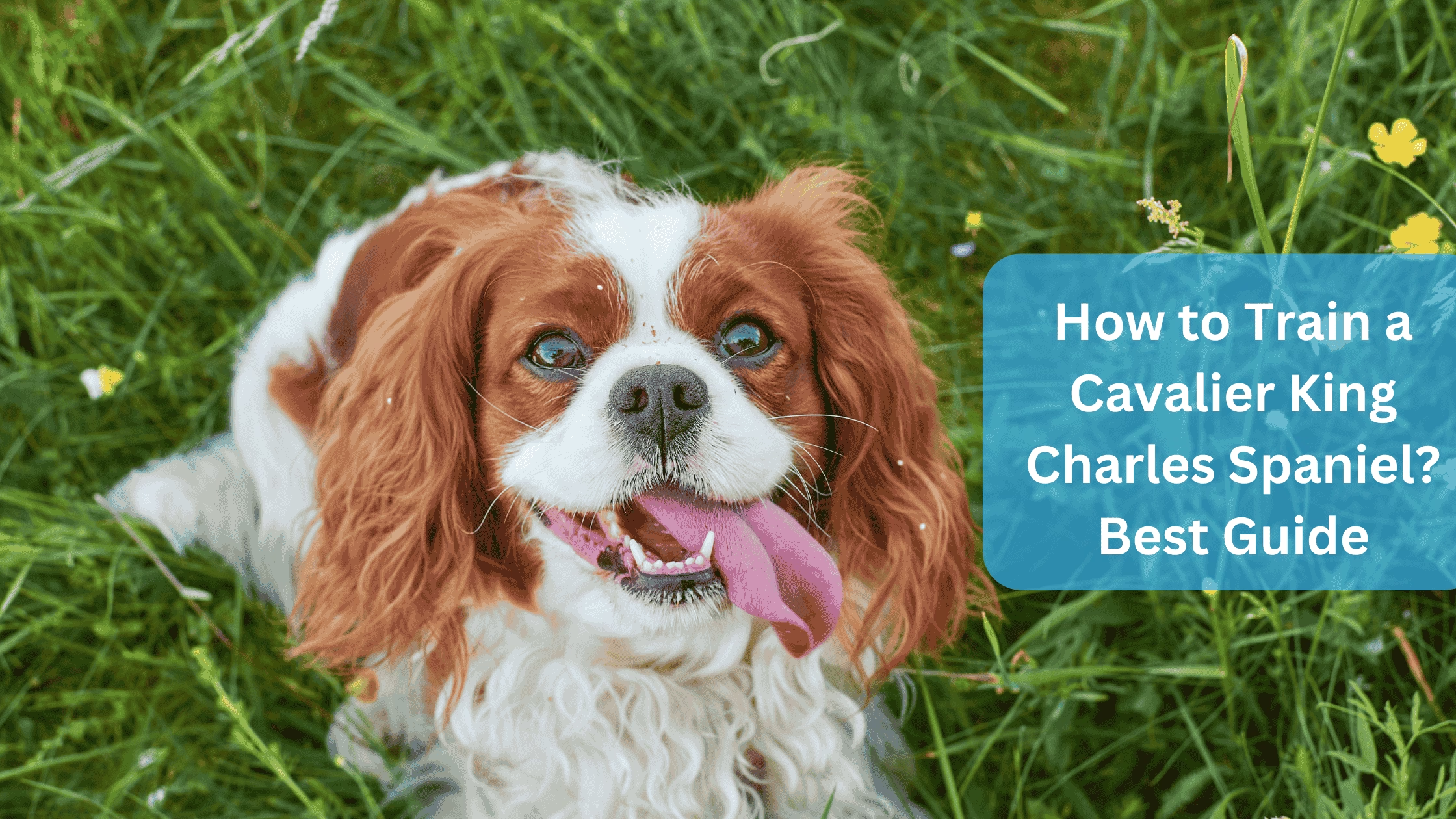
                    1. How to Train a Cavalier King Charles Spaniel? Best Guide

                      How to Train a Cavalier King Charles Spaniel? Best Guide

                      How to Train a Cavalier King Charles Spaniel? Training a Cavalier King Charles Spaniel (CKCS) can be one of the most rewarding experiences for dog owners.

                      Known for their affectionate nature, intelligence, and eagerness to please, Cavaliers are generally easy to train.

                      However, like all breeds, they require consistent training methods tailored to their unique characteristics.

                      This comprehensive guide will cover various aspects of training a CKCS, including potty training, crate training, teaching basic commands, socialization, and addressing common behavioral issues.

                      Understanding the Cavalier King Charles Spaniel

                      Before diving into training techniques, it’s essential to understand the breed’s temperament and characteristics.

                      The Cavalier King Charles Spaniel is a small breed that typically weighs between 13 to 18 pounds and stands about 12 to 13 inches tall.

                      They are known for their friendly disposition and adaptability, making them excellent family pets.

                      Cavaliers are highly social dogs that thrive on companionship and can become anxious if left alone for extended periods.

                      Their intelligence and willingness to learn make them suitable candidates for training. However, they can also be sensitive; harsh training methods may lead to fear or anxiety. Therefore, using positive reinforcement techniques is crucial for effective training.

                      How to Train a Cavalier King Charles Spaniel?

                      Training a Cavalier King Charles Spaniel involves a systematic approach that includes establishing routines, using positive reinforcement, and focusing on consistency.

                      Here’s a step-by-step process to guide you through effectively training your CKCS:

                      Getting Started with Training

                      Setting Training Goals

                      Before you begin training your CKCS, it’s important to set clear goals. Consider what behaviors you want to teach your dog. Common goals include:

                      • Basic obedience commands (sit, stay, come)
                      • Potty training
                      • Crate training
                      • Socialization with other dogs and people
                      • Teaching tricks or advanced commands

                      Having specific goals will help you stay focused during training sessions and measure your progress over time.

                      Preparing Your Home

                      Creating a conducive environment for training is essential. Here are some steps to prepare your home:

                      • Designate a Training Area: Choose a quiet space in your home where you can conduct training sessions without distractions.
                      • Remove Distractions: Ensure that the area is free from noise and other pets that could divert your dog’s attention.
                      • Gather Training Supplies: Have treats, toys, a clicker (if using clicker training), and any other necessary supplies ready before starting.

                      Basic Training Techniques

                      Positive Reinforcement

                      Positive reinforcement is the most effective method for training any dog, including Cavaliers. This technique involves rewarding your dog immediately after they perform the desired behavior. Here’s how to implement it effectively:

                      • Rewards: Use high-value treats that your dog loves. These should be small enough to consume quickly but enticing enough to motivate them.
                      • Timing: Deliver the reward as soon as your dog performs the correct behavior. This helps them associate the action with the reward.
                      • Consistency: Be consistent with your commands and rewards. Use the same word or phrase for each command so your dog learns what is expected.

                      Clicker Training

                      Clicker training is another effective method that uses a clicker device to mark desired behaviors. The sound of the click signifies that your dog has done something right and will receive a reward.

                      • How to Use: Click at the moment your dog performs the desired action, then follow up with a treat. This helps clarify which specific behavior is being rewarded.
                      • Benefits: Clicker training can be particularly beneficial for teaching complex behaviors or tricks because it provides clear communication between you and your dog.

                      Teaching Basic Commands to a Cavalier King Charles Spaniel

                      Teaching basic commands is essential for good behavior and communication between you and your CKCS. Here’s how to teach some fundamental commands:

                      How to Train a Cavalier King Charles Spaniel to Sit

                      1. Get Their Attention: Hold a treat above their nose.
                      2. Move It Back Over Their Head: As they follow the treat with their eyes, they will naturally sit down.
                      3. Reward Immediately: As soon as they sit, say “sit” clearly and give them the treat along with praise.
                      4. Practice Regularly: Repeat this process several times until they understand what “sit” means without needing the treat above their head each time.

                      How to Train a Cavalier King Charles Spaniel to Stay

                      1. Ask Them to Sit First: Start with your dog in a sitting position.
                      2. Open Your Palm Towards Them: Say “stay” firmly but kindly.
                      3. Take A Step Back: If they remain seated after you step back, return immediately and reward them.
                      4. Gradually Increase Distance: Once they grasp staying in place well at close distances, gradually increase how far away you stand before returning for praise/reward.

                      How to Train a Cavalier King Charles Spaniel to Come

                      1. Use A Long Leash Initially: This allows freedom while maintaining control.
                      2. Call Their Name Followed by “Come”: Use an enthusiastic tone; dogs respond well when excited.
                      3. Gently Pull on The Leash If Needed Until They Reach You: When they arrive at your side (even if assisted), reward immediately!
                      4. Practice Regularly In Different Environments: This helps reinforce learning amidst distractions over time.

                      How to Train a Cavalier King Charles Spaniel To Fetch

                      1) Start With A Favorite Toy Or Ball: Throw it short distances initially.

                      2) Encourage Them To Bring It Back Using Treats Or Praise When They Do So Successfully!

                      3) Repeat Until They Understand The Game Well Enough To Retrieve Without Prompting Each Time!

                      Potty Training a Cavalier King Charles Spaniel

                      Potty training is one of the first things you should focus on when bringing home a CKCS puppy. It requires patience and consistency but can be accomplished with the right approach.

                      How to Potty Train a Cavalier King Charles Spaniel Puppy

                      1. Establish a Routine: Take your puppy outside frequently—after meals, naps, and playtime. Puppies have small bladders and need regular opportunities to relieve themselves.
                      2. Choose a Designated Spot: Always take your puppy to the same spot outside to help them associate it with going potty. The scent will encourage them to go in that area.
                      3. Reward Immediately: Praise and reward your puppy immediately after they go potty outside. This reinforces the behavior you want them to repeat.
                      4. Supervise Indoors: Keep an eye on your puppy indoors; if you catch them in the act of going inside, gently interrupt them and take them outside immediately.
                      5. Recognize Signs: Learn to recognize signs that your puppy needs to go out—sniffing around, circling, or whining are common indicators.
                      6. Be Patient: Accidents will happen during potty training; remain calm and avoid punishment. Instead, clean up thoroughly to remove any lingering odors that might encourage repeat incidents in the same spot.

                      How Long Does It Take to Potty Train a Cavalier King Charles Spaniel?

                      Typically, it takes about four to six months for full potty training; however, consistency is key. Some puppies may learn faster than others depending on their individual temperament and previous experiences.

                      Crate Training a Cavalier King Charles Spaniel

                      Crate training is beneficial for both you and your CKCS by providing them with their own safe space while also aiding in potty training efforts.

                      How to Crate Train a Cavalier King Charles Spaniel

                      1. Introduce the Crate: Allow your puppy to explore the crate at their own pace; place treats inside to encourage them to enter voluntarily.
                      2. Short Stays: Start by closing the door for short periods while you are nearby. Gradually increase the duration as they become more comfortable.
                      3. Create Positive Associations: Make the crate an inviting space by adding soft bedding and toys. Feed meals in the crate or give treats when they enter voluntarily.
                      4. Never Use It as Punishment: The crate should be seen as a positive space where they can relax; avoid using it as punishment as this will create negative associations.
                      5. Establish a Routine: Incorporate crate time into their daily routine—this will help them understand when it’s time for rest or quiet time.
                      6. Gradual Independence: Once comfortable in their crate while you’re home, gradually leave them alone in it while you step out briefly before extending this time as they adjust.

                      Benefits of Crate Training a Cavalier King Charles Spaniel

                      • Provides safety when you cannot supervise your puppy.
                      • Helps with potty training by encouraging them to hold it until they can go outside.
                      • Offers a secure space where they can retreat when feeling anxious or overwhelmed.
                      • Aids in travel safety by acclimating them to being in confined spaces during car rides or trips away from home.

                      Socialization and Behavioral Training a Cavalier King Charles Spaniel

                      Socialization is crucial for Cavaliers since they are naturally friendly but can be timid without proper exposure.

                      Importance of Socializing a Cavalier King Charles Spaniel

                      Socializing your CKCS puppy helps prevent behavioral issues later on:

                      • Arrange playdates with other dogs of varying sizes/temperaments so they learn appropriate interactions early on!
                      • Take them on walks in various settings (parks, busy streets) where different sounds/people may be encountered regularly throughout development stages!

                      Addressing Common Behavioral Issues in a Cavalier King Charles Spaniel

                      Cavaliers may develop issues like separation anxiety or excessive barking if not properly trained:

                      • Provide plenty of exercise through walks/playtime daily—this helps burn off excess energy!
                      • Consider professional help if behavioral problems persist despite consistent efforts at home—sometimes external guidance makes all difference!

                      Advanced Training Techniques

                      Once basic commands are mastered consider advanced techniques like agility or trick training:

                      Teaching Tricks And Agility to a Cavalier King Charles Spaniel

                      Cavaliers enjoy learning tricks due largely to their playful nature and desire to please their owners. Here’s how to get started:

                      1. Start with Simple Tricks: Begin with easy tricks that are fun and rewarding for both you and your dog. Examples include:

                          • Shake Hands: Hold a treat in your hand, encourage your dog to paw at it, and reward them when they do.
                          • Roll Over: With your dog in a lying position, use a treat to guide them into a roll. Start by getting them to lie down, then gently encourage them to roll over while saying “roll over.” Reward them once they complete the action.

                          2. Gradually Introduce Agility Courses: Once your Cavalier has mastered some basic tricks, you can introduce agility training. This not only provides physical exercise but also challenges their minds. Here’s how to set it up:

                            • Start Small: Begin with simple obstacles like low jumps or weave poles made from household items. Ensure that the obstacles are safe and appropriate for your dog’s size.
                            • Use Positive Reinforcement: Encourage your dog to navigate the course using treats and praise. Show them how to jump over a small hurdle or weave between cones, rewarding them for each successful attempt.
                            • Increase Complexity: As your dog becomes more comfortable with the basics, gradually increase the complexity of the course by adding more obstacles or increasing the height of jumps. Always ensure that the course remains safe and manageable for your dog.

                            3. Incorporate Fun Activities: Keep training sessions engaging by incorporating games that involve agility skills, such as:

                              • Tug-of-War: Use a rope toy to engage in tug-of-war, which can help develop strength and coordination.
                              • Fetch with Obstacles: Throw a ball or toy through an agility course, encouraging your dog to navigate the obstacles to retrieve it.

                              4. Participate in Agility Classes: If you find that your CKCS enjoys agility training, consider enrolling in local agility classes or clubs. These classes provide structured training environments and opportunities for socialization with other dogs.

                              5. Regular Practice: Consistency is key in advanced training. Set aside time each week for agility practice and trick training sessions to reinforce learned behaviors and keep your dog mentally stimulated.

                                By incorporating these advanced training techniques into your routine, you not only enhance your Cavalier King Charles Spaniel’s skills but also strengthen the bond between you through shared activities and fun experiences.

                                Additional Tips for Successfully Training a Cavalier King Charles Spaniel

                                1) Be Patient And Consistent: Every dog learns at its own pace; some may take longer than others depending on individual temperament or past experiences!

                                2) Keep Sessions Short And Fun: Aim for 5–10 minute sessions multiple times per day rather than long drawn-out practices which could lead frustration boredom!

                                3) Use High-Value Treats: Especially during initial learning phases—these should be something special that makes learning feel rewarding enjoyable!

                                4) Incorporate Play Into Learning: Combine playtime activities with command practice—this keeps things light-hearted while reinforcing skills learned!

                                5) Regularly Review Commands: Even after mastering basics revisit previously learned skills occasionally—it reinforces memory builds confidence!

                                6) Seek Professional Help If Needed: If challenges arise don’t hesitate consult trainers specializing positive reinforcement methods tailored specifically breed needs!

                                Common FAQ’s About Training CKCS

                                How Easy Is It To Train A Cavalier King Charles Spaniel?

                                Cavalier King Charles Spaniels are generally easy due primarily because of their intelligence combined with eagerness please owners who train them effectively using positive reinforcement methods consistently over time!

                                How Do I Train My Cavalier King Charles Spaniel To Sleep At Night?

                                Establishing bedtime routine helps signal when sleep time arrives ensure adequate exercise provided during day leading up toward nighttime rest periods too!

                                Also Read: How to Train a Dog with Food Aggression? Proven Strategies.

                                Also Read: How to Train a Great Pyrenees to Guard Livestock?

                                Conclusion

                                Training your Cavalier King Charles Spaniel can be an enjoyable experience that strengthens your bond while ensuring good behavior throughout their life together!

                                By utilizing positive reinforcement techniques maintaining consistency within approach set both yourself pup success various aspects life together—from potty-training advanced tricks!

                                Remember patience remains vital every dog learns individual pace so don’t hesitate consult professional trainers specializing positive reinforcement methods tailored specifically this loving breed if challenges arise during sessions unsure certain techniques being used!

                                By following this comprehensive guide on how train cavalier king charles spaniel effectively you’ll be well-equipped raise obedient companion who brings joy into every aspect life!


                                Sources:
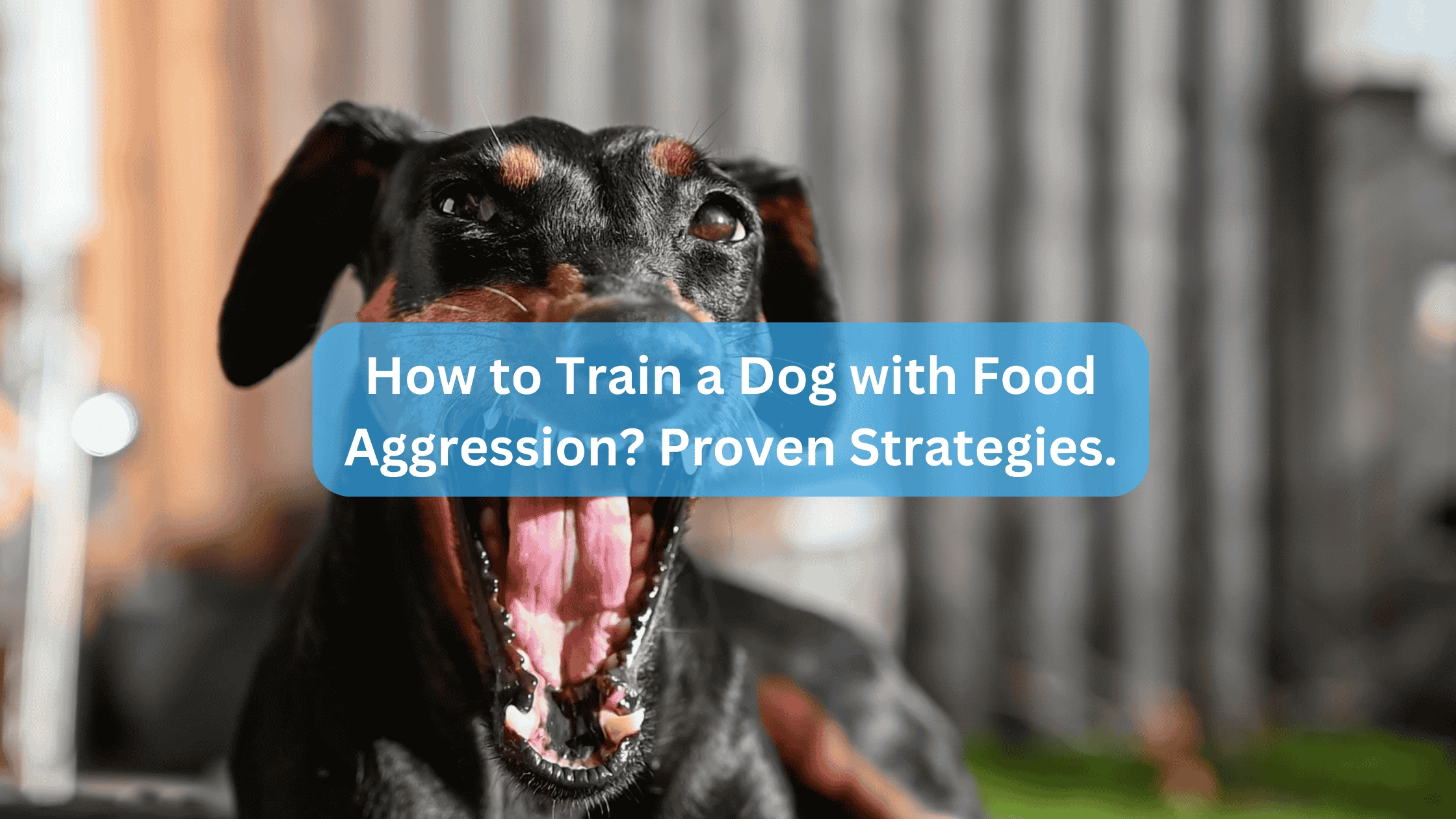
                              1. How to Train a Dog with Food Aggression? Proven Strategies.

                                How to Train a Dog with Food Aggression? Proven Strategies.

                                How to Train a Dog with Food Aggression? – Food aggression, often referred to as resource guarding, is a behavioral issue that many dog owners face.

                                It occurs when a dog displays aggressive behavior while eating or when someone approaches its food.

                                Understanding how to manage and train a dog with food aggression is crucial for the safety of both the dog and its human companions.

                                This guide will explore the causes of food aggression, effective training techniques, and strategies to create a positive feeding environment.

                                Understanding Food Aggression In Dogs

                                Food aggression can manifest in various ways, including growling, snapping, or biting when someone approaches the dog’s food bowl. This behavior can stem from several factors:

                                • Genetic Predisposition: Some breeds are more prone to resource guarding due to their evolutionary history.
                                • Learned Behavior: Dogs may learn that aggressive behavior can help them keep their food safe from perceived threats.
                                • Fear and Anxiety: A dog that has experienced trauma or neglect may guard its food out of fear of losing it.
                                • Lack of Socialization: Dogs that have not been properly socialized may not understand how to behave around people or other animals during meal times.

                                Understanding these underlying causes is essential for effective training and management strategies.

                                Identifying Food Aggression In Dogs

                                Recognizing the signs of food aggression is the first step in addressing it. Common indicators include:

                                • Growling or snarling when approached while eating
                                • Stiff body posture or raised hackles
                                • Snapping or biting when someone tries to take away food
                                • Reluctance to allow others near their food bowl

                                If you notice these behaviors, it’s important to take action promptly to prevent escalation.

                                How to Train a Dog with Food Aggression?

                                Training a dog with food aggression requires patience, consistency, and positive reinforcement. Here are several effective techniques:

                                1. Establish Trust

                                Building trust between you and your dog is fundamental. Use positive reinforcement techniques to reward good behavior. This can include treats, praise, or playtime when your dog behaves calmly around food.

                                2. Desensitization

                                Desensitization involves gradually exposing your dog to situations that trigger its aggressive behavior in a controlled manner.

                                Start by standing at a distance while your dog eats and tossing high-value treats toward it. This helps the dog associate your presence with positive experiences.

                                3. Trade-Up Technique

                                The trade-up technique involves offering your dog something more valuable than its current food. For example:

                                • As your dog eats, toss high-value treats (like chicken or cheese) into its bowl.
                                • Gradually work toward touching the bowl while adding treats.
                                • If your dog shows any signs of aggression, back off and try again later.

                                This method teaches the dog that your approach means better rewards rather than threats.

                                4. Teach Commands

                                Teaching commands such as “leave it” or “drop it” can be beneficial in managing food aggression. Use these commands during training sessions where you control the environment:

                                • Begin with low-value items and gradually increase the value as your dog learns.
                                • Always reward compliance with treats or praise.

                                5. Create a Safe Eating Environment

                                Designate a specific area for your dog’s meals where it feels secure. This could be a quiet room away from distractions or other pets. Avoid interrupting your dog while it eats, as this can increase anxiety and trigger aggressive behavior.

                                6. Use Puzzle Feeders

                                Puzzle feeders can help reduce food aggression by slowing down your dog’s eating process and providing mental stimulation. These feeders require dogs to work for their food, which can alleviate anxiety associated with mealtime.

                                7. Routine Feeding Schedule

                                Establishing a regular feeding schedule helps create predictability for your dog, reducing anxiety around mealtime. Dogs thrive on routine, so consistent feeding times can help them feel more secure.

                                Professional Help

                                If your dog’s food aggression is severe or if you’re feeling overwhelmed, seeking help from a professional dog trainer or behaviorist is highly recommended. They can provide tailored advice and training plans based on your dog’s specific needs and behaviors.

                                Additional Considerations When Addressing Food Aggression In Dogs

                                When addressing food aggression, consider these additional factors:

                                • Avoid Punishment: Scolding or punishing your dog for aggressive behavior can worsen the situation by increasing fear and anxiety.
                                • Monitor Interactions: Always supervise interactions between children and dogs exhibiting food aggression to prevent accidents.
                                • Be Patient: Changing aggressive behaviors takes time and consistency; celebrate small victories along the way.

                                Also Read: How to Train a Great Pyrenees to Guard Livestock?

                                Also Read: Dinuguan for Dogs: A Comprehensive Guide

                                Conclusion

                                Training a dog with food aggression requires understanding, patience, and consistent application of positive reinforcement techniques.

                                By addressing the underlying causes of this behavior and employing effective training strategies, you can help your dog feel more secure around food and reduce aggressive tendencies.

                                Remember that every dog is unique; what works for one may not work for another, so be prepared to adapt your approach as needed.

                                By following this comprehensive guide on how to train a dog with food aggression, you are taking significant steps toward ensuring a harmonious relationship between you and your furry friend while promoting safety for everyone involved.


                                Sources:

                              2. How to Train a Great Pyrenees to Guard Livestock?

                                How to Train a Great Pyrenees to Guard Livestock?

                                How to Train a Great Pyrenees to Guard Livestock? – Training a Great Pyrenees to guard livestock is a rewarding endeavor that requires patience, understanding of the breed’s unique characteristics, and a structured approach.

                                Known for their protective instincts and gentle demeanor, Great Pyrenees are one of the most effective breeds for guarding sheep, goats, and other livestock.

                                This comprehensive guide will cover everything you need to know about training your Great Pyrenees to be an effective livestock guardian.

                                Understanding the Great Pyrenees

                                The Great Pyrenees is a large breed with a strong instinct to protect their flock. They are known for their:

                                • Gentle Nature: Despite their size, they are typically gentle with livestock and children.
                                • Strong Guarding Instincts: They have a natural tendency to guard against predators such as coyotes and wolves.
                                • Independence: This breed is known for being independent thinkers, which can be both an asset and a challenge in training.

                                Understanding these traits is crucial in developing an effective training strategy.

                                Preparing for Training the Great Pyrenees

                                Before you begin training your Great Pyrenees, consider the following preparations:

                                • Establish Your Goals: Define what you want your dog to achieve. This could include protecting specific types of livestock or responding to certain commands.
                                • Create a Safe Environment: Ensure that your training area is safe for both your dog and the livestock. This includes secure fencing and supervision during initial interactions.
                                • Gather Training Tools: You may need treats, leashes, and toys to facilitate training sessions.

                                How to Train a Great Pyrenees to Guard Livestock – Step-by-Step Training Process

                                1. Socialization with Livestock

                                Introducing your Great Pyrenees to livestock is the first step in training. Follow these guidelines:

                                • Start Young: Ideally, begin socialization when your dog is a puppy (8-12 weeks old). This allows them to bond with the livestock early on.
                                • Controlled Introductions: Start by introducing your puppy to calm, mature animals in a controlled environment. Use a leash initially to maintain control.
                                • Supervised Interaction: Allow your puppy to observe and interact with the livestock while you supervise closely. Encourage gentle behavior and discourage any chasing or rough play.

                                2. Building Trust

                                Trust between your Great Pyrenees and the livestock is essential for effective guarding:

                                • Positive Reinforcement: Reward your dog with treats and praise for calm behavior around the livestock.
                                • Modeling Behavior: If possible, introduce your puppy to an older, trained Great Pyrenees who can model appropriate behavior around the livestock.

                                3. Establishing Territory

                                Great Pyrenees need to understand their territory:

                                • Define Boundaries: Walk your dog around the perimeter of the area where they will be guarding livestock. This helps them understand their space.
                                • Regular Patrols: Encourage your dog to patrol this area regularly. Use commands like “patrol” or “check” to reinforce this behavior.

                                4. Teaching Commands

                                Commands are crucial for effective communication during training:

                                • Basic Commands: Teach basic commands such as “sit,” “stay,” and “come.” These commands form the foundation of more advanced training.
                                • Specific Guarding Commands: Develop specific commands related to guarding behaviors, such as “leave it” for distracting them from chasing non-threatening animals or “alert” for notifying you of potential threats.

                                5. Gradual Independence

                                Once your dog is comfortable around livestock, begin allowing them more independence:

                                • Short Alone Time: Start by leaving your puppy alone with the livestock for short periods (a few minutes) while you observe from a distance.
                                • Increase Duration Gradually: As your dog becomes more confident, gradually increase the time they spend alone with the livestock.

                                6. Addressing Behavioral Issues

                                Behavioral issues may arise during training:

                                • Discourage Chasing: If your puppy chases livestock or other animals, use commands like “no” or “leave it” immediately followed by redirection towards appropriate behavior.
                                • Correct Aggression Towards Other Animals: If aggression towards other animals occurs, ensure proper socialization with those animals outside of guarding duties.

                                Common Challenges in Training a Great Pyrenees

                                Training a Great Pyrenees can come with its challenges:

                                • Independence: Their independent nature may lead them to make decisions without waiting for commands. Consistent reinforcement of commands is key.
                                • Distraction by Wildlife: They may be distracted by wildlife or other animals. Reinforcing recall commands can help manage this behavior.

                                Maintenance of Training a Great Pyrenees

                                Once basic training is established, ongoing maintenance is essential:

                                • Regular Practice Sessions: Continue practicing commands and reinforcing positive behaviors regularly throughout their lives.
                                • Exposure to Different Situations: Expose your dog to various environments and situations involving livestock to ensure they remain adaptable and responsive.

                                Frequently Asked Questions (FAQs)

                                What age should I start training my Great Pyrenees?

                                Start socialization as early as 8 weeks old. Early exposure helps them bond with livestock effectively.

                                Can I train an adult Great Pyrenees?

                                While it’s more challenging, adult dogs can still learn if they have not been exposed to livestock before. Patience and consistent training are essential.

                                How long does it take to train a Great Pyrenees?

                                Training duration varies but expect several months of consistent effort before achieving reliable guarding behavior.

                                What if my dog shows anxiety around livestock?

                                If your dog appears anxious, take it slow. Gradually increase exposure while providing reassurance and positive reinforcement.

                                Also Read: Dinuguan for Dogs: A Comprehensive Guide

                                Also Read: Premack Principle in Dog Training – Best Guide

                                Conclusion

                                Training a Great Pyrenees to guard livestock requires dedication, patience, and an understanding of their unique traits.

                                By following these structured steps—from socialization and trust-building to teaching commands and addressing behavioral challenges—you can develop a reliable guardian for your farm or homestead.

                                Remember that consistency is key; regular practice will help reinforce good behaviors and ensure that your Great Pyrenees remains an effective protector of your livestock for years to come.


                                Sources:

                              3. Premack Principle in Dog Training – Best Guide

                                Premack Principle in Dog Training – Best Guide

                                What is the Premack Principle in Dog Training? – The Premack Principle, named after psychologist David Premack, is a fundamental concept in behavioral psychology that has significant applications in dog training.

                                This principle states that more probable behaviors can reinforce less probable behaviors. In simpler terms, if a dog is more likely to engage in a certain behavior (like playing or sniffing) than another (like sitting or coming when called), the former can be used as a reward to encourage the latter.

                                This guide will explore the Premack Principle in depth, its application in dog training, and how to effectively implement it to improve your dog’s behavior.

                                What is the Premack Principle in Dog Training?

                                The essence of the Premack Principle lies in its reinforcement strategy.

                                It suggests that you can motivate your dog to perform less desirable tasks by allowing them to engage in activities they find highly rewarding afterward.

                                This principle can be summarized as follows:

                                • High-Probability Behavior: A behavior your dog is likely to do (e.g., playing fetch).
                                • Low-Probability Behavior: A behavior your dog is less likely to do (e.g., sitting patiently).

                                By linking these behaviors, trainers can effectively encourage dogs to comply with commands or tasks they might otherwise resist.

                                Historical Context

                                David Premack introduced this principle in the 1960s while studying animal behavior.

                                His research indicated that animals would perform less preferred tasks if it meant they could engage in more preferred ones afterward.

                                This concept has since been adopted widely in various fields, including education and animal training.

                                The Science Behind the Premack Principle

                                The underlying mechanism of the Premack Principle is rooted in operant conditioning, a learning process through which behaviors are modified by their consequences.

                                When a high-probability behavior follows a low-probability one, it creates an association that encourages the dog to repeat the low-probability behavior in hopes of receiving the reward.

                                For example, if a dog enjoys playing fetch but dislikes sitting on command, you can use fetch as a reward for sitting. Over time, your dog learns that sitting leads to playtime, making them more likely to sit when asked.

                                Practical Applications of the Premack Principle In Dog Training

                                The Premack Principle is a great tool for dog training because it helps you teach your dog to do things they might not want to do by using something they love as a reward.

                                Here are some simple ways to use this principle in your training:

                                1. Training Commands

                                You can use the Premack Principle to teach your dog commands like “sit” or “stay.”

                                Here’s how:

                                • Sit for Fetch: If your dog loves to play fetch, you can ask them to sit before you throw the ball. For example, say “sit” and wait until they sit down. Once they do, throw the ball! This way, they learn that sitting means they get to play.
                                • Stay for Playtime: If your dog gets excited when it’s time to play, you can teach them to stay in one spot first. Tell them to “stay,” and once they do it well, let them have some fun playing afterward. This teaches them that staying calm leads to playtime.

                                2. Addressing Behavioral Issues

                                The Premack Principle can also help fix behaviors that you might not like:

                                • Calmness at Doorways: If your dog jumps up when guests arrive, you can wait for them to calm down before letting them greet anyone. For example, when someone knocks on the door, if your dog starts barking and jumping, don’t open the door until they sit quietly. Once they are calm, open the door and let them say hello.
                                • Leash Training: If your dog pulls on the leash during walks, teach them to walk nicely beside you first. You can let them explore (which they love) only after they walk calmly next to you without pulling. This way, they learn that walking nicely means more fun during walks.

                                3. Enhancing Recall Training

                                Recall training is all about teaching your dog to come back when you call them.

                                The Premack Principle can make Recall Training easier:

                                • When you’re outside and your dog is having fun chasing a squirrel or playing with other dogs, call them back. If they come when called, immediately let them go back to playing afterward. This teaches them that coming back leads to even more fun!

                                Implementing the Premack Principle In Dog Training Effectively

                                To use the Premack Principle in training your dog successfully, follow these simple steps:

                                1. Identify High-Probability Behaviors

                                First, figure out what activities your dog loves most. These are called high-probability behaviors.

                                Some examples could be:

                                • Playing with their favorite toy
                                • Going for a walk
                                • Getting treats
                                • Playing with other dogs

                                2. Establish Low-Probability Behaviors

                                Next, think about what commands or actions your dog doesn’t like as much or finds hard to do. These are low-probability behaviors.

                                For example:

                                • Sitting on command
                                • Staying in one place
                                • Coming when called

                                3. Create Associations

                                Now it’s time to link these behaviors together! Start by asking your dog to do a low-probability behavior and then reward them with a high-probability behavior afterward.

                                Here’s how:

                                • Ask your dog to “sit” before throwing their favorite toy.
                                • Tell your dog to “stay” before letting them go outside for a walk.

                                4. Use Timing and Consistency

                                Make sure you give rewards right after your dog does what you asked for! This helps them understand what behavior is being rewarded.

                                For example:

                                • If your dog sits and you throw the ball right away, they will learn that sitting gets them playtime.

                                Be consistent! Always reward the same low-probability behavior with the same high-probability reward so that your dog knows what’s expected.

                                5. Gradually Increase Difficulty

                                As your dog gets better at following commands, gradually make things a little harder for them.

                                For instance:

                                • Once your dog reliably sits before fetching the ball, try asking them to “stay” for a few seconds before throwing it.

                                This helps challenge them while still using rewards they enjoy!

                                Common Mistakes In Premack Principle Dog Training

                                While using the Premack Principle can be very effective, there are some common mistakes people make that you should avoid:

                                1. Inconsistent Rewards

                                One mistake is not giving rewards consistently or immediately after the desired behavior occurs. If you sometimes reward your dog for sitting and sometimes don’t, they may get confused about what behavior is being reinforced.

                                For example, if you ask your dog to sit but only throw the ball sometimes when they do it, they might stop sitting altogether because they’re unsure if it will lead to playtime.

                                2. Overusing High-Probability Behaviors

                                Another mistake is relying too much on one type of reward. If you always use the same toy or game as a reward, your dog might get bored with it over time.

                                To keep things exciting for your dog, mix up their rewards! Sometimes use treats; other times use playtime or different toys.

                                3. Neglecting Low-Probability Behaviors

                                Some trainers focus only on high-probability behaviors and forget about reinforcing low-probability ones. This can lead to frustration for both you and your dog.

                                For instance, if you only reward your dog when they fetch but never reinforce their sitting or staying commands, they might not learn those important skills well.

                                By avoiding these common mistakes and understanding how to apply the Premack Principle effectively, you’ll be well on your way to training a happy and well-behaved dog!

                                Frequently Asked Questions

                                What types of rewards work best with the Premack Principle?

                                Rewards can vary widely based on what motivates your dog most effectively.
                                Common rewards include:
                                1. Playing fetch
                                2. Going for walks
                                3. Social interactions with other dogs
                                4. Treats or food
                                5. Engaging in favorite activities (e.g., swimming)

                                Can I use this principle for all dogs?

                                Yes! The Premack Principle applies universally across different breeds and temperaments. However, understanding each dog’s unique preferences is crucial for effective implementation.

                                How long does it take for my dog to learn through this method?

                                The time it takes for a dog to learn varies based on individual learning speeds and consistency in training practices. Generally, with regular practice and positive reinforcement, noticeable improvements can occur within weeks.

                                Are there any behaviors that should not be reinforced using this principle?

                                While most behaviors can be linked through this principle, caution should be exercised with highly stimulating or arousing behaviors that could lead to anxiety or aggression (e.g., chasing small animals). Always prioritize safety and well-being when choosing rewards.

                                Also Read: Can Dogs Eat Seaweed? A Comprehensive Guide

                                Also Read: Can Dogs Eat Kimbap? A Comprehensive Guide

                                Conclusion

                                The Premack Principle offers an innovative approach to dog training that leverages natural instincts and preferences.

                                By understanding how high-probability behaviors can reinforce low-probability ones, trainers can create effective strategies that encourage desired behaviors while making training enjoyable for both dogs and their owners.

                                Implementing this principle requires careful observation of your dog’s preferences and consistent application of rewards tied to specific commands or actions.

                                With patience and creativity, you can transform challenging training scenarios into engaging experiences that foster learning and strengthen your bond with your canine companion.

                                By mastering the Premack Principle, you’ll not only enhance obedience but also enrich your dog’s overall quality of life through positive reinforcement strategies that celebrate their natural inclinations and desires.


                                Sources:

                              4. How to Train a Dog to Use a Pee Pad: A Comprehensive Guide

                                How to Train a Dog to Use a Pee Pad: A Comprehensive Guide

                                How to Train a Dog to Use a Pee Pad? Training your dog to use a pee pad can be an essential skill for both pet owners and their furry friends.

                                Whether you’re dealing with a new puppy, an older dog, or a pet recovering from illness, pee pads provide a convenient solution for indoor potty needs.

                                This guide will delve into the significance of this training, effective methods, common challenges, and frequently asked questions.

                                Understanding the Benefits of Pee Pads

                                Using pee pads can significantly ease the challenges of dog ownership. Here are some key benefits:

                                • Convenience: Pee pads offer a reliable option for busy owners who may not always have time for outdoor walks.
                                • Indoor Living: For apartment dwellers or those without immediate access to outdoor spaces, pee pads provide a practical solution.
                                • Health Issues: Older dogs or those with health conditions may struggle with outdoor potty trips, making pee pads a helpful alternative.

                                Preparing for Training

                                Before starting the training process, it’s essential to set the stage for success. Here are some preparatory steps:

                                1. Choose the Right Location: Select a quiet area in your home where your dog can feel comfortable using the pad.
                                2. Select Appropriate Pads: Choose pads that are absorbent and large enough for your dog’s size.
                                3. Gather Supplies: Keep treats, cleaning supplies, and any necessary training tools handy.

                                How to Train a Dog to Use a Pee Pad – Step-by-Step Training Methods

                                Establishing the Pee Pad Area

                                1. Set Up the Pad: Lay down the pee pad in the designated area. Ensure it’s flat and secure.
                                2. Introduce Your Dog: Allow your dog to sniff and explore the pad. Use an excited tone to encourage them.
                                3. Use a Leash: Initially, keep your dog on a leash when introducing them to the pad to guide them effectively.

                                Training Techniques

                                1. Verbal Cues: Use consistent verbal cues such as “go potty” every time you take your dog to the pad. This helps them associate the command with the action.
                                2. Frequent Visits: Take your dog to the pad regularly—every 2-3 hours initially—to reinforce the habit.
                                3. Positive Reinforcement: Praise and reward your dog immediately after they use the pad successfully. Treats can also be effective motivators.
                                4. Monitor Signs: Watch for signs that your dog needs to go (sniffing around, circling) and take them promptly to the pad.
                                5. Accidents Happen: If your dog has an accident elsewhere, calmly redirect them back to the pad without punishment.

                                Gradual Independence

                                As your dog begins using the pad consistently:

                                1. Reduce Supervision: Gradually allow more freedom while still monitoring their behavior.
                                2. Decrease Treats: Once they are consistently using the pad, you can slowly reduce treats but continue verbal praise.
                                3. Move Pads if Necessary: If you plan to transition from indoor pads to outdoor potty areas later, begin moving the pad closer to the door gradually.

                                Tips for Successful Training

                                • Consistency is Key: Maintain a routine with regular potty breaks and cues.
                                • Be Patient: Every dog learns at their own pace; some may take longer than others.
                                • Clean Accidents Properly: Use enzyme-based cleaners to eliminate odors that might attract your dog back to previous accident spots.
                                • Limit Distractions: When training, keep other pets or distractions away from the area.

                                Common Mistakes to Avoid

                                • Inconsistency in Commands: Using different phrases can confuse your dog.
                                • Punishing Accidents: Negative reinforcement can lead to anxiety and fear around potty training.
                                • Neglecting Cleanup: Failing to clean up accidents properly can lead your dog back to those spots.

                                Frequently Asked Questions

                                How long does it take to train a dog to use a pee pad?

                                Training duration varies by individual dogs but typically ranges from a few days to several weeks depending on consistency and reinforcement methods used.

                                Can older dogs learn to use pee pads?

                                Absolutely! Older dogs can learn new behaviors with patience and positive reinforcement techniques similar to younger dogs.

                                What if my dog refuses to use the pee pad?

                                If your dog is hesitant, ensure they feel comfortable in their environment and consider adjusting the location of the pad or using different types of pads that may be more appealing.

                                How do I transition my puppy from pee pads to outside?

                                Gradually move the pee pad closer to an exit door before transitioning it outdoors entirely, allowing them time to adjust before removing indoor options completely.

                                Also Read: Why Do Male Dogs Hump Each Other? A Comprehensive Guide.

                                Also Read: Can Dogs Sense Depression and Anxiety? A Comprehensive Guide

                                Conclusion

                                Training your dog to use a pee pad is not only practical but can also strengthen your bond as you work together through this learning process.

                                With patience, consistency, and positive reinforcement, most dogs can become proficient at using pee pads within a short period.

                                By following this comprehensive guide on how to train a dog to use a pee pad, you’ll be well-equipped with strategies that promote successful potty habits while ensuring comfort for both you and your furry friend.

                                Embrace this opportunity for growth and enjoy every step of this rewarding journey!


                                Sources: