Category: Dog Training

  • Why Do Male Dogs Hump Each Other?   A Comprehensive Guide.

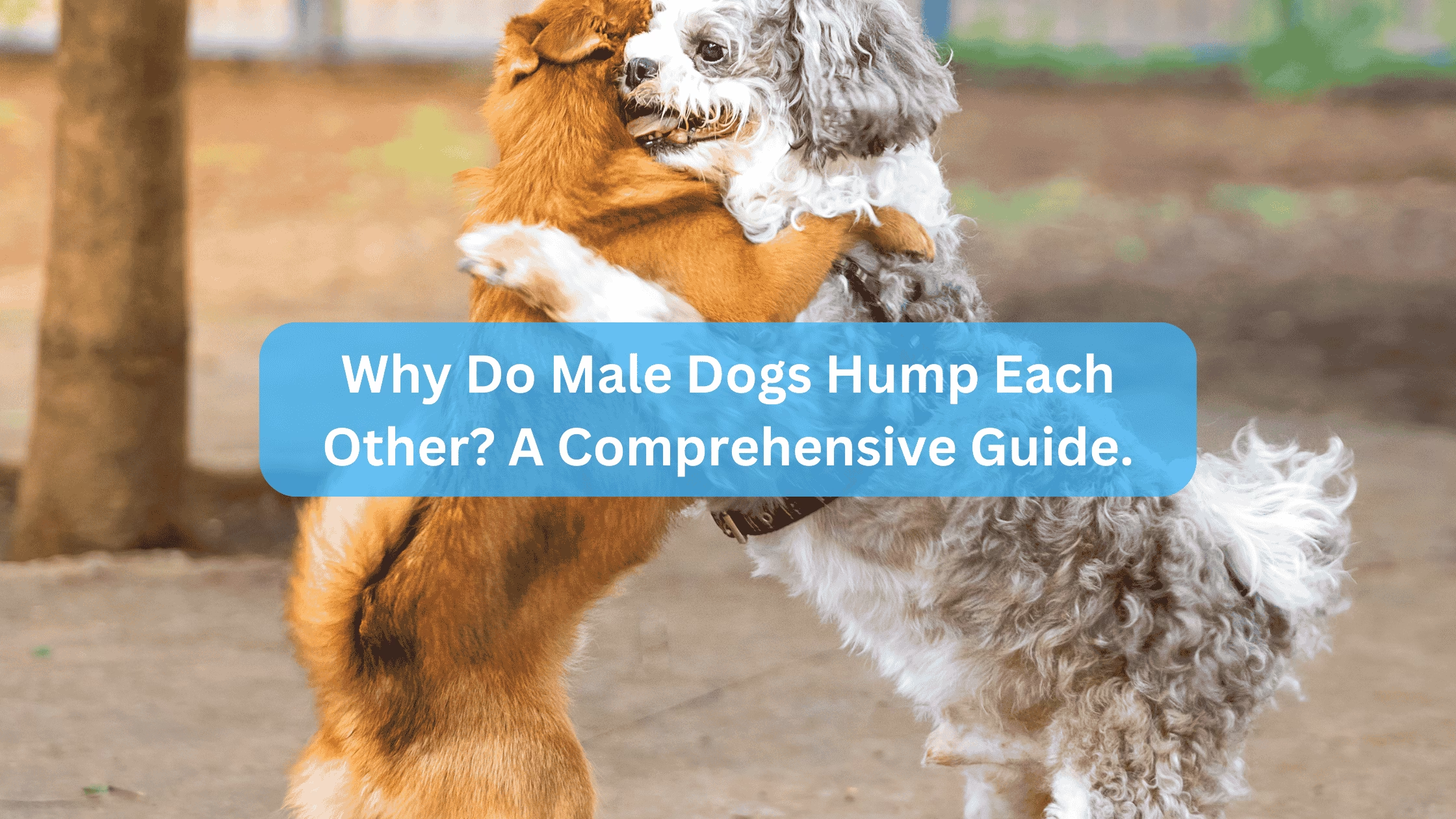
    Why Do Male Dogs Hump Each Other? A Comprehensive Guide.

    Why Do Male Dogs Hump Each Other? Humping behavior in dogs, particularly among male dogs, can be perplexing and often embarrassing for pet owners.

    Many people wonder why their male dogs engage in this behavior, especially when it involves humping other male dogs.

    This comprehensive guide will explore the various reasons behind this behavior, its implications, and what pet owners can do to manage it effectively.

    The Nature of Humping Behavior in Dogs

    Humping, also known as mounting, is a common behavior observed in both male and female dogs.

    While it is often associated with sexual activity, humping can occur for various reasons that are not necessarily sexual in nature.

    Understanding the context is crucial for interpreting this behavior correctly.

    Common Misconceptions About Dog Humping

    Many pet owners mistakenly believe that humping is strictly a sexual behavior. However, this is not always the case. Here are some common misconceptions:

    • Misconception 1: Humping is always sexual. In reality, humping can be a playful act or a response to excitement or stress.
    • Misconception 2: Only unneutered males hump. While intact males may be more prone to humping due to hormonal influences, neutered males and even females can exhibit this behavior as well.
    • Misconception 3: Humping indicates a behavioral problem. Humping can be a normal part of dog play and social interaction; however, excessive humping may signal an underlying issue.

    Reasons Why Do Male Dogs Hump Each Other?

    Understanding the motivations behind humping behavior can help pet owners manage it effectively. Here are some of the primary reasons male dogs may hump each other:

    1. Establishing Dominance

    One of the most common reasons for humping among male dogs is to establish social hierarchy.

    In canine social structures, dominance plays a vital role. When one dog humps another, it may be asserting its position within the pack or group.

    This behavior is more pronounced among unneutered males who may feel compelled to demonstrate their dominance over others.

    2. Play Behavior

    Humping can also occur during playtime. Dogs often engage in playful behaviors that include chasing, wrestling, and mounting.

    In these cases, humping is generally not sexually motivated but rather a way for dogs to interact and have fun with each other.

    3. Excitement or Overstimulation

    Dogs may hump when they become overly excited or stimulated. This can happen during playdates or when meeting new dogs.

    The excitement can lead to behaviors that might seem inappropriate but are simply expressions of joy or exuberance.

    4. Stress Relief

    For some dogs, humping serves as a coping mechanism for stress or anxiety. Dogs may mount when they feel overwhelmed or anxious as a way to relieve tension.

    This behavior can become problematic if it occurs frequently or in inappropriate situations.

    5. Medical Issues

    In rare cases, excessive humping may indicate an underlying medical condition such as urinary tract infections or skin irritations.

    If a dog is experiencing discomfort or pain, it may engage in humping as a way to alleviate that discomfort.

    The Role of Social Dynamics

    Understanding canine social dynamics is essential for interpreting why male dogs hump each other.

    Dogs are pack animals with complex social structures that involve establishing roles and hierarchies within their groups.

    Social Structure Among Dogs

    In multi-dog households or environments where several dogs interact, establishing a clear social hierarchy is crucial.

    Humping can be a way for one dog to assert its authority over another, especially if one dog perceives itself as dominant.

    Recognizing Dominance vs. Play

    It’s important for pet owners to observe the context in which humping occurs:

    • Dominance Display: If one dog consistently humps another without reciprocation and displays assertive body language (e.g., stiff posture), it may indicate a dominance display.
    • Playful Interaction: If both dogs engage in mutual play with relaxed body language (e.g., wagging tails), the humping may simply be part of their playful interaction.

    Managing Humping Behavior in Dogs

    While some instances of humping are normal and harmless, there are steps pet owners can take to manage excessive or inappropriate humping behavior.

    Training Techniques

    1. Redirect Attention: When you notice your dog starting to hump another dog, redirect their attention by calling them away or offering them a toy.
    2. Teach Commands: Reinforce basic commands such as “sit” or “stay.” Teaching your dog alternative behaviors can help reduce unwanted actions like humping.
    3. Socialization: Ensure your dog has ample opportunities to socialize with other dogs from an early age. Proper socialization helps teach appropriate play behaviors and reduces instances of dominant humping.
    4. Reward Good Behavior: Use positive reinforcement techniques by rewarding your dog when they engage in appropriate behaviors instead of humping.

    Physical Activity and Mental Stimulation

    Providing your dog with sufficient physical exercise and mental stimulation can help reduce excess energy that might lead to humping:

    • Regular Walks: Ensure your dog gets daily walks to expend energy.
    • Interactive Toys: Use puzzle toys that challenge your dog’s mind and keep them engaged.
    • Playdates: Arrange playdates with other well-socialized dogs to provide healthy interaction opportunities.

    Neutering Considerations

    Neutering can reduce hormone-driven behaviors in male dogs, including some instances of humping.

    However, it’s essential to note that neutering alone may not eliminate all instances of this behavior since many factors contribute to why dogs hump.

    When to Seek Professional Help

    If your dog’s humping behavior becomes excessive or aggressive despite attempts at management, it may be time to consult a professional:

    • Veterinarian Consultation: A vet can rule out any medical issues contributing to the behavior.
    • Professional Trainer or Behaviorist: A certified trainer or animal behaviorist can provide tailored strategies for managing problematic behaviors effectively.

    Also Read: Can Dogs Eat Hummus? A Comprehensive Guide

    Also Read: Can Dogs Sense Depression and Anxiety? A Comprehensive Guide

    Conclusion

    Understanding why male dogs hump each other involves recognizing the complex interplay of social dynamics, playfulness, excitement, stress relief, and potential medical issues.

    While some instances of humping are normal canine behaviors, excessive or inappropriate actions warrant attention from pet owners.

    By employing effective training techniques, ensuring proper socialization and exercise, and considering neutering options where applicable, pet owners can manage their dog’s humping behavior more effectively.

    If concerns persist, seeking professional guidance will ensure both you and your furry friend enjoy a harmonious relationship free from unwanted behaviors.

    In summary:

    • Humping among male dogs is often related to dominance but can also stem from playfulness or stress relief.
    • Proper training and management techniques can help mitigate excessive humping.
    • Always consider consulting professionals if the behavior becomes problematic or aggressive.

    With these insights into canine behavior, you’ll be better equipped to understand and manage your dog’s actions while fostering a positive environment for all pets involved.


    Sources:
  • How to Train a Husky: A Comprehensive Guide

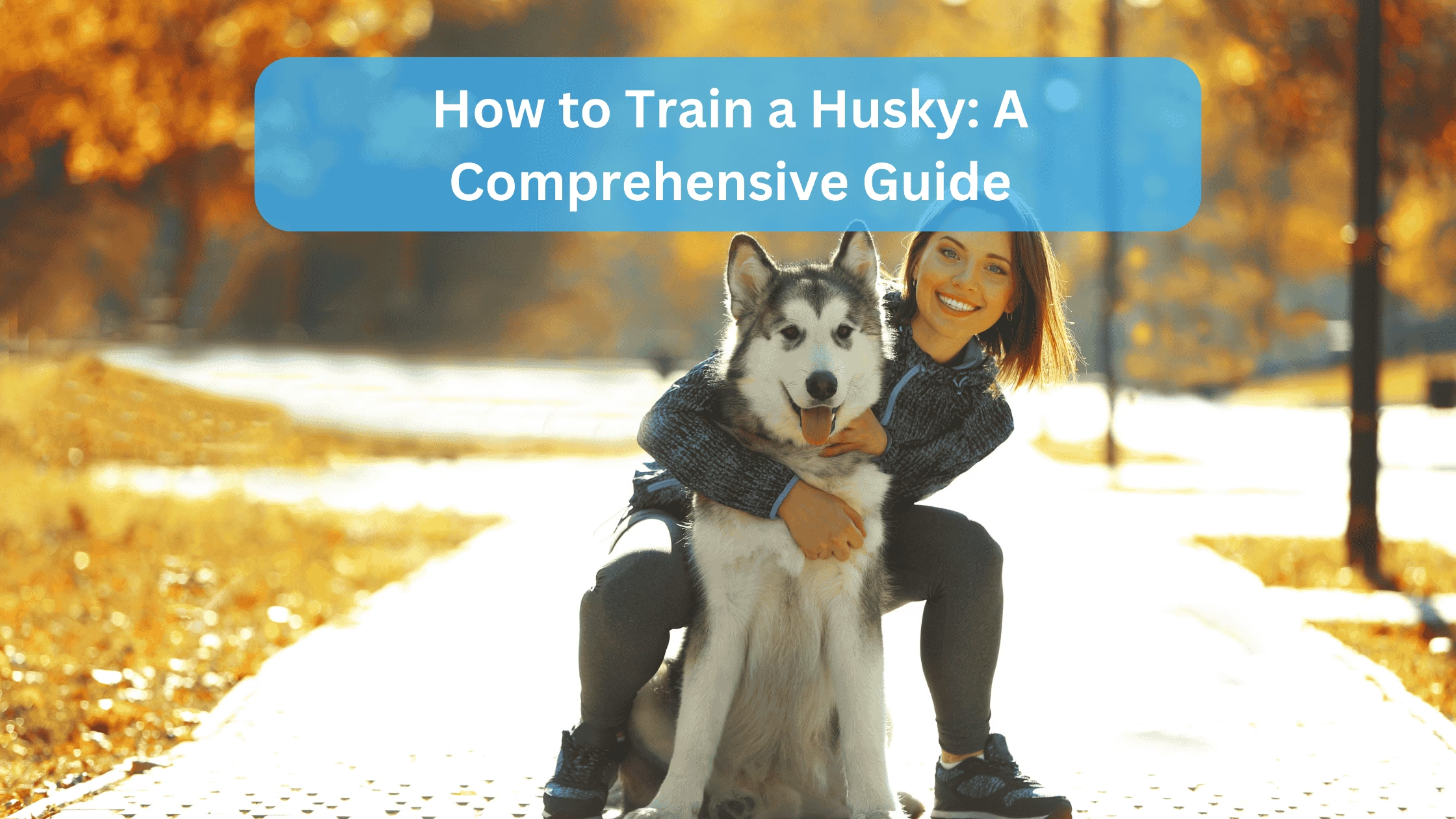
    How to Train a Husky: A Comprehensive Guide

    How to Train a Husky? Training a Siberian Husky can be a rewarding yet challenging experience.

    Known for their intelligence, energy, and independent nature, Huskies require a unique approach to training that emphasizes patience, consistency, and positive reinforcement.

    This guide will cover everything you need to know about how to train a Husky, from basic commands to advanced training techniques, ensuring your furry friend becomes a well-mannered member of your family.

    Understanding the Siberian Husky

    Before diving into training methods, it’s essential to understand the breed’s characteristics:

    • Intelligence: Huskies are highly intelligent dogs that can learn quickly but may also choose not to follow commands if they find them uninteresting. This independence can sometimes be mistaken for stubbornness.
    • Energy Levels: As a working breed, Huskies have high energy levels and require plenty of exercise and mental stimulation. They were originally bred for pulling sleds over long distances in harsh conditions, which means they thrive on physical activity.
    • Social Nature: They are friendly and social dogs that thrive on interaction with their owners and other dogs. Huskies are known for their playful demeanor and enjoy being part of a pack.
    • Independent Streak: Huskies are known for their independent nature, which can sometimes make them stubborn during training. They may decide to ignore commands if they feel like it, so finding ways to keep them engaged is crucial.

    Understanding these traits will help you tailor your training approach effectively.

    Preparing for Training a Husky

    Before you begin training your Husky, ensure you have the right tools and environment:

    Essential Training Tools for Dog Training

    • Treats: Use high-value treats that your Husky loves. Soft, small, and smelly treats work best for positive reinforcement. Examples include pieces of chicken, cheese, or commercial dog treats that are specifically designed for training.
    • Leash and Collar: A sturdy leash and collar or harness are essential for controlling your dog during training sessions. Consider using a front-clip harness to discourage pulling.
    • Long Lead: A long lead (15-30 feet) is beneficial for teaching recall without the risk of your dog running away. This allows them some freedom while still being under your control.
    • Clicker: Consider using a clicker for clicker training, which can help reinforce good behavior immediately. The sound of the clicker marks the exact moment your dog performs the desired behavior.

    Creating a Training Environment

    • Quiet Space: Choose a quiet area free from distractions where your Husky can focus on learning. This could be indoors or in a fenced yard where they feel safe.
    • Consistent Schedule: Establish a regular routine for training sessions to create structure and predictability. Short sessions (5-10 minutes) several times a day are more effective than long sessions once a day.

    Basic Commands Training

    Training should start with basic commands, which form the foundation for more advanced skills. Here are some essential commands to teach your Husky:

    1. Sit

    • How to Teach: Hold a treat above your dog’s nose and move it back over their head. As they look up, their bottom will naturally lower to the ground. Say “sit” as they do this and reward them immediately with the treat.
    • Example: If your Husky jumps up when you come home, use this command to redirect their energy. When they sit calmly, reward them with praise and treats.

    2. Stay

    • How to Teach: Ask your dog to sit. Open your palm towards them and say “stay.” Take a few steps back; if they remain in place, reward them. Gradually increase the distance and duration.
    • Example: Use this command when you need your dog to stay put while you answer the door or prepare food in the kitchen.

    3. Come

    • How to Teach: Use a long lead initially. Call your dog’s name followed by “come.” When they approach you, reward them with treats or praise. Practice this in different environments to reinforce the command.
    • Example: If you’re in an open area like a park, practice this command frequently so they learn that coming back is rewarding.

    4. Down

    • How to Teach: Start with your dog in a sitting position. Hold a treat in front of their nose and lower it down towards the ground. When they lie down to reach it, say “down” and reward them.
    • Example: Use this command when you want your dog to relax during family gatherings or when guests arrive.

    Advanced Training Techniques

    Once your Husky has mastered basic commands, you can introduce more complex behaviors:

    1. Crate Training

    Crate training is crucial for providing your dog with a safe space and preventing unwanted behaviors when you’re not around.

    • How to Train:
    • Introduce the crate gradually by encouraging your dog to enter it with treats.
    • Make it comfortable with blankets or toys.
    • Start by closing the door for short periods while you’re nearby; gradually increase the time as they become accustomed.
    • Example: If you’re leaving home for short periods, crate training helps prevent destructive behavior by giving them a secure environment.

    2. Leash Walking

    Huskies are strong pullers; teaching them to walk nicely on a leash is essential for enjoyable walks.

    • How to Train:
    • Use treats and praise when they walk beside you without pulling.
    • If they start pulling ahead, stop walking until they return to your side before continuing.
    • Example: Practice this technique in less distracting environments before transitioning to busier streets or parks.

    3. Socialization

    Socialization is vital for Huskies due to their friendly nature but independent streaks.

    • How to Train:
    • Expose your Husky to various environments, people, and other dogs from an early age.
    • Positive experiences will help them become well-adjusted adults.
    • Example: Arrange playdates with other dogs or take them on trips where they can meet new people and experience different sights and sounds.

    Addressing Common Behavioral Issues

    Huskies can exhibit certain behavioral challenges that may require specific training approaches:

    1. How to Train a Husky Not to Run Away

    Huskies are notorious escape artists; thus, teaching them boundaries is crucial.

    • Training Tips:
    • Always supervise outdoor time.
    • Use secure fencing or leashes.
    • Practice recall training consistently.
    • Example: If you have an open yard, ensure it’s securely fenced. During walks, use a long lead until you’re confident in their recall abilities.

    2. How to Train a Husky Puppy to Pee Outside

    Housebreaking is one of the first tasks you’ll tackle with a new puppy.

    • How to Train:
    • Take your puppy outside frequently (after meals, naps).
    • Praise them immediately after they go outside.
    • Use puppy pads indoors if necessary but gradually transition outside as they learn.
    • Example: Set an alarm every two hours initially during housebreaking so you can take your puppy out regularly until they learn the routine.

    3. How to Train a Husky German Shepherd Mix

    Training techniques will vary slightly based on the mix’s temperament but generally follow similar principles as those outlined above for Huskies.

    • Training Tips:
    • Understand both breeds’ traits; German Shepherds are often eager-to-please while Huskies may be more independent.
    • Example: Use high-value rewards that appeal specifically to each dog’s preferences during joint training sessions.

    Keeping Your Husky Calm

    Huskies can be energetic; teaching them how to relax is essential for their well-being:

    How to Train a Husky to Be Calm

    • Training Tips:
    • Create calm environments with soft music or quiet spaces.
    • Use commands like “settle” when they lie down quietly.
      • For example, when guests arrive at home or during family meals, use this command consistently so they learn when it’s time to relax.
      • Engage in calming activities like gentle brushing or massage after playtime or walks; this helps signal that it’s time to wind down.

    Frequently Asked Questions (FAQs)

    Here are some common questions people ask about training Huskies:

    How long does it take to train a Husky?

    Training duration varies based on consistency and individual temperament but typically takes several weeks for basic commands. Some commands may take longer depending on how quickly your dog learns.

    Can Huskies be trained off-leash?

    Yes! However, only after mastering recall commands in controlled environments first. Always practice in secure areas before attempting off-leash training in public spaces.

    What is the best age to start training a Husky puppy?

    You can start training as early as eight weeks old; early socialization is crucial during this period as puppies are most receptive at this age.

    How do I train my Husky not to bark excessively?

    Identify triggers for barking (e.g., doorbells or other dogs) and teach commands like “quiet” using positive reinforcement when they stop barking on command.

    Is it possible to train an older Husky?

    Yes! Older dogs can learn new behaviors; however, patience may be required as older dogs may have established habits that take longer to change.

    Also Read: Can Dogs Eat Oatmeal Cookies? A Comprehensive Guide

    Also Read: Do Dogs Have an Appendix? A Comprehensive Guide

    Conclusion

    Training a Siberian Husky requires dedication and understanding of their unique traits as an intelligent working breed.

    By employing positive reinforcement techniques and establishing clear communication through commands, you can cultivate a strong bond with your furry friend while ensuring they grow into well-behaved companions.

    Remember that consistency is key—both in training methods and in maintaining routines—to achieve lasting results in your dog’s behavior and obedience.

    With patience and love, you’ll find that training not only enhances your dog’s behavior but also enriches your relationship with them as part of your family!

    As you embark on this journey together with your Husky—filled with challenges yet equally rewarding—always keep in mind that every dog learns at their own pace; celebrate small victories along the way!


    Sources:

  • Classical Conditioning Dog Training: A Comprehensive Guide

    Classical Conditioning Dog Training: A Comprehensive Guide

    Classical conditioning Dog Training is a powerful and often underutilized method in dog training that can significantly enhance your canine companion’s behavior and emotional responses.

    This technique, rooted in the principles of associative learning, allows dogs to form connections between stimuli and responses, leading to positive behavioral changes.

    In this article, we will explore the fundamentals of classical conditioning, its applications in dog training, and practical tips for implementation.

    Understanding Classical Conditioning Dog Training

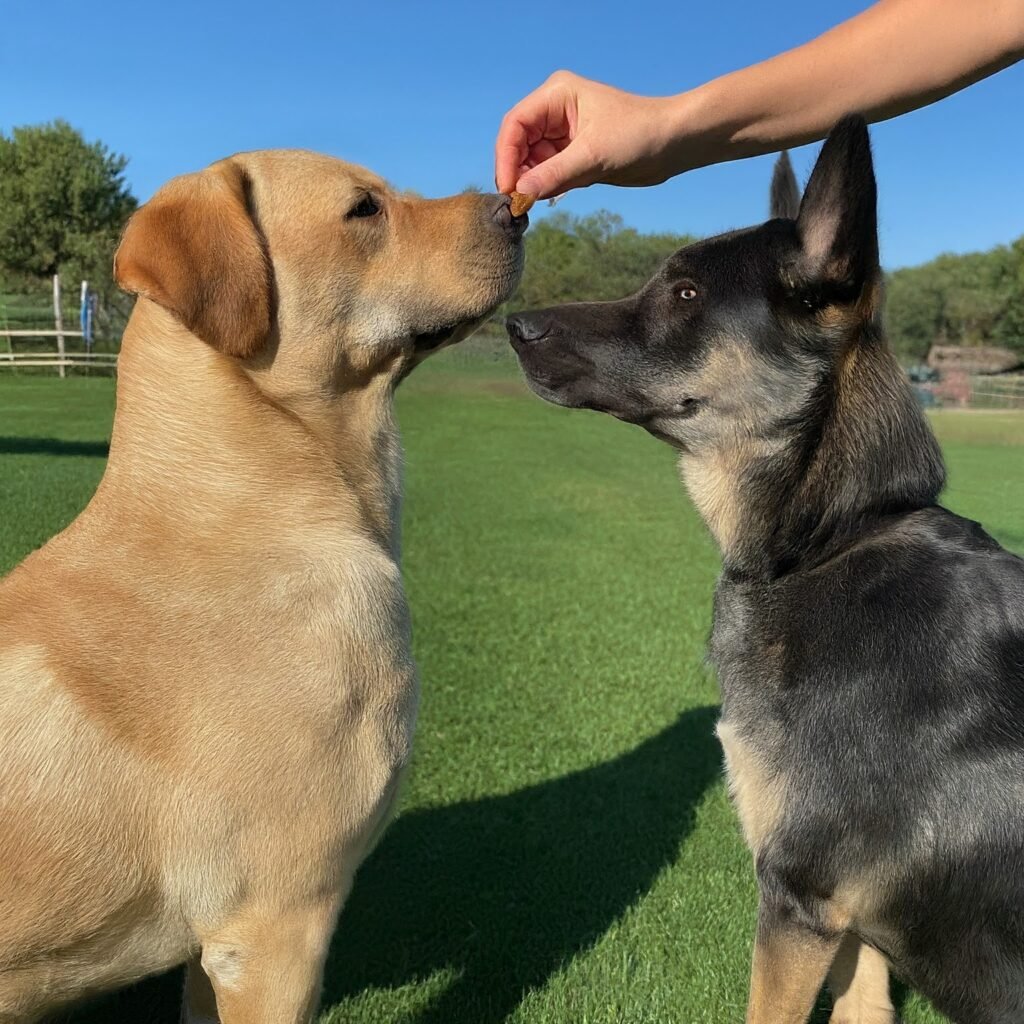
    giving treats to two dogs sniffing each other coming close.png
    Classical Conditioning Dog Training

    Classical conditioning, first identified by Russian physiologist Ivan Pavlov, involves creating associations between a neutral stimulus and an unconditioned stimulus that naturally elicits a response.

    Over time, the neutral stimulus becomes a conditioned stimulus that triggers a conditioned response.

    Key Components of Classical Conditioning Dog Training

    • Unconditioned Stimulus (US): A stimulus that naturally and automatically triggers a response (e.g., food).
    • Unconditioned Response (UR): The natural reaction to the unconditioned stimulus (e.g., salivation).
    • Conditioned Stimulus (CS): A previously neutral stimulus that, after being paired with the unconditioned stimulus, begins to evoke a conditioned response (e.g., the sound of a bell).
    • Conditioned Response (CR): The learned response to the conditioned stimulus (e.g., salivating at the sound of the bell).

    This process illustrates how dogs can learn to associate specific cues with positive outcomes, which can be harnessed to improve training outcomes.

    The Role of Classical Conditioning in Dog Training

    While operant conditioning focuses on modifying behavior through rewards and punishments, classical conditioning shifts the focus to the emotional responses that drive behavior.

    By creating positive associations, trainers can help dogs overcome fears, reduce anxiety, and enhance their overall behavior.

    Applications of Classical Conditioning Dog Training

    • Socialization: Introducing puppies to various stimuli (people, sounds, environments) while pairing these experiences with treats can foster a positive association, reducing fear and anxiety in adulthood.
    • Desensitization: If a dog has a negative association with a specific stimulus (like loud noises), classical conditioning can help change that perception. For example, pairing the sound of thunder with treats can help the dog learn that storms can be associated with positive experiences.
    • Behavior Modification: Classical conditioning can assist in modifying undesirable behaviors by changing the emotional response to specific triggers. For instance, if a dog is aggressive towards other dogs, pairing the sight of other dogs with treats can help create a more positive association.

    Practical Techniques for Implementing Classical Conditioning in Dog Training

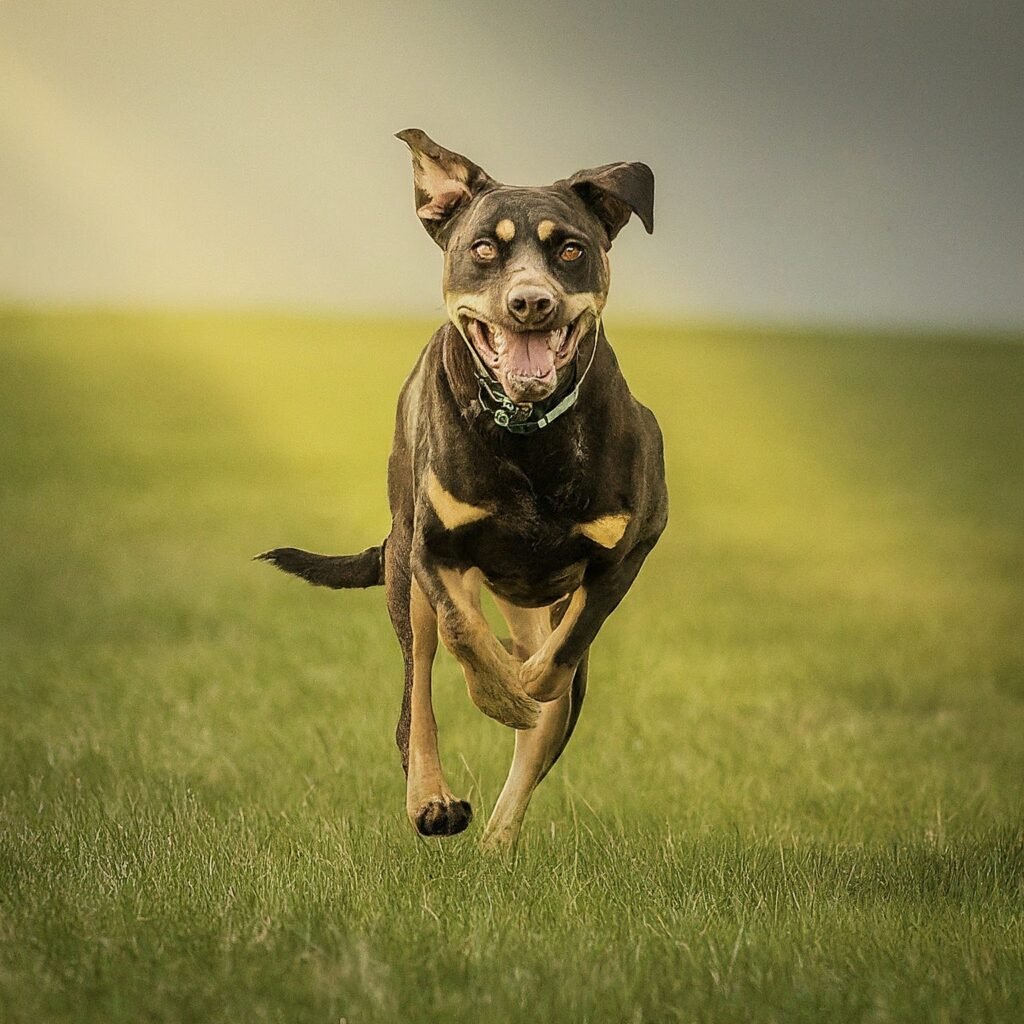
    A dog running through a field with a healthy glow.
    Practical Techniques for Implementing Classical Conditioning in Dog Training

    To effectively apply classical conditioning in your dog training regimen, consider the following strategies:

    1. Identify the Right Stimuli

    Choose a neutral stimulus that you can consistently pair with an unconditioned stimulus.

    For example, if you want your dog to associate the sound of a clicker with treats, ensure that the clicker (neutral stimulus) is always followed by a treat (unconditioned stimulus).

    2. Timing is Key

    The timing of the stimuli is crucial. The neutral stimulus should precede the unconditioned stimulus by a few seconds to help the dog make the connection.

    For example, click the clicker just before giving the treat.

    3. Consistency is Essential

    Repetition strengthens the association in your dog’s mind. Consistently pairing the conditioned and unconditioned stimuli will help your dog learn faster.

    4. Monitor Responses

    Pay close attention to your dog’s reactions during training. Adjust your approach as needed to ensure that the training remains positive and effective.

    If your dog shows signs of stress or fear, it may be necessary to slow down the process.

    Examples of Classical Conditioning Dog Training in Action

    Marker Training

    One of the most effective uses of classical conditioning in dog training is through marker training.

    In this method, a clicker or verbal marker is used to signal to the dog that they have performed a desired behavior.

    By consistently pairing the sound of the clicker with a treat, the dog learns to associate the sound with positive reinforcement.

    Acclimation to New Objects

    When introducing your dog to new objects, such as a crate or muzzle, classical conditioning can help create a positive association.

    For example, each time you present the crate, offer treats and praise.

    Over time, your dog will learn to associate the crate with positive experiences, making them more comfortable with it.

    Counter-Conditioning to Negative Stimuli

    If your dog has a negative association with a specific environment, such as the veterinarian’s office, you can use counter-conditioning techniques.

    Pair the visit with treats, toys, or playtime to help shift the dog’s emotional response from fear to enjoyment.

    Frequently Asked Questions About Classical Conditioning Dog Training

    What is the difference between classical conditioning and operant conditioning?

    Classical conditioning focuses on creating associations between stimuli and involuntary responses, while operant conditioning involves modifying behavior through rewards and punishments. Both methods can be effective when used together in a comprehensive training program.

    How long does it take for a dog to learn through classical conditioning?

    The time it takes for a dog to learn through classical conditioning varies based on the individual dog, the consistency of training, and the type of association being formed. Generally, with consistent practice, dogs can begin to show changes in behavior within a few sessions.

    Can classical conditioning help with aggressive behavior?

    Yes, classical conditioning can be effective in modifying aggressive behavior. By pairing the presence of triggers (such as other dogs) with positive experiences (like treats), you can help your dog develop a more positive emotional response to those triggers.

    How can classical conditioning help with my dog’s fear of thunderstorms?

    Classical conditioning can be particularly effective for dogs with a fear of thunderstorms. By gradually exposing your dog to the sound of thunder while providing treats and positive reinforcement, you can help them associate the sound with a positive experience, reducing their fear over time.

    What are some common mistakes to avoid when using classical conditioning with dogs?

    Some common mistakes include inconsistent timing of stimuli, using overly intense or frightening stimuli, failing to reward promptly, and not being patient enough. It’s essential to ensure that the training environment is positive and that the dog is not overwhelmed.

    Can classical conditioning be used to help dogs with separation anxiety?

    Yes, classical conditioning can help dogs with separation anxiety by creating positive associations with being alone. Gradually increasing the time your dog spends alone while providing treats or toys can help them learn that being alone is a safe and positive experience.

    What are some advanced techniques in classical conditioning for dog training?

    Advanced techniques include using multiple conditioned stimuli, chaining behaviors (linking several behaviors together), and employing counter-conditioning with desensitization. These techniques require a deeper understanding of your dog’s responses and may involve more complex training plans.

    Also Read: My Dog Ate a Tampon: A Comprehensive Guide

    Also Read: German Shepherd Mastiff Mix: A Comprehensive Guide

    Conclusion

    Classical conditioning is a vital tool in dog training that can lead to profound changes in your dog’s behavior and emotional responses.

    By understanding and applying the principles of classical conditioning, you can create a more harmonious relationship with your canine companion.

    Whether you’re working on socialization, desensitization, or behavior modification, classical conditioning offers a compassionate and effective approach to training.

    Remember, patience and consistency are key to unlocking the full potential of this powerful training method.


    Sources:

  • Why Does My Dog Lay On Me? A Comprehensive Guide

    Why Does My Dog Lay On Me? A Comprehensive Guide

    As a devoted dog owner, you may often find your furry friend snuggling up to you, laying on your lap, or even taking over your bed.

    This behavior can be both endearing and puzzling, prompting the question, “Why does my dog lay on me?”

    In this article, we will explore the various reasons behind this behavior, addressing common scenarios such as laying on you at night, in the morning, or when you’re feeling emotional.

    The Emotional Connection

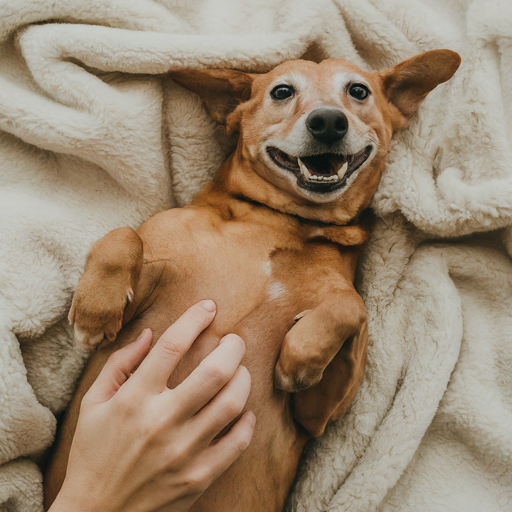
    How to Give the Perfect Belly Rub |
    The Emotional Connection

    Dogs are inherently social creatures that thrive on companionship. When your dog lays on you, it is often a reflection of their need for closeness, comfort, and security.

    This behavior is not merely about physical proximity; it signifies a deep emotional bond between you and your canine companion.

    9 Reasons Why Does My Dog Lay On Me

    1. Affection and Love

    At the heart of this behavior is affection. Dogs crave closeness and emotional connection. When your dog lays on you, it is their way of expressing love and trust.

    This physical closeness fosters a sense of security and comfort for both you and your pet.

    The act of laying on you is not just about seeking physical comfort; it’s a profound expression of their love and trust in you.

    The gentle strokes and pets they receive while being close are reassuring and comforting for them, creating a mutually beneficial interaction.

    2. Channeling Pack Mentality

    The concept of pack mentality plays a crucial role in understanding why dogs like to lay on their human parents.

    Dogs are descendants of wolves, animals known for their strong pack hierarchies.

    In a pack, physical closeness is not just about warmth or comfort; it’s a means of reinforcing social bonds and hierarchy.

    When your dog chooses to lay on you, they are echoing this ancestral behavior. It’s their way of acknowledging your ‘family’ unit and your role within it.

    By laying on you, your dog reinforces your social bond, showing their acceptance and trust in you as a pack member and leader.

    3. Hyper-Attachment

    Hyper-attachment is a behavior seen in some dogs who become overly dependent or attached to their owners.

    This can be particularly noticeable in breeds known for their loyalty and protective nature.

    If your dog seems anxious or unsettled when you’re not around and prefers to stay physically close when you are, it might indicate hyper-attachment.

    While it’s flattering to be the focus of such devotion, it’s important to ensure that this attachment doesn’t evolve into separation anxiety or other behavioral issues.

    4. Seeking Attention

    Sometimes, the reason is as simple as seeking attention. Dogs are intelligent creatures and quickly learn which behaviors get them what they want.

    If laying on you has historically resulted in extra pets, cuddles, or playful interaction, your dog will likely repeat this behavior to get your attention.

    It’s their way of saying, “Hey, I’m here, and I’d love some love and attention right now.”

    For dogs with high energy and a strong desire for interaction, laying on you can be an effective method to ensure they’re not ignored.

    5. Separation Anxiety

    While some dogs may not express separation anxiety by laying on you, this behavior can be a sign of separation anxiety in others.

    This condition manifests as stress and fear when a dog is separated from their owner.

    For dogs experiencing this, laying on their owner can be a way of coping with their anxiety and finding comfort in physical closeness.

    This behavior is often accompanied by other signs of distress, such as pacing, whining, or destructive behavior when left alone.

    Understanding and addressing separation anxiety is crucial for your dog’s overall well-being.

    6. Resource Guarding and Jealousy

    Resource guarding is a behavior where a dog protects their resources, which could be food, toys, or even people.

    If your dog lays on you and shows signs of aggression or discomfort when others approach, they might be resource-guarding you.

    This behavior can also be linked to jealousy. It’s important to address resource guarding and jealousy through proper training and socialization, as these behaviors can lead to problematic aggression if left unchecked.

    7. They’re Trying to Communicate

    Some dogs lay on their owners as a form of communication. This behavior can be their way of expressing a need or desire.

    If your dog lays on you and whines or cries, they might be trying to tell you something.

    It could be a sign of discomfort, a request for attention, or an indication of an underlying health issue.

    Paying attention to these cues is crucial for understanding your dog’s needs and ensuring their well-being.

    Learning to interpret these signals can strengthen the bond between you and your dog.

    8. Warmth and Comfort

    The desire for warmth and comfort is a basic instinct in dogs. Just like us, they seek cozy, warm places to relax.

    Laying on you provides them with a comfortable and warm spot, especially during colder months.

    Dogs, being naturally heat-seeking creatures, are drawn to the warmth of their owner’s body, making it a perfect resting place.

    9. You’re Sick, and They Know It

    Dogs have an incredible ability to detect changes in their owner’s physical and emotional state.

    They can pick up on subtle cues, such as changes in scent, behavior, and even body language, which might indicate that you’re not feeling well.

    This behavior is a sign of their empathy and their innate desire to provide comfort and companionship during times of distress.

    It’s one of the many ways dogs show their deep connection and attunement to their human companions.

      Frequently Asked Questions (FAQs)

      Why does my dog lie on top of me?

      Your dog lying on top of you is often a sign of affection and trust. This behavior can also indicate a desire for comfort, warmth, or attention. By laying on you, your dog reinforces the bond between you and feels secure in your presence. It’s a way for them to connect emotionally and physically, ensuring they are close to their beloved human.

      Why does my dog lie between my legs?

      When your dog lies between your legs, it’s a way for them to seek a safe and secure spot. This position allows them to feel protected and close to you, reinforcing the bond and trust between you. It’s a comforting gesture that signifies their need for closeness and security, often seen in dogs that are particularly affectionate or anxious.

      How do dogs know when you are sick?

      Dogs possess an acute sense of smell and can detect changes in your body chemistry that may signal illness. They are also highly observant and notice changes in your behavior and routine, which alerts them to the fact that something is different. This sensitivity allows them to respond empathetically, often seeking to provide comfort and companionship when they sense you are unwell.

      Do dogs think of their owners as dogs?

      Dogs do not necessarily think of their owners as other dogs. However, they recognize their owners as part of their social group or ‘pack’ and form strong emotional bonds with them. This bond is built on trust, affection, and mutual understanding, allowing dogs to see their owners as integral members of their family unit.

      Why does my dog lay on me in bed?

      Your dog may lay on you in bed for comfort, warmth, and security. This behavior reinforces their bond with you and allows them to feel close while sleeping. Dogs often seek out their owners during rest periods, as it provides them with a sense of safety and companionship throughout the night.

      Why does my dog lay on me every morning?

      This behavior could be a routine your dog has developed to start the day feeling close and connected to you. It may also signal that it’s time to wake up and begin the day together. Dogs thrive on routine, and this morning ritual can be a comforting way for them to greet the day.

      Why is my dog laying on me all of a sudden?

      A sudden change in behavior like this could be due to various reasons, such as seeking comfort during stress, feeling unwell, or changes in their environment that make them seek more reassurance from you. It’s essential to pay attention to these changes, as they may indicate that your dog needs extra support or comfort.

      Why does my dog lay on me and lick me?

      Laying on you and licking can be signs of affection. Licking is a soothing behavior that signifies respect and trust in the dog-human relationship. This behavior often indicates that your dog feels comfortable and secure with you, and they may be trying to communicate their love and bond.

      Why does my dog lay his head on me?

      When your dog lays his head on you, it’s a sign of trust, affection, and a desire for closeness. This comforting gesture shows that they feel safe and content with you, reinforcing the emotional connection between you and your pet.

      Why does my dog lay on my chest and stare at me?

      Laying on your chest and staring at you can be a deep expression of love and trust. It’s also a way for them to bond and communicate, seeking your attention and engagement. This behavior indicates that your dog is comfortable and wants to strengthen the connection with you.

      Also Read: How Many Ribs Do Dogs Have? A Comprehensive Rib Guide

      Also Read: High Cholesterol in Dogs: A Comprehensive Guide

      Conclusion

      Understanding why your dog lays on you can enhance the bond you share and enrich your relationship.

      This behavior often reflects affection, instinct, and communication, highlighting your dog’s emotional needs.

      Embrace these moments of closeness, as they signify trust and love from your canine companion.

      By recognizing and responding to these behaviors, you can create a nurturing environment that meets both your needs and those of your beloved pet.


      Sources:

    1. Why Do Dogs Hate the Vet? Understanding Canine Anxiety

      Why Do Dogs Hate the Vet? Understanding Canine Anxiety

      Why Do Dogs Hate the Vet? – Taking your dog to the veterinarian is a necessary part of pet ownership, yet many dogs display signs of anxiety or fear during these visits.

      Understanding the reasons behind this aversion can help pet owners create a more positive experience for their furry companions.

      Why Do Dogs Hate the Vet? – Common Reasons for Vet Anxiety in Dogs

      Treatment for Hydramethylnon Poisoning in Dogs |
      Why Do Dogs Hate the Vet?

      Dogs may develop a strong dislike for vet visits due to several interconnected factors:

      • Traumatic Experiences: Many dogs only visit the vet when they are sick or need vaccinations, which can lead to negative associations. If a dog has had painful procedures or stressful experiences in the past, they may remember these events and react with fear during future visits.
      • Fear of the Unknown: The vet’s office is often filled with unfamiliar sights, sounds, and smells. Dogs may feel insecure in this new environment, leading to anxiety. Their acute sense of smell can pick up on various odors that may be overwhelming, further heightening their stress.
      • Unfamiliar Handling: Being restrained or handled by unfamiliar people can be distressing for dogs. Many dogs are not accustomed to being touched in certain areas or being held still for examinations, which can trigger fear responses.
      • Owner’s Anxiety: Dogs are sensitive to their owners’ emotions. If an owner is anxious or stressed about the vet visit, their dog may pick up on these feelings and mirror that anxiety.
      • Separation Anxiety: Some dogs experience separation anxiety when away from their owners. Being left in a vet’s office, even for a short time, can trigger feelings of panic and distress.
      • Socialization Issues: Dogs that have not been properly socialized may feel overwhelmed in the presence of other animals and people at the vet’s office. This can lead to fear and anxiety during visits.
      • Health Issues: Dogs that are already feeling unwell may be more sensitive to the stress of a vet visit. Pain or discomfort can amplify their anxiety, making the experience even more challenging.

      Signs of Vet Anxiety in Dogs

      Recognizing signs of anxiety is crucial for pet owners and veterinary staff. Common behaviors indicating distress include:

      • Excessive panting or whining
      • Trembling or shaking
      • Cowering or hiding
      • Attempting to escape or refusing to enter the clinic
      • Sniffing excessively or licking their lips
      • Tucking their tail or flattening their ears

      Being attuned to these signals allows for timely interventions to mitigate stress during veterinary appointments.

      Strategies to Reduce Vet Anxiety in Dogs

      To help alleviate anxiety and create a more positive experience for dogs at the vet, consider the following strategies:

      1. Desensitization

      What It Is: Desensitization involves gradually exposing your dog to the vet environment in a controlled manner.

      How to Implement:

      • Frequent Visits: Schedule regular, non-medical visits to the vet. Bring your dog in just to say hello to the staff and get treats. This helps them associate the clinic with positive experiences rather than fear.
      • Familiarization: Allow your dog to explore the waiting area and examination rooms. Let them sniff around and get comfortable with the environment.

      2. Positive Reinforcement

      What It Is: Positive reinforcement involves rewarding your dog for calm behavior, helping them associate the vet visit with good experiences.

      How to Implement:

      • Treats and Praise: Bring high-value treats that your dog loves. Reward them for calm behavior during the visit, such as sitting quietly or allowing the vet to examine them.
      • Clicker Training: Use a clicker to mark desired behaviors. Click and treat when your dog remains calm, reinforcing the behavior you want to see.

      3. Calming Aids

      What It Is: Calming aids can help reduce anxiety levels in dogs during vet visits.

      How to Implement:

      • Pheromone Products: Consider using calming pheromone sprays or diffusers designed for dogs. These products can help create a more relaxed environment.
      • Anxiety-Relief Supplements: Consult your veterinarian about natural supplements or medications that may help reduce anxiety, especially for dogs with severe fears.
      • Thundershirt: A Thundershirt or similar anxiety wrap can provide gentle pressure that may help calm anxious dogs.

      4. Owner Preparation

      What It Is: Preparing your dog for the visit can significantly reduce anxiety.

      How to Implement:

      • Handling Exercises: Practice handling your dog at home. Get them used to being touched in areas that will be examined, such as their ears, paws, and mouth. This can help them feel more comfortable during the actual visit.
      • Practice Crate Training: If your dog will be transported in a crate, ensure they are comfortable in it. Make the crate a safe space by associating it with positive experiences, such as treats and playtime.

      5. Calm Environment

      What It Is: Creating a calm environment during the vet visit can help reduce stress for both dogs and owners.

      How to Implement:

      • Quiet Appointment Times: Request a quieter time for your appointment if possible. Early morning or late afternoon appointments may be less busy.
      • Inform Staff: Let the veterinary staff know about your dog’s anxiety. They can take extra steps to ensure a more comfortable experience, such as minimizing waiting time or using a quieter examination room.

      6. Training Techniques

      What It Is: Training techniques can help manage your dog’s behavior during vet visits.

      How to Implement:

      • Muzzle Training: If your dog has shown aggressive tendencies when anxious, consider training them to wear a muzzle. This can keep everyone safe and help your dog feel more secure, knowing they are not in a position to bite.
      • Basic Obedience Training: Reinforce basic commands such as “sit,” “stay,” and “come.” A well-trained dog is easier to manage in stressful situations.

      Also Read: Operant Conditioning in Dog Training – A Comprehensive Guide

      Also Read: Can Dogs Have Parsnips? A Comprehensive Guide

      Conclusion

      Understanding why dogs hate the vet can empower pet owners to take proactive steps in managing their pets’ anxiety.

      By recognizing the contributing factors and implementing effective strategies, owners can transform vet visits into a more positive experience.

      This not only benefits the dog’s well-being but also helps maintain peace of mind for their owners.

      Creating a supportive environment and fostering positive associations can lead to less stressful veterinary visits, ultimately improving the overall health and happiness of our canine companions.


      Sources:

    2. Operant Conditioning in Dog Training – A Comprehensive Guide

      Operant Conditioning in Dog Training – A Comprehensive Guide

      Operant Conditioning in Dog Training – Operant conditioning is a fundamental principle in dog training that helps shape a dog’s behavior through the use of rewards and consequences.

      Developed by psychologist B.F. Skinner, this method emphasizes the relationship between behavior and its outcomes, making it a cornerstone of effective training techniques.

      This guide explores the intricacies of operant conditioning, its applications in dog training, and how to implement it effectively.

      What is Operant Conditioning?

      dog
      What is Operant Conditioning?

      Operant conditioning is a learning process where behaviors are modified based on the consequences that follow them.

      It operates on the premise that behaviors followed by positive outcomes are likely to be repeated, while those followed by negative outcomes are less likely to recur.

      This framework allows trainers to effectively communicate expectations to dogs and encourage desirable behaviors.

      For example, if a dog sits when you say “sit” and you reward them with a treat, they are more likely to repeat the sitting behavior in the future when given the same cue.

      On the other hand, if a dog jumps up on people and is ignored or scolded, they are less likely to jump up again, as the behavior was not followed by a positive outcome.

      The Four Quadrants of Operant Conditioning

      Understanding the four quadrants of operant conditioning is crucial for effective dog training:

      • Positive Reinforcement: Adding a pleasant stimulus to encourage a behavior. For example, giving a treat when a dog sits on command.
      • Negative Reinforcement: Removing an unpleasant stimulus to increase a behavior. For instance, stopping a gentle pressure on a harness when the dog stops pulling on the leash.
      • Positive Punishment: Adding an unpleasant stimulus to decrease a behavior. An example would be using a loud noise to interrupt a dog that is chewing on furniture.
      • Negative Punishment: Removing a pleasant stimulus to reduce a behavior. For example, taking away a toy when a dog jumps up for attention.

      Each quadrant has its purpose and can be used effectively depending on the training goals.

      How to Apply Operant Conditioning in Dog Training

      Positive Reinforcement Techniques

      Positive reinforcement is the most widely accepted and effective method for training dogs. It fosters a trusting relationship between the dog and the trainer. Here’s how to implement it:

      1. Identify Desired Behaviors: Determine which behaviors you want to encourage, such as sitting, staying, or coming when called.
      2. Use High-Value Rewards: Choose treats or toys that your dog finds particularly motivating. This could be their favorite snack or a beloved toy.
      3. Immediate Reinforcement: Provide the reward immediately after the desired behavior occurs. This helps the dog make the connection between the behavior and the reward.
      4. Consistency is Key: Be consistent with your cues and rewards. This helps reinforce learning and builds the dog’s confidence.

      Negative Reinforcement Techniques

      While less common than positive reinforcement, negative reinforcement can be effective when used appropriately:

      1. Identify the Unpleasant Stimulus: This could be pressure on a leash or harness when the dog pulls.
      2. Apply and Remove Pressure: For example, apply gentle pressure when the dog pulls and release it as soon as the dog stops pulling. This teaches the dog that walking calmly results in a more comfortable experience.

      Using Punishment Wisely

      Punishment can be a controversial topic in dog training. It’s essential to approach it with caution:

      1. Immediate and Clear: If using positive punishment, ensure it is immediate and clearly linked to the undesired behavior. For instance, a firm “no” when the dog chews on furniture.
      2. Redirect Attention: After punishing, redirect the dog to an appropriate behavior or toy. This helps them learn what is acceptable.
      3. Avoid Harsh Methods: Punishment should never involve physical harm or intimidation. The goal is to discourage behavior, not to instill fear.

      Combining Techniques

      Many trainers find success by combining various techniques.

      For example, using positive reinforcement to encourage good behavior while applying negative punishment to discourage unwanted actions can create a balanced training approach.

      Additionally, integrating operant conditioning with classical conditioning can enhance training effectiveness.

      Example: When teaching a dog to sit, you can use a clicker (operant conditioning) to mark the behavior as it happens.

      Simultaneously, you can pair the clicker sound with a treat (classical conditioning), so the dog learns to associate the sound with a reward.

      Over time, the clicker itself becomes a cue that elicits a positive response, reinforcing the behavior more effectively.

      Common Misconceptions About Operant Conditioning

      Understanding operant conditioning also involves debunking common myths:

      • Myth 1: Treats are Bribery: Using treats is not bribery; it’s a motivational tool. Over time, the reliance on treats can be reduced as behaviors become habitual.
      • Myth 2: Only Punishment Works: Many believe that punishment is the most effective way to train dogs. However, studies show that positive reinforcement builds trust and strengthens the bond between dog and owner.
      • Myth 3: Some Dogs Can’t Be Trained: All dogs can learn; the key is understanding their unique motivators and adapting training methods accordingly.

      In addition, many people wonder how positive reinforcement differs from negative reinforcement in operant conditioning.

      Positive reinforcement adds a pleasant stimulus to encourage a behavior, while negative reinforcement removes an unpleasant stimulus to increase a behavior.

      Best Practices for Using Operant Conditioning with a Reactive Dog

      When working with a reactive dog, it’s crucial to apply operant conditioning techniques thoughtfully:

      • Use High-Value Rewards: Reactive dogs may need more motivation to focus, so use treats or toys that they find particularly enticing.
      • Gradual Exposure: Slowly introduce the dog to triggers while reinforcing calm behavior, ensuring they do not become overwhelmed.
      • Seek Professional Guidance: If you’re unsure how to proceed, consider working with a qualified trainer who specializes in reactive dogs.

      Tailoring Operant Conditioning Techniques to Your Dog’s Personality

      Every dog is unique, and tailoring operant conditioning techniques to your dog’s individual personality is essential for success.

      • Identify Motivators: Observe what excites your dog—food, play, or praise—and use that as a reward.
      • Adjust Your Approach: Some dogs may respond better to gentle encouragement, while others may thrive with more enthusiastic praise.
      • Be Patient: Understand that every dog learns at their own pace, and be prepared to adapt your methods as needed.

      Also Read: Can Dogs Eat Dragon Fruit? A Comprehensive Guide

      Also Read: Can Dogs Eat Dosa? Myths, Facts, and the Reassuring Truth

      Conclusion

      Operant conditioning is a powerful framework for dog training that emphasizes the importance of consequences in shaping behavior.

      By understanding and applying the principles of positive and negative reinforcement, as well as punishment, dog owners can effectively train their pets in a humane and effective manner.

      Remember, the ultimate goal is to foster a positive relationship with your dog while teaching them desirable behaviors.

      With patience, consistency, and the right techniques, any dog can learn and thrive.

      Sources:

    3. Why Do Dogs Love Walks? – The Joy of Walks

      Why Do Dogs Love Walks? – The Joy of Walks

      Dogs are known for their boundless energy and enthusiasm, especially when it comes to walks.

      For many dog owners, the sight of their furry friend getting excited at the mere mention of a walk is a familiar and heartwarming scene.

      But why do dogs love walks so much? Understanding the reasons behind this behavior can enhance the bond between dogs and their owners while ensuring that both parties enjoy the experience.

      Why Do Dogs Love Walks?

      1. Instinctual Behavior

      Walking is a natural instinct for dogs, rooted in their history as pack animals. In the wild, dogs would roam vast distances to hunt, explore, and socialize.

      This instinct remains in domesticated dogs, making walks an essential outlet for their natural behaviors.

      A walk allows dogs to engage their senses, explore their environment, and fulfill their instinctual need for movement.

      2. Physical Exercise

      Regular walks are crucial for a dog’s physical health. Exercise helps maintain a healthy weight, strengthens muscles, and improves cardiovascular fitness.

      Dogs that do not get enough exercise are at risk of obesity, which can lead to various health issues, including joint problems, diabetes, and heart disease.

      Walking provides a simple yet effective way to ensure dogs stay active and healthy.

      3. Mental Stimulation

      Walks provide dogs with mental stimulation that is just as important as physical exercise.

      During a walk, dogs encounter various sights, sounds, and smells that engage their senses and stimulate their minds.

      This mental engagement is vital for their overall well-being, helping to reduce boredom and prevent destructive behaviors at home.

      Exploring new environments during walks can also enhance a dog’s confidence and adaptability.

      4. Social Interaction

      For dogs, walks are an opportunity to socialize. Meeting other dogs and people during walks helps dogs develop their social skills and learn appropriate behaviors.

      This exposure can be especially beneficial for puppies, as it helps them build confidence and learn how to interact with other animals and humans.

      Additionally, walking with their owners strengthens the bond between dogs and their humans, fostering a sense of companionship and trust.

      5. Emotional Well-Being

      Walking has a positive impact on a dog’s emotional health. Regular exercise helps reduce anxiety and stress in dogs, leading to a calmer demeanor.

      The routine of daily walks provides structure and predictability, which can be comforting for dogs.

      Moreover, spending quality time with their owners during walks allows dogs to feel secure and loved, further enhancing their emotional well-being.

      6. Routine and Structure

      Dogs thrive on routine, and regular walks provide a structured activity that they can look forward to.

      This routine can help regulate their bathroom habits and prevent accidents in the house.

      Establishing a consistent walking schedule can also contribute to a dog’s overall happiness and stability, making them feel more secure in their environment.

      Why Do Dogs Get Excited for Walks?

      Dogs often display excitement at the prospect of going for a walk due to their instinctual drive to explore and socialize.

      The anticipation of new sights, smells, and experiences triggers their excitement, making them eager to get outside.

      How Often Should I Walk My Dog?

      Most dogs benefit from at least 30 minutes of walking each day. However, the ideal frequency and duration can vary based on the dog’s age, breed, and energy level.

      Active breeds may require more exercise, while older or less active dogs may need shorter, more frequent walks.

      Can Walking Help with My Dog’s Behavior Issues?

      Yes, regular walks can help alleviate behavioral issues in dogs.

      Regular exercise helps manage a dog’s energy levels, reducing the likelihood of hyperactivity and destructive behaviors by providing an outlet for their physical and mental needs.

      Additionally, walks provide opportunities for training and socialization, which can further improve a dog’s behavior.

      What Should I Bring on a Dog Walk?

      When walking your dog, it’s essential to bring along items such as:

      • Leash and collar or harness: For control and safety.
      • Water: To keep your dog hydrated, especially on warm days.
      • Plastic bags: For cleaning up after your dog.
      • Treats: For training or rewarding good behavior during the walk.

      Why Does My Dog Pull on the Leash?

      Pulling on the leash can be a sign of excitement or eagerness to explore.

      It can also indicate that your dog has not been trained to walk on a loose leash.

      Training techniques, such as using a harness or practicing loose-leash walking, can help manage this behavior.

      Also Read: Why Do Dogs Love Snow? – Discover Reasons & Safety Tips

      Also Read: Why Do Dogs Like Socks? Uncover the Surprising Reasons!

      Conclusion

      Dogs love walks for a multitude of reasons, including their instinctual need for exercise, mental stimulation, social interaction, and emotional well-being.

      Regular walks not only benefit dogs physically but also strengthen the bond between dogs and their owners.

      By understanding the importance of walks, owners can ensure their furry friends lead happy, healthy lives filled with exploration and companionship.

      Sources: