Category: Dog Nutrition

  • Can Dogs Eat Goose Meat? A Comprehensive Guide

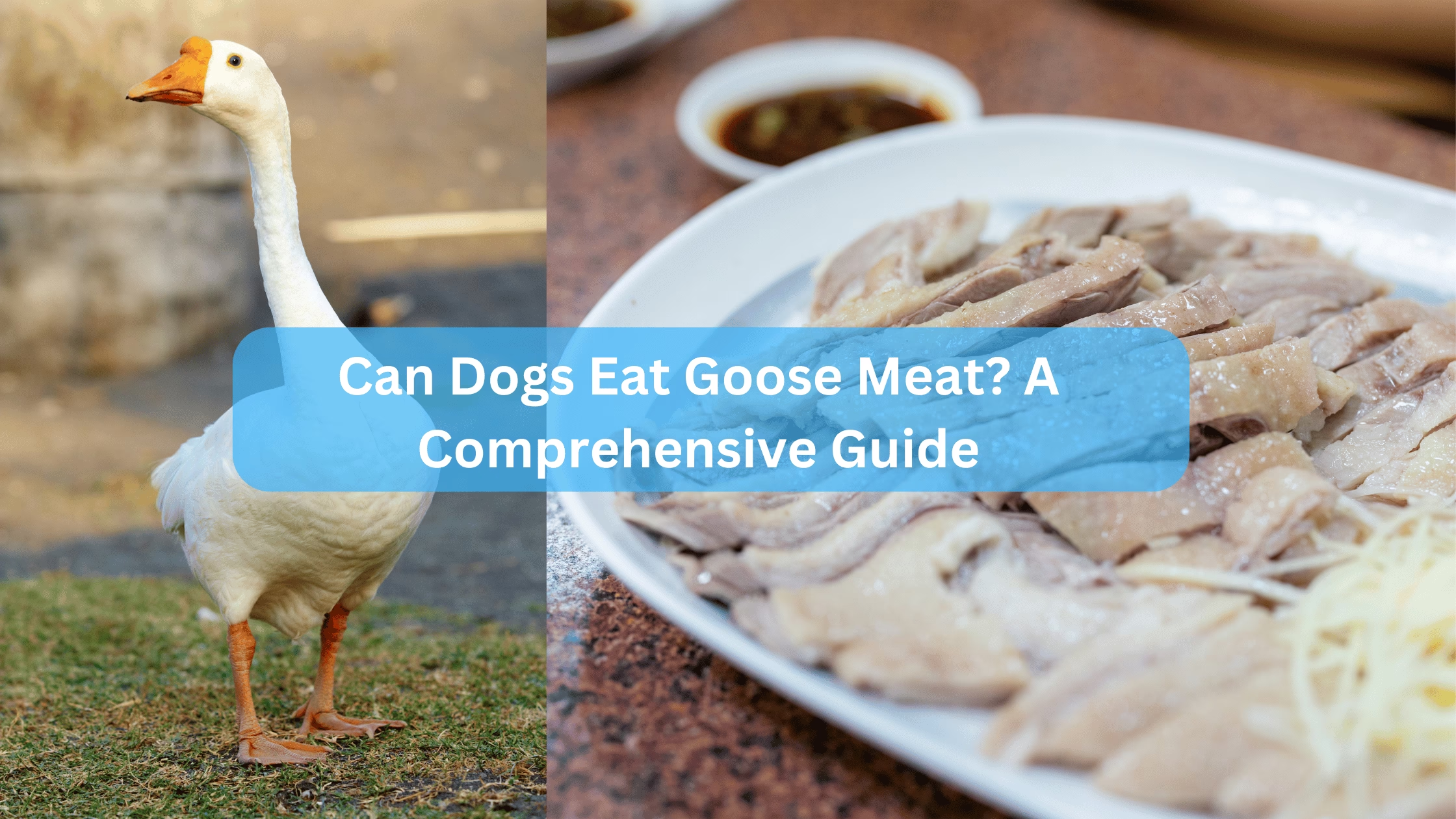
    Can Dogs Eat Goose Meat? A Comprehensive Guide

    When it comes to feeding our furry friends, pet owners often wonder about the safety and nutritional value of various meats. One question that frequently arises is: Can dogs eat goose meat? 

    This article will explore the benefits and potential risks of including goose meat in your dog’s diet, as well as how to prepare it safely.

    Can Dogs Eat Goose Meat?

    goose meat |
    Goose Meat

    Yes, dogs can eat goose meat! It is safe for them when properly prepared and cooked. Goose meat is rich in protein and healthy fats, making it a nutritious option for dogs.

    However, moderation is key, as it is higher in fat compared to other meats. Always ensure that the meat is cooked thoroughly and free of bones before serving it to your furry friend.

    Nutritional Benefits of Goose Meat for Dogs

    Goose meat can be a nutritious addition to your dog’s diet. Here are some of its key benefits:

    • High Protein Content: Goose meat is rich in protein, which is essential for muscle development and overall health in dogs. Protein helps in repairing tissues and supporting a healthy immune system.
    • Healthy Fats: Goose contains a good amount of fat, particularly unsaturated fats, which can be beneficial for your dog’s skin and coat health. These fats also provide a concentrated source of energy.
    • Vitamins and Minerals: Goose meat is a source of essential vitamins and minerals, including B vitamins (like B12 and niacin), zinc, and iron, which are important for energy metabolism and immune function.

    Is Goose Meat Safe for Dogs?

    While goose meat can be nutritious, there are some considerations to keep in mind:

    • Cooked vs. Raw: It is generally safer to feed your dog cooked goose meat. Raw meat can carry bacteria like Salmonella or E. coli, which can cause gastrointestinal issues in dogs. Cooking the meat thoroughly eliminates these risks.
    • Fat Content: Goose is fattier than other meats like chicken or turkey. While healthy fats are beneficial, too much fat can lead to obesity and pancreatitis in dogs. It’s important to moderate the amount of goose meat you feed your dog.
    • Allergies and Sensitivities: Some dogs may have allergies or sensitivities to certain meats. If you are introducing goose meat for the first time, start with a small portion and monitor your dog for any adverse reactions.

    How to Prepare Goose Meat for Dogs

    If you decide to include goose meat in your dog’s diet, here are some safe preparation tips:

    1. Choose Fresh, High-Quality Meat: Always select fresh goose meat from a reputable source. Avoid processed or seasoned meats, as they may contain harmful additives.
    2. Cook Thoroughly: Cook the goose meat until it reaches an internal temperature of at least 165°F (74°C). This ensures that any harmful bacteria are killed.
    3. Remove Bones: Goose bones can splinter and pose a choking hazard or cause internal injuries. Always remove bones before serving the meat to your dog.
    4. Serve in Moderation: Goose meat should be an occasional treat rather than a staple. Balance it with other protein sources and ensure your dog’s diet is varied and complete.
    5. Consult Your Veterinarian: Before making significant changes to your dog’s diet, it’s always a good idea to consult with your veterinarian. They can provide personalized advice based on your dog’s health and dietary needs.

    Alternatives to Goose Meat for Dogs

    If you find that goose meat is not suitable for your dog, there are plenty of other protein sources to consider:

    • Chicken: A common and easily digestible option for dogs.
    • Turkey: Another poultry option that is leaner than goose.
    • Beef: Rich in protein and iron, beef can be a great alternative.
    • Fish: Salmon and sardines are excellent sources of omega-3 fatty acids, which are beneficial for skin and coat health.

    Also Read: My Dog Ate Aluminum Foil: A Comprehensive Guide

    Also Read: Can Dogs Eat Ravioli? A Comprehensive Guide

    Conclusion

    In conclusion, dogs can eat goose meat, and it can be a nutritious addition to their diet when prepared properly.

    Always prioritize safety by cooking the meat thoroughly and removing bones.

    As with any dietary change, moderation is key, and consulting with a veterinarian can help ensure that your dog’s nutritional needs are met.

    By providing a balanced diet that includes a variety of protein sources, you can help your dog maintain optimal health and well-being.


    Sources:

  • Can Dogs Eat Ravioli? A Comprehensive Guide

    Can Dogs Eat Ravioli? A Comprehensive Guide

    Ravioli is a beloved pasta dish enjoyed by many, but as a responsible pet owner, you might wonder: Can dogs eat ravioli?

    While it may be tempting to share your meal with your furry friend, it’s crucial to understand the potential risks and benefits before doing so.

    This article will explore the nutritional value of ravioli, the risks involved, and how to safely incorporate it into your dog’s diet.

    Nutritional Value of Ravioli

    Ravioli is primarily made of pasta, which consists of flour and eggs. While these ingredients are generally safe for dogs, they do not provide significant nutritional benefits. A typical serving of pasta contains:

    • Protein: About 5.8 grams
    • Fat: Approximately 0.93 grams
    • Carbohydrates: Roughly 30.6 grams

    Although dogs require carbohydrates, they thrive on a balanced diet rich in protein, healthy fats, and essential vitamins and minerals. Therefore, while plain pasta is not harmful, it should not replace a dog’s regular food.

    Potential Risks of Feeding Ravioli to Dogs

    When considering whether to share ravioli with your dog, it’s essential to be aware of potential risks:

    1. Harmful Ingredients: Many ravioli recipes include ingredients like onions and garlic, which are toxic to dogs. These can lead to gastrointestinal upset and more severe health issues.
    2. High Carbohydrate Content: Ravioli is high in carbohydrates, which can contribute to obesity in dogs if consumed in large quantities. Obesity can lead to various health problems, including diabetes, arthritis, and heart disease.
    3. Sauces and Additives: If you’re considering feeding your dog ravioli in tomato sauce, be cautious. Many commercial sauces contain added sugars, salt, and preservatives that can be harmful to dogs.

    How to Safely Feed Ravioli to Dogs

    If you decide to share ravioli with your dog, follow these guidelines to ensure their safety:

    • Choose Plain Ravioli: Opt for plain, unsauced ravioli to minimize risks. Avoid any ravioli that contains potentially harmful ingredients.
    • Moderation is Key: Treat ravioli as an occasional snack rather than a regular part of your dog’s diet. It should not exceed 10% of their daily caloric intake.
    • Consult Your Veterinarian: Before introducing any new food, including ravioli, consult your veterinarian to ensure it aligns with your dog’s dietary needs.

    Common Questions About Dogs and Ravioli

    As you consider whether to feed ravioli to your dog, you may have additional questions:

    Can dogs eat pasta?

    Yes, plain, unsauced pasta is generally safe for dogs in moderation. However, it lacks nutritional value and should not be a staple in their diet.

    What human foods are toxic to dogs?

    Foods like onions, garlic, chocolate, grapes, raisins, and xylitol are toxic to dogs. Understanding these risks is vital when considering any human food for your pet.

    How much pasta can a dog eat?

    The amount of pasta a dog can safely consume varies by size, age, and health. As a general rule, pasta should make up no more than 10% of a dog’s daily caloric intake.

    Can dogs eat ravioli with cheese?

    Cheese is usually safe for dogs in moderation, but be cautious of the other ingredients in the ravioli. Stick to plain ravioli to avoid harmful additives.

    Can dogs eat ravioli with meat?

    Meat in ravioli is generally safe for dogs if cooked thoroughly and without bones. Ensure the ravioli does not contain any toxic ingredients like onions or garlic.

    Can Dogs Eat Ravioli in Tomato Sauce?

    Feeding your dog ravioli in tomato sauce is generally not recommended. While plain tomatoes are safe, the sauces often contain onions, garlic, and high levels of sodium, which can be toxic to dogs. If you want to share ravioli with your dog, it’s best to serve it plain and without sauce.

    Also Read: Are Humidifiers Safe for Dogs? A Comprehensive Guide

    Also Read: My Dog Ate Aluminum Foil: A Comprehensive Guide

    Conclusion

    While ravioli is not inherently toxic to dogs, it is not the best choice for their diet. The potential risks associated with harmful ingredients and high carbohydrate content make it a less-than-ideal treat.

    If you choose to share ravioli with your dog, do so in moderation and ensure it is plain and free of harmful additives.

    Always consult your veterinarian to ensure you are making the best dietary choices for your furry friend.

    By being informed and cautious, you can help maintain your dog’s health and happiness.


    Sources:

  • Can Dogs Eat Goji Berries? Are Goji Berries Safe for Dogs?

    Can Dogs Eat Goji Berries? Are Goji Berries Safe for Dogs?

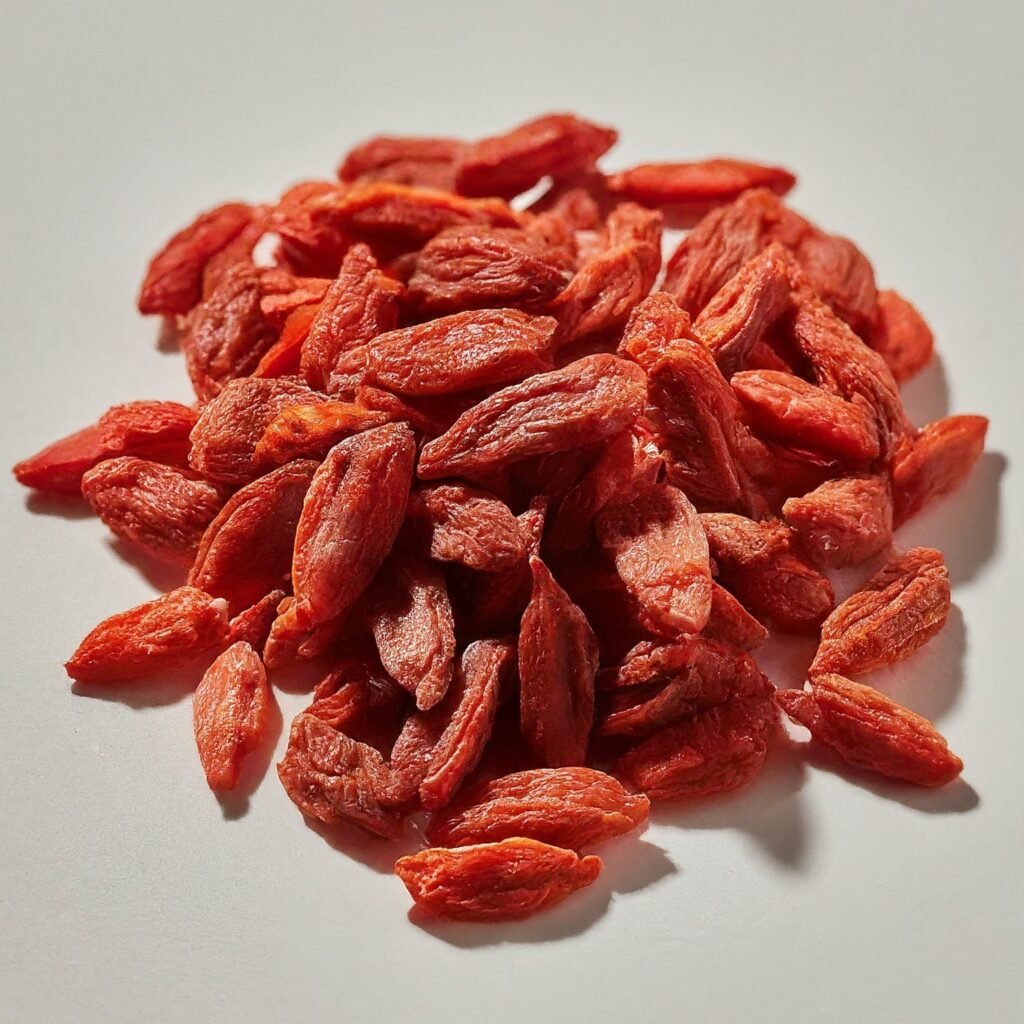
    Can Dogs Eat Goji Berries? Goji berries, also known as wolfberries, are a popular superfood that have been consumed for centuries in Asia for their numerous health benefits.

    These bright red berries are packed with vitamins, minerals, and antioxidants that can provide various health benefits to humans.

    However, many pet owners are wondering if goji berries are safe for their canine companions to eat as well.

    Can Dogs Eat Goji Berries? Are Goji Berries Safe for Dogs?

    The good news is that goji berries are generally safe for dogs to eat in moderation.

    According to veterinary experts, goji berries and other non-traditional snacks should not comprise more than 10% of a dog’s daily diet.

    This means that for a dog that eats a pound of kibble per day, they can be given about 1.6 ounces of goji berries as an occasional treat.

    It’s important to note that individual reactions can vary, and any sign of diarrhea, excessive gas, or vomiting should be a red flag.

    If your dog experiences any adverse reactions after eating goji berries, discontinue feeding them and consult with your veterinarian.

    Health Benefits of Goji Berries for Dogs

    Can Dogs Eat Goji Berries
    Can Dogs Eat Goji Berries?

    Goji berries are rich in essential nutrients and antioxidants that can provide various health benefits to dogs. Some of the potential benefits include:

    Immune System Support

    Goji berries contain high levels of vitamin C and beta-carotene, which can help boost the immune system and protect cells from damage.

    Selenium, another antioxidant found in goji berries, can slow down the aging process and help dogs with various conditions like heart disease, IBS, skin problems, and seizures.

    Eye Health and Vision

    The beta-carotene and vitamin A in goji berries can promote eye health and improve vision. Studies have shown that goji berry consumption can lead to signs of improved vision in humans.

    Healthy Skin and Coat

    Goji berries contain an array of nutrients like vitamin C, beta-carotene, and fatty acids that can promote healthy skin, soothe skin irritations, and give your dog’s coat a glossy shine.

    Digestive Health

    Goji berries are a great source of fiber, which can improve gut health by slowing down the movement of food through the digestive tract and supporting healthy gut microbes.

    How to Feed Goji Berries to Dogs

    When feeding goji berries to dogs, it’s important to do so in moderation and as part of a balanced diet.

    Fresh goji berries are a healthy snack, but dried goji berries can also be used as a supplement to a dog’s daily diet as long as they are unsweetened and free from harmful additives.

    It’s recommended to limit the amount of goji berries given to dogs to avoid overfeeding and ensure a balanced diet.

    Dried goji berries are more concentrated in sugar compared to fresh ones, so it’s important to give dogs a smaller amount of dried goji berries than fresh ones.

    Toxic Berries for Dogs to Avoid

    While some berries like blueberries, strawberries, and cranberries make great dog snacks, there are quite a few berries that aren’t a good choice and can cause a toxic reaction if fed to dogs.

    These include mistletoe berries, gooseberries, salmonberries, holly berries, baneberries, pokeberries, juniper berries, and dogwood berries.

    Also Read: Can Dogs Eat Juneberries? A Comprehensive Guide

    Also Read: Can Dogs Eat Corn Chips? Are They Safe for Your Dog?

    Conclusion

    In conclusion, goji berries are generally safe for dogs to eat in moderation as an occasional treat or snack.

    They are packed with essential nutrients and antioxidants that can provide various health benefits to dogs, including immune system support, eye health, skin and coat health, and digestive health.

    However, it’s important to consult with a veterinarian before introducing any new foods to a dog’s diet, especially if they have any underlying health conditions or are at a certain age.


    Sources:

  • Can Dogs Eat Corn Chips? Are They Safe for Your Dog?

    Can Dogs Eat Corn Chips? Are They Safe for Your Dog?

    Can Dogs Eat Corn Chips? As a dog owner, you might be tempted to share your favorite snacks with your furry friend, including corn chips. However, it’s essential to understand the implications of feeding your dog corn chips and whether they are safe for canine consumption.

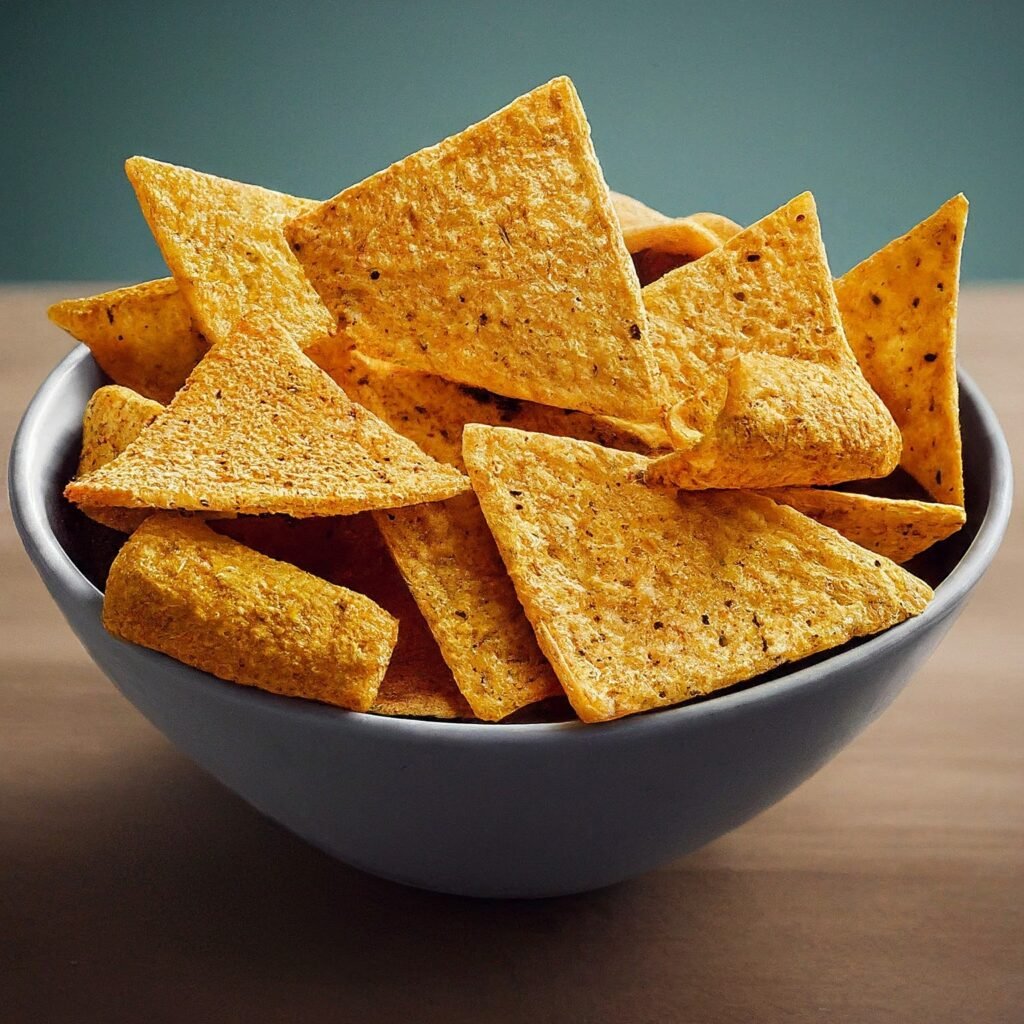
    Can Dogs Eat Corn Chips? Are Corn Chips Safe for Dogs?

    corn chips |
    Can Dogs Eat Corn Chips? Are They Safe for Your Dog?

    Corn chips are not toxic to dogs, but they are not the healthiest option either. Here’s a closer look at the potential risks associated with feeding corn chips to your dog:

    • High in Fat and Calories: Corn chips are typically high in fat and calories, which can lead to weight gain and obesity in dogs. Excessive fat intake can also cause digestive issues, including vomiting and diarrhea.
    • Excessive Sodium: Many corn chips are heavily salted, which can lead to dehydration and sodium ion poisoning in dogs. Symptoms of salt toxicity include excessive thirst, urination, and in severe cases, seizures.
    • Lack of Nutritional Value: Corn chips provide little to no nutritional benefits for dogs. They are considered “empty calories,” meaning they can contribute to weight gain without offering essential nutrients.
    • Potential Additives: Some flavored corn chips may contain ingredients like onion or garlic powder, which are toxic to dogs and can lead to serious health issues, including anemia.

    Can Dogs Eat Corn?

    While corn itself can be safe for dogs in moderation, corn chips are a processed snack that often contains unhealthy additives.

    Plain corn, when cooked and served without butter or salt, can be a healthy treat for dogs.

    It contains beneficial nutrients such as linoleic acid (an essential fatty acid), vitamin E, and B vitamins.

    How to Tell If Your Dog Is Having Issues After Eating Corn Chips

    If your dog has consumed corn chips, monitor them for any signs of distress. Common symptoms to watch for include:

    • Vomiting
    • Diarrhea
    • Lethargy
    • Excessive thirst or urination

    If your dog exhibits any of these symptoms, especially if they ate a large quantity of corn chips, consult your veterinarian.

    My Dog Ate Excessive Corn Chips: What to Do

    If your dog has eaten an excessive amount of corn chips, it’s important to take immediate action to ensure their health and well-being. Here’s a step-by-step guide on what to do:

    1. Stay Calm and Assess the Situation

    First and foremost, remain calm. Dogs can pick up on their owner’s anxiety, which may increase their stress levels.

    Assess how many corn chips your dog has consumed and whether they have any underlying health issues.

    2. Monitor for Symptoms

    Keep an eye on your dog for any signs of distress or discomfort. Common symptoms to watch for include:

    • Vomiting: This may occur as a natural response to an upset stomach.
    • Diarrhea: Loose stools can indicate digestive issues.
    • Lethargy: If your dog seems unusually tired or inactive, it could be a sign of a problem.
    • Excessive Thirst or Urination: High sodium content in corn chips can lead to dehydration.

    3. Contact Your Veterinarian

    If your dog exhibits any concerning symptoms or if you believe they have consumed a large quantity of corn chips, it’s essential to contact your veterinarian immediately.

    They will be able to provide guidance and determine if your dog requires medical attention.

    4. Follow Your Vet’s Instructions

    Your veterinarian may recommend specific actions based on your dog’s condition. This could include:

    • Inducing Vomiting: In some cases, the vet may advise you to induce vomiting if the corn chips were consumed recently.
    • Hydration: Ensure your dog has access to fresh water to help counteract any dehydration from high sodium intake.
    • Dietary Adjustments: Your vet may suggest a bland diet for a few days to help your dog’s digestive system recover.

    How to Prevent Your Dog from Eating Corn Chips

    To prevent your dog from snacking on corn chips or other unhealthy human foods:

    • Keep Snacks Out of Reach: Store snacks in cabinets or containers that your dog cannot access.
    • Train Your Dog: Teach your dog commands like “leave it” to discourage them from eating food that isn’t meant for them.
    • Provide Healthy Alternatives: Offer your dog healthy snacks during family snack times to keep them satisfied without resorting to junk food.

    Healthier Snack Alternatives for Dogs

    Instead of corn chips, consider offering your dog healthier snack options, such as:

    • Fresh Fruits and Vegetables: Carrot sticks, apple slices (without seeds), and green beans are great low-calorie snacks.
    • Plain Popcorn: Air-popped popcorn without added salt or butter can be a fun treat.
    • Commercial Dog Treats: Look for treats specifically formulated for dogs that meet their dietary needs.

    Also Read: Dog Ate Spotted Lanternflies: Essential Safety Tips!

    Also Read: Can Dogs Eat Juneberries? A Comprehensive Guide

    Conclusion

    While corn chips are not poisonous to dogs, they are not a suitable snack due to their high fat, sodium content, and lack of nutritional value.

    Instead of sharing corn chips, opt for healthier alternatives that contribute positively to your dog’s diet.

    Always consult your veterinarian if you have concerns about your dog’s diet or if they exhibit any adverse reactions after eating human food.

    Prioritizing your dog’s health will ensure they live a happy and active life.


    Sources:

  • Can Dogs Eat Juneberries? A Comprehensive Guide

    Can Dogs Eat Juneberries? A Comprehensive Guide

    Can Dogs Eat Juneberries? – Juneberries, also known as Saskatoon berries or serviceberries, are small, sweet fruits native to North America. They are often compared to blueberries in taste and nutritional value.

    As a pet owner, you may wonder if these berries are safe for your furry friend. The good news is that dogs can eat juneberries in moderation, but there are some important considerations to keep in mind.

    Can Dogs Eat Juneberries? Are Juneberries Safe for Dogs?

    Yes, juneberries are generally safe for dogs to eat. They do not contain any toxic compounds that are harmful to canines. However, like any fruit, they should be introduced into your dog’s diet with caution. Here are some key points to consider:

    • Moderation is Key: While juneberries are safe, they should only be given as an occasional treat. Overconsumption can lead to digestive upset, including diarrhea or stomach cramps.
    • Watch for Allergic Reactions: Not all dogs will enjoy juneberries, and some may have an adverse reaction. If your dog shows signs of discomfort, such as vomiting or diarrhea after eating them, discontinue feeding them immediately.

    Nutritional Benefits of Juneberries

    Juneberries offer several health benefits for dogs, making them a nutritious treat when given in moderation:

    • Rich in Vitamins and Minerals: These berries are high in vitamin C, which is essential for a healthy immune system. They also contain other vitamins and minerals that contribute to overall health.
    • Antioxidants: Juneberries are packed with antioxidants that help reduce inflammation and support overall health by preventing cell damage caused by free radicals.
    • High in Fiber: The fiber content in juneberries can aid digestion and help maintain healthy bowel movements, which is especially beneficial for dogs with weight management issues.

    Serving Suggestions for Dogs

    If you decide to give your dog juneberries, consider the following serving suggestions:

    • Wash Thoroughly: Always wash juneberries completely before offering them to your dog to remove any pesticides or contaminants.
    • Remove Pits: While ripe juneberries are safe, the pits can pose a choking hazard, especially for small breeds. Ensure that you remove the pits before offering the berries.
    • Introduce Slowly: Start with a small amount to see how your dog reacts. If they tolerate it well, you can gradually increase the quantity.

    Risks of Feeding Juneberries to Dogs

    While juneberries are safe for dogs, there are some risks associated with their consumption:

    • Digestive Upset: Overeating juneberries can lead to gastrointestinal issues, including diarrhea or stomach cramps. Monitor your dog for any signs of discomfort after consuming them.
    • Natural Sugars: Juneberries contain natural sugars, which can be unhealthy for dogs if consumed in large quantities. This is particularly important for dogs that are overweight or have diabetes.

    Frequently Asked Questions

    Can dogs eat juneberry pits?

    No, dogs should not eat juneberry pits as they can pose a choking hazard. Always remove the pits before offering the berries to your dog.

    What should I do if my dog eats too many juneberries?

    If your dog consumes a large quantity of juneberries and shows signs of gastrointestinal distress, such as vomiting or diarrhea, contact your veterinarian for advice.

    Are there any other berries that are safe for dogs?

    Yes, many berries are safe for dogs, including blueberries, strawberries, and raspberries. These fruits are also rich in nutrients and can be offered as healthy treats.

    How can I introduce juneberries to my dog’s diet?

    Start by offering a small amount of washed and pit-free juneberries. Monitor your dog’s reaction, and if they enjoy them without any adverse effects, you can gradually increase the serving size.

    Also Read: Can dogs eat bulgur? A Comprehensive Guide for Pet Owners

    Also Read: Dog Ate Spotted Lanternflies: Essential Safety Tips!

    Conclusion

    In conclusion, juneberries are safe for dogs to eat in moderation and can provide various health benefits due to their rich nutrient profile.

    However, it is crucial to introduce them slowly and observe your dog for any signs of discomfort.

    Always consult with your veterinarian before adding new foods to your dog’s diet, especially if your pet has specific health concerns.

    With the right precautions, you can safely share the delicious taste of juneberries with your furry friend, making treat time a delightful experience for both of you.


    Sources:

  • Can dogs eat bulgur? A  Comprehensive Guide for Pet Owners

    Can dogs eat bulgur? A Comprehensive Guide for Pet Owners

    As dog owners, we often find ourselves wondering what foods are safe and beneficial for our furry friends. With the growing popularity of whole grains in human diets, many pet parents may ask, “Can dogs eat bulgur?”

    In this article, we will explore whether bulgur is a suitable addition to your dog’s diet and answer some common questions regarding its consumption.

    Can Dogs Eat Bulgur?

    Bulgur
    Can Dogs Eat Bulgur?

    Yes Dogs can Eat Bulgur. Bulgur, a type of whole grain made from cracked wheat, can be a safe addition to a dog’s diet when fed in moderation and as part of a balanced diet. However, it’s important to consider potential risks and introduce it gradually.

    Benefits of Bulgur for Dogs

    Bulgur can provide some benefits for dogs:

    • High in fiber, which can aid digestion and promote regular bowel movements
    • Low in fat and calories, making it suitable for weight management
    • Source of complex carbohydrates for sustained energy
    • Nutrient-dense, offering vitamins, minerals, and protein
    • May promote dental health by reducing plaque buildup

    Potential Risks and Considerations of Bulgur for Dogs

    While bulgur can be a healthy addition, there are some risks to be aware of:

    • Allergies and sensitivities: Some dogs may be allergic or sensitive to grains like bulgur, leading to adverse reactions like itching, skin irritation, or digestive upset
    • Digestive issues: Introducing bulgur too quickly or in large quantities can cause diarrhea, vomiting, or stomach discomfort in some dogs
    • Interference with special diets: Dogs on grain-free diets or with certain health conditions may not tolerate bulgur well.

    How to Safely Feed Bulgur to Dogs

    If introducing bulgur to your dog’s diet, follow these guidelines:

    1. Start with small amounts and gradually increase over several days
    2. Cook bulgur thoroughly and serve plain, without any added oils, spices, or seasonings
    3. Mix bulgur with your dog’s regular food or high-quality protein like meat
    4. Monitor for any signs of digestive upset or allergic reactions
    5. Consult your veterinarian before making significant dietary changes, especially if your dog has any underlying health conditions

    How Much Bulgur is Safe for My Dog to Eat in a Day?

    When introducing bulgur to your dog’s diet, it’s essential to start with small amounts and gradually increase over several days.

    As a general guideline, bulgur should make up no more than 20% of your dog’s total diet.

    For a medium-sized dog, this would equate to around 1/4 to 1/2 cup of cooked bulgur per day, split between meals.

    However, the exact amount can vary depending on your dog’s size, activity level, and overall health. Always consult with your veterinarian for personalized dietary recommendations.

    Can Bulgur Help with My Dog’s Digestive Issues?

    Yes, bulgur can be beneficial for dogs with digestive issues due to its high fiber content.

    The fiber in bulgur can help regulate bowel movements, alleviate constipation, and promote overall digestive health.

    If your dog is experiencing gastrointestinal problems, you can try mixing a small amount of cooked bulgur with their regular food.

    However, if digestive issues persist or worsen, it’s crucial to consult with your veterinarian to rule out any underlying health conditions.

    What are the Signs of a Gluten Intolerance in Dogs?

    While gluten intolerance is less common in dogs compared to humans, it can still occur. Signs of gluten intolerance in dogs may include:

    • Bloating
    • Stomachache
    • Poor coat condition and frequent hair loss
    • Frequent scratching, chewing, and licking, particularly the paws
    • Redness or inflammation of the skin
    • Inflammation in the ear (could also grow into an infection)
    • Flatulence
    • Loose stool and diarrhea
    • Weight loss
    • Vomiting, generally after meals

    If you suspect your dog may have a gluten intolerance, it’s best to consult with your veterinarian for proper diagnosis and dietary recommendations.

    Can Puppies Eat Bulgur as Well as Adult Dogs?

    Puppies can generally consume bulgur in moderation, but it’s important to introduce it gradually and in small amounts.

    Puppies have different nutritional needs compared to adult dogs, so it’s crucial to ensure that bulgur doesn’t replace essential nutrients in their diet.

    Always consult with your veterinarian or a canine nutritionist to determine the appropriate amount of bulgur for your puppy based on their age, size, and overall health.

    Also Read: Can Dogs Eat Broccoli Rabe? Essential Benefits and Risks.

    Also Read: Can Dogs Eat Beetles? A Comprehensive Guide

    Conclusion

    In moderation and as part of a balanced diet, bulgur can be a safe and healthy addition for some dogs.

    However, it’s crucial to introduce it gradually, monitor your dog’s reaction, and consult with your veterinarian for personalized dietary advice.

    By following these guidelines and considering your dog’s individual needs, you can safely incorporate bulgur into their diet to provide potential health benefits.


    Sources:

  • Can Dogs Eat Beetles? A Comprehensive Guide

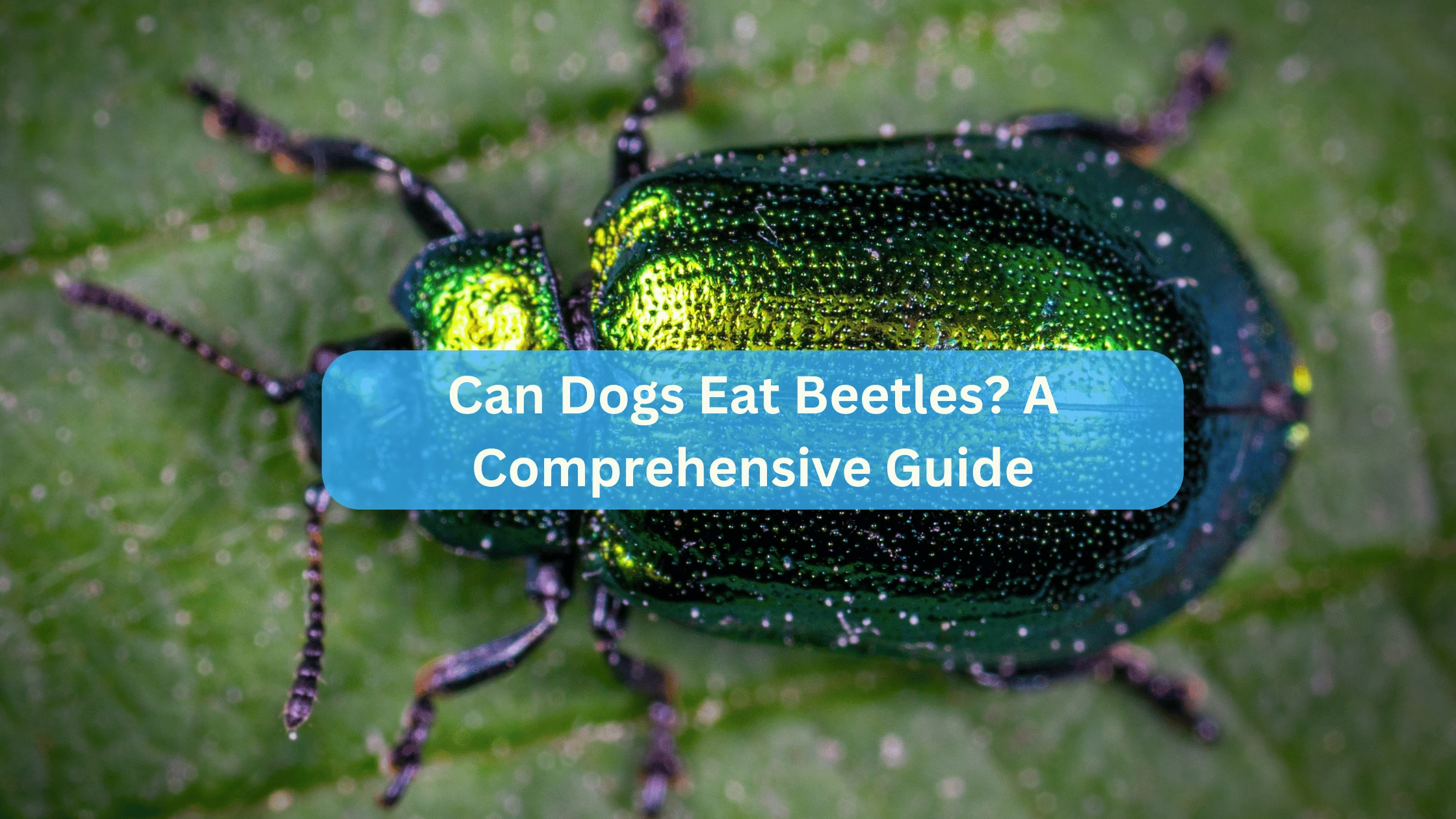
    Can Dogs Eat Beetles? A Comprehensive Guide

    When it comes to our furry friends, many pet owners often wonder about the safety of various foods and snacks. One common question is: can dogs eat beetles?

    This article explores whether beetles are safe for dogs to consume, potential risks, and what you should know as a responsible pet owner.

    Understanding Dogs’ Dietary Habits

    Dogs are naturally curious creatures and have a tendency to explore their environment with their mouths.

    This includes munching on insects like beetles, which they may find while playing outside.

    Eating bugs is generally considered a normal behavior for dogs, driven by their instinctual hunting tendencies and curiosity about moving objects.

    Can Dogs Eat Beetles? Are Beetles Safe for Dogs?

    Can Dogs Eat Beetles?
    Are Beetles Safe for Dogs?

    In general, most beetles are not toxic to dogs. However, there are important considerations to keep in mind:

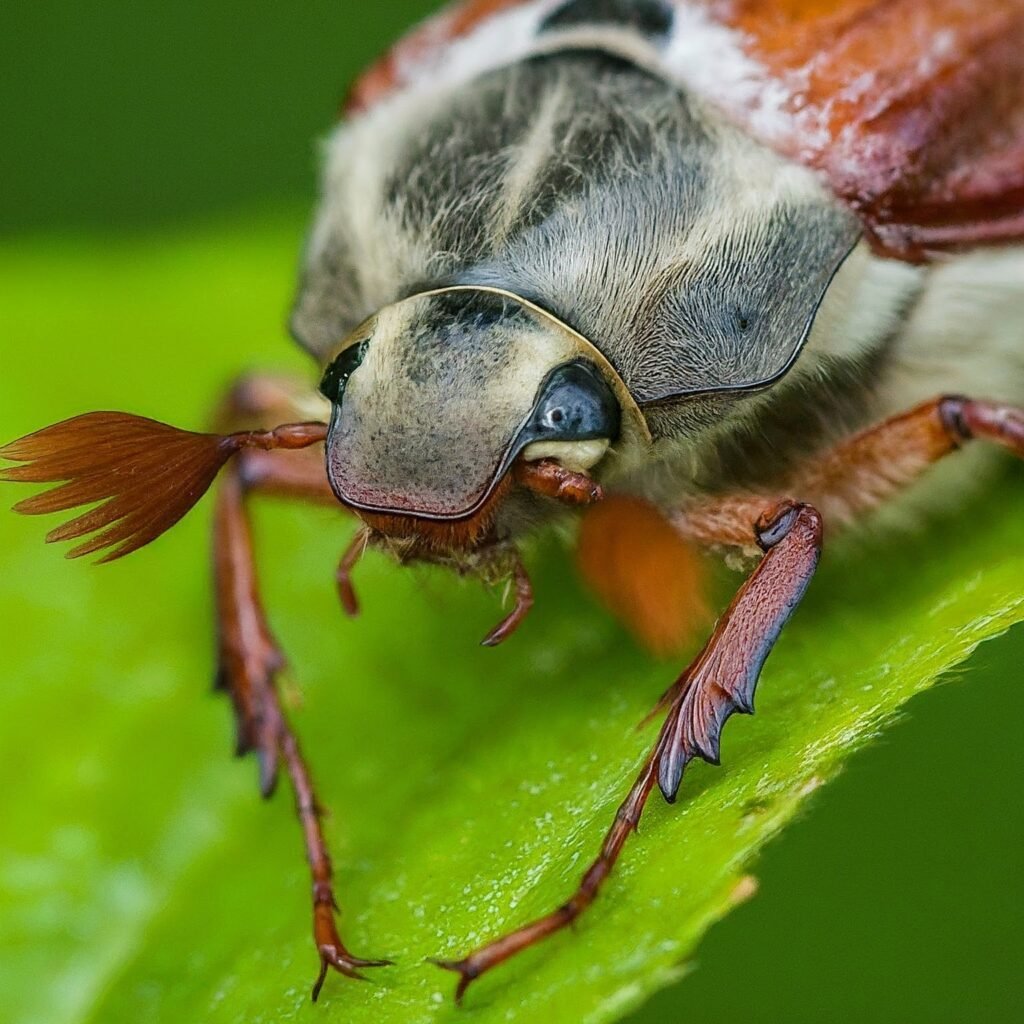
    • Non-Toxic Beetles for dogs: Many common beetles, such as June bugs and ladybugs, are safe for dogs to eat in small quantities. These insects are not known to cause harm and can even provide some nutritional benefits.
    • Potential Risks: While many beetles are harmless, some can carry parasites or toxins. For instance, if a dog consumes a beetle that has ingested harmful substances or is infested with parasites, it could lead to health issues.
    • Gastrointestinal Distress: Eating a large number of beetles or any bug can cause gastrointestinal upset in dogs. Symptoms may include vomiting, diarrhea, or drooling. If your dog shows signs of distress after eating beetles, it’s essential to consult your veterinarian.

    Parasites and Infections in Dogs.

    One of the significant concerns with dogs eating beetles is the potential for parasitic infections.

    Certain beetles can harbor parasites like tapeworms or stomach worms, which can infect your dog if ingested. Symptoms of these infections may include:

    • Vomiting
    • Diarrhea
    • Weight loss
    • Lethargy

    Regular veterinary check-ups and preventive treatments for parasites can help mitigate these risks.

    What to Do If Your Dog Eats a Beetle

    If you notice your dog eating a beetle, here are some steps to take:

    1. Observe Your Dog: Monitor your dog for any signs of distress or unusual behavior after consuming the beetle.
    2. Check for Symptoms: Look for symptoms of gastrointestinal upset or signs of parasitic infection.
    3. Consult Your Veterinarian: If your dog shows any concerning symptoms, contact your vet for advice. They may recommend a check-up or treatment if necessary.

    Also Read: How to Remove Hard Poop from Your Dog’s Anus at Home

    Also Read: Can Dogs Eat Broccoli Rabe? Essential Benefits and Risks.

    Conclusion

    In summary, while dogs can eat beetles, it’s important to be aware of the potential risks associated with this behavior.

    Most beetles are non-toxic, but some can carry parasites or cause gastrointestinal issues.

    As a responsible pet owner, keeping an eye on your dog’s eating habits and ensuring regular veterinary care will help maintain their health and well-being.

    If in doubt, always consult your veterinarian for personalized advice regarding your dog’s diet and safety.


    Sources: