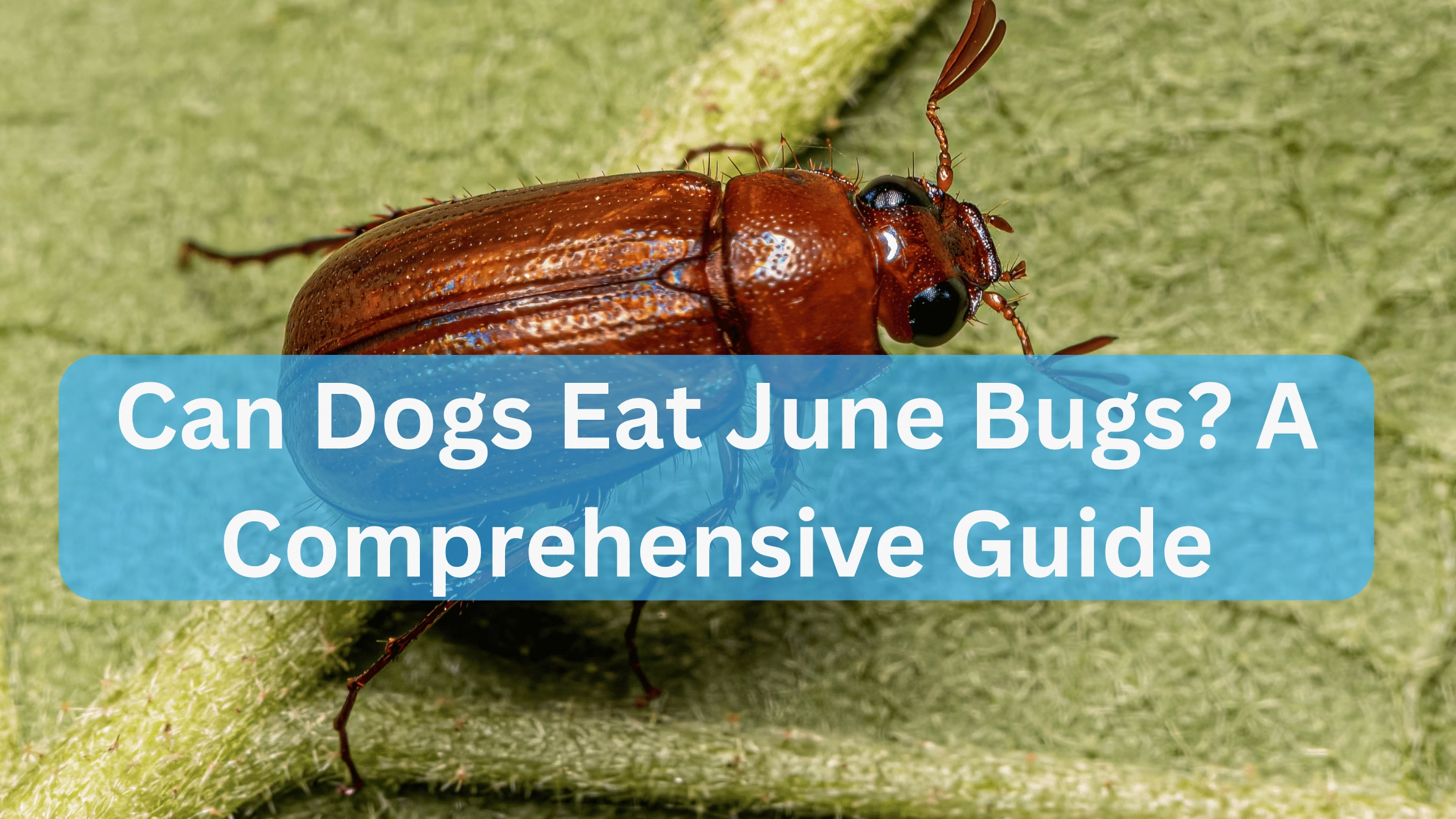
As summer approaches, you may notice an increase in June bugs, also known as May beetles, fluttering around your backyard. If you’ve caught your dog munching on these insects, you might wonder:Can dogs eat June bugs?The short answer is yes, but there are important considerations to keep in mind.
Can Dogs Eat June Bugs? Are June Bugs Safe for Dogs?
June bugs are generally not toxic to dogs. If your dog eats a few, they are likely to be fine. However, there are some potential risks associated with consuming these insects:
Upset Stomach: Eating a small number of June bugs usually causes no harm, but consuming a large quantity can lead to gastrointestinal upset, including vomiting and diarrhea.
Intestinal Blockages: June bugs have tough, indigestible shells. If a dog eats too many, it could result in a blockage in the intestines, which may require veterinary intervention. Signs of a blockage include severe vomiting, loss of appetite, lethargy, and abdominal pain.
Insecticide Exposure: If June bugs have been in contact with insecticides, they could pose a risk to your dog. Eating dead June bugs that have been exposed to these chemicals can lead to poisoning.
What to Do If Your Dog Eats June Bugs?
If your dog has eaten a few June bugs, monitor them for any signs of distress. Here are some steps to take:
Watch for Symptoms: Keep an eye out for vomiting, diarrhea, or signs of lethargy. If your dog shows any of these symptoms, consult your veterinarian.
Hydration: Ensure your dog has access to fresh water, especially if they are experiencing vomiting or diarrhea.
Veterinary Consultation: If your dog consumes a large number of June bugs or shows severe symptoms, contact your veterinarian immediately.
Why does my dog eat June bugs?
Dogs are naturally curious and may be attracted to the movement of June bugs. Their instinct to chase and catch insects can lead them to eat them. For many dogs, it’s simply a fun and entertaining activity.
Can eating June bugs cause my dog to have bad breath?
Yes, consuming June bugs can lead to bad breath in dogs, often humorously referred to as “junebug farts.” This is typically due to the digestion of the bugs and can result in gas and digestive upset.
What insects should dogs avoid?
While June bugs are generally safe, dogs should avoid eating the following insects:
Fireflies: These can be toxic and may cause gastrointestinal upset.
Stinging insects: Bees and wasps can sting and cause allergic reactions.
Caterpillars: Some caterpillars can be toxic and cause serious health issues.
How can I prevent my dog from eating bugs?
To discourage your dog from eating insects, consider the following tips:
Training: Teach commands like “leave it” or “no” to help your dog resist the temptation to eat bugs.
Supervision: Keep a close eye on your dog during walks or playtime in areas where bugs are prevalent.
Distraction: Provide toys or treats to keep your dog occupied and less focused on chasing insects.
In summary, while dogs can eat June bugs without immediate harm, moderation is key. Keep an eye on your furry friend and consult your veterinarian if you have any concerns.
By understanding the potential risks and monitoring your dog’s behavior, you can ensure a safe and enjoyable summer for both you and your pet.
Can Dogs Have Sushi? – Your pet will be one lucky dog if you decide they deserve sushi.
The sushi market has seen a growth of over 23% in sales from 2021 to 2022. Most people consider sushi healthier than any fried food.
Sushi refers to dishes made from vinegared rice accompanied or combined with fish and other edible species, and that is where we should start relating to dog health.
Can Dogs have Sushi?
Sushi refers to dishes made from vinegared rice accompanied or combined with fish and other edible species.
The principal diet should be plain rice accompanied by cooked fish or seafood for dogs. However, not all sushi types are good for dogs to consume.
According to the American Veterinary Medical Association (AVMA), raw animal-based protein, including sushi, is dangerous for pets and should not be fed.
Safest Ingredients to Include in Sushi for Dogs
When preparing sushi for your dog, opt for:
Plain Cooked Rice: A part of virtually every sushi dish, rice makes it into the dog-safe list because it is generally non-hazardous to the dog’s digestion.
Cooked Fish: Fish such as salmon and tuna are perfect; they contain omega-3, which is good for the coat and skin of the dog.
Nori: This edible seaweed is non-toxic, and it is safe to consume very little of it, especially when it is plain and unseasoned.
How to Prepare Sushi at Home That Is Safe for My Dog
To make dog-friendly sushi at home:
Choose Fresh Ingredients: Ensure that you use quality fish and that it is properly cooked to ensure it does not contain bacteria or parasites.
Avoid Harmful Additives: Avoid using wasabi, soy sauce, and harmful seasonings.
Roll It Up: Mix rice and fish that have been cooked, then put this in plain seaweed. However, your dog should chop it into tiny bite sizes.
Serve in Moderation: Offering sushi occasionally rather than frequently is advisable.
Health Benefits of Giving Sushi to Dogs
If prepared correctly, sushi can offer several health benefits:
Low in Calories: Sushi is also less caloric than processed dog treats, making it a healthier option.
Rich in Nutrients: Fish like salmon and tuna are packed with omega-3 fatty acids, phosphorus, and potassium, contributing to a dog’s overall health.
Risks of Giving My Dog Sushi with Soy Sauce
Soy sauce is relatively unsafe because it contains high amounts of sodium. For instance:
Sodium Levels: Soy sauce is rich in sodium; taking a tablespoon of soy sauce will give you about 878 mg of sodium, which is toxic to dogs. Mentioned signs include vomiting, general weakness, and seizures.
Alternatives: Choose low-sodium options or eliminate soy sauce from the dish’s preparation to enhance flavor.
How Much Sushi Is Too Much for a Dog to Eat?
Thus, raw fish and sushi should only make up 10% of your dog’s daily food consumption.
For instance, it is believed that a small dog weighing 10 pounds should be fed about 300-340 kcal in a day.
Sometimes, they eat sushi items that add to their calories without providing all the necessary nutrients.
It may be tempting to feed your dog sushi, but caution is essential. If the size of the piece of plain, cooked sushi is small, it will not cause your pet any harm, but giving your pet frequent servings of this food is not advised.
It is highly advisable to consult your veterinarian, especially if you have any issues regarding your pet’s diet or health.
It is possible to make sushi at home with safe products for the pet and also to show some moderation while serving so that your pet can enjoy a delicious snack without harming its health.
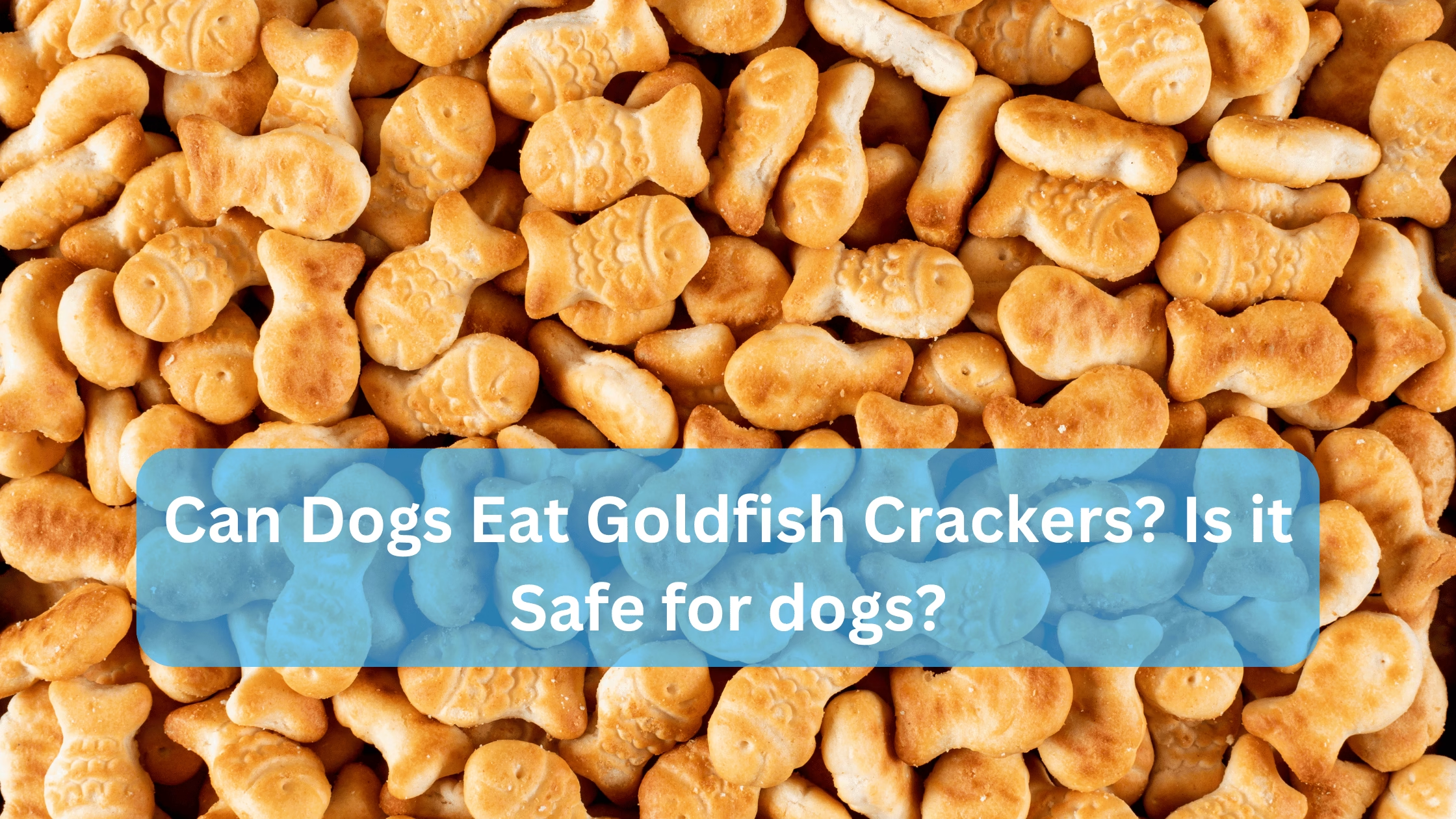
Can Dogs Eat Goldfish Crackers? Goldfish crackers are harmless to dogs but they cannot be a regular part of the diet because they contain artificial flavors and preservatives that are not good for the health of the dogs.
Though the dogs might be attracted by the Goldfish crackers, these are not a tasty for the dogs in any way.
There are several issues with this product, which are potentially toxic to dogs: Goldfish crackers contain a relatively high amount of salt, unhealthy fats and oils, and may contain allergens such as cheese and onion powder.
This article is useful to dog owners, especially regarding the potential risks of feeding the dogs as well as the healthier options available.
Can Dogs Eat Goldfish Crackers?
No, dog should not eat Goldfish Crackers. There are many risks associated with Feeding Goldfish Crackers to Dogs such as:
1. High Salt Content
There is a lot of salt in Goldfish crackers and a dog can get poisoned by consuming a lot of salt. Salt toxicity’s signs include vomiting, diarrhea, tiredness or weakness, and seizures.
In extreme cases, it can be very fatal, and that is the worst thing that can ever come with it.
Dogs are much more sensitive to salt than people and ingesting large quantities of it will lead to problems such as dehydration and other sorts of abnormalities.
2. Cheese and Lactose Intolerance
It is common knowledge that many dogs are lactose intolerant, that is they cannot break down lactose which is in cheese.
Primary symptoms that may be associated with Goldfish crackers include farting, loose stool, and stomach ache.
Although some dogs okay with a little of cheese, it is advisable that dogs do not consume any dairy products, particularly those relating to tinged snacks such as goldfish crackers.
3. Unhealthy Fats and Oils
The ingredients which are used in Goldfish crackers, the vegetable oil for instance the canola, and the vegetable oil pulses like soybean oil are dangerous to the dog’s health and if taken regularly will lead to obesity and other complications afloat.
Because organisms, dogs’ bodies are different from people and cannot digest certain types of fats and oils used in processing human foods.
When taken in large quantities, unhealthy fats cause pancreatitis and heart as well as other illnesses in dogs.
4. Additives and Preservatives
Goldfish crackers contain different additives such as food coloring agents as well as preservatives that may have a negative impact on dogs.
Such elements as autolyzed yeast and annatto extract are not good for the dog’s diet and might be unhealthy for the dog if consumed in large amounts.
Certain additives in the special dog foods present some health complications including skin breakout, stomach upset and other related complications on the dogs.
Healthier Alternatives to Goldfish Crackers
In case you are searching for a crunchy snack to be fed to your dog, you may prepare crackers that contain such products as pumpkin and chicken or carrots combined with pumpkin purée.
These crackers would be perfectly fine, and in some cases, healthy, for your dog to consume. Fiber-rich pumpkin and lean protein such as chicken are the most vital components in foods we are privileged to consume, Pomona classified.
Carrots are mainly served while they are fresh, and they do not contain a lot of calories, but are very crispy, which is very good when it comes to removing tartar from your dog’s teeth, besides, they also improve their breath.
There are also plenty of dog-safe treats and snacks available on the market, such as:
Freeze-dried meat or fish treats: These treats are prepared using good quality protein and these are normally contain reduced calories and fats.
Dental chews: Supplements/gum chews that are intended for use in cleaning your dog’s teeth and improving its breath.
Crunchy vegetable chips (e. g. , sweet potato, carrot): These chips have the right crisp to them and they also have health benefits combined in them.
Dehydrated fruit slices (e. g. , apple, banana): Dried fruits can be a sweet and natural delicacy for your dogs and can be enjoyed during the summer especially when it is very hot.
While selecting treats for the dogs you should always look for those treats that have low levels of salts, fats, and preservatives.
One essential thing that should be taken into consideration is individual predispositions of your dog to certain kind of nutrients like allergies or sensitiveness to them.
Although occasional snacking on a small amount of Goldfish crackers is not likely to endanger a dog’s life, these snacks are not good for dogs.
Due to high levels of salt, undesirable fats and oils, and possible allergens in Goldfish crackers, regular consumption of this snack may be hazardous to one’s health.
Who knew that your best friend can be fed with sweet and yummy foods and at the same time be Health and nutritionally approved?
Do not forget that every dog owner should consult with their vet regarding diet for their pet as it is always important to do the very best for your pet.
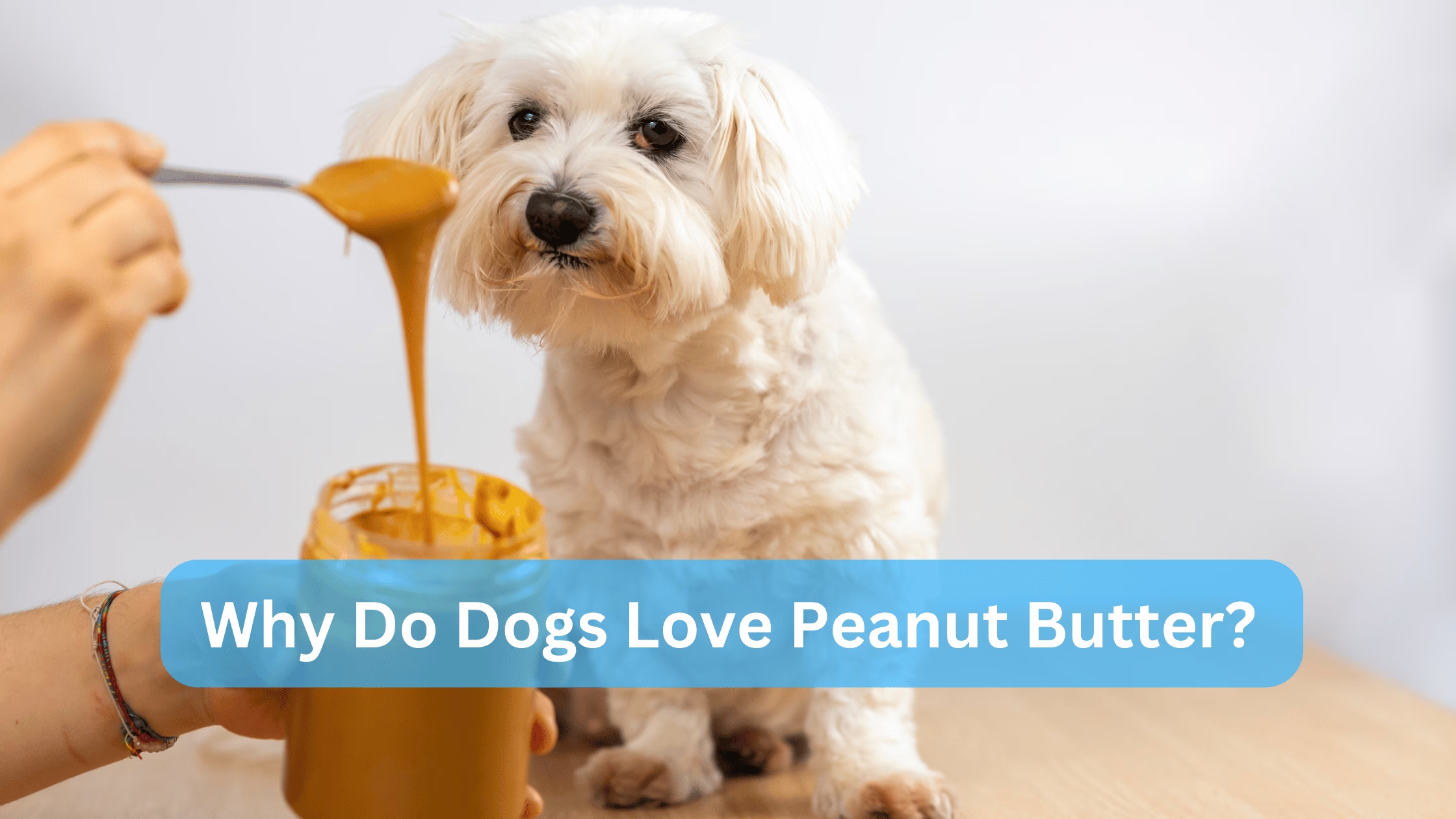
Why Do Dogs Love Peanut Butter? It is widely known that many dogs enjoy having peanut butter.
We find it in dog food recipes as well as in toys that have been stuffed with various treats.
They are always conquered by the smoothness and yummy taste from it. It is very enjoyable to watch, as well, for dog owners and lovers.
Well, then what makes dogs go head over heels for peanut butter? And this is where the why comes in so that we can be better-placement in choosing the right type of food for our dogs.
Why do dogs love peanut butter so much?
There is no doubt that peanut butter is a most-favored ingredient not only by many people but also by dogs because of its constituents. undefined
Fat: High fat foods are preferred by dogs because they are a rich source of energy nutrients and are most easily utilizable. The fat content in peanut butter usually makes it attractive to the canine pal, promoting their natural instincts.
Protein: Protein is also needed by dogs so that they can be able to grow strong muscles and remain healthy all the time since they are omnivores. Peanut butter is nutritions as well as tasty food since it also contains protein in reasonable proportion.
Salt: Some manufacturers add salt to their products as it has been known to impart a great taste to peanuts. Besides, peanut butter has a salty taste that dogs are always keen on having more of.
Sugar: However, sugar isn’t a major ingredient in most peanut butters, although, some do contain added sugars, which would make the peanut butter taste a little sweet. Sweet is preferred by both man and the dog that could make this treat more appealing to the dog in particular.
Putting it all together results in a flavor that many dogs simply cannot resist, and it caters to their craving and nutritional intake needs .
Is Peanut Butter Good for Dogs?
While peanut butter can be a delightful treat for dogs, it is essential to consider its nutritional benefits and the importance of moderation:
Fiber for Digestion: Dietary fiber is also present in peanut butter and this is useful in the enhancement of digestion and healthy bowel movement. Fiber aids in digestion and getting consistent bowel movements and can participate in the general health of the digestive system.
Protein for Muscle Development and Immune Function: Muscle building and the repair process in muscles enjoys the support from this nutrient found in peanut butter while the immune system also benefits. This action is very crucial especially for the active breed as well as those in their growing age.
Healthy Fats for Skin, Coat, and Energy: Peanut butter is rich in healthy fats that are essential in providing a shiny coat, and healthy skin. They also offer a supply of energy, something that is useful for active breeds of the dog.
Vitamins and Minerals for Overall Wellbeing: The product also contains some vitamins and minerals that are essential to the health of a dog these are vitamin E, magnesium and potassium.
Yes, peanut butter is good breakfast food, yet should not be fed too much. It contains a lot of calories so head’s up! Weight gain could be as a result of the dog feasting, and that would not be good for the health of the poor animal.
Now, as a pet owner, remember: a cookie that has peanut butter in it is okay but should not be taken often. The daily menu? Uh-uh, that is not advisable or correct.
Plus, watch the label. Do not opt for peanut butter that comes with the bad stuff included. For instance, xylitol is a no-no for dogs; it’s poisonous.
Choosing a Dog-Safe Peanut Butter
In choosing the peanut butter to be given to your dog, it is will and important to check the safety and quality of the peanut butter. Here are some tips:
Avoid Xylitol: Of course, this list should include xylitol since it is a common sugar substitute which is deadly poisonous for dogs. Tremendous dangers can result from using even a little of this substance for it can cause hypoglycemia, seizures and liver failure.
No Excess Sugar or Salt: Choose a natural peanut butter whose list of ingredients includes peanuts, and zero other items. These are unhealthy for your dog and provide no nutritional value to your dog whatever that is.
Simple Ingredients: It is for this reason that the best peanut butter for dogs should comprise a low quantity and quality of ingredients; in this case, peanuts. Do not take any manufactures’ products containing hydrogenated oils, preservatives, or artificial flavors.
How Much Peanut Butter Can a Dog Have?
The intake of peanut butter should always be in moderation since it is rich in fats.
Here are some general guidelines for serving sizes:
Small Dogs (up to 20 lbs): It implies that a person should consume between 1/2 teaspoon to 1 teaspoon of peanut butter every day.
Medium Dogs (20-50 lbs): 1 tsp to 1 tbsp of peanut butter a day.
Large Dogs (over 50 lbs): 1 tablespoon to 2 tablespoons of peanut butter per day.
Chocolate, peanuts, peanut butter and etc are foods that should not exceed one tenth or 10% of the recommended daily calorie intake for the pet.
For instance, if the dog’s total daily ration is 600 calories, it means they can take not more than 60 calories from treats.
For example, if your dog’s daily caloric allowance is 600 calories, you can safely give them about 60 calories worth of treats, which is roughly equivalent to 1 tablespoon of peanut butter.
Fun Ways to Serve Peanut Butter
Peanut butter is a versatile treat that can be enjoyed in various fun ways:
KONG Toy Filler: Another idea is to freeze peanut butter in a KONG toy for your dog to play with. If you wish to have a longer duration of service with this treat, then you can freeze it.
Lick Mats: To begin the process, the lick mat should be layered with a thin peanut butter. This offer mental exercise because while licking the meat off, your dog has to think.
Training Treats: To help with teaching session it is recommended that peanut butter be used as one of the desired outcomes. It can encourage your dog to easily follow new commands that it is trained to perform.
Homemade Peanut Butter Dog Treats
Making homemade peanut butter treats is a great way to ensure your dog gets a healthy snack. Here are a couple of simple recipes:
Peanut Butter and Banana Dog Biscuits
Ingredients:
1 cup peanut butter (xylitol-free)
1 ripe banana, mashed
2 cups whole wheat flour
1/4 cup water (as needed)
Instructions:
Heat the oven to 350°F (175°C).
In a bowl which should contain sour cream and mashed bananas, add the peanut butter and blend until it combines properly.
Then slowly incorporate the flour, this must be done until a tacky dough is formed. Pour a sufficient amount of water to make the mixture sufficiently workable.
After making the dough ‘‘rest’’, start to spell shapes you want using the cookie cutters onto the dough and cut.
Put it in a baking pan and bake for about 15-20 minutes or until turns golden brown.
Let cool before serving.
Peanut Butter Pumpkin Dog Treats
Ingredients:
1 cup peanut butter (xylitol-free)
1 cup canned pumpkin (not pumpkin pie filling)
2 cups whole wheat flour
1 egg
Instructions:
Heat the oven to 350°F (175°C).
Gradually, stir in pumpkin and egg to the peanut butter mixture in the bowl while whisking thoroughly.
To this mixture, gradually stir in the flour until you get a dough.
Turn out the dough and pick desired shapes to paste.
Bake for 20-25 minutes until the potatoes are firm to the middle and the crust is golden brown.
This must be allowed to cool before being served.
Peanut Butter Alternatives for Dogs
If you’re looking for alternatives to peanut butter, consider the following options:If you’re looking for alternatives to peanut butter, consider the following options:
Almond Butter: Similar in terms of the taste and consistency of the food and it should be without sweetness and xylitol.
Cashew Butter: Similar to peanut butter, any other nut butter can be okay for dogs if not processed with unhealthy ingredients.
Sunflower Seed Butter: ideal for pets that have nut intolerances but ensure that no sugars and salts are included in the processing of the product.
Coconut Butter: Safe for dogs as they love chewing on them but should be also given sparingly since it is a fatty food.
Peanut Butter Dog Allergy Symptoms
However, peanut butter is nutritious but it should be observed that there are some dogs that are allergic to it.
Symptoms of a peanut allergy can include:
Itching or hives
Gastrointestinal upset particularly vomiting or diarrhea.
Swelling specifically to the face
Shortness of breath (when the condition has advanced to the later stage).
Therefore, if your dog has any of such symptoms after you have introduced peanut butter in his diet you should contact your vet.
Peanut butter spells delicious for dogs; it’s a surefire delight. It uplifts their mood. It’s favored by big and small dogs for its yumminess and creamy touch.
Yet, you must be careful. Xylitol-free peanut butter is a safe bet. Monitor how much they eat. Check them for allergies.
Treat your pooch to peanut butter occasionally; it can boost their enjoyment and health. Worried? Get in touch with your vet for expert guidance. Have fun treating!
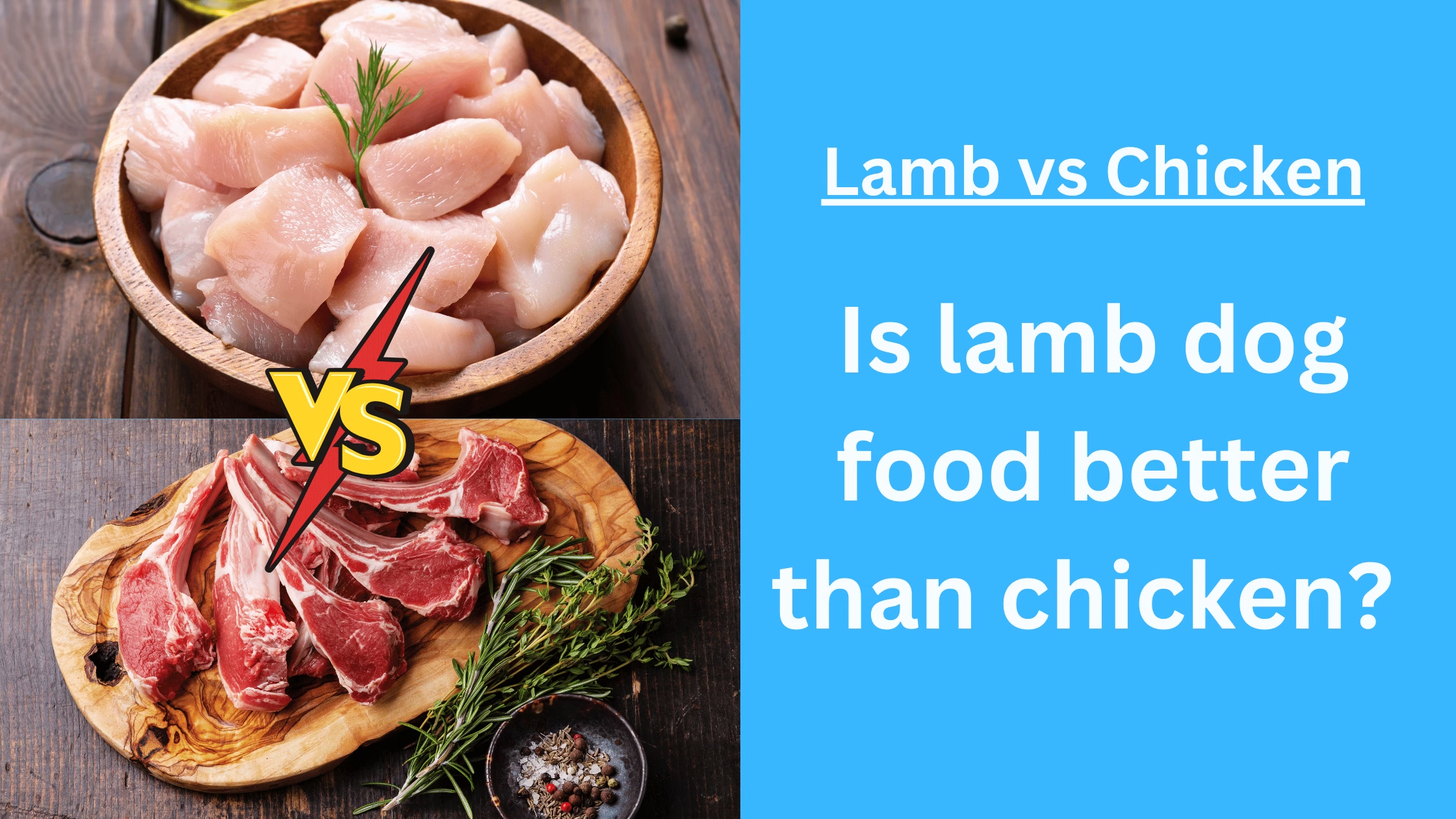
Is lamb dog food better than chicken? – A Look at Lamb and Chicken Dog Food.
Every pup deserves top-notch grub. Just like us humans, a solid diet works wonders for their well-being. With a wealth of doggy dinners on sale, choosing the right one can be tricky.
A common question from dog owners is, “Lamb or chicken?” Both are frequent choices, but does one take the lead for dog food? It’s not a one-size-fits-all situation. Every dog is unique and has varying diet needs.
This manual discusses dog proteins, focusing on lamb and chicken. It presents the positives and negatives of each, and explains why protein is vital for a dog’s health, highlighting the specific perks each provides.
While lamb and chicken are both beneficial protein sources, the best choice hinges on your pet’s age, fitness level, and potential food sensitivities.
Armed with a clear understanding of both protein options, you can make the most informed choice for your furry friend’s wellness and contentment.
Understanding Protein in Dog Food: The Building Blocks of Canine Health
Is lamb dog food better than chicken? – Lamb vs. Chicken 7
Dogs, like their human pals, need protein. This vital nutrient helps build muscles, power up their immunity, and boost energy.
Dogs also need different essential amino acids, the components of protein, to stay healthy.
Dog food has lots of different types of protein. Two that you see a lot are lamb and chicken. Each one offers different perks. Let’s explain:
Lamb: This tasty source of protein is easy to digest. This makes lamb a smart pick for dogs with sensitive stomachs. Lamb also offers zinc, great for skin and coat health, and B vitamins, which help process energy.
Chicken: This protein choice is lean and quite versatile. It’s a good fit for pooches that aren’t super active or need help keeping weight in check. Chicken is also a good source of glucosamine, perfect for keeping active canines’ joints healthy.
Heads up: Lamb and chicken are both good protein sources, but each dog is different. Some may have reactions or allergies to certain proteins. We’ll discuss this more in the next part.
Navigating the Maze: Allergies and Sensitivities in Dog Food
Though not as frequent as some believe, dogs can be allergic to lamb and chicken. Statistics show that one in ten dogs may be food allergic.
Certain signs could tell if a dog is food-sensitive, such as:
Itchy skin, excessive scratching, or hot spots
Chronic ear infections
Vomiting or diarrhea
Hair loss
Your veterinarian should be contacted if a food sensitivity in your dog is suspected. They can find out the specific protein causing the allergy, and can also suggest a diet exclusion process to find out the exact problem.
Lamb as a Hypoallergenic Alternative:
A less-allergenic choice. Given that lamb is used less often in dog food than chicken, it can be a viable option for pups with confirmed chicken allergies.
The immune system of dogs is less likely to react to lamb protein because it’s not commonly exposed to it.
Introducing New Food with Caution:
A slow approach is crucial when changing your dog’s food.
This gives their stomach time to adapt and helps in catching any likely sensitivity.
Start by introducing a tiny amount of the new food to their existing diet, steadily increasing the portion of the new food over a few weeks.
Keep a close watch on your dog for any undesired reactions during the switch.
Choosing the Right Food: A Balanced Approach Goes Beyond Protein
Protein is one part at the heart of your dog’s diet. Yet, it doesn’t stop there. For peak health, your pet requires a diverse diet high in required nutrients, vitamins, and minerals.
These parts unite to help a robust immune network, sturdy bones and teeth, glowing skin and hair, and good digestion. Look for a dog chow blend that includes these:
Essential fatty acids: Omega-3 and Omega-6 fats help improve skin and hair, joint well-being, and brain function.
Carbs: Carbs are fuel for your dog’s daily life. Seek complex carbs such as whole grains for long-lasting energy release.
Fiber: Fiber aids good digestion and controls bowel regularity.
Vitamins and minerals: These tiny nutrients have a big part in various body functions.
Shaping the Diet for Your Dog’s Wants:
Just like us, every dog has unique food needs based on their age and energy level.
Puppies: Young puppies need a protein-rich diet for their quick growth.
Adult Dogs: Food for adult dogs must meet their energy output based on how active they are.
Old Dogs: Senior dogs might need a diet low in calories and easy to digest.
Addressing Certain Health Issues:
If your dog has health problems, a customized diet could be needed. These diets are made to handle conditions like allergies, joint problems, or weight control.
Speaking with Your Vet:
Picking your dog’s food is vital. Your vet is a handy helper in the sea of dog food choices.
They know your dog’s personal needs, thinking of age, breed, energy level, and any health conditions.
With these details, they can suggest the best food choice to support your dog’s lifelong health and happiness.
Lamb vs. Chicken: Is lamb dog food better than chicken?
Having examined the role of protein and what affects a dog’s food needs, let’s reconsider lamb versus chicken.
Here’s a basic rundown of the pros each protein brings:
Lamb:
Highly digestible, making it a good choice for sensitive stomachs.
Rich flavor is often more appealing to picky eaters.
Excellent source of essential nutrients like zinc and B vitamins.
Less common protein source, potentially reducing allergy concerns.
Chicken:
Widely available and readily accepted by most dogs.
Lean protein source, ideal for less active dogs or weight management.
Good source of glucosamine, which can support joint health.
So, when should you choose lamb?
If your dog suffers from a sensitive stomach and struggles with other protein sources,.
If your dog has a confirmed chicken allergy and needs a hypoallergenic alternative,.
If your dog is a picky eater and enjoys a richer flavor,.
When might chicken be a better option?
If your dog has a history of readily accepting chicken-based foods,.
If your dog is less active and requires a leaner protein source,.
If your dog is overweight and needs a food formulated for weight management,.
The Variety Bonus:
While both lamb and chicken have unique benefits, adding different proteins to your dog’s diet can be helpful.
Switching proteins can introduce your dog to more crucial nutrients and keep meals fun.
Talk it over with your vet to make sure you’re offering a balanced and healthy meal plan for your dog.
There’s no single “best” protein source for dogs—lamb or chicken. It’s based on what suits your dog the most.
Weigh up each protein’s benefits and think about things like age, how active they are, and any sensitivities. This way, you’ll make a smart choice for their health.
Be a Keen Observer:
Keep an eye on how your dog feels and acts after trying new food. Watch their digestion, skin, and fur health for sensitivity signs.
Consult the experts:
For dog nutritional advice, your vet is a goldmine. Don’t shy away from asking them for help to pick out the perfect food for your furry buddy.
They can draft a customized diet plan for your dog, guaranteeing they blossom from a cute pup to a happy old dog.
Don’t forget, a cheerful dog is a healthy one! By offering a balanced diet loaded with key nutrients and proteins such as lamb or chicken, you’re building a roadmap for a long, fun-filled life together.
So, fuel their adventures and enjoy seeing your canine buddy wag their tail with joy!
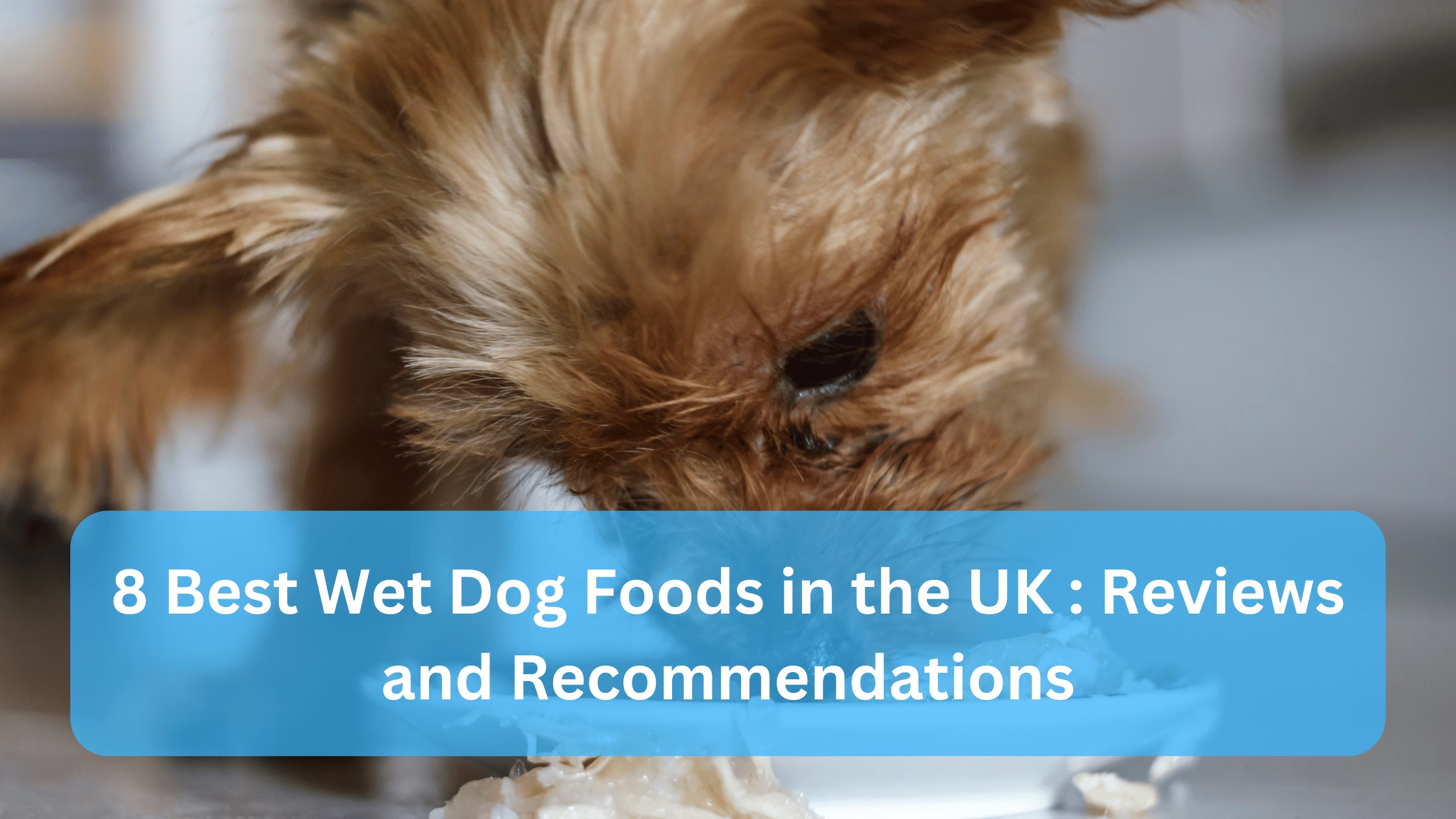
As dog owners, we all strive to provide our furry friends with the best possible life, which starts with a nutritious diet. Choosing the right wet dog food can be a challenge with the multitude of options available. To make this task easier for you, we have reviewed and compiled a list of the best wet dog foods available in the UK. This guide will help you make an informed decision for your pup’s health and happiness.
Top 8 Best Wet Dog Foods in the UK.
Depending on your dog’s needs, here’s a list of highly-rated wet dog foods available in the UK. This list includes options for puppies, senior dogs, and those with sensitive stomachs.Depending on your dog’s needs, here’s a list of highly-rated wet dog foods available in the UK.
1. Forthglade Complete Natural Chicken Wet Dog Food – Best Overall
8 Best Wet Dog Foods in the UK : Reviews and Recommendations 17
Forthglade Complete Natural Chicken Wet Dog Food is our top pick due to its high-quality ingredients and suitability for dogs with sensitive stomachs. It is made with 75% chicken, providing a single protein source that is easy to digest. The addition of vegetables ensures a balanced intake of vitamins and minerals. Steamed to lock in flavor, this food is both healthy and palatable.
8 Best Wet Dog Foods in the UK : Reviews and Recommendations 18
Key Features:
Protein Content: 6%
Fat Content: 3.8%
Primary Ingredients: Fish, fish derivatives, cereal
Chappie Original Dog Tin offers excellent value for money. Developed by veterinarians and nutritionists, it provides a balanced diet with low fat content, making it suitable for dogs with food sensitivities. This food is rich in protein and fiber, essential for maintaining energy levels and a healthy coat.
8 Best Wet Dog Foods in the UK : Reviews and Recommendations 19
Key Features:
Protein Content: 10.4%
Fat Content: 6.6%
Primary Ingredients: Venison, pheasant, salmon
Lily’s Kitchen Campfire Stew is a premium choice with a high protein content from venison, pheasant, and salmon. It includes a variety of fruits and vegetables, making it a nutritionally complete food. Its eco-friendly, recyclable packaging is a bonus for environmentally conscious pet owners.
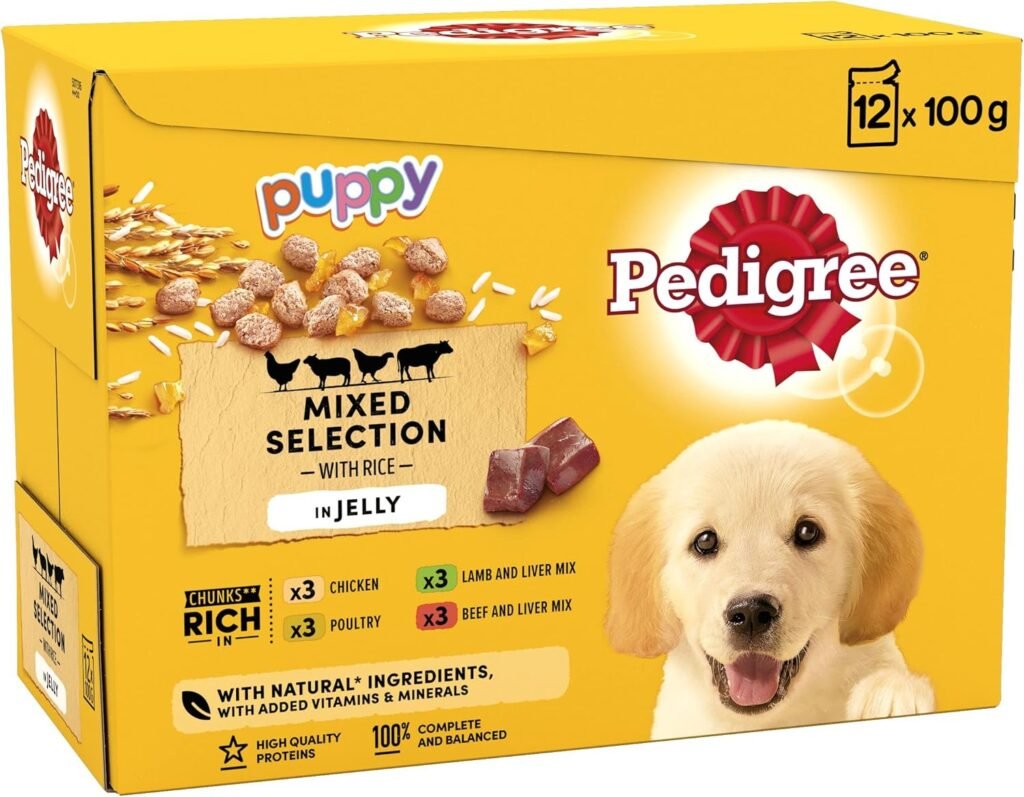
4. Pedigree Puppy Wet Food in Jelly – Best for Puppies
8 Best Wet Dog Foods in the UK : Reviews and Recommendations 20
Key Features:
Protein Content: 8%
Fat Content: 6%
Primary Ingredients: Meat and animal derivatives, cereals, fish
Specifically formulated for puppies, Pedigree Puppy Wet Food in Jelly provides a balanced diet essential for growth and development. Developed by experts at the Waltham Pet Nutrition Centre, this food is easy to digest and includes necessary fatty acids for a healthy coat.
8 Best Wet Dog Foods in the UK : Reviews and Recommendations 21
Key Features:
Protein Content: 8%
Fat Content: 5.5%
Primary Ingredients: Lamb, whole-grain rice, peas
BUTCHER’S Wet Dog Food Loaf Pate offers a complete and nutritionally balanced meal for adult dogs. Made with natural ingredients from British and Irish farms, it includes garden vegetables for added fiber and vitamins. The texture can be mashed into a pâté, appealing to many dogs.
8 Best Wet Dog Foods in the UK : Reviews and Recommendations 22
Key Features:
Protein Content: 6.5%
Fat Content: 3%
Primary Ingredients: Meat and animal derivatives, cereals, vegetables
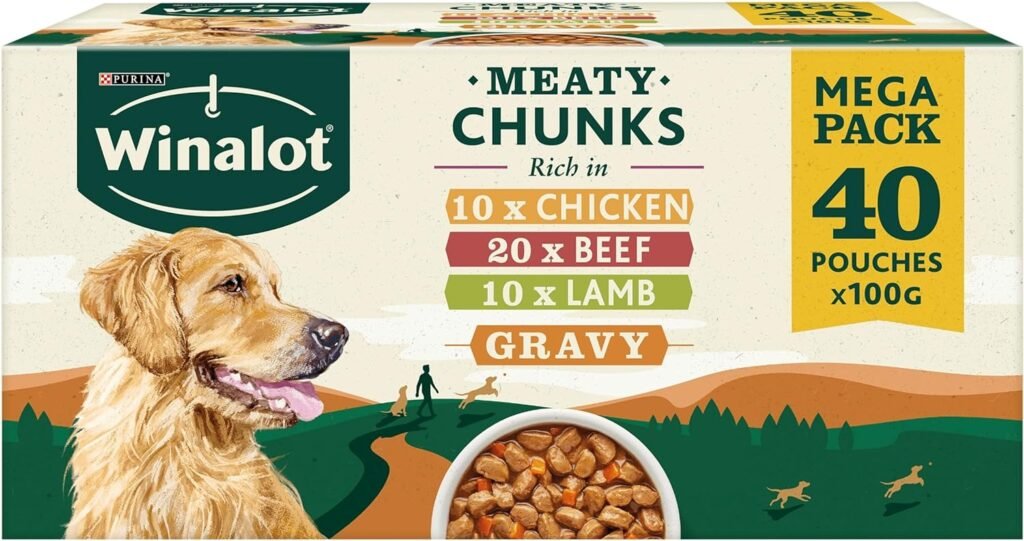
Winalot Dog Food Pouches in Gravy offer a variety of flavors, including chicken with carrots, beef with potatoes, and lamb with carrots. This food has been a staple since 1927, providing a nutritious and balanced meal for your dog.
8 Best Wet Dog Foods in the UK : Reviews and Recommendations 23
Key Features:
Protein Content: 8.5%
Fat Content: 6%
Primary Ingredients: Chicken, potatoes, peas
Harrington’s Wet Chicken & Potato Dog Food is made with natural ingredients and a unique cooking method that locks in flavor. Family-owned since 1923, this brand ensures a wholesome and nutritious diet for your dog. However, note that the salmon flavor contains chicken, which may not be suitable for dogs with poultry sensitivities.
8 Best Wet Dog Foods in the UK : Reviews and Recommendations 24
Key Features:
Protein Content: 10%
Fat Content: 8%
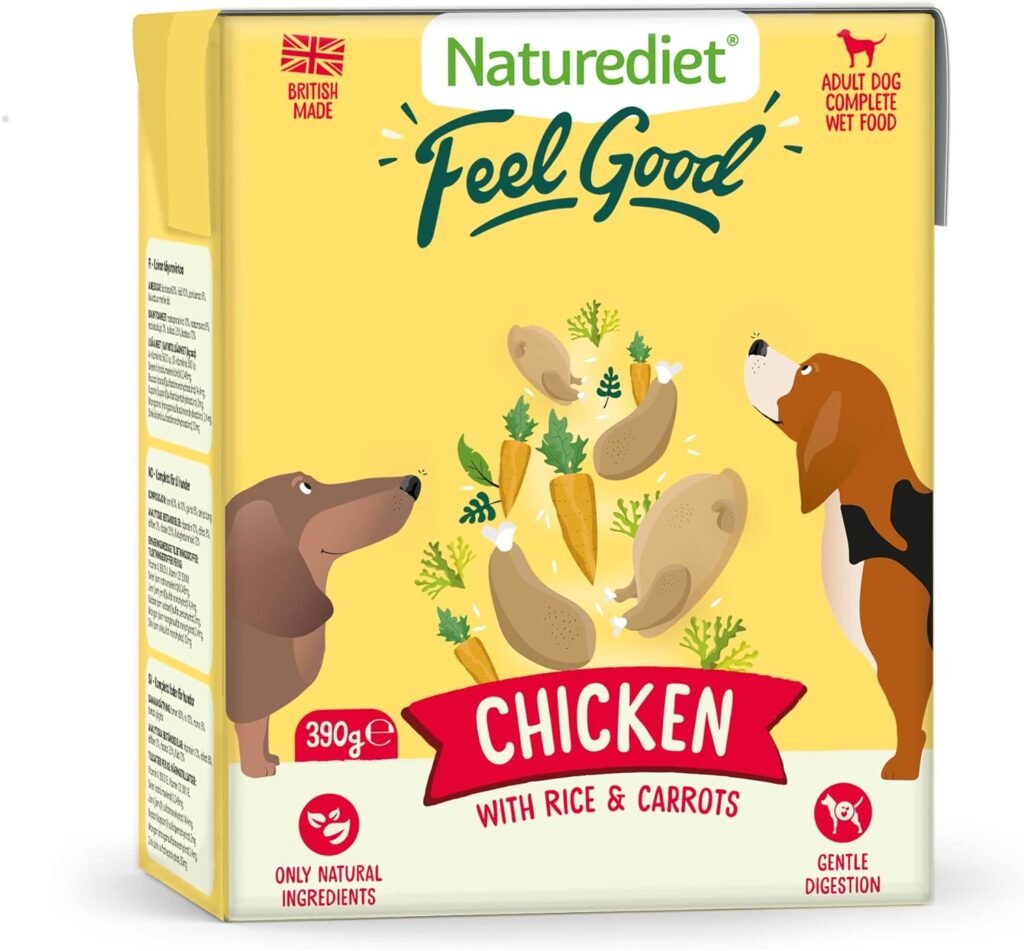
Primary Ingredients: Chicken, rice, carrots
Naturediet Feel Good Wet Dog Food is suitable for dogs of all breeds and life stages. It is made with healthy, natural ingredients and comes in eco-friendly packaging. However, some flavors have a strong odor, which might be off-putting to some owners.
Buyer’s Guide: How to Choose the Best Wet Dog Food
What Is Wet Dog Food?
Wet dog food is usually packed in tins, pouches, or plastic containers. It’s preferred by many dogs due to its taste and ease of consumption. Wet food can be mixed with dry food to entice picky eaters or used as a complete meal on its own.
Key Factors to Consider
Protein Content: Ensure the food has a high protein content from animal sources.
Ingredients: Look for natural ingredients without artificial additives.
Nutritional Balance: Choose food that is complete and balanced, providing all essential nutrients.
Dietary Needs: Consider your dog’s specific needs, such as allergies or sensitivities.
Budget: Find a food that fits your financial constraints without compromising on quality.
Wet vs. Dry Food
Both wet and dry dog foods have their benefits. Wet food adds hydration and is more palatable for many dogs, while dry food is cost-effective and convenient for storage. A combination of both can provide a balanced diet.
Selecting the best wet dog food can significantly impact your dog’s health and well-being. Our top recommendation is Forthglade Complete Natural Chicken Wet Dog Food for its high-quality, natural ingredients.
For a budget-friendly option, Chappie Original Dog Tin is an excellent choice. Lily’s Kitchen Campfire Stew is perfect for those looking for a high-protein, eco-friendly option. We hope this guide helps you choose the best food for your furry friend’s needs.
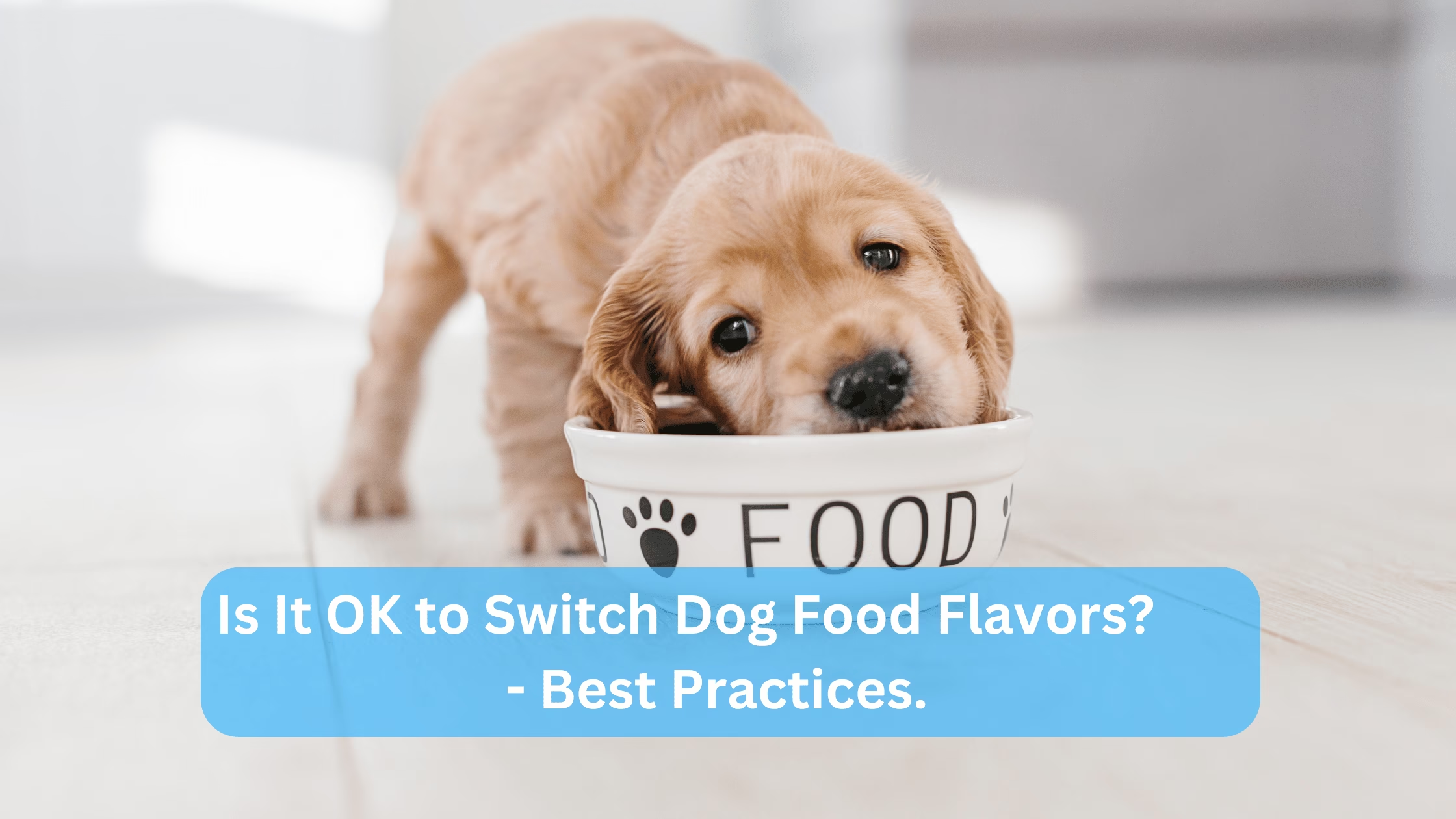
Is It OK to Switch Dog Food Flavors? Switching dog food flavors is a topic of interest for many pet owners. Whether you’re considering a change due to dietary needs, preferences, or simply wanting to provide variety for your dog, it’s important to understand the potential impacts and best practices for making the switch.
In this article, we’ll address common questions and concerns regarding changing dog food flavors and provide a step-by-step guide for making the transition.
Is It OK to Switch Dog Food Flavors?
Yes, it is generally okay to switch dog food flavors, but it should be done gradually to avoid upsetting your dog’s digestive system. Introducing new flavors can provide dietary variety and prevent your dog from becoming bored with their food.
Common Concerns About Switching Dog Food Flavors
Reddit Perspectives
Many pet owners on platforms like Reddit share their experiences and concerns about switching dog food flavors. The consensus is that while it is possible, it must be done correctly to avoid health issues.
Will Changing Dog Food Flavor Cause Diarrhea?
Changing dog food flavors can cause diarrhea if not done gradually. A sudden change in diet can disrupt the digestive system, leading to gastrointestinal issues like diarrhea.
Changing Dog Food Within the Same Brand
Switching flavors within the same brand is usually less problematic than switching brands entirely. Many brands maintain a consistent nutrient profile across different flavors, which can ease the transition.
Changing Dog Food Too Quickly: Symptoms
Rapid changes in dog food can lead to symptoms such as diarrhea, vomiting, and decreased appetite. Gradual transitions help mitigate these issues by allowing the digestive system to adjust.
Switching Dog Food Without Mixing
Switching dog food without mixing the new flavor with the old one can increase the risk of digestive upset. A gradual blend over a week or so is recommended to allow your dog’s system to adapt.
Can Changing Dog Food Kill a Dog?
While it’s highly unlikely that changing dog food flavors would be fatal, sudden changes can lead to severe digestive distress. It’s crucial to monitor your dog for adverse reactions and consult a vet if necessary.
Can You Switch Between Purina Pro Plan Flavors?
Yes, you can switch between Purina Pro Plan flavors. However, it’s still advisable to do so gradually to ensure your dog’s digestive system adjusts smoothly.
Switching Dog Food Without Mixing Reddit
Discussions on Reddit highlight that some dog owners switch dog food without mixing and report no issues, while others experience digestive problems. It’s generally safer to transition slowly.
Best Practices for Changing Dog Food Flavors
How Often Should I Change Dog Food Flavor?
There is no fixed rule on how often you should change dog food flavors. Some experts suggest rotating every few months to maintain dietary variety, while others recommend sticking to a flavor that your dog enjoys and digests well.
Is It Okay to Mix Different Flavors of Dog Food?
Yes, mixing different flavors of dog food can provide variety and maintain interest in meals. Ensure the mixed foods are nutritionally balanced and compatible.
Should I Rotate Dog Food Flavors?
Rotating dog food flavors can prevent food boredom and may benefit some dogs by offering a broader range of nutrients. However, frequent changes should be done carefully to avoid digestive upset.
How to Gradually Change Dog Food Flavors
To avoid digestive issues and ensure a smooth transition when changing your dog’s food flavor, follow these steps:
Week 1: 75% Old Food, 25% New Food
Start by mixing 75% of the old food with 25% of the new food. This initial blend allows your dog’s digestive system to begin adapting to the new flavor without a significant shock.
Week 2: 50% Old Food, 50% New Food
After a week, mix equal parts old and new food. This balanced mix helps your dog adjust further to the new flavor while still retaining the familiar food.
Week 3: 25% Old Food, 75% New Food
Increase the new food to 75% while decreasing the old food to 25%. By this stage, your dog should be more accustomed to the new flavor.
Week 4: 100% New Food
Finally, transition to 100% new food. By now, your dog’s digestive system should be fully adjusted to the new flavor.