Category: Dog Nutrition

  • Can Dogs Eat Banana Peels? A Comprehensive Guide.

    Can Dogs Eat Banana Peels? A Comprehensive Guide.

    Dogs are known for their curious nature and tendency to explore the world with their mouths. As a responsible pet owner, it’s crucial to know what foods are safe and healthy for your dog to consume. While bananas are a healthy treat for dogs, the question arises: can dogs eat banana peels? This blog aims to provide comprehensive information on this topic to help you make informed decisions about your dog’s diet.

    Nutritional Benefits of Bananas for Dogs

    Bananas are packed with essential nutrients that can be beneficial for dogs when fed in moderation. Here are some key benefits:

    • Potassium: Supports heart and muscle function.
    • Vitamin B6: Promotes brain health and produces essential neurotransmitters.
    • Vitamin C: Acts as an antioxidant, supporting the immune system.
    • Dietary Fiber: Aids in digestion and promotes a healthy gut.
    • Magnesium: Supports bone growth and helps the body absorb vitamins and proteins.

    These nutrients make bananas a great occasional treat for your dog, contributing to overall health and well-being.

    Can Dogs Eat Banana Peels?

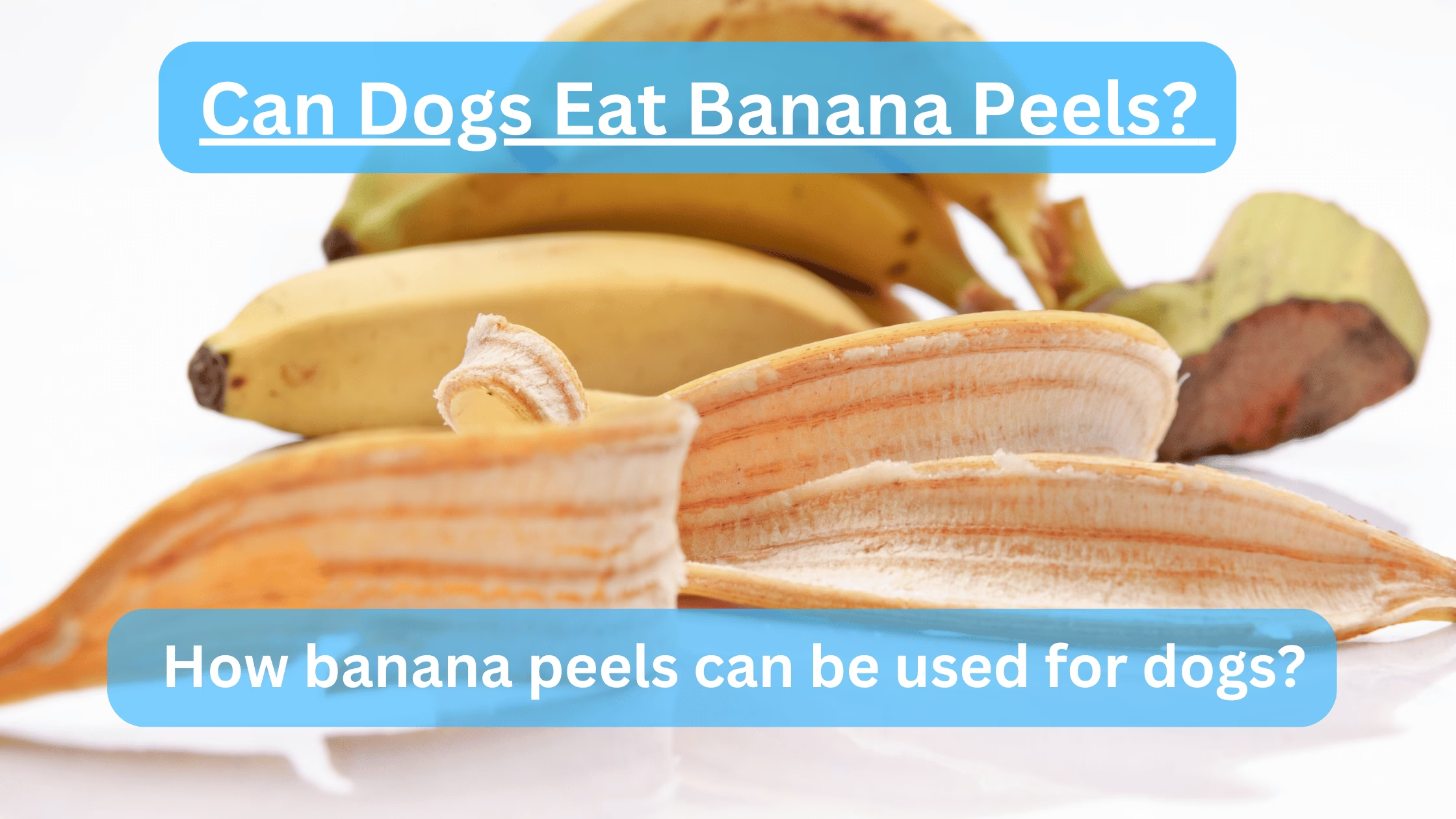
    The short answer is no; it’s not recommended to feed your dog banana peels. While the banana itself is safe and nutritious, the peel presents several potential issues:

    • Digestive Difficulty: Banana peels are tough, fibrous, and difficult to digest, which can lead to gastrointestinal issues in dogs.
    • Choking Hazard: The peel can pose a choking risk, especially for smaller dogs or those that tend to gulp their food without chewing properly.
    • Chemical Residue: Many bananas are treated with pesticides and chemicals that can remain on the peel even after washing, posing a risk to your dog’s health.

    Potential Risks of Banana Peels for Dogs

    Feeding banana peels to your dog can result in various health issues, including:

    • Gastrointestinal Blockage: The fibrous nature of the peel can cause blockages in the digestive tract, leading to severe discomfort and the need for veterinary intervention.
    • Vomiting and Diarrhea: Ingesting banana peels can cause vomiting and diarrhea due to their indigestible fibers.
    • Chemical Poisoning: Residues from pesticides and other chemicals can lead to toxicity, resulting in symptoms like lethargy, tremors, or more severe health issues.

    Signs of Banana Peel Ingestion in Dogs

    If your dog accidentally eats a banana peel, watch for these signs of distress:

    • Vomiting: Frequent or severe vomiting can indicate an upset stomach or blockage.
    • Diarrhea: Loose stools or diarrhea are common signs of digestive issues.
    • Abdominal Pain: Whining, restlessness, or sensitivity when touched may indicate abdominal discomfort.
    • Lack of Appetite: A sudden loss of interest in food can be a red flag.
    • Lethargy: Unusual tiredness or lack of energy might indicate a more serious issue.

    If you notice any of these symptoms, contact your veterinarian immediately.

    Safe Ways to Feed Bananas to Your Dog

    While banana peels are not safe for dogs, the fruit itself can be a delightful and nutritious treat. Here are some safe ways to feed bananas to your dog:

    • Fresh Banana Slices: Cut the banana into small, bite-sized pieces to prevent choking and make it easier for your dog to eat.
    • Frozen Banana Bites: Freeze banana slices for a refreshing and healthy summer treat.
    • Banana and Peanut Butter: Spread a thin layer of dog-safe peanut butter on banana slices for an extra special treat.
    • Mashed Banana: Mash a banana and mix it with your dog’s regular food for added flavor and nutrition.

    Remember to feed bananas in moderation. Too much banana can lead to an upset stomach or contribute to weight gain due to their natural sugar content.

    How banana peels can be used for dogs?

    While banana peels are not safe for dogs to eat, they can have potential uses in other ways that may benefit your dog’s health and hygiene, much like some human uses.

    Below are a few ideas on how banana peels can be used for dogs, emphasizing safety and indirect benefits:

    1. Banana Peel as a Natural Skin Remedy

    Banana peels have been known for their anti-inflammatory and antioxidant properties. You can use the inside of the banana peel to help soothe skin irritations or minor wounds on your dog. Here’s how:

    • For Itchy or Irritated Skin: Rub the inside of a banana peel gently on your dog’s itchy or irritated skin. This can provide temporary relief due to the peel’s moisturizing properties.
    • Minor Scratches and Bug Bites: The banana peel’s antioxidants can help soothe minor scratches or insect bites.

    2. Banana Peel for Paw Care

    The moisturizing properties of banana peels can also be beneficial for your dog’s paws, especially if they are dry or cracked:

    • Paw Moisturizer: Rub the inside of a banana peel on your dog’s paw pads to help moisturize and soften them. This can be particularly helpful during winter months when their paws can become dry and cracked due to the cold weather and salt on the sidewalks.

    3. Banana Peel for Coat Shine

    Banana peels can help improve the shine of your dog’s coat due to the natural oils and nutrients they contain:

    • Coat Shine Treatment: Rub the inside of a banana peel on your dog’s coat, then wipe it off with a damp cloth. This can help add a natural shine to their fur.

    4. Banana Peel for Dental Care

    While dogs should not eat banana peels, the inside of the peel can potentially be used for dental care similarly to some human practices:

    • Teeth Cleaning: You can gently rub the inside of a banana peel on your dog’s teeth. The minerals in the peel, such as potassium and magnesium, can help reduce plaque. However, this should be done sparingly and should not replace regular dental care practices such as brushing with dog-safe toothpaste.

    5. Repellent and Deodorizer

    Banana peels can be used to repel insects and as a natural deodorizer:

    • Insect Repellent: Placing banana peels in areas where your dog sleeps or spends time outdoors can help repel insects due to the peel’s natural properties.
    • Deodorizer: Rubbing a banana peel on smelly areas (e.g., collars or beds) can help neutralize odors.

    Important Safety Tips

    While these alternative uses of banana peels can be beneficial, it’s crucial to follow some safety guidelines:

    • Supervision: Always supervise your dog when using banana peels to ensure they do not attempt to eat them.
    • Cleanliness: Use fresh, clean banana peels to avoid introducing any bacteria or contaminants to your dog’s skin or coat.
    • Moderation: Do not overuse banana peels on your dog’s skin or teeth, as overuse could lead to irritation.

    Alternative Dog-Friendly Fruits and Snacks

    If you’re looking for other healthy snacks to add variety to your dog’s diet, consider these dog-friendly fruits and treats:

    • Apples: Remove the seeds and core before feeding. Apples are a great source of vitamins A and C, as well as fiber.
    • Blueberries: Rich in antioxidants, blueberries make a fantastic low-calorie treat.
    • Carrots: High in fiber and beta-carotene, carrots are excellent for dental health and overall nutrition.
    • Watermelon: Ensure it’s seedless and remove the rind. Watermelon is hydrating and packed with vitamins A, B6, and C.
    • Sweet Potatoes: Cooked and sliced, sweet potatoes are a nutritious snack high in vitamins and fiber.

    Also Read: Can Dogs Eat Granny Smith Apples? Is it toxic to dogs?

    Also Read: Is Jackfruit Toxic to Dogs? Can Dogs Eat Jackfruit?

    Conclusion

    In conclusion, while bananas are a healthy and tasty treat for dogs, it’s best to avoid feeding them banana peels.

    The peels can cause digestive issues, pose a choking hazard, and may contain harmful chemicals.

    By sticking to the fruit itself and other dog-friendly snacks, you can ensure your dog enjoys a varied and nutritious diet without unnecessary risks.

    Always introduce new foods gradually and monitor your dog for any adverse reactions. If you have any concerns about your dog’s diet or health, consult your veterinarian for personalized advice.

    By making informed choices, you can keep your furry friend happy, healthy, and well-nourished.


    Sources:

    WebMD

  • Can Dogs Eat Granny Smith Apples? Is it toxic to dogs?

    Can Dogs Eat Granny Smith Apples? Is it toxic to dogs?

    Dogs are known for their love of food, often showing interest in what their owners are eating. As responsible pet owners, it is crucial to know which human foods are safe for our canine companions. One common question that arises is whether Can Dogs Eat Granny Smith Apples. This article explores the safety, benefits, and potential risks of feeding Granny Smith apples to dogs, offering a comprehensive guide for dog owners.

    Can Dogs Eat Granny Smith Apples?

    Granny Smith apples are generally safe for dogs to eat in moderation. However, there are some important considerations to keep in mind:

    • Remove Seeds and Core: Apple seeds contain cyanogenic glycosides, which can release cyanide when chewed and ingested. While a few seeds are unlikely to cause harm, it is best to avoid any risk by removing the seeds and core before giving apples to your dog.
    • Moderation is Key: Like any treat, apples should be given in moderation. Excessive consumption can lead to digestive issues such as diarrhea or upset stomach due to the high fiber content.
    • Monitor for Allergies: Although rare, some dogs may be allergic to apples. Start with a small piece and monitor your dog for any adverse reactions.

    Nutritional Benefits of Granny Smith Apples for Dogs

    Granny Smith apples offer several nutritional benefits for dogs when given as an occasional treat:

    • Rich in Fiber: Apples are a good source of dietary fiber, which can aid in digestion and promote healthy bowel movements.
    • Low in Calories: They are low in calories, making them a suitable treat for dogs that need to manage their weight.
    • Vitamins and Antioxidants: Apples provide essential vitamins such as Vitamin A and Vitamin C, which support overall health and the immune system. They also contain antioxidants that help combat free radicals.
    • Hydration: Apples have high water content, which can help keep your dog hydrated.

    How to Serve Granny Smith Apples to Your Dog

    To safely serve Granny Smith apples to your dog, follow these steps:

    1. Wash the Apple: Thoroughly wash the apple to remove any pesticides or chemicals on the skin.
    2. Remove Seeds and Core: Cut the apple into slices or small cubes, ensuring all seeds and the core are removed.
    3. Monitor Portion Size: Offer small amounts to start with, particularly if your dog has never had apples before. A few slices or cubes are sufficient as a treat.

    Potential Risks and Precautions

    While Granny Smith apples can be a healthy treat, there are potential risks and precautions to consider:

    • Choking Hazard: Large pieces of apple can pose a choking hazard, especially for small dogs. Always cut apples into manageable sizes.
    • High Sugar Content: Although apples have natural sugars, excessive consumption can contribute to weight gain and dental issues. Brush your dog’s teeth regularly to maintain oral health.
    • Pesticide Exposure: Non-organic apples can contain pesticide residues. Washing the apple thoroughly or opting for organic apples can reduce this risk.

    Alternative Fruits for Dogs

    If your dog doesn’t enjoy Granny Smith apples, or if you’re looking for variety, consider these dog-friendly fruits:

    • Blueberries: Rich in antioxidants and low in calories.
    • Bananas: High in potassium and easy to digest, but should be given in moderation due to high sugar content.
    • Watermelon: Hydrating and low in calories; remove seeds and rind before serving.
    • Strawberries: Packed with vitamins and antioxidants, but like bananas, should be given in moderation.

    Also Read: Is Jackfruit Toxic to Dogs? Can Dogs Eat Jackfruit?

    Also Read: Are Crape Myrtles Poisonous to Dogs?

    Conclusion

    In conclusion, Granny Smith apples can be a safe and nutritious treat for dogs when prepared properly.

    By removing the seeds and core, serving in moderation, and monitoring your dog for any adverse reactions, you can offer this fruit as a healthy snack.

    Always consult with your veterinarian before introducing new foods into your dog’s diet to ensure they meet your pet’s specific health needs.

    Remember, while Granny Smith apples can provide beneficial nutrients, they should complement a balanced diet tailored to your dog’s age, size, and health condition.

    By being informed and cautious, you can keep your furry friend happy, healthy, and well-nourished.


    Sources:
    PetMD

  • Is Jackfruit Toxic to Dogs? Can Dogs Eat Jackfruit?

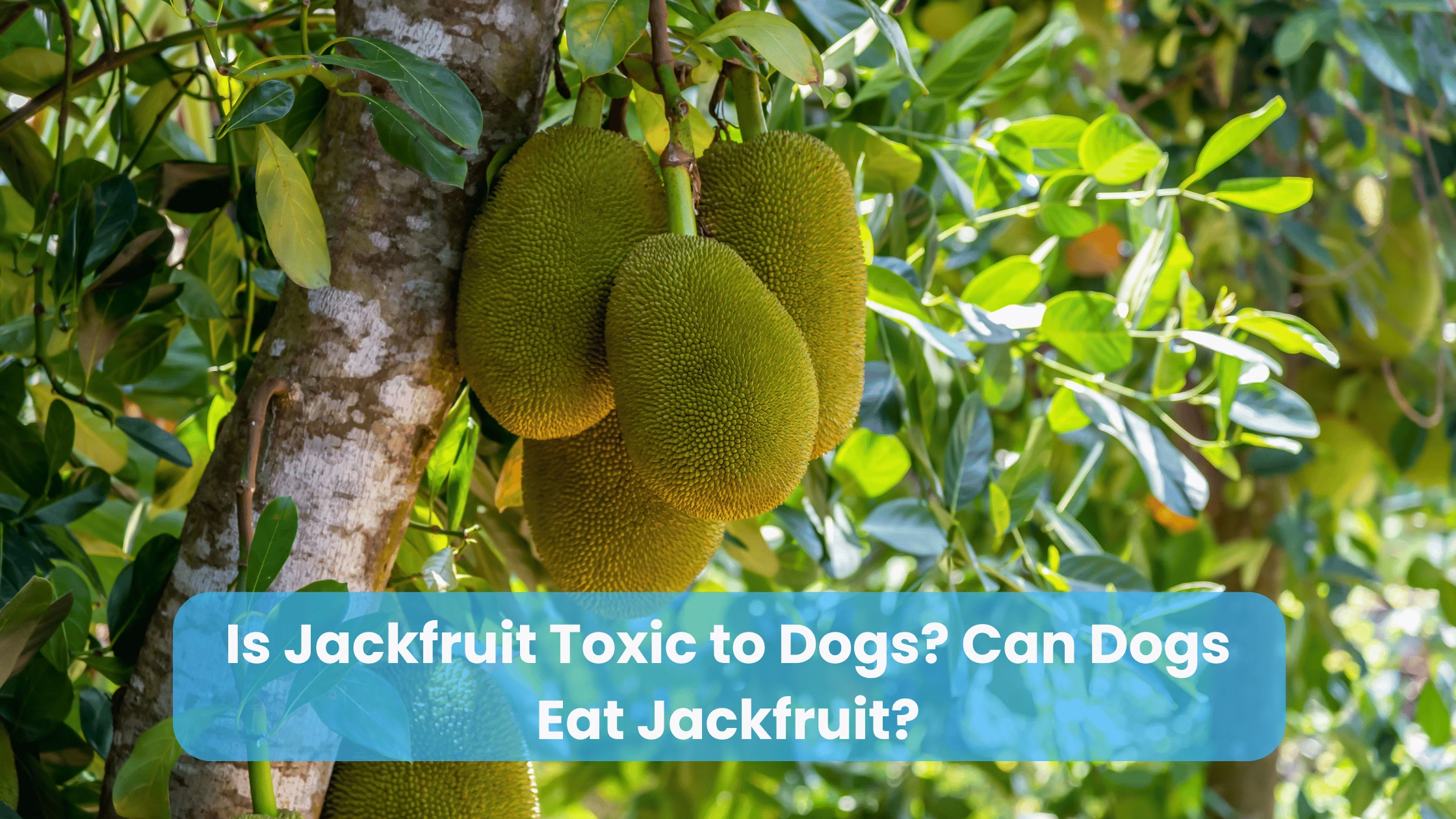
    Is Jackfruit Toxic to Dogs? Can Dogs Eat Jackfruit?

    Is Jackfruit Toxic to Dogs? – Jackfruit, known for its unique texture and sweet taste, is a popular fruit in many parts of the world. With the rise of interest in exotic fruits, pet owners often wonder if their canine companions can safely consume them. This article delves into whether dogs can eat jackfruit, examining its potential benefits and risks.

    What is Jackfruit?

    Jackfruit (Artocarpus heterophyllus) is a tropical fruit native to South Asia. It belongs to the Moraceae family, which also includes figs and mulberries.

    Jackfruit is known for its large size, spiky green exterior, and bright yellow, fleshy pods inside. It is rich in vitamins, minerals, and fiber, making it a nutritious addition to the human diet.

    Nutritional Profile of Jackfruit

    Jackfruit is packed with nutrients, including:

    • Vitamins: Vitamin C, Vitamin A, and several B vitamins.
    • Minerals: Potassium, magnesium, and manganese.
    • Fiber: A good source of dietary fiber.
    • Antioxidants: High in phytonutrients and antioxidants that can benefit overall health.

    Can Dogs Eat Jackfruit?

    While jackfruit is safe for human consumption, its suitability for dogs is less clear. Here are some key considerations:

    Edible Parts

    • Flesh: The fleshy pods of the jackfruit are generally safe for dogs to eat in moderation. They are non-toxic and can provide some nutritional benefits.
    • Seeds: Jackfruit seeds should be avoided. They can be a choking hazard and contain compounds that might be harmful if ingested raw.

    Health Benefits

    • Vitamins and Minerals: The vitamins and minerals in jackfruit can support a dog’s immune system, skin health, and overall well-being.
    • Fiber: The fiber content can aid in digestion, though too much can lead to gastrointestinal upset.

    Potential Risks

    Despite its benefits, there are some risks associated with feeding jackfruit to dogs:

    Digestive Issues

    • High Fiber Content: While beneficial in small amounts, the high fiber content can cause digestive problems such as diarrhea or constipation if consumed in large quantities.
    • Sugar Content: Jackfruit is high in natural sugars, which can contribute to weight gain and dental problems if fed in excess.

    Allergic Reactions

    • Individual Sensitivities: Some dogs might have allergic reactions to jackfruit, leading to symptoms like itching, swelling, or gastrointestinal distress.

    Is Jackfruit Toxic to Dogs?

    Jackfruit is not inherently toxic to dogs. However, certain parts of the fruit and overconsumption can pose health risks:

    Seeds

    As mentioned, the seeds are a choking hazard and should never be given to dogs. If ingested, they could cause intestinal blockages or toxicity due to the presence of certain natural compounds.

    Overripe or Unripe Jackfruit

    Feeding dogs unripe or overripe jackfruit can lead to stomach upset. It is best to offer ripe, fresh jackfruit in small amounts.

    How to Safely Feed Jackfruit to Your Dog

    If you decide to introduce jackfruit to your dog’s diet, follow these guidelines:

    1. Moderation: Offer jackfruit as an occasional treat rather than a regular part of their diet.
    2. Preparation: Remove the seeds and cut the flesh into small, manageable pieces.
    3. Observation: Monitor your dog for any adverse reactions after eating jackfruit.

    Can Dogs Eat Jackfruit Chips?

    Jackfruit chips are a popular snack made by dehydrating or frying jackfruit slices. While they can be a tasty treat for humans, their suitability for dogs is less certain.

    Considerations for Jackfruit Chips

    • Ingredients: Check the ingredients list. Some jackfruit chips contain added sugars, salts, and preservatives that are not healthy for dogs.
    • Texture: The crispy texture of chips can be a choking hazard, especially for small dogs.
    • Oil and Fat Content: Fried jackfruit chips can be high in unhealthy fats, which are not good for a dog’s diet.

    Recommendation

    It’s best to avoid giving jackfruit chips to dogs due to the potential for added unhealthy ingredients and the risk of choking.

    If you want to offer jackfruit in chip form, make sure they are plain, unsweetened, and unseasoned.

    Can Dogs Eat Cooked Jackfruit?

    Cooked jackfruit is often used in savory dishes and can be an alternative to meat due to its texture. Here’s what you need to know about feeding cooked jackfruit to dogs:

    Benefits

    • Digestibility: Cooking jackfruit can make it easier for dogs to digest.
    • Nutritional Value: Cooked jackfruit retains most of its nutrients, such as vitamins and minerals.

    Risks

    • Added Ingredients: Many cooked jackfruit recipes include seasonings, spices, and other ingredients that can be harmful to dogs, such as onions and garlic.
    • Portion Size: As with fresh jackfruit, cooked jackfruit should be given in moderation to avoid digestive issues.

    Recommendation

    Dogs can eat plain, cooked jackfruit in small amounts. Ensure there are no added ingredients that could be harmful to your pet.

    Can Shih Tzus Eat Jackfruit?

    Shih Tzus are small dogs with specific dietary needs. Here’s how jackfruit fits into their diet:

    Size and Portion Control

    • Small Size: Due to their small size, Shih Tzus are more susceptible to choking hazards and overconsumption.
    • Moderation: Only a few small pieces of jackfruit should be given to Shih Tzus to prevent digestive upset.

    Allergies and Sensitivities

    • Individual Sensitivities: Shih Tzus, like other breeds, can have individual sensitivities or allergies to certain foods. Monitor for any signs of allergic reactions.

    Nutritional Needs

    • Balanced Diet: Shih Tzus require a balanced diet. Jackfruit can be an occasional treat but should not replace their regular dog food.

    Recommendation

    Shih Tzus can eat jackfruit in small, controlled amounts. Avoid giving them seeds and ensure the jackfruit is ripe and properly prepared.

    FAQs

    Can jackfruit be a regular part of my dog’s diet?

    Jackfruit should be given as an occasional treat rather than a staple in your dog’s diet.

    What should I do if my dog eats jackfruit seeds?

    Contact your veterinarian immediately, as jackfruit seeds can cause choking or intestinal blockages.

    How much jackfruit can I give my dog?

    A few small pieces are sufficient. Too much jackfruit can cause digestive problems due to its high fiber and sugar content.

    Can puppies eat jackfruit?

    Puppies have more sensitive digestive systems, so it is best to avoid giving them jackfruit until they are older.

    What other fruits are safe for dogs?

    Safe fruits for dogs include apples (without seeds), blueberries, and bananas. Always introduce new fruits gradually and in moderation.

    What should I do if my dog accidentally eats a lot of jackfruit?

    Monitor your dog for any signs of digestive distress and contact your veterinarian if you notice any adverse symptoms.

    Can jackfruit cause allergies in dogs?

    While not common, some dogs may have allergic reactions to jackfruit. Monitor for any signs of itching, swelling, or digestive issues.

    Are there any fruits that are better for dogs than jackfruit?

    Yes, fruits like apples (without seeds), blueberries, and bananas are generally safer and more suitable for dogs.

    Also Read: Are Crape Myrtles Poisonous to Dogs?

    Also Read: Can Dogs Eat Truffle Oil? A Comprehensive Guide.

    Conclusion

    In conclusion, dogs can eat jackfruit in moderation, provided it is prepared properly.

    The flesh of the fruit can offer some nutritional benefits, but the seeds and excessive consumption should be avoided due to potential health risks.

    As with any new food, it is important to introduce jackfruit gradually and watch for any signs of digestive issues or allergies.

  • Can Dogs Eat Truffle Oil? A Comprehensive Guide.

    Can Dogs Eat Truffle Oil? A Comprehensive Guide.

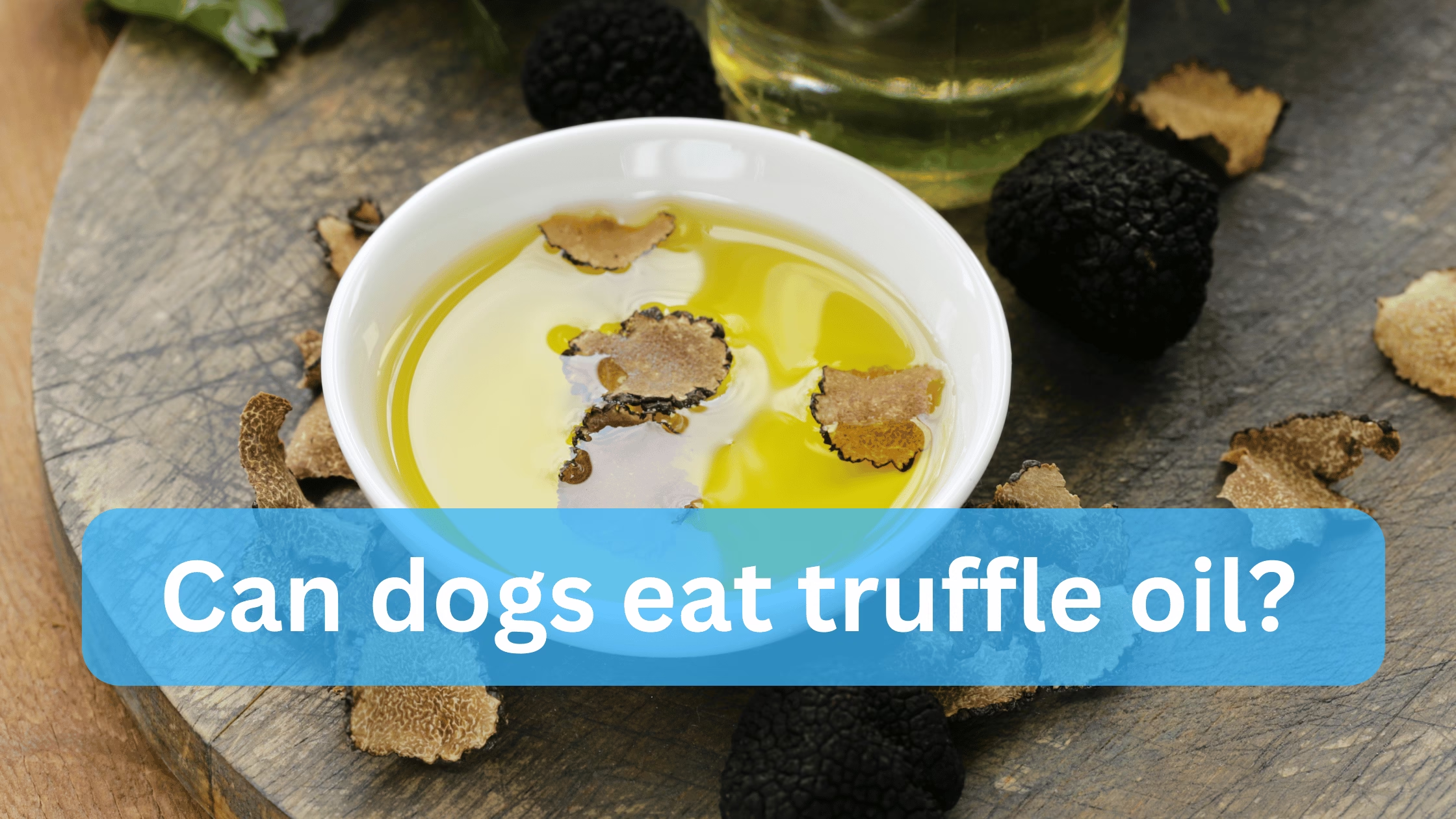
    Truffle oil, a luxurious culinary ingredient known for its distinct aroma and flavor, is often used to enhance various dishes. However, for dog owners who love to cook, an important question arises: can dogs eat truffle oil?

    Understanding what is safe for your pet to consume is crucial for their health and well-being. In this article, we will explore whether truffle oil is safe for dogs, potential health benefits and risks, and how to incorporate it into their diet safely.

    What is Truffle Oil?

    Truffle oil is made by infusing oil, typically olive or grapeseed, with the essence of truffles, which are a type of fungi.

    Truffles are highly prized in the culinary world for their intense and unique flavor.

    There are different types of truffle oil, including white truffle oil and black truffle oil, each offering distinct flavor profiles.

    Can Dogs Eat Truffle Oil?

    The Answer: It Depends

    The safety of truffle oil for dogs largely depends on the ingredients used and how it’s processed.

    Pure truffle oil, made from natural truffle essence and a safe carrier oil, can be consumed by dogs in very small amounts.

    However, many commercial truffle oils contain artificial flavorings and additives, which can be harmful to dogs.

    Health Benefits of Truffle Oil

    When considering adding any new ingredient to your dog’s diet, it’s essential to weigh the potential benefits and risks:

    Potential Benefits:

    • Antioxidants: Truffles are rich in antioxidants, which can help reduce inflammation and support overall health.
    • Flavor Enhancement: A small amount of natural truffle oil can make bland dog food more palatable.
    • Healthy Fats: If made with high-quality oil, truffle oil can provide healthy fats beneficial for your dog’s coat and skin.

    Risks of Truffle Oil for Dogs

    Potential Risks:

    • Artificial Additives: Many truffle oils contain artificial ingredients that can be toxic to dogs.
    • High Fat Content: Oils are high in fat and calories, which can lead to obesity and pancreatitis if consumed in large amounts.
    • Digestive Upset: Introducing any new food, especially rich oils, can cause gastrointestinal issues like diarrhea or vomiting.

    Safe Use of Truffle Oil for Dogs

    If you decide to introduce truffle oil to your dog’s diet, follow these guidelines to ensure their safety:

    1. Choose Natural Truffle Oil: Ensure the truffle oil is made from natural ingredients without artificial flavorings or additives.
    2. Use Sparingly: Only use a very small amount, as too much oil can lead to digestive upset.
    3. Monitor Your Dog: Observe your dog for any adverse reactions after consuming truffle oil.
    4. Consult Your Vet: Before adding truffle oil or any new food to your dog’s diet, consult your veterinarian.

    Alternatives to Truffle Oil for Dogs

    If you are concerned about the potential risks of truffle oil, consider these safer alternatives to enhance your dog’s meals:

    • Olive Oil: Rich in healthy fats and antioxidants, olive oil is a safe option for most dogs.
    • Coconut Oil: Known for its health benefits, coconut oil can improve skin and coat health.
    • Fish Oil: High in omega-3 fatty acids, fish oil supports joint health and reduces inflammation.

    Also Read: Home Remedies for Dog Cellulitis: Natural Solutions

    Also Read: Home Remedies for Dog Drooling: A Comprehensive Guide

    Conclusion

    While dogs can eat truffle oil, it should be used with caution. Opt for natural truffle oil free from artificial additives and use it sparingly to avoid potential health risks.

    Always monitor your dog for any adverse reactions and consult your vet before making any significant changes to their diet.

    By following these guidelines, you can safely incorporate truffle oil into your dog’s meals, enhancing their culinary experience without compromising their health.


    Sources:

    Britannica

  • How to Cook Salmon for Dogs: A Comprehensive Guide

    How to Cook Salmon for Dogs: A Comprehensive Guide

    Salmon is not just a delicious and nutritious option for humans, but it can also be a healthy treat for your furry friend. Rich in omega-3 fatty acids, protein, and essential vitamins, salmon can contribute to your dog’s overall well-being. However, it’s important to prepare and cook salmon properly to ensure it’s safe and beneficial for your pet. Here’s a comprehensive guide on how to cook salmon for dogs.

    Can dogs eat salmon?

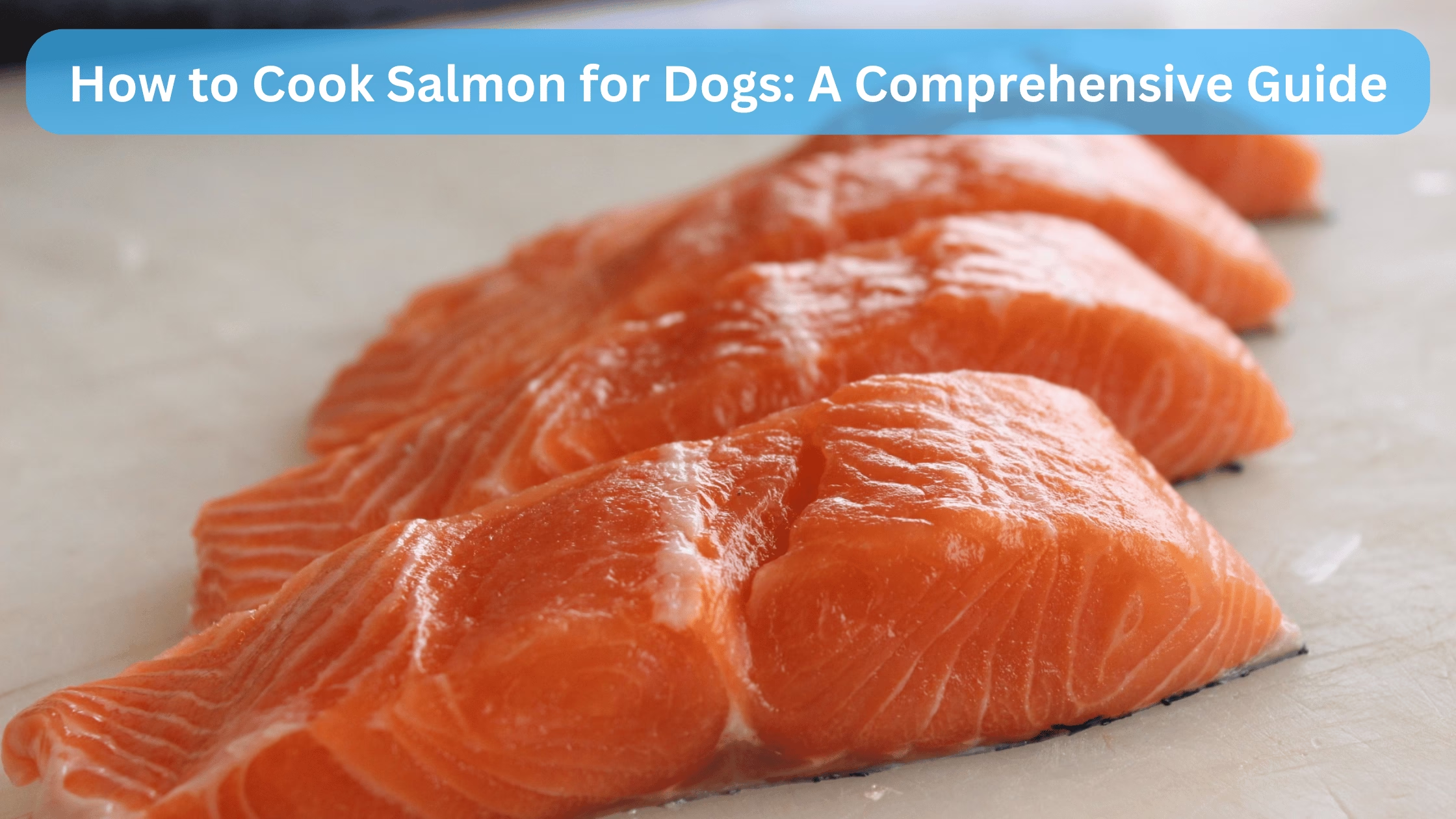
    Yes, dogs can eat salmon, but with some precautions[1]. Cooked, boneless salmon is a great source of omega-3 fatty acids, protein, and vitamins for your dog.

    However, it’s important to avoid raw salmon and salmon with bones or seasonings. Always consult your veterinarian before introducing new foods to your dog’s diet.

    Benefits of Salmon for Dogs

    Before diving into the cooking process, let’s understand why salmon is a great choice for your dog’s diet:

    1. Omega-3 Fatty Acids: These help reduce inflammation, support healthy skin and coat, and improve joint health.
    2. High-Quality Protein: Essential for muscle development and maintenance.
    3. Vitamins and Minerals: Including B vitamins, potassium, and selenium, which are crucial for overall health.

    How to Cook Salmon for Dogs?

    Craving to treat your canine companion to a restaurant-worthy meal?

    But before you whip out the frying pan, there are key differences between cooking salmon for yourself and your furry friend.

    Here’s a quick guide to ensure your pup enjoys a safe and delicious salmon feast!

    Selecting the Right Salmon

    When choosing salmon for your dog, opt for wild-caught salmon rather than farmed, as it usually contains fewer contaminants.

    Always buy fresh or frozen salmon fillets and avoid those with added seasonings or preservatives.

    Preparation Steps

    1. Thawing: If using frozen salmon, thaw it in the refrigerator overnight. Never thaw at room temperature to avoid bacterial growth.
    2. Deboning: Ensure the salmon fillet is free of bones. Even tiny bones can pose a choking hazard or cause internal injury.
    3. Skin: While salmon skin is safe for dogs to eat, some dogs might have trouble digesting it. You can either leave the skin on or remove it based on your dog’s preference and digestive tolerance.

    Cooking Methods

    Here are three safe and simple ways to cook salmon for your dog:

    1. Baking

    • Preheat the oven to 350°F (175°C).
    • Place the salmon on a baking sheet lined with parchment paper.
    • Bake for 20-25 minutes or until the salmon flakes easily with a fork.
    • Cool down the salmon to room temperature before serving.

    2. Poaching

    • Fill a large pot with enough water to cover the salmon completely.
    • Bring the water to a boil, then reduce to a simmer.
    • Add the salmon to the pot.
    • Simmer for 10-15 minutes or until the salmon is cooked through.
    • Remove from the water and allow it to cool before serving.

    3. Grilling

    • Preheat the grill to medium heat.
    • Place the salmon on the grill.
    • Cook for 5-7 minutes per side, depending on the thickness of the fillet.
    • Ensure the salmon is fully cooked and flaky before removing from the grill.
    • Let it cool completely before serving.

    Bonus Tip: Looking for a way to add a touch of moisture and extra flavor to your dog’s salmon dish? Try adding a spoonful of plain, low-fat yogurt or mashed sweet potato!

    Serving Suggestions

    • Portion Control: Serve the salmon in appropriate portions based on your dog’s size. A general guideline is to provide salmon as a treat, not exceeding 10% of their daily caloric intake.
    • Mix with Regular Food: You can mix flaked salmon with your dog’s regular food to add flavor and nutritional benefits.
    • Avoid Seasonings: Do not add salt, pepper, or any other seasonings to the salmon. Plain, cooked salmon is the safest option.

    Storage Tips

    • Refrigerate: Store leftover cooked salmon in an airtight container in the refrigerator for up to three days.
    • Freeze: You can freeze cooked salmon portions for up to three months. Thaw in the refrigerator before serving.

    Important Considerations

    • Avoid Raw Salmon: Never feed your dog raw salmon due to the risk of parasites, which can cause salmon poisoning disease.
    • Check for Allergies: Introduce salmon gradually to ensure your dog doesn’t have any adverse reactions or allergies.
    • Consult Your Vet: Always consult your veterinarian before adding new foods to your dog’s diet to ensure it fits their specific health needs.

    Salmon for Dogs FAQs

    Can I give my dog salmon skin?

    Cooked salmon skin can be safe for dogs in moderation, but remove any excess fat. Some dogs might have trouble digesting it, so start with a small amount and monitor their reaction.

    Is farmed or wild-caught salmon better for dogs?

    Wild-caught salmon is generally considered preferable as it may contain fewer contaminants than farmed salmon.

    What if my dog accidentally eats raw salmon?

    If your dog eats raw salmon, monitor them closely for signs of salmon poisoning disease, such as vomiting, diarrhea, lethargy, and loss of appetite. Contact your veterinarian immediately if you suspect they are ill.

    Can I cook salmon with other ingredients for my dog?

    It’s best to avoid adding any seasonings, onions, garlic, or other ingredients that can be harmful to dogs. Stick to plain, cooked salmon.

    Are there any alternative ways to give my dog omega-3s?

    If your dog doesn’t tolerate salmon, you can discuss alternative sources of omega-3 fatty acids with your veterinarian. These might include fish oil supplements, flaxseed oil, or certain types of dog food formulated with omega-3s.

    Also Read: How to Cook Oatmeal for Dogs: A Comprehensive Guide

    Also Read: How to cook Sweet Potatoes for Dogs: Best Guide

    Conclusion

    In conclusion, salmon can be a fantastic addition to your dog’s diet, offering a delicious source of omega-3 fatty acids, protein, and essential vitamins.

    By following these simple preparation and cooking guidelines, you can ensure your furry friend enjoys the benefits of salmon safely.

    Remember to consult your veterinarian before introducing any new food to your dog’s diet, especially if they have any pre-existing health conditions.

  • How to Cook Oatmeal for Dogs: A Comprehensive Guide

    How to Cook Oatmeal for Dogs: A Comprehensive Guide

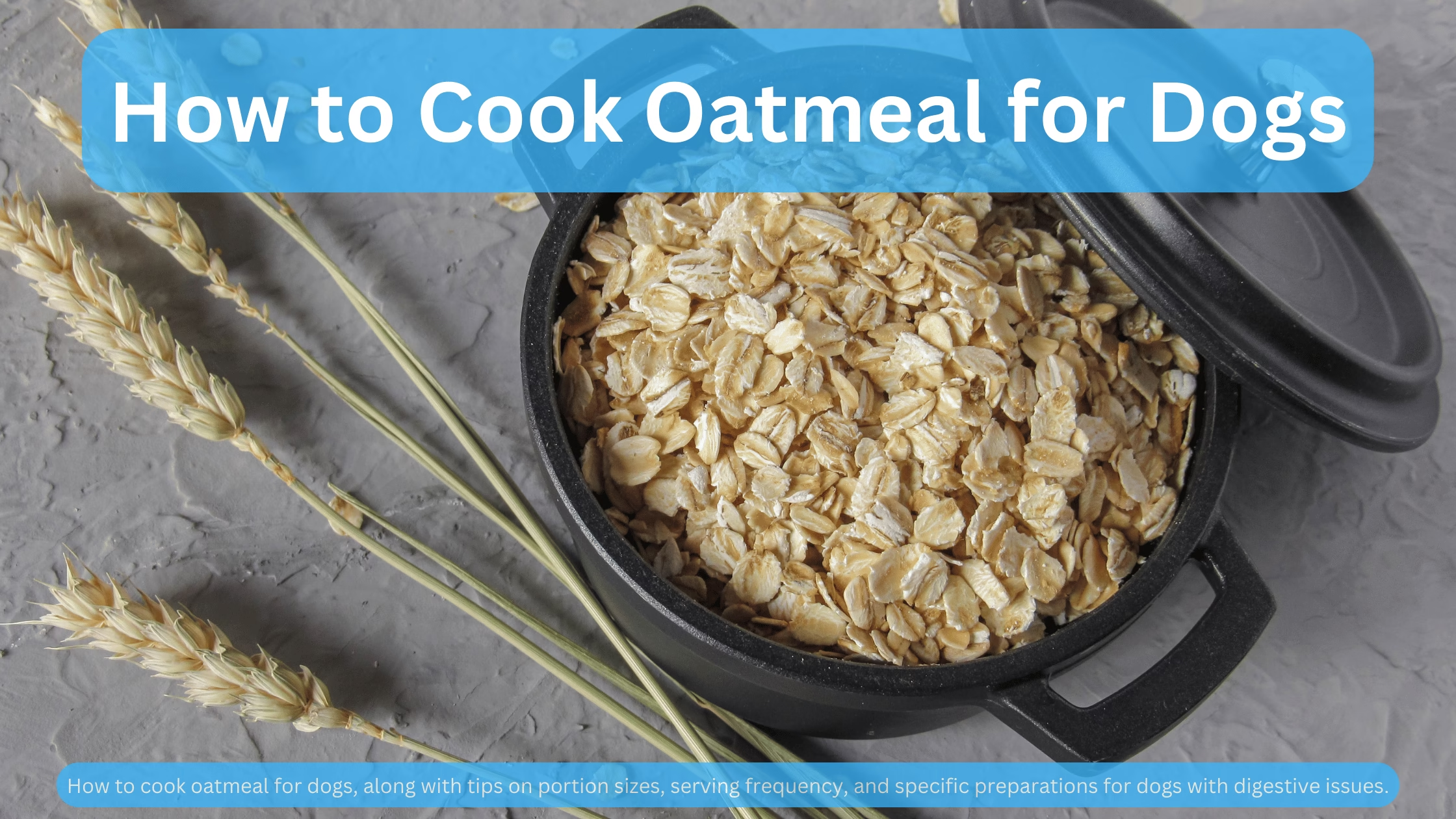
    How to Cook Oatmeal for Dogs: Oatmeal is a nutritious and wholesome addition to your dog’s diet, offering a range of health benefits from improved digestion to a shinier coat.

    However, it’s essential to prepare and serve oatmeal correctly to ensure it is safe and beneficial for your furry friend.

    This guide will provide detailed instructions on how to cook oatmeal for dogs, along with tips on portion sizes, serving frequency, and specific preparations for dogs with digestive issues.

    Can Dogs Eat Oats?

    Yes, dogs can eat oats. Oats are a great source of vitamins, minerals, and dietary fiber. They can help support your dog’s digestion, skin health, and overall well-being.

    However, it is crucial to prepare oats correctly and serve them in moderation to avoid any adverse effects.

    Benefits of Oats for Dogs

    Oats offer several benefits for dogs, including:

    • High Fiber Content: Helps with digestion and regular bowel movements.
    • Rich in Vitamins and Minerals: Provides essential nutrients like iron, vitamin B, and zinc.
    • Good for Skin and Coat: Oats can help soothe itchy and dry skin when consumed or used in baths.
    • Low in Gluten: A suitable alternative for dogs with grain sensitivities.

    How to Cook Oats for Dogs

    1. Choose Plain Oatmeal: Use plain, unflavored oatmeal. Avoid instant oatmeal with added sugars or artificial flavors.
    2. Cook the Oatmeal: Cook the oatmeal in water, not milk, to avoid digestive issues.
    3. Cool the Oatmeal: Allow the oatmeal to cool to room temperature before serving.
    4. Serve Plain or Mixed: Serve the oatmeal plain or mix it with dog-friendly fruits or vegetables like pumpkin or blueberries. Do not add sugar, salt, or any seasonings.

    How to Cook Oatmeal for Dogs in the Microwave

    1. Measure Oats: Measure the appropriate amount of oats.
    2. Add Water: Combine the oats with water in a microwave-safe bowl.
    3. Microwave: Cook on high for 2-3 minutes, stirring halfway through.
    4. Cool and Serve: Allow the oatmeal to cool before giving it to your dog.

    Oats for Dogs with Upset Stomach

    Yes, oatmeal can be a good option for dogs with an upset stomach. Here’s why:

    • Easy to digest: Plain, cooked oatmeal is bland and gentle on a dog’s digestive system.
    • Fiber source: Oatmeal is a good source of soluble fiber, which helps to bulk up stool and regulate digestion. This can be helpful for dogs with diarrhea.
    • Hydration: Cooked oatmeal has a high water content, which can help to keep your dog hydrated if they’re vomiting or having diarrhea.

    How to Cook Oatmeal for Dogs with Diarrhea

    Here are some things to keep in mind when feeding oatmeal to your dog with an upset stomach:

    • Make sure it’s plain: Don’t add any sugar, salt, milk, butter, or other toppings to the oatmeal. These can irritate your dog’s stomach further.
    • Cook it in water: Don’t use milk or broth to cook the oatmeal. Many dogs are lactose intolerant, and broth can be too salty for dogs with upset stomachs.
    • Start with a small amount: Start by giving your dog a small amount of oatmeal, about a tablespoon for every 10 pounds of body weight. You can gradually increase the amount as your dog tolerates it.
    • Monitor your dog: If your dog’s vomiting or diarrhea worsens after eating oatmeal, stop giving it to them and consult with your veterinarian.

    If your dog’s upset stomach is accompanied by other symptoms, such as lethargy, loss of appetite, or blood in the stool, it’s important to see your veterinarian to rule out any underlying medical conditions.

    How Much Cooked Oatmeal for dog?

    General Guidelines

    • Small Dogs and Puppies: 1 tablespoon of cooked oatmeal
    • Medium Dogs: 1/8 to 1/4 cup of cooked oatmeal
    • Large Dogs: 1/2 cup of cooked oatmeal

    For Dogs with Diarrhea

    • Small Dogs and Puppies: 1/2 tablespoon to 1 tablespoon
    • Medium Dogs: 1/8 cup of cooked oatmeal
    • Large Dogs: 1/4 cup of cooked oatmeal

    Always start with small portions and consult your veterinarian if you are unsure about the appropriate amount.

    Other Considerations

    Can I Use Human Oatmeal for Dogs?

    Yes, you can use human oatmeal for dogs as long as it is plain and unflavored. Avoid oatmeal with added sugars, artificial flavors, or other harmful ingredients.

    Best Oatmeal for Dogs

    The best oatmeal for dogs is plain, unflavored oatmeal. Opt for whole grain or old-fashioned oats without any added ingredients.

    Uncooked Oats for Dogs

    Uncooked oats are hard for dogs to digest. It’s best to cook the oats to make them easier on your dog’s digestive system.

    Also Read: How to cook Sweet Potatoes for Dogs: Best Guide

    Also Read: How to Cook Chicken Liver for Dogs: Best Recipes & FAQs

    Conclusion

    In summary, oatmeal can be a healthy and beneficial treat for your dog when prepared correctly. Always use plain, unflavored oats, cook them thoroughly with water, and serve them in moderation. Consult your veterinarian if you have any concerns or questions about adding oatmeal to your dog’s diet.

  • How to cook Sweet Potatoes for Dogs: Best Guide

    How to cook Sweet Potatoes for Dogs: Best Guide

    Sweet potatoes are a nutritious and tasty treat for dogs. Packed with vitamins, minerals, and fiber, they offer numerous health benefits. In this article, we will explore why sweet potatoes are good for dogs, How to cook Sweet Potatoes for Dogs safely, and some delicious recipes your furry friend will love.

    Can Dogs Eat Sweet Potatoes?

    Yes, dogs can eat sweet potatoes. They are a safe and nutritious treat when prepared properly.

    Sweet potatoes should always be cooked before being served to dogs, as raw sweet potatoes can be hard to digest and may cause an upset stomach or intestinal blockage.

    Benefits of Sweet Potatoes for Dogs

    1. Rich in Nutrients: Sweet potatoes are an excellent source of vitamins A, C, and B6. They also contain manganese, potassium, and fiber, which contribute to a dog’s overall health.
    2. Digestive Health: The high fiber content in sweet potatoes aids in digestion and can help with issues like constipation and diarrhea.
    3. Immune Support: The antioxidants in sweet potatoes, particularly beta-carotene, support the immune system and can improve skin and coat health.
    4. Energy Boost: Carbohydrates in sweet potatoes provide a natural energy boost, making them an ideal snack for active dogs.

    How to Cook Sweet Potatoes for Dogs

    Before preparing sweet potatoes for your dog, it’s important to know how to do it safely to avoid any potential health risks. Here are some methods to cook sweet potatoes for dogs:

    1. Boiling

      • Peel and cut the sweet potatoes into small cubes.
      • Place the cubes in a pot of boiling water.
      • Boil for about 15-20 minutes until the potatoes are tender.
      • Drain and let them cool before serving to your dog.

      2. Baking

        • Preheat the oven to 375°F (190°C).
        • Wash and peel the sweet potatoes.
        • Slice them into thin rounds or sticks.
        • Place the slices on a baking sheet lined with parchment paper.
        • Bake for 25-30 minutes until they are soft and slightly crispy.
        • Allow them to cool before serving.

        3. Steaming

          • Peel and cut the sweet potatoes into chunks.
          • Place the chunks in a steamer basket over boiling water.
          • Cover and steam for about 15-20 minutes until tender.
          • Let them cool before giving them to your dog.

          4. Microwaving

            • Wash and poke holes in the sweet potato with a fork.
            • Microwave on high for 5-8 minutes, turning halfway through.
            • Let it cool, then remove the skin and cut into pieces.

            Sweet Potato Recipes for Dogs

            Here are a few simple recipes to add some variety to your dog’s diet:

            1. Sweet Potato and Chicken Mash

              • Ingredients: 1 cup boiled sweet potatoes, 1 cup cooked chicken (shredded), 1 tablespoon olive oil.
              • Mash the sweet potatoes in a bowl.
              • Mix in the shredded chicken and olive oil.
              • Serve in small portions.

              2. Sweet Potato Dog Treats

                • Ingredients: 1 large sweet potato, 1 egg, 1/2 cup oat flour, 1/2 cup rolled oats.
                • Preheat oven to 350°F (175°C).
                • Mash the boiled sweet potato in a bowl.
                • Add the egg, oat flour, and rolled oats, mixing until well combined.
                • Roll the mixture into small balls and place them on a baking sheet.
                • Bake for 25-30 minutes until firm.
                • Let cool before serving.

                3. Sweet Potato and Apple Dog Biscuits

                  • Ingredients: 1 cup mashed sweet potatoes, 1/2 cup applesauce (unsweetened), 1 1/2 cups whole wheat flour.
                  • Preheat oven to 350°F (175°C).
                  • Mix all ingredients in a bowl until a dough forms.
                  • Roll out the dough and cut into shapes using a cookie cutter.
                  • Place on a baking sheet and bake for 20-25 minutes until crispy.
                  • Allow to cool before offering to your dog.

                  4. Sweet Potato and Peanut Butter Balls

                    • Ingredients: 1 cup mashed sweet potatoes, 1/4 cup peanut butter (ensure it’s xylitol-free), 1/2 cup rolled oats.
                    • Mix all ingredients in a bowl until well combined.
                    • Roll into small balls and refrigerate for a firmer texture.
                    • Serve as a treat in moderation.

                    5. Sweet Potato and Pumpkin Puree

                      • Ingredients: 1 cup boiled sweet potatoes, 1 cup canned pumpkin (unsweetened), 1 tablespoon flaxseed meal.
                      • Blend all ingredients until smooth.
                      • Serve small spoonfuls as a treat or mix with regular food.

                      How Much Sweet Potato to Give to Your Dog

                      Puppies:

                      • Introduce sweet potatoes gradually and in small amounts.
                      • Start with a teaspoon-sized portion to ensure it doesn’t upset their stomach.
                      • If there are no adverse reactions, you can slowly increase the portion size to a tablespoon.

                      Adult Dogs

                      • For small breeds, 1-2 tablespoons of cooked sweet potato can be given as a treat.
                      • Medium-sized dogs can have 1/4 cup.
                      • Large breeds can be given 1/2 cup.
                      • Always adjust the quantity based on your dog’s size, activity level, and overall diet to avoid overfeeding.

                      Other Considerations

                      Consult Your Vet

                      Always check with your veterinarian before introducing new foods into your dog’s diet, especially if your dog has any preexisting health conditions.

                      Potential Allergies

                      While rare, some dogs may be allergic to sweet potatoes. Monitor for signs of allergies such as itching, swelling, or gastrointestinal issues.

                      Nutritional Balance

                          Sweet potatoes should be an occasional treat, not a staple in the diet.

                          Ensure the rest of your dog’s diet is balanced with appropriate amounts of protein, fat, and other nutrients.

                          Introduce Gradually

                          If your dog is trying sweet potatoes for the first time, introduce them gradually to avoid any digestive issues.

                          Portion Control

                            Overfeeding sweet potatoes can lead to obesity and other health problems due to their high carbohydrate content.

                            Variety

                              Mix sweet potatoes with other dog-safe vegetables like carrots, green beans, and peas for variety and added nutrients.

                              Avoid Additives

                              Do not add salt, sugar, butter, or other seasonings when preparing sweet potatoes for your dog.

                              How to Store Sweet Potatoes

                              • Refrigeration: Store cooked sweet potatoes in an airtight container in the refrigerator for up to 5 days.
                              • Freezing: For longer storage, freeze cooked sweet potatoes in portions. They can be kept in the freezer for up to 3 months. Thaw in the refrigerator before serving.

                              Also Read: How to Cook Chicken Liver for Dogs: Best Recipes & FAQs

                              Also Read: How to Detox a Dog from Poison

                              Conclusion

                              Sweet potatoes can be a healthy and enjoyable addition to your dog’s diet when served in moderation and prepared properly.

                              They offer numerous health benefits, from improving digestive health to providing essential vitamins and minerals.

                              Always ensure the sweet potatoes are cooked and free from any harmful additives. Monitor your dog for any adverse reactions when introducing sweet potatoes and consult your veterinarian if you have any concerns.

                              By following these guidelines and incorporating the recipes provided, you can treat your dog to delicious and nutritious sweet potato snacks safely.