Category: Dog Nutrition

  • How to Get Ants Out of a Dog Food Bag – Best Guide

    How to Get Ants Out of a Dog Food Bag – Best Guide

    Keeping your dog’s food safe from ants is crucial for maintaining your pet’s health and ensuring their food remains fresh and nutritious. Here’s a detailed guide on how to get ants out of a dog food bag and prevent future infestations.

    Why do ants get in dog food? – Understanding the Problem

    Ants are attracted to dog food because it is a rich source of protein and carbohydrates. Even a small hole or an improperly sealed bag can invite an ant infestation.

    Understanding the behavior of ants can help in effectively dealing with the problem.

    Key Points:

    • Ants are drawn to food sources.
    • They can infiltrate through tiny openings.
    • Keeping food areas clean is essential.

    How to Get Ants Out of a Dog Food Bag?

    When you discover ants in your dog food bag, act quickly to prevent them from spreading. Here are the steps you should follow to get ants out of a dog food bag:

    Steps:

    1. Remove the Bag: Take the dog food bag outside to prevent ants from spreading inside your home. Place it on a surface where you can easily clean up any ants that escape.
    2. Inspect the Food: Pour the dog food onto a clean, flat surface, such as a large tray or baking sheet, to check the extent of the infestation. Look for ants and their eggs.
    3. Separate Ant-Free Food: If you find any portion of the food that is ant-free, set it aside in a clean, airtight container. Make sure the container is sealed properly to prevent any remaining ants from getting in.
    4. Sift and Clean: Use a colander or sieve to sift through the dog food. This can help remove ants and their debris. Shake the colander gently to let ants fall through while retaining the food.
    5. Dispose of Infested Food: Properly dispose of the contaminated dog food. Seal it in a plastic bag before throwing it in the trash to prevent ants from spreading.

    Dealing with Mild Infestations:

    If the ant infestation is mild, you can use natural, pet-safe methods to eliminate the ants:

    • Cornstarch: Spread the dog food out in a large container and sprinkle it with cornstarch. The ants will ingest the cornstarch, which dehydrates them and eventually kills them. Leave it for a couple of hours, then sift the dog food to remove dead ants and cornstarch.
    • Diatomaceous Earth (DE): Use food-grade DE, which is a powder made from fossilized algae that desiccates ants. Sprinkle it on the dog food, leave it for a few hours, and then sift to remove dead ants and DE.

    For both methods, after cleaning the dog food, transfer it to an airtight container with a secure lid to prevent future ant invasions.

    Dealing with Heavy Infestations:

    If the ant infestation is heavy, it’s best to discard the dog food. Ants may leave behind pheromones that will continue to attract them, and the food may be contaminated with ant eggs or body parts.

    Cleaning and Disinfecting the Dog Food Bag

    Thoroughly clean the area where the dog food was stored to remove any ant trails and scent markers.

    Steps:

    1. Vacuum: Use a vacuum to remove any remaining ants and food particles.
    2. Disinfect: Wipe down surfaces with a solution of vinegar and water (1:1 ratio) or an all-purpose cleaner.
    3. Dispose of Infested Food: Properly dispose of the contaminated dog food.

    Proper Storage Solutions for Dog Food

    Proper storage of dog food is crucial to prevent ant infestations.

    Storage Tips:

    • Airtight Containers: Use airtight containers to store dog food. This not only keeps ants out but also maintains freshness.
    • Elevated Storage: Keep the food container off the ground.
    • Cool and Dry Place: Store food in a cool, dry place to deter pests.

    How do I keep ants away from my dog’s food?

    Implementing preventative measures can help keep ants away from dog food in the future.

    Tips:

    • Regular Cleaning: Clean the food storage area regularly to remove crumbs and spills.
    • Pet Feeding Area: Clean your pet’s feeding area daily.
    • Food Rotation: Avoid overstocking and rotate the food to keep it fresh.

    Natural Ant Repellents for Dog Food Storage

    Using natural repellents can be an effective way to keep ants away without using harmful chemicals.

    Natural Repellents:

    • Diatomaceous Earth: Sprinkle food-grade diatomaceous earth around the food storage area.
    • Essential Oils: Use essential oils like peppermint, tea tree, or citrus as repellents by applying them around the storage area.
    • Chalk: Draw a line of chalk around the base of the storage container. Ants typically avoid crossing chalk lines.

    Also Read: Best Recall Words for Dogs: A Comprehensive Guide

    Also Read: Can Dogs eat Gooseberries (Amala)? Exploring the Pros and Cons

    Conclusion

    Ants in your dog food can be a nuisance, but with immediate action, proper storage, and preventative measures, you can keep your dog’s food safe and ant-free.

    By understanding what attracts ants and how to repel them naturally, you can maintain a clean and healthy environment for your pet.


  • Can Dogs eat Gooseberries (Amala)? Exploring the Pros and Cons

    Can Dogs eat Gooseberries (Amala)? Exploring the Pros and Cons

    It’s important for us to know which foods are okay and which aren’t for our canine pals. You may wonder about gooseberries, tart little fruits we humans delight in. Can Dogs eat Gooseberries? Let’s dive in to gauge the pros and cons of dogs consuming gooseberries.

    Starting Point: The Gooseberry Question Among Dog Owners

    Dog owners are often seeking healthful snacks to broaden their dogs’ menu. Enter gooseberries, known for their tartness and health benefits to us humans.

    But do they pass the test as a safe fruit for our dogs? Let’s check out if gooseberries are good news for dogs.

    How Nutritious Are Gooseberries?

    Gooseberries pack a punch of vitamin C and A, fiber, and antioxidants. Add beneficial minerals like potassium, calcium, and magnesium.

    These nurture people’s health – enhancing immunity, aiding digestion, and boosting skin health.

    But when considering gooseberries for dogs, it’s imperative to weigh potential risks too.

    Could Gooseberries Harm Dogs?

    Gooseberries are not labeled as highly toxic for dogs, yet they can be risky. Their seeds and stems hold tiny amounts of cyanogenic glycosides.

    These can release cyanide when eaten. If a dog eats lots of them, it could get cyanide poisoning. Signs to watch for include:

    • Vomiting
    • Diarrhea
    • Abdominal pain
    • Lethargy
    • Difficulty breathing

    If your pet shows these signs after eating gooseberries, you must get them vet care ASAP.

    To curb risks, always remove seeds and stems before giving your dog gooseberries and give only a little at a time.

    Also, the tartness of gooseberries might upset some dogs’ stomachs, causing pain and discomfort. Always start with a small quantity to see your dog’s response.

    Can Dogs eat Gooseberries ?

    Given sparingly and properly prepared, gooseberries could benefit dogs. Thanks to their high vitamin C content, they could strengthen immunity.

    Their fiber could assist digestion. Yet, the fruit should always be served rightly—minus seeds and stems—and as a rare treat, not a regular food item.

    Safe substitutes to gooseberries are blueberries, strawberries, and apples, which deliver similar health benefits minus high risk.

    As always, you need to introduce any new food options gradually into your dog’s diet and monitor for any negative reactions.

    Quick FAQs for Dog Owners

    Could gooseberries be fatal to a dog?

    While not highly poisonous, eating lots of them, especially seeds and stems, can cause cyanide poisoning. If symptoms show, a vet check is vital ASAP.

    Are any parts of the gooseberry safe for dogs?

    Yes, after you get rid of seeds and stems, dogs can have moderate amounts of gooseberry flesh.

    What other fruits are safe for dogs?

    Safer choices include blueberries, strawberries, apples (sans seeds), and bananas. These fruits deliver health benefits minus considerable risks.

    How should I start giving gooseberries to my dog?

    Begin by giving a small amount and always keep an eye on your dog for any bad reactions. Always vet-check before changing the diet.

    Also Read: Home Remedies for Dogs Who Ate Chicken Bones – Safety Tips and Care

    Also Read: Best Recall Words for Dogs: A Comprehensive Guide

    Final Thoughts: Pros and Cons

    In closing, not disregarding their possible benefits, the risks of dogs eating gooseberries must not be underestimated.

    It’s fundamental to serve the fruit rightly and sparingly. If you’re seeking to vary your dog’s meal plan, safer choices like blueberries or apples are advised.

    Always check with your vet before you introduce any new foods to ensure your dog’s well-being.


    Sources:

    Wikipedia

  • Anise for Dogs (Dognip): A Comprehensive Guide

    Anise for Dogs (Dognip): A Comprehensive Guide

    In this comprehensive guide, we will explore the uses, benefits, risks, and proper administration of anise for dogs. This article aims to provide dog owners with a thorough understanding of this unique spice and how it can be safely incorporated into their pets’ lives.

    What is Anise?

    Anise, a spice commonly used in cooking and baking, is derived from the seeds of the Pimpinella anisum plant belonging to the Apiaceae family.

    It is native to the eastern Mediterranean region and Southwest Asia.

    The plant produces small, brown seeds that are harvested and used as a spice.

    These seeds are known for their distinctive flavor, which resembles that of licorice, fennel, and star anise.

    Anise is rich in essential oils, with anethole being the primary component responsible for its characteristic taste and aroma.

    Nutritional Composition of Anise

    Anise seeds are packed with nutrients and bioactive compounds, making them a valuable addition to a dog’s diet when used appropriately. Key components include:

    • Anethole: The main active compound, known for its flavor and potential health benefits.
    • Fiber: Aids in digestion and promotes a healthy gastrointestinal tract.
    • Vitamins: Includes B vitamins, vitamin C, and vitamin A, which support various bodily functions.
    • Minerals: Contains calcium, iron, magnesium, potassium, and zinc, essential for overall health.

    How Does Anise for Dogs Work?

    dog 2
    Anise for Dogs (Dognip): A Comprehensive Guide 6

    The Science Behind Anise’s Effects on Dogs

    Anise’s impact on dogs primarily stems from its active compound, anethole. This compound is responsible for the spice’s distinctive flavor and aroma, and it interacts with the dog’s olfactory system and gastrointestinal tract in various beneficial ways.

    1. Olfactory Stimulation

      Dogs have an incredibly keen sense of smell, far superior to that of humans.

      When dogs are exposed to the scent of anise, the anethole molecules stimulate their olfactory receptors.

      This stimulation can trigger a range of behaviors, from heightened excitement and playfulness to focused attention.

      Some dogs may react to anise similarly to how cats react to catnip, showing increased activity and engagement.

      2. Behavioral Benefits

        The excitement and stimulation provided by anise can be particularly useful for behavioral enrichment.

        Dogs that are bored, anxious, or prone to destructive behavior can benefit from the stimulating effects of anise.

        It can encourage play and exercise, helping to alleviate boredom and reduce stress.

        For working dogs, such as search and rescue dogs, anise can be used as a motivational tool during training sessions.

        3. Digestive Health

          Anise has carminative properties, meaning it helps to reduce gas and bloating in the digestive system.

          The anethole in anise stimulates the digestive tract, promoting the secretion of digestive enzymes and bile.

          This can aid in the digestion of food, improve appetite, and alleviate discomfort associated with indigestion.

          Additionally, the fiber content in anise seeds supports overall gastrointestinal health by promoting regular bowel movements.

          4. Antimicrobial and Anti-inflammatory Properties

            Anise contains natural antimicrobial agents that can help maintain oral hygiene and prevent infections.

            The essential oils in anise, particularly anethole, have been shown to exhibit antibacterial and antifungal properties.

            This can be beneficial for preventing oral health issues and supporting the immune system.

            Furthermore, anise’s anti-inflammatory properties can provide relief for dogs with conditions such as arthritis or inflammatory bowel disease.

            The compounds in anise reduce inflammation and soothe irritated tissues, contributing to overall well-being.

            5. Calming Effects

              While anise is generally known for its stimulating effects, it can also have a calming influence on some dogs.

              The spice can help reduce anxiety and promote relaxation in stressful situations, such as during thunderstorms or fireworks displays.

              The dual action of stimulation and calmness makes anise a versatile tool for managing various behavioral and health-related issues.

              How to Use Anise for Dogs

              Anise Seeds

              Anise seeds can be ground into a powder and sprinkled onto your dog’s food. It’s important to use them in moderation, as excessive amounts can cause adverse effects.

              A pinch of ground anise seed mixed into the food once or twice a week is usually sufficient.

              Anise Extract

              Anise extract, a concentrated form of the spice, can be used to make dog treats or added to water.

              Ensure the extract is free from alcohol, as alcohol can be harmful to dogs. A few drops of anise extract can be added to homemade dog treats or water bowls.

              Anise Essential Oil

              While anise essential oil is potent and should be used with caution, it can be used in very small amounts.

              Always dilute the oil with a carrier oil before use and avoid direct ingestion. Anise essential oil can be used in homemade shampoos or diluted and applied to bedding to stimulate interest.

              Safety and Precautions

              While anise can offer several benefits to dogs, it’s crucial to use it responsibly. Here are some safety tips:

              • Moderation is Key: Overuse of anise can lead to adverse effects such as vomiting, diarrhea, and nervous system issues.
              • Consult a Veterinarian: Before introducing anise to your dog’s diet, consult your veterinarian, especially if your dog has existing health conditions or is on medication.
              • Watch for Allergic Reactions: Monitor your dog for any signs of allergic reactions, such as itching, swelling, or gastrointestinal upset. If any adverse reactions occur, discontinue use immediately and seek veterinary advice.

              Practical Applications and Recipes Of Anise for Dogs

              Anise Seed |
              Anise Seed

              Anise-Infused Dog Treats

              Making homemade dog treats with anise is a great way to incorporate the spice into your dog’s diet. Here’s a simple recipe to get you started:

              Anise Dog Biscuits

              Ingredients:

              • 2 cups whole wheat flour
              • 1/2 cup rolled oats
              • 1/4 cup ground anise seeds
              • 1/2 cup unsweetened applesauce
              • 1/4 cup peanut butter (ensure it does not contain xylitol)
              • 1/2 cup water

              Instructions:

              1. Preheat your oven to 350°F (175°C).
              2. In a large bowl, combine the whole wheat flour, rolled oats, and ground anise seeds.
              3. Add the applesauce, peanut butter, and water. Mix until a dough forms.
              4. Roll out the dough on a floured surface to about 1/4 inch thickness.
              5. Use cookie cutters to cut out shapes and place them on a baking sheet lined with parchment paper.
              6. Bake for 20-25 minutes or until golden brown.
              7. Allow the biscuits to cool completely before serving them to your dog.

              Anise-Infused Water

              If your dog enjoys the flavor of anise, you can make anise-infused water as a refreshing treat.

              Anise-Infused Water Recipe

              Ingredients:

              • 1 quart of water
              • 1 teaspoon anise seeds

              Instructions:

              1. Boil the water and add the anise seeds.
              2. Let it steep for about 20 minutes.
              3. Strain the water to remove the seeds.
              4. Allow the infused water to cool completely.
              5. Serve a small amount to your dog, ensuring it does not exceed their regular water intake.

              Anise in Dog Toys

              Anise can also be used to make toys more appealing to dogs. You can create an anise-scented toy by sprinkling a small amount of ground anise or anise extract onto a cloth toy or a piece of fabric. Ensure the toy is safe and non-toxic.

              DIY Anise-Scented Toy

              Materials:

              • A durable cloth toy or a piece of fabric
              • 1 teaspoon ground anise or a few drops of anise extract

              Instructions:

              1. Sprinkle the ground anise or anise extract onto the toy.
              2. Rub the spice or extract into the fabric to distribute the scent evenly.
              3. Allow the toy to dry completely if you used an extract.
              4. Give the toy to your dog and supervise their playtime.

              Also Read: NexGard Plus for Dogs: Complete Dog Parasite Protection

              Also Read: Why is my dog shaking and not eating? You’re Not Alone

              Conclusion

              Anise can be a beneficial and enjoyable addition to your dog’s life when used appropriately.

              Its potential benefits for behavior, digestion, and overall health make it a versatile spice for canine use.

              However, it’s essential to use anise in moderation and consult with your veterinarian before introducing it to your dog’s diet or routine.

              By understanding the proper uses and precautions, you can safely incorporate anise into your dog’s care regimen, enhancing their well-being and adding a new dimension to their daily experiences.


              Sources:

              Britannica

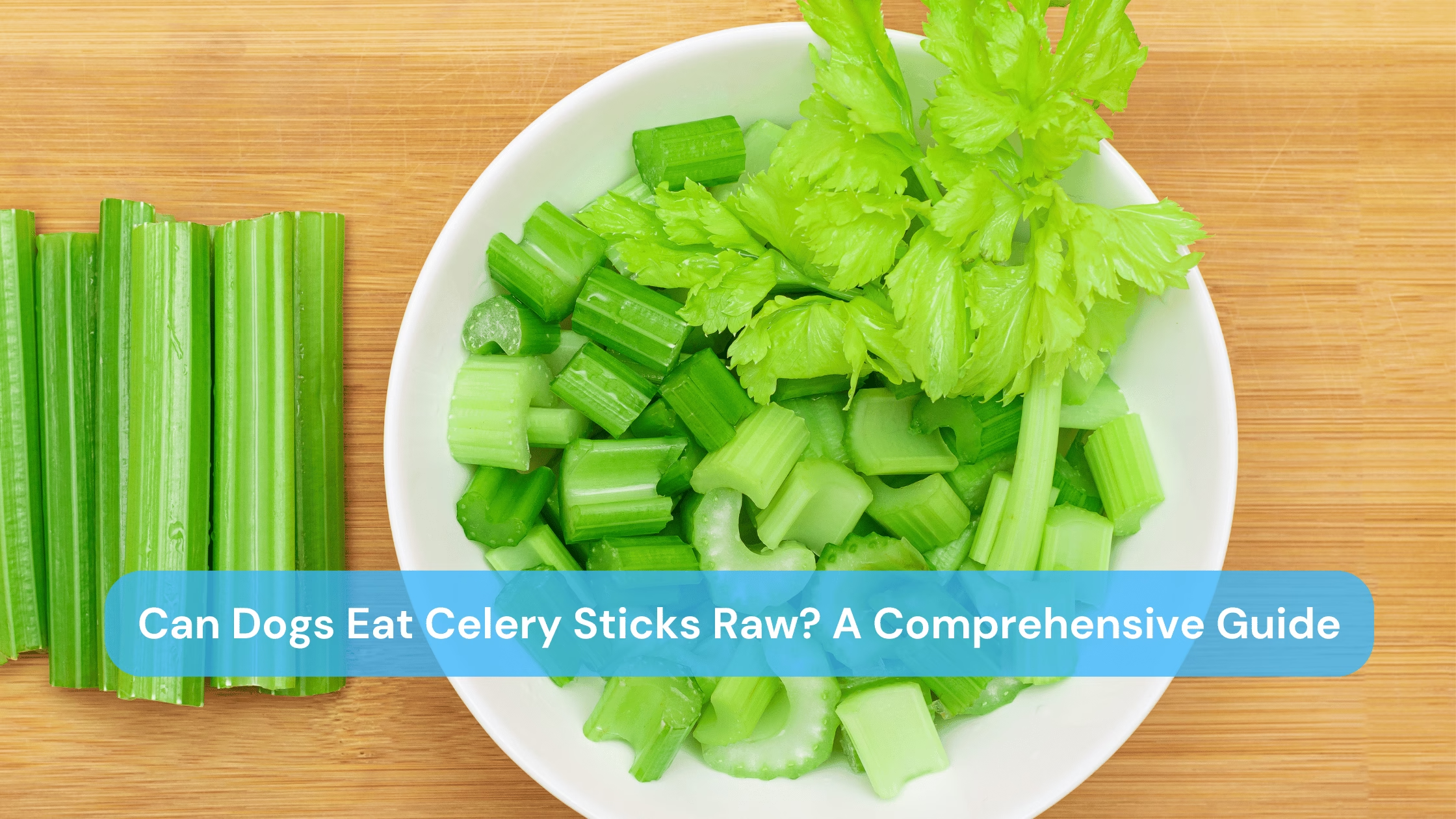
            1. Can Dogs Eat Celery Sticks Raw? A Comprehensive Guide

              Can Dogs Eat Celery Sticks Raw? A Comprehensive Guide

              When it comes to feeding our furry friends, dog owners often wonder which human foods are safe and healthy for their pets. One such food is celery. So, can dogs eat celery sticks Raw? The answer is yes! Dogs can eat celery, and it can even be a healthy, low-calorie treat for them. Let’s delve into the benefits, precautions, and tips for feeding celery to dogs.

              Can dogs eat Celery Sticks Raw?

              Yes, dogs can eat raw celery sticks. Raw celery can be a healthy and crunchy treat for dogs when given in moderation. Here are some important points to consider

              Benefits of Celery for Dogs

              Nutritional Value

              Celery is packed with essential nutrients that can benefit dogs, including:

              • Vitamins A, C, and K: These vitamins support overall health, boost the immune system, and aid in bone health.
              • Fiber: Helps with digestion and can assist in maintaining a healthy weight.
              • Low in Fat and Cholesterol: Ideal for dogs that need to lose weight or maintain a healthy weight.
              • Hydration: With high water content, celery can help keep your dog hydrated.

              Dental Health

              Chewing on celery sticks can help clean your dog’s teeth and freshen their breath. The fibrous texture acts like a natural toothbrush, reducing plaque buildup.

              How to Safely Feed Celery to Dogs

              While celery is safe for dogs, it’s important to follow these guidelines to ensure your pet enjoys this treat safely:

              Moderation is Key

              Too much of any new food can cause digestive issues. Introduce celery slowly and in small amounts to see how your dog reacts.

              Cut into Small Pieces

              Always cut celery into small, bite-sized pieces to prevent choking hazards, especially for small dogs.

              Monitor for Allergies

              Keep an eye on your dog for any signs of an allergic reaction, such as itching, swelling, or digestive upset. If you notice any adverse reactions, stop feeding celery and consult your veterinarian.

              Avoid Seasonings

              Feed your dog plain celery. Avoid adding salt, spices, or any dips that could be harmful to your dog.

              Ideas for Serving Celery Sticks to Dogs

              Here are some creative and safe ways to serve celery to your dog:

              • Plain Celery Sticks: Simply wash, cut into small pieces, and serve.
              • Mixed with Other Vegetables: Combine small celery pieces with other dog-safe vegetables like carrots or cucumbers for a crunchy salad.
              • Frozen Celery: Freeze small pieces of celery for a refreshing summer treat.
              • Celery with Peanut Butter: Spread a thin layer of xylitol-free peanut butter on celery for an extra tasty treat.

              FAQs

              Can puppies eat celery?

              Yes, but in very small amounts and always cut into tiny pieces to avoid choking.

              How often can I give celery to my dog?

              Celery should be an occasional treat, not a regular part of your dog’s diet. A few pieces once or twice a week are sufficient.

              What other vegetables are safe for dogs?

              Other safe vegetables include carrots, cucumbers, green beans, and peas. Always introduce new foods gradually and in moderation.

              Also Read: Can Dogs Eat Jalapenos? A Comprehensive guide.

              Also Read: Can Dogs Eat Lanzones Without Seeds? – Best Guide

              Conclusion

              Celery can be a nutritious and safe treat for dogs when given properly. It offers numerous health benefits, from essential vitamins to dental health.

              Remember to introduce celery gradually, cut it into small pieces, and keep it plain.

              Always monitor your dog for any signs of allergic reactions and consult your veterinarian if you have any concerns.

              By following these guidelines, you can safely incorporate celery into your dog’s diet as a healthy, low-calorie snack.

            2. Can Dogs Eat Lanzones Without Seeds? – Best Guide

              Can Dogs Eat Lanzones Without Seeds? – Best Guide

              Lanzones, also known as langsat, is a tropical fruit native to Southeast Asia. With its sweet and slightly tangy flavor, it’s a popular treat among humans. But if you’re a dog owner, you might be wondering if it’s safe to share this delicious fruit with your canine companion. In this article, we’ll explore Can Dogs Eat Lanzones Without Seeds?, the potential benefits and risks, and the precautions you should take.

              What Are Lanzones?

              Lanzones are small, round fruits that grow in clusters on the Lansium parasiticum tree.

              The fruit has a thin, leathery skin that is easily peeled to reveal the translucent, juicy flesh inside.

              Lanzones are rich in vitamins and minerals, including vitamin C, vitamin A, thiamine, riboflavin, and niacin. They also contain dietary fiber, which can aid in digestion.

              Can Dogs Eat Lanzones Without Seeds?

              The Flesh of the Fruit

              Yes, dogs can eat lanzones, but with caution. The flesh of the lanzones fruit is generally safe for dogs to consume in small amounts.

              It can be a refreshing and hydrating treat, especially on a hot day. However, like any fruit, it should be given in moderation to avoid any digestive issues.

              The Seeds

              One critical point to note is that the seeds of the lanzones fruit are toxic to dogs. The seeds contain toxic compounds that can cause serious health problems if ingested.

              Therefore, it is crucial to ensure that the seeds are completely removed before offering the flesh of the fruit to your dog.

              Nutritional Benefits of Lanzones for Dogs

              When given in moderation and without seeds, lanzones can offer some nutritional benefits to dogs:

              1. Hydration: Lanzones have a high water content, which can help keep your dog hydrated, especially during the hot summer months.
              2. Vitamins and Minerals: The fruit is rich in essential vitamins and minerals that can contribute to your dog’s overall health. For instance, vitamin C can help boost the immune system, while vitamin A is essential for maintaining healthy skin and vision.
              3. Dietary Fiber: The fiber in lanzones can aid in digestion and help prevent constipation.

              Potential Risks of Feeding Lanzones to Dogs

              While the flesh of the lanzones fruit can be beneficial, there are some potential risks to consider:

              1. Toxic Seeds: As mentioned earlier, the seeds are toxic to dogs and must be completely removed before feeding the fruit to your pet.
              2. Digestive Issues: Feeding too much lanzones can lead to digestive issues such as diarrhea or an upset stomach. It’s essential to introduce any new food gradually and in small amounts.
              3. Allergic Reactions: Some dogs may be allergic to certain fruits, including lanzones. Watch for any signs of an allergic reaction, such as itching, swelling, or difficulty breathing, and consult your veterinarian if you notice any adverse effects.

              How to Safely Prepare Lanzones for Your Dog

              If you decide to give lanzones to your dog, follow these steps to ensure it is safe:

              1. Peel the Fruit: Remove the skin of the lanzones to reveal the flesh inside.
              2. Remove the Seeds: Carefully remove all the seeds from the fruit. Make sure there are no remnants of the seeds left.
              3. Cut into Small Pieces: Cut the flesh into small, bite-sized pieces that are easy for your dog to eat and digest.
              4. Serve in Moderation: Offer the fruit to your dog in small amounts to prevent any digestive issues.

              Alternatives to Lanzones

              If you’re concerned about the potential risks of feeding lanzones to your dog, there are plenty of other safe and healthy fruit options to consider:

              1. Apples: Remove the core and seeds, and slice the apple into small pieces. Apples are a good source of vitamins A and C, as well as fiber.
              2. Blueberries: These small, antioxidant-rich fruits are great for dogs and can be given as a treat or mixed into their food.
              3. Bananas: Peel the banana and cut it into small pieces. Bananas are high in potassium and other essential nutrients.
              4. Watermelon: Remove the seeds and rind before giving small chunks of watermelon to your dog. It’s a hydrating and refreshing treat.

              Also Read: Can Dogs Eat Salami? Is Salami Safe for Dogs?

              Also Read: Can Dogs Eat Jalapenos? A Comprehensive guide.

              Conclusion

              In conclusion, dogs can eat the flesh of lanzones in moderation and without seeds. The fruit can provide hydration and some nutritional benefits, but it is crucial to remove the toxic seeds and monitor your dog for any adverse reactions.

              Always introduce new foods gradually and consult with your veterinarian if you have any concerns about your dog’s diet.

              By following these guidelines, you can safely offer lanzones as an occasional treat and enjoy sharing the delicious taste of this tropical fruit with your furry friend.

              Remember, the key is moderation and ensuring that all potential hazards, such as seeds, are carefully removed.

            3. Can Dogs Eat Jalapenos? A Comprehensive guide.

              Can Dogs Eat Jalapenos? A Comprehensive guide.

              When it comes to our pets’ diets, ensuring their safety and well-being is paramount. Jalapenos, a common ingredient in many human dishes, are often questioned for their suitability for dogs. This comprehensive guide will help you understand whether Can dogs eat jalapenos? Is it safe for dogs and what to do if your dog consumes them.

              What are Jalapenos?

              Jalapenos are medium-sized chili peppers known for their spicy flavor. Originating from Mexico, these peppers are often used in a variety of cuisines worldwide.

              Jalapenos are rich in vitamins A and C, potassium, and capsaicin, the compound responsible for their heat.

              While they offer several health benefits for humans, their impact on dogs can be quite different.

              Can Dogs Eat Jalapenos?

              The short answer is no, dogs should not eat jalapenos. Unlike humans, dogs have a different tolerance for spicy foods.

              Jalapenos can cause significant discomfort and health issues in dogs. Here’s a closer look at why jalapenos are not suitable for dogs.

              Potential Risks of Jalapenos for Dogs

              Gastrointestinal Distress

              Dogs have a much more sensitive digestive system compared to humans. Consuming jalapenos can lead to:

              • Vomiting: The spiciness of jalapenos can irritate a dog’s stomach lining, causing them to vomit.
              • Diarrhea: Spicy foods like jalapenos can disrupt a dog’s digestive system, leading to diarrhea.
              • Abdominal Pain: The irritation caused by the spice can result in significant abdominal discomfort.

              Toxicity Concerns

              While jalapenos are not toxic to dogs, the capsaicin they contain can be problematic. Capsaicin can lead to:

              • Mouth and Throat Irritation: The spice can cause a burning sensation in the mouth and throat, leading to excessive drooling and discomfort.
              • Increased Heart Rate: Capsaicin can stimulate the nervous system, potentially leading to an increased heart rate and anxiety in dogs.
              • Respiratory Issues: In some cases, the irritation caused by capsaicin can lead to respiratory difficulties.

              Behavioral Effects

              The discomfort caused by eating jalapenos can also affect a dog’s behavior. Dogs may become:

              • Anxious: The pain and discomfort can lead to increased anxiety and restlessness.
              • Lethargic: The energy expended dealing with the distress can result in lethargy and reduced activity levels.

              Healthier Alternatives to Jalapenos

              Instead of feeding your dog jalapenos, consider these healthier and safer alternatives:

              Vegetables

              • Carrots: Low in calories and high in fiber and vitamins, carrots make a great crunchy snack.
              • Cucumbers: Hydrating and low in fat, cucumbers are a refreshing treat for dogs.
              • Bell Peppers: These peppers are rich in vitamins and antioxidants, without the spiciness of jalapenos.

              Fruits

              • Apples: Remove the seeds and core, and apples can be a sweet and crunchy treat.
              • Blueberries: Packed with antioxidants, blueberries are a nutritious snack for dogs.
              • Bananas: In moderation, bananas offer potassium and vitamins.

              Commercial Dog Treats

              Opt for treats specifically formulated for dogs, ensuring they provide balanced nutrition and are free from harmful ingredients.

              What to Do If Your Dog Eats a Jalapeno

              If your dog accidentally consumes a jalapeno, take the following steps:

              1. Monitor for Symptoms: Keep an eye on your dog for any signs of distress, including vomiting, diarrhea, excessive drooling, or restlessness.
              2. Provide Water: Ensure your dog has access to plenty of fresh water to help soothe any mouth irritation and stay hydrated.
              3. Avoid Inducing Vomiting: Unless advised by a veterinarian, do not induce vomiting as it can cause further distress.
              4. Consult a Veterinarian: If your dog shows severe symptoms or you are concerned about their health, contact your veterinarian for advice.

              Also Read: Can Dogs Eat Banana Peels? A Comprehensive Guide.

              Also Read: Can Dogs Eat Salami? Is Salami Safe for Dogs?

              Conclusion

              While jalapenos are a flavorful addition to human cuisine, they are not suitable for dogs. The risks associated with feeding jalapenos to dogs far outweigh any potential benefits.

              Instead, opt for dog-friendly treats and foods that provide the necessary nutrition without causing harm.

              Always prioritize your dog’s health and well-being by choosing safe and appropriate snacks.

              By understanding the potential dangers of jalapenos and offering healthier alternatives, you can ensure your furry friend remains happy and healthy.

              If in doubt, always consult with your veterinarian before introducing any new food into your dog’s diet.

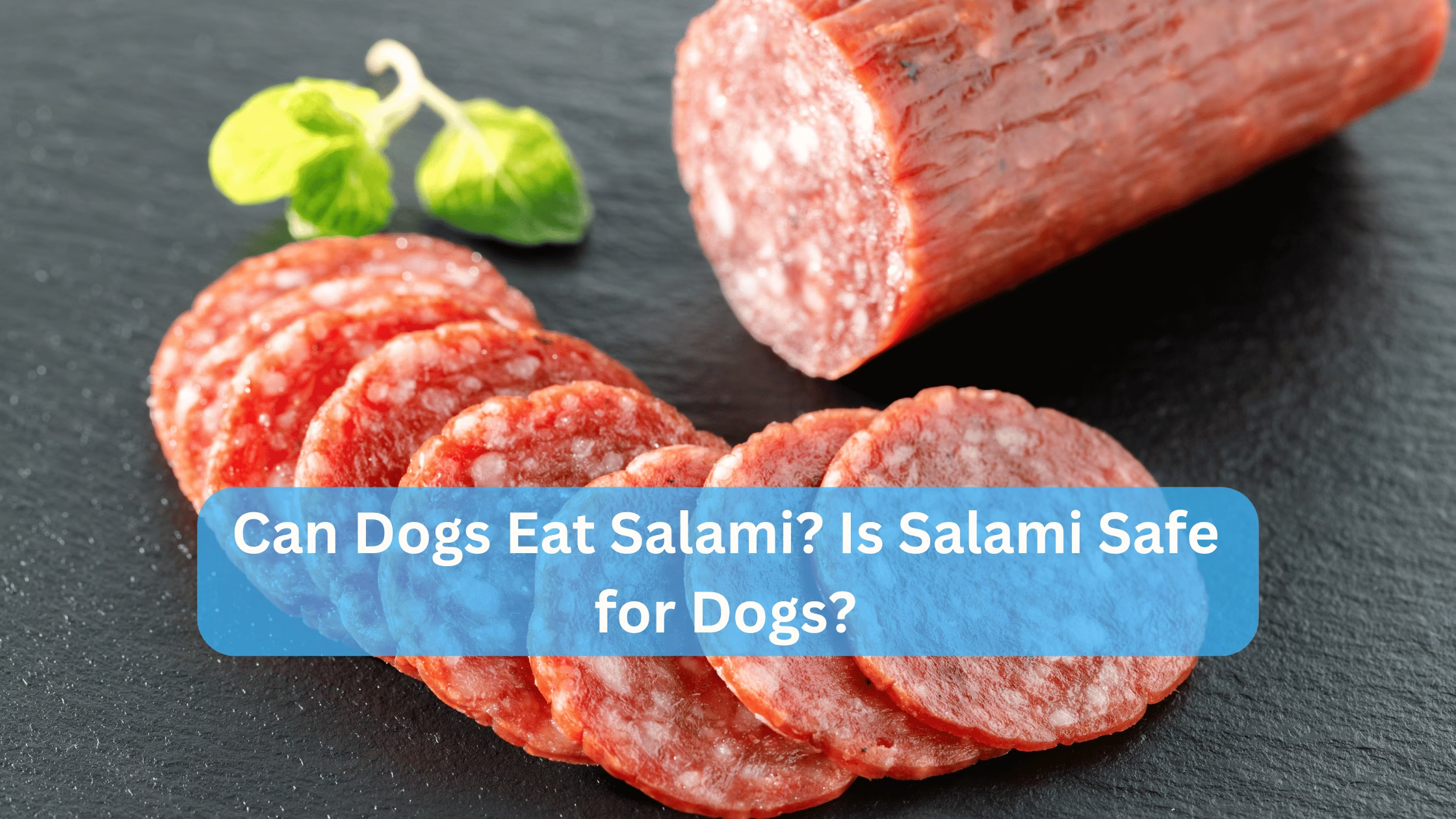
            4. Can Dogs Eat Salami? Is Salami Safe for Dogs?

              Can Dogs Eat Salami? Is Salami Safe for Dogs?

              Can Dogs Eat Salami? – Dog owners want to ensure their pets stay healthy and happy. When it comes to feeding them, it’s important to know which human foods are safe. A common query is whether dogs can eat salami. This article provides an in-depth look at the potential risks and benefits of feeding salami to dogs.

              What is Salami?

              Salami is a type of cured sausage that is made from fermented and air-dried meat, usually pork. It is seasoned with various spices and additives to enhance flavor.

              Salami is a popular food item for humans, often enjoyed in sandwiches, pizzas, and antipasto platters.

              Can Dogs Eat Salami? Is Salami Safe for Dogs?

              No, While salami might be a tasty treat for humans, it is not an ideal food for dogs. Here are some reasons why:

              High Sodium Content

              Salami contains a high level of sodium, which can be harmful to dogs. Excessive sodium intake can lead to:

              • Dehydration: Dogs need a balanced amount of sodium in their diet, and too much can disrupt their hydration levels.
              • Salt Poisoning: Symptoms include vomiting, diarrhea, tremors, and seizures.

              Fat and Calories

              Salami is rich in fat and calories, which can contribute to:

              • Obesity: High-fat foods can lead to weight gain and obesity in dogs.
              • Pancreatitis: Excessive fat consumption can cause inflammation of the pancreas, leading to serious health issues.

              Spices and Additives

              Salami is often seasoned with garlic, onion powder, and other spices that are toxic to dogs. These additives can cause gastrointestinal upset and other health problems.

              Potential Health Risks of Salami for dogs

              Feeding your dog salami can result in several health risks, including:

              • Gastrointestinal Upset: Vomiting, diarrhea, and abdominal pain.
              • High Blood Pressure: Due to excessive sodium.
              • Kidney Damage: Long-term consumption of high-sodium foods can strain the kidneys.

              Healthier Alternatives

              Instead of salami, consider these healthier alternatives for your dog:

              • Lean Meats: Chicken, turkey, and lean beef are safer options.
              • Dog-Specific Treats: There are many commercially available treats designed specifically for dogs.
              • Fruits and Vegetables: Apples (without seeds), carrots, and blueberries make excellent snacks.

              What to Do if Your Dog Eats Salami

              If your dog accidentally eats salami, monitor them closely for any signs of distress. Symptoms to watch for include:

              • Vomiting
              • Diarrhea
              • Lethargy
              • Excessive thirst or urination

              If any of these symptoms occur, contact your veterinarian immediately.

              Also Read: Can Dogs Eat Banana Peels? A Comprehensive Guide.

              Also Read: Can Dogs Eat Granny Smith Apples? Is it toxic to dogs?

              Conclusion

              While dogs may enjoy the taste of salami, it is not a safe or healthy treat for them. The high sodium content, fat, and potentially harmful spices make salami a risky choice.

              Opt for healthier alternatives to keep your dog happy and healthy. Always consult with your veterinarian before introducing new foods to your dog’s diet.