Category: Dog Nutrition

  • How to Cook Chicken Liver for Dogs: Best Recipes & FAQs

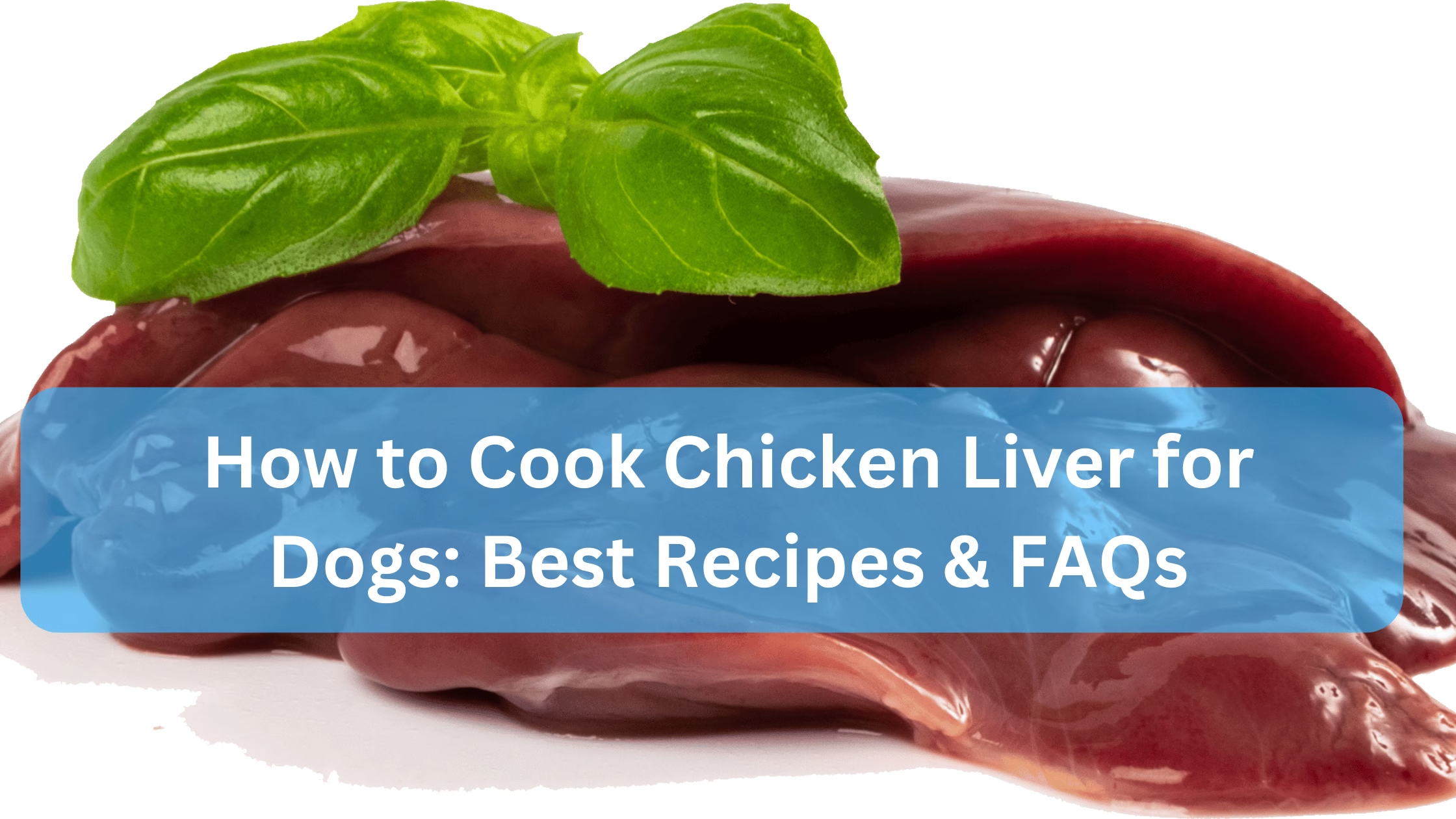
    How to Cook Chicken Liver for Dogs: Best Recipes & FAQs

    Chicken liver is a fantastic addition to your dog’s diet, offering a host of nutritional benefits. Whether served as a simple treat or incorporated into tasty recipes, chicken liver can enhance your dog’s health and make their meals more enjoyable. Here’s a comprehensive guide on how to cook chicken liver for dogs, complete with vet-approved recipes and essential tips.

    Nutritional Benefits of Chicken Liver

    Why Include Chicken Liver in Your Dog’s Diet?

    High in Protein: Chicken liver is an excellent source of protein, essential for muscle growth and repair.

    Rich in Vitamin A: Vital for maintaining healthy skin, a shiny coat, good vision, and a strong immune system.

    B Vitamins: Includes essential B vitamins like B6, B12, and folate, which support metabolism and energy production.

    Iron: Important for red blood cell production and overall cellular health.

    Additional Nutrients: Also contains vitamins D, E, K, and minerals such as copper, phosphorus, and zinc.

    How to Cook Chicken Liver for Dogs

    When preparing chicken liver for your dog, simplicity is key. Avoid adding any seasoning, butter, or oils that could harm your pet. Here are a few easy methods to cook chicken liver:

    Basic Cooking Methods

    1. Boiled Chicken Liver

    1. Ingredients: Fresh chicken liver, water.
    2. Instructions:
    • Rinse the chicken liver under cold water.
    • Place the liver in a pot and cover with water.
    • Bring the water to a boil, then reduce to a simmer.
    • Cook for about 15 minutes or until fully cooked.
    • Allow to cool, then chop into bite-sized pieces before serving.

    2. Baked Chicken Liver

    1. Ingredients: Fresh chicken liver, parchment paper.
    2. Instructions:
    • Preheat your oven to 375°F (190°C).
    • Line a baking sheet with parchment paper.
    • Spread the chicken liver on the sheet in a single layer.
    • Bake for 20-25 minutes until fully cooked.
    • Let cool before cutting into smaller pieces for your dog.

    3. Pan-Fried Chicken Liver

    1. Ingredients: Fresh chicken liver.
    2. Instructions:
    • Rinse and pat dry the chicken liver.
    • Heat a non-stick pan over medium heat.
    • Add the liver and cook for about 5-7 minutes on each side until thoroughly cooked.
    • Cool before serving to your dog.

    Delicious Chicken Liver Treat Recipes

    Chicken Liver and Oat Treats

    Ingredients:

    • 1 cup rolled oats
    • 1/2 pound chicken liver, rinsed and trimmed
    • 1 large egg

    Instructions:

    1. Preheat your oven to 325°F (160°C).
    2. Pulse the oats in a food processor until finely ground.
    3. Add the chicken liver and egg to the food processor and blend until smooth.
    4. Spread the mixture evenly in a greased baking dish.
    5. Bake for 20-25 minutes or until firm.
    6. Cool completely, then cut into bite-sized pieces.

    Chicken Liver Meatballs

    Ingredients:

    • 1 pound chicken liver, rinsed and trimmed
    • 1 egg
    • 1/2 cup oat flour
    • 1 tablespoon olive oil

    Instructions:

    1. Preheat your oven to 350°F (175°C).
    2. In a food processor, blend the chicken liver until smooth.
    3. Add the egg, oat flour, and olive oil, and mix well.
    4. Form the mixture into small meatballs.
    5. Place on a baking sheet lined with parchment paper.
    6. Bake for 20-25 minutes or until golden brown.
    7. Allow to cool before serving.

    Important Considerations

    Moderation: While chicken liver is nutritious, it should be fed in moderation. Overconsumption can lead to vitamin A toxicity and iron overload, which can cause serious health issues.

    Allergies: Monitor your dog for any signs of allergic reactions when introducing chicken liver into their diet.

    Consult Your Vet: Always consult with your veterinarian before making significant changes to your dog’s diet, especially if your dog has any pre-existing health conditions.

    FAQs

    Can I feed my dog raw chicken liver?

    Feeding raw chicken liver can pose a risk of bacterial infection. It’s best to cook the liver thoroughly to kill any harmful pathogens.

    How often should I give my dog chicken liver?

    Chicken liver should be an occasional treat rather than a regular part of your dog’s daily diet. A small portion once or twice a week is usually sufficient.

    Can puppies eat chicken liver?

    Yes, but in smaller quantities and always cooked. Consult your vet for specific advice based on your puppy’s breed and health.

    How should I cook chicken liver for my dog?

    You should cook chicken liver for your dog using simple methods that avoid adding any seasonings, oils, or spices. Common methods include boiling, baking, or pan-frying. This ensures that the liver remains healthy and free from harmful additives.

    Is boiled chicken liver good for dogs?

    Yes, boiled chicken liver is a healthy treat for dogs in moderation. It’s packed with nutrients like protein, vitamins, and minerals.

    Can my dog eat chicken liver every day?

    No, chicken liver is a treat, best offered 1-2 times a week depending on your dog’s size.

    What is the healthiest way to cook liver for dogs?

    The healthiest way to cook liver for dogs is by boiling it. Here’s why:
    Simple and gentle: Boiling uses minimal heat and doesn’t require adding fats or oils, which keeps the liver leaner.
    Nutrient retention: Boiling helps retain most of the liver’s valuable nutrients like protein, vitamins, and minerals.
    Safe for digestion: Cooked liver is easier for dogs to digest compared to raw liver, which might harbor bacteria or parasites.

    Is Chicken Liver good for Dogs with Pancreatitis

    Pancreatitis in dogs requires a carefully managed diet that is low in fat. While chicken liver is lower in fat compared to other meats, it is still moderately rich and might not be suitable for dogs with pancreatitis, especially during acute episodes or in chronic cases where fat intake must be strictly controlled. The focus for dogs with pancreatitis is typically on lean proteins and low-fat diets prescribed by a veterinarian to manage the condition effectively.


    Is
     chicken liver good for dogs with Diarrhea

    Chicken liver is a nutrient-dense food that can sometimes be rich for dogs with sensitive stomachs or ongoing diarrhea. It’s advisable to avoid feeding chicken liver to a dog experiencing diarrhea until their digestive system has settled. Introducing bland, easily digestible foods like boiled chicken and rice under veterinary guidance is typically recommended until the diarrhea resolves. Once the dog’s stool has normalized, small amounts of cooked chicken liver could be reintroduced gradually to assess tolerance.

    Also Read: How to Detox a Dog from Poison

    Also Read: Helping Your Dog with Separation Anxiety from Another Dog

    Conclusion

    Chicken liver is a nutrient-dense, beneficial addition to your dog’s diet when prepared and served correctly. Whether you choose to boil, bake, or pan-fry it, your dog is sure to enjoy this tasty treat. Remember to introduce it gradually and consult with your vet to ensure it fits well into your dog’s overall nutrition plan.


  • Can Dogs Eat Green Apple? A Comprehensive Guide

    Can Dogs Eat Green Apple? A Comprehensive Guide

    As a dog owner, you’re probably always on the lookout for healthy and safe treats for your furry friend. Fruits often come to mind as a natural choice, but not all fruits are safe for dogs. Green apples are commonly found in many households, leading to the question: Can dogs eat green apples?

    In this comprehensive guide, we’ll explore every aspect of feeding green apples to your dog, from the nutritional benefits to potential risks and the best ways to serve them.

    Can Dogs Eat Green Apples with Skin?

    Can Dogs Eat Green Apples with Skin
    Can Dogs Eat Green Apples with Skin

    Yes, dogs can eat green apples with the skin on. The skin contains additional fiber and nutrients. However, it’s essential to wash the apple thoroughly to remove any pesticides or contaminants. Some dogs might have trouble digesting the skin, so it’s best to start with small amounts to see how your dog reacts.

    Nutritional Benefits of Green Apples for Dogs

    Green apples are packed with essential nutrients that can be beneficial for your dog’s health. Here are some of the key nutrients found in green apples:

    1. Vitamins: Green apples are rich in vitamins A and C, which are important for maintaining your dog’s skin, coat, and immune system.
    2. Fiber: The fiber content in green apples can help regulate your dog’s digestion and prevent constipation.
    3. Antioxidants: These fruits contain antioxidants that can help reduce inflammation and combat free radicals in your dog’s body.
    4. Low in Fat: Green apples are low in fat, making them a healthy treat option for dogs, especially those prone to weight gain.

    Potential Risks of Feeding Green Apples to Dogs

    While green apples can be a healthy treat, there are some potential risks to be aware of:

    1. Seeds: Apple seeds contain cyanogenic glycosides, which can release cyanide when chewed and ingested. Always remove the seeds before offering apple slices to your dog.
    2. Core: The apple core can be a choking hazard and should be removed.
    3. Sugar Content: While the sugar content in apples is natural, too much can lead to weight gain or dental issues. Moderation is key.
    4. Allergies: Some dogs might have allergies to apples, although this is rare. Watch for signs of an allergic reaction, such as itching, swelling, or gastrointestinal upset.

    How to Safely Serve Green Apples to Your Dog

    To ensure your dog enjoys green apples safely, follow these guidelines:

    1. Wash Thoroughly: Rinse the apple to remove any pesticides or contaminants.
    2. Remove Seeds and Core: Cut the apple into slices and remove the seeds and core to prevent any choking hazards or cyanide poisoning.
    3. Serve in Moderation: Offer small slices as an occasional treat rather than a regular part of your dog’s diet.
    4. Monitor Your Dog: Watch your dog for any signs of discomfort or allergic reactions after consuming apples.

    Green Apples vs. Red Apples: Which Is Better for Dogs?

    Both green and red apples can be safe for dogs when served properly. The main differences lie in the taste and sugar content. Green apples tend to be less sweet and have a slightly tart flavor, while red apples are sweeter. If your dog prefers a less sweet treat, green apples might be the better choice. However, both types offer similar nutritional benefits and should be given in moderation.

    Creative Ways to Incorporate Green Apples into Your Dog’s Diet

    If you’re looking for fun and healthy ways to treat your dog with green apples, consider these ideas:

    1. Apple Slices: Simply cut the apple into small, manageable slices.
    2. Apple Puree: Blend apple slices into a puree and mix with your dog’s regular food.
    3. Frozen Apple Treats: Freeze apple slices or puree for a refreshing summer treat.
    4. Homemade Apple Treats: Combine apple puree with dog-friendly ingredients like oats and peanut butter to make homemade treats.

    How Much Green Apple Can a Dog Have?

    Moderation is crucial when feeding green apples to dogs. A few slices (2-3) are enough for most dogs, depending on their size. Larger dogs can handle a bit more, while smaller dogs should have less. Too much apple can lead to gastrointestinal upset or diarrhea.

    Are Any Apples Poisonous to Dogs?

    No apples are inherently poisonous to dogs, but certain parts of the apple can be harmful. Apple seeds contain cyanogenic glycosides, which can release cyanide. The core is also a choking hazard. Always remove the seeds and core before feeding apples to your dog.

    Are Red or Green Apples Better for Dogs?

    Both green and red apples can be safe for dogs when served properly. The main differences lie in the taste and sugar content. Green apples tend to be less sweet and have a slightly tart flavor, while red apples are sweeter. If your dog prefers a less sweet treat, green apples might be the better choice. However, both types offer similar nutritional benefits and should be given in moderation.

    Can Dogs Lick Green Apples?

    Yes, dogs can lick green apples. This can be a way for them to enjoy the flavor without consuming large amounts. However, it’s still important to ensure the apple is clean and free from pesticides.

    Can Dogs Eat Unripe Green Apples?

    Feeding unripe green apples to dogs is not recommended. Unripe apples can be harder to digest and might cause stomach upset. It’s best to wait until the apple is fully ripe before offering it to your dog.

    Can Dogs Eat Green Apple Juice?

    It’s not advisable to give dogs green apple juice. Juice can contain high levels of sugar and may lack the fiber found in whole apples. Moreover, many commercial apple juices contain added sugars or preservatives that are not healthy for dogs.

    Can Dogs Eat Green Apples Raw or Cooked?

    Dogs can eat green apples both raw and cooked. Raw apples retain more of their nutrients and fiber, while cooked apples can be softer and easier to digest. Avoid adding any sugar or spices when cooking apples for your dog.

    Can Dogs Eat Green Apple Seeds?

    No, dogs should not eat green apple seeds. The seeds contain cyanogenic glycosides, which can release cyanide when chewed and ingested, posing a risk of poisoning.

    Can Dogs Eat Apple Cores?

    No, dogs should not eat apple cores. The core can be a choking hazard and may also contain seeds that are harmful if ingested.

    Can Dogs Eat Apples?

    Yes, dogs can eat apples. Apples are a healthy treat when served in moderation and prepared correctly by removing the seeds and core.

    Also Read : Can Dogs Eat Parle-G Biscuits? Best Guide

    Also Read : How to Teach Your Dog to Bark on Command: A Step-by-Step Guide

    Also Read : Understanding Nerveon for Dogs: A Comprehensive Guide

    Conclusion

    Green apples can be a nutritious and tasty treat for your dog when served properly. They offer numerous health benefits, including vitamins, fiber, and antioxidants. However, it’s crucial to remove the seeds and core, serve in moderation, and monitor your dog for any adverse reactions.

    By following these guidelines, you can safely share the occasional green apple slice with your furry friend, adding variety and nutrition to their diet. Always consult with your veterinarian before introducing any new food into your dog’s diet to ensure it aligns with their specific health needs.

  • Can Dogs Eat Parle-G Biscuits? Best Guide

    Can Dogs Eat Parle-G Biscuits? Best Guide

    When it comes to feeding our beloved dogs, it’s essential to know what foods are safe and healthy for them. Parle-G biscuits are a popular snack among humans, but many pet owners wonder, “Can dogs eat Parle-G biscuits?” Let’s dive into this topic and explore whether Parle-G and other human biscuits are safe for dogs.

    Are Parle-G Biscuits Safe for Dogs?

    Parle-G biscuits are not toxic to dogs, but they are not the best choice either. These biscuits contain sugar, refined wheat flour (maida), and other ingredients that are not beneficial for dogs. While an occasional Parle-G biscuit might not cause immediate harm, regular feeding can lead to health issues such as obesity, dental problems, and diabetes in dogs.

    What Biscuits Can Dogs Eat?

    Instead of Parle-G, consider giving your dog specially formulated dog biscuits available in pet stores. These treats are designed to meet the nutritional needs of dogs and are free from harmful ingredients like sugar and refined flour.

    Can Dogs Eat Maida Biscuits?

    Biscuits made with maida (refined wheat flour) are not recommended for dogs. Maida lacks nutritional value and can contribute to weight gain and digestive issues in dogs. It’s best to avoid feeding your dog any biscuits that contain maida.

    Can Cats Eat Parle-G Biscuits?

    Similar to dogs, Parle-G biscuits are not suitable for cats. Cats have specific dietary requirements, and foods high in sugar and refined flour can lead to obesity and diabetes in cats. Stick to cat-specific treats for your feline friends.

    Can I Feed Marie Biscuits to Dogs?

    Marie biscuits are lower in sugar compared to Parle-G, but they still contain maida and other ingredients that are not ideal for dogs. It’s better to avoid feeding Marie biscuits to dogs and opt for healthier alternatives.

    Which Human Biscuits Are Good for Dogs?

    Generally, human biscuits are not recommended for dogs due to their sugar content and lack of nutritional value. However, plain, unsweetened biscuits with minimal ingredients can be given occasionally. Always check the ingredient list to ensure there are no harmful additives.

    Can Dogs Eat Parle-G in India?

    Whether you’re in India or elsewhere, the advice regarding Parle-G biscuits for dogs remains the same. It’s best to avoid giving Parle-G to dogs and opt for dog-specific treats to ensure their health and well-being.

    Which Human Biscuits Are Good for Street Dogs?

    Street dogs, like pet dogs, should ideally not be fed human biscuits. If necessary, opt for plain, unsweetened, and minimally processed biscuits. However, providing street dogs with dog food or homemade dog-friendly treats is a better option.

    Feeding Biscuits to Dogs: An Astrological Perspective

    While astrology might offer various insights into pet care, it’s important to rely on scientific and veterinary advice for your dog’s diet. Biscuits high in sugar and maida are not suitable for dogs, regardless of astrological beliefs.

    Can Dogs Eat Milk Bikis?

    Milk Bikis, like other sweet biscuits, contain sugar and refined flour, making them unsuitable for dogs. It’s better to choose healthier alternatives designed for canine consumption.

    Which Human Biscuits Are Good for Dogs in India?

    In India, the best biscuits for dogs are those specifically made for them. Human biscuits should generally be avoided, but if necessary, plain, unsweetened, and simple ingredient biscuits can be given sparingly.

    Can We Feed Good Day Biscuits to Dogs?

    Good Day biscuits, with their high sugar and fat content, are not advisable for dogs. Sticking to dog-specific treats is the best way to ensure your dog’s health.

    Also Read : Understanding Nerveon for Dogs: A Comprehensive Guide

    Also Read : Can Dogs Eat Korean Corn Dogs? The Shocking Truth

    Also Read : How to Teach Your Dog to Bark on Command: A Step-by-Step Guide

    Conclusion

    While Parle-G and other human biscuits might be tempting treats for your dog, they are not the healthiest option. Always prioritize dog-specific treats and consult your veterinarian for dietary advice to keep your furry friend healthy and happy.

    By following these guidelines, you can ensure that your dog receives the best nutrition and care possible.

  • Can Dogs Eat Korean Corn Dogs? The Shocking Truth

    Can Dogs Eat Korean Corn Dogs? The Shocking Truth

    Korean corn dogs, with their delicious crispy coating and melty cheese filling, have taken the world by storm. If you’re a dog owner enjoying this delightful treat, you might wonder, “Can dogs eat Korean corn dogs?

    This blog post will explore the safety and nutritional considerations of feeding your dog Korean corn dogs and provide insights into why they might not be the best snack for your furry friend.

    What is a Korean Corn Dog?

    Korean corn dogs are a popular street food in South Korea, made from hot dogs, rice cakes, fish cakes, or mozzarella cheese coated in a batter (sometimes panko, French fry pieces, or ramen) and deep-fried.

    They’re finished with sugar and a signature squirt of your condiment of choice: ketchup, mayo, mustard, or all three.

    These treats are sweet, salty, and completely delicious. Some Korean corn dogs use a yeasted batter, while others use a rice flour batter, leading to a variety of textures and flavors.

    Ingredients in Korean Corn Dogs

    Understanding the ingredients in Korean corn dogs is crucial when considering them for your dog. Typical components include:

    • Hot Dog, Rice Cake, Fish Cake, or Cheese: These fillings vary but are generally high in fat and sodium.
    • Batter: Often made from flour, rice flour, or yeast, and can include sugar.
    • Coatings: Panko, French fry pieces, or ramen for extra crunch.
    • Condiments: Ketchup, mayo, mustard, or a combination, adding to the salt and sugar content.

    Korean Corn Dogs Recipe

    Korean Corn Dogs Recipe

    Can Dogs Eat Korean Corn Dogs?

    High Fat Content

    Korean corn dogs are deep-fried, making them extremely high in fat. Dogs have different dietary requirements than humans, and high-fat foods can lead to obesity, pancreatitis, and other health issues in dogs.

    Sodium Levels

    The various fillings, such as hot dogs and cheese, are typically high in sodium. Excessive sodium can cause dehydration, high blood pressure, and in severe cases, sodium ion poisoning in dogs.

    Batter and Toppings

    The batter often contains sugar, which is not suitable for dogs. Additional coatings and condiments add unnecessary carbohydrates and potential choking hazards.

    Potential Health Risks of Korean corn dogs

    Feeding your dog Korean corn dogs can pose several health risks:

    1. Obesity: The high-fat content can lead to weight gain and associated health problems.
    2. Pancreatitis: Dogs consuming high-fat foods are at risk of developing pancreatitis, a painful and potentially life-threatening condition.
    3. Sodium Toxicity: Excessive sodium intake can cause serious health issues, including vomiting, diarrhea, and seizures.
    4. Choking Hazard: The crispy coating and toppings can be choking hazards, especially for smaller dogs.

    Alternatives to Korean Corn Dogs

    If you want to treat your dog, consider healthier alternatives:

    • Homemade Dog Treats: Using dog-safe ingredients like peanut butter, pumpkin, and oats.
    • Vegetable Snacks: Carrots, green beans, and cucumber slices are great low-calorie treats.
    • Commercial Dog Treats: Specifically formulated to meet your dog’s nutritional needs.

    FAQs

    Can a dog eat a corndog?

    It’s best to avoid giving your dog corndogs due to the high fat, sodium content, and potential choking hazards.

    Are there any safe parts of a Korean corn dog for dogs?

    While small amounts of plain, cooked hot dogs may be safe, the batter and frying process make Korean corn dogs unsuitable for dogs.

    What should I do if my dog accidentally eats a Korean corn dog?

    Monitor your dog for any signs of distress and contact your veterinarian for advice.

    Conclusion

    While Korean corn dogs are a tasty treat for humans, they are not suitable for dogs. The high fat and sodium content, along with potential choking hazards, make them a poor choice for your canine companion. Instead, opt for dog-safe treats that provide nutritional benefits without the health risks.

    Remember, your dog’s health should always be a priority. When in doubt, consult your veterinarian before introducing any new food into your dog’s diet. Enjoy your Korean corn dog, but keep it away from your furry friend to ensure they stay happy and healthy.

    Also Read : Can Dogs Eat Tajin? The Shocking Truth Revealed

    Also Read : How to Correct Splayed Feet in Dogs: A Comprehensive Guide

    Also Read : Can Dogs Eat Guava? A Comprehensive Guide for Dog Owners

  • Can Dogs Eat Tajin? The Shocking Truth Revealed

    Can Dogs Eat Tajin? The Shocking Truth Revealed

    As pet owners, we often wonder if our furry friends can enjoy the same foods we do. One common question is, “Can dogs eat Tajin?” Tajin is a popular Mexican seasoning made from chili peppers, lime, and salt.

    While it adds a zesty kick to our dishes, it’s important to consider whether it’s safe for dogs. In this blog post, we’ll explore the ingredients of Tajin, its potential effects on dogs, and offer some safe alternatives for seasoning your dog’s food.

    What is Tajin?

    Tajin is a tangy and spicy seasoning commonly used to enhance the flavor of fruits, vegetables, and snacks. Its main ingredients include:

    • Chili Peppers: Adds spice and heat.
    • Lime: Provides a tangy flavor.
    • Salt: Enhances overall taste.

    While these ingredients are delicious for humans, they may not be suitable for our canine companions.

    Is Tajin Safe for Dogs?

    Chili Peppers

    Chili peppers contain capsaicin, which can cause irritation and discomfort in dogs. Symptoms of chili pepper ingestion may include:

    • Drooling
    • Panting
    • Vomiting
    • Diarrhea

    Dogs have a more sensitive digestive system compared to humans, and spicy foods can lead to gastrointestinal upset.

    Lime

    Lime, while not toxic in small amounts, can cause stomach upset in dogs. The acidity of lime can lead to symptoms such as:

    • Nausea
    • Vomiting
    • Diarrhea

    Additionally, the peel and seeds of limes contain compounds that can be harmful to dogs if ingested in large quantities.

    Salt

    Excessive salt intake is harmful to dogs. High salt consumption can lead to:

    • Increased thirst
    • Vomiting
    • Diarrhea
    • Sodium ion poisoning in severe cases

    Salt poisoning can cause symptoms like seizures, tremors, and even death if not treated promptly.

    What to Do if Your Dog Eats Tajin

    If your dog accidentally ingests a small amount of Tajin, monitor them for any signs of discomfort or illness. Provide plenty of fresh water to help flush out their system. If you notice any severe symptoms such as vomiting, diarrhea, or lethargy, contact your veterinarian immediately.

    Safe Alternatives for Seasoning Your Dog’s Food

    While Tajin is not safe for dogs, there are plenty of dog-friendly seasonings you can use to add flavor to their meals. Here are some healthy alternatives:

    1. Parsley

    Parsley is safe for dogs and can help freshen their breath. It’s also rich in vitamins and minerals.

    2. Turmeric

    Turmeric has anti-inflammatory properties and can be beneficial for dogs with arthritis or joint pain. Use it sparingly.

    3. Cinnamon

    Cinnamon is safe for dogs in small amounts and can help regulate blood sugar levels. It’s a tasty addition to dog treats.

    4. Basil

    Basil is rich in antioxidants and can boost your dog’s immune system. It’s a great addition to homemade dog food.

    FAQs: Can Dogs Eat Tajin?

    Are dogs allergic to Tajín?

    While dogs are not necessarily allergic to Tajín, the ingredients in Tajín can cause irritation and gastrointestinal distress. Chili peppers, lime, and salt can all be problematic for dogs, leading to symptoms such as drooling, vomiting, and diarrhea.

    Can dogs eat cucumbers with Tajín?

    No, dogs should not eat cucumbers with Tajín. While cucumbers are safe for dogs, the Tajín seasoning contains ingredients like chili peppers, lime, and salt, which can cause gastrointestinal issues and other health problems in dogs.

    Is it safe to eat Tajín?

    Yes, Tajín is safe for human consumption. It is a popular seasoning used to add flavor to a variety of foods. However, it is not suitable for dogs due to the potential adverse effects of its ingredients on their health.

    Can dogs eat Tajín powder?

    No, dogs should not eat Tajín powder. The ingredients in Tajín powder, such as chili peppers, lime, and salt, can cause gastrointestinal distress and other health issues in dogs.

    What happens if my dog eats Tajin?

    If your dog eats Tajin, they may experience symptoms such as drooling, panting, vomiting, and diarrhea. In severe cases, excessive salt intake can lead to sodium ion poisoning, which requires immediate veterinary attention.

    Conclusion

    While the tangy and spicy flavor of Tajin might be tempting to share with your dog, it’s best to avoid giving it to them. The ingredients in Tajin can cause gastrointestinal distress and other health issues in dogs. Instead, opt for dog-friendly seasonings that are safe and beneficial for your furry friend.

    By understanding what foods are safe for your dog, you can ensure they stay healthy and happy. Always consult your veterinarian if you’re unsure about introducing new foods to your dog’s diet. Keep your pets safe and enjoy your flavorful meals without worry!

  • Can Dogs Eat Guava? A Comprehensive Guide for Dog Owners

    Can Dogs Eat Guava? A Comprehensive Guide for Dog Owners

    As a dog owner, you want to ensure that every treat you give to your furry friend is both safe and nutritious. One common question that arises is, “Can dogs eat guava?”

    In this article, we’ll explore the safety and benefits of feeding guava to dogs. We’ll also address related queries about guava seeds, skin, leaves, and different guava products, and discuss other fruits’ safety for dogs. Let’s get started!

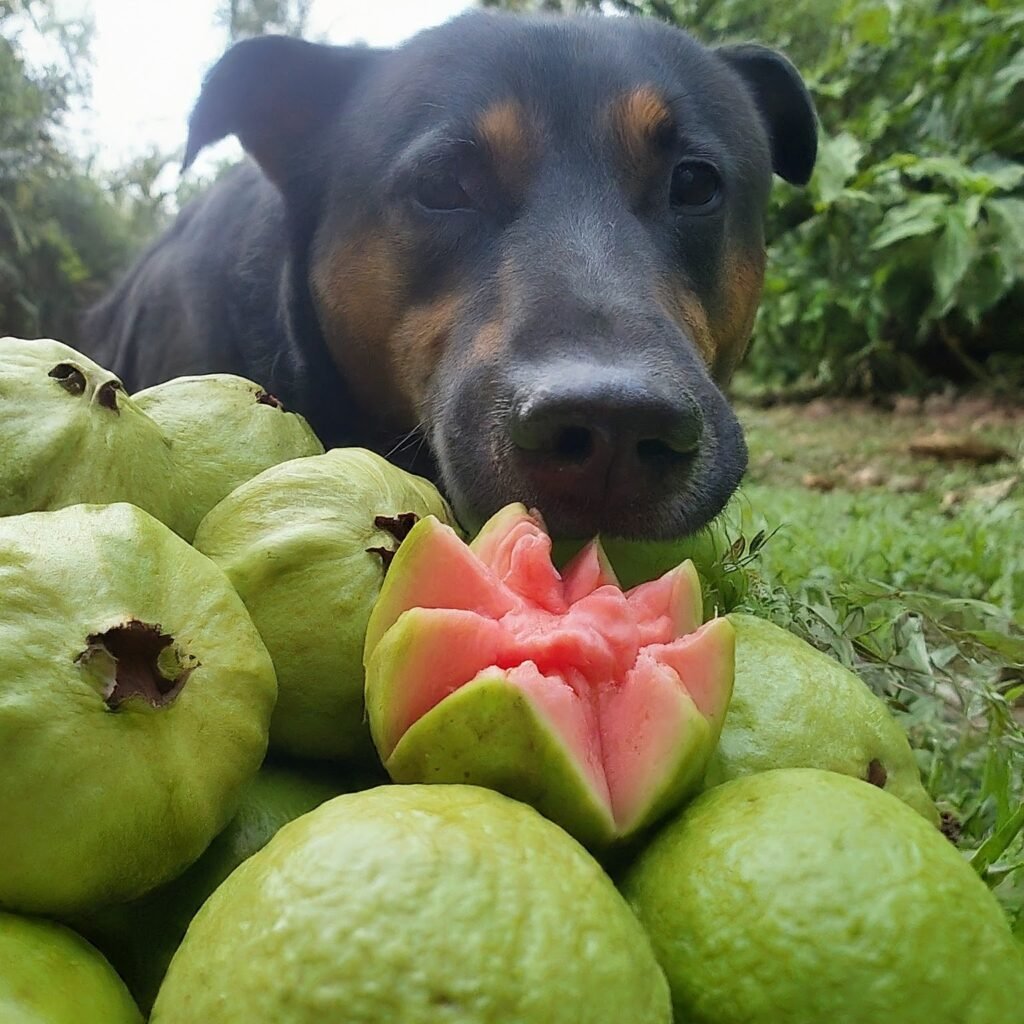
    Is Guava Toxic to Dogs?

    Is Guava Toxic to Dogs?
    Is Guava Toxic to Dogs?

    No, guava is not toxic to dogs. It is a safe fruit that can be a healthy addition to your dog’s diet when given in moderation.

    Guava is packed with vitamins A and C, fiber, and antioxidants, which can contribute to your dog’s overall health.

    However, as with any treat, it’s important to introduce guava slowly to ensure your dog doesn’t have any adverse reactions.

    Are Guavas Good for Dogs? 3 Health Benefits of Guavas

    1. Rich in Vitamins: Guava is high in vitamins A and C, which are essential for maintaining your dog’s immune system and promoting healthy skin and coat.
    2. High Fiber Content: The fiber in guava aids in digestion and can help keep your dog’s digestive system regular.
    3. Antioxidants: Guava contains antioxidants that can help reduce inflammation and support overall health.

    Considerations When Preparing Guava for Dogs

    While guava is beneficial, it’s important to prepare it correctly to ensure it’s safe for your dog.

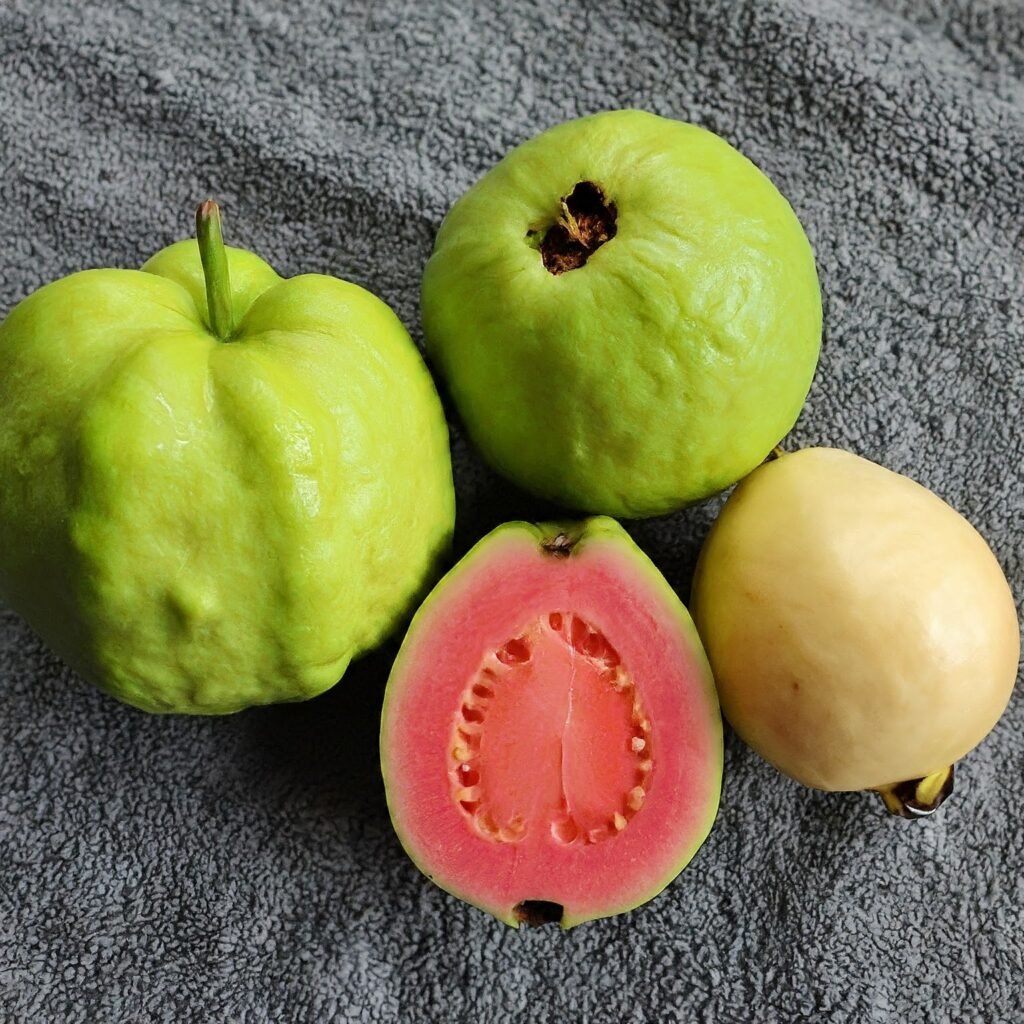
    Can Dogs Eat All Types of Guava?

    Apple Guava, Red Malaysian Guava and Tropical White Guava
    Apple Guava, Red Malaysian Guava and Tropical White Guava

    There are various types of guava, including pineapple guava, white guava, Thai guava, red guava, and apple guava. You’ll be pleased to know that dogs can safely enjoy all these types of guava in moderation, provided they are deseeded and the rinds are removed.

    Can Dogs Eat Guava Seeds?

    Yes, dogs can eat guava seeds. The seeds are small and generally harmless. However, they should be given in moderation, as consuming too many can cause digestive issues. Always observe your dog after introducing guava seeds to ensure they don’t have a negative reaction.

    क्या अमरूद कुत्तों के लिए जहरीला है?

    नहीं, अमरूद कुत्तों के लिए जहरीला नहीं होता है। वास्तव में, अमरूद एक स्वस्थ विकल्प हो सकता है अगर इसे उचित मात्रा में दिया जाए। इसमें विटामिन ए, सी और फाइबर होते हैं, जो आपके कुत्ते के स्वास्थ्य के लिए लाभदायक हो सकते हैं।

    Can Dogs Eat Guava Skin?

    Yes, dogs can eat guava skin. The skin of the guava is safe and contains additional nutrients. Make sure to wash the guava thoroughly to remove any pesticides or contaminants before offering it to your dog.

    Can Dogs Eat Guava Leaves?

    No, it’s not recommended to give guava leaves to dogs. While not toxic, guava leaves can cause digestive upset and are not suitable for canine consumption.

    Can Dogs Eat Guava Jelly?

    No, guava jelly is not recommended for dogs. It typically contains added sugars and preservatives that are unhealthy for dogs and can lead to obesity, dental problems, and other health issues.

    Can Dogs Have Guava Juice?

    No, guava juice is not advisable for dogs. Most commercial guava juices contain added sugars and other ingredients that are not suitable for dogs. Fresh guava pieces are a healthier alternative.

    Is Guava Seeds Good for Dogs?

    In small amounts, guava seeds are safe and can provide some fiber. However, overconsumption should be avoided to prevent any digestive issues.

    How to Safely Feed Guava to Dogs

    Gemini Generated Image zef22rzef22rzef2 |
    Can Dogs Eat Guava? A Comprehensive Guide for Dog Owners 11

    When feeding guava to your dog, follow these steps to ensure their safety and enjoyment:

    1. Wash Thoroughly: Clean the guava to remove any pesticides or dirt.
    2. Remove Seeds: While guava seeds are safe, removing them can help avoid any digestive issues.
    3. Cut into Small Pieces: Slice the guava into small, manageable pieces to prevent choking hazards.
    4. Monitor Your Dog: Watch for any signs of allergic reactions or digestive upset when introducing guava for the first time.

    Alternatives to Guava for Dogs

    While guava can be a tasty and nutritious treat for dogs, it’s always good to have alternative fruits that are safe and beneficial for canine consumption. Here are some options to consider:

    Other Fruits Dogs Can Eat

    • Apples: Apples are a great source of vitamins A and C, as well as fiber. Be sure to remove the seeds and core before offering slices to your dog.
    • Blueberries: Blueberries are packed with antioxidants and provide a healthy boost to your dog’s diet. They are low in calories and high in fiber.
    • Watermelon: Watermelon is a hydrating fruit that dogs often enjoy. It’s a good source of vitamins A and C and provides a refreshing treat on hot summer days. Remember to remove the seeds and rind before offering it to your dog.
    • Bananas: Bananas are high in potassium and fiber, making them a nutritious snack for dogs. They are also easy to digest and can be mashed or sliced for easier consumption.
    • Strawberries: Strawberries are rich in vitamins, fiber, and antioxidants. They can be a tasty and healthy addition to your dog’s diet, but make sure to remove the stems and leaves.

    Are Any Fruits Poisonous to Dogs?

    Yes, some fruits are indeed poisonous to dogs. Grapes and raisins are well-known for their toxicity to dogs and can cause kidney failure. Other fruits like cherries, apricots, and peaches have pits that contain cyanide, which is harmful to dogs if ingested. Always research and ensure a fruit is safe before offering it to your pet.

    Guava Leaves for Dog Diarrhea

    While guava leaves are known for their medicinal properties in some cultures, it’s not recommended to use them for treating dog diarrhea without consulting a veterinarian. Always seek professional advice before administering any home remedies to your pets.

    Before Sharing With Your Pooch

    Before introducing any new food into your dog’s diet, including guava, it’s crucial to consult with your veterinarian.

    They can provide personalized advice based on your dog’s health history and dietary needs. Guava can be a delightful and nutritious treat for your dog when given responsibly and in moderation.

    By following these guidelines, you can safely share the delicious taste of guava with your furry friend and add a healthy variety to their diet.

    Also Read : Can Dogs Eat Minted Lamb? Best Guide.

    Also Read : Why Is My Dog Licking the Floor? Insights from a Dog Expert

  • Can Dogs Eat Strawberries? Delicious Recipes, Facts & FAQs

    Can Dogs Eat Strawberries? Delicious Recipes, Facts & FAQs

    Strawberries are a delightful summer treat cherished by many, but as a dog owner, you may wonder: Can Dogs Eat Strawberries?

    With an abundance of information available, navigating through the dos and don’ts can be overwhelming.

    That’s why we’re here to provide a comprehensive guide, addressing the safety and benefits of feeding strawberries to your furry companions.

    Can Dogs Eat Strawberries? Understanding the Safety

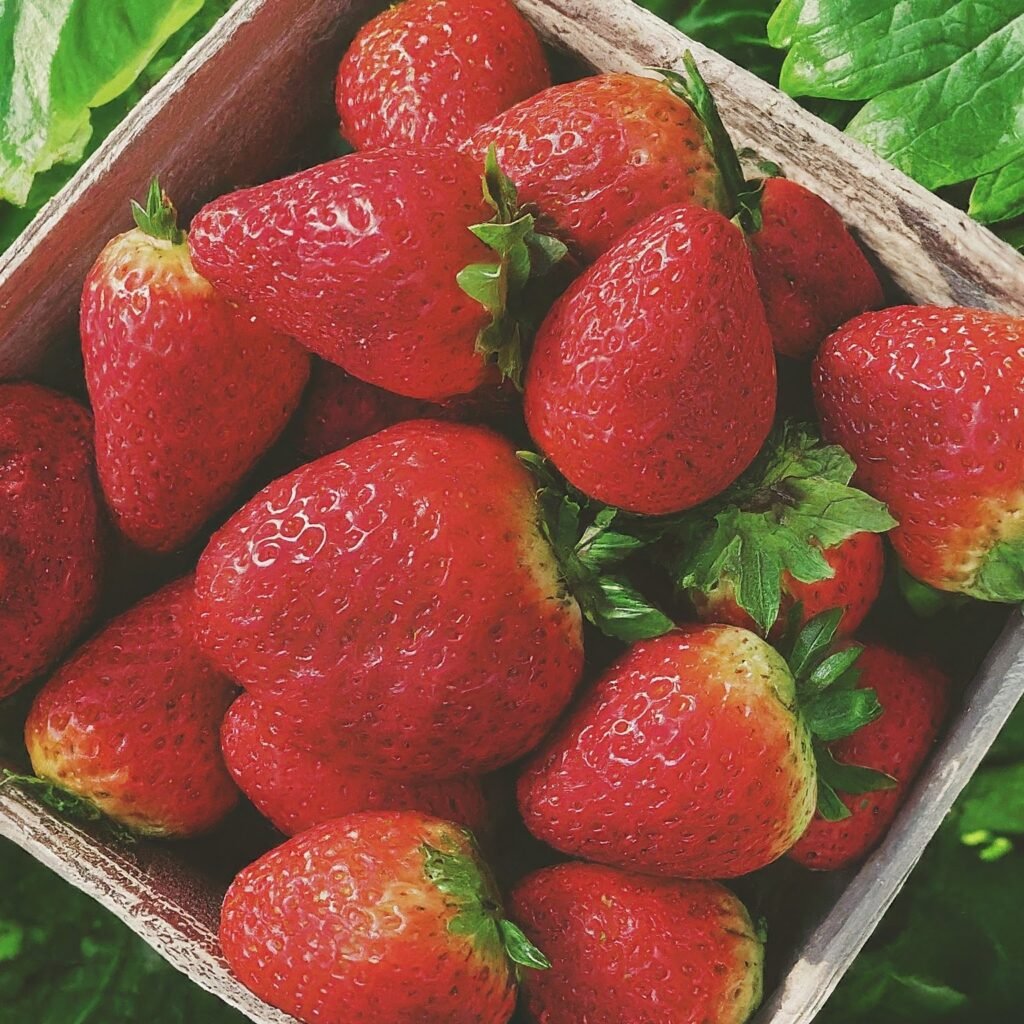
    Can Dogs Eat Strawberries |
    Can Dogs Eat Strawberries?

    Strawberries are considered non-toxic for dogs, making them a safe option for occasional treats. However, it’s crucial to address concerns regarding various forms of strawberries.

    While fresh strawberries pose no harm, canned, frozen, or dried varieties may contain additives or preservatives that could be detrimental to your dog’s health.

    As with any treat, moderation is key. While strawberries offer numerous benefits, excessive consumption can lead to digestive issues or weight gain in dogs.

    Therefore, it’s vital to offer strawberries in moderation, ensuring they remain a safe and enjoyable addition to your dog’s diet.

    Benefits of Strawberries for Dogs

    Beyond their delectable taste, strawberries pack a nutritional punch for our canine companions.

    Rich in antioxidants, vitamins, and minerals, strawberries contribute to overall health and well-being.

    Additionally, strawberries contain teeth-whitening enzymes, promoting oral hygiene and a dazzling smile in your furry friend.

    With immune-boosting properties, strawberries serve as a natural defense against illnesses, enhancing your dog’s vitality.

    However, it’s important to remember that strawberries should be viewed as an occasional treat rather than a staple in your dog’s diet.

    Moderation ensures your dog reaps the benefits of strawberries without the risk of overindulgence.

    In conclusion, understanding the safety and benefits of strawberries for dogs is essential for responsible pet ownership.

    By incorporating strawberries into your dog’s diet mindfully, you can provide them with a nutritious and enjoyable treat while safeguarding their well-being.

    Always consult with your veterinarian to ensure strawberries align with your dog’s individual dietary needs and health considerations.

    With moderation and mindfulness, you can treat your furry companion to the joys of strawberries while promoting their overall health and happiness.

    Risks Associated with Feeding Strawberries to Dogs

    Feeding strawberries to your furry friend can indeed have its risks, particularly when not done in moderation.

    One primary concern is the high sugar content found in these juicy berries. While the natural sugars in strawberries may seem harmless, they can pose significant issues for diabetic or overweight dogs.

    Excessive sugar intake can lead to spikes in blood glucose levels, exacerbating existing health conditions and potentially causing further complications.

    Additionally, the fiber content in strawberries, while beneficial in controlled amounts, can lead to digestive issues if consumed in excess.

    Some dogs may experience gastrointestinal discomfort, including diarrhea or stomach upset, when overindulging in strawberries.

    Monitoring your dog’s response to strawberries is crucial, especially when introducing them for the first time or offering them in larger quantities.

    Pay close attention to any changes in your dog’s behavior or bowel movements, and adjust their strawberry intake accordingly.

    Safely Incorporating Strawberries into Your Dog’s Diet

    To ensure your dog enjoys strawberries safely, it’s essential to follow proper preparation methods.

    Start by thoroughly washing the strawberries to remove any dirt or pesticides that may be present on the surface.

    Next, carefully remove the stems and leaves, as these parts can pose a choking hazard and may be difficult for your dog to digest.

    Once cleaned and trimmed, consider different ways to serve strawberries to cater to your dog’s preferences.

    You can slice the strawberries into small, bite-sized pieces for easy consumption, or puree them for a smoother texture.

    For a refreshing treat during the warmer months, try freezing sliced strawberries and offering them as a chilled snack.

    However, before incorporating strawberries into your dog’s diet, it’s crucial to consult with your veterinarian, especially if your dog has underlying health conditions.

    Your vet can provide personalized guidance based on your dog’s individual needs and ensure that strawberries are a suitable addition to their diet.

    By taking these precautions and introducing strawberries responsibly, you can provide your dog with a tasty and nutritious treat while prioritizing their health and well-being.

    Delicious Strawberry Dog Treat Recipes

    strawberries |
    Delicious Strawberries

    Looking to spoil your furry friend with homemade delights? We’ve got you covered with these irresistible strawberry-infused dog treat recipes:

    1. Frozen Strawberry Popsicles:
      • Ingredients: Fresh strawberries, plain yogurt
      • Method: Puree fresh strawberries and mix with plain yogurt. Pour into ice cube trays or popsicle molds and freeze until solid. Serve as a refreshing summer treat.
    2. Strawberry Banana Bites:
      • Ingredients: Fresh strawberries, ripe bananas, oat flour
      • Method: Mash ripe bananas and finely chop fresh strawberries. Mix with oat flour to form a dough. Roll into small balls and bake until golden brown. Let cool before serving.
    3. Strawberry Oatmeal Cookies:
      • Ingredients: Fresh strawberries, oats, peanut butter
      • Method: Blend fresh strawberries into a puree. Mix with oats and peanut butter to form a dough. Shape into cookies and bake until firm. Allow to cool before treating your pup.
    4. Strawberry Coconut Bark:
      • Ingredients: Fresh strawberries, shredded coconut, coconut oil
      • Method: Melt coconut oil and mix with shredded coconut. Spread onto a baking sheet and top with sliced strawberries. Freeze until solid, then break into pieces for a delicious snack.

    These homemade treats are sure to delight your dog’s taste buds while providing the nutritional benefits of fresh strawberries. Get creative in the kitchen and tailor these recipes to suit your dog’s preferences and dietary needs.

    Exploring Alternatives: Other Fruits for Dogs

    While strawberries are a fantastic treat option for dogs, there’s a world of fruit varieties to explore. Consider incorporating these dog-friendly fruits into your furry friend’s diet:

    1. Blueberries: Packed with antioxidants and low in calories, blueberries make a tasty and nutritious snack for dogs. They can be served fresh or frozen for a refreshing treat.
    2. Apples: Rich in vitamins and fiber, apples are a crunchy and satisfying snack for dogs. Just be sure to remove the seeds and core before offering them to your pup.
    3. Watermelon: With its high water content, watermelon is a hydrating and refreshing option for dogs, particularly on hot days. Remove the seeds and rind, then cut into bite-sized pieces for easy consumption.
    4. Bananas: Full of potassium and vitamins, bananas are a naturally sweet treat that dogs love. Mash them up and serve as a standalone snack or mix into homemade treats for added flavor.
    5. Pineapple: Packed with vitamins and enzymes, pineapple offers numerous health benefits for dogs. Serve fresh or frozen for a tropical twist on snack time.

    By incorporating a variety of fruits into your dog’s diet, you can provide them with a diverse range of nutrients and flavors while keeping their taste buds satisfied. Just be sure to introduce new fruits gradually and monitor your dog’s response for any signs of sensitivity or allergies.

    FAQs About Dogs and Strawberries

    Curious about feeding strawberries to your furry companion? Here are some frequently asked questions, answered:

    Are strawberries safe for dogs to eat?

    Yes, strawberries are generally safe for dogs to eat. They are non-toxic and offer various health benefits when consumed in moderation.

    Can dogs eat strawberry leaves?

    While strawberry leaves are not toxic to dogs, consuming them in large quantities may cause an upset stomach. It’s best to remove the leaves before offering strawberries to your dog.

    Can dogs eat canned strawberries?

    Canned strawberries often contain added sugars and preservatives, making them less suitable for dogs. It’s best to opt for fresh or frozen strawberries without any added ingredients.

    What should I do if my dog eats too many strawberries?

    If your dog consumes too many strawberries, monitor them for any signs of digestive upset, such as diarrhea or vomiting. Offer plenty of water and consult your veterinarian if symptoms persist or worsen.

    Can dogs eat strawberry tops?

    While strawberry tops are not toxic, they may pose a choking hazard and are difficult for dogs to digest. It’s recommended to remove the tops before offering strawberries to your dog.

    Can Dogs Eat Strawberry Uncrustables?

    While plain strawberries are safe, it’s best to avoid processed foods like Uncrustables, which may contain added sugars and preservatives.

    Are Strawberries Dangerous to Dogs?

    Strawberries are not inherently dangerous to dogs, but overfeeding can lead to digestive issues.

    Can Dogs Have Frozen Strawberries?

    Frozen strawberries can be a refreshing treat for dogs, but be mindful of portion sizes and potential choking hazards.

    Can Dogs Eat Dried Strawberries?

    Dried strawberries may contain added sugars and sulfites, which can be harmful to dogs. It’s best to stick to fresh or frozen strawberries.

    Can Dogs Eat Dehumidifier Strawberries?

    Dehumidifier strawberries are not safe for dogs, as they may contain harmful chemicals or mold from the dehumidification process.

    Conclusion:

    In conclusion, strawberries can be a tasty and nutritious treat for your canine companion when offered responsibly.

    By understanding the safety, benefits, and potential risks associated with feeding strawberries to dogs, you can make informed decisions about incorporating them into your dog’s diet.

    Remember to practice moderation and monitor your dog’s response when introducing new foods, including strawberries.

    Additionally, exploring a variety of nutritious treats and foods can provide your dog with a well-rounded diet and keep their taste buds satisfied.

    As always, consulting a veterinarian is essential for personalized advice and guidance tailored to your individual dog’s needs.

    Your vet can help you navigate any dietary concerns or health considerations, ensuring that your furry friend stays happy, healthy, and well-fed.

    Also Read : Can Dogs Eat Minted Lamb? Best Guide.

    Also Read : Why Is My Dog Licking the Floor? Insights from a Dog Expert