Category: Dog Nutrition

  • Can Dogs Eat Babybel Cheese? Discover the Safety & Benefits

    Can Dogs Eat Babybel Cheese? Discover the Safety & Benefits

    Welcome to the world of canine culinary curiosity! In this article, we’ll explore the intriguing question: Can dogs eat Babybel cheese?

    Many pet owners love sharing their favorite snacks with their furry friends, but it’s important to consider the impact of our food choices on our dogs’ health.

    Just like humans, dogs thrive on a balanced diet that provides the essential nutrients they need to stay healthy and energetic.

    A well-rounded diet promotes strong immune systems, supports growth and development, and ensures overall well-being for our four-legged companions.

    Our goal is to provide you with comprehensive information about the safety and suitability of Babybel cheese for dogs.

    We’ll explore the potential benefits and risks and help you make an informed decision about whether or not to share this cheesy delight with your canine friend.

    So, let’s dive into the fascinating world of dogs and Babybel cheese!

    Understanding Babybel Cheese
    Understanding Babybel Cheese 1 |
    Understanding Babybel Cheese

    Babybel cheese is a beloved snack enjoyed by many humans. It’s a small, round cheese encased in a distinctive red wax coating, making it delicious and visually appealing.

    The creamy texture and rich flavor have made it a popular choice for cheese enthusiasts.

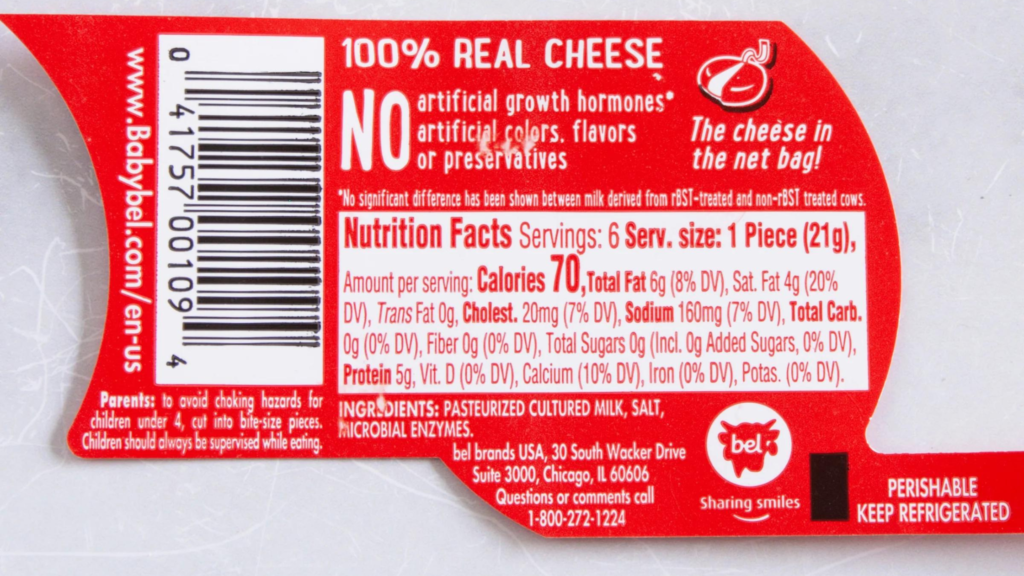
    Regarding the ingredients and nutritional content of Babybel cheese, it’s important to note that it primarily consists of pasteurized cow’s milk, cheese cultures, salt, and enzymes.

    It is a good source of calcium and protein, essential for dogs’ bone health and muscle development.

    Babybel cheese comes in various flavors and variations to suit different palates. From classic original to flavors like Gouda, Light, and Cheddar, there’s something to please every cheese lover.

    However, assessing the specific ingredients and flavorings in each variety is crucial before offering it to your dog, as some may contain additives or seasonings that could harm their health.

    Remember, moderation is key when introducing new food to your dog’s diet. Let’s explore further to determine if Babybel cheese is a safe and suitable treat for our furry friends.

    Can Dogs Eat Babybel Cheese?

    Can Dogs Eat Babybel Cheese?
    Can Dogs Eat Babybel Cheese?

    The burning question: Can our furry friends indulge in the deliciousness of Babybel cheese? YES, Dogs can Eat Babybel Cheese but in moderation.

    While dogs can enjoy various foods, it’s important to consider their specific dietary needs and potential risks. So, let’s find out if Babybel cheese is a safe treat for our four-legged companions.

    Babybel cheese does offer some nutritional benefits for dogs. It contains protein, which is essential for muscle development and overall growth.

    Additionally, it provides calcium, promoting strong bones and teeth. However, it’s crucial to remember that these nutrients can also be obtained from other dog-friendly sources.

    As much as we love spoiling our pups, we must be aware of potential concerns and risks associated with feeding Babybel cheese to dogs.

    One concern is the high-fat content of cheese, which may lead to weight gain and digestive issues if consumed excessively.

    Moreover, some dogs may be lactose intolerant, making dairy products like cheese challenging to digest.

    While Babybel cheese can be given as an occasional treat in small amounts, it’s essential to consider your dog’s individual needs, health conditions, and any dietary restrictions they may have.

    Now that we’ve explored the safety aspects let’s move on to some practical guidelines to ensure a healthy and happy snacking experience for our canine companions.

    Moderation and Portion Control

    When treating our dogs with Babybel cheese, moderation is key.

    While sharing our favorite snack with our furry companions can be tempting, it’s important to remember that cheese should be given in limited quantities.

    Too much of a good thing can lead to unwanted consequences.

    To ensure your dog receives the right amount of cheese, consider their size, age, and overall nutritional needs.

    As a general guideline, smaller dogs should be given smaller portions, while larger breeds can handle slightly larger amounts.

    Treats like Babybel cheese should only make up a small portion of their overall diet.

    It’s crucial to view Babybel cheese as an occasional indulgence rather than a regular dietary staple for your dog.

    Incorporating various nutritious foods specifically formulated for dogs is the best way to ensure a well-balanced diet. This will give them the nutrients necessary to thrive and maintain optimal health.

    By practicing moderation and portion control, you can treat your dog to a small taste of Babybel cheese without compromising their well-being. Remember, a little goes a long way regarding canine treats.

    Now that we’ve covered the importance of moderation and portion control let’s explore some creative ways to incorporate Babybel cheese into your dog’s diet while keeping their overall health in mind.

    Alternatives to Babybel Cheese for dogs

    While dogs in moderation can enjoy Babybel cheese, healthier alternatives can provide similar nutritional benefits without the potential drawbacks.

    Here are some dog-friendly alternatives to consider:

    1. Cottage Cheese: Cottage cheese is a great option for dogs as it is low in lactose and protein. It can be served as a standalone snack or mixed with their regular food to boost nutrients.

    2. Plain Greek Yogurt: Plain Greek yogurt is another excellent alternative. It is rich in protein and probiotics, supporting a healthy dog’s digestive system. Ensure that the yogurt does not contain any added sugars or artificial sweeteners.

    3. Lean Meats: Lean meats like chicken, turkey, or beef can be a nutritious alternative to cheese. Cooked and diced into small pieces, these meats can be used as training treats or added to homemade dog meals.

    Alongside these alternatives, there are numerous dog-friendly snacks available in the market that offer similar nutritional benefits.

    Look for treats specifically formulated for dogs, made with high-quality ingredients, and free from additives or fillers. Some examples include:

    1. Dental Chews: Dental chews provide a tasty treat for dogs and help promote good oral health by reducing plaque and tartar buildup.

    2. Freeze-Dried Meats: Freeze-dried meat treats are often made from single-source protein and are a convenient and healthy dog option. They retain much of their nutritional value and are free from preservatives.

    3. Fruit and Vegetable Treats: Many fruits and vegetables are safe and enjoyable for dogs. Apples, carrots, and blueberries are popular choices that offer vitamins, minerals, and antioxidants.

    Always introduce new treats gradually and monitor your dog’s reaction to ensure they are well-tolerated and don’t cause digestive issues.

    By exploring these alternatives, you can provide your dog with various tasty and nutritious snacks that cater to their dietary needs while keeping them cool, comfortable, and content during hot weather.

    Also Read : Wells Syndrome in Dogs: Comprehensive Treatment & Care Guide

    Consulting with a Veterinarian

    While Babybel cheese can be safe for dogs in moderation, it is essential to consult a veterinarian before introducing any new food into your dog’s diet.

    Your veterinarian knows your dog’s health needs and can provide personalized advice.

    Suppose your dog has dietary restrictions, food allergies, or any underlying health conditions. In that case, it is especially crucial to seek professional guidance.

    A veterinarian can assess the suitability of Babybel cheese for your dog’s specific circumstances and offer alternative recommendations if necessary.

    Remember that each dog is unique, and what works for one may not work for another. Your veterinarian can provide valuable insights into your dog’s nutritional requirements and help you make informed decisions about their diet.

    Additionally, veterinarians have access to the latest research. They can stay up to date with any emerging information regarding the safety of certain dog foods.

    By consulting with a veterinarian, you can ensure that you are making choices that prioritize your dog’s well-being.

    Your veterinarian can also guide portion sizes, frequency of treats, and overall dietary balance.

    To create a tailored feeding plan, they will consider your dog’s age, weight, activity level, and pre-existing health conditions.

    Remember, the health and happiness of your dog should always be the top priority.

    By consulting with a veterinarian, you can make informed decisions about your dog’s diet and ensure their nutritional needs are met while keeping them safe and healthy.

    In conclusion, while Babybel cheese can be given to dogs in moderation, it is crucial to consult a veterinarian before incorporating it into their diet.

    Your veterinarian will provide expert advice tailored to your dog’s needs and help you make the best choices to promote optimal health and well-being.

    Also Read : Why Is My Dog’s Poop Cold? 3 Factors that you should know.

    Conclusion

    Throughout this article, we have explored the topic of feeding Babybel cheese to dogs.

    We’ve discussed the safety considerations, potential benefits, and concerns of offering this popular snack to our furry friends.

    Regarding our dogs’ diets, it’s crucial to make informed decisions.

    While Babybel cheese can be given to dogs in moderation, it’s important to understand their nutritional needs and consult a veterinarian for personalized recommendations.

    Remember, a balanced diet plays a vital role in promoting our dogs’ overall health and well-being.

    While Babybel cheese may offer some benefits, it should be given as an occasional treat, not as a substitute for a nutritious canine diet.

    Prioritizing our dogs’ health means taking the time to consult with a veterinarian.

    They can provide valuable insights into our dogs’ specific dietary requirements, offer necessary alternatives, and guide us in making the best choices for their needs.

    By partnering with a veterinarian, we can ensure our dogs receive the optimal nutrition they deserve.

    Together, we can provide them with a well-balanced and satisfying diet that keeps them healthy, happy, and thriving.

    Remember, your dog’s health and well-being are in your hands.

    Take the necessary steps to make informed decisions about their diet, and always consult a veterinarian to ensure you’re providing them with the best care possible.

    In conclusion, while Babybel cheese can be given to dogs in moderation, it’s important to approach their diet carefully and seek professional advice.

    By prioritizing their health and well-being, we can provide a diet that keeps them happy, nourished, and thriving.


  • Can Dogs Eat Fortune Cookies? Are they Safe for Dogs?

    Can Dogs Eat Fortune Cookies? Are they Safe for Dogs?

    Can Dogs Eat Fortune Cookies? – Welcome to the intriguing world of dogs and fortune cookies!

    Many pet owners, with their furry friends by their side, often wonder if fortune cookies are a safe indulgence for their canine companions.

    After all, sharing food is a bonding experience, and who wouldn’t want to share the excitement of cracking open a fortune cookie with their four-legged friend?

    But before diving into this culinary puzzle, it’s crucial to recognize the significance of being well-informed about what foods are safe for our beloved dogs.

    Our furry companions rely on us to make responsible choices regarding their diet, ensuring their health and happiness remain paramount.

    While fortune cookies may pique the curiosity of both humans and canines alike, the question remains: Can dogs safely consume fortune cookies?

    Let’s journey to discover the answer while unraveling the mysteries behind these delectable treats.

    Join us as we delve into the depths of fortune cookies, exploring their ingredients, potential risks, and safer alternatives.

    By the end of this article, you’ll be equipped with the knowledge to make informed decisions about sharing treats with your canine companion, ensuring their well-being remains the top priority.

    So, fasten your seatbelts, grab a cup of tea, and explore the fascinating world of fortune cookies and how they relate to our furry friends.

    Remember, a little knowledge can go a long way in keeping our loyal companions healthy, happy, and wagging their tails in delight!

    Can Dogs Eat Fortune Cookies?

    Can Dogs Eat Fortune Cookies
    Can Dogs Eat Fortune Cookies? Are they Safe for Dogs?

    Are you curious whether fortune cookies can be a safe indulgence for your canine companion?

    Let’s dig deeper into the safety aspect of fortune cookies and find out if they are a treat to be shared or best kept as a human delight.

    When it comes to our furry friends, it’s essential to prioritize their well-being above all else.

    While fortune cookies may seem harmless at first glance, there are potential risks and concerns associated with feeding them to dogs.

    These delectable treats, adorned with intriguing messages tucked inside, can be tempting for humans and their canine pals.

    However, it’s essential to exercise caution and consider the following factors before sharing these cookies with your furry friend.

    One primary concern lies in the ingredients commonly found in fortune cookies. While the outer shell is typically made of flour, sugar, and eggs, the precise composition may vary between brands and recipes.

    Some fortune cookies may contain additives, artificial flavors, or even potentially harmful substances for dogs.

    It’s crucial to carefully examine the ingredient list and ensure no harmful additives or allergens are present.

    Furthermore, the high sugar content of fortune cookies can be a cause for concern.

    Dogs have different dietary needs than humans, and excessive sugar intake can lead to weight gain and dental issues and even contribute to diabetes in some cases.

    Additionally, fortune cookies often contain elevated levels of sodium, which can negatively impact a dog’s health, particularly if they have pre-existing conditions such as heart or kidney problems.

    Digestive issues can also arise from feeding fortune cookies to dogs.

    The combination of unfamiliar ingredients, high sugar content, and potential additives may not sit well with their sensitive digestive systems.

    This can result in stomach upset, diarrhea, or other discomforting symptoms.

    While fortune cookies may seem harmless on the surface, it’s crucial to prioritize your dog’s health and well-being.

    Instead of taking unnecessary risks, it’s wise to explore alternative treatment options specifically designed to meet their nutritional needs and formulated with dog-friendly ingredients.

    So, while fortune cookies may be a delightful treat for humans, it’s best to resist the temptation to share them with your furry companion.

    Instead, let’s turn our attention to finding dog-friendly treats that satisfy their taste buds and contribute to their overall health and vitality.

    Join us as we delve into the world of safe pet snacks and explore alternative treat options that cater to your dog’s nutritional needs.

    By making informed choices, you can ensure that your beloved furry friend receives the best care possible while indulging in treats designed with their well-being in mind.

    Also Read: Can You Board a Dog in Heat? A Comprehensive Guide 2023

    The Risks of Feeding Fortune Cookies to Dogs

    While fortune cookies may hold the allure of a delicious treat, it’s essential to be aware of their potential risks to our furry friends.

    Feeding fortune cookies to dogs can lead to various health concerns, ranging from minor digestive upset to more severe issues.

    Let’s explore these risks and ensure the well-being of our beloved canine companions.

    1. Digestive Upset

    Fortune cookies are not part of a dog’s natural diet, and their digestive systems may struggle to process certain ingredients found in these treats.

    The combination of flour, sugar, and oil can be heavy on a dog’s stomach, leading to digestive discomfort, including vomiting, diarrhea, or an upset tummy.

    2. Weight Gain

    Fortune cookies tend to be high in sugar and calories, which can contribute to weight gain in dogs.

    Just like humans, excessive consumption of sugary treats can lead to obesity, which can harm your dog’s overall health and well-being.

    3. Allergic Reactions

    Some fortune cookies contain artificial flavorings, such as almond or vanilla extracts.

    Dogs can be sensitive or allergic to certain flavorings, and consuming these cookies may trigger allergic reactions.

    Symptoms can vary from mild itching and skin irritations to more severe allergic responses, including swelling or difficulty breathing.

    4. Chocolate Toxicity

    It’s crucial to note that certain fortune cookies may contain chocolate, either in the form of chips or coatings.

    Chocolate is highly toxic to dogs and can lead to symptoms such as increased heart rate, tremors, seizures, and even life-threatening complications.

    Always double-check the ingredients and ensure that fortune cookies do not contain any chocolate before offering them to your furry friend.

    To keep your dog safe and healthy, avoiding feeding fortune cookies altogether is best. Instead, consider exploring alternative treats that are specifically formulated for dogs.

    Many pet stores offer a wide range of dog-friendly biscuits, cookies, or homemade treats made with ingredients safe for canine consumption.

    Remember, as a responsible pet owner, it’s essential to prioritize your dog’s health and well-being.

    By being mindful of the potential risks associated with fortune cookies and opting for safer alternatives, you can ensure your four-legged friend remains in tip-top shape and enjoy treats without any adverse effects.

    Signs of an Adverse Reaction

    While fortune cookies may hold a sense of intrigue and delight, keeping a watchful eye on our furry friends after they indulge in any unfamiliar treats is crucial.

    Dogs, like humans, can experience adverse reactions to certain foods, including fortune cookies.

    Let’s uncover the signs that may indicate your dog has an adverse reaction and explore the necessary steps to ensure their well-being.

    1. Gastrointestinal Distress

    One of the dogs’ most common signs of an adverse reaction is gastrointestinal upset.

    If your dog experiences vomiting or diarrhea shortly after consuming fortune cookies, it could indicate that its digestive system is struggling to process the ingredients.

    Keep an eye out for changes in the frequency or consistency of their bowel movements.

    2. Lethargy and Weakness

    Suppose your ordinarily energetic and lively dog suddenly becomes lethargic or weak after consuming fortune cookies. In that case, it may be a cause for concern.

    Excessive sugar or certain ingredients can lead to fluctuations in blood sugar levels, resulting in a temporary energy crash.

    Observe your dog’s behavior and note any unusual fatigue or lack of enthusiasm.

    3. Changes in Behavior

    Dogs may exhibit changes in behavior when they are experiencing discomfort or adverse reactions. Look for signs such as restlessness, agitation, excessive panting, pacing, or reluctance to move.

    These behavioral changes can indicate that something is wrong and should not be ignored.

    Suppose you notice any of these signs or suspect that your dog is having an adverse reaction to fortune cookies. In that case, it is crucial to seek immediate veterinary attention.

    Your veterinarian is the best resource for assessing your dog’s condition and providing appropriate guidance.

    Be prepared to provide details about the ingredients in the fortune cookies and the timing and severity of the observed symptoms.

    Remember, our dogs rely on us to be their advocates and protectors of their well-being. If you suspect any adverse reactions, it’s always better to err on the side of caution and consult a professional.

    Swift veterinary attention can help prevent potential complications and ensure your furry friend receives the necessary care.

    By staying vigilant and attuned to changes in your dog’s behavior or physical condition, you can provide them with the necessary care and attention, ensuring their happiness and health remain at the forefront of your pet-parenting journey.

    Alternatives to Fortune Cookies for dogs

    While fortune cookies may not be the best choice for our furry friends, fear not! Plenty of tasty alternatives will have your dog’s tail wagging with excitement. Let’s explore healthier, dog-friendly options that will satisfy their taste buds and keep them safe and happy.

    1. Homemade Treats

    Creating homemade treats gives you complete control over the ingredients and ensures they are safe for your dog.

    Countless recipes are available online for dog-friendly biscuits, cookies, and even pupcakes! Experiment with wholesome ingredients like pumpkin, sweet potato, peanut butter, and oats to whip up a batch of delicious and nutritious treats tailored specifically for your canine companion.

    2. Store-Bought Dog Treats

    Pet stores offer a wide array of treats specifically formulated for dogs. These treats often undergo rigorous quality control and use safe and beneficial ingredients for canine consumption.

    Look for treats made with high-quality proteins, such as chicken or salmon, and natural ingredients. Opt for treats free from artificial flavors, colors, and preservatives.

    Remember that different dogs have different dietary needs, so choose treats that align with your dog’s age, size, and any specific dietary restrictions they may have.

    3. Natural Chews

    For dogs who love to chew, natural chews can be a fantastic alternative to fortune cookies.

    Rawhide-free options like bully sticks, antlers, or dental chews made from natural ingredients can provide a satisfying and healthy outlet for your dog’s chewing instincts.

    These chews promote dental health and provide entertainment while being free from the risks associated with fortune cookies.

    When choosing treats for your dog, always check the ingredient labels carefully.

    Avoid treats that contain excessive sugar, artificial additives, or ingredients that are toxic to dogs, such as chocolate, onions, or xylitol.

    Consulting with your veterinarian is also a great idea, as they can offer guidance based on your dog’s specific needs and health conditions.

    Treats should be given in moderation and as part of a balanced diet. They should not replace regular meals or contribute to excessive calorie intake.

    Treat time can be an opportunity for training, bonding, or rewarding good behavior. Still, it’s essential to maintain a healthy balance.

    By exploring homemade options, selecting high-quality store-bought treats, and considering natural chews, you can provide your dog with delicious and safe alternatives.

    Tailor your choices to suit your furry friend’s preferences and dietary requirements, ensuring their snack time is filled with joy and wellness.

    Safety Tips for Treating Your Dog

    Regarding treating our beloved canine companions, safety should always be the top priority.

    While sharing snacks and treats with our dogs is a joyful experience, following some guidelines is essential to ensure their well-being.

    Let’s explore some safety tips to remember when treating your dog and ensure their snack time remains delightful and healthy.

    1. Moderation is Key

    Treats should be given in moderation (not more than 10% of daily diet) to maintain a balanced diet for your dog.

    While treats can be a valuable tool for training, rewards, or simply showing love, overindulgence can lead to weight gain, digestive issues, and an imbalance in nutritional intake.

    Keep treat portions small, and be mindful of the overall calorie intake from treats about your dog’s daily dietary needs.

    2. Portion Control

    Just like humans, portion control is essential for our furry friends. Treats should be appropriately sized to avoid overfeeding.

    Consider the size of your dog and adjust treat portions accordingly. Smaller breeds may require smaller treats, while larger breeds can handle slightly larger portions.

    Remember, it’s the gesture of giving a treat that matters most to your dog, not the quantity.

    3. Consider Age, Health Conditions, and Dietary Requirements

    Dogs have varying nutritional needs at different stages of life.

    Puppies have different dietary requirements than adult dogs and senior dogs may have specific health conditions that require special diets.

    Consider your dog’s age and any health conditions they may have, and consult with your veterinarian to ensure the treats you offer are suitable and safe for their specific needs.

    4. Allergies and Food Sensitivities

    Just like humans, dogs can have allergies or food sensitivities.

    When introducing new treats, pay attention to any adverse reactions or signs of discomfort, such as itching, gastrointestinal upset, or changes in behavior.

    If you suspect an allergy or sensitivity, consult your veterinarian for guidance and consider specialized hypoallergenic treats.

    5. Variety and Novelty

    Dogs, like us, appreciate variety in their diet. While it’s essential to maintain consistency in their main meals, incorporating different treats can provide mental stimulation and prevent boredom.

    However, avoid sudden changes or introducing too many new treats at once, as it can lead to digestive upset. Gradually introduce new treats and observe your dog’s response.

    6. Safe and Supervised Snacking

    Always offer treats in a safe and supervised environment. Avoid leaving treats out for extended periods, as they can spoil or attract pests.

    Watch your dog while they enjoy their treat to ensure they’re not at risk of choking or experiencing any difficulties.

    Also, create a calm and controlled environment during treat time to prevent resource guarding or food aggression.

    By following these safety tips, you can ensure that treating your dog becomes a positive experience that contributes to their overall well-being.

    Treats should enhance their enjoyment of life while supporting their health and happiness.

    Remember, a well-balanced and thoughtful approach to treating your dog will foster a strong bond and create many wagging tails of appreciation.

    Also Read: Thick Red Veins in Dogs’ Eye: What to Do? – Best Guide

    Conclusion

    In conclusion, whether dogs can safely consume fortune cookies leads us on a journey of discovery.

    We’ve explored the ingredients, risks, and alternatives, shedding light on making informed choices regarding our furry friends’ diets and treats.

    With their alluring messages and delectable crunch, Fortune cookies may tempt us to share them with our dogs.

    However, we must exercise caution and prioritize their well-being above all else.

    The potential risks associated with fortune cookies, such as digestive upset, weight gain, allergic reactions, and the toxicity of chocolate, highlight the need for vigilance.

    But fret not! A world of healthier alternatives is waiting to delight our dogs’ taste buds.

    From homemade treats crafted with love and wholesome ingredients to store-bought options formulated specifically for dogs, we have the power to offer our furry friends delicious and safe treats that will keep them happy and healthy.

    Throughout this journey, we’ve learned that moderation, portion control, and considering factors like age, health conditions, and dietary requirements are crucial.

    It’s essential to be mindful of allergies and sensitivities and consult with a veterinarian when introducing new treats into our dogs’ diets.

    Ultimately, being a responsible pet owner means putting our dogs’ well-being first. By making informed choices about their diet and treats, we can preserve their health, happiness, and longevity.

    Our furry companions rely on us to make the best decisions on their behalf, and by doing so, we strengthen the bond we share with them.

    So, remember the insights gained from this exploration the next time you reach for a fortune cookie.

    Choose treats that are safe, nourishing, and tailored to your dog’s needs. Celebrate the joy of treating your furry friend, knowing you’ve consciously prioritized their well-being.

    Let’s continue to delight in the companionship and love our dogs bring into our lives, showering them with treats that reflect our dedication to their health and happiness.

  • Fish Flakes for Dogs: Best Guide .

    Fish Flakes for Dogs: Best Guide .

    Fish Flakes for Dogs: Are you considering adding fish flakes to your dog’s diet? Fish flakes, traditionally used as a food source for Fish, have gained popularity as a dietary supplement for dogs.

    These flakes are packed with essential nutrients and potential health benefits for our furry friends.

    In this article, we’ll explore the world of fish flakes for dogs, delving into their advantages, safety considerations, and how to incorporate fish flakes into your dog’s diet.

    By the end, you’ll better understand whether fish flakes are a suitable addition to your dog’s nutritional regimen.

    So, let’s dive in and uncover the secrets of fish flakes for dogs!

    What are Fish Flakes?

    What are Fish Flakes?
    What are Fish Flakes?

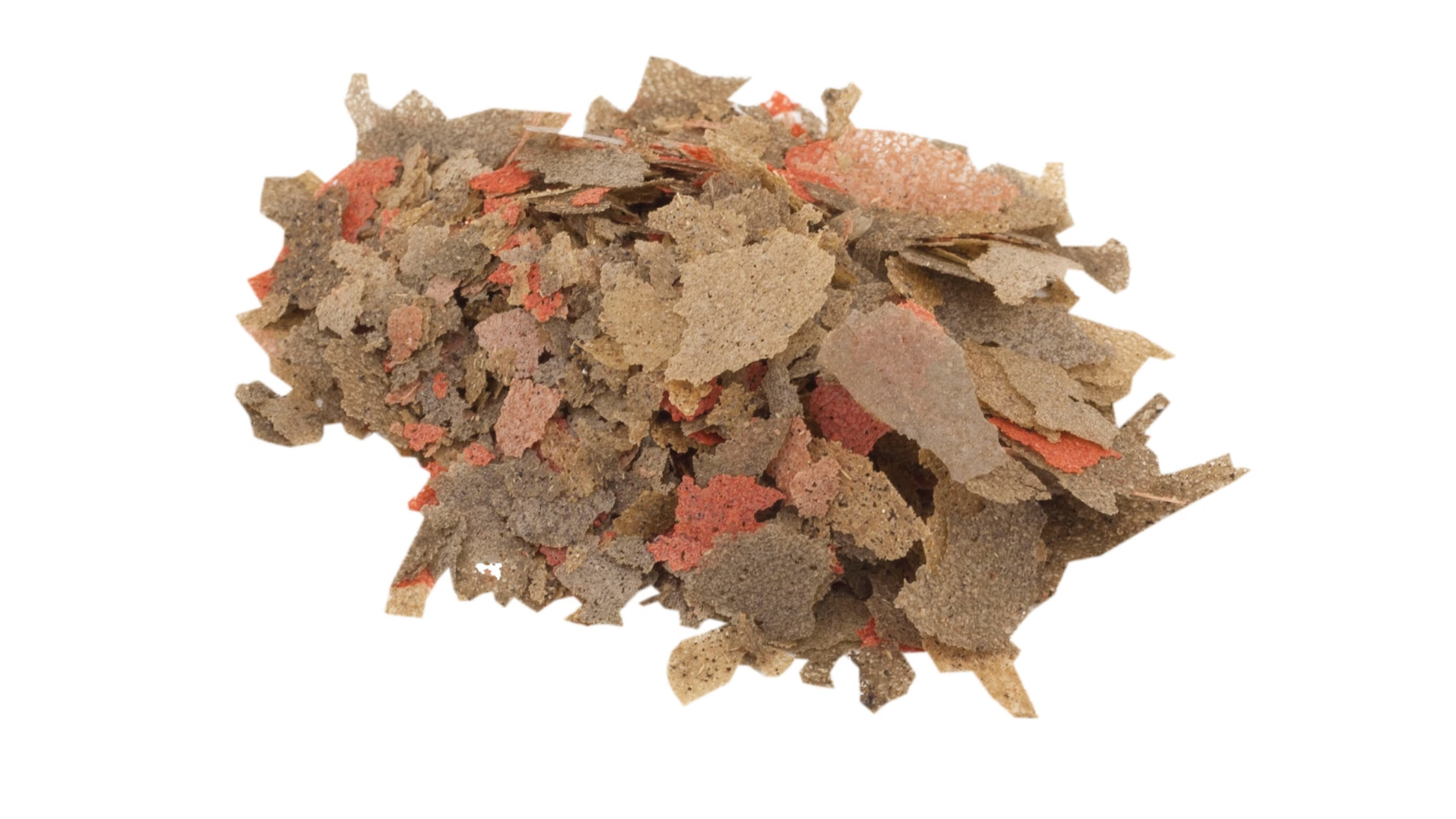
    Fish flakes are a food commonly used in the aquarium industry as a dietary staple for Fish.

    These flakes are made from various types of Fish, including salmon, tuna, or whitefish, which are carefully processed and dried to create thin, lightweight flakes.

    While fish flakes are primarily designed for fish consumption, many pet owners have started exploring their potential benefits for dogs.

    Fish flakes are rich in essential nutrients, including omega-3 fatty acids, protein, vitamins, and minerals.

    These nutrients are crucial for maintaining a dog’s overall health and well-being.

    When properly incorporated into a dog’s diet, fish flakes can boost nutritional goodness that supports their immune system, promotes healthy skin and coat, and contributes to optimal growth and development.

    However, it’s important to note that not all fish flakes are suitable for dogs. Some commercially available fish flakes may contain additives or preservatives that can harm dogs.

    Therefore, selecting fish flakes specifically formulated for canine consumption is crucial or consulting with a veterinarian to ensure you choose the right product for your furry friend.

    In the following sections, we’ll delve deeper into the safety considerations, health benefits, and proper usage of fish flakes for dogs, helping you make an informed decision about incorporating this supplement into your dog’s diet.

    Health Benefits of Fish Flakes for Dogs

    Health Benefits of Fish Flakes for Dogs
    Health Benefits of Fish Flakes for Dogs

    Fish flakes offer a wide range of health benefits for dogs, thanks to their nutrient-rich composition. Here are some of the key advantages of incorporating fish flakes into your dog’s diet:

    1. High Protein Content

    Fish flakes are an excellent source of high-quality protein essential for muscle development, repair, and overall growth.

    Protein is particularly important for active dogs or those recovering from illness or injury.

    2. Essential Fatty Acids

    Fish flakes are rich in omega-3 fatty acids, including EPA (eicosapentaenoic acid) and DHA (docosahexaenoic acid).

    These fatty acids promote healthy skin and coat, reduce inflammation, support brain function, and boost cardiovascular health.

    3. Vitamins and Minerals

    Fish flakes contain various vitamins and minerals contributing to a dog’s well-being.

    These include vitamin D, B12, selenium, iodine, and magnesium, which are vital for maintaining healthy bones, teeth, and immune function.

    4. Healthy Coat

    The omega-3 fatty acids in fish flakes help nourish the skin and coat, promoting a glossy, lustrous appearance.

    They can alleviate dryness, itchiness, and irritation, making fish flakes a great option for dogs with skin conditions or allergies.

    5. Joint Health

    The anti-inflammatory properties of omega-3 fatty acids in fish flakes can benefit dogs with joint issues, such as arthritis.

    These fatty acids help reduce joint inflammation, alleviate pain, and improve mobility.

    6. Boosted Immune System

    The nutrients in fish flakes, including vitamins and antioxidants, support a strong immune system in dogs.

    A robust immune system helps protect against infections, diseases, and other health challenges.

    It’s important to note that while fish flakes offer many health benefits, they should be used to supplement a balanced and complete diet.

    Always consult your veterinarian before introducing fish flakes or any new dietary changes to ensure they are appropriate for your dog’s needs.

    In the next sections, we’ll explore the proper usage and considerations when incorporating fish flakes into your dog’s diet, helping you provide the best nutrition for your furry friend.

    Also Read: Can Dogs Eat Yellow Rice? Unveiling the Truth & Benefits

    Safety Considerations for feeding fish flakes to dogs

    While fish flakes can offer numerous health benefits for dogs, it’s crucial to consider certain safety aspects before incorporating them into your furry friend’s diet. Here are some key points to keep in mind:

    1. Allergies and Sensitivities

    Like humans, dogs can have allergies or sensitivities to certain types of Fish.

    Before introducing fish flakes, observe your dog for any signs of adverse reactions such as itching, vomiting, diarrhea, or skin irritations.

    If you suspect an allergy or sensitivity, consult with your veterinarian for guidance and consider alternative protein sources.

    2. Selecting High-Quality Fish Flakes

    When choosing fish flakes for your dog, choose those specifically formulated for canine consumption.

    These products are usually free from additives, preservatives, and harmful ingredients that may be present in fish flakes intended for other animals.

    Look for reputable brands that prioritize the quality and sourcing of their ingredients.

    3. Moderation and Portion Control

    While fish flakes can be beneficial, they should be incorporated into your dog’s diet in moderation.

    Too much Fish can lead to an imbalance in nutrients, particularly fatty acids.

    Follow the recommended guidelines the manufacturer provides or consult with your veterinarian to determine the appropriate portion size based on your dog’s Size, age, and specific nutritional needs.

    4. Cooked vs. Raw Fish

    It’s important to note that fish flakes are typically made from cooked and processed Fish.

    Raw Fish, on the other hand, may carry potential risks such as parasites or bacterial contamination.

    Avoid feeding raw Fish to your dog, as it can pose health hazards.

    Stick to commercially available fish flakes that have undergone proper processing and quality control.

    5. Introduce Gradually

    If you’re introducing fish flakes to your dog’s diet for the first time, it’s advisable to do so gradually.

    Start with a small amount mixed into their regular food and monitor their response. Slowly increase the quantity over time while watching for any adverse reactions.

    Remember, every dog is unique, and what works well for one may not work for another.

    If you have any concerns or questions regarding feeding your dog fish flakes, consult your veterinarian for personalized advice based on your dog’s specific needs and health conditions.

    By considering these safety considerations and making informed decisions, you can confidently provide the potential benefits of fish flakes to your canine companion while ensuring their safety and well-being.

    Introducing Fish Flakes to Your Dog’s Diet

    Fish Flakes for dogs
    Introducing Fish Flakes to Your Dog’s Diet

    If you’ve decided to incorporate fish flakes into your dog’s diet, it’s essential to introduce them gradually and thoughtfully. Here are some tips to ensure a smooth transition:

    1. Start Slowly

    Add a small amount of fish flakes to your dog’s regular meals.

    This allows their digestive system to adjust and reduces the chances of any digestive upset.

    Gradually increase the number of fish flakes over several days or weeks, depending on your dog’s tolerance and response.

    2. Mixing with Meals

    Fish flakes can be easily mixed into your dog’s existing food.

    Whether you feed them commercial dog food or homemade meals, sprinkle the desired amount of fish flakes over the food and gently mix it in.

    This helps to distribute the flavor and aroma of the fish flakes throughout the meal.

    3. Homemade Meals

    Fish flakes can be nutritious if you prepare homemade meals for your dog.

    Incorporate them into recipes with other dog-friendly ingredients such as lean meats, vegetables, and grains.

    Ensure that the overall meal is nutritionally balanced, and consult with a veterinarian or canine nutritionist to ensure your dog’s specific dietary needs are met.

    4. Commercial Dog Food

    Many commercial dog food brands offer options that include Fish as a primary ingredient.

    If you prefer the convenience of commercial dog food, look for high-quality options that list Fish as a main protein source.

    Read the product labels carefully to ensure that fish flakes or fish meals are listed among the ingredients.

    5. Veterinary Consultation

    Before making any significant changes to your dog’s diet, it’s always wise to consult with your veterinarian.

    They can provide personalized guidance based on your dog’s individual health needs, dietary restrictions, and any existing medical conditions.

    They may also recommend specific brands or types of fish flakes that are suitable for your dog.

    Remember, a gradual and balanced approach is key when introducing new food to your dog’s diet.

    Monitor your dog’s response to the fish flakes, including their digestion, coat condition, and overall well-being.

    Consult your veterinarian for further evaluation and guidance if you notice any negative reactions or concerns.

    By following these steps and collaborating with your veterinarian, you can safely and effectively incorporate fish flakes into your dog’s diet, providing them with potential health benefits and a delicious addition to their meals.

    Proper Usage of fish flakes and Serving Suggestions for dogs

    When it comes to using fish flakes as a dietary supplement for your dog, here are some tips to ensure proper usage and make it an enjoyable experience:

    1. Serving Size

    The appropriate serving size of fish flakes depends on factors such as your dog’s Size, age, and nutritional needs.

    As a general guideline, start with a small amount and adjust accordingly.

    Larger dogs may require a slightly larger serving, while smaller dogs may need a more modest portion.

    It’s always best to consult your veterinarian to determine your dog’s ideal serving size.

    2. Mixing with Food

    One of the simplest ways to serve fish flakes is by mixing them with your dog’s regular food.

    Sprinkle the desired fish flakes over their meal and gently mix them in.

    This allows the flavors and aromas of the fish flakes to blend with the food, making it more enticing for your dog.

    3. Training Treats

    Fish flakes can also be used as a tasty and nutritious training treat.

    During training sessions, break them into smaller pieces or crush them into a powder-like consistency.

    This provides a delicious reward for your dog and adds a healthy element to their training routine.

    4. Homemade Dog Treats

    Get creative in the kitchen by incorporating fish flakes into homemade dog treats. There are numerous recipes available that include Fish as an ingredient.

    From fish-flavored biscuits to savory Fish jerky, these treats can be a fun and nutritious way to add variety to your dog’s snack time.

    5. Proper Storage

    To maintain the freshness and nutritional value of fish flakes, storing them properly is important. Keep them in an airtight container in a cool, dry place away from direct sunlight.

    This helps prevent moisture and exposure to air, which can degrade the quality of the flakes. Always check the expiration date and discard any expired or rancid fish flakes.

    Remember to monitor your dog’s overall health, including weight and digestion, when incorporating fish flakes into their diet.

    Observe changes in their coat condition, energy levels, and overall well-being. Consult your veterinarian for guidance if you have any concerns or notice any adverse reactions.

    Incorporating fish flakes into your dog’s diet can be a nutritious and enjoyable addition.

    By following the appropriate serving size, exploring different suggestions, and storing them correctly, you can provide your dog with a flavorful and beneficial dietary supplement that contributes to overall health and happiness.

    Also Read: Resolving Ingrown Dog Whisker: Effective Treatment Guide

    Conclusion

    Incorporating fish flakes into your dog’s diet can be a fantastic way to enhance their nutrition and overall well-being.

    Throughout this article, we’ve explored the benefits, safety considerations, proper usage, and serving suggestions for fish flakes. Let’s recap the key points:

    Fish flakes offer numerous health benefits for dogs, thanks to their high protein content, essential fatty acids, and vitamins.

    From promoting a healthy coat and supporting joint health to boosting immune function, these nutritional powerhouses can contribute to your dog’s vitality.

    However, it’s important to consider safety when introducing fish flakes to your dog’s diet.

    Some dogs may have allergies or sensitivities to fish, so it’s crucial to monitor their reactions and consult your veterinarian if needed.

    Selecting high-quality fish flakes specifically made for dogs, free from additives or preservatives, ensures the best possible experience.

    There are various options when it comes to incorporating fish flakes into your dog’s meals.

    Mixing them with regular food allows for easy integration while using them as training treats adds a nutritious element to reward-based training.

    You can even get creative and include fish flakes in homemade dog treats, opening up a world of culinary possibilities for your furry friend.

    Remember to store fish flakes properly in an airtight container, away from moisture and sunlight, to maintain their freshness and nutritional value.

    As with any dietary changes, it’s essential to consult with your veterinarian before incorporating fish flakes into your dog’s diet.

    They can provide personalized guidance based on your dog’s specific needs, ensuring their overall dietary requirements are met.

    By considering the information in this article and working with your veterinarian, you can make informed decisions about using fish flakes as a dietary supplement for your beloved canine companion.

    Enjoy exploring the benefits and discovering new ways to enhance your dog’s nutrition with the addition of fish flakes. Here’s to your dog’s health and happiness!

  • Can Dogs Eat Yellow Rice? Unveiling the Truth & Benefits

    Can Dogs Eat Yellow Rice? Unveiling the Truth & Benefits

    Can Dogs Eat Yellow Rice? When it comes to our furry companions, it’s only natural to question what foods are safe and suitable for them.

    One such query that often arises is whether dogs can enjoy the delightful flavors of yellow rice. After all, who wouldn’t want to share a tasty meal with their four-legged friend?

    In this article, we aim to shed light on the topic and provide you with valuable information about the safety of feeding yellow rice to dogs.

    So, let’s delve into the world of canine cuisine and discover whether our canine friends can partake in this vibrant and flavorful dish.

    Understanding Yellow Rice

    Understanding Yellow Rice
    Understanding Yellow Rice

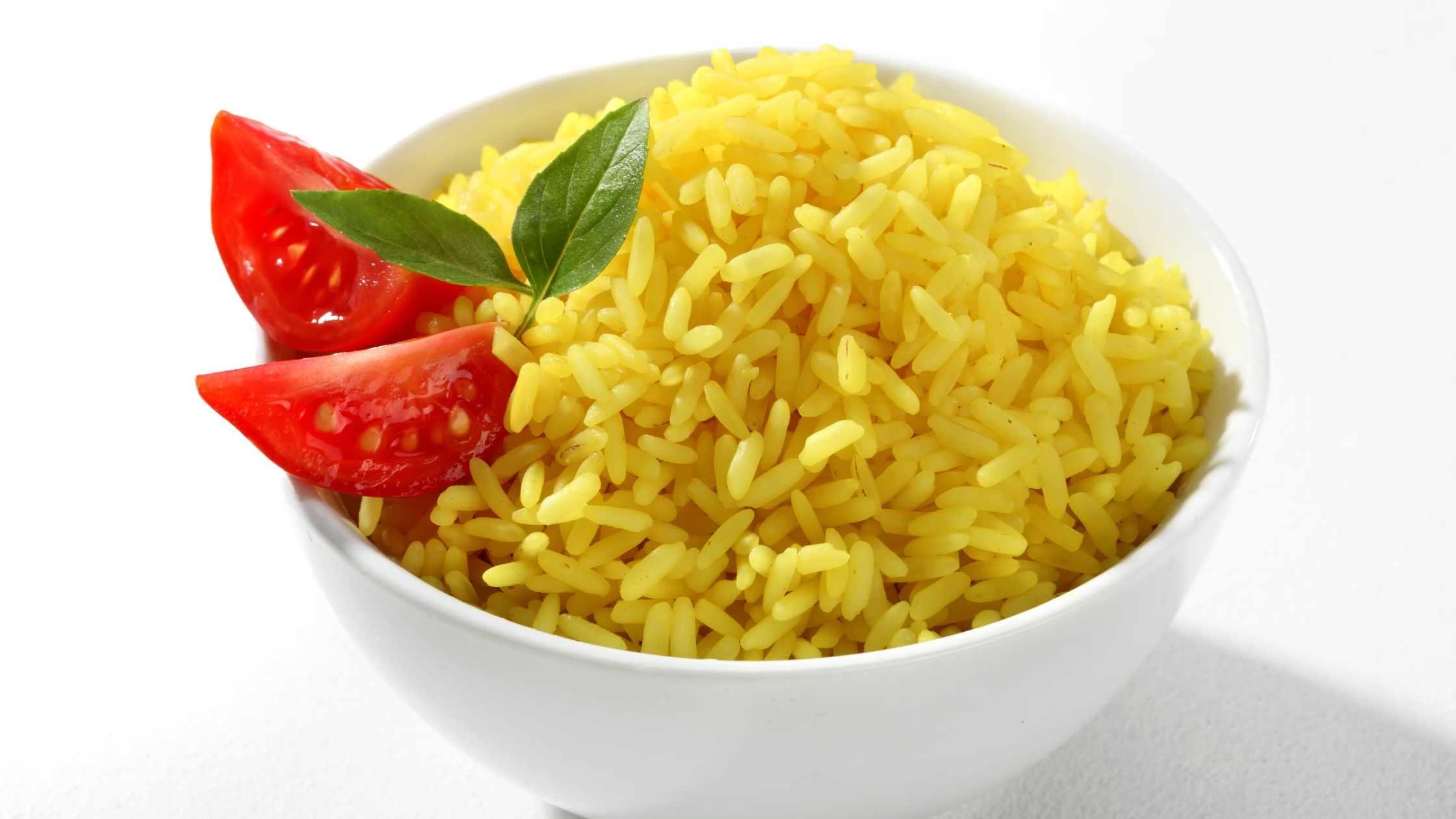
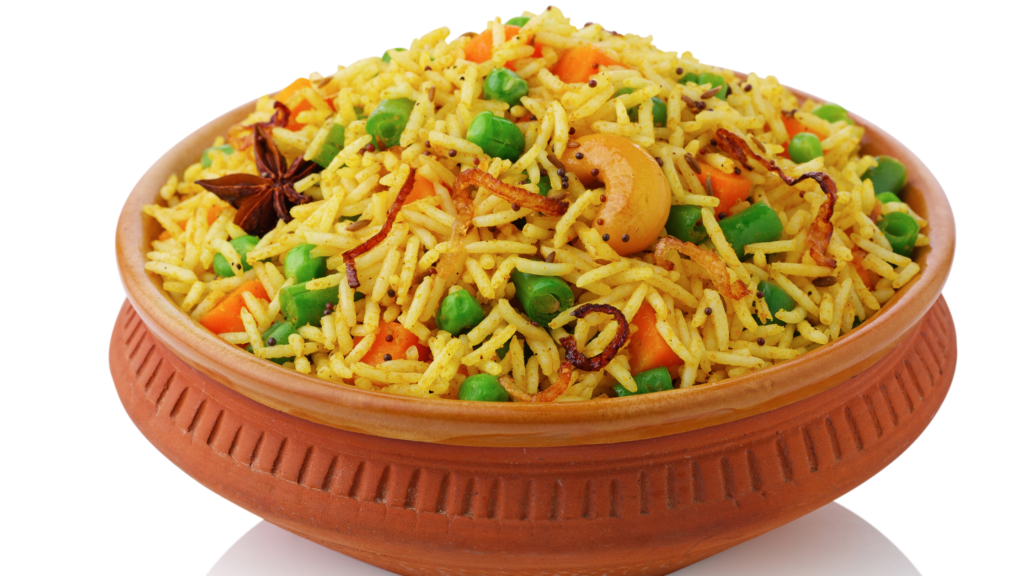
    Yellow rice, also known as saffron rice or golden rice, is a delectable and aromatic dish that has gained popularity in diverse culinary traditions.

    It is a rice dish with vibrant yellow color from adding various spices and seasonings. The primary ingredient in yellow rice is, of course, rice itself, typically long-grain rice.

    However, the unique blend of spices and seasonings sets yellow rice apart, giving it its distinctive flavor and appearance.

    The key ingredients in yellow rice may include fragrant spices such as turmeric, which contributes to its bright yellow hue, cumin, paprika, and sometimes saffron.

    These spices lend a rich flavor profile and add a visually appealing touch to the dish.

    Other ingredients commonly found in yellow rice include onions, garlic, and vegetable or chicken broth, which enhance the overall taste.

    Yellow rice has found its place in various cuisines, including Indian, Latin American, Middle Eastern, and Asian.

    It is a flavorful accompaniment to many dishes, from curries and stews to grilled meats and vegetables.

    The enticing aroma and vibrant color of yellow rice make it a favorite among food enthusiasts worldwide.

    Now that we have a basic understanding of yellow rice and its enticing ingredients let’s delve deeper into whether it is a suitable choice for our canine companions.

    Safety Considerations: Can Dogs Eat Yellow Rice?

    Safety Considerations Can Dogs Eat Yellow Rice?
    Can Dogs Eat Yellow Rice?

    When feeding our furry friends, it’s crucial to be mindful of their dietary needs and potential health risks.

    While yellow rice may be a flavorful and tempting dish for humans, there are certain safety considerations to remember before sharing it with our canine companions.

    One primary concern regarding dogs and yellow rice is the inclusion of spices and seasonings.

    Many yellow rice recipes contain ingredients like turmeric, cumin, and paprika, which can add robust flavors.

    However, some spices may not be suitable for dogs in large quantities or under certain circumstances.

    Turmeric, a key ingredient in yellow rice, contains curcumin, which is associated with potential health benefits.

    However, it’s important to note that the curcumin in yellow rice is typically minimal.

    While small amounts of turmeric may be safe for dogs, excessive consumption could lead to digestive upset or other adverse effects.

    Additionally, certain spices and seasonings commonly used in yellow rice recipes, such as onions or garlic, can be toxic to dogs and should be avoided altogether.

    To ensure the safety of our furry friends, it’s recommended to err on the side of caution and avoid feeding yellow rice to dogs, particularly if it contains any potentially harmful ingredients.

    While a small taste of plain yellow rice without seasonings may not cause harm, it’s always best to prioritize their well-being and choose dog-specific food options to meet their nutritional needs.

    Now that we’ve addressed the safety considerations associated with yellow rice and dogs, let’s explore alternative food choices that are safe and nutritious for our four-legged companions.

    Also Read: Can Dogs Eat Pierogies? Are pierogies safe for dogs

    Nutritional Value of Yellow Rice for Dogs

    Yellow rice is known for its vibrant color and delightful flavor, but what about its nutritional value for our canine friends? Let’s look closer at the potential benefits of yellow rice and its key component, turmeric.

    Yellow rice typically consists of long-grain rice infused with turmeric, which gives it the characteristic yellow hue.

    Turmeric contains curcumin, which is known for its anti-inflammatory and antioxidant properties. These properties have been studied for their potential health benefits in humans.

    While dogs may not necessarily reap the same benefits from turmeric as humans, it’s worth noting that small amounts of turmeric can still offer some advantages.

    Curcumin has been associated with aiding digestion, promoting a healthy immune system, and supporting joint health, among other potential benefits.

    However, it’s important to remember that turmeric in yellow rice is generally minimal, and its impact on dogs’ overall health is not fully understood.

    When it comes to the nutritional content of yellow rice, it primarily consists of carbohydrates, providing energy for our furry friends.

    However, it lacks essential nutrients, such as proteins, vitamins, and minerals, vital for a well-rounded dog diet.

    Therefore, while yellow rice may be tasty, it should not be relied upon as a primary source of nutrition for dogs.

    To ensure that your dog receives a well-balanced diet, it’s essential to offer a variety of specially formulated dog food that meets its nutritional needs.

    These foods are carefully crafted to balance proteins, fats, carbohydrates, vitamins, and minerals necessary for their overall health and well-being.

    While a taste of plain yellow rice without seasonings may not pose a significant risk to dogs, it’s essential to prioritize their nutritional requirements and consult with a veterinarian regarding any potential dietary changes.

    Now that we’ve explored yellow rice’s nutritional value let’s delve into the importance of moderation and portion control when introducing new foods to our furry friends’ diets.

    Feeding Yellow Rice to Dogs: Guidelines and Moderation

    Suppose you’ve consulted with your veterinarian, who has given the green light to incorporate yellow rice into your dog’s diet.

    In that case, following some guidelines and practicing moderation is important to ensure their well-being.

    Here are a few tips to help you introduce yellow rice to your furry friend’s meals:

    1. Start Slowly: Start by offering your dog a small amount of cooked plain yellow rice. Observe their reaction and any signs of digestive distress. If everything goes well, you can gradually increase the portion size over time.

    2. Plain and Simple: It’s crucial to serve yellow rice without adding spices, seasonings, or ingredients that may harm dogs. Stick to plain cooked rice to avoid any potential digestive upset.

    3. Portion Control: Yellow rice should only make up a small portion of your dog’s overall meal. It should never replace their regular balanced dog food, specially formulated to meet their nutritional needs. Use yellow rice as an occasional treat or mix it in with their regular food as an occasional addition.

    4. Monitor Digestive Health: Keep a close eye on your dog’s digestion after introducing yellow rice. Watch for signs of upset stomach, diarrhea, or other digestive issues. If you notice any adverse reactions, discontinue feeding yellow rice and consult your veterinarian.

    5. Balance and Variety: Remember that dogs thrive on a balanced diet that includes a variety of nutrients. While yellow rice can add flavor and variety to their meals, it should not become the mainstay of their diet. Ensure they receive a well-rounded diet with high-quality dog food formulated for their needs.

    Moderation is key when it comes to feeding yellow rice to dogs.

    While it can occasionally add to their meals, it should never replace their regular diet or compromise their nutritional requirements.

    Always consult your veterinarian before making significant changes to your dog’s diet.

    Considerations for Dogs with Specific Health Conditions

    While yellow rice may be safe for some dogs, it’s essential to consider any specific health conditions or dietary restrictions your furry companion may have. Here are a few considerations to keep in mind:

    1. Allergies and Sensitivities: If your dog has known allergies or sensitivities to certain ingredients, it’s crucial to evaluate whether yellow rice contains any potential allergens.

    Some dogs may be allergic to grains or spices commonly found in yellow rice, such as turmeric. It’s best to consult your veterinarian to determine if yellow rice suits your dog’s allergies or sensitivities.

    2. Digestive Disorders: Dogs with pre-existing digestive disorders, such as pancreatitis or inflammatory bowel disease (IBD), may have sensitivities to certain foods, including rice.

    The high carbohydrate content in rice can sometimes exacerbate these conditions. Your veterinarian can guide whether yellow rice is appropriate for your dog’s digestive health needs.

    3. Restricted Diets: If your dog is on a restricted or specialized diet due to a medical condition, such as kidney disease or diabetes, introducing yellow rice may not align with their dietary requirements.

    These conditions often require precise control over the nutrients and ingredients in your dog’s meals. It’s crucial to consult with your veterinarian to ensure that yellow rice fits within their dietary restrictions.

    4. Veterinary Guidance: Regardless of your dog’s health condition, it’s always recommended to seek professional advice from your veterinarian before making any significant changes to their diet.

    Your veterinarian knows your dog’s specific health history and can provide personalized recommendations based on their needs.

    Remember, every dog is unique, and what works for one may not work for another.

    Your veterinarian is the best resource to guide you on whether yellow rice suits your dog’s health conditions and dietary requirements.

    They can help you make informed decisions and create a diet plan promoting your dog’s well-being.

    Also Read: 4 Best Dog Training Apron Guide: Mastering Dog Training

    Conclusion – Can dogs eat yellow rice?

    In conclusion, whether dogs can eat yellow rice requires careful consideration. While yellow rice may be safe for some dogs, it’s crucial to understand the potential risks and consider individual circumstances. Let’s recap the key points we’ve discussed:

    Yellow rice is a flavorful dish with various ingredients, such as rice, spices, and seasonings.

    Feeding yellow rice to dogs poses safety considerations due to the potential presence of spices, seasonings, or ingredients that may be harmful or problematic for dogs.

    The nutritional value of yellow rice for dogs may vary, but it typically contains carbohydrates and some trace nutrients. Turmeric, a common ingredient in yellow rice, is known for its potential health properties.

    When introducing yellow rice to your dog’s diet, following guidelines and practicing moderation to avoid digestive issues is essential.

    Considerations for dogs with specific health conditions, allergies, sensitivities, or restricted diets are crucial. Consulting with a veterinarian is paramount to ensure the safety and well-being of your dog.

    Ultimately, prioritizing your dog’s well-being is of utmost importance. Consultation with a veterinarian is recommended to determine whether yellow rice suits your dog’s needs.

    Remember, plenty of safe and suitable alternatives are available to provide a balanced and nutritious diet for your canine companion. Your veterinarian can help you explore these options and create a customized diet plan for your dog’s optimal health.

    By staying informed, seeking professional advice, and considering your dog’s unique circumstances, you can make responsible choices to provide the best nutrition and care. Your furry friend will thank you for it with their vibrant health and boundless energy.

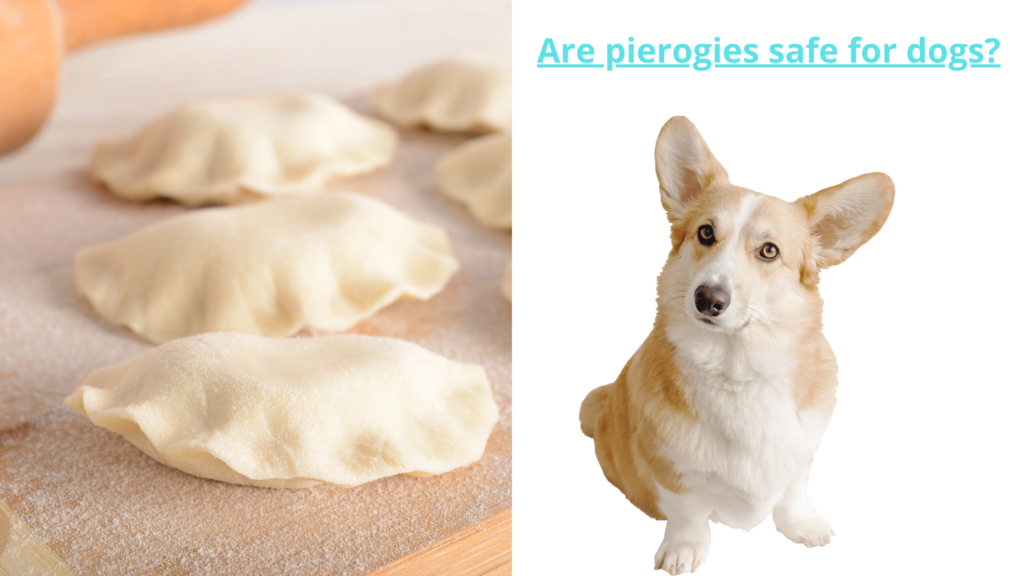
  • Can Dogs Eat Pierogies? Are pierogies safe for dogs

    Can Dogs Eat Pierogies? Are pierogies safe for dogs

    Can Dogs Eat Pierogies? Are you a dog owner who enjoys delicious pierogies and wonders if your furry friend can join the culinary experience?

    Many pet owners have questioned whether sharing this savory treat with their canine companions is safe.

    In this article, we will delve into the world of pierogies and explore whether dogs can also safely enjoy them.

    We’ll uncover the truth behind this popular question and provide you with valuable insights to make informed decisions about feeding pierogies to your four-legged friend.

    So, let’s satisfy your curiosity and find out if dogs can indulge in the delight of pierogies!

    Understanding Pierogies

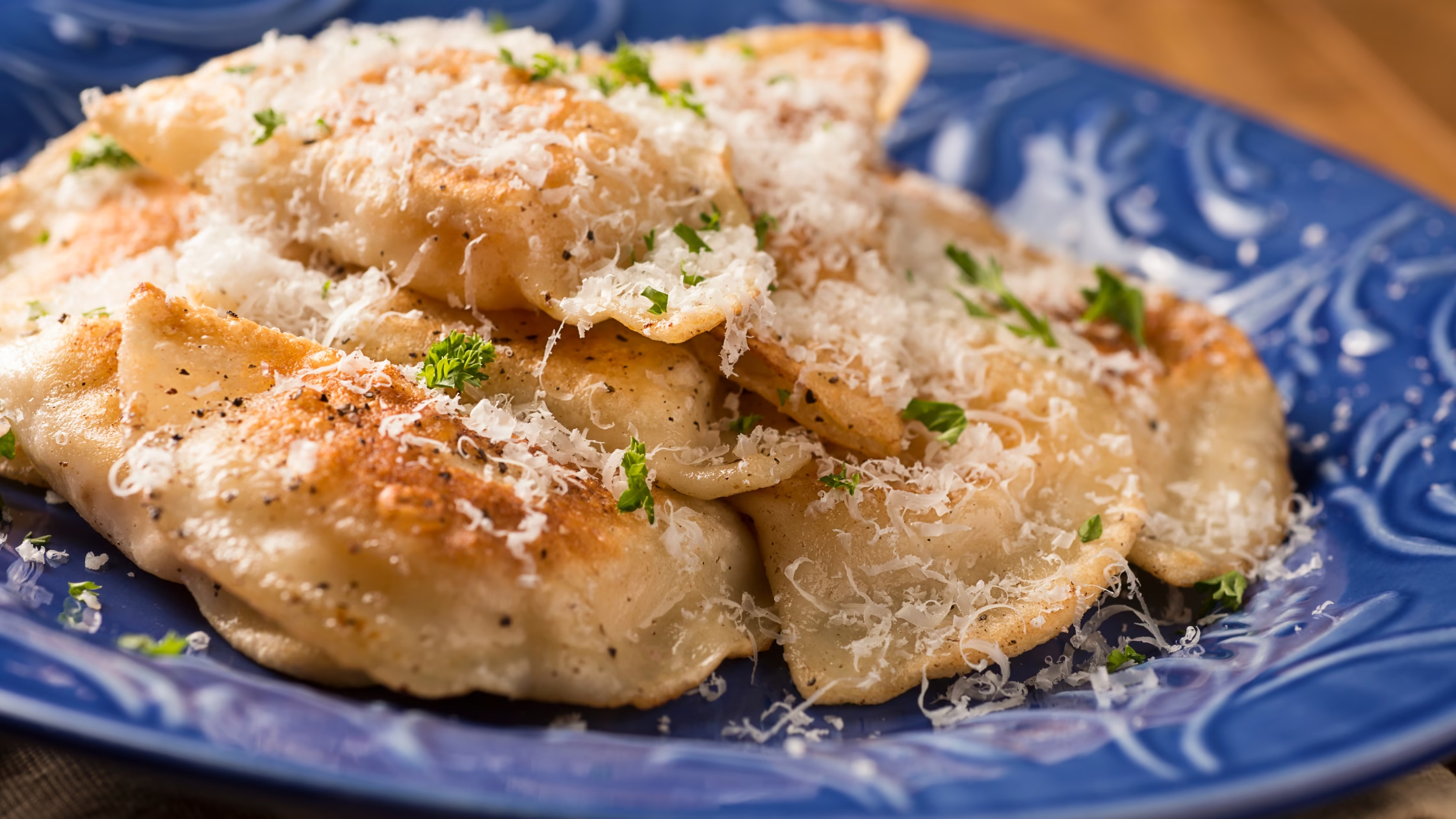
    Pierogies are delightful Central and Eastern European dumplings that have gained popularity worldwide.

    These delicious treats are made from unleavened dough filled with various ingredients such as mashed potatoes, cheese, onions, meat, or vegetables.

    Pierogies are often boiled or fried until golden brown, resulting in a deliciously crispy exterior and a soft, flavorful filling.

    It’s no wonder that pierogies have become a favorite among food enthusiasts, but the question remains: can dogs partake in the joy of these delectable dumplings?

    This curiosity stems from our deep bond with our furry friends and our desire to include them in our culinary adventures.

    So, let’s dig deeper into whether pierogies are a safe and suitable treat for our beloved canine companions.

    Also Read: Can Dogs Eat Nopales? Discover the Benefits and Tasty Recipes!

    Can Dogs Eat Pierogies? Are pierogies safe for dogs?

    Can Dogs Eat Pierogies?
    Can Dogs Eat Pierogies?

    While we may find pierogies to be a mouthwatering delight, it’s essential to consider the potential risks when sharing this treat with our furry friends.

    Pierogies, especially those prepared for human consumption, often contain ingredients that can be problematic for dogs.

    One of the primary concerns is the high-fat content found in many pierogies.

    Dogs have different dietary requirements than humans, and excess fat can lead to digestive issues, pancreatitis, and weight gain.

    Additionally, the seasonings and fillings in pierogies may include ingredients that are toxic to dogs, such as onions or garlic.

    These can cause damage to their red blood cells and lead to anemia.

    We must prioritize our dogs’ well-being by being cautious about the foods we share with them. 

    While a small nibble or accidental ingestion may not cause immediate harm, it’s best to err on the side of caution and avoid intentionally feeding pierogies to our furry companions. 

    There are plenty of other dog-friendly treats available that are both safe and enjoyable for them.

    Responsible pet owners must provide a balanced and nutritionally appropriate diet for their dogs.

    So, let’s explore some alternative treats and meals that can satisfy our dogs’ cravings without compromising their health.

    Nutritional Value and Benefits of Pierogies

    While pierogies may be tasty for humans, it’s important to understand that their nutritional value may not align with the dietary requirements of our canine companions.

    Pierogies are typically made with flour, potatoes, cheese, and various fillings, offering a blend of carbohydrates, fats, and proteins.

    However, dogs have unique nutritional needs that may not be adequately met by consuming pierogies.

    A balanced diet specifically formulated for dogs is crucial to ensure they receive the necessary nutrients for optimal health and well-being.

    This includes a proper balance of proteins, fats, carbohydrates, vitamins, and minerals.

    While pierogies may offer some macronutrients, they may lack the essential micronutrients and specific ratios needed to support a dog’s overall health.

    Feeding pierogies to dogs regularly or as a significant part of their diet can lead to imbalances and potential deficiencies in vital nutrients.

    Moreover, the high-fat content and potential presence of harmful seasonings or ingredients to dogs make pierogies an unsuitable choice for their dietary needs.

    To provide our furry friends with the nutrition they require, it’s best to stick to a well-balanced, commercially available dog food that meets the standards set by veterinary professionals.

    These specialized diets are carefully formulated to address the specific needs of dogs, ensuring they receive the proper balance of nutrients to support their growth, energy levels, and overall health.

    Remember, it’s always best to consult with a veterinarian regarding your dog’s dietary needs and any specific concerns before introducing new foods.

    By prioritizing their nutrition, we can help ensure our dogs live long, healthy, and happy lives.

    Also Read: Are Dogs Stronger Than Humans? Debunking the Myth and Uncovering the Truth

    Potential Risks and Allergies – Feeding pierogies to dogs

    Feeding pierogies to dogs can come with various risks and potential complications that every responsible dog owner should be aware of.

    One major concern is the impact on a dog’s digestive system. Pierogies are often rich in fat and can be heavy on the stomach, leading to digestive issues such as upset stomach, diarrhea, or vomiting.

    The high-fat content can also put dogs at risk of developing pancreatitis, a painful pancreas inflammation.

    Additionally, certain ingredients commonly found in pierogies, such as onions or garlic, can be toxic to dogs.

    These ingredients can cause damage to a dog’s red blood cells and lead to a condition called hemolytic anemia. Other seasonings or spices used in pierogies may also risk dogs’ health.

    Moreover, some dogs may have specific food allergies or sensitivities that can be triggered by ingredients present in pierogies.

    Wheat or gluten, for example, are common allergens in dogs and can cause skin irritations, gastrointestinal upset, or other allergic reactions.

    To ensure the well-being of your furry friend, it’s crucial to consult with a veterinarian before introducing any new food into their diet, including pierogies.

    A veterinarian can provide personalized guidance based on your dog’s needs, allergies, and health conditions.

    They can advise on safe and appropriate alternatives that meet your dog’s nutritional requirements without compromising their health.

    Remember, our dogs rely on us to make informed decisions about their diet and overall well-being.

    By prioritizing their safety and seeking professional advice, we can help prevent potential risks or complications and keep our four-legged friends healthy and happy.

    Also Read: Can Dogs Eat Oatmeal Cream Pies? Exploring the Safety and Risks

    Alternatives and Safe Treat Options

    If you’re looking for safe and healthy treats for your canine companion, there are plenty of alternatives to pierogies that dogs can enjoy.

    You can provide your furry friend with tasty and nutritious treats without compromising their health by opting for dog-friendly ingredients.

    One option is to explore homemade treats. You can create delicious snacks using dog-friendly ingredients like lean meats (such as chicken or turkey), vegetables (like carrots or sweet potatoes), and whole grains (such as brown rice or oats).

    These ingredients offer a balance of protein, vitamins, and fiber that can contribute to your dog’s overall well-being.

    Numerous recipes available online cater specifically to dog treats, allowing you to unleash your inner chef and create treats tailored to your dog’s preferences and dietary needs.

    If you prefer ready-made treats, several commercially available options prioritize the health and safety of dogs.

    Look for treats specifically formulated for dogs, made with natural and high-quality ingredients, and free from artificial additives or preservatives.

    Treats designed to promote dental health, such as chews or treats that help reduce tartar buildup, can also be a beneficial choice.

    Remember, moderation is key when it comes to treating your dog.

    Even with safe and healthy options, treats should be given in appropriate portions to avoid excessive calorie intake or dietary imbalances.

    It’s always a good idea to consult with your veterinarian for guidance on the best treatment options for your dog’s specific needs, considering factors such as age, size, and any existing health conditions.

    By exploring alternative treats and safe options, you can provide your furry friend with delicious and nutritious alternatives to pierogies while prioritizing their health and happiness.

    Also Read: 4 Best Dog Training Apron Guide: Mastering Dog Training

    Conclusion

    In conclusion, it’s important to prioritize their health and well-being when it comes to feeding pierogies to dogs.

    While pierogies may be a portion of delicious and popular human food, they pose potential risks to dogs due to their high-fat content, seasoning, and ingredients that can harm our furry friends.

    Onions, garlic, and other ingredients commonly found in pierogies can be toxic to dogs and may lead to serious health issues.

    It’s crucial to consult with a veterinarian before introducing any new food to your dog’s diet.

    They can provide expert guidance tailored to your dog’s specific needs and help you make informed decisions regarding their nutrition.

    Your veterinarian can recommend safe and appropriate treats or alternatives that offer nutrients without compromising your dog’s health.

    Remember, there are numerous alternative treats and safe human foods that dogs can enjoy.

    Homemade treats using dog-friendly ingredients or commercially available dog treats are great options.

    These alternatives prioritize your dog’s well-being by providing balanced nutrition and minimizing the risk of digestive issues, allergies, or other adverse reactions.

    By seeking professional advice and being mindful of the potential risks, you can ensure that your furry friend receives a safe and nutritionally appropriate diet.

    Always put your dog’s health first, and enjoy the journey of discovering new treats and alternatives that will keep them happy, healthy, and tail-waggingly satisfied!

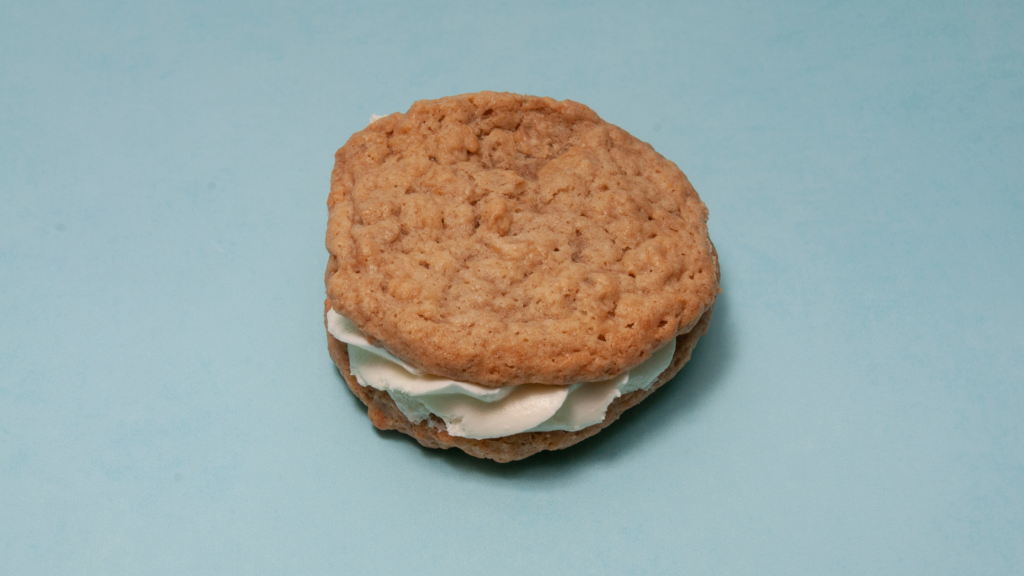
  • Can Dogs Eat Oatmeal Cream Pies? Exploring the Safety and Risks

    Can Dogs Eat Oatmeal Cream Pies? Exploring the Safety and Risks

    Can Dogs Eat Oatmeal Cream Pies? Are you considering sharing a tasty oatmeal cream pie with your furry companion?

    Treating them to a delightful snack can be tempting, but it’s essential to be aware of the potential risks and considerations involved.

    In this section, we’ll delve into sharing oatmeal cream pies with dogs and emphasize the importance of making informed decisions regarding their diet.

    As dog owners, we naturally want to share enjoyable experiences and treats with our beloved pets. However, it’s crucial to remember that dogs have unique nutritional needs that differ from ours.

    Certain human foods can harm dogs, and it’s our responsibility to ensure their safety and well-being.

    When it comes to oatmeal cream pies, specific factors should be considered before offering them to your dog.

    While these sweet treats may seem harmless, they can contain ingredients that might not be suitable for canine consumption.

    By understanding the potential risks and making informed choices, we can ensure our dogs remain healthy and happy.

    In the following sections, we’ll explore the ingredients in oatmeal cream pies, discuss whether dogs can safely consume them, highlight potential risks, and provide alternative treat options for your furry friend.

    Remember, it’s always wise to consult your veterinarian for personalized advice regarding your dog’s dietary needs and any specific health concerns.

    So, let’s embark on this informative journey together and learn more about sharing oatmeal cream pies with our canine companions!

    The Ingredients in Oatmeal Cream Pies: What’s in Them?

    The Ingredients in Oatmeal Cream Pies: What's in Them?
    The Ingredients in Oatmeal Cream Pies: What’s in Them?

    Let’s look at the ingredients that make up oatmeal cream pies.

    These delightful treats have two main components: the oatmeal cookies and the cream filling.

    While they may be tempting to share with your dog, it’s important to understand the ingredients and any potential concerns they may pose.

    • Oatmeal Cookies: The star of the show in oatmeal cream pies is the oatmeal cookie. These cookies are typically made with rolled oats, flour, sugar, butter or vegetable oil, eggs, and a touch of cinnamon for added flavor. Oats, a good fiber source, can provide some nutritional value. However, it’s crucial to consider the other ingredients as well.
    • Cream Filling: Sandwiched between the oatmeal cookies is the creamy filling that gives these pies a luscious texture. The cream filling often contains sugar, vegetable shortening, marshmallow fluff, and artificial vanilla flavoring. It’s important to note that the high sugar content in the filling can cause concern when it comes to sharing it with your dog.

    While oatmeal cookies may seem harmless, the added sugars, fats, and artificial ingredients in the cream filling are not ideal for canine consumption.

    Dogs have different digestive systems and nutritional requirements than humans, and certain ingredients found in oatmeal cream pies can be problematic.

    In the next sections, we will explore whether dogs can safely consume oatmeal cream pies, discuss the potential risks associated with feeding them to dogs, and provide alternative treat options that are healthier and more suitable for our furry friends.

    Remember, making informed choices about your dog’s diet is crucial for their well-being.

    Also Read: Can Dogs Eat Nopales? Discover the Benefits and Tasty Recipes!

    Can Dogs Eat Oatmeal Cream Pies Safely?

    No. While oatmeal cream pies may be a delicious human treat, they are not recommended for our canine companions. There are several reasons why it’s best to avoid feeding oatmeal cream pies to dogs, and it’s important to be aware of the potential risks involved.

    • High Sugar Content: Oatmeal cream pies contain significant sugar in the oatmeal cookies and the cream filling. Dogs have different metabolic systems than humans, and consuming excessive amounts of sugar can lead to weight gain, dental issues, and an increased risk of developing conditions like diabetes. It’s crucial to prioritize your dog’s health by minimizing sugar intake.
    • High-Fat Content: Besides sugar, oatmeal cream pies are high in fat. The cream filling and the butter or vegetable oil in the oatmeal cookies contribute to the overall fat content. Diets high in fat can lead to digestive problems, such as upset stomachs and pancreatitis, in dogs. Maintaining a balanced diet for your dog and avoiding foods excessively high in fat is important.
    • Artificial Ingredients: Commercially-produced oatmeal cream pies often contain artificial colors, flavors, and preservatives. These additives may not only be unnecessary for your dog’s diet but can also potentially cause adverse reactions or allergies. Opting for natural, wholesome ingredients is always the best choice for your dog’s health.

    To ensure your dog’s well-being, it’s best to refrain from feeding them oatmeal cream pies.

    While the occasional small taste may not be harmful, it’s important to remember that these treats are not nutritionally suitable for dogs and should not be a part of their regular diet.

    In the following sections, we will explore alternative treat options that are healthier and more appropriate for your furry friend.

    Remember, providing a balanced and species-appropriate diet best serves your dog’s health and happiness.

    Potential Risks of Feeding Oatmeal Cream Pies to Dogs

    Feeding oatmeal cream pies to your dog can expose them to various health risks.

    While an occasional taste may not cause immediate harm, regular consumption can have negative consequences.

    Let’s explore the potential risks associated with dogs consuming oatmeal cream pies.

    • Weight Gain and Obesity: Oatmeal cream pies are high in calories, sugar, and fat. Regularly feeding these treats to your dog can contribute to weight gain and obesity. Excess weight strains their joints, increases the risk of developing health issues like arthritis and can lead to a shorter lifespan. Maintaining a healthy weight is essential for your dog’s overall well-being.
    • Dental Issues: Oatmeal cream pies’ sugary and sticky nature can adhere to your dog’s teeth, promoting plaque and tartar buildup. Over time, this can lead to dental problems such as tooth decay, gum disease, and bad breath. Poor oral health can affect your dog’s eating ability, cause pain, and contribute to other systemic health issues.
    • Increased Risk of Diabetes: The high sugar content in oatmeal cream pies can significantly impact your dog’s blood sugar levels. Consistently consuming sugary treats can strain their pancreas, potentially leading to insulin resistance or diabetes. Diabetes in dogs requires careful management and can have long-term health consequences.
    • Pancreatitis: The high-fat content in oatmeal cream pies can trigger pancreatitis in dogs. Pancreatitis is the inflammation of the pancreas, a vital organ involved in digestion and insulin production. Symptoms of pancreatitis in dogs include abdominal pain, vomiting, diarrhea, loss of appetite, and lethargy. Severe cases may require hospitalization and intensive veterinary care.

    To safeguard your dog’s health, it’s best to avoid regularly feeding them oatmeal cream pies.

    Instead, choose nutritious treats specifically formulated for dogs or seek healthier alternatives, such as fruits, vegetables, or homemade dog treats.

    By making mindful choices, you can help prevent these potential health risks and ensure your furry friend a happier, healthier life.

    The following section will discuss guidelines for adding safe and healthy treats to your dog’s diet.

    Moderation is Key: Guidelines for Treat Sharing

    When it comes to treating your dog, moderation is key. While oatmeal cream pies are not recommended for dogs, there are plenty of other options to consider.

    Here are some guidelines to follow when sharing treats with your furry friend:

    • Portion Control: Treats should only comprise a small portion of your dog’s diet. They should never replace their regular meals or compromise their nutritional needs. Consider the size and calorie content of the treat, adjusting the portion accordingly. It’s essential to balance indulging your dog and maintaining a healthy diet.
    • Choose Healthy Alternatives: Instead of oatmeal cream pies, choose healthier treatment options for dogs. Look for treats made with natural ingredients, without excessive sugar, artificial additives, or high-fat content. Various commercially available dog treats cater to different dietary needs and provide balanced nutrition.
    • Homemade Treats: Many simple and nutritious recipes are available online if you prefer homemade treats. You can make treats using dog-friendly ingredients like lean meats, fruits, and vegetables. Ensure that the ingredients are safe and suitable for dogs, and avoid harmful substances like chocolate, onions, or xylitol.
    • Consider Your Dog’s Health: Consider your dog’s health considerations. If your dog has specific dietary restrictions, allergies, or medical conditions, consult your veterinarian before introducing new treats. They can provide tailored recommendations based on your dog’s unique needs.
    • Training and Bonding Opportunities: Treats can be useful for training and reinforcing positive behavior. Use treats in moderation during training sessions or as rewards for good behavior. This helps with obedience and strengthens the bond between you and your dog.

    Remember, treats should be an occasional indulgence and not a daily routine.

    Always provide fresh water alongside treats and observe your dog’s response to ensure they tolerate them well.

    Consult your veterinarian for professional guidance if you have any concerns or questions about your dog’s diet.

    By following these guidelines and practicing responsible treat sharing, you can ensure that your dog enjoys occasional treats while maintaining a balanced and nutritious diet.

    Your dog’s health and happiness are of utmost importance, and responsible treat-sharing is one way to contribute to its overall well-being.

    Alternative Treat Options for Your Dog’s Enjoyment

    When treating your dog, plenty of healthier alternatives to oatmeal cream pies exist. These options not only provide a delicious snack but also offer nutritional benefits.

    Here are some alternative treat options that you can consider for your dog’s enjoyment:

    • Fresh Fruits: Many fruits are safe and enjoyable for dogs. Offer bite-sized pieces of fruits like apples (without seeds), bananas, blueberries, watermelon (without seeds), or strawberries. These fruits are low in calories and contain vitamins, antioxidants, and fiber that can contribute to your dog’s overall health.
    • Crunchy Vegetables: Certain vegetables can be a tasty and nutritious dog treat. Carrots, cucumbers, and green beans make excellent options. These veggies are low in calories and fiber, providing a satisfying crunch while promoting dental health.
    • Frozen Treats: During warmer months, frozen treats can be a refreshing option for your dog. You can make homemade frozen treats by blending dog-friendly ingredients such as plain yogurt, unsweetened peanut butter, and mashed bananas. Pour the mixture into ice cube trays or use a special dog treat molds, freeze them, and voila! Your dog will have a cool and delicious treat to enjoy.
    • Specially Formulated Dog Treats: Numerous dog treats are available, specifically formulated to meet dogs’ dietary needs. Look for treats low in sugar, fat, and artificial ingredients. Read the labels carefully and choose treats made with wholesome ingredients and no harmful additives.
    • Dental Chews: Dental chews can serve a dual purpose by providing a tasty treat while promoting good oral hygiene. These chews help remove plaque and tartar buildup while satisfying your dog’s chewing instincts. Look for dental chews that are appropriately sized for your dog and meet veterinary standards.

    Remember, even when offering alternative treats, moderation is key. Treats should comprise only a small portion of your dog’s diet.

    Consider your dog’s specific dietary needs and any potential allergies or sensitivities.

    You can provide your dog with enjoyable and nutritious snacks by choosing healthier treat options that are low in sugar, fat, and artificial ingredients.

    As always, consult your veterinarian for personalized advice and recommendations based on your dog’s needs and health condition.

    Also Read: Polysporin for Dogs: The Truth about it’s safety and use.

    Frequently Asked Questions (FAQs) about Dogs and Oatmeal

    Can dogs eat oatmeal cakes? 

    Oatmeal cakes are not recommended for dogs. They often contain added sugars, fats, and potentially harmful ingredients. Additionally, certain flavors and fillings in oatmeal cakes, such as chocolate or artificial sweeteners like xylitol, can be toxic to dogs. It’s best to avoid feeding oatmeal cakes to your dog and opt for healthier alternatives.

    Is it safe for dogs to eat oatmeal? 

    In general, plain cooked oatmeal can be safe for dogs to eat in moderation. Oatmeal is a good source of fiber and can provide some nutritional benefits. However, serving oatmeal without added sugars, flavors, or additives is important. Plain-cooked oatmeal is the safest option for dogs, but it’s always best to consult your veterinarian before introducing new foods into your dog’s diet.

    Is it okay for dogs to eat oatmeal cookies? 

    Oatmeal cookies made specifically for dogs can be a safer alternative to regular oatmeal cookies for humans. Commercially available dog treats that contain oats can be an option, but make sure to choose ones that are low in sugar and free from harmful ingredients. Homemade oatmeal cookies can also be prepared using dog-friendly ingredients, but again, ensure they are free from added sugars, chocolate, or any other ingredients that may be toxic to dogs.

    Can oatmeal be beneficial for dogs? 

    Oatmeal can be beneficial for dogs when served in moderation. It is a good source of dietary fiber, aiding digestion and regulating bowel movements. Additionally, oatmeal is often used in specialized dog diets for dogs with certain health conditions or food sensitivities. However, it’s important to introduce oatmeal gradually into your dog’s diet and monitor for any signs of adverse reactions or digestive issues.

    Remember, every dog is different, and it’s essential to consider your dog’s specific dietary needs, allergies, and overall health when introducing new foods.

    If you have any concerns or questions about oatmeal or any other food item, it’s best to consult with your veterinarian for personalized advice and recommendations.

    Conclusion

    In conclusion, feeding oatmeal cream pies to dogs is not recommended due to their high sugar, fat, and potential for harmful ingredients.

    When dogs consume oatmeal cream pies in excess, it can lead to complications such as digestive issues, weight gain, and the formation of a hard substance in their stomachs.

    It is crucial to prioritize your dog’s health and well-being by offering them balanced and nutritious treats.

    Instead of oatmeal cream pies, choose healthier alternatives for dogs, such as fruits, vegetables, and specially formulated treats low in sugar, fat, and artificial ingredients.

    Remember to practice moderation and provide treats in appropriate portion sizes.

    If you suspect your dog has consumed oatmeal cream pies or any other potentially harmful food, it is important to consult with a veterinarian for guidance and appropriate care.

    Your dog’s diet plays a vital role in their overall health, so making informed choices and prioritizing their nutritional needs is essential.

    By choosing safe and suitable dog treats, you can contribute to their well-being and ensure they lead happy and healthy lives.

  • Can Dogs Eat Nopales? Discover the Benefits and Tasty Recipes!

    Can Dogs Eat Nopales? Discover the Benefits and Tasty Recipes!

    Curious about incorporating nopales, the prickly pear cactus pads, into your dog’s diet? If you’ve wondered, “Can dogs eat nopales?” you’ve come to the right place.

    This comprehensive guide will explore the benefits and risks of feeding nopales to your furry friend.

    Discover how to safely introduce nopales into your dog’s meals and explore some delicious nopales recipes specifically designed for dogs.

    Let’s dive into the world of nopales and see if they can be a nutritious addition to your dog’s diet.

    What Are Nopales?

    What Are Nopales?
    What Are Nopales?

    Picture a vibrant green and prickly plant standing tall in the arid regions of Mexico and Central America.

    Meet nopales, the intriguing and versatile prickly pear cactus pads that have captured food enthusiasts’ hearts (and taste buds) worldwide.

    Nopales are not your typical leafy greens. These thick, flat, and oval-shaped cactus pads offer a flavor best described as a delightful blend of green beans and peppers.

    But don’t be fooled by their spiky appearance – those tiny spines are removed before they become onto your plate.

    For centuries, nopales have played a vital role in the culinary traditions of Mexican and Central American cuisine.

    They add a unique touch to dishes with their tangy and refreshing taste. Whether grilled, sautéed, boiled, or even enjoyed raw, nopales bring a distinctive flavor and texture to your meals.

    However, nopales offer more than just culinary appeal. These prickly wonders have a long-standing reputation as a medicinal plants, treasured for their potential health benefits.

    Packed with essential vitamins, minerals, antioxidants, and dietary fiber, nopales have caught the attention of health-conscious individuals seeking to enhance their well-being.

    But what about our four-legged friends? Can dogs partake in the nopales goodness?

    Are there potential benefits awaiting them, or should we proceed with caution? Let’s explore the truth about nopales and their compatibility with our furry companions.

    Nutritional Value of Nopales

    Regarding nopales, their unique flavor isn’t the only thing that makes them remarkable.

    These prickly pear cactus pads boast an impressive nutritional profile, offering a range of vitamins, minerals, and other beneficial components. 

    Let’s take a closer look at the nutritional value of nopales:

    1. Vitamins

    Nopales are a great source of vitamins, particularly vitamin C.

    Just 100 grams of nopales can provide a significant portion of your dog’s daily vitamin C requirements, which is crucial in supporting the immune system and overall health.

    2. Minerals

    Nopales are rich in essential minerals such as potassium, magnesium, and calcium.

    Potassium helps maintain proper muscle and nerve function, while magnesium contributes to bone health and energy production.

    Calcium is essential for strong teeth and bones.

    3. Antioxidants

    Nopales contain antioxidants, including flavonoids and betalains, which help combat harmful free radicals in the body.

    Antioxidants contribute to overall cellular health and may have potential anti-inflammatory properties.

    4. Dietary Fiber

    Nopales are an excellent source of dietary fiber, which aids in digestion and promotes a healthy digestive system.

    Fiber can also help regulate blood sugar levels and promote feelings of fullness, which may benefit dogs struggling with weight management.

    5. Low in Calories

    For dog owners mindful of their furry friend’s calorie intake, nopales can be a favorable addition to their diet.

    These cactus pads are relatively low in calories, making them a nutritious option for dogs on weight management plans.

    It’s important to note that while nopales offer an array of beneficial nutrients, they should not replace a balanced diet formulated for dogs.

    Consult with your veterinarian to determine how nopales can fit into your dog’s overall nutrition plan and ensure it aligns with their dietary needs.

    Now that we’ve explored nopales’ impressive nutritional value let’s move on to the burning question: Can dogs safely enjoy the goodness of nopales? Let’s find out in the next section.

    Can Dogs Eat Nopales?

    Can Dogs Eat Nopales?
    Can Dogs Eat Nopales?

    As a responsible pet owner, it’s natural to wonder whether nopales are safe for your furry companion to consume.

    The good news is that, in general, dogs can indeed enjoy nopales as part of their diet. 

    However, there are a few considerations to keep in mind before introducing nopales to your dog’s meals:

    1. Allergies and Sensitivities

    Like humans, dogs can have allergies or sensitivities to certain foods.

    While nopales are not considered a common allergen for dogs, observing your dog’s reaction when introducing them for the first time is essential.

    Start with a small amount and monitor your dog for any signs of an adverse reaction, such as itching, vomiting, or diarrhea. If any unusual symptoms occur, discontinue feeding nopales and consult your veterinarian.

    2. Spine Removal

    The spines or thorns on nopales can pose a choking hazard or cause discomfort if ingested by your dog.

    It’s crucial to thoroughly remove all spines before offering nopales to your furry friend. Peel the pads carefully and use a knife or vegetable brush to ensure no spines remain.

    Take extra care to prevent any injuries to yourself while handling nopales.

    3. Moderation and Balance

    Nopales should be served to dogs in moderation, just like any new food.

    While they offer various nutrients, they should complement a balanced diet rather than replace essential components.

    Consult with your veterinarian to determine the appropriate amount of nopales to incorporate into your dog’s diet based on size, age, and overall health.

    4. Preparing and Cooking

    Nopales should be cooked before serving them to your dog.

    Raw nopales may be challenging for dogs to digest and could potentially cause gastrointestinal issues.

    Cooking methods such as boiling, steaming, or grilling nopales can help make them easier for your dog to consume and digest.

    By considering these considerations, you can safely introduce nopales to your dog’s diet and potentially provide them with the nutritional benefits these cactus pads offer.

    In the next section, we’ll explore the potential benefits that nopales can bring to your dog’s well-being.

    Also Read: Can Bird Seed Kill a Dog? Exploring the Risks and Safety Measures

    Benefits of Nopales for Dogs

    Introducing nopales into your dog’s diet can offer a range of potential health benefits.

    While further research specific to dogs is limited, the nutritional composition of nopales suggests several advantages. 

    Here are some potential benefits of incorporating nopales into your furry friend’s meals:

    1. Nutrient Boost

    Nopales are packed with essential vitamins, minerals, and antioxidants that can contribute to your dog’s overall health.

    Vitamin C in nopales supports a robust immune system, while minerals like potassium and magnesium aid in proper muscle function and bone health.

    2. Digestive Health

    Nopales are an excellent dietary fiber source, promoting healthy digestion in dogs. Adequate fiber intake can support regular bowel movements and prevent constipation.

    It may also help dogs with certain gastrointestinal conditions, such as sensitive stomachs or irritable bowel syndrome.

    3. Hydration Support

    Nopales have a high water content, which can help keep your dog hydrated, especially during warmer months or if they tend to be less inclined to drink water.

    The additional hydration can contribute to overall well-being and proper bodily functions.

    4. Weight Management

    For dogs struggling with weight management, nopales can be a beneficial addition to their diet.

    With their low-calorie and high-fiber content, nopales can help your dog feel full without consuming excessive calories.

    This can assist in maintaining a healthy weight and preventing obesity-related health issues.

    5. Antioxidant Properties

    The antioxidants found in nopales, such as flavonoids and betalains, may help combat oxidative stress and inflammation in dogs.

    These properties can contribute to overall cellular health and potentially support a healthy immune system.

    While nopales offer potential benefits, it’s important to remember that every dog is unique.

    Some dogs may experience more noticeable advantages from incorporating nopales into their diet, while others may not demonstrate significant changes.

    Always observe your dog’s response and consult your veterinarian for personalized advice based on your dog’s specific health needs.

    Now that we’ve explored the potential benefits, addressing the risks and precautions associated with feeding nopales to dogs is crucial.

    Let’s continue to the next section for a comprehensive understanding.

    Nopales Risks for Dogs

    While nopales can offer various benefits to dogs, you must be aware of the potential risks and take necessary precautions when incorporating them into your furry friend’s diet. 

    Here are some considerations to keep in mind:

    1. Allergic Reactions

    Although rare, dogs can develop allergies to nopales.

    Watch for any signs of an adverse reaction, such as itching, swelling, or digestive upset, when introducing nopales to your dog’s diet.

    If you notice any unusual symptoms, discontinue feeding nopales and consult your veterinarian.

    2. Spine Hazards

    The spines or thorns on nopales can pose a risk to your dog if ingested.

    Thoroughly remove all spines before offering nopales to your dog, ensuring no remnants could cause injury or choking.

    3. Gastrointestinal Issues

    Some dogs may experience digestive upset when consuming nopales, especially if introduced too quickly or in large quantities.

    Start by offering small amounts of cooked nopales and observe your dog’s response.

    If digestive issues occur, such as diarrhea or vomiting, reduce or eliminate nopales from their diet and consult with your veterinarian.

    4. Pesticide Exposure

    When purchasing nopales, opt for organic or pesticide-free options whenever possible.

    Conventionally grown nopales may contain pesticide residues that could harm your dog.

    Check with the supplier or grower to ensure the nopales are free from harmful chemicals.

    5. Individual Sensitivities

    Each dog is unique; some dogs may have individual sensitivities or intolerances to certain foods.

    Monitor your dog’s response to nopales and consider their overall health and pre-existing conditions before introducing them into their diet.

    It’s crucial to consult with your veterinarian before adding nopales to your dog’s diet, especially if your dog has specific dietary requirements or health concerns.

    They can provide personalized guidance based on your dog’s needs and help you make informed decisions.

    In the next section, we’ll discuss how to safely introduce nopales into your dog’s diet and provide some delicious recipes tailored specifically for our canine friends.

    Adding Nopales to Your Dog’s Diet

    When incorporating nopales into your dog’s diet, following proper guidelines and introducing them gradually is important. 

    Here’s a step-by-step approach to safely add nopales to your dog’s meals:

    1. Consult with Your Veterinarian

    Before making any dietary changes, consult with your veterinarian.

    They can assess your dog’s needs, consider existing health conditions, and provide recommendations tailored to your furry friend.

    2. Start with Small Amounts

    Begin by offering a small amount of cooked nopales to your dog.

    This allows you to monitor their response and ensure they tolerate it well. Observe for any signs of allergic reactions or digestive issues.

    3. Prepare Nopales Safely

    Thoroughly clean and remove all spines from the nopales before cooking.

    Peel the pads carefully and use a knife or vegetable brush to ensure no spines remain.

    Cooking methods such as boiling, steaming, or grilling nopales can make them easier for your dog to digest.

    4. Monitor Your Dog’s Reaction

    After introducing nopales into your dog’s diet, closely monitor their reaction.

    Watch for any changes in appetite, behavior, or digestive patterns. If any negative symptoms occur, discontinue feeding nopales and consult your veterinarian.

    5. Balance and Moderation

    Nopales should complement a balanced diet for your dog.

    They should not replace essential components or comprise a significant portion of their meals.

    Work with your veterinarian to determine the appropriate amount of nopales based on your dog’s size, age, and overall health.

    6. Consider Nopales as Treats or Toppers

    Instead of making nopales the main component of your dog’s meals, consider using them as occasional treats or meal toppers.

    This ensures that your dog receives a variety of nutrients from different sources.

    Remember, every dog is unique, and what works well for one dog may not be suitable for another.

    Pay attention to your dog’s needs and preferences when incorporating new foods.

    To make the nopales more enticing for your dog, you can consider incorporating them into delicious recipes.

    In the next section, we’ll explore some nopales recipes specifically designed for dogs, ensuring a tasty and nutritious dining experience.

    Nopales Recipes for Dogs

    If you’re looking to add some variety to your dog’s meals, here are a couple of nopales recipes that can make their dining experience both nutritious and enjoyable:

    1. Grilled Nopales Delight

    Ingredients:

    – 2 nopales pads (thoroughly cleaned and spine-free)

    – 1 tablespoon olive oil

    Instructions:

    1. Preheat the grill to medium heat.

    2. Brush the nopales pads with olive oil, ensuring both sides are coated.

    3. Place the nopales pads on the grill and cook for 5 minutes on each side or until slightly tender.

    4. Remove from the grill and let them cool.

    5. Cut the nopales into small, bite-sized pieces suitable for your dog’s consumption.

    6. Serve as a standalone treat or mix it with your dog’s food for added flavor and nutrients.

    2. Nopales and Chicken Stew

    Ingredients:

    – 1 boneless, skinless chicken breast

    – 1 Nopales pad (cleaned and spine-free)

    – 1 cup low-sodium chicken broth

    – 1/2 cup diced carrots

    – 1/2 cup diced sweet potatoes

    Instructions:

    1. Bring the chicken breast and broth to a boil in a saucepan. Reduce heat and simmer until the chicken is cooked thoroughly.

    2. Remove the cooked chicken breast from the broth and shred it into small, manageable pieces.

    3. Cut the nopales pad into small cubes.

    4. Add the diced carrots, sweet potatoes, and nopales cubes to the chicken broth.

    5. Cook the vegetables in the broth until they are tender.

    6. Add the shredded chicken back to the pot and stir well.

    7. Allow the stew to cool before serving it to your dog.

    8. Serve an appropriate portion of the stew as a meal or mix it with your dog’s regular food for a delicious and nutritious twist.

    Adjust the portion sizes according to your dog’s size, dietary needs, and consult your veterinarian for specific recommendations.

    By incorporating these nopales recipes into your dog’s diet, you can provide them with a unique and healthy dining experience. Always monitor your dog’s response and make adjustments as needed.

    Frequently Asked Questions (FAQs) About Dogs and Nopales

    Can all dogs eat nopales?

    While nopales are generally safe for dogs, some dogs may have allergies, sensitivities, or dietary restrictions. It’s important to introduce nopales gradually and monitor your dog’s response. Consult with your veterinarian before adding nopales to your dog’s diet, especially if your dog has specific health concerns.

    How should nopales be prepared for dogs?

    Nopales should be thoroughly cleaned, with all spines removed, before cooking. Peel the pads carefully and use a knife or vegetable brush to ensure no spines remain. Cooking methods such as boiling, steaming, or grilling can make nopales easier for dogs to digest.

    Can dogs eat raw nopales?

    It’s generally recommended to cook nopales before feeding them to dogs. Raw nopales may be challenging for dogs to digest and could potentially cause gastrointestinal issues. Cooking nopales can make them more palatable and safer for consumption.

    How many nopales should I feed my dog?

    The number of nopales to feed your dog depends on size, age, and overall health. It’s best to consult your veterinarian to determine the appropriate portion size for your dog. Nopales should complement a balanced diet rather than replace essential components.

    What are the potential benefits of nopales for dogs?

    Nopales can provide several potential benefits for dogs, including a nutrient boost, support for digestive health, hydration, weight management, and antioxidant properties. However, the specific benefits may vary from dog to dog, and observing your dog’s individual response is important.

    Are there any risks associated with feeding nopales to dogs?

    While nopales are generally safe, there are some risks to consider. Dogs may have allergies or sensitivities to nopales, and the spines can pose a choking hazard or cause discomfort if ingested. Some dogs may also experience gastrointestinal issues. It’s crucial to monitor your dog’s response and take necessary precautions.

    Can puppies eat nopales?

    Puppies have specific dietary needs, so it’s best to consult with your veterinarian before introducing nopales. Puppies may have more sensitive digestive systems, and their nutritional requirements differ from adult dogs. Your veterinarian can guide when and how to incorporate nopales into a puppy’s diet.

    Remember, it’s always important to consult your veterinarian for personalized advice based on your dog’s needs and health conditions.

    Also Read: The Power of Aggressive Dog Board and Train Programs

    Conclusion

    In conclusion, nopales can be a beneficial addition to your dog’s diet, offering a range of potential health benefits.

    They are rich in vitamins, minerals, antioxidants, and dietary fiber, which can support immune function, digestion, hydration, weight management, and overall well-being.

    When feeding nopales to your dog, it’s important to introduce them gradually, monitor their response, and ensure they are prepared safely, with all spines removed.

    Consider nopales as treats or meal toppers rather than a replacement for essential components of their diet.

    While nopales are generally safe for dogs, it’s essential to be aware of potential risks, such as allergies, spine hazards, gastrointestinal issues, and pesticide exposure.

    Consult with your veterinarian before incorporating nopales into your dog’s diet, especially if your dog has specific dietary requirements or health concerns.

    To make mealtimes enjoyable, you can try preparing nopales recipes such as Grilled Nopales Delight or Nopales and Chicken Stew.

    These recipes provide a nutritious twist and can be a flavorful addition to your dog’s meals.

    Always prioritize your dog’s individual needs and preferences when making dietary changes.

    Observe their response, and if any adverse symptoms occur, discontinue feeding nopales and seek veterinary advice.

    Remember, a well-balanced diet tailored to your dog’s needs is key to their overall health and happiness.

    With the right approach, you can incorporate nopales into your dog’s diet and provide them with various nutrients and flavors.

    Now that you have a comprehensive understanding of dogs and nopales, you can make informed decisions about adding this unique and nutritious ingredient to your furry friend’s meals.