Category: Dog Nutrition

  • Can Bird Seed Kill a Dog? Exploring the Risks and Safety Measures

    Can Bird Seed Kill a Dog? Exploring the Risks and Safety Measures

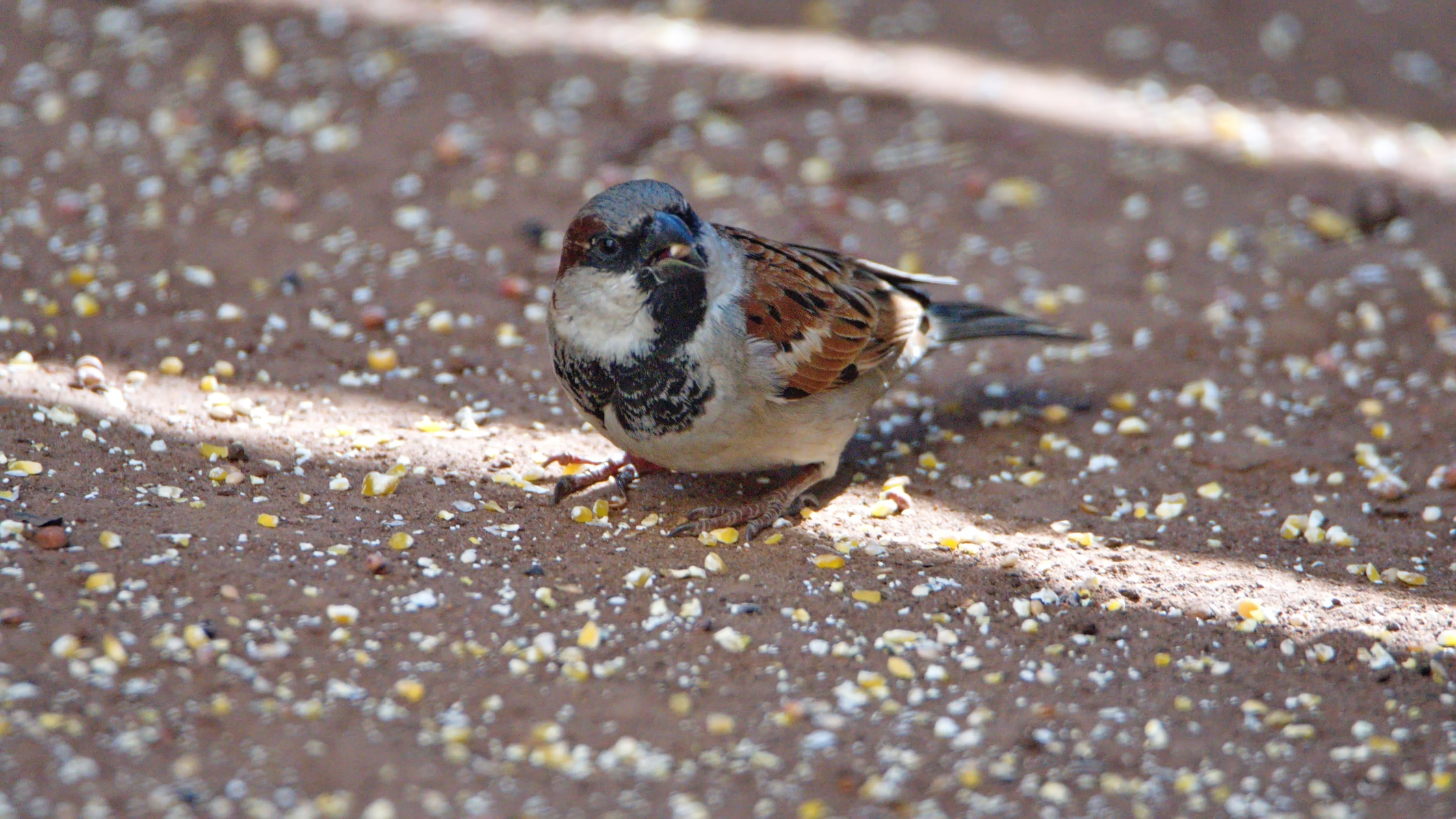
    Can Bird Seed Kill a Dog? Bird seed is a common household item that many people use to attract birds to their gardens or feed their pet birds.

    However, pet owners often wonder if bird seed poses any risks to their dogs.

    In this article, we will delve into dog bird seed ingestion, exploring the potential dangers and providing safety measures to keep your canine companion out of harm’s way.

    Can Bird Seed Kill a Dog? Are bird seed bad for dogs?

    Bird seed itself is not inherently toxic to dogs, but there are several factors to consider that could pose risks to their health.

    Understanding these dangers is crucial for responsible pet ownership.

    Understanding the Composition and Ingredients of Bird Seed

    To comprehend the potential hazards associated with bird seed ingestion, it’s important to examine its composition and ingredients.

    Bird seed typically contains seeds, grains, and sometimes dried fruits.

    High-Fat Content and Obesity Risks

    One concern with bird seed is its high-fat content, which can contribute to obesity in dogs.

    Excessive weight gain can lead to various health issues such as joint problems, diabetes, and heart conditions.

    Allergies and Sensitivities in Dogs

    Some dogs may have allergies or sensitivities to specific ingredients found in bird seed.

    Awareness of any adverse reactions or symptoms your dog may experience after consuming bird seed is essential.

    Contamination with Harmful Substances

    Bird seed can sometimes be contaminated with harmful substances such as pesticides or fungal toxins.

    This contamination can occur during the production process or due to improper storage.

    Also Read: Dog Shivering After Bath- How to stop it?- Best Guide 2023

    What Happens if Your Dog Ate Bird Seed?

    If your dog accidentally consumes bird seed, it’s important to understand the potential consequences and take appropriate action to ensure their well-being.

    Identifying Symptoms of Bird Seed Ingestion in Dogs

    Watch for common symptoms that may indicate your dog has ingested bird seed.

    These symptoms can include vomiting, diarrhea, abdominal discomfort, or changes in behavior.

    Addressing Vomiting and Digestive Issues

    In some cases, dogs may experience vomiting or other digestive issues after consuming bird seed.

    It is important to provide them with appropriate care and monitor their condition closely.

    What to Do if Your Dog Eats Bird Seed
    What to Do if Your Dog Eats Bird Seed
    What to Do if Your Dog Eats Bird Seed

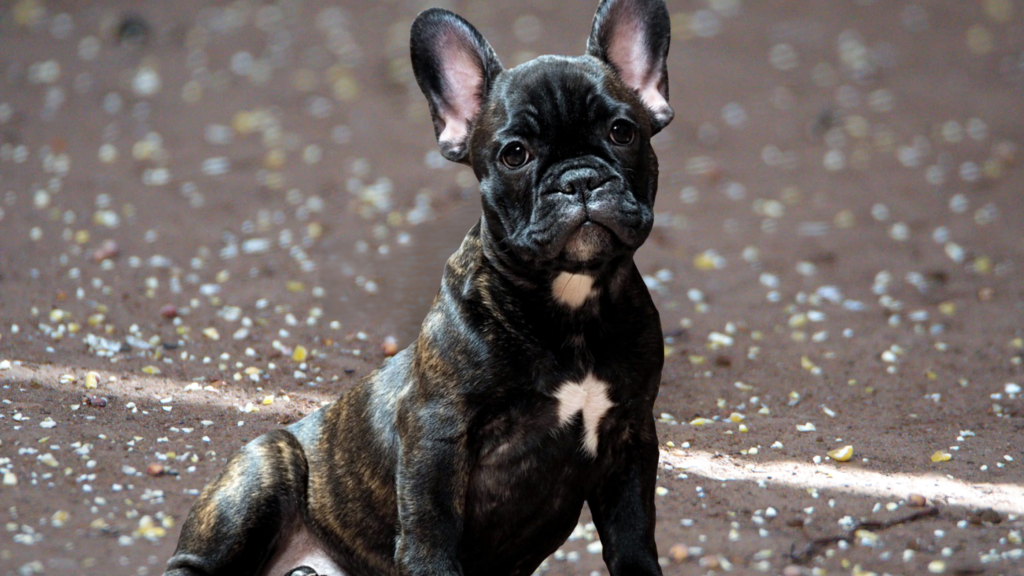
    Suppose you discover that your dog has eaten bird seed.

    In that case, you can take several immediate steps to ensure their safety and well-being.

    Immediate Actions to Take for Your Dog’s Safety

    Start by assessing the situation and determining the quantity of bird seed your dog has ingested.

    Contact your veterinarian for guidance and follow their instructions based on your dog’s circumstances.

    Contacting a Veterinarian for Guidance

    It’s crucial to reach out to your veterinarian if your dog has consumed bird seed, especially if they exhibit concerning symptoms or if you’re uncertain about the potential risks.

    Your vet will provide the best course of action based on their expertise.

    How to Prevent Dogs from Eating Bird Seed

    Taking preventive measures is key to ensuring your dog doesn’t have access to bird seed and reducing the risks associated with ingestion.

    Training Techniques to Discourage Consumption

    Implement training techniques to discourage your dog from eating bird seed.

    Use positive reinforcement, redirect their attention to appropriate toys or treats, and reinforce boundaries and commands.

    Proper Storage and Disposal of Bird Seed

    Store bird seeds in secure containers that are inaccessible to your dog. Ensure the storage area is dry and free from pests.

    Properly dispose of any spoiled or moldy bird seed to prevent accidental ingestion.

    Exploring Dog-Friendly Snack Alternatives

    Provide your dog with safe and healthy alternatives to bird seed.

    Opt for dog-specific treats or snacks formulated to meet their nutritional needs.

    Handling Moldy Bird Seed and Dogs
    Handling Moldy Bird Seed and Dogs
    Handling Moldy Bird Seed and Dogs

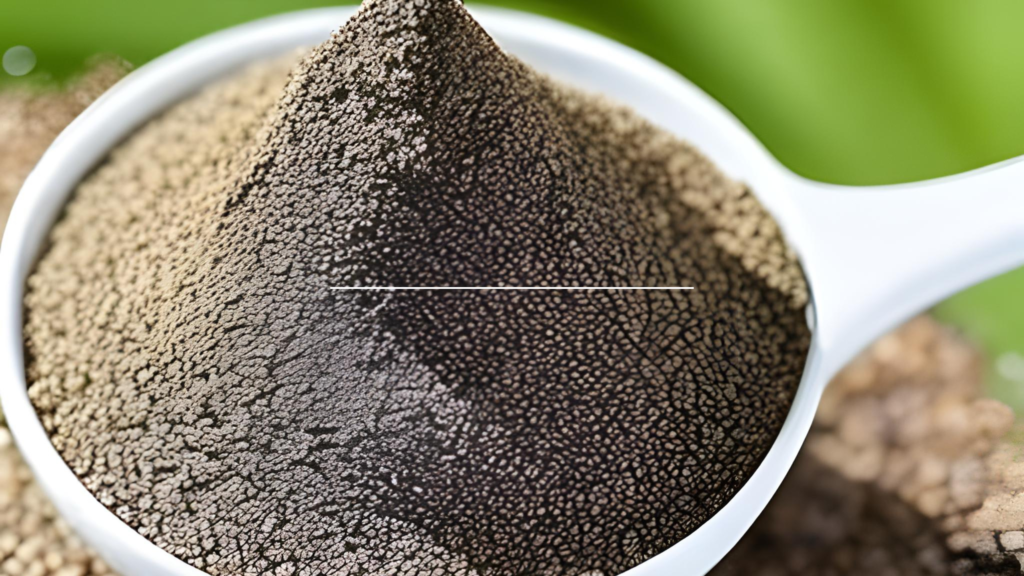
    Moldy bird seed can be particularly dangerous for dogs, as it may contain harmful toxins that can cause serious health issues and even death.

    Risks and Health Concerns Associated with Moldy Bird Seed

    Moldy bird seeds can contain mycotoxins, leading to digestive problems, neurological issues, or even organ damage in dogs. Prompt action is necessary if your dog consumes moldy bird seed.

    Symptoms and Steps for Seeking Veterinary Assistance

    If you suspect your dog has eaten moldy bird seed or if they exhibit symptoms such as vomiting, diarrhea, or lethargy, contact your veterinarian immediately for guidance and proper treatment.

    Can Dogs Eat Bird Seed?

    While bird seed is not toxic to dogs in moderate amounts, it’s important to consider its overall safety and nutritional value as part of their diet.

    Safe Alternatives to Bird Seed for Dogs

    Explore safe alternatives that you can incorporate into your dog’s diet, considering their nutritional requirements.

    Consult your veterinarian to determine the best options for your specific dog breed and health conditions.

    Moderation and Guidelines for Offering Bird Seed

    If you offer bird seed to your dog occasionally, do so in moderation and ensure it doesn’t become a significant portion of their diet. Monitor their overall health and well-being closely.

    Also Read: How to Train a Carolina Dog and Unleash Their Full Potential

    Conclusion: Keeping Your Dog Safe and Healthy

    In conclusion, while bird seed is not inherently toxic to dogs, pet owners must be aware of its potential risks.

    The high-fat content in bird seed can contribute to obesity and various health issues in dogs, and some dogs may have allergies or sensitivities to specific ingredients.

    Additionally, contamination of birdseed with pesticides or fungal toxins can occur, posing potential health hazards.

    To keep your dog safe, it’s essential to take preventive measures.

    This includes training techniques to discourage ingestion, proper storage and disposal of bird seed to prevent accidental access, and offering dog-friendly snack alternatives that meet their nutritional needs.

    If your dog consumes bird seed, monitoring their symptoms closely and seeking immediate veterinary assistance if any concerning signs arise is important.

    Your veterinarian can provide tailored guidance based on your dog’s situation and advise on appropriate actions.

    Being proactive and informed is key to ensuring your dog’s well-being.

    Understanding the risks associated with bird seed ingestion and implementing necessary safety measures can keep your furry friend safe, healthy, and happy for years.
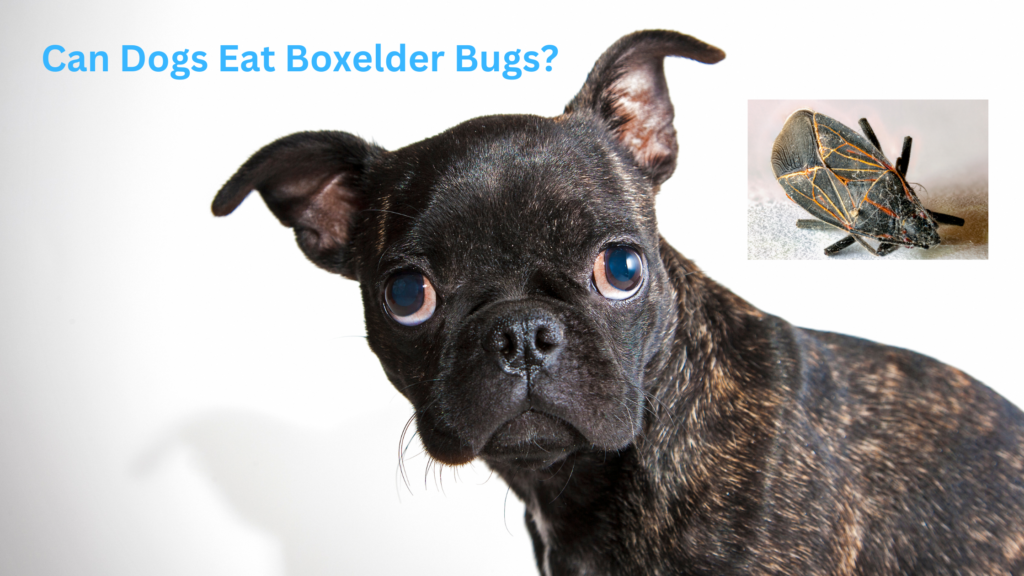
  • Can Dogs Eat Boxelder Bugs? Are They Safe to Eat?

    Can Dogs Eat Boxelder Bugs? Are They Safe to Eat?

    Can Dogs Eat Boxelder Bugs? – If you’re a responsible pet owner, it’s natural to be concerned about the safety and health of your furry companion.

    You’ve come to the right place if you have ever wondered if it’s safe for dogs to consume boxelder bugs.

    This article provides thorough information on the topic, including the potential benefits and risks of allowing dogs to eat these insects.

    Additionally, we offer tips on how to prevent your dog from consuming boxelder bugs if necessary.

    Keep reading to learn everything you need to know about the safety of boxelder bugs for dogs.

    What are boxelder bugs?

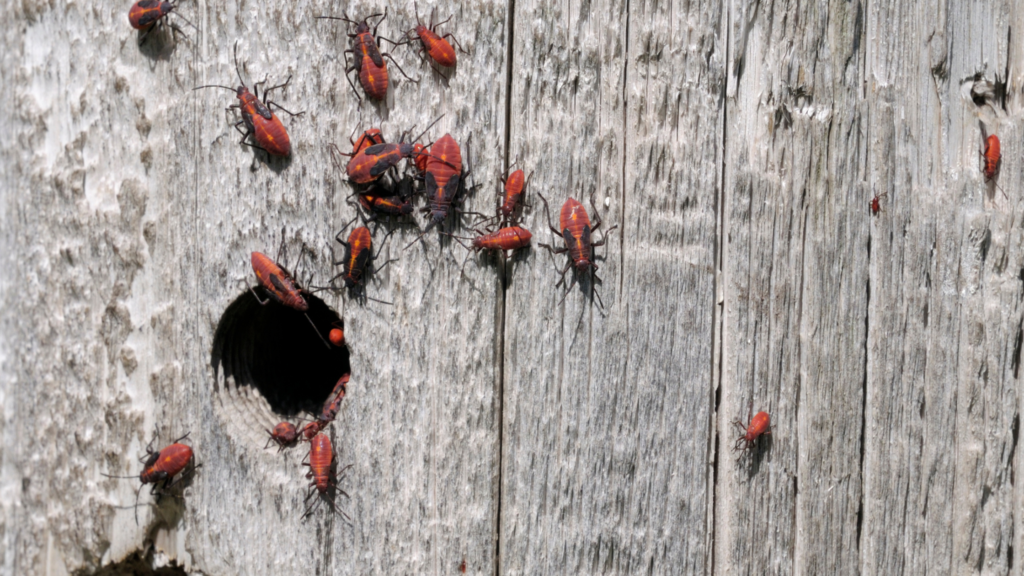
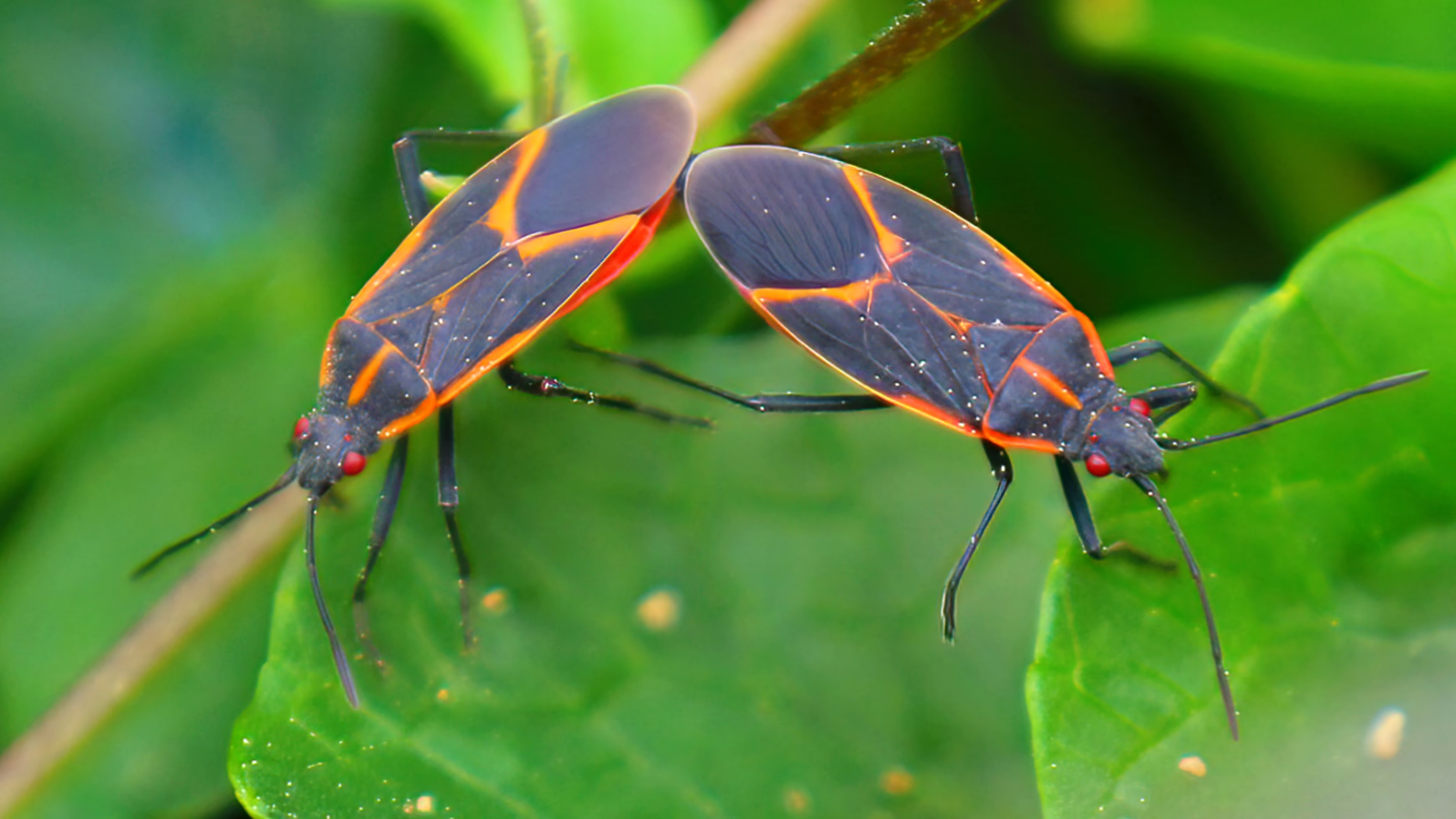
    Boxelder bugs are tiny insects that are commonly found in North America.

    They are about 1/2 inch long and have distinct markings on their wings and body, usually black and red.

    These bugs feed on the seeds, leaves, and flowers of boxelder trees and other trees such as maple and ash.

    They are primarily seen in the fall when they gather in large numbers on the sides of buildings seeking shelter from the colder weather.

    While they are generally harmless to humans, they may pose a potential risk to pets like dogs if ingested.

    Are boxelder bugs poisonous?

    Boxelder bugs are not generally considered poisonous to humans or animals.

    However, they can secrete a substance that may cause a mild allergic reaction in some individuals, including dogs.

    Additionally, consuming large quantities of boxelder bugs may lead to digestive issues in dogs, which can be uncomfortable and potentially harmful.

    Therefore, it is always best to err on the side of caution and avoid feeding boxelder bugs to your dog altogether.

    Can Dogs Eat Boxelder Bugs?

    Can Dogs Eat Boxelder Bugs?
    Can Dogs Eat Boxelder Bugs?

    While boxelder bugs are not toxic to dogs, it is not recommended to feed them to your pet intentionally.

    These bugs may carry parasites or bacteria that can make your dog sick if consumed in large amounts.

    Additionally, their hard exoskeleton may be complex for your dog to digest, leading to digestive issues.

    If your dog accidentally eats a few boxelder bugs, it is unlikely to cause severe harm.

    However, suppose you notice signs of illness or discomfort, such as vomiting, diarrhea, or lethargy.

    In that case, it’s best to consult your veterinarian right away.

    What are the Potential Risks and Benefits of Feeding Boxelder Bugs to Dogs?

    Suppose you’re wondering about the potential benefits and risks of dogs consuming boxelder bugs. In that case, there are a few things to consider.

    On the one hand, some people believe that eating bugs can be a good source of protein and other nutrients for dogs.

    However, it’s important to note that boxelder bugs aren’t necessarily safe or healthy food choices for dogs.

    Ingesting these bugs can lead to digestive issues, such as vomiting or diarrhea.

    Additionally, some boxelder bugs may contain toxins or other harmful substances that could make your dog sick.

    Ultimately, it’s best to err on the side of caution and avoid letting your dog consume boxelder bugs or any other insects without consulting with a veterinarian first.

    Also Read: Champagne for Dogs: Is Champagne safe for Dogs

    What happens if a dog eats boxelder bugs?

    If your dog eats a few boxelder bugs, they are unlikely to experience serious health problems. However, if they eat many bugs, they may experience gastrointestinal upset. In rare cases, they may also develop an allergic reaction.

    What to Do if Your Dog Eats Boxelder Bugs

    Suppose your dog has accidentally eaten boxelder bugs.

    In that case, monitoring them for any signs of illness or adverse reactions is essential.

    The symptoms of boxelder bug ingestion may include vomiting, diarrhea, abdominal discomfort, or lethargy.

    If you notice any of these symptoms, it is best to consult with your veterinarian immediately.

    Your veterinarian may recommend some tests and procedures to determine the reaction’s severity and provide appropriate treatment to your furry friend.

    In most cases, the symptoms are mild and will subside independently.

    However, seeking professional advice regarding your pet’s health is always best.

    Remember, prevention is always better than cure, so keep an eye on your dog and discourage them from consuming bugs or insects.

    How to prevent your dog from eating boxelder bugs?

    The best way to prevent your dog from eating boxelder bugs is to keep them away from areas where the bugs are commonly found.

    This may include limiting their access to certain parts of your yard or using a natural insect repellent to keep the bugs away.

    You can also provide your dog with plenty of alternative protein sources to discourage them from eating bugs.

    How to Get Rid of Boxelder Bugs

    How to Get Rid of Boxelder Bugs |
    How to Get Rid of Boxelder Bugs?

    If you’re dealing with a boxelder bug infestation, here are some steps you can take to get rid of them:

    • Seal any cracks or gaps: Start by inspecting your home and sealing any cracks or gaps in windows, doors, or walls. Boxelder bugs can quickly enter your home through these openings, so sealing them can help prevent an infestation.
    • Vacuum them up: If you already have boxelder bugs in your home, you can use a vacuum to remove them. Make sure to dispose of the vacuum bag immediately to prevent the bugs from escaping.
    • Use insecticidal soap: Insecticidal soap can be an effective way to get rid of boxelder bugs. Spray the soap directly on the bugs, and it will break down their outer layer, causing them to dehydrate and die.
    • Use diatomaceous earth: Diatomaceous earth is a natural powder that can kill boxelder bugs. Sprinkle it around the areas where you have seen the bugs, and it will dehydrate them, causing them to die.
    • Hire a professional exterminator: If you have a severe infestation or are uncomfortable using pesticides or other methods, hiring a professional exterminator is best. They can help you get rid of the bugs safely and effectively.

    What are some alternative sources of protein for dogs?

    Suppose you want to provide your dog with a healthy and balanced diet.

    In that case, there are plenty of alternative sources of protein that you can consider.

    Some of the best options include lean meats such as chicken or turkey, fish, eggs, and plant-based sources such as lentils and chickpeas.

    Consult with your veterinarian to determine the best diet for your furry friend.

    Also Read: Deer Legs for Dogs: Are Deer Legs Good for Dogs? – Best Guide

    Conclusion: Making Safe and Informed Choices for Your Dog’s Health

    In conclusion, making safe and informed choices regarding your dog’s diet and overall health is essential.

    While boxelder bugs may benefit your furry friend, there are potential risks to consider as well.

    It is best to consult your veterinarian before adding new food to your dog’s diet.

    If you decide to feed your dog boxelder bugs, take the necessary precautions, such as removing the wings and legs and ensuring they are adequately cooked.

    Additionally, monitoring your dog for any adverse reactions or symptoms of illness is essential.

    Ultimately, there are many safe and healthy alternatives to boxelder bugs for your dog’s diet.

    By staying informed and taking the necessary steps to keep your dog healthy, you can ensure your beloved pet’s happy and long life.

  • Deer Legs for Dogs: Are Deer Legs Good for Dogs? – Best Guide

    Deer Legs for Dogs: Are Deer Legs Good for Dogs? – Best Guide

    Deer Legs for Dogs – You want to provide your furry friend the best nutrition as a pet owner. And deer legs may seem tempting when adding variety to your dog’s diet.

    But are they safe and healthy for dogs to eat? In this article, we’ll explore the nutritional benefits and potential risks of feeding deer legs to your dog.

    We’ll also answer common questions, including whether hairy deer legs are safe for dogs, what age dogs can have deer legs, and which parts of the deer are best for canine consumption.

    Deer Legs for Dogs |
    Deer Legs for Dogs

    Nutritional Benefits of Deer Legs for Dogs

    Deer legs can provide a variety of nutritional benefits for dogs.

    Here are some of the key Benefits of Deer Legs for Dogs

    Protein and Amino Acids

    Deer legs are a great source of protein, which is essential for building and maintaining muscle mass.

    They also contain a range of amino acids, which are the building blocks of protein.

    These include lysine, which helps with calcium absorption and collagen production, and arginine, which plays a role in heart health and immune function.

    Vitamins and Minerals

    Deer legs are rich in vitamins and minerals essential for overall health.

    These include iron, which helps with oxygen transport and energy production, and zinc, which supports immune function and skin health.

    They also contain vitamins B6 and B12, necessary for brain and nervous system function.

    Joint Health

    Deer legs can also be beneficial for dogs with joint issues.

    They contain glucosamine and chondroitin, which support joint health and may help with arthritis and other joint-related conditions.

    Additionally, the collagen in deer legs can help regenerate cartilage and connective tissue.

    While deer legs can provide many nutritional benefits, feeding them in moderation and in the right way is essential to avoid potential risks and health issues.

    Always consult your veterinarian before introducing new treats or supplements to your dog’s diet.

    Are Deer Legs Good for Dogs? The Potential Risks of Feeding Deer Legs to Dogs

    While deer legs can provide nutritional benefits for dogs, there are also potential risks associated with feeding them. Here are some of the critical risks to be aware of

    Choking Hazard

    Deer legs can be challenging and pose a choking hazard, especially for small dogs or aggressive chewers.

    If your dog is prone to swallowing large pieces of food or treats, it’s best to avoid giving them deer legs or to supervise them closely while they chew.

    Digestive Issues

    Deer legs can also cause digestive issues in some dogs, mainly if they consume too much or if the legs are not appropriately prepared.

    Overeating deer meat can cause upset stomach, vomiting, and diarrhoea.

    Additionally, uncooked or undercooked meat can contain harmful bacteria like Salmonella or E. coli, which can cause serious illness in dogs.

    Contamination and Bacteria

    Deer legs can also be contaminated with harmful bacteria or other toxins, mainly if they are sourced from areas with high pollution levels or pesticide use.

    It’s essential to ensure that the deer legs you feed your dog are from a reputable source and have been adequately processed and stored to minimize the risk of contamination.

    To minimize these risks, preparing and feeding your dog deer legs safely and in moderation is essential.

    Always supervise your dog while chewing on deer legs, and ensure that the legs are thoroughly cooked and cleaned before feeding.

    Additionally, if you notice any signs of digestive upset or illness after feeding deer legs, contact your veterinarian immediately.

    Are Hairy Deer Legs Good for Dogs?

    Are Hairy Deer Legs Good for Dogs |
    Are Hairy Deer Legs Good for Dogs?

    Regarding feeding deer legs to dogs, one question often arises whether hairy deer legs are safe and nutritious for canine consumption.

    The answer is that it depends on the individual dog and the specific type of deer leg.

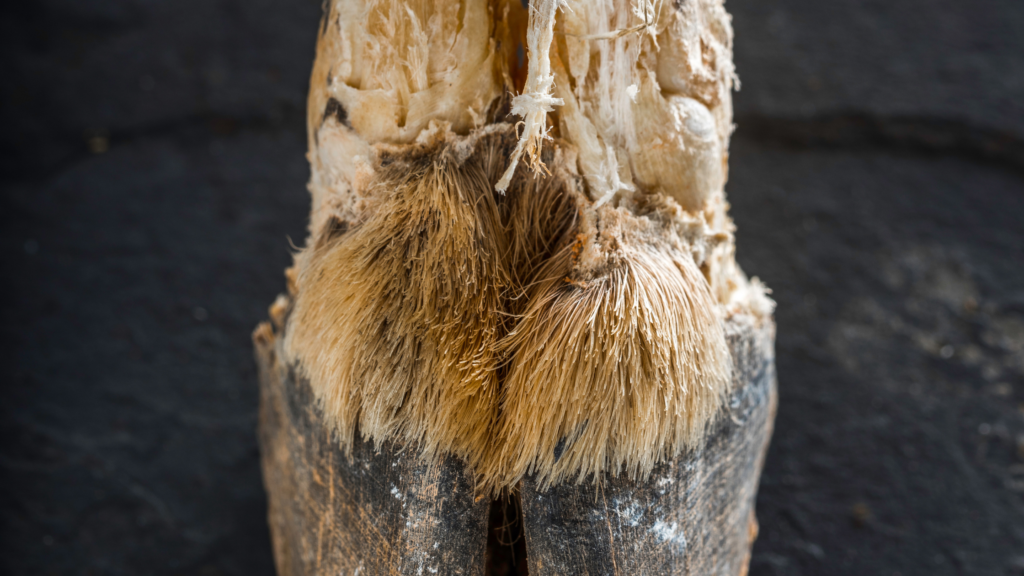
    Hairy deer legs, which may be covered in fur or hair, can pose a choking hazard or digestive issue for some dogs.

    Additionally, the fur on the deer’s leg may be contaminated with dirt, bacteria, or parasites, which can make your dog sick.

    That being said, some dogs may be able to tolerate and digest hairy deer legs without issue. Suppose you decide to feed your dog a hairy deer leg.

    In that case, monitoring them closely for any signs of choking, vomiting, or diarrhoea is essential.

    Suppose you’re concerned about the safety of feeding your dog a hairy deer leg.

    In that case, it may be best to stick to deer legs that have been skinned and cleaned or consult your veterinarian for personalized advice.

    Ultimately, it’s essential to prioritize your dog’s safety and well-being above any potential nutritional benefits that a deer leg may provide.

    Also Read: Aztec Dog Collars: A Guide to History, Design, and Safety

    What Age Can Dogs Have Deer Legs?

    The appropriate age for a dog to have deer legs largely depends on the individual dog’s size, breed, and overall health.

    Generally, it’s recommended that you wait until your dog is at least 6 months old before introducing deer legs into their diet.

    This is because younger dogs may have difficulty digesting certain types of bones or may be more prone to choking on larger pieces.

    Additionally, their digestive systems may still need to be fully developed, making it more difficult for them to extract nutrients from the deer leg.

    Before introducing your dog to deer legs, it’s essential to consult with your veterinarian to ensure that your dog is healthy and ready for this type of food.

    Your vet may recommend a gradual introduction to help your dog acclimate to the new food and minimize potential digestive issues.

    Overall, it’s essential to prioritize your dog’s safety and well-being when introducing new foods into their diet, including deer legs.

    By consulting with your vet and monitoring your dog’s response, you can help ensure your furry friend gets the nutrition they need while staying healthy and happy.

    What Part of Deer is Best for Dogs?

    Regarding feeding your dog deer, each part of the animal has potential benefits and drawbacks. Here are some things to consider when deciding which part of the deer is best for your dog:

    Antlers

    Deer antlers are a favoured chew toy for dogs due to their durability and natural source of minerals.

    Antlers are high in protein and calcium, which can help support your dog’s dental and bone health.

    However, it’s important to choose appropriately sized antlers for your dog to avoid choking hazards.

    Additionally, some dogs are more aggressive chewers and could break a tooth or injure their mouth on antlers.

    Bones

    Deer bones are another option for dogs, as they can provide a natural source of calcium and phosphorus.

    However, giving your dog raw, uncooked bones is essential, as cooked bones can become brittle and splinter, potentially causing digestive issues or injury.

    Additionally, some bones may be too small or sharp for your dog, so it’s important to supervise them while chewing and remove any small or broken pieces.

    Meat

    Deer meat can be a good source of protein and other essential nutrients for dogs.

    However, ensuring the meat is cooked thoroughly is vital to avoid any potential bacterial contamination.

    Additionally, some dogs may have difficulty digesting certain types of meats, so monitoring their response and introducing new foods gradually is essential.

    Ultimately, the best part of the deer for your dog will depend on their individual needs and preferences.

    Consult with your veterinarian to determine which part of the deer would be most appropriate for your dog’s health and well-being.

    How to Safely Feed Your Dog Deer Legs

    If you’re interested in feeding deer legs to your dog, it’s essential to do so safely and responsibly. Here are some critical steps to take:

    Preparing and Cooking Deer Legs for dogs

    Before feeding deer legs to your dog, it’s essential to properly prepare and cook them to reduce the risk of contamination and digestive issues.

    Start washing the legs thoroughly with clean water, then remove excess fat or connective tissue.

    Next, cook the legs by boiling, grilling, or roasting them until fully cooked.

    Avoid giving your dog raw or undercooked meat, as this can increase the risk of bacterial infection.

    Portion Control and Frequency

    Deer legs can be high in fat and calories, so feeding your dog in moderation is essential.

    Please limit the number of deer legs your dog consumes and ensure they get a balanced diet that meets their nutritional needs.

    Feeding deer legs too frequently or in large quantities can lead to digestive upset, weight gain, and other health issues.

    Supervision and Monitoring

    When feeding deer legs to your dog, it’s important to supervise them closely and monitor their behaviour and health. Watch for signs of choking, such as gagging, coughing, or difficulty breathing.

    Remove the leg immediately if your dog shows any of these symptoms.

    Additionally, watch for signs of digestive upset or illness, such as vomiting, diarrhoea, or lethargy. If you notice any of these symptoms, contact your veterinarian right away.

    Overall, feeding deer legs to your dog can provide nutritional benefits, but it’s essential to do so safely and responsibly.

    Always consult your veterinarian before introducing new treats or supplements to your dog’s diet. Follow these guidelines to minimize the risk of health issues or complications.

    Also Read: Champagne for Dogs: Is Champagne safe for Dogs

    Conclusion: Should You Feed Deer Legs to Your Dog?

    Feeding your dog deer legs can provide them various nutritional benefits, such as protein, vitamins, and minerals.

    However, it’s essential to consider the risks and drawbacks of feeding your dog deer legs, such as choking, digestive issues, and bacterial contamination.

    Before introducing deer legs or any new food to your dog’s diet, it’s always best to consult with your veterinarian.

    They can help you determine if deer legs are an appropriate and safe addition to your dog’s diet and can provide guidance on portion control and preparation methods.

    Overall, if you decide to feed your dog deer legs, it’s essential to do so safely and responsibly.

    Choose high-quality, fresh deer legs, and prepare them in a safe and easy way for your dog to digest.

    With the proper precautions and supervision, feeding your dog deer legs can be a healthy and enjoyable addition to their diet.

  • Champagne for Dogs: Is Champagne safe for Dogs

    Champagne for Dogs: Is Champagne safe for Dogs

    Champagne for Dogs – If you’re a dog owner who enjoys the finer things in life, you may be wondering if you can share a glass of champagne with your beloved pet.

    While dogs are often treated like family members, it’s important to remember that they have different dietary needs and sensitivities.

    This guide will explore whether champagne is safe for dogs and provide tips for celebrating with your furry friend.

    Can Dogs Drink Champagne? Is Champagne safe for Dogs

    Can Dogs Drink Champagne?
    Can Dogs Drink Champagne?

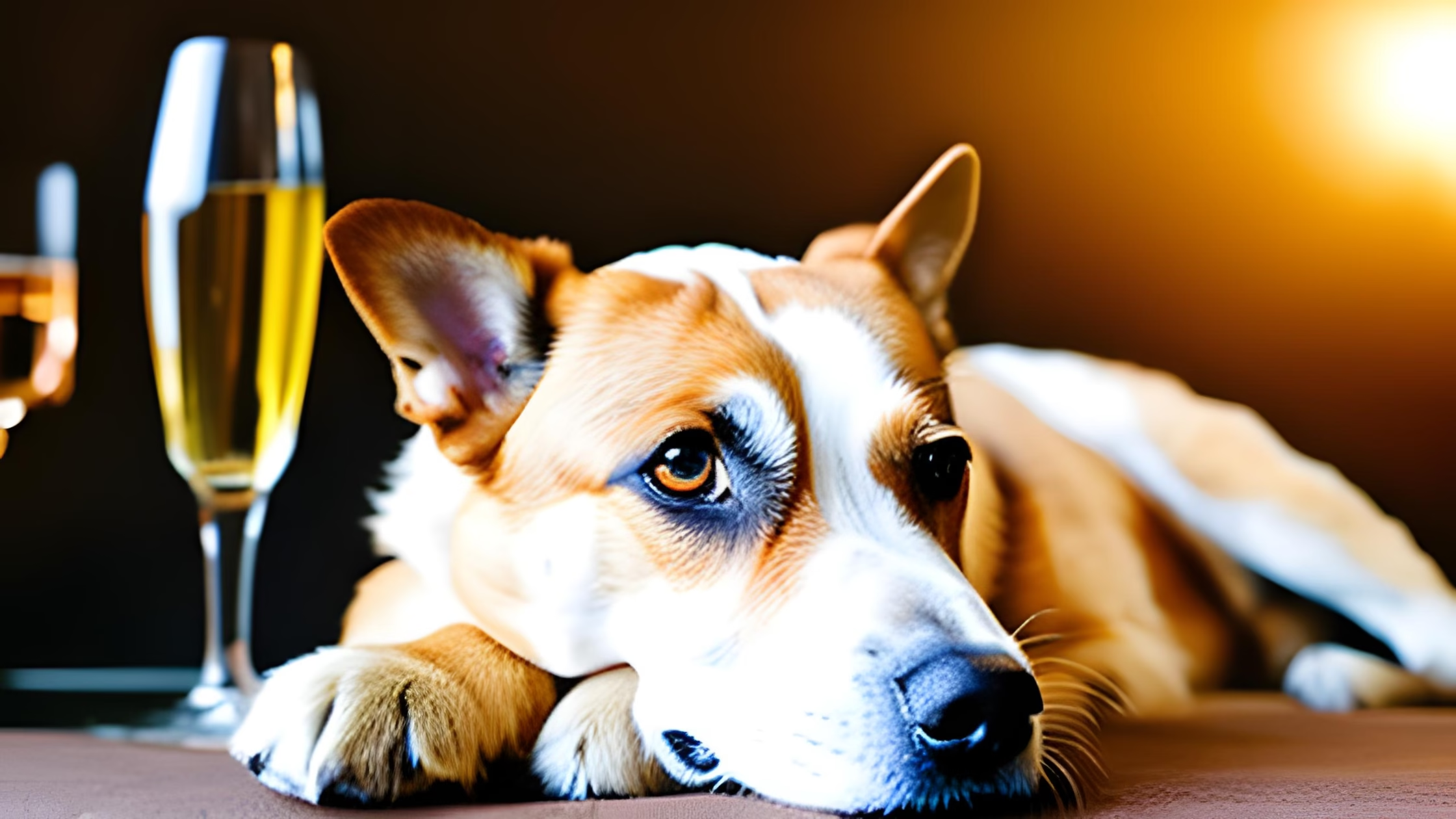
    Yes, dogs can drink champagne, but it is not recommended. There are several risks associated with dogs consuming champagne, as it contains alcohol, sugar, and carbonation.

    Alcohol can have a toxic effect on dogs, causing symptoms such as vomiting, diarrhea, difficulty breathing, and even coma or death in severe cases.

    Sugar, often added to champagne, can also harm dogs, contributing to obesity, dental problems, and other health issues.

    Additionally, carbonation can lead to bloating, gas, and discomfort in dogs.

    While a small amount of champagne may not cause immediate harm to your dog, it is not worth taking the risk.

    It’s important to always prioritize your dog’s health and safety and to avoid exposing them to potentially harmful substances.

    Suppose you want to celebrate a special occasion with your furry friend. In that case, there are plenty of safe and delicious alternatives to champagne that you can share together.

    Consider offering your dog a non-alcoholic, dog-friendly “beer” or “wine” or even a tasty treat that you can both enjoy.

    With a little creativity and care, you can make any celebration a memorable and enjoyable experience for both you and your four-legged companion.

    The Dangers of Alcohol for Dogs: Symptoms and Side Effects

    The Dangers of Alcohol for Dogs
    The Dangers of Alcohol for Dogs

    Alcohol can be extremely dangerous for dogs, even in small amounts. Dogs have a much lower tolerance for alcohol than humans, and even a small amount of alcohol can have serious consequences.

    Symptoms of alcohol poisoning in dogs can include:

    • Vomiting
    • Diarrhea
    • Loss of coordination
    • Difficulty breathing
    • Depression
    • Tremors
    • Seizures
    • Coma

    In severe cases, alcohol poisoning can even lead to death.

    It’s important to remember that alcohol can be present in many unexpected places, such as mouthwash, perfume, and even some types of food.

    Always be aware of the ingredients in any products your dog may come into contact with, and keep them out of your pet’s reach.

    If you suspect that your dog has consumed alcohol, it’s important to seek veterinary care immediately.

    Time is of the essence when it comes to treating alcohol poisoning in dogs, and prompt medical attention can be life-saving.

    Prevention is always the best approach to keeping your dog safe from the dangers of alcohol.

    Never intentionally give your dog alcohol; always keep alcoholic beverages out of your pet’s reach.

    By taking these simple steps, you can help ensure that your furry friend stays happy and healthy.

    Alternatives to Champagne for Dogs: Safe and Delicious Options

    Suppose you want to celebrate a special occasion with your furry friend. In that case, you can offer your dog plenty of safe and delicious alternatives to champagne. Here are a few options:

    Dog-friendly “beer” or “wine.”

    Several companies make non-alcoholic dog-friendly drinks that mimic the taste and appearance of beer and wine.

    These beverages are typically made with dog-safe ingredients such as beef or chicken broth and can be a fun way to toast with your furry friend.

    Homemade dog treats

    Instead of offering your dog alcohol, why not make them a special treat they’ll love?

    Plenty of easy recipes are available online for homemade dog treats, such as peanut butter biscuits or frozen yogurt pops.

    These treats are delicious but also safe and healthy for your pet.

    Special toys or accessories

    Celebrating with your dog doesn’t have to involve food or drink.

    Consider getting your furry friend a special toy or accessory, such as a new collar or a plush toy.

    This can be a great way to show your dog how much you care and make them feel special.

    Whatever alternative you choose, always prioritize your dog’s health and safety.

    Avoid any ingredients that may be harmful to your pet, and remember that moderation is key.

    With creativity and care, you can make any celebration a fun and memorable experience for you and your four-legged companion.

    Also Read: Inverted Dog Nipple: You need to know this – Best Guide

    Tips for Celebrating with Your Dog: Keeping Them Happy and Healthy

    Suppose you’re planning to celebrate a special occasion with your furry friend. In that case, keeping their health and happiness in mind is important.

    Here are a few tips for celebrating with your dog:

    Stick to dog-friendly treats and drinks.

    As we mentioned earlier, alcohol and other human foods can be harmful or even toxic to dogs. Stick to dog-friendly treats and drinks, and avoid anything harmful to your pet.

    Watch your dog’s weight.

    Celebrations often involve food and treats, which can contribute to dog weight gain.

    Make sure to monitor your dog’s weight and adjust their diet accordingly.

    You can also offer healthy, low-calorie treats or toys as an alternative to food-based rewards.

    Avoid loud noises and crowds.

    Some dogs can become anxious or overwhelmed in loud or crowded environments.

    If you plan to celebrate in a public space, ensure your dog is comfortable and secure, and avoid any situations that may cause undue stress.

    Get some exercise

    Celebrating doesn’t have to be all about food and drinks.

    Take your dog for a walk or play a game of fetch to burn off some energy and spend quality time together.

    Be aware of your dog’s limits.

    Dogs have different personalities and energy levels; some enjoy different activities or environments.

    Pay attention to your dog’s body language and behavior, and adjust your plans accordingly.

    By following these tips, you can ensure your furry friend stays happy and healthy while celebrating with you.

    Remember to always prioritize your dog’s needs and well-being and celebrate in a safe and enjoyable way for both you and your four-legged companion.

    Champagne for Dogs – Frequently asked questions (FAQs)

    Can dogs drink champagne? 

    Dogs should not consume alcohol, including champagne. Alcohol can cause various health problems in dogs, including vomiting, diarrhea, difficulty breathing, and even death in severe cases. Instead, opt for dog-friendly “wine” or other non-alcoholic drinks safe for dogs.

    What foods can dogs eat during celebrations? 

    Sticking to dog-friendly foods during celebrations is important, as many human foods can be harmful or even toxic to dogs. Some safe options include cooked lean meats, fruits like apples or blueberries, and vegetables like carrots or green beans. Avoid foods like chocolate, onions, and garlic, which can be toxic to dogs.

    How can I celebrate safely with my dog in public spaces? 

    Celebrating with your dog in public spaces can be fun, but ensuring it is comfortable and safe is important. Always keep your dog on a leash, and avoid areas with large crowds or loud noises if your dog is anxious or easily overwhelmed. Bring plenty of water, treats, or toys to keep your dog occupied and happy.

    Can dogs eat cake or other baked goods? 

    It’s important to avoid giving your dog baked goods that contain ingredients like sugar, chocolate, or raisins, which can be toxic to dogs. However, plenty of dog-friendly cake and treat recipes are available online that use safe ingredients like peanut butter, pumpkin, and oatmeal.

    How can I include my dog in a celebration without food or drinks?

    Celebrating with your dog doesn’t have to revolve around food or drinks. Instead, consider taking your dog for a special walk or hike, playing a game of fetch, or even organizing a dog-friendly photo shoot. You can also spoil your dog with a new toy or extra cuddles.

    What should I do if my dog shows discomfort or illness during a celebration? 

    Suppose your dog shows discomfort or illness, such as vomiting, diarrhea, or difficulty breathing. In that case, it’s important to seek veterinary care immediately. You should also have a plan in case of emergencies, such as knowing the location and phone number of the nearest animal hospital.

    How can I keep my dog calm during celebrations?

    Celebrations can be overwhelming for some dogs, especially in new or noisy environments. To keep your dog calm, ensure they have a quiet space to retreat if they feel stressed or anxious. You can also consider using calming aids like a Thundershirt, pheromone spray, or calming music to help soothe your dog.

    Also Read: Aztec Dog Collars: A Guide to History, Design, and Safety

    Conclusion: Celebrate Safely with Your Furry Friend

    When celebrating with your furry friend, it’s important to prioritize their health and safety.

    Whether you’re toasting a special occasion with dog-friendly “wine” or homemade treats or getting some exercise together, there are plenty of ways to include your dog in your celebrations.

    However, being mindful of your dog’s limits and needs is important.

    Avoid any foods or drinks that may harm your pet, and be aware of any stressors that may cause anxiety or discomfort.

    Paying attention to your dog’s behavior and body language can ensure your furry friend stays happy and healthy while celebrating with you.

    Remember, your dog is an important family member, and their well-being should always be a top priority.

    By celebrating safely and responsibly, you can create lasting memories with your four-legged companion and strengthen your bond even further.

  • Can Dogs Eat Chicken Pot Pies? A Comprehensive guide 2023.

    Can Dogs Eat Chicken Pot Pies? A Comprehensive guide 2023.

    Can Dogs Eat Chicken Pot Pies? Chicken pot pies are a classic comfort food that many people love, but as a dog owner, you may wonder whether this dish is safe for your furry friend.

    While chicken is a common ingredient in many dog foods, it’s important to know whether chicken pot pies are a healthy and safe option for dogs.

    This article will explore the question, “Can dogs eat chicken pot pies?” We will examine the ingredients typically found in chicken pot pies, discuss the potential risks and benefits of feeding them to dogs, and provide some healthy and safe alternatives for dogs to enjoy.

    What Are Chicken Pot Pies?

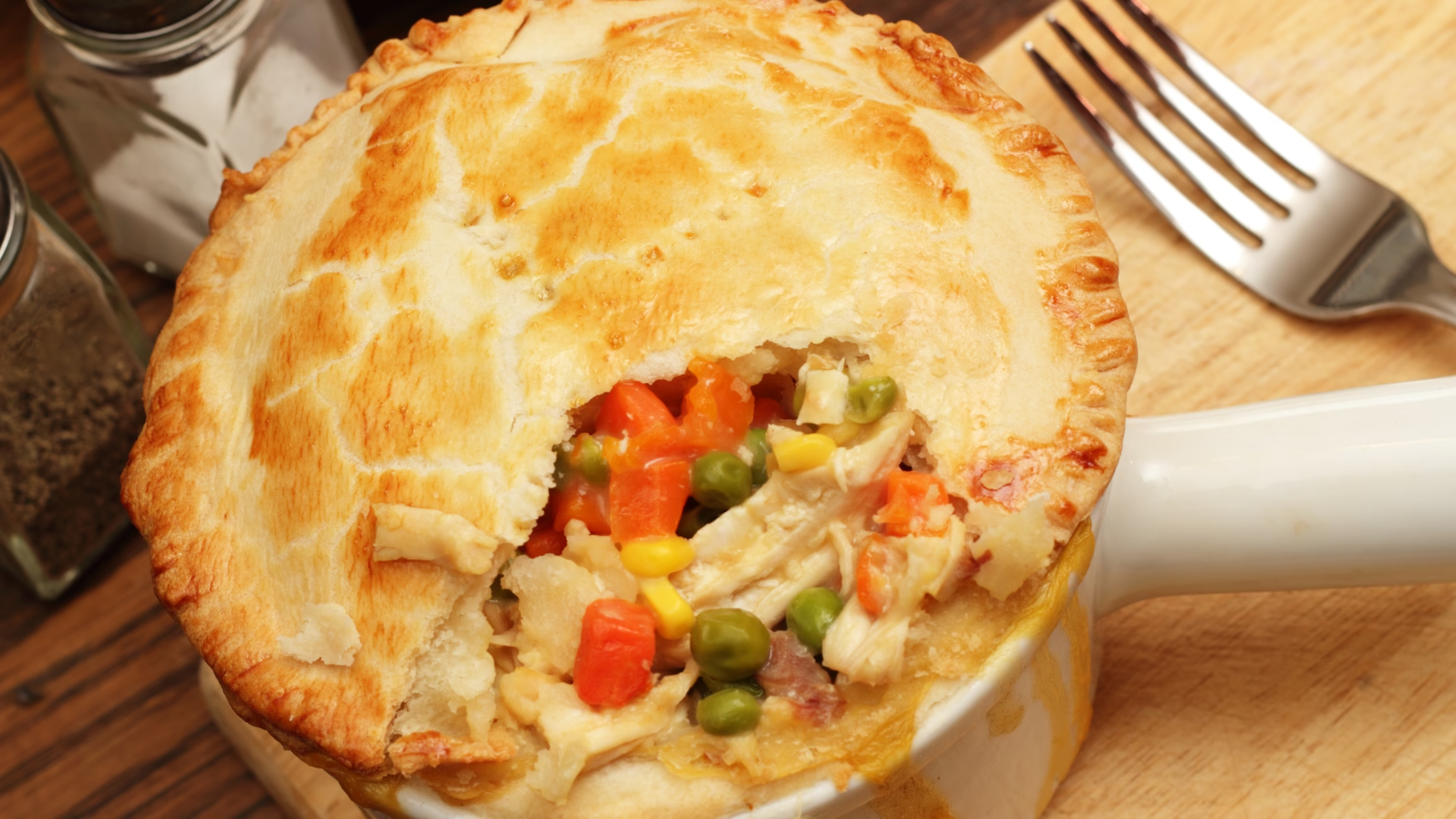
    Chicken pot pies are a savory dish consisting of a flaky crust filled with a mixture of chicken, vegetables, and often a creamy sauce.

    The filling typically includes chicken meat, potatoes, carrots, peas, celery, and onions.

    Chicken pot pies are commonly found in frozen food sections of grocery stores and can be cooked in the oven or microwave.

    While chicken pot pies are a popular human food, it’s important to consider whether dogs are safe and healthy for dogs to eat before sharing this dish with your furry friend.

    Can Dogs Eat Chicken Pot Pies? Can you feed dogs chicken pot pie?

    Can you feed dogs chicken pot pie?
    Can you feed dogs chicken pot pie?

    No, While dogs can eat chicken, there are better choices of food than chicken pot pies to feed them. Chicken pot pies often contain added ingredients like onion and garlic, which can harm dogs.

    Onions and garlic contain compounds that can damage a dog’s red blood cells and cause anemia, leading to weakness, lethargy, and other serious health problems.

    In addition, chicken pot pies are typically high in fat and salt, which can cause digestive upset, obesity, and other health issues in dogs.

    Suppose you want to give your dog chicken. In that case, it’s best to prepare it plain, without added ingredients or seasoning, and ensure it is fully cooked to avoid the risk of salmonella or other harmful bacteria.

    If you want to share a treat with your dog, many healthy and safe options are available, such as small pieces of cooked chicken breast or carrots, green beans, or blueberries as a healthy snack.

    It’s always a good idea to consult with your veterinarian before introducing new foods to your dog’s diet to ensure they are safe and appropriate for your furry friend.

    Also Read: Neurobion Forte for Dogs? A Comprehensive Guide 2023.

    Potential Risks of Feeding Chicken Pot Pies to Dogs

    Feeding chicken pot pies to dogs can pose several potential risks to their health. Here are some of the main risks associated with feeding chicken pot pies to dogs:

    • Onion and garlic toxicity: Chicken pot pies often contain onions and garlic, which can be toxic to dogs. These ingredients can damage a dog’s red blood cells and cause anemia, leading to weakness, lethargy, and other serious health problems.
    • High in fat: Chicken pot pies are often high in fat, which can cause digestive upset, obesity, and other health issues in dogs. High-fat foods can also trigger pancreatitis in dogs, a potentially life-threatening condition.
    • High salt: Chicken pot pies are also typically high in salt, which can harm dogs in large amounts. Excess salt can cause dehydration, electrolyte imbalances, and other health problems.
    • Other harmful ingredients: Some chicken pot pies may contain other harmful ingredients like preservatives, artificial flavors, and colors, which can harm a dog’s health.

    Healthy Alternatives to Chicken Pot Pies for Dogs

    If you’re looking for healthy alternatives to chicken pot pies for your dog, here are some options to consider:

    • Plain, cooked chicken: Plain, cooked chicken is a great source of protein for dogs and can be a healthy and tasty treat. Remove any bones and skin, and avoid adding seasonings or sauces.
    • Vegetables: Many dogs enjoy vegetables and can provide a healthy alternative to high-fat, high-sodium treats. Carrots, green beans, and peas are all great options with low calories and nutrients.
    • Homemade dog treats: If you enjoy cooking, you can make healthy dog treats using ingredients like oatmeal, peanut butter, and pumpkin. Many dog treat recipes are available online that are easy to make and use wholesome ingredients.
    • Store-bought dog treats: If you prefer pre-made treats, look for brands that use high-quality ingredients and avoid artificial flavors, colors, and preservatives. You can also find many treats specifically formulated for dogs with dietary restrictions or health issues.

    Always consult with your veterinarian before introducing new foods or treats to your dog’s diet to ensure they are safe and appropriate for your furry friend.

    Also Read: Can Dogs Sesame Sticks? Best Guide 2023.

    Conclusion: Should You Give Your Dog Chicken Pot Pies?

    In conclusion, chicken pot pies are not a healthy or safe food for dogs. They often contain ingredients like onions, garlic, and high levels of fat and salt, which can harm dogs and cause serious health issues like anaemia, pancreatitis, and dehydration.

    Instead, it’s best to stick to feeding your dog plain, cooked chicken without any added ingredients or seasoning, or consider healthy alternatives like vegetables, homemade treats, or store-bought treats made with high-quality ingredients.

    As always, it’s important to consult with your veterinarian before introducing new foods or treats to your dog’s diet to ensure they are safe and appropriate for your furry friend.

    By making informed choices and providing your dog with a balanced and healthy diet, you can help keep them happy and healthy for years.

  • Can Dogs Sesame Sticks? Best Guide 2023.

    Can Dogs Sesame Sticks? Best Guide 2023.

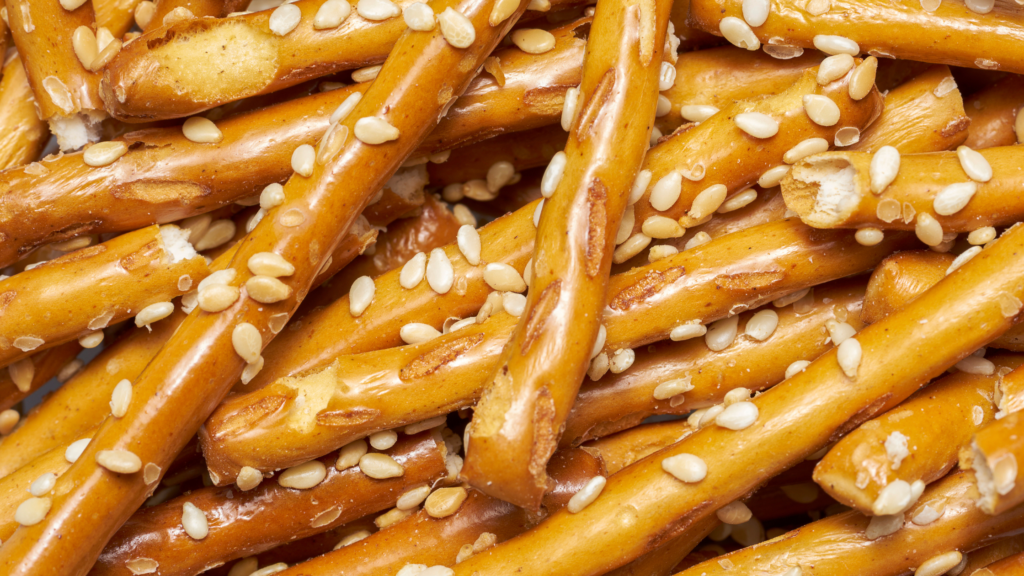
    Can Dogs Sesame Sticks? Sesame sticks are a popular snack food that many people enjoy, but what about our furry friends? As a dog owner, you may wonder whether sesame sticks are a safe and healthy treat option for your four-legged companion.

    While sesame sticks can be a tasty snack for humans, they may not be the best choice for dogs. This article will explore the question, “Can dogs eat sesame sticks?

    We will examine the nutritional value of sesame sticks, discuss the potential risks of feeding them to dogs, and provide some healthy and safe alternatives for dogs to enjoy.

    What are Sesame Sticks?

    What are Sesame Sticks?
    What are Sesame Sticks?

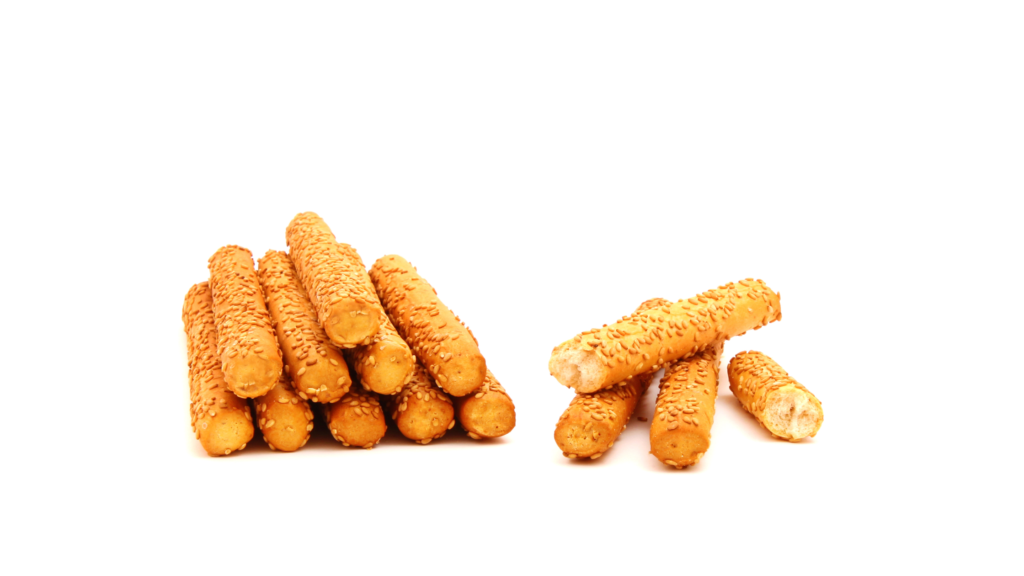
    Sesame sticks are a crunchy snack made from wheat flour, sesame seeds, and various seasonings. They are typically long, thin, and rod-shaped, with a crunchy texture and a savory taste.

    Sesame sticks are often enjoyed as a snack or topping for salads and other dishes. They are a popular snack food among humans found in many grocery stores and online retailers.

    However, when it comes to feeding sesame sticks to dogs, it’s important to know if they are safe and healthy for our furry friends.

    Are Sesame sticks a healthy snack for dogs? 

    Sesame sticks are a tasty snack that is enjoyed by many, but what is their nutritional value? Let’s take a closer look.

    Sesame sticks are typically made from wheat flour, sesame seeds, and a blend of seasonings, such as salt and spices. As a result, they are relatively high in carbohydrates and fat, with moderate protein levels.

    A 1-ounce serving of sesame sticks (about 28 grams) contains approximately:

    • Calories: 150
    • Fat: 10 grams
    • Carbohydrates: 14 grams
    • Fiber: 2 grams
    • Protein: 4 grams

    Sesame sticks contain vitamins and minerals, including calcium, iron, and magnesium.

    However, they are not considered a particularly nutritious snack, as they are often high in sodium and lack many essential nutrients.

    It’s important to remember that while sesame sticks may be an enjoyable treat for humans, they may not provide significant nutritional value for dogs.

    Additionally, dogs have different dietary needs than humans, so it’s essential to ensure that any treats you give your furry friend are safe and healthy.

    Can Dogs Sesame Sticks? Are sesame seed sticks okay for dogs?

    Are sesame seed sticks okay for dogs?
    Are sesame seed sticks okay for dogs?

    While sesame sticks may not be toxic to dogs, they are not an ideal treat option for our furry friends.

    Sesame sticks’ high salt, fat, and carbohydrate levels can be problematic for dogs and may lead to health issues if consumed regularly or in large quantities.

    Additionally, some of the seasonings used in sesame sticks, such as garlic or onion powder, can harm dogs and cause gastrointestinal upset, anemia, or even more severe health issues.

    Therefore, it’s best to avoid feeding your dog sesame sticks altogether to prevent potential health problems.

    If you’re looking for a tasty and safe treat for your dog, many healthy alternatives are available, such as fresh fruits and vegetables or specially formulated dog treats.

    Always read the ingredients list and check with your veterinarian before introducing new foods to your dog’s diet.

    Also Read: Can Dogs Eat Marzipan? The Dangers of marzipan for dogs – Best Guide

    Why can’t dogs have sesame seeds?

    Feeding sesame sticks to dogs may pose several potential risks to their health, including:

    • Gastrointestinal Upset: Sesame sticks are high in salt and fat, which can lead to gastrointestinal upset in dogs, such as diarrhea or vomiting.
    • Weight Gain: Due to their high calorie and fat content, feeding sesame sticks to dogs regularly or in large quantities can lead to weight gain and obesity, increasing the risk of other health issues.
    • Seasoning Ingredients: Some sesame sticks may contain ingredients harmful to dogs, such as garlic or onion powder. These ingredients can cause gastrointestinal upset or even more severe health issues.
    • Dental Problems: The hard and crunchy texture of sesame sticks can also cause dental problems in dogs, such as broken or chipped teeth, or contribute to the formation of dental plaque and tartar.
    • Allergic Reactions: Dogs can be allergic to sesame seeds or other ingredients used in sesame sticks, which can cause allergic reactions such as itching, swelling, or difficulty breathing.

    Overall, it’s best to avoid feeding sesame sticks to dogs and choose healthier and safer treat options instead.

    If you notice any signs of gastrointestinal upset or other health issues after feeding your dog sesame sticks or other treats, consult your veterinarian immediately.

    Healthy Alternatives to Sesame Sticks for Dogs

    If you’re looking for healthy and safe treat options for your furry friend, here are some great alternatives to sesame sticks for dogs:

    Carrots: Carrots are a crunchy, low-calorie snack rich in fiber and vitamins, such as vitamin A and beta-carotene. They are also great for your dog’s dental health, as they help clean their teeth and prevent plaque buildup.

    Apples: Apples are another healthy and low-calorie snack option for dogs, as they are high in fiber, vitamins, and antioxidants. However, make sure to remove the seeds and core, as they can be harmful to dogs.

    Green Beans: Green beans are a nutritious and low-calorie snack high in fiber and vitamins, such as vitamins C and K. They are also a good source of protein and can help with weight management in dogs.

    Blueberries: Blueberries are a tasty and nutritious snack rich in antioxidants and vitamins, such as vitamins C and K. They are also low in calories and can help support your dog’s immune system and brain function.

    Dog-Specific Treats: There are many dog-specific treats available that are formulated with your furry friend’s health in mind. Look for treats made with natural ingredients, and avoid those containing artificial preservatives or flavors.

    Always introduce new treats to your dog’s diet gradually and in moderation. It’s also important to check with your veterinarian before introducing any new foods or treats to ensure they are safe and appropriate for your dog’s needs.

    Frequently Asked Questions

    Can dogs eat sesame leaves? 

    Sesame leaves are not toxic to dogs but are not recommended as a regular treat option. While they are a good source of vitamins and minerals, they are high in fiber, which can cause gastrointestinal upset in dogs if consumed in large quantities.

    Can dogs eat sesame oil? 

    Sesame oil is not toxic to dogs but is not recommended to give to them regularly. While small amounts of sesame oil are unlikely to cause harm, it is high in fat and can cause digestive upset if consumed in large quantities.

    Can dogs eat black sesame seeds? 

    Black sesame seeds are not toxic to dogs but are not recommended as a regular treat option. While they are a good source of vitamins and minerals, they are high in fat and can cause digestive upset if consumed in large quantities.

    Can dogs eat white sesame seeds? 

    White sesame seeds are not toxic to dogs but are not recommended as a regular treat option. While they are a good source of vitamins and minerals, they are high in fat and can cause digestive upset if consumed in large quantities.

    Can dogs eat black sesame oil? 

    Black sesame oil is not toxic to dogs but is not recommended to give to them regularly. While small amounts of black sesame oil are unlikely to cause harm, it is high in fat and can cause digestive upset if consumed in large quantities.

    Can dogs eat white sesame oil? 

    White sesame oil is not toxic to dogs but is not recommended to give to them regularly. While small amounts of white sesame oil are unlikely to cause harm, it is high in fat and can cause digestive upset if consumed in large quantities.

    How do sesame seeds and sesame oil affect dogs? 

    Sesame seeds and sesame oil are not toxic to dogs but are high in fat and can cause digestive upset if consumed in large quantities. Additionally, some dogs may be allergic to sesame seeds or sesame oil, which can cause allergic reactions such as itching, swelling, or difficulty breathing.

    Can puppies eat sesame seeds or sesame oil? 

    Puppies have delicate digestive systems and should not be given sesame seeds or oil without consulting a veterinarian. Small amounts of sesame seeds or sesame oil may be okay for puppies, but it’s best to err on the side of caution and avoid giving them sesame-based products altogether.

    Also Read: Neurobion Forte for Dogs? A Comprehensive Guide 2023.

    Conclusion: Should You Give Your Dog Sesame Sticks?

    In conclusion, while sesame sticks may not be toxic to dogs, they are not recommended as a treat option due to their high salt and fat content, the potential inclusion of harmful ingredients such as garlic or onion powder, and the risk of dental problems and allergic reactions.

    Instead, many healthy and safe alternatives are available, such as fresh fruits and vegetables or specially formulated dog treats.

    Always check with your veterinarian before introducing new treats to your dog’s diet, and monitor your dog’s reaction to new foods.

    You can ensure that your furry friend stays healthy, happy, and well-fed with proper care and attention.

  • Can Dogs Eat Marzipan? The Dangers of marzipan for dogs – Best Guide

    Can Dogs Eat Marzipan? The Dangers of marzipan for dogs – Best Guide

    Can Dogs Eat Marzipan? As a dog owner, being mindful of what your furry friend eats is important. While sharing your favorite sweet treats with your pup may be tempting, certain foods can be dangerous or even deadly for dogs. 

    One such food is marzipan, a sweet almond paste often used in desserts. In this article, we’ll explore whether dogs can safely eat marzipan and what you should do if your dog accidentally ingests this confection.

    What is marzipan, and why is it popular in desserts?

    what is Marzipan |
    What is marzipan

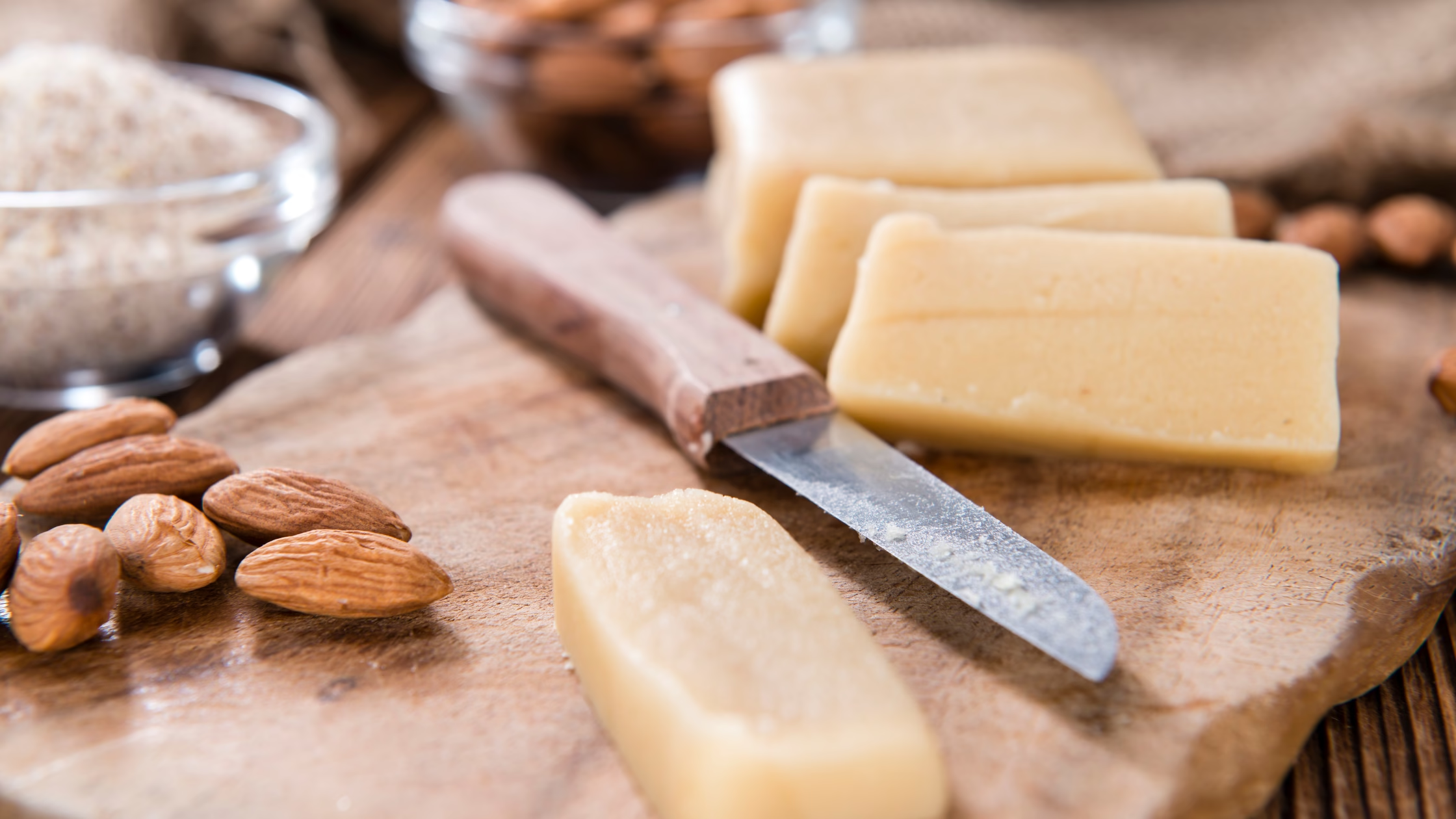
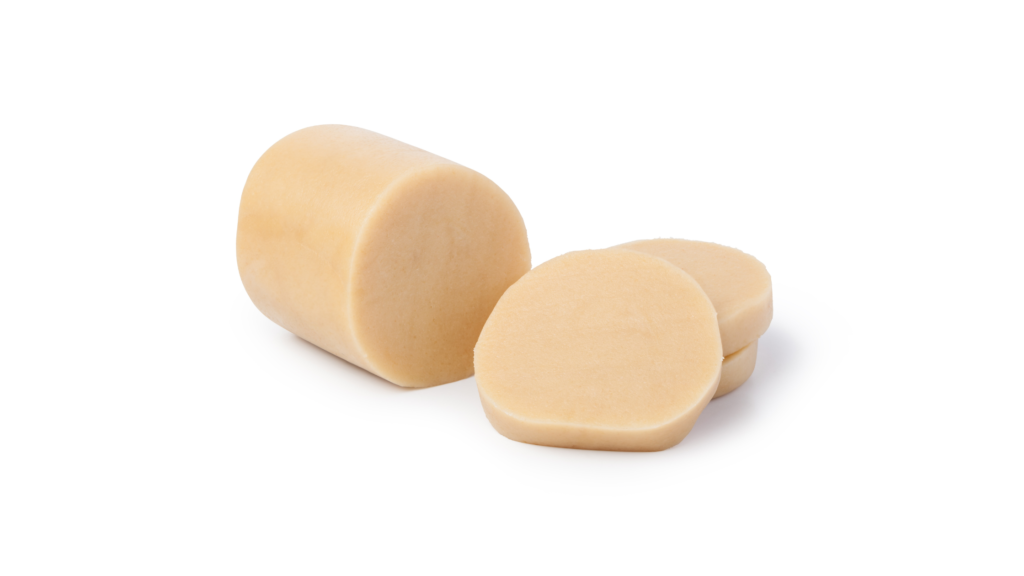
    Marzipan is a sweet almond paste commonly used in various desserts, such as cakes, pastries, and candy. 

    It is made by blending ground almonds with sugar or honey to create a thick, malleable paste that can be shaped into various forms. 

    Marzipan has been used in European desserts for centuries. It is popular in traditional holiday treats like stollen, panettone, and yule logs.

    Marzipan is popular in desserts for several reasons:

    1. It has a sweet and nutty flavor that complements various other ingredients, including chocolate, fruit, and spices.
    2. Marzipan is easy to work with and can be molded into various shapes and designs, making it a versatile ingredient for bakers and pastry chefs.
    3. Marzipan is often used as a decorative element in desserts, adding visual appeal and a unique texture to the finished product.

    However, while marzipan is a beloved ingredient in many desserts, it is important to know that it can be toxic to dogs if ingested in large quantities. 

    Therefore, it’s important to keep marzipan and other human sweets out of reach of pets to avoid any potential health problems.

    Can dogs eat marzipan? Is Marzipan safe for dogs?

    Can dogs eat marzipan Is Marzipan safe for dogs |
    Can dogs eat marzipan? Is Marzipan safe for dogs?

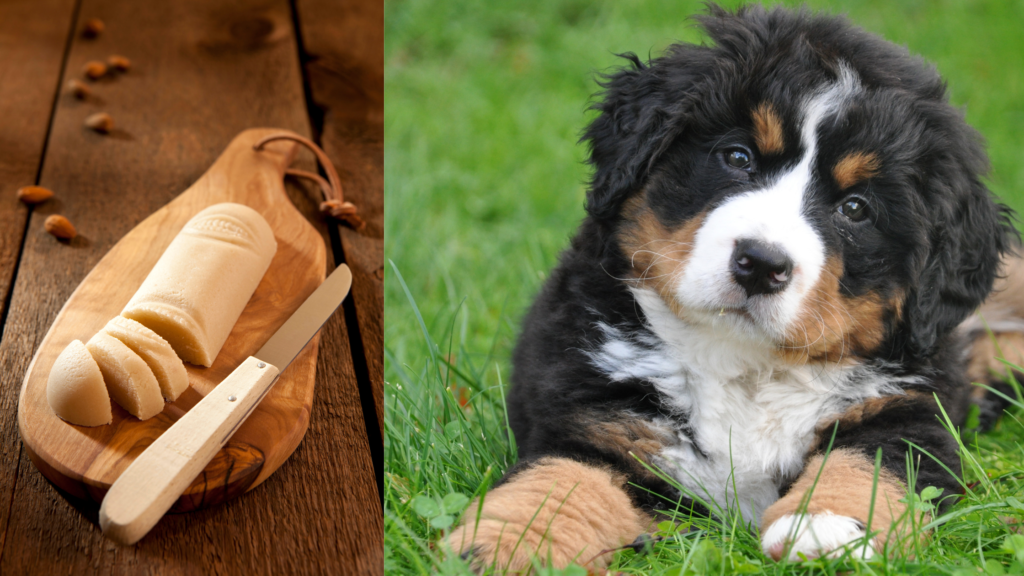
    While marzipan is not considered toxic to dogs, it is not recommended to feed it to them. 

    Marzipan is a high-sugar and high-fat food that can cause digestive problems and weight gain in dogs. 

    Additionally, some marzipan products may contain other ingredients that are harmful to dogs, such as chocolate or xylitol.

    It will likely be okay if your dog accidentally eats a small amount of marzipan. 

    However, if they consume a larger quantity, they may experience symptoms such as vomiting, diarrhea, lethargy, and loss of appetite. 

    In rare cases, marzipan toxicity can lead to serious health problems like pancreatitis.

    Therefore, it is best to avoid giving marzipan to dogs altogether and to keep all sweets and desserts out of reach of your furry friends. 

    Suppose you suspect your dog has eaten marzipan or any other potentially harmful food. 

    In that case, it’s important to contact your veterinarian immediately for advice on how to proceed.

    The dangers of marzipan for dogs

    While marzipan is not inherently toxic to dogs, it can still pose several health risks if consumed in large amounts. Here are some of the most common risks associated with feeding marzipan to dogs:

    Digestive Problems: Marzipan is high in sugar and fat, which can cause digestive upset in dogs. Consuming large amounts of marzipan can lead to symptoms such as vomiting, diarrhea, and abdominal pain.

    Also Read: Can Dogs Eat Abalone? Best Tips for Safely Feeding Abalone

    Weight Gain: Like most sweets, marzipan is calorie-dense and can contribute to weight gain in dogs if consumed regularly or in large amounts.

    Xylitol Poisoning: Some marzipan products may contain xylitol, a sugar substitute that is highly toxic to dogs. Even small amounts of xylitol can cause a rapid release of insulin in dogs, leading to dangerously low blood sugar levels and potential liver failure.

    Chocolate Toxicity: Some marzipan products may be coated in chocolate, which is highly toxic to dogs. Chocolate contains theobromine, which can cause symptoms such as vomiting, diarrhea, tremors, seizures, and even death in dogs if consumed in large amounts.

    Pancreatitis: Consuming large amounts of fatty foods like marzipan can increase the risk of pancreatitis in dogs. Pancreatitis is when the pancreas becomes inflamed, leading to symptoms such as abdominal pain, vomiting, diarrhea, and lethargy.

    Overall, it is best to avoid feeding dogs marzipan and keep all sweets and desserts out of reach of pets. 

    Suppose you suspect your dog has eaten marzipan or any other potentially harmful food. 

    In that case, it’s important to contact your veterinarian immediately for advice on how to proceed.

    Symptoms of marzipan toxicity in dogs

    Marzipan itself is not toxic to dogs, but if your dog consumes a large amount of marzipan or marzipan-containing products, it may experience symptoms of toxicity. Here are some of the signs to look out for:

    Digestive upset: Consuming a large amount of marzipan can cause digestive upset in dogs, leading to vomiting, diarrhea, and abdominal pain.

    Lethargy: Dogs who have consumed a lot of marzipan may become sluggish or unresponsive.

    Loss of appetite: Marzipan toxicity can cause dogs to lose their appetite and refuse to eat.

    Increased thirst and urination: Dogs who consume much marzipan may drink more water and urinate more frequently.

    Pancreatitis: Marzipan is high in fat and can increase the risk of pancreatitis in dogs. Symptoms of pancreatitis include vomiting, diarrhea, abdominal pain, and lethargy.

    Suppose you suspect your dog has consumed a large amount of marzipan or any other potentially toxic substance. 

    In that case, it’s important to contact your veterinarian immediately. They can advise on managing your dog’s symptoms and preventing further complications. 

    Sometimes, your vet may recommend hospitalization and supportive care to manage your dog’s condition.

    What to do if your dog eats marzipan

    It will likely be okay if your dog has eaten a small amount of marzipan. 

    However, suppose they have consumed a large amount or are showing symptoms of marzipan toxicity. 

    In that case, it’s important to take action quickly. Here are the steps you should take if your dog eats marzipan:

    Monitor your dog’s symptoms: Monitor your dog for signs of digestive upset, lethargy, loss of appetite, increased thirst and urination, or other symptoms of marzipan toxicity.

    Contact your veterinarian: If your dog has consumed a large amount of marzipan or is showing symptoms of toxicity, contact your veterinarian immediately. They can advise on managing your dog’s symptoms and whether further treatment is necessary.

    Supportive care: Depending on your veterinarian’s recommendations, you may need to provide supportive care for your dog. This may include offering small amounts of water to prevent dehydration or withholding food until your dog’s digestive system has had a chance to recover.

    Follow your veterinarian’s recommendations: Your veterinarian may recommend additional treatment or monitoring for your dog, depending on the severity of their symptoms. Follow their recommendations closely to ensure your dog receives the care they need.

    In general, it’s best to keep all sweets and desserts out of reach of your pets to prevent accidental ingestion. 

    If you suspect your dog has consumed a potentially harmful substance, don’t hesitate to contact your veterinarian for advice on how to proceed.

    Also Read: Can Dogs Eat Barbacoa? Is Barbacoa safe for puppies?

    Conclusion

    In conclusion, while marzipan is not inherently toxic to dogs, it can pose several health risks if consumed in large amounts. 

    Marzipan is high in sugar and fat, which can cause digestive upset and weight gain in dogs. 

    Some marzipan products may also contain xylitol, a sugar substitute that is highly toxic to dogs, or be coated in chocolate, which is also toxic. 

    Ingestion of large amounts of marzipan can increase the risk of pancreatitis, a serious condition that requires veterinary treatment.

    Suppose you suspect your dog has consumed marzipan or any other potentially harmful substance. 

    In that case, it’s important to contact your veterinarian immediately for advice on how to proceed. 

    By taking prompt action, you can help minimize your pet’s health risks and ensure they receive the care they need. 

    As a responsible pet owner, it’s important to keep all sweets and desserts out of reach of your pets to prevent accidental ingestion and potential health complications.