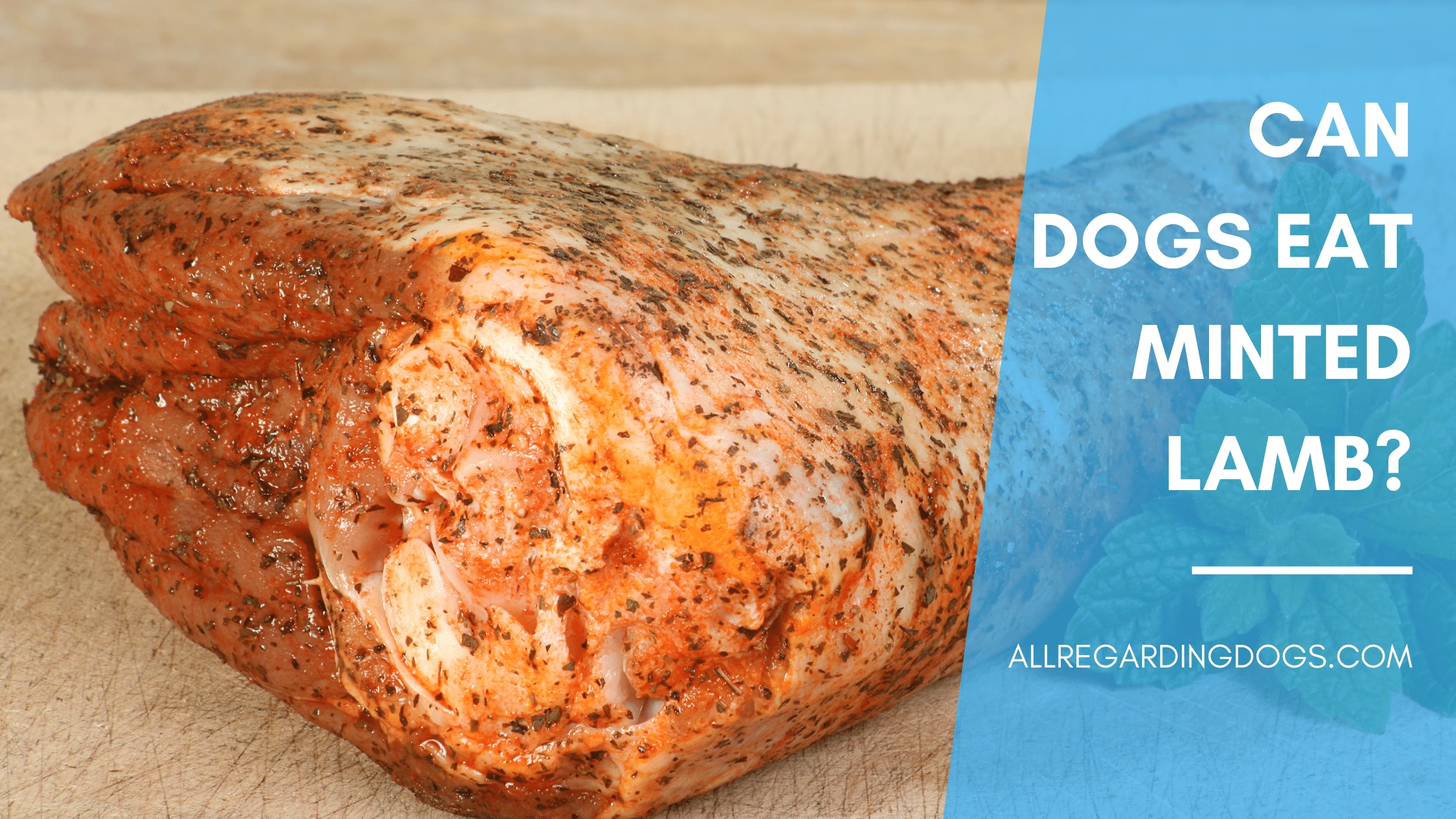
As pet owners, we often find ourselves tempted to share our meals with our furry friends. One common question is, “Can dogs eat minted lamb?” While it’s natural to want to give your dog a taste of your delicious meal, it’s essential to understand the potential benefits and risks. In this comprehensive guide, we’ll explore whether dogs can eat minted lamb and provide tips for keeping your pet safe.
Can Dogs Eat Minted Lamb?
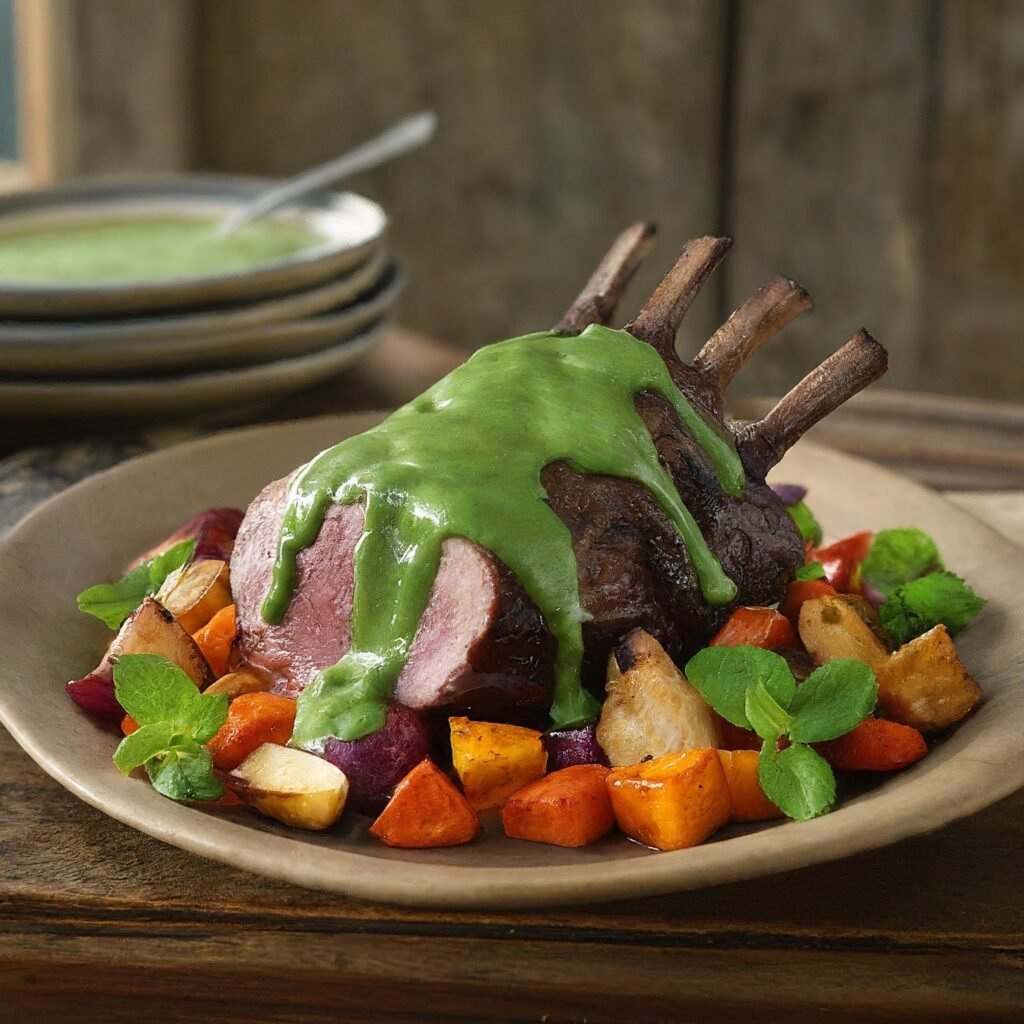
Minted Lamb
The short answer is that while dogs can eat lamb, minted lamb can be problematic due to the additional ingredients used in its preparation. Let’s break down the components to understand why.
Benefits of Lamb for Dogs
High-Quality Protein: Lamb is a great source of protein, essential for your dog’s muscle development and overall health.
Vitamins and Minerals: Lamb provides important nutrients like vitamin B12, zinc, and iron, supporting a strong immune system and healthy skin.
Digestibility: Lamb is often easier on the digestive system, making it a good option for dogs with food sensitivities.
The Role of Mint in a Dog’s Diet
Mint can be beneficial in small quantities, helping to freshen breath and aid digestion. However, not all types of mint are safe for dogs. Garden mint (Mentha spicata) is generally safe, while pennyroyal mint (Mentha pulegium) is toxic.
Risks of Feeding Minted Lamb to Dogs
Seasonings and Spices: Minted lamb recipes often include garlic and onions, which are toxic to dogs. Even small amounts can lead to serious health issues.
High Fat Content: Lamb is fattier than other meats, and excessive fat can cause pancreatitis in dogs.
Salt and Preservatives: Processed lamb dishes may contain high levels of salt and preservatives, harmful to your dog’s health.
Safe Ways to Serve Lamb to Dogs
If you want to share lamb with your dog, it’s best to prepare it plain and cooked thoroughly. Here are some tips:
Cook Thoroughly: Ensure the lamb is fully cooked to eliminate any risk of bacterial infections.
Remove Fat and Bones: Trim excess fat and remove any bones to prevent choking hazards and digestive issues.
Serve in Moderation: Offer lamb as an occasional treat rather than a regular part of your dog’s diet.
Conclusion
So, can dogs eat minted lamb? While lamb itself can be a nutritious treat, minted lamb often includes harmful seasonings and spices. To keep your furry friend safe, avoid giving them minted lamb and opt for plain, cooked lamb instead. Always consult your veterinarian before introducing any new foods into your dog’s diet to ensure their health and well-being.
By understanding the potential risks and benefits, you can make better dietary choices for your pet, ensuring they stay happy and healthy for years to come.
FAQs
Can dogs eat mint?
Yes, but only certain types of mint in small quantities. Garden mint is generally safe, while pennyroyal mint is toxic.
What should I do if my dog eats minted lamb?
Monitor your dog for any signs of illness, such as vomiting, diarrhea, or lethargy. If any symptoms appear, contact your veterinarian immediately.
Are there any safe alternatives to minted lamb for dogs?
Yes, plain cooked lamb without any seasonings is a safer alternative. Always serve in moderation and consult your vet before introducing new foods. By staying informed and cautious, you can ensure that your dog enjoys a healthy and balanced diet.
Can Dogs Be Intolerant to Lamb?
Yes, dogs can be intolerant to lamb, just as they can be intolerant to any other protein source. Food intolerance in dogs typically results from an adverse reaction to a specific ingredient, and lamb is no exception. Symptoms of food intolerance can include gastrointestinal issues, skin problems, and chronic ear infections.
Can Lamb Cause Digestive Problems in Dogs?
Lamb can cause digestive problems in some dogs, especially those with a sensitivity or intolerance to it. Common digestive issues include: Vomiting: If your dog is intolerant to lamb, they may vomit after eating it. Diarrhea: Intolerance can also lead to diarrhea, as the digestive system struggles to process the protein. Flatulence: Increased gas can be a sign that your dog’s digestive system is having trouble with lamb.
Can Lamb Give Dogs Diarrhea?
Yes, lamb can give dogs diarrhea, particularly if they have an intolerance or sensitivity to it. Diarrhea can occur if the lamb is not properly cooked, is too fatty, or contains seasonings and additives. If your dog experiences diarrhea after eating lamb, it’s best to consult your veterinarian to rule out food intolerance or other underlying issues.
Is Lamb Stomach Good for Dogs?
Lamb stomach, often referred to as tripe, can be a nutritious addition to your dog’s diet. Here’s why: Digestive Enzymes: Tripe contains natural digestive enzymes that can aid in digestion. Probiotics: It also has probiotics that help maintain a healthy gut flora. Nutrient-Rich: Lamb stomach is rich in essential nutrients, including protein, vitamins, and minerals. However, it’s important to ensure that the lamb stomach is clean and properly prepared to avoid any bacterial contamination.
Can dogs be allergic to lamb?
Yes, dogs can develop allergies to lamb, resulting in symptoms such as itchy skin, ear infections, and gastrointestinal issues.
What should I do if my dog has a reaction to lamb?
If your dog shows signs of an adverse reaction, such as vomiting, diarrhea, or skin irritation, stop feeding them lamb and consult your veterinarian immediately.
Is lamb a good protein source for dogs with food sensitivities?
Lamb is often used in hypoallergenic dog foods, but it’s essential to monitor your dog for any signs of intolerance or allergy and consult your veterinarian.
Can I feed my dog lamb as a regular part of their diet?
Yes, if your dog tolerates lamb well, it can be included as part of a balanced diet. Always ensure the lamb is cooked thoroughly and free from seasonings and additives.
As a dog owner, you might have noticed your furry friend licking the floor and wondered what could be causing this peculiar behavior. While occasional licking is generally harmless, persistent floor licking can be a sign of underlying issues. As a dog expert, I’m here to help you understand the possible reasons and what you can do about it.
Why Is My Dog Licking the Floor?
Why Is My Dog Licking the Floor? Insights from a Dog Expert 6
1. Exploration and Curiosity
Dogs explore the world with their noses and mouths. They may lick the floor simply because they are curious about a new or interesting smell or taste.
If your dog licks the floor occasionally and shows no other signs of distress, this behavior is likely just a part of their natural curiosity.
2. Spilled Food or Drinks
One of the most common reasons dogs lick the floor is the presence of food or drink residue.
Even if you’ve cleaned up after a spill, your dog’s keen sense of smell can detect minute particles, prompting them to lick the area.
3. Seeking Attention
Dogs often repeat behaviors that get them attention.
If licking the floor has previously resulted in interaction from you, whether positive or negative, your dog might continue to do it to garner your attention.
It’s essential to monitor your reactions and ensure you’re not inadvertently encouraging the behavior.
4. Boredom or Anxiety
Floor licking can be a sign of boredom or anxiety. Dogs need mental and physical stimulation to stay happy and healthy.
If they don’t get enough exercise or mental engagement, they might resort to behaviors like floor licking to cope with their boredom or anxiety.
Providing plenty of toys, engaging in regular playtime, and ensuring daily exercise can help alleviate these issues.
5. Gastrointestinal Issues
Persistent floor licking might indicate underlying gastrointestinal (GI) problems. Dogs with GI discomfort may lick surfaces in an attempt to soothe their stomachs.
If your dog is licking the floor frequently and exhibits other symptoms such as vomiting, diarrhea, loss of appetite, or lethargy, it’s crucial to consult your veterinarian.
6. Nutritional Deficiencies
Sometimes, dogs lick unusual surfaces due to nutritional deficiencies. If your dog’s diet lacks essential nutrients, they may lick the floor or other non-food items to compensate.
Ensuring your dog has a balanced and nutritious diet is vital. Consult your vet about the best dietary options for your dog’s specific needs.
7. Compulsive Behavior
In some cases, floor licking can become a compulsive behavior. Compulsive licking might be linked to anxiety, stress, or underlying medical conditions.
If your dog’s licking behavior is excessive and repetitive, it’s essential to seek advice from a vet or a professional animal behaviorist to determine the cause and develop a management plan.
What to Do About Floor Licking
What to Do About Floor Licking
If your dog’s floor licking is infrequent and doesn’t seem to cause any distress, it’s likely nothing to worry about. However, if the behavior is persistent, you can take several steps to address it:
Ensure Cleanliness: Regularly clean your floors to remove any food residues or enticing smells that might attract your dog.
Provide Enrichment: Keep your dog mentally and physically stimulated with regular exercise, interactive toys, and training sessions.
Evaluate Diet: Ensure your dog is on a balanced diet that meets all their nutritional needs. Consult your vet for dietary advice.
Monitor Health: Keep an eye on your dog’s overall health and behavior. If you notice any signs of illness or distress, consult your vet promptly.
Behavioral Support: If the licking is due to anxiety or compulsion, work with a vet or a behaviorist to develop strategies to manage and reduce the behavior.
Understanding why your dog licks the floor can help you address the behavior effectively.
While it may be a harmless exploration or a quest for leftovers, it can also signal deeper issues like anxiety, nutritional deficiencies, or health problems.
By observing your dog’s behavior and taking appropriate action, you can ensure your furry friend stays happy and healthy.
For more expert tips and advice on dog behavior, health, and training, follow our blog or join our community of dog lovers.
If you have specific concerns about your dog’s licking behavior, feel free to reach out to a veterinary professional for personalized guidance.
Let’s face it, our canine companions deserve a little treat now and then. You might be sharing a delicious cinnamon-infused snack and wonder, “Can dogs have cinnamon rolls?” The answer, like many things in life, depends on the amount and the type of cinnamon.
Cinnamon 101: A Doggie Dilemma
cinnamon
Cinnamon is a spice derived from the inner bark of several trees. The two most common types are:
Cassia cinnamon: This is the most common type found in grocery stores. While generally safe in small amounts for dogs, it contains a compound called coumarin, which can be toxic in high doses.
Ceylon cinnamon: This variety is less common and typically more expensive. It contains lower levels of coumarin and is considered safer for dogs.
Small Doses, Big Impact: Safe Cinnamon Consumption for Dogs
The good news is that small amounts of cinnamon, particularly Ceylon cinnamon, are unlikely to harm your dog. In fact, cinnamon may offer some potential health benefits, including:
Blood sugar control: Studies suggest cinnamon may help regulate blood sugar levels.
Anti-inflammatory properties: Cinnamon possesses anti-inflammatory properties that could benefit dogs with joint pain.
Antioxidant power: Cinnamon is a source of antioxidants, which can help combat cell damage.
Can dogs have cinnamon rolls?
No, cinnamon rolls are not recommended for dogs. They contain high amounts of sugar and icing, which can be unhealthy for your pup.
Cinnamon Concerns: When to Say Woof!
While a sprinkle of cinnamon on your pup’s kibble might be okay, there are situations where cinnamon is a no-go for dogs:
Large quantities: Excessive cinnamon consumption can lead to vomiting, diarrhea, low blood sugar, and even liver damage.
Cinnamon oil or extract: These concentrated forms of cinnamon are highly toxic to dogs and should be strictly avoided.
Cinnamon-infused treats: Commercially produced treats may contain high levels of cinnamon or other ingredients harmful to dogs. Always check the label before sharing.
The Golden Rule: Moderation is Key – How much cinnamon to give to my dog?
When it comes to cinnamon and your dog, remember moderation is key. Here’s a general guideline:
Small dogs (under 10 pounds): Avoid cinnamon altogether or consult your veterinarian before offering any amount.
Medium dogs (10-25 pounds): A tiny sprinkle (less than ¼ teaspoon) of Ceylon cinnamon on their food occasionally might be acceptable.
Large dogs (over 25 pounds): A small pinch (less than ½ teaspoon) of Ceylon cinnamon on their food on rare occasions may be okay.
FAQ: Unleashing the Answers on Cinnamon and Canine Consumption
Can dogs have cinnamon toast crunch?
While a tiny crumb or two might not be harmful, it’s generally best to avoid processed cereals due to the high sugar content.
Can dogs have cinnamon applesauce?
Commercially prepared applesauce might contain added sugar or artificial sweeteners that can be harmful to dogs. If you want to share applesauce, make sure it’s plain and unsweetened.
Can dogs have cinnamon sugar?
Due to the high sugar content, cinnamon sugar is not recommended for dogs.
Can dogs have cinnamon sticks?
Cinnamon sticks themselves are unlikely to cause harm if your dog chews on them (though they may not be very digestible). However, the bigger concern is if they ingest large pieces, which could cause choking. Opt for ground cinnamon in minimal amounts if you want to share some.
Can dogs have cinnamon toast?
A small amount of plain toast with a sprinkle of cinnamon might be okay on rare occasions. However, bread can be high in carbohydrates, so moderation is key.
Can dogs have cinnamon cookies?
Most commercially produced cinnamon cookies contain ingredients like sugar, chocolate chips, and nuts that are not good for dogs. It’s best to avoid them.
Can dogs have cinnamon oatmeal?
Plain oatmeal is generally safe for dogs in moderation. However, commercially prepared oatmeal packets might contain added sugar or artificial flavors that can be harmful. Opt for plain oatmeal and add a tiny sprinkle of cinnamon if desired.
Can dogs have cinnamon raisin bagels?
Raisins can be toxic to dogs, so avoid giving them cinnamon raisin bagels or any food containing raisins.
Can dogs have cinnamon french toast?
French toast is typically made with bread, milk, eggs, and sugar, none of which are ideal for dogs in large quantities. It’s best to avoid sharing french toast with your pup.
Can dogs have cinnamon-flavored things?
Many cinnamon-flavored products contain artificial sweeteners or other ingredients that can be harmful to dogs.
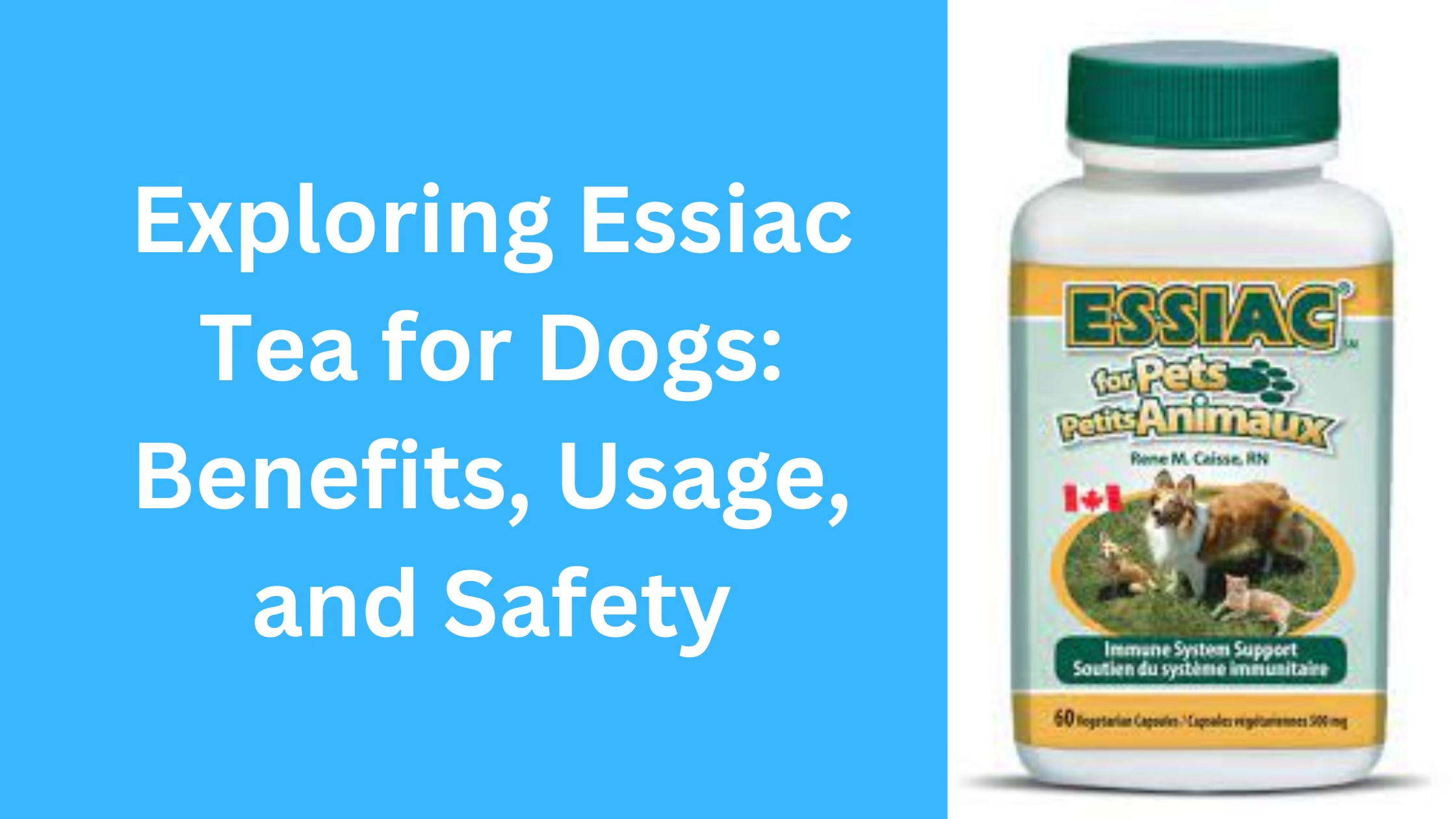
Welcome to the world of Essiac tea for dogs! You may have heard about this herbal remedy and its potential benefits, but what exactly is Essiac tea?
Essiac tea is a blend of herbs that has gained popularity for its perceived health benefits in humans and furry friends.
This article will delve into the fascinating world of Essiac tea for dogs and explore its potential benefits, usage, and safety.
Whether you’re curious about how Essiac tea works or considering incorporating it into your dog’s routine, this article provides valuable information to make informed decisions about your dog’s well-being.
So, let’s embark on this journey and uncover the wonders of Essiac tea for dogs!
What is Essiac tea?
What is Essiac tea?
Are you ready to dive into the world of Essiac tea for dogs? Let’s start by understanding what exactly Essiac tea is.
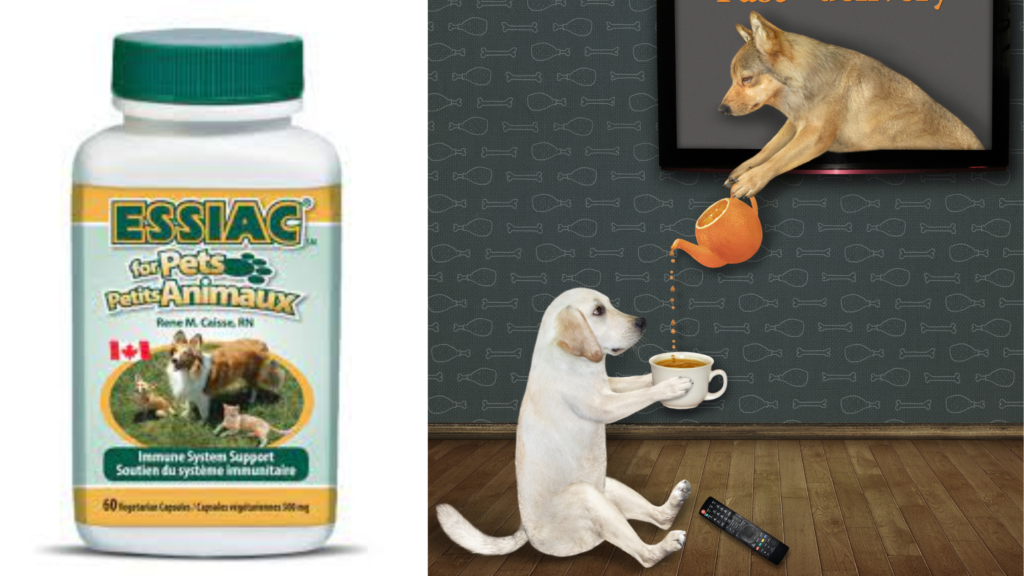
Essiac tea is a herbal infusion that originated from a Canadian nurse named Rene Caisse (spell her last name backward, and you’ll see where the name Essiac comes from!).
She believed the blend of herbs she used in the tea had powerful health benefits.
Essiac tea typically comprises four main herbs: burdock root, sheep sorrel, slippery elm bark, and Indian rhubarb root. Each of these herbs brings unique properties to the tea, creating a potent combination.
How does Essiac tea work for dogs?
Now, how Essiac tea works for dogs, while the exact mechanisms of action are not fully understood, it is believed that the herbal blend in Essiac tea may help support the immune system, reduce inflammation, and provide antioxidant effects.
These properties contribute to the potential benefits that Essiac tea may offer for dogs.
It’s important to note that while there are anecdotal reports and testimonials about the positive effects of Essiac tea in dogs, scientific research on its efficacy is limited.
So, let’s continue exploring the benefits and considerations of using Essiac tea for our furry friends!
Benefits of Essiac Tea for Dogs
Are you curious about the potential benefits of Essiac tea for dogs? Well, you’re in for a treat! Essiac tea has gained attention for its potential positive effects on dogs’ health.
One key benefit of Essiac tea is its potential to support the immune system. A robust immune system is vital for dogs to maintain optimal health and fight off infections.
The blend of herbs in Essiac tea is believed to contain compounds that can help stimulate and enhance the immune response in dogs.
In addition to immune support, Essiac tea may also have anti-inflammatory properties. Inflammation can occur in dogs for various reasons, such as injury, arthritis, or certain health conditions.
By potentially reducing inflammation, Essiac tea may improve dogs’ mobility, comfort, and overall well-being.
While individual experiences may vary, some dog owners have reported positive outcomes after incorporating Essiac tea into their pets’ wellness routines.
However, it’s essential to remember that scientific research on the specific effects of Essiac tea in dogs is limited.
As with any natural remedy, it’s always a good idea to consult your veterinarian before introducing Essiac tea or any new supplement to your dog’s regimen.
Your vet can provide guidance based on your dog’s specific health needs and help you make informed decisions.
So, if you’re interested in exploring Essiac tea for your furry companion, let’s move forward and learn more about its safe usage and potential side effects!
Regarding the safety of Essiac tea for dogs, it’s essential to proceed cautiously and prioritize your furry friend’s well-being. While Essiac tea is generally considered safe, there are a few factors to consider.
First and foremost, it’s crucial to source high-quality Essiac tea specifically formulated for dogs.
Not all Essiac teas on the market are suitable for canine consumption, as they may contain ingredients that can be harmful to dogs.
Therefore, purchasing Essiac tea from reputable sources is recommended, or consult your veterinarian for trusted recommendations.
As for potential side effects, they are generally rare but can occur in some cases. These side effects may include gastrointestinal upset, such as diarrhea or vomiting.
It’s essential to start with a low dosage and closely monitor your dog’s response. Suppose you notice any adverse reactions or persistent discomfort.
In that case, it’s best to discontinue using Essiac tea and consult your veterinarian for further guidance.
Additionally, it’s crucial to consider your dog’s specific health condition and any underlying medical issues.
Certain dogs, such as those with pre-existing liver or kidney problems, may be more susceptible to adverse effects.
Always consult your veterinarian before giving Essiac tea to your dog, especially if your dog has any underlying health concerns or is taking other medications.
To ensure your dog’s safety:
Closely observe their response to Essiac tea.
Watch for any changes in behavior, appetite, or bowel movements.
If you have any concerns or questions, don’t hesitate to contact your veterinarian for guidance and support.
Remember, every dog is unique, and what works for one may not work for another. It’s always best to prioritize your dog’s well-being and decide based on their needs and health status.
How to Give Essiac Tea to Dogs
How to Give Essiac Tea to Dogs
When giving Essiac tea to your furry companion, a few essential factors must be considered to ensure a smooth and effective administration.
1. Method of Administration
Essiac tea for dogs can be given orally. You can administer it directly into your dog’s mouth using a syringe or mix it with their food.
Mixing it with a small amount of wet food or low-sodium broth can help entice your dog to consume it.
2. Dosage and Frequency
The dosage of Essiac tea for dogs can vary based on size, health condition, and the specific product’s instructions.
It’s crucial to consult your veterinarian for the appropriate dosage tailored to your dog’s individual needs.
Start with a low dosage and gradually increase it as recommended.
3. Introducing Essiac Tea
Some dogs may be hesitant to try new tastes or textures.
To make the introduction more manageable, mix a small amount of Essiac tea with a highly palatable treat or use positive reinforcement to encourage your dog to accept it.
Patience and a gradual approach can go a long way in helping your dog become accustomed to the taste and routine of receiving Essiac tea.
4. Consistency and Monitoring
To achieve the desired benefits, it’s essential to be consistent with the administration of Essiac tea.
Follow the recommended dosage and frequency guidelines provided by your veterinarian.
Record your dog’s response, including any positive changes or concerns, and share this information with your veterinarian during check-ups.
Remember, while Essiac tea may offer potential dog benefits, it’s not a substitute for professional veterinary care.
Always consult your veterinarian before introducing new supplements or treatments, especially if your dog has underlying health conditions or is taking other medications.
Your veterinarian can guide you on the appropriate dosage, frequency, and overall suitability of Essiac tea for your dog’s needs.
By following these guidelines and working closely with your veterinarian, you can help ensure a safe and effective administration of Essiac tea to support your dog’s well-being.
Usage Guidelines and Precautions for giving essiac tea to dogs
When using Essiac tea for dogs, you must know specific guidelines and precautions to ensure your furry friend’s safety and well-being.
1. Pregnant or Nursing Dogs
If your dog is pregnant or nursing, it’s essential to exercise caution when considering using Essiac tea.
The effects of Essiac tea on pregnant or nursing dogs have not been extensively studied, so it’s best to consult your veterinarian before introducing it.
They can provide personalized guidance based on your dog’s specific situation.
2. Interactions with Other Medications
Essiac tea, like any herbal supplement, has the potential to interact with other medications your dog may be taking.
Certain medications, such as blood thinners or immunosuppressants, may interact with Essiac tea.
Therefore, it is crucial to inform your veterinarian about all the medications your dog is receiving to ensure no potential interactions or adverse effects.
3. Veterinary Consultation
Before starting your dog on Essiac tea, it’s always recommended to consult with your veterinarian.
They will have a comprehensive understanding of your dog’s health history.
They can advise on the appropriate usage, dosage, and potential interactions.
Your veterinarian will consider your dog’s specific needs and help you make an informed decision regarding using Essiac tea.
4. Monitoring and Observation
Once your dog starts using Essiac tea, closely monitoring their response and overall well-being is essential.
Watch for any unusual symptoms, changes in behavior, or adverse reactions. If you notice anything concerning, discontinue using Essiac tea and consult your veterinarian promptly.
Remember, Essiac tea is not a substitute for proper veterinary care. It is intended to be used as a complementary approach to supporting your dog’s health.
Your veterinarian is your best resource for guidance on using Essiac tea. It can provide the most accurate and personalized information based on your dog’s needs.
Following these usage guidelines and taking necessary precautions can ensure a safe and responsible approach to incorporating Essiac tea into your dog’s wellness routine.
Where to Buy Essiac Tea for Dogs
When purchasing Essiac tea for your beloved dog, choosing a reliable and reputable source is essential. Here are some tips to help you find high-quality Essiac tea for dogs:
1. Veterinary Recommendations
Start by consulting your veterinarian. They can provide valuable guidance on where to purchase Essiac tea for dogs. Veterinarians often know trusted suppliers or may even carry Essiac tea themselves.
2. Reputable Pet Supply Stores
Check with your local pet supply stores specializing in natural and holistic products. These stores may carry Essiac tea specifically formulated for dogs or have recommendations on trusted brands.
3. Online Retailers
Numerous online retailers specialize in pet products, including herbal supplements like Essiac tea.
Look for well-established and reputable websites that have positive customer reviews and offer detailed product information.
4. Manufacturer’s Websites
Some manufacturers of Essiac tea for dogs have websites you can purchase directly from. This lets you learn more about their product, manufacturing process, and quality control measures.
When selecting Essiac tea for your dog, prioritize high-quality, organic products.
Organic Essiac tea is made from herbs that have been grown without the use of pesticides or synthetic fertilizers, ensuring a purer and more natural formulation.
This can be particularly important when giving herbal supplements to your furry friend.
Before purchasing, carefully read product descriptions, reviews, and ingredient lists.
Look for Essiac tea specifically formulated for dogs, as it may have variations in dosage or additional ingredients that cater to their unique needs.
Remember, the quality of the Essiac tea you choose can impact its effectiveness and safety. Always opt for trusted sources and consult your veterinarian for any concerns or questions.
By diligently searching for reputable suppliers and selecting high-quality Essiac tea, you can provide your dog with a reliable and safe product that may support its overall well-being.
Frequently asked questions about Essiac tea for dogs.
Is Essiac tea safe for dogs?
Essiac tea is generally considered safe for dogs when used as directed. However, it’s essential to consult your veterinarian before giving any herbal supplement to your dog. They can assess your dog’s specific health needs and provide personalized advice.
Can Essiac tea cure cancer in dogs?
Essiac tea is not a cure for cancer in dogs. While some believe it may have potential health benefits, including supporting the immune system, it is not a substitute for proper veterinary care. Suppose your dog has cancer or any other serious health condition. In that case, working closely with your veterinarian to develop a comprehensive treatment plan is crucial.
What are the side effects of Essiac tea for dogs?
Essiac tea is generally well-tolerated by dogs, but like any herbal supplement, it may cause individual reactions. Some dogs may experience mild digestive upset, such as diarrhea or vomiting. If you notice any adverse effects after giving Essiac tea to your dog, discontinue use and consult your veterinarian.
How long does it take for Essiac tea to work for dogs?
The effectiveness of Essiac tea can vary depending on the individual dog and the health condition being addressed. Having realistic expectations and understanding that herbal remedies may take time to show noticeable effects is essential. If you’re considering using Essiac tea for your dog, consult your veterinarian for the expected timeline and monitoring progress.
Can I give Essiac tea to my dog if she is pregnant or nursing?
Giving Essiac tea to pregnant or nursing dogs without consulting your veterinarian is not recommended. Certain herbs in Essiac tea may affect hormonal balance or fetal development. Your veterinarian can provide the best advice based on your dog’s situation.
Can I give my dog Essiac tea if she takes other medications?
It’s essential to inform your veterinarian about all the medications, supplements, or herbal remedies your dog is taking. Some herbs in Essiac tea may interact with certain medications, affecting their efficacy or causing adverse effects. Your veterinarian can help determine if Essiac tea is safe to use alongside other medications, your dog may be taking.
What is burdock root good for in dogs?
Burdock root is a natural ingredient that offers several potential benefits for dogs. This root is known for its ability to support skin health and promote a shiny coat in our furry friends. It may help soothe dry, itchy skin and alleviate symptoms of allergies or dermatitis. Additionally, burdock root is believed to have anti-inflammatory properties that can aid in joint health and mobility. However, it’s essential to consult with your veterinarian before introducing burdock root or any new supplement to your dog’s diet. They can provide guidance based on your dog’s specific needs and ensure it is safe and appropriate for them.
In conclusion, Essiac tea can be an intriguing herbal option for supporting your dog’s health. We explored its potential benefits, such as immune system support and addressing inflammation.
However, it’s important to remember that Essiac tea does not cure cancer or any other serious health condition in dogs.
Before incorporating Essiac tea into your dog’s routine, it’s crucial to consult with your veterinarian.
They can provide personalized guidance based on your dog’s specific health needs and any existing medical conditions.
Your vet can also help determine the appropriate dosage and frequency of administration.
While Essiac tea is generally considered safe for dogs, it’s essential to be aware of potential side effects, such as mild digestive upset.
Monitoring your dog closely for any adverse reactions is crucial, and if you notice any concerning symptoms, discontinue use and consult your veterinarian.
When purchasing Essiac tea for your dog, choose reputable sources offering high-quality, organic products.
This ensures you provide your dog with a reliable and safe supplement.
Remember, the information provided here is meant to guide you, but it’s always best to consult with your veterinarian.
They are the experts in your dog’s health and can provide the most accurate and personalized advice.
By working with your veterinarian and making informed decisions, you can provide the best care for your beloved canine companion.
Can Dogs Eat Plantain Chips? – Have you ever wondered if sharing your delicious plantain chips with your furry companion is safe? Plantain chips are a popular snack enjoyed by many.
Still, when it comes to our canine friends, it’s essential to consider their unique dietary needs.
Understanding the potential risks and benefits of feeding plantain chips to dogs is crucial for their overall health and well-being.
In this article, we will explore whether dogs can eat plantain chips, the potential advantages and disadvantages, and provide you with helpful insights to make informed decisions when treating your furry friend.
So, let’s dive in and discover if plantain chips are a suitable snack for your beloved canine companion!
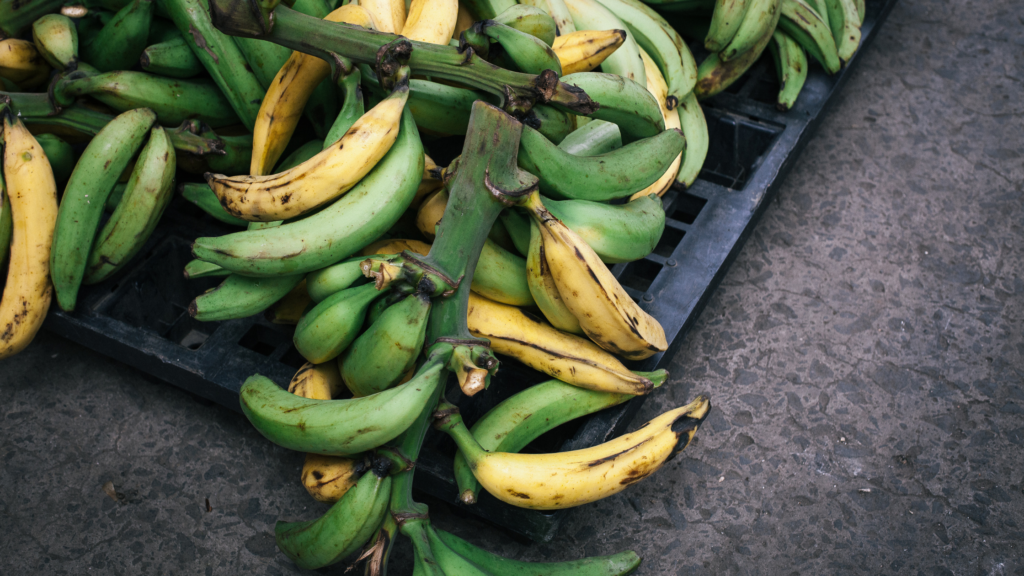
Can dogs eat plantains? Are plantains safe for dogs to eat?
Can dogs eat plantains? Are plantains safe for dogs to eat?
Plantains are a type of fruit that is closely related to bananas.
They are a popular ingredient in various cuisines and can be enjoyed in different forms, including chips.
But can dogs safely eat plantains? Let’s find out!
The good news is that plantains themselves are not toxic to dogs.
They are a good source of dietary fiber, vitamins A and C, and minerals such as potassium.
These nutrients can offer some health benefits to dogs when incorporated into their diet in moderation.
However, it’s important to note that often fried and seasoned plantain chips may not be the best choice for our canine companions.
The added ingredients, such as salt, oils, and seasonings, can harm dogs’ health.
Excessive salt intake can lead to electrolyte imbalances and may strain the dog’s kidneys.
Additionally, the high-fat content in fried plantain chips can be challenging for dogs to digest.
It may contribute to weight gain or digestive issues.
To ensure your dog’s safety, it is best to avoid feeding them commercially available plantain chips or those prepared with added ingredients.
Instead, consider offering your dog fresh, ripe plantains cooked without any seasonings or additives.
Always remember that moderation is vital.
While plantains can provide some nutritional benefits to dogs, they should be offered as an occasional treat, not as a staple of their diet.
It’s always a good idea to consult your veterinarian before introducing new foods into your dog’s diet.
So, while plain and properly prepared plantains can be a safe and healthy addition to your dog’s snack repertoire, avoiding plantain chips high in salt, oils, and seasonings is essential.
By making mindful choices, you can ensure that your furry friend enjoys the goodness of plantains without any adverse effects on their health.
Can Dogs Eat Plantain Chips? Are plantain chips safe for dogs?
Can Dogs Eat Plantain Chips? Are plantain chips safe for dogs?
Regarding plantain chips, dogs’ safety can be a bit more complicated.
While plantains are not harmful to dogs, plantain chips often undergo processing that can introduce additional ingredients and seasonings that may not be suitable for our furry friends.
Plantain chips in stores or those prepared at home are typically fried or baked and may contain added oils, salt, or various seasonings. These additional ingredients can pose potential risks to dogs.
High levels of sodium, commonly found in salted plantain chips, can be detrimental to dogs’ health.
Excessive salt intake can lead to electrolyte imbalances, dehydration, and even kidney damage.
Dogs have different sodium requirements than humans, and their bodies may not be able to handle the same levels of salt.
In addition to the salt content, the oils used in frying or baking plantain chips can be rich in fats.
Dogs have more difficulty digesting large amounts of fat than humans, and a high-fat diet can lead to weight gain, gastrointestinal upset, and pancreatitis.
Furthermore, the seasonings and additives in flavored plantain chips can introduce potential allergens or irritants to dogs.
Ingredients like garlic, onion, or certain spices commonly found in seasoned chips can be toxic to dogs and should be avoided.
To ensure the safety of your furry friend, it is best to avoid giving them commercially available plantain chips or those prepared with added oils, salt, seasonings, or potentially harmful ingredients.
Instead, focus on providing your dog with fresh, ripe plantains cooked without additives or seasonings.
Suppose you’re keen on offering your dog a chip-like snack. In that case, dog-friendly alternatives available in pet stores are formulated explicitly with their health in mind.
These treats are designed to be safe and suitable for canine consumption.
Always remember that treats, including plantain chips, should only make up a small portion of your dog’s diet.
Their main meals should consist of nutritionally balanced dog food your veterinarian recommends.
When in doubt, it’s best to consult your veterinarian before introducing new food into your dog’s diet.
They can provide personalized advice based on your dog’s specific needs, taking into account any dietary restrictions, allergies, or health concerns.
By being mindful of the ingredients, preparation methods, and potential additives in plantain chips, you can help ensure the safety and well-being of your beloved canine companion.
Benefits of Feeding Plantains to Dogs – Are plantain chips healthy?
Plantains can offer some nutritional benefits for dogs in their natural and unprocessed form.
These tropical fruits contain essential nutrients for your dog’s health and well-being.
1. Fiber
Plantains are a great source of dietary fiber. Fiber is crucial in maintaining healthy digestion and bowel movements in dogs.
It can help regulate bowel movements, prevent constipation, and promote a healthy gastrointestinal system.
2. Vitamins
Plantains are rich in various vitamins that are beneficial for dogs.
They contain vitamins A, C, and K, contributing to immune system function, vision health, collagen production, and blood clotting.
These vitamins support your dog’s overall health and contribute to its vitality.
3. Minerals
Plantains also provide important minerals that are essential for dogs.
They contain potassium, magnesium, and iron.
Potassium helps maintain proper muscle and nerve function, while magnesium is involved in energy production and bone health.
Iron is necessary for the formation of healthy red blood cells.
When feeding plantains to your dog, it’s essential to prepare them appropriately.
Plantains should be ripe, as unripe ones can be difficult to digest and may cause digestive upset.
They can be cooked by boiling, steaming, or baking without any added oils, salt, or seasonings.
It’s essential to remember that while plantains offer nutritional benefits, they should be given in moderation as part of a well-balanced diet.
Treats, including plantains, should be at most 10% of your dog’s daily calorie intake to prevent nutritional imbalances and weight gain.
If you need more clarification about incorporating plantains into your dog’s diet or have concerns about their specific dietary needs, consult your veterinarian.
They can provide guidance tailored to your dog’s requirements and health conditions.
Always observe your dog for any adverse reactions when introducing new foods.
If you notice any signs of digestive upset, such as vomiting or diarrhea, discontinue feeding plantains and consult your veterinarian.
By understanding plantain’s nutritional benefits and providing them safely and appropriately, you can offer your dog a tasty and nutritious treat that supports its overall health and well-being.
Risks of Feeding Plantain Chips to Dogs
While plantains can offer some nutritional benefits to dogs, it’s essential to be aware of the potential risks associated with feeding them plantain chips.
Here are some factors to consider:
1. High Sodium Content
Plantain chips often contain added salt, which can harm dogs’ health.
Dogs have different sodium requirements than humans, and excessive sodium intake can lead to health problems like increased thirst, dehydration, and even kidney issues.
The high sodium content in plantain chips can be particularly problematic for dogs with pre-existing health conditions such as heart disease or hypertension.
2. Added Oils
Plantain chips are typically fried in oils, which can increase their fat content.
While dogs need some healthy fats in their diet, excessive consumption of fatty foods can lead to weight gain, pancreatitis, and other digestive issues.
The added oils used in preparing plantain chips may not be suitable for dogs, as they can be high in saturated or unhealthy fats.
3. Digestive Issues
Plantain chips, especially if heavily processed and seasoned, may contain ingredients that can upset a dog’s sensitive digestive system.
Dogs may experience diarrhea, vomiting, or gastrointestinal discomfort due to the high-fat content, artificial additives, or potential food sensitivities.
To mitigate these risks, it is best to avoid feeding plantain chips to dogs. Instead, consider offering fresh, ripe plantains cooked in a dog-safe manner.
Baked or steamed plain plantain slices can be a healthier alternative.
Remove the skin and seeds before serving, as they can pose a choking hazard or cause digestive issues.
As always, it’s crucial to consult with your veterinarian before introducing any new food into your dog’s diet.
They can provide specific guidance based on your dog’s needs, health conditions, and dietary restrictions.
By prioritizing your dog’s health and making informed choices about their diet, you can help ensure they receive safe and nutritionally balanced meals and treats.
How Much Plantain Chips Can Dogs Eat?
When it comes to feeding plantain chips to your dog, moderation is key.
While plantain chips may not be the healthiest option for dogs, if you still offer them as an occasional treat, it’s essential to do so in a controlled manner.
Here are some guidelines to consider:
1. Portion Control
Limit the amount of plantain chips you give to your dog.
Remember that plantain chips are typically high in calories, sodium, and fats.
A few small pieces may be sufficient for small dogs, while larger dogs can handle slightly larger portions.
Avoid giving your dog an entire bag or excessive amounts in one sitting.
2. Consider the Dog’s Size and Weight
Consider your dog’s size and weight when determining the appropriate portion.
Smaller dogs have smaller stomachs and may not tolerate large quantities of plantain chips as well as larger dogs.
Adjust the portion size accordingly to avoid overfeeding.
3. Overall Diet
It’s crucial to consider your dog’s overall diet and nutritional needs.
Plantain chips should not replace balanced meals or essential nutrients from complete and balanced dog food.
Treats, including plantain chips, should only make up a small percentage of your dog’s daily caloric intake.
4. Monitor the Dog’s Reaction
Watch for adverse reactions or digestive issues after your dog consumes plantain chips.
If you notice any signs of gastrointestinal upset, such as vomiting, diarrhea, or discomfort, discontinue feeding plantain chips immediately.
Remember, plantain chips should not be a regular part of your dog’s diet.
They should be given sparingly and in small quantities.
It’s always best to prioritize healthier alternatives like safe, fresh fruits and vegetables and provide more nutritional benefits to your furry friend.
Consult with your veterinarian if you have concerns or questions about your dog’s diet or specific dietary restrictions.
They can offer personalized advice based on your dog’s needs, health conditions, and nutritional requirements.
By being mindful of portion sizes and considering your dog’s overall well-being, you can ensure that any treats, including plantain chips, are enjoyed in moderation and as part of a balanced diet.
If you’re considering adding plantains to your dog’s diet, it’s essential to prepare them safely and dog-friendly. Here are some suggestions for incorporating plantains into your dog’s meals:
1. Cooked and Plain
Opt for cooked plantains instead of raw ones.
Raw plantains can be difficult for dogs to digest and may cause gastrointestinal issues.
You can steam or bake plantains until they are soft and easily mashed with a fork. Avoid using oils, seasonings, or additional ingredients that could harm your dog.
2. Mashed or Cubed
Once the plantains are cooked, you can mash them or cut them into small, bite-sized cubes.
Mashed plantains can be mixed with your dog’s food to add variety and nutrition.
Cubed plantains can be used as a tasty and healthy training treat.
3. Frozen Treats
Another option is to freeze tiny pieces of cooked plantains and offer them as a refreshing treat on a hot day.
Frozen plantain bites can provide some relief during warm weather while offering a different texture for your dog to enjoy.
4. Limited Quantities
Remember to feed plantains in moderation. They should not make up a significant portion of your dog’s diet.
Treats, including plantains, should only be occasionally added to your dog’s regular meals.
5. Monitoring for Allergies
Keep an eye out for any signs of allergies or sensitivities when introducing plantains to your dog’s diet for the first time.
Watch for symptoms such as itching, skin irritation, or gastrointestinal upset. If you notice any adverse reactions, discontinue feeding plantains and consult with your veterinarian.
It’s important to note that while plantains can be a healthy addition to a dog’s diet when appropriately prepared, they should not replace a balanced and nutritionally complete dog food.
Plantains should always be given as a supplement or treat alongside a well-rounded diet that meets your dog’s nutritional needs.
As with any dietary changes, it’s advisable to consult with your veterinarian before introducing plantains or any new food to your dog’s diet.
They can provide guidance based on your dog’s specific needs, health conditions, and dietary requirements.
By following these tips and preparing plantains in a safe and dog-friendly manner, you can offer your canine companion a tasty and nutritious treat while ensuring their overall well-being.
FAQ’s
Can I Give My Dog a Plantain Chip as a Treat?
While plantain chips may seem tempting to share with your furry friend, it’s essential to approach this with caution.
Plantain chips can be given to dogs as an occasional treat, but there are a few things to keep in mind:
1. Ingredient Check Before offering your dog a plantain chip, carefully examine the ingredients.
Some commercially available plantain chips may contain added seasonings, oils, or salt, which can harm dogs.
Opt for plain, unsalted plantain chips without any additional additives.
2. Portion Control Moderation is vital when giving your dog a plantain chip as a treat.
Plantain chips are typically higher in calories and carbohydrates, so limiting the quantity is essential.
Depending on their size and dietary needs, one or two small pieces can be sufficient for most dogs.
Be mindful not to overindulge your pup with too many chips, as it can lead to digestive upset or weight gain.
3. Healthier Alternatives If you’re concerned about the potential risks associated with commercial plantain chips, consider preparing your homemade version.
You can slice plantains into thin pieces and bake them in the oven without oils or seasonings.
Homemade plantain chips can be a healthier and safer alternative for your dog.
4. Individual Sensitivities Every dog is unique; some may have sensitivities or allergies to certain foods.
When offering plantain chips for the first time, closely monitor your dog for any adverse reactions.
Watch for signs of digestive upset, allergic reactions, or changes in behavior.
If you notice any adverse symptoms, it’s best to avoid giving plantain chips to your dog in the future.
Treats should always be the same as a well-balanced and nutritious diet for your dog.
Plantain chips should be considered an occasional treat.
They should only make up a little of your dog’s daily food intake.
It’s always a good idea to consult with your veterinarian before introducing new treats or foods into your dog’s diet, especially if your dog has any pre-existing health conditions or dietary restrictions.
By practicing portion control and being mindful of the ingredients, you can occasionally offer your dog a plantain chip as a treat.
However, it’s crucial to prioritize their overall health and well-being by providing a balanced diet and choosing other healthy treat options that are specifically formulated for canine consumption.
Can I Make My Own Plantain Chips for My Dog?
Absolutely! Making homemade plantain chips for your dog is a great way to provide them with a healthy and dog-friendly treat.
By preparing them yourself, you can ensure they are free from harmful additives and seasonings.
Here’s a simple recipe to make homemade, dog-friendly plantain chips: Ingredients:
– Ripe plantains (choose ones that are yellow with black spots) – Olive oil (optional)
Instructions: 1. Preheat your oven to 350°F (175°C) and line a baking sheet with parchment paper.
2. Peel the plantains and slice them into thin, uniform rounds. You can use a knife or a mandoline slicer for even slices. Aim for a thickness of about 1/8 inch.
3. If desired, you can lightly brush the plantain slices with a small amount of olive oil. This step is optional and can add some extra flavor, but the chips don’t need to turn out crispy.
4. Arrange the plantain slices on the prepared baking sheet in a single layer. Make sure they are distinct to ensure even cooking.
5. Place the baking sheet in the oven and bake for approximately 15-20 minutes. Keep a close eye on them, as baking times may vary. Flip the slices halfway through the baking time to ensure even crispiness.
6. Remove the baking sheet from the oven and let the plantain chips cool. They will continue to crisp up as they cool.
7. Once the chips have cooled down, you can store them in an airtight container for future snacking. They should stay fresh for several days.
It’s important to note that homemade plantain chips should still be given to your dog in moderation.
Even though they are homemade and free from harmful additives, they are still higher in calories and carbohydrates.
Offer them as an occasional treat and adjust the portion size based on your dog’s size, weight, and dietary needs.
By making your plantain chips, you have control over the ingredients.
You can provide your dog with a healthier alternative to store-bought options.
Remember, if your dog has any allergies or sensitivities, it’s always a good idea to consult your veterinarian before introducing new foods into their diet.
Enjoy making these homemade plantain chips for your furry friend and watching them enjoy this tasty and nutritious treat!
What Are the Best Ways to Cook Plantains for My Dog?
You can use several cooking methods to prepare plantains for your dog, each offering unique textures and flavors.
Here are some of the best ways to cook plantains while preserving their nutritional value for your furry friend:
1. Boiling Boiling is a simple and effective method of cooking plantains for dogs.
Start by peeling the plantains and cutting them into chunks.
Place the plantain chunks in boiling water and cook until they become soft and tender.
Once cooked, you can mash them or serve them as is.
Boiled plantains retain most of their nutrients and are easily digestible for dogs.
2. Steaming Steaming is another healthy cooking method that helps retain the natural goodness of plantains.
Peel the plantains and cut them into slices or chunks.
Please place them in a steamer basket or steaming tray and steam until they become soft and easily mashable.
Steamed plantains are gentle on your dog’s stomach and provide a smooth texture suitable for dogs with dental issues or older dogs.
3. Baking Baking plantains can create a slightly crispy texture that some dogs enjoy. Preheat your oven to 400°F (200°C).
Cut the plantains into desired shapes, such as slices or wedges.
Place them on a baking sheet lined with parchment paper and bake for approximately 15-20 minutes or until golden brown.
Baked plantains are a healthier alternative to fried options and retain their nutritional value.
4. Dehydrating Dehydrating plantains is a fantastic way to create chewy treats for your dog. Slice the plantains into thin rounds or strips.
Lay them on a dehydrator tray or a baking sheet lined with parchment paper.
Set your dehydrator or oven to a low temperature (around 130°F or 55°C) and let the plantains dry for several hours until they become chewy and crisp.
Dehydrated plantains make excellent long-lasting treats for dogs to enjoy.
Remember, when cooking plantains for your dog, avoiding adding additional ingredients or seasonings, such as salt, sugar, or spices, is essential.
Dogs have sensitive digestive systems, and certain seasonings can harm them.
Stick to plain and natural plantains to ensure your furry companion’s safety and nutritional benefits.
As with any new food, introduce plantains gradually into your dog’s diet and observe for any adverse reactions.
If you have any concerns or your dog has specific dietary needs or health conditions, consult your veterinarian before introducing plantains or any new food into their diet.
Cooking plantains using these methods will give your dog a tasty and nutritious addition to their meals or as a special treat.
Enjoy exploring different cooking techniques and finding the one that suits your dog’s preferences!
What Are Some Other Fruits and Vegetables That Are Safe for Dogs to Eat?
Adding fruits and vegetables to your dog’s diet can be a healthy way to provide them with essential vitamins, minerals, and fiber.
Here is a list of dog-friendly fruits and vegetables that can serve as nutritious alternatives to plantains:
1. Apples: Remove the seeds and core, then slice or chop the apple into bite-sized pieces. Apples are a good source of fiber and vitamin C.
2. Carrots: Wash and peel them, then slice them into small, easy-to-chew pieces. Carrots are rich in beta-carotene and provide a crunchy texture that can help clean your dog’s teeth.
3. Blueberries: These small berries are packed with antioxidants and can be served fresh or frozen. Give your dog a handful of blueberries as a tasty and nutritious treat.
4. Green Beans: Fresh or lightly steamed green beans make a low-calorie and high-fiber dog snack. They are also a great source of vitamins K and C.
5. Pumpkin: Cooked and plain pureed pumpkin (not pumpkin pie filling) can benefit your dog’s diet. It is rich in fiber and can help with digestive health.
6. Strawberries: Remove the green stems and cut strawberries into small pieces. Strawberries are a good source of vitamin C and can be a sweet and refreshing treat for your dog.
7. Sweet Potatoes: Cooked and mashed sweet potatoes are nutritious for dogs. They are rich in vitamins A and C and provide dietary fiber.
8. Watermelon: Remove the seeds and rind, then cut the watermelon into bite-sized chunks. Watermelon is hydrating and contains vitamins A and C.
When introducing new fruits and vegetables to your dog’s diet, start with small amounts and observe how they respond.
Some dogs may have individual sensitivities or allergies, so monitoring their reactions is essential.
Always wash and prepare the fruits and vegetables properly, and avoid seasoning or adding additional ingredients that may harm dogs.
While fruits and vegetables can be a healthy addition to your dog’s diet, they should not replace balanced dog food.
Consult with your veterinarian to ensure you provide a suitable variety and amount of fruits and vegetables based on your dog’s nutritional needs.
Offering a range of dog-friendly fruits and vegetables in moderation can add variety, flavor, and nutritional benefits to your dog’s meals and snacks.
Enjoy exploring these healthy alternatives and finding what your dog enjoys!
Can dogs eat garlic plantain chips?
No, dogs should not eat garlic plantain chips.
Garlic is toxic to dogs and can cause a range of health issues, including damage to red blood cells and gastrointestinal upset.
Therefore, it is crucial to avoid giving your dog any food that contains garlic, including garlic plantain chips.
Always prioritize your dog’s safety and consult with your veterinarian for guidance on appropriate and safe foods for your furry friend.
Can dogs eat banana chips?
Yes, dogs can eat banana chips in moderation.
Banana chips are dehydrated or dried slices of bananas and can be a tasty and healthy treat for dogs.
However, it’s important to choose banana chips that are specifically made for dogs or those without added sugars, oils, or seasonings.
Plain, unsweetened banana chips are the best option for dogs as they contain natural sugars and nutrients from the fruit.
Remember to offer banana chips as an occasional treat and to consider your dog’s overall diet and health.
If your dog has any underlying health conditions or specific dietary restrictions, it’s always a good idea to consult with your veterinarian before introducing new treats into their diet.
What are plantain chips made of?
Plantain chips are typically made from sliced plantains that are deep-fried or baked until crispy.
Plantains are a starchy fruit similar to bananas but with a firmer texture and less sweetness.
They are commonly used in various cuisines and can be enjoyed in both savory and sweet dishes.
Is plantain chips a junk food?
Whether plantain chips are considered junk food depends on the specific ingredients and preparation methods used.
Some plantain chips available in the market may contain additives like excessive salt, oils, or artificial flavors, which can make them less healthy.
It’s important to read the ingredient list and choose plantain chips that are made with minimal ingredients and without unnecessary additives.
Are plantain chips easy to digest?
In terms of digestibility, plantain chips can vary depending on how they are prepared.
Baked plantain chips may be easier to digest compared to deep-fried ones, as they contain less oil.
Additionally, plantains themselves are generally easy to digest for most dogs, especially when they are ripe and cooked.
However, individual dogs may have different sensitivities or digestive issues, so it’s best to introduce plantain chips gradually and monitor your dog’s response.
If you notice any digestive upset or discomfort, it’s advisable to discontinue feeding them to your dog.
In conclusion, when it comes to feeding your dog, it’s crucial to make informed decisions about their diet.
While plantain chips may be tempting, it’s essential to consider their potential risks and benefits.
We’ve learned that while plantains are generally safe for dogs and offer nutritional benefits, plantain chips can pose risks due to added ingredients, such as oils and seasonings.
To ensure your dog’s well-being, opting for fresh, plain plantains prepared in a dog-friendly manner is recommended.
Additionally, moderation is essential when feeding any treat, including plantain chips.
Portion control is necessary to prevent digestive issues and maintain a balanced diet for your furry friend.
Moreover, we’ve explored alternative fruits and vegetables that are safe and beneficial for dogs, including apples, carrots, blueberries, green beans, pumpkin, strawberries, sweet potatoes, and watermelon.
These options provide various nutrients and flavors that can add variety to your dog’s diet.
Remember, before introducing any new food into your dog’s diet, it’s best to consult with a veterinarian.
They can provide personalized guidance based on your dog’s nutritional needs, allergies, and sensitivities.
By working closely with your veterinarian, you can ensure your dog receives a well-balanced diet supporting their overall health and happiness.
Ultimately, prioritizing your dog’s health and well-being means making informed choices and considering their needs.
Offering a nutritious and varied diet gives them the best chance for a long and healthy life.
So, be mindful of what you feed your dog, and enjoy exploring safe and healthy options together!
When it comes to our furry friends, we want to make sure they’re eating a safe and healthy diet.
As dog owners, we may sometimes be tempted to share a tasty treat like kebab meat with our canine companions.
However, knowing the potential dangers lurking in these savoury delights is essential. In this article, we’ll explore the question: Can dogs eat kebab meat?
We’ll delve into the risks associated with feeding kebab meat to dogs and provide safe alternatives to ensure our four-legged friends stay happy and healthy.
So, let’s dive in and uncover the truth about kebab meat and our beloved canines.
Can dogs eat kebab meat?
Can Dogs Eat Kebab Meat? Is Kebab Meat Safe for Dogs?
The short answer is no; dogs should not eat kebab meat. While sharing our favourite foods with our furry companions may be tempting, it’s essential to understand the potential risks involved.
Is Kebab Meat Safe for Dogs?
Regarding the safety of kebab meat for our furry friends, we must exercise caution.
While dogs are omnivores and can enjoy a variety of foods, there are specific concerns to keep in mind when it comes to kebab meat.
One of the primary concerns is the ingredients and seasonings used in kebab meat.
Many kebab meats contain spices, marinades, or sauces that may not be suitable for canine consumption.
Ingredients like onions, garlic, or certain herbs can harm dogs.
They may cause gastrointestinal distress or even more severe health issues.
Another consideration is how the kebab meat is cooked.
Grilled or barbecued kebab meat often contains charred or fatty parts, which can be difficult for dogs to digest and may lead to pancreatitis or other digestive problems.
Therefore, it’s crucial to consider these factors before feeding your dog kebab meat.
Even if your dog gazes at you with those adorable eyes, it’s best to resist the temptation and opt for safer alternatives.
Remember, the health and well-being of our furry friends should always be our top priority.
By being mindful of the ingredients and cooking methods used in kebab meat, we can help ensure the safety and happiness of our beloved companions.
Dangers of Feeding Kebab Meat to Dogs
Dangers of Feeding Kebab Meat to Dogs
While kebab meat may be a delicious treat, it can pose several dangers to our canine companions.
Awareness of the specific ingredients commonly found in kebab meat that can harm dogs is essential.
One such ingredient is onions.
Onions, whether raw or cooked, contain compounds that can cause damage to a dog’s red blood cells, leading to hemolytic anaemia.
Similarly, garlic, often used in kebab meat seasonings, can also be toxic to dogs and may cause gastrointestinal irritation and potential damage to their red blood cells.
Certain spices commonly used in kebab preparations can also be problematic for dogs.
Spices like chilli powder, paprika, or cayenne pepper can irritate their digestive system and cause discomfort, diarrhoea, or vomiting.
Another concern is the high-fat content often present in kebab meat.
Excessive fat intake can lead to pancreatitis, a condition characterized by pancreas inflammation.
Dogs with pancreatitis can experience symptoms such as abdominal pain, loss of appetite, vomiting, and lethargy.
Therefore, it’s vital to recognize the potential risks associated with feeding kebab meat to dogs.
The ingredients and seasonings used in kebab meat can adversely affect their health and well-being.
To ensure the safety of your furry friend, it’s best to avoid giving them kebab meat altogether.
Instead, focus on providing them with dog-friendly, nutritionally balanced meals specifically formulated for their needs.
By being mindful of the dangers of certain ingredients and the high-fat content in kebab meat, we can protect our four-legged friends from potential health issues and ensure they enjoy a happy and healthy life.
While kebab meat may not be suitable for our furry friends, plenty of safe and delicious alternatives can satisfy their taste buds.
Let’s explore some dog-friendly options you can offer as a substitute for kebab meat.
1. Plain Cooked Chicken or Turkey
Lean meats like chicken or turkey can be a healthy and protein-rich choice for your dog.
Ensure the meat is thoroughly cooked, free from any seasonings, and without skin or bones, which can pose choking hazards.
2. Fish
Salmon or whitefish can be a nutritious alternative to kebab meat.
It’s essential to remove any bones and cook the fish thoroughly to ensure it is safe for your dog to consume.
Fish is an excellent source of omega-3 fatty acids, which promote healthy skin and coat.
3. Lean Beef or Pork
If you offer beef or pork, opt for lean cuts and ensure they are cooked thoroughly.
Trim away any visible fat before serving it to your dog.
Moderation is vital regarding fatty meats, as excessive fat intake can lead to health issues.
4. Vegetables
Dogs can also enjoy a variety of vegetables as part of their diet.
Carrots, green beans, and sweet potatoes are excellent choices.
However, ensure they are cooked or steamed to aid digestion and enhance nutrient absorption.
5. Dog-Friendly Treats
Explore the range of commercially available dog treats specifically formulated for their nutritional needs.
Look for treats made with wholesome ingredients, free from harmful additives, and tailored to meet your dog’s dietary requirements.
You can provide your dog with a balanced and nutritious diet by choosing these safe and healthy alternatives.
Remember to introduce new foods gradually, monitor their response, and consult with your veterinarian if your furry friend has any concerns or specific dietary requirements.
With these alternatives, you can offer your dog a flavorful and enjoyable meal while keeping their health and well-being in mind.
Preventing Dogs from Eating Kebab Meat
Preventing dogs from eating kebab meat
Keeping our dogs safe means taking proactive measures to prevent them from accessing or consuming kebab meat. Here are some practical tips and strategies to help you protect your furry friend:
1. Proper Supervision
Keep a close eye on your dog, especially during outdoor gatherings or picnics where kebab meat might be present.
Dogs are curious creatures whose noses can lead them to tempting treats. By actively supervising them, you can intervene if they try to snatch a bite.
2. Training and Recall
Teach your dog basic commands like “leave it” or “drop it.”
These commands can be invaluable in redirecting their attention away from potentially harmful food.
Practice these commands regularly in a controlled environment and reinforce positive behaviour with rewards.
3. Secure Food Storage
Store kebab meat and other potentially dangerous foods in secure containers or coolers out of your dog’s reach.
Dogs are skilled at finding ways to get to tasty morsels, so taking precautions with proper food storage is essential.
4. Create a Safe Space
Designate a safe and comfortable area for your dog during outdoor gatherings.
Please set up a crate or a designated space with their bed, toys, and water.
This will keep them away from potential food temptations and provide them with a familiar and secure area.
5. Educate Others
Inform your family, friends, and guests about your dog’s dietary restrictions and the potential dangers of feeding them kebab meat.
Request their cooperation in not offering any food without your permission. A little awareness goes a long way in keeping your dog safe.
Remember, dogs rely on us to make the right choices for their well-being.
By implementing these preventive measures, you can create a safer environment for your dog and enjoy outdoor gatherings without worrying about their access to kebab meat or other potentially harmful foods.
By prioritizing training, supervision, and proper food storage, you can help ensure your dog remains safe and healthy.
Enjoy your time together and provide them with alternative, dog-friendly treats to enjoy alongside you.
Feeding kebab meat to dogs can pose significant risks to their health and well-being.
Throughout this article, we have explored the potential dangers and provided safe alternatives and preventive measures to keep our furry friends safe.
It is crucial to remember that kebab meat often contains ingredients like onions, garlic, spices, and high-fat content, which can harm dogs.
These ingredients can lead to digestive upset, pancreatitis, and even toxic effects.
As responsible dog owners, we must prioritize our pet’s health by avoiding the temptation to share kebab meat with them.
Instead, choose safe and dog-friendly alternatives, such as plain-cooked chicken or turkey.
These lean meats provide protein without the harmful seasonings and excessive fats found in kebab meat.
By choosing healthier options, we can ensure our dogs receive a balanced diet that meets their nutritional needs.
Preventing dogs from eating kebab meat requires proactive measures. Proper supervision, training, and secure food storage are essential.
Additionally, educating others about your dog’s dietary restrictions and enlisting their cooperation can help create a safer environment for your furry friend.
Always consult with your veterinarian regarding your dog’s specific dietary concerns.
They can provide guidance tailored to your dog’s needs and help you make informed decisions about their diet.
We can prioritize our dog’s health and well-being by making informed and safe choices.
Remember that our dogs rely on us to make the right decisions for their dietary needs.
Together, we can provide them with a balanced and dog-friendly diet, ensuring their happiness and longevity as cherished members of our families.
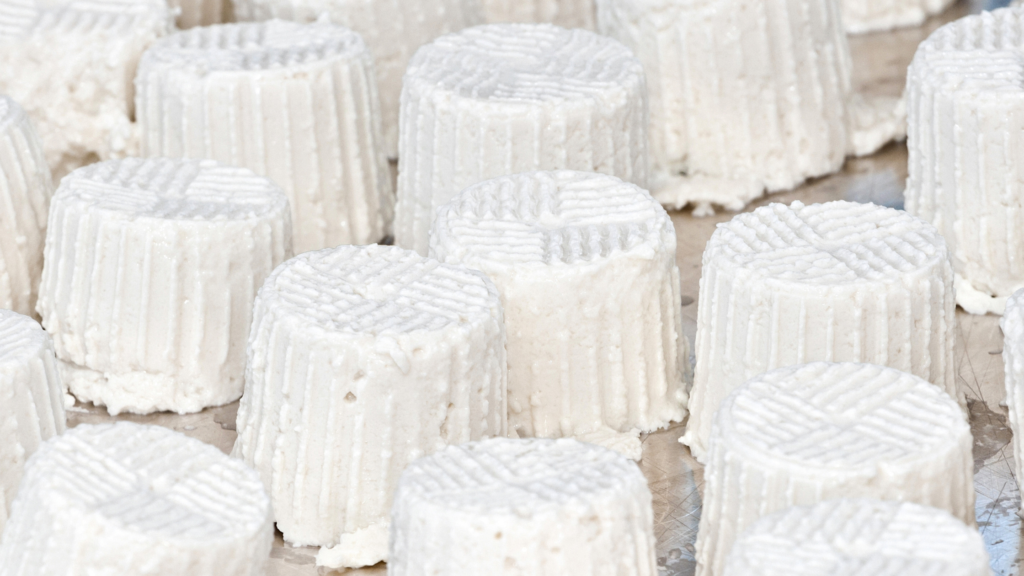
Can Dogs Eat Ricotta Cheese? – Many dog owners enjoy sharing food with their furry companions, and it’s natural to wonder if certain human foods, like ricotta cheese, are safe for dogs.
Ricotta cheese is a creamy and delicious treat that we often use in our recipes, but is it suitable for our canine friends?
It’s essential to be aware of the potential risks and benefits of feeding dogs ricotta cheese.
While dogs have different dietary needs than humans, there are instances where ricotta cheese can be incorporated into their diet in moderation.
This article will explore whether dogs can have ricotta cheese, the safety considerations involved, and provide insights into other safe and healthy treats for our four-legged companions.
By understanding the facts, you can make informed decisions about your dog’s diet and ensure their health and well-being.
Can dogs eat ricotta cheese? Is ricotta cheese good for dogs?
Can dogs eat ricotta cheese? Is ricotta cheese good for dogs?
As a dog owner, it’s natural to wonder if your furry friend can indulge in the creamy delight of ricotta cheese.
The good news is that, in moderation, dogs can safely enjoy ricotta cheese. However, a few essential factors must be considered before sharing this treat with your canine companion.
First and foremost, it’s crucial to address the misconception that all dairy products harm dogs.
While it’s true that some dairy items can cause digestive issues in dogs due to lactose intolerance, ricotta cheese contains lower levels of lactose compared to other cheeses.
This means that dogs with mild lactose intolerance may be able to tolerate ricotta cheese without experiencing discomfort.
Despite being a relatively safe option, moderation is key.
Ricotta cheese is high in fat, leading to weight gain and digestive upset if consumed excessively.
Therefore, it’s best to offer ricotta cheese as an occasional treat rather than a regular part of your dog’s diet.
Furthermore, it’s essential to consider any specific dietary restrictions or allergies your dog may have.
Some dogs may be allergic to dairy products or have sensitivities to certain ingredients in ricotta cheese.
Constantly monitor your dog’s response after introducing a portion of new food to its diet, and consult with your veterinarian if you have any concerns.
In summary, while ricotta cheese can be enjoyed by dogs in moderation, it’s essential to consider your dog’s individual needs and potential allergies and maintain a balanced diet.
As with any new food, it’s best to introduce ricotta cheese gradually and observe how your dog reacts. By being mindful of portion sizes and monitoring your dog’s well-being, you can safely treat them to the occasional taste of ricotta cheese.
Is ricotta cheese safe for dogs? can dogs have ricotta cheese?
Is ricotta cheese safe for dogs? can dogs have ricotta cheese?
Regarding the safety of ricotta cheese for dogs, it’s essential to consider individual factors and exercise caution.
While ricotta cheese is generally safe for dogs in moderation, there are a few key points to remember.
Firstly, some dogs may have allergies or sensitivities to dairy products, including ricotta cheese. Suppose you suspect that your dog may have an allergy or intolerance.
In that case, it’s best to consult your veterinarian before introducing ricotta cheese into your dog’s diet.
Your vet can provide guidance based on your dog’s specific needs and help you determine if ricotta cheese is a suitable choice.
Another factor to consider is lactose intolerance.
Dogs, like humans, can be lactose intolerant, meaning they have difficulty digesting lactose, a sugar found in milk and dairy products.
However, the good news is that ricotta cheese contains lower lactose levels than other cheese types.
This makes it more tolerable for dogs with mild lactose intolerance.
Still, monitoring your dog for any signs of digestive discomfort or upset after consuming ricotta cheese is essential.
Portion control is crucial when feeding ricotta cheese to your furry friend.
While it can be a delicious treat, ricotta cheese is high in fat, leading to weight gain and digestive issues if consumed excessively.
As with any food, it’s essential to maintain a balanced diet for your dog and ensure that ricotta cheese is given in moderation as an occasional treat.
In conclusion, ricotta cheese can be safe for dogs.
Still, individual factors such as allergies and lactose intolerance should be considered.
Always consult your veterinarian before introducing ricotta cheese or any new food into your dog’s diet.
By being mindful of portion sizes, monitoring your dog’s response, and considering their specific needs, you can make informed decisions regarding the safety of ricotta cheese for your furry companion.
The benefits and risks of giving ricotta cheese to dogs
The benefits and risks of giving ricotta cheese to dogs
Regarding the benefits of ricotta cheese for dogs, there are a few positive aspects to consider.
Ricotta cheese is a good protein source, essential for building and repairing tissues, supporting a healthy immune system, and promoting muscle development in dogs.
Additionally, ricotta cheese contains calcium essential for strong bones and teeth.
However, it’s also essential to be aware of the potential risks associated with ricotta cheese.
One of the main concerns is its high-fat content.
While dogs need some fat in their diet, excessive consumption can lead to weight gain and associated health issues such as obesity and pancreatitis.
Therefore, it’s crucial to offer ricotta cheese to your dog in moderation and as part of a balanced diet.
Furthermore, dogs with sensitive stomachs or those prone to digestive upset may experience discomfort after consuming ricotta cheese.
Some dogs may have difficulty digesting dairy products, leading to diarrhea, gas, or bloating symptoms.
Suppose your dog experiences any of these symptoms after eating ricotta cheese.
In that case, it’s best to discontinue feeding it and consult your veterinarian for guidance.
To mitigate the risks and reap the potential benefits of ricotta cheese, it’s recommended to use it as an occasional treat rather than a regular part of your dog’s diet.
When offering ricotta cheese, consider using small amounts and ensure it is plain without added sugars, flavorings, or seasonings that could harm your dog.
Remember, every dog is different, and individual factors such as age, breed, and overall health should be considered when considering ricotta cheese as a treat.
It’s always a good idea to consult with your veterinarian to determine whether ricotta cheese is suitable for your specific dog and get personalized advice on portion sizes and feeding frequency.
By being mindful of the risks and benefits and using ricotta cheese as an occasional treat in moderation, you can provide your dog with a tasty and potentially nutritious addition to its diet while keeping its overall health and well-being in mind.
How much ricotta cheese can dogs eat?
When it comes to feeding ricotta cheese to dogs, moderation is key. The appropriate amount of ricotta cheese for your dog depends on size, weight, and overall diet.
Here are some general guidelines to keep in mind:
1. Portion size: It’s best to offer ricotta cheese to your dog in small portions. A tablespoon or two can be a suitable serving size for most dogs.
Remember, ricotta cheese should be considered an occasional treat rather than a staple food in their diet.
2. Consider your dog’s size: Smaller dogs require smaller portions of ricotta cheese than larger dogs.
Adjust the portion size accordingly to ensure you’re adequately feeding them.
3. Weight management: If your dog is overweight or prone to weight gain, it’s essential to be even more mindful of portion sizes.
Ricotta cheese is calorie-dense and can contribute to excessive calorie intake.
Be sure to factor in the calories from ricotta cheese when considering your dog’s overall calorie intake for the day.
4. Balance with their regular diet: Ricotta cheese should always maintain the nutritional balance of your dog’s diet.
It should be an occasional addition rather than a primary source of nutrition.
Ensure your dog’s primary diet consists of high-quality, balanced food that meets its nutritional needs.
5. Individual considerations: Some dogs may have specific dietary restrictions or sensitivities.
If your dog has a known allergy to dairy products or is lactose intolerant, ricotta cheese should be avoided altogether.
Consult with your veterinarian if you have any concerns or questions about feeding ricotta cheese to your dog.
Always observe your dog’s response to ricotta cheese.
If you notice any signs of digestive upset, such as diarrhea or vomiting, discontinue feeding ricotta cheese and consult your veterinarian for guidance.
Remember, while ricotta cheese can be enjoyed by dogs in moderation, it should never become a significant portion of their diet.
The focus should be on providing a balanced, nutritious diet that meets your dog’s dietary requirements.
When in doubt, consult your veterinarian to determine the appropriate amount of ricotta cheese to include in your dog’s diet based on their needs.
Other safe and healthy treats for dogs
While ricotta cheese can be a tasty treat for dogs in moderation, there are plenty of other safe and healthy options to consider.
Here are some alternative treats that you can offer your furry friend:
1. Fruits: Many fruits are safe and enjoyable for dogs. Apples, bananas, blueberries, and watermelons are excellent choices.
Remove any seeds, pits, or inedible parts before serving, and offer them in bite-sized pieces.
2. Vegetables: Dogs can benefit from the vitamins and minerals found in vegetables.
Nutritious options include carrots, green beans, cucumber slices, and cooked sweet potatoes.
Make sure to cook or steam vegetables to aid digestion and cut them into appropriate sizes for your dog.
3. Commercial dog treats: A wide variety of dog treats are available in pet stores and online.
Look for treats made from high-quality ingredients specifically formulated for dogs.
These treats come in various flavors, sizes, and textures to cater to different preferences and dietary needs.
4. Frozen treats: Frozen treats can be a refreshing option for your dog on a hot day.
You can make your own by freezing small portions of yogurt or blending fruits and vegetables with water to create frozen popsicles.
5. Dental treats: Dental treats provide a tasty snack and help maintain your dog’s oral health.
Look for dental treats to promote dental hygiene and reduce plaque and tartar buildup.
When selecting treats for your dog, it’s essential to consider their nutritional needs, any allergies or sensitivities, and consult with your veterinarian if you have any concerns.
Treats should only make up a small portion of your dog’s overall diet and not exceed 10% of its daily calorie intake.
Avoid giving your dog treats high in sugar, salt, or artificial additives, as these can harm their health.
Additionally, some human foods, such as chocolate, grapes, and onions, are toxic to dogs, so it’s crucial to familiarize yourself with foods unsafe for canine consumption.
By choosing safe and healthy treats for your dog, you can provide them with various flavors and textures while ensuring their overall well-being.
Always remember to offer treats in moderation and maintain a balanced diet that meets your dog’s nutritional requirements.
FAQ
What are the nutritional benefits of ricotta cheese for dogs?
Ricotta cheese offers several potential nutritional benefits for dogs. While it should be given in moderation, it can provide them with specific nutrients that support their overall health.
Here are some key nutritional benefits of ricotta cheese for dogs: 1. Protein: Ricotta cheese is a good source of protein, essential for building and repairing tissues, supporting the immune system, and promoting healthy growth and development in dogs.
2. Calcium: Ricotta cheese contains calcium, crucial in maintaining strong bones and teeth. Appropriate calcium intake is significant for puppies and seniors to support bone development and prevent bone-related issues.
3. Vitamins: Ricotta cheese contains various vitamins, including vitamin A, vitamin B12, and riboflavin (vitamin B2). These vitamins are essential for maintaining healthy skin and coat, supporting proper nerve function, and promoting overall dog well-being.
4. Phosphorus: Ricotta cheese also provides phosphorus, which works with calcium to maintain healthy bones and teeth. It also plays a role in energy metabolism and helps with cell function.
While ricotta cheese offers nutritional benefits, it’s important to remember that it should be given in moderation and as part of a balanced diet.
Excessive consumption can lead to weight gain and digestive upset due to its high-fat content.
What are the risks of giving ricotta cheese to lactose-intolerant dogs?
Lactose intolerance is common in dogs, where they lack the necessary enzymes to digest lactose, the sugar found in milk and dairy products.
For lactose-intolerant dogs, consuming ricotta cheese can lead to digestive issues. Some potential risks include:
1. Upset Stomach: Lactose intolerant dogs may experience diarrhea, gas, bloating, and abdominal discomfort when they consume ricotta cheese or other dairy products.
2. Digestive Disturbances: Lactose intolerance can interfere with the proper digestion of lactose-containing foods, leading to incomplete breakdown and fermentation in the gut.
This can result in gastrointestinal discomfort and irregular bowel movements. Suppose your dog is lactose intolerant or shows signs of digestive distress after consuming ricotta cheese.
In that case, it’s best to avoid feeding them dairy products altogether. Instead, focus on lactose-free or dairy-free alternatives that are safe and suitable for their digestion.
What are some other dairy products that are safe for dogs to eat?
While some dogs may be able to tolerate small amounts of certain dairy products, it’s important to note that not all dairy is safe for dogs.
Here are some dairy products that are generally safe for dogs to eat in moderation:
1. Plain Yogurt: Plain, unsweetened yogurt that doesn’t contain added sugars or artificial sweeteners can be a safe option for dogs.
It’s a good source of probiotics, calcium, and protein. However, always check the label to ensure it doesn’t contain any ingredients that may be harmful to dogs, such as xylitol.
2. Cottage Cheese: Cottage cheese is another dairy product that can be given to dogs in small quantities.
Opt for low-fat or non-fat varieties and feed it plain without any added seasonings or flavorings.
Remember that every dog is different, and some may have individual sensitivities or allergies to dairy products.
It’s always best to introduce new foods gradually and monitor your dog for any adverse reactions.
What are some other healthy snacks that I can give my dog?
In addition to ricotta cheese and other dairy products, there are many healthy snack options you can offer your dog.
Here are a few ideas: 1. Fresh Fruits and Vegetables: Many fruits and vegetables are safe and beneficial for dogs. Some examples include apple slices, carrot sticks, blueberries, and green beans.
Ensure that any fruits or vegetables you offer are safe for canine consumption. Cut them into appropriate sizes to prevent choking hazards.
2. Lean Meat: Cooked, lean meats such as chicken, turkey, or beef can be offered as occasional treats. Remove any bones, skin, and excess fat, and avoid using seasonings or spices that may harm dogs.
3. Dental Chews: Dental chews designed explicitly for dogs provide a tasty treat and help promote dental health by reducing plaque and tartar buildup.
4. Frozen Treats: You can make refreshing frozen treats for your dog on hot days. Freeze low-sodium chicken or beef broth in ice cube trays, or use silicone molds to create frozen delights to help cool your dog down.
5. Commercial Dog Treats: Plenty of commercially available dog treats are made with quality ingredients and formulated to meet your dog’s nutritional needs. Look for treats specifically designed for dogs, considering their size, age, and any dietary restrictions they may have.
When choosing snacks for your dog, consider their nutritional needs, any allergies or sensitivities they may have, and consult with your veterinarian if you have any concerns.
Remember to offer treats in moderation and maintain a balanced diet to keep your dog healthy and happy.
In conclusion, it’s essential to consider both the potential benefits and risks when feeding ricotta cheese to dogs.
Ricotta cheese can provide some nutritional benefits, such as protein and calcium.
Still, it should be given in moderation and as part of a balanced diet.
It’s essential to be aware of any factors affecting your dog’s ability to tolerate dairy products, such as lactose intolerance or allergies.
If your dog is lactose intolerant, giving them ricotta cheese or other dairy products can lead to digestive issues and discomfort.
Opting for lactose- or dairy-free alternatives is best to ensure their well-being.
Always pay attention to your dog’s response to new food, and consult your veterinarian if you have any concerns or questions.
Remember, ricotta cheese should never substitute for a complete and balanced diet formulated for dogs.
Plenty of other safe and healthy snack options are available for your furry friend, including fresh fruits and vegetables, lean meats, dental chews, and commercially available dog treats.
These alternatives can provide a variety of nutrients while minimizing potential risks.
Ultimately, the well-being of your dog should be the top priority.
By understanding their needs, consulting with your veterinarian, and making informed choices about their diet, you can ensure your canine companion stays happy, healthy, and nourished.