Category: Dog Nutrition

  • Can Dogs Eat Broccoli Rabe? Essential Benefits and Risks.

    Can Dogs Eat Broccoli Rabe? Essential Benefits and Risks.

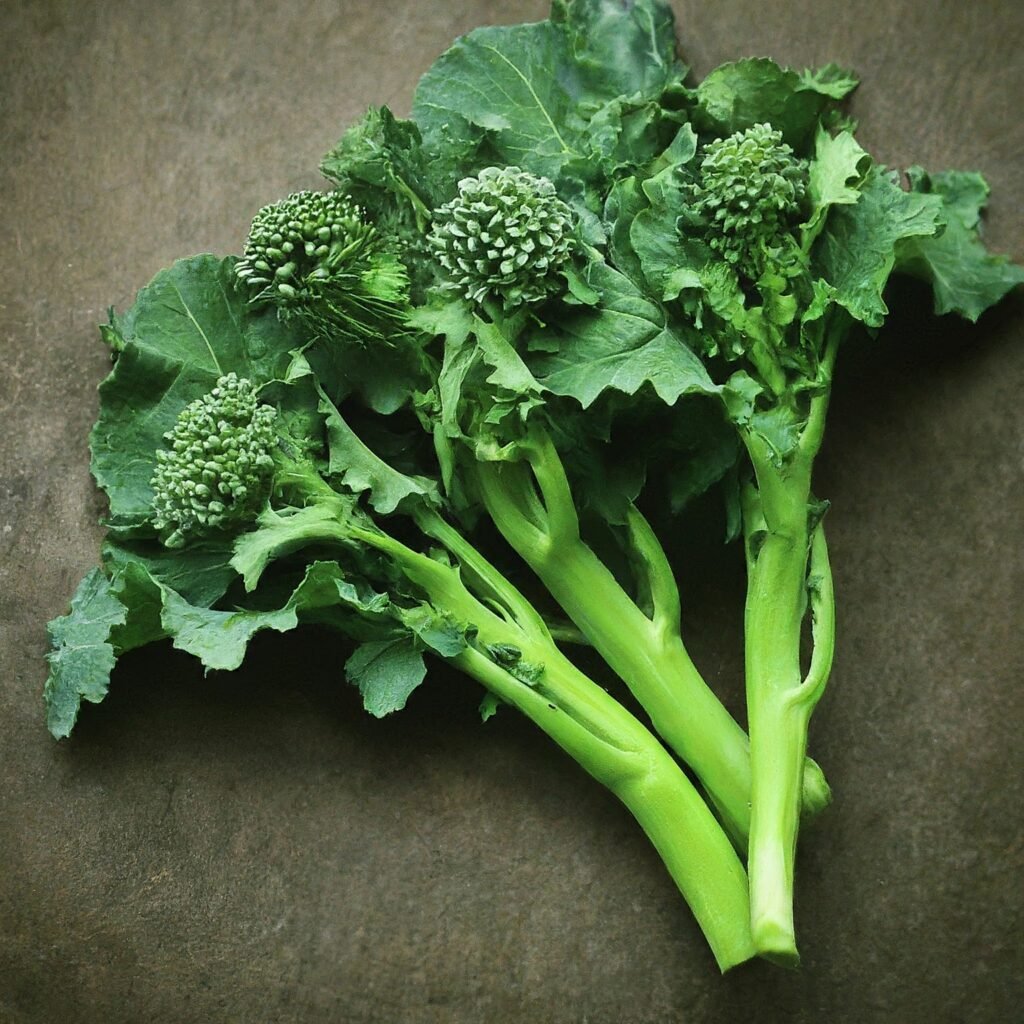
    Can Dogs Eat Broccoli Rabe? Broccoli rabe, also known as rapini, is a nutrient-dense vegetable that has gained popularity in recent years for its potential health benefits.

    As pet owners, we often wonder if the foods we enjoy are safe for our canine companions to consume as well.

    In this comprehensive guide, we’ll explore whether dogs can eat broccoli rabe, the potential benefits, and any risks associated with feeding this vegetable to your furry friend.

    What is Broccoli Rabe?
    Can Dogs Eat Broccoli Rabe |
    What is Broccoli Rabe?

    Broccoli rabe is a member of the Brassica family, which includes vegetables like broccoli, cauliflower, and kale.

    Despite its name, it is not actually a type of broccoli. Broccoli rabe is closely related to turnips and has a slightly bitter, nutty flavor.

    It is commonly used in Italian cuisine and can be found in dishes like pasta, salads, and stir-fries.

    Can Dogs Eat Broccoli Rabe?

    The short answer is yes, dogs can eat broccoli rabe in moderation. Broccoli rabe is a healthy addition to a dog’s diet and provides several benefits.

    However, it’s important to introduce it gradually and monitor your dog’s reaction, as some dogs may experience digestive upset if they consume too much.

    Benefits of Broccoli Rabe for Dogs

    1. Liver Detoxification: Broccoli rabe contains compounds that may help support liver function and detoxification.
    2. Cancer-Fighting Properties: Broccoli rabe is rich in glucosinolates, which have been shown to possess anti-cancer properties in some studies.
    3. Bone and Heart Health: This vegetable is a good source of vitamins and minerals that support strong bones and a healthy heart.
    4. Antioxidant Protection: Broccoli rabe is high in antioxidants, which can help protect cells from damage caused by free radicals.

    Risks and Precautions

    While broccoli rabe can be a healthy addition to your dog’s diet, it’s important to feed it in moderation.

    Overfeeding can lead to digestive issues like diarrhea and loose stools.

    Additionally, the stalks of broccoli rabe can be tough and may pose a choking hazard, so it’s best to chop them into small pieces before serving.

    Are there any risks associated with giving broccoli rabe to puppies?

    Raw broccoli rabe can be harmful if eaten in large amounts by puppies due to its high content of goitrogens, which can cause hypothyroidism.

    Cooked broccoli rabe is safer for puppies, but it should still be introduced gradually and in moderation, as their digestive systems may be more sensitive.

    Always monitor your puppy for any adverse reactions and consult with your veterinarian before adding new foods to their diet.

    Can dogs with sensitive stomachs eat broccoli rabe?

    Dogs with sensitive stomachs may experience digestive upset when eating broccoli rabe, especially in large quantities.

    It’s important to introduce this vegetable slowly and monitor your dog’s reaction.

    If you notice signs of gastrointestinal distress, such as vomiting or diarrhea, discontinue feeding and consult your veterinarian.

    Cooked broccoli rabe may be easier for sensitive stomachs to tolerate, but it’s still best to feed it in moderation.

    How does broccoli rabe compare to other vegetables in terms of nutritional value for dogs?

    VegetableNutritional Value
    Broccoli RabeHigh in vitamins A, C, K, folate, calcium, and iron. Provides antioxidants and may support liver detoxification and cancer prevention.
    BroccoliAlso high in vitamins and minerals, but contains isothiocyanates that can cause gastric irritation in dogs if consumed in large amounts.
    KaleRich in vitamins A, C, and K, as well as calcium and iron. Provides antioxidants and anti-inflammatory benefits.
    CarrotsAn excellent source of vitamin A, which supports eye health and immune function. Also contains fiber and antioxidants.
    Broccoli Rabe Compare to Other Vegetables

    While all of these vegetables offer nutritional benefits for dogs, broccoli rabe stands out for its potential liver-supporting and cancer-fighting properties due to its high glucosinolate content.

    However, it’s important to introduce any new vegetable slowly and in moderation, as individual dogs may have different sensitivities.

    How to Feed Broccoli Rabe to Your Dog

    1. Start with small amounts: Begin by introducing broccoli rabe in small quantities and gradually increase the amount over time.
    2. Chop or steam: Cut the broccoli rabe into bite-sized pieces or lightly steam it to make it easier for your dog to chew and digest.
    3. Limit to 10% of diet: Broccoli rabe should not make up more than 10% of your dog’s daily caloric intake.
    4. Monitor for digestive issues: Watch for signs of digestive upset, such as vomiting or diarrhea, after introducing broccoli rabe. If you notice any adverse reactions, discontinue feeding and consult with your veterinarian.

    Also Read: Can Dogs Eat Vienna Sausages? A Comprehensive Guide

    Also Read: How to Remove Hard Poop from Your Dog’s Anus at Home

    Conclusion

    In moderation, broccoli rabe can be a healthy and nutritious addition to your dog’s diet. Its potential benefits include liver detoxification, cancer-fighting properties, and support for bone and heart health.

    However, it’s essential to introduce it gradually, chop or steam it, and limit the amount to no more than 10% of your dog’s daily caloric intake.

    Always monitor your dog for any adverse reactions and consult with your veterinarian if you have any concerns about feeding broccoli rabe or other human foods to your canine companion.


    Sources:

  • Can Dogs Eat Vienna Sausages? A Comprehensive Guide

    Can Dogs Eat Vienna Sausages? A Comprehensive Guide

    As a dog owner, you may find yourself wondering, can dogs eat Vienna sausages? These small, flavorful sausages are a popular snack for many people, but when it comes to our furry friends, it’s essential to understand the potential benefits and risks.

    In this article, we’ll explore the nutritional content of Vienna sausages, the risks associated with feeding them to dogs, and best practices for treating your pet safely.

    Nutritional Overview of Vienna Sausages

    Can Dogs Eat Vienna Sausages |
    Can Dogs Eat Vienna Sausages? A Comprehensive Guide 5

    Vienna sausages are primarily made from meat, which means they provide some protein. However, they also come with several nutritional drawbacks that dog owners should consider:

    • High Sodium Content: Vienna sausages are often loaded with sodium, which can lead to health issues such as increased blood pressure and kidney problems in dogs. A single sausage can contain a significant percentage of a dog’s daily sodium requirement, which can be harmful, especially for dogs with pre-existing health conditions.
    • Fat Content: These sausages can contain a significant amount of fat, which may contribute to obesity and pancreatitis, especially in dogs that are prone to these conditions. High-fat diets can lead to inflammation of the pancreas, causing severe pain and digestive issues.
    • Potentially Harmful Ingredients: Some brands of Vienna sausages may contain seasonings like garlic or onion powder, both of which are toxic to dogs. Even small amounts of these ingredients can lead to serious health issues, including hemolytic anemia.

    Risks of Feeding Vienna Sausages to Dogs

    While a small piece of Vienna sausage may not harm your dog, there are several risks associated with regular consumption:

    • Digestive Upset: The high sodium and fat content can lead to gastrointestinal issues, including vomiting and diarrhea. Dogs have sensitive digestive systems, and introducing rich or processed foods can upset their stomachs.
    • Pancreatitis: The high fat content can trigger pancreatitis in susceptible dogs, a serious condition that requires veterinary attention. Symptoms of pancreatitis include lethargy, abdominal pain, and loss of appetite, which can escalate quickly.
    • Obesity: Regularly feeding high-calorie treats like Vienna sausages can contribute to obesity, which is a growing concern among pet owners. Obesity can lead to various health issues, including diabetes, joint problems, and heart disease.
    • Toxic Ingredients: Some Vienna sausages may contain preservatives or flavorings that are harmful to dogs. Always check the ingredient list to avoid any toxic substances.

    How to Safely Offer Vienna Sausages to Your Dog

    If you decide to give your dog Vienna sausages as an occasional treat, here are some best practices to ensure their safety:

    1. Moderation is Key: Offer only small amounts of Vienna sausages, and make sure it’s an infrequent treat rather than a regular part of their diet. A good rule of thumb is to limit treats to no more than 10% of your dog’s daily caloric intake.
    2. Check Ingredients: Always read the label to avoid harmful additives or seasonings that could be toxic to dogs. Look for products that are free from artificial flavors, colors, and preservatives.
    3. Cook Them First: If you’re using canned sausages, consider boiling or grilling them without any seasoning to reduce sodium content. Cooking can also kill any harmful bacteria that may be present.
    4. Monitor Your Dog: After introducing any new food, watch for signs of digestive upset, such as vomiting or diarrhea. If your dog shows any adverse reactions, discontinue feeding them Vienna sausages immediately.

    Healthier Alternatives to Vienna Sausages for Dogs

    If you’re looking for healthier treat options for your dog, consider these alternatives to Vienna sausages:

    • Lean Meats: Cooked chicken, turkey, or lean beef can be great protein sources without the added sodium and fat. Ensure that the meat is unseasoned and free from bones.
    • Commercial Dog Treats: Look for high-quality dog treats specifically formulated for canine health. Many brands offer treats that are low in calories and made with natural ingredients.
    • Fruits and Vegetables: Many dogs enjoy fruits like apples, blueberries, and bananas or vegetables like carrots and green beans as healthy snacks. These options are low in calories and high in nutrients.

    What Should I Do If My Dog Eats Too Many Vienna Sausages?

    If your dog consumes too many Vienna sausages, monitor them closely for signs of digestive upset, such as vomiting, diarrhea, or lethargy.

    If your dog exhibits any severe symptoms or if you are concerned about their health, contact your veterinarian immediately.

    They may recommend bringing your dog in for an examination or suggest at-home care.

    Are There Any Long-Term Effects of Feeding Dogs Processed Meats?

    Feeding dogs processed meats like Vienna sausages regularly can lead to long-term health issues, including obesity, heart disease, and pancreatitis.

    Processed meats are often high in sodium and preservatives, which can negatively impact a dog’s overall health.

    It’s crucial to limit processed foods in your dog’s diet and focus on whole, natural foods.

    Can Puppies Eat Vienna Sausages?

    It is best to avoid feeding puppies Vienna sausages or any processed meats.

    Puppies have sensitive digestive systems, and introducing rich or processed foods can lead to gastrointestinal issues.

    Instead, focus on a balanced diet formulated for puppies, which provides the necessary nutrients for their growth and development.

    How Can I Tell If My Dog Is Having an Adverse Reaction to Vienna Sausages?

    Signs of an adverse reaction may include vomiting, diarrhea, excessive thirst, lethargy, or changes in appetite.

    If you notice any of these symptoms after your dog eats Vienna sausages, it’s essential to contact your veterinarian for guidance.

    Can Dogs with Health Conditions Eat Vienna Sausages?

    Dogs with pre-existing health conditions, particularly those related to the heart, kidneys, or pancreas, should avoid Vienna sausages due to their high sodium and fat content.

    Always consult your veterinarian before introducing any new food into your dog’s diet, especially if they have underlying health issues.

    What Are the Best Practices for Introducing New Foods to My Dog?

    When introducing new foods to your dog, follow these best practices:

    • Start with small amounts to see how your dog reacts.
    • Monitor for any adverse reactions or digestive upset.
    • Gradually increase the amount if no issues arise.
    • Always consult your veterinarian for personalized advice.

    Also Read: Can Dogs Eat Chicken Broth? A Comprehensive Guide

    Also Read: Can Dogs Have Glazed Donuts? A Comprehensive Guide

    Conclusion: Can Dogs Eat Vienna Sausages?

    In conclusion, while dogs can eat Vienna sausages, it’s essential to do so sparingly and with caution.

    The high sodium and fat content, along with potential harmful additives, make them unsuitable for regular consumption.

    Always consult with your veterinarian if you have concerns about your dog’s diet or health.

    By being informed and cautious, you can safely treat your dog while ensuring their overall well-being.


    Sources:

  • Can Dogs Have Glazed Donuts? A Comprehensive Guide

    Can Dogs Have Glazed Donuts? A Comprehensive Guide

    When it comes to sharing treats with our furry friends, many pet owners wonder, “Can dogs have glazed donuts?” While it might be tempting to give your dog a bite of your favorite sweet, the answer is a resounding no. Here’s why glazed donuts are not suitable for dogs, along with answers to common questions related to this topic.

    Can Dogs Have Glazed Donuts?

    No, dogs should not eat glazed donuts. While a small amount may not cause immediate harm, glazed donuts contain several ingredients that can be dangerous for dogs

    Why Dogs Should Avoid Glazed Donuts

    Glazed donuts, like many other types of human food, can pose several health risks for dogs. Here are the main reasons why you should keep these sugary treats away from your canine companion:

    • High Sugar Content: Glazed donuts are loaded with sugar. While dogs can tolerate small amounts of sugar, excessive intake can lead to obesity, diabetes, and dental problems. Dogs metabolize sugar differently than humans, making them more susceptible to its negative effects.
    • Xylitol Risk: Some donuts may contain xylitol, a sugar substitute that is highly toxic to dogs. Even small amounts can trigger a rapid release of insulin, leading to hypoglycemia (low blood sugar), which can cause symptoms like vomiting, weakness, and seizures. Always check the ingredients before sharing any human food with your pet.
    • High Fat and Empty Calories: Donuts are typically fried, resulting in high fat content. Foods rich in fat can lead to pancreatitis, a serious condition that causes inflammation of the pancreas. Symptoms include vomiting, abdominal pain, and lethargy.
    • Potentially Harmful Ingredients: Some donuts may contain chocolate or other harmful ingredients like nuts, which are toxic to dogs. Chocolate contains theobromine and caffeine, both of which can be fatal to dogs in sufficient quantities.

    What to Do If Your Dog Eats a Glazed Donut

    If your dog manages to sneak a glazed donut, monitor them closely for any signs of distress, such as:

    • Vomiting
    • Diarrhea
    • Lethargy
    • Abdominal pain

    In most cases, a single donut may not cause severe harm, but if the donut contained toxic ingredients, it’s crucial to contact your veterinarian immediately.

    Can Dogs Eat Plain Donuts?

    Plain donuts, while lacking the glaze, are still unhealthy for dogs. They are high in sugar and fat, which can lead to similar health issues as glazed donuts. It’s best to avoid giving any type of donut to your dog.

    Are Chocolate Donuts Safe for Dogs?

    No, chocolate donuts are particularly dangerous for dogs. Chocolate contains theobromine, which is toxic to dogs and can lead to serious health complications, including seizures and even death.

    Can Puppies Eat Donuts?

    Puppies should not eat donuts either. Their developing bodies are even more sensitive to sugar and fat, and they require a balanced diet to support their growth and health.

    What Are Some Safe Treat Alternatives for Dogs?

    Instead of donuts, consider offering your dog healthier alternatives, such as:

    • Carrots
    • Apples (without seeds)
    • Blueberries
    • Plain cooked chicken or turkey
    • Commercial dog treats that are low in sugar and fat

    Also Read: Can Dogs Eat Anchovies? A Comprehensive Guide

    Also Read: Can Dogs Eat Chicken Broth? A Comprehensive Guide

    Conclusion

    In conclusion, while it may seem harmless to share a glazed donut with your dog, the health risks far outweigh any momentary joy it might bring.

    Always prioritize your pet’s health by opting for safe, nutritious treats that can keep them happy and healthy.

    Remember, when in doubt, consult your veterinarian for guidance on your dog’s diet and treat options.


    Sources:

  • Can Dogs Eat Chicken Broth? A Comprehensive Guide

    Can Dogs Eat Chicken Broth? A Comprehensive Guide

    As a loving pet owner, you might often wonder what foods are safe and beneficial for your furry friend. One common question that arises is, can dogs eat chicken broth?

    The answer is yes! Chicken broth can be a nutritious and flavorful addition to your dog’s diet when prepared properly.

    In this article, we will explore the benefits of chicken broth for dogs, how to prepare it safely, and address some frequently asked questions related to this topic.

    What is Chicken Broth? Can Dogs Eat Chicken Broth?

    Can Dogs Eat Chicken Broth |
    Can Dogs Eat Chicken Broth?

    Chicken broth is a savory liquid made by simmering chicken meat, bones, and vegetables in water.

    It is commonly used in human cooking as a base for soups, sauces, and gravies.

    For dogs, chicken broth can serve as a tasty treat or a way to enhance their regular meals, especially if they are feeling under the weather or are picky eaters.

    Benefits of Chicken Broth for Dogs

    1. Enhanced Flavor: One of the primary benefits of chicken broth is its ability to make dog food more appealing. If your dog is reluctant to eat, pouring some chicken broth over their kibble can entice them to dig in.
    2. Hydration Support: Chicken broth can help keep your dog hydrated, especially if they are recovering from illness or surgery. The added flavor encourages them to drink more, which is essential for their overall health.
    3. Nutritional Boost: Homemade chicken broth is rich in vitamins, minerals, and amino acids, which can support your dog’s immune system, digestion, and joint health. Bone broth, in particular, is known for its collagen content, which is beneficial for joint and skin health.
    4. Soothing for Upset Stomachs: If your dog is experiencing gastrointestinal issues, chicken broth can be a gentle way to provide nourishment without overwhelming their system. It can help soothe their stomach and provide hydration.
    5. Homemade Treats: Chicken broth can be frozen into ice cubes or popsicles for a refreshing treat on hot days. This can be a fun way to keep your dog cool and hydrated.

    How to Choose the Right Chicken Broth

    While chicken broth can be beneficial, not all broths are created equal. Here’s what to look for:

    • Low Sodium: Opt for low-sodium chicken broth to avoid excessive salt, which can be harmful to dogs, especially those with heart conditions.
    • No Harmful Ingredients: Avoid broths that contain onion, garlic, or other additives that can be toxic to dogs. Always check the ingredient list before purchasing.
    • Homemade Options: Making your own chicken broth is the safest option. This way, you can control the ingredients and ensure it’s free from harmful additives.

    How to Make Homemade Chicken Broth for Dogs

    Making chicken broth at home is simple and rewarding. Here’s a quick recipe:

    Ingredients:

    • 1 whole chicken or chicken parts (with bones)
    • Water
    • Optional: Carrots, celery, and parsley (avoid onions and garlic)

    Instructions:

    1. Prepare the Chicken: Place the chicken in a large pot and cover it with water. If using vegetables, add them to the pot.
    2. Simmer: Bring the water to a boil, then reduce the heat and let it simmer for 3-4 hours. Skim off any foam that rises to the top.
    3. Strain: Remove the chicken and vegetables from the pot. Strain the liquid to remove any solids.
    4. Cool: Allow the broth to cool completely. You can store it in the refrigerator for up to a week or freeze it in portions for later use.
    5. Serve: Pour the broth over your dog’s food or serve it as a standalone treat.

    Can Puppies Have Chicken Broth?

    Yes, puppies can enjoy chicken broth! It can be a nutritious treat for them as well. However, moderation is crucial.

    Puppies have smaller stomachs and different nutritional needs compared to adult dogs. Here are some guidelines:

    • Introduce Gradually: Start with a small amount of broth to see how your puppy reacts. Monitor for any signs of allergies or digestive upset.
    • Frequency: Puppies can have chicken broth a few times a week, but it’s best to limit them to one or two small servings to avoid overloading their diet with new foods.
    • Balanced Diet: Ensure that chicken broth is just one part of a balanced diet that meets all of your puppy’s nutritional needs.

    Is Store-Bought Chicken Broth Safe for Dogs?

    Store-bought chicken broth can be safe for dogs, but it’s essential to read the label carefully. Look for broths that are:

    • Low in Sodium: High sodium levels can lead to health issues in dogs, so choose low-sodium options.
    • Free from Harmful Ingredients: Ensure the broth does not contain onions, garlic, or other additives that can be toxic to dogs.

    If in doubt, homemade chicken broth is always the best choice, as it allows you to control the ingredients.

    How Much Chicken Broth Can I Give My Dog?

    The amount of chicken broth you can give your dog depends on their size and dietary needs. As a general guideline:

    • Small Dogs: 1-2 tablespoons of chicken broth per meal.
    • Medium Dogs: 1/4 to 1/2 cup of chicken broth per meal.
    • Large Dogs: 1/2 to 1 cup of chicken broth per meal.

    Always start with a small amount and monitor your dog for any adverse reactions. Adjust the serving size based on their tolerance and dietary requirements.

    Precautions to Consider Before Giving Chicken Broth to Dogs

    While chicken broth can be beneficial, there are a few precautions to keep in mind:

    • Consult Your Veterinarian: Before adding chicken broth to your dog’s diet, especially if they have underlying health issues, consult your veterinarian to ensure it’s appropriate for their specific needs.
    • Moderation is Key: Like any treat, chicken broth should be given in moderation. Too much can lead to digestive upset.
    • Monitor for Allergies: When introducing any new food, keep an eye on your dog for any signs of allergies or adverse reactions.

    Also Read: Can Dogs Eat Paprika? Is Paprika Safe for Dogs?

    Also Read: Can Dogs Eat Anchovies? A Comprehensive Guide

    Conclusion

    In summary, chicken broth can be a safe and nutritious addition to your dog’s diet when prepared and served correctly.

    Its benefits include enhanced palatability, hydration support, and a nutritional boost, making it a versatile option for dog owners.

    By choosing low-sodium, dog-friendly options or making your own broth, you can treat your furry friend to a delicious and healthy addition to their meals.

    Always consult with your veterinarian before making significant changes to your dog’s diet, and enjoy the bonding experience of sharing this tasty treat with your beloved pet!


    Sources:

  • Can Dogs Eat Anchovies? A Comprehensive Guide

    Can Dogs Eat Anchovies? A Comprehensive Guide

    Can Dogs Eat Anchovies? If you’ve ever wondered whether your furry friend can enjoy anchovies, you’re not alone.

    Many pet owners are curious about introducing new foods into their dogs’ diets, especially when those foods are as nutritious as anchovies.

    This article will explore the benefits, potential risks, and best practices for feeding anchovies to dogs, ensuring you make informed decisions for your pet’s health.

    Can Dogs Eat Anchovies?

    Yes, dogs can eat anchovies! These small fish are not only safe for dogs but also offer a variety of health benefits.

    Rich in omega-3 fatty acids, protein, and essential vitamins and minerals, anchovies can be a nutritious addition to your dog’s diet.

    However, it’s important to prepare them properly and serve them in moderation to avoid any potential health issues.

    Understanding Anchovies and Their Nutritional Value

    Anchovies |
    Anchovies

    Anchovies are small, oily fish that are rich in essential nutrients. They are particularly known for their high content of omega-3 fatty acids, which are beneficial for both humans and dogs.

    Here’s a breakdown of what makes anchovies a healthy addition to your dog’s diet:

    • Omega-3 Fatty Acids: These essential fats support skin and coat health, reduce inflammation, and promote cognitive function.
    • Vitamins and Minerals: Anchovies are packed with vitamins such as B3, B6, B12, D, E, and K, along with important minerals like calcium, iron, and selenium.
    • Protein: They provide a high-quality protein source, which is crucial for muscle development and overall health.

    The nutritional profile of anchovies makes them an excellent choice for enhancing your dog’s diet.

    Benefits of Feeding Anchovies to Dogs

    Incorporating anchovies into your dog’s meals can offer several health benefits:

    • Heart Health: Omega-3s can improve cardiovascular health, reducing the risk of heart disease.
    • Joint Support: The anti-inflammatory properties of omega-3s can alleviate joint pain, especially in older dogs.
    • Skin and Coat Improvement: Regular consumption can lead to healthier skin and a shinier coat.
    • Immune System Boost: The vitamins and minerals in anchovies can enhance your dog’s immune response, helping them fend off illnesses.
    • Cognitive Function: Omega-3 fatty acids are vital for brain health, aiding memory and cognitive development, particularly in puppies.

    How Can I Safely Prepare Anchovies for My Dog?

    When it comes to preparing anchovies for your dog, safety is paramount. Here are the steps to ensure that you are feeding them correctly:

    • Choose the Right Type: Opt for fresh, raw, or canned anchovies packed in water or olive oil without added salt. Avoid pickled or oil-packed varieties that may contain harmful ingredients.
    • Rinse Canned Anchovies: If using canned anchovies, rinse them under water to reduce sodium content before serving. This helps eliminate excess salt that can be harmful to dogs.
    • Cook if Necessary: If you choose to use fresh anchovies, lightly cook them to eliminate any potential harmful bacteria. Cooking also makes the bones softer and easier for your dog to digest.
    • Moderation is Key: Depending on your dog’s size, limit their intake to a few anchovies per day. Small dogs can have 2-3 anchovies, while larger dogs can safely consume up to 5.
    • Introduce Gradually: If your dog has never had anchovies before, start with a small amount and monitor for any adverse reactions. This will help you gauge their tolerance to this new food.
    • Consult Your Veterinarian: Before making any significant changes to your dog’s diet, it’s always best to consult with your vet to ensure it’s appropriate for your pet’s specific health needs.

    Are There Any Specific Breeds That Benefit More from Anchovies?

    While all dogs can benefit from the nutrients found in anchovies, certain breeds may experience more pronounced advantages. For instance:

    • Large Breeds: Breeds like Labradors and Golden Retrievers, which are prone to joint issues, may benefit significantly from the anti-inflammatory properties of omega-3s.
    • Senior Dogs: Older dogs of any breed can gain from improved joint health and cognitive function, making anchovies a great addition to their diet.
    • Active Breeds: High-energy breeds such as Border Collies and German Shepherds can use the protein and healthy fats for muscle recovery and energy.

    Ultimately, consulting with your veterinarian can help determine if your specific breed would benefit from anchovies.

    Can Puppies Have Anchovies, and If So, How Often?

    Yes, puppies can enjoy anchovies, and they can be a nutritious treat for them! However, moderation is crucial. Puppies have smaller stomachs and different nutritional needs compared to adult dogs.

    Here are some guidelines:

    • Introduce Gradually: Start with a small piece of anchovy to see how your puppy reacts. Monitor for any signs of allergies or digestive upset.
    • Frequency: Puppies can have anchovies a few times a week, but it’s best to limit them to one or two small anchovies per serving to avoid overloading their diet with new foods.
    • Balanced Diet: Ensure that anchovies are just one part of a balanced diet that meets all of your puppy’s nutritional needs.

    Potential Risks and Considerations of Dogs Eating Anchovies

    While anchovies are nutritious, there are some precautions to keep in mind:

    • Sodium Content: Many commercially available anchovies are packed in salt, which can be harmful to dogs. Excessive sodium intake can lead to increased thirst, urination, and, in severe cases, sodium ion poisoning.
    • Choking Hazard: Although anchovy bones are small and soft, they can still pose a choking risk for small dog breeds.
    • Additives: Be cautious of anchovies that come with added ingredients like garlic or spices, which can be toxic to dogs.

    To ensure safety, always choose unsalted or low-sodium anchovies and rinse canned varieties to reduce salt content.

    Also Read: Is Cocoa Butter Safe for Dogs? An In-Depth Guide

    Also Read: Can Dogs Eat Paprika? Is Paprika Safe for Dogs?

    Conclusion

    In summary, anchovies can be a nutritious and tasty treat for dogs when offered in moderation and prepared correctly.

    Their rich omega-3 fatty acid content and other essential nutrients can contribute positively to your dog’s overall health.

    However, it’s crucial to be mindful of sodium levels and potential choking hazards.

    By following the guidelines outlined in this article, you can safely share the benefits of anchovies with your beloved canine companion, enhancing their diet and well-being.


    Sources:

  • Can Dogs Eat Paprika? Is Paprika Safe for Dogs?

    Can Dogs Eat Paprika? Is Paprika Safe for Dogs?

    Can Dogs Eat Paprika? When it comes to sharing our meals with our furry friends, it’s essential to know which ingredients are safe and which are not.

    One common question among dog owners is whether dogs can eat paprika.

    This article will explore the safety of paprika for dogs, potential risks, and what to do if your dog accidentally consumes it.

    Can Dogs Eat Paprika? Is Paprika Safe for Dogs?

    Can Dogs Eat Paprika Is Paprika Safe for Dogs2 |
    Can Dogs Eat Paprika? Is Paprika Safe for Dogs?

    Paprika is derived from grinding various types of Capsicum annuum, which includes sweet bell peppers and chili peppers.

    While paprika itself is not classified as toxic to dogs, it can lead to gastrointestinal upset and other issues, particularly if it contains spicy varieties.

    • Non-toxic: Paprika is generally considered non-toxic to dogs, meaning it won’t cause severe poisoning or immediate health emergencies if ingested in small amounts.
    • Potential digestive issues: The primary concern with paprika is its potential to irritate a dog’s stomach. Symptoms may include vomiting, diarrhea, and abdominal discomfort, especially if the paprika is spicy or contains capsaicin, the compound responsible for the heat in chili peppers.

    How Much Paprika is Considered Safe for Dogs?

    While paprika is not outright toxic, it’s best to avoid it in your dog’s diet.

    If you decide to give your dog a small amount, ensure it is the mild variety and only in minimal quantities.

    A sprinkle mixed with their food occasionally may be acceptable for some dogs, but it’s crucial to monitor them for any adverse reactions.

    Can Small Amounts of Paprika Cause Any Harm to Dogs?

    Small amounts of sweet paprika may not cause immediate harm to most dogs, but it can still lead to gastrointestinal upset.

    Dogs have more sensitive stomachs compared to humans, making them more susceptible to digestive issues.

    If your dog has a history of gastrointestinal problems, it’s best to avoid paprika altogether.

    Signs and Symptoms of Paprika Ingestion

    If your dog has consumed paprika, it’s crucial to monitor them for any adverse reactions.

    Common symptoms to watch for include:

    • Vomiting or diarrhea
    • Excessive drooling
    • Loss of appetite
    • Abdominal pain or discomfort
    • Lethargy
    • Coughing or sneezing (if paprika powder was inhaled)

    If you notice any of these symptoms, it’s advisable to consult your veterinarian for guidance.

    What Are the Long-Term Effects of Dogs Consuming Paprika?

    Regular consumption of spicy foods like paprika might lead to chronic digestive problems or exacerbate existing conditions such as gastritis.

    Long-term exposure to irritating substances can cause ongoing discomfort and health issues in sensitive dogs.

    Therefore, it’s best to limit or eliminate paprika from your dog’s diet.

    Are There Any Natural Remedies for Dogs Who Have Eaten Paprika?

    If your dog has ingested paprika and shows signs of gastrointestinal distress, you can try the following natural remedies:

    • Withhold food: Allow your dog’s stomach to settle for a few hours before offering food again.
    • Offer water: Ensure your dog stays hydrated, especially if they are experiencing diarrhea.
    • Over-the-counter antacids: Consult your veterinarian about giving your dog an antacid like famotidine or omeprazole to soothe their stomach.

    How Can I Prevent My Dog from Ingesting Paprika in the Future?

    To keep your dog safe from paprika and other harmful spices:

    • Store spices securely: Keep paprika and other spices out of reach in a closed cabinet or pantry.
    • Educate family members: Ensure everyone in your household knows not to feed your dog human food that may contain paprika.
    • Monitor meals: Be vigilant when preparing food, especially if you’re cooking with spices that could be harmful to dogs.

    Also Read: Can Dogs Have 3 Testicles? Discover the Surprising Truth

    Also Read: Is Cocoa Butter Safe for Dogs? An In-Depth Guide

    Conclusion

    In summary, while paprika is not toxic to dogs, it can cause digestive upset and other issues, particularly if it contains spicy elements.

    It’s best to avoid intentionally feeding paprika to your dog and to monitor them closely if they accidentally consume it.

    Instead, consider using dog-safe herbs and spices to enhance their meals.

    Always prioritize your pet’s health and well-being by consulting with a veterinarian if you have any concerns regarding their diet.


    Sources:

  • Is Cocoa Butter Safe for Dogs? An In-Depth Guide

    Is Cocoa Butter Safe for Dogs? An In-Depth Guide

    Is Cocoa Butter Safe for Dogs? Cocoa butter is a commonly used ingredient in various skincare products, including those designed for dogs.

    While many pet owners may be concerned about its safety due to its association with chocolate, cocoa butter is distinct and generally safe for canine use.

    In this article, we will explore the benefits of using cocoa butter on dogs’ paws, compare it to other paw balms, and address common questions regarding its use.

    Understanding Cocoa Butter vs. Chocolate

    It’s important to note that cocoa butter and chocolate are not the same. While chocolate is toxic to dogs due to its theobromine content, cocoa butter contains negligible amounts of this compound. Theobromine is the substance responsible for chocolate’s toxicity in canines.

    Levels of Theobromine in Different Chocolate Types

    • Milk chocolate: 1.0 – 2.1mg/g
    • Dark chocolate: 0.4 – 8.8mg/g
    • Cocoa powder: 4.6 – 38mg/g
    • White chocolate & cocoa butter: negligible amount of theobromine

    Toxic-effect Levels of Theobromine in Dogs

    While it remains unclear what an exact fatal dose of chocolate is for dogs, research suggests that toxic effects occur at theobromine doses of 20mg/kg, with severe signs at 40-50mg/kg and seizures typically at 60mg/kg

    However, the size of the dog, the type of chocolate, and the amount consumed all play a role in the severity of toxicity.

    What is Cocoa Butter and Is Cocoa Butter Safe for Dogs?

    Cocoa butter is the fat extracted from cocoa beans, celebrated for its rich, creamy texture and exceptional moisturizing properties.

    Unlike chocolate, which contains theobromine—a toxic compound for dogs—cocoa butter has negligible amounts of this substance.

    This makes cocoa butter safe for topical application on dogs, allowing pet owners to use it confidently in skincare products designed for their furry friends.

    Benefits of Using Cocoa Butter on Dogs’ Paws

    Using cocoa butter on your dog’s paws can provide several benefits:

    • Moisturization: Cocoa butter is an excellent moisturizer, helping to hydrate and soothe dry or cracked paw pads.
    • Protection: It forms a protective barrier against harsh environmental elements, such as hot pavement, ice, and salt.
    • Improved Elasticity: Regular application can enhance skin elasticity, making it beneficial for older dogs or those with naturally dry skin.
    • Healing Properties: Cocoa butter contains vitamin E, which can aid in healing and soothing inflamed skin.

    How Does Cocoa Butter Compare to Other Paw Balms for Dogs?

    When comparing cocoa butter to other paw balms, several factors come into play:

    FeatureCocoa ButterOther Paw Balms
    MoisturizationExcellentVaries (often good)
    TextureCreamy and thickCan be greasy or light
    Natural IngredientsOften 100% naturalVaries (some may contain chemicals)
    SafetyGenerally safeDepends on ingredients

    Cocoa butter is often favored for its natural moisturizing properties and minimal risk of toxicity.

    However, some paw balms may contain additional ingredients like beeswax or shea butter, which can also be beneficial.

    Can I Use Cocoa Butter on Other Parts of My Dog’s Body?

    Yes, cocoa butter can be used on other parts of your dog’s body, such as their nose and elbows.

    It can help soothe dry, cracked skin in these areas as well. Just ensure that the product is specifically formulated for pets and monitor your dog to prevent excessive licking.

    Are There Any Side Effects of Using Cocoa Butter on Dogs?

    While cocoa butter is generally safe, there are a few potential side effects to be aware of:

    • Digestive Upset: If ingested in large quantities, cocoa butter can cause stomach upset, leading to vomiting or diarrhea.
    • Allergic Reactions: Some dogs may be allergic to cocoa butter. Always perform a patch test on a small area of skin before applying it more broadly.

    How Much Cocoa Butter is Considered Safe for Dogs?

    A thin layer of cocoa butter applied to your dog’s paws is typically sufficient. Monitor your dog as the balm dries to ensure they do not lick it off excessively.

    Most products are formulated for safe use, but if your dog ingests a significant amount, consult your veterinarian.

    Frequently Asked Questions

    Can I use cocoa butter on my dog’s nose?

    Yes, cocoa butter can be used to moisturize your dog’s nose, helping to prevent dryness and cracking.

    What happens if my dog licks cocoa butter?

    If your dog licks a small amount, it is usually not a cause for concern. However, excessive licking may lead to digestive upset.

    Is cocoa butter toxic to dogs?

    Cocoa butter is not toxic in small amounts. The risk primarily comes from ingesting large quantities, which can cause digestive issues.

    How does cocoa butter help with dry paws?

    Cocoa butter hydrates, soothes, and protects dry paw pads, making it an effective treatment for cracked or irritated skin.

    Also Read: Ashwagandha for Dogs: Natural Solution for Stress and Health

    Also Read: Can Dogs Have 3 Testicles? Discover the Surprising Truth

    Conclusion

    Cocoa butter is a safe and beneficial option for moisturizing your dog’s paws and other dry areas of their skin.

    Its natural properties make it a popular choice among pet owners looking for effective paw care solutions.

    As with any product, it’s essential to monitor your dog and consult your veterinarian if you have any concerns.

    By incorporating cocoa butter into your dog’s skincare routine, you can help keep their paws healthy and comfortable.


    Sources: