Category: Dog Training

  • Can A Pregnant Dog Jump Around? Best Guide Everything You Need To Know

    Can A Pregnant Dog Jump Around? Best Guide Everything You Need To Know

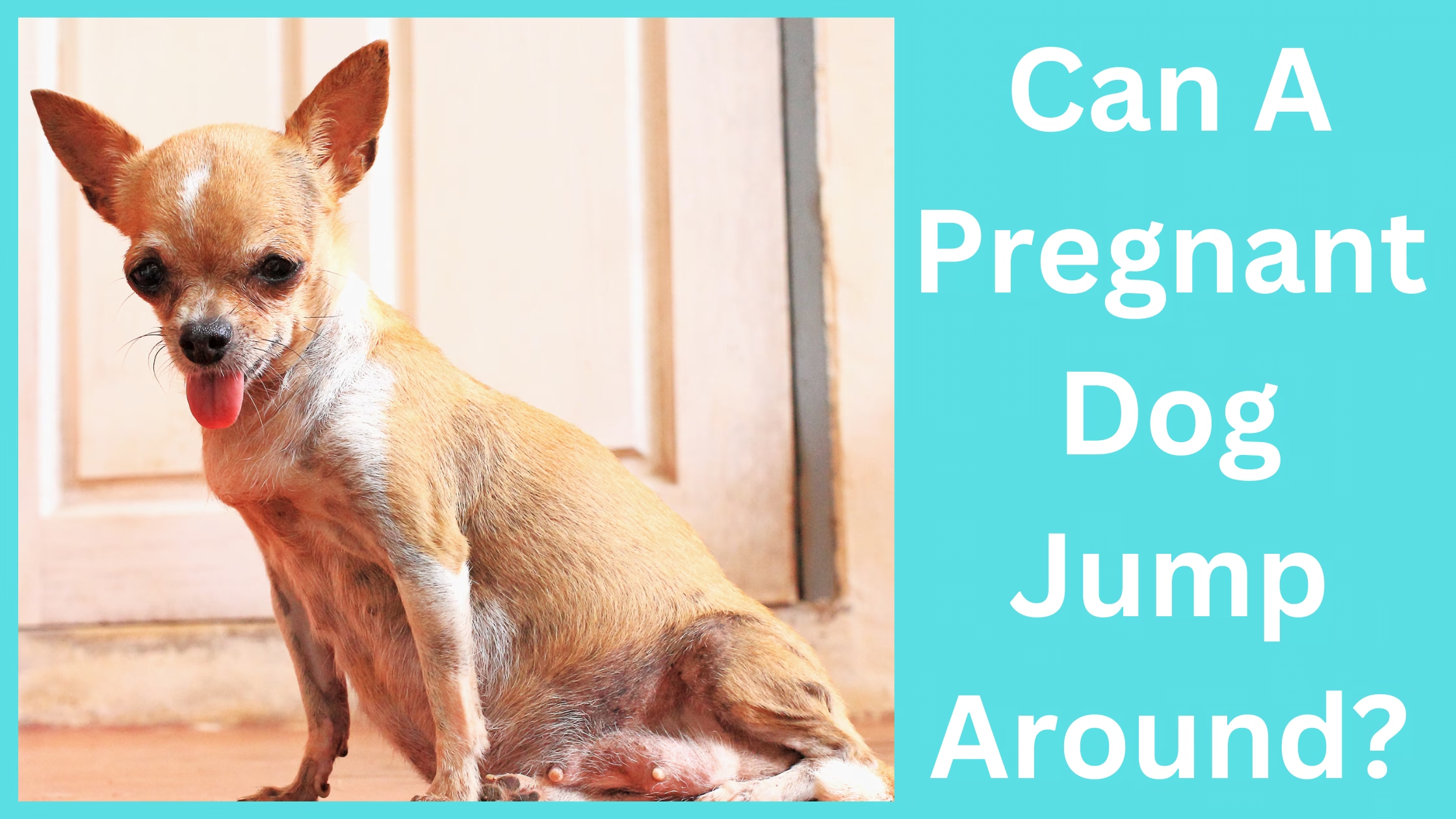
    Can A Pregnant Dog Jump Around? While it’s natural for dogs to be active, pregnancy can be delicate. If you are a dog owner, you may wonder whether your pregnant dog should be allowed to jump around. This article will discuss everything you need to know about pregnant dogs jumping around, including what to expect and how to keep your dog safe.

    Introduction to Pregnancy in Dogs

    Pregnancy is a natural and exciting process in the life of a dog. Like humans, dogs undergo a gestational period during which they carry and nurture their unborn puppies.

    Pregnancy in dogs typically lasts for around 63 days, during which time the mother dog’s body undergoes significant changes.

    These changes can be physical and emotional, and dog owners must understand how to provide their pregnant pets with the best possible care.

    This article will explore one specific aspect of pregnancy in dogs – whether pregnant dogs can jump around.

    We hope to help dog owners ensure a safe and healthy pregnancy for their furry friends by providing comprehensive information and guidance.

    Also Read: Can Takis Kill Dogs? What You Need to Know

    Understanding a Dog’s Joints and Muscles

    A dog’s musculoskeletal system comprises muscles, bones, joints, ligaments, and tendons. These structures work together to support the dog’s weight, enable movement, and provide stability to the body.

    A dog’s joints, mainly, are crucial for mobility and allow for various movements such as running, walking, jumping, and playing.

    A dog’s muscles also play a vital role in the movement, providing the power and force required for various activities.

    The muscles of the legs, for example, are responsible for propelling the dog forward when running. In contrast, the abdominal muscles help to stabilize the body during activity.

    However, a dog’s joints and muscles are not invincible. They can be susceptible to injury and damage, especially during increased physical activity or stress.

    For this reason, it is essential to understand the limits of a pregnant dog’s body and avoid activities that may strain its joints and muscles excessively.

    When jumping during pregnancy, it is essential to consider the potential risks and take appropriate precautions to ensure the health and safety of the dog and her unborn puppies.

    Can A Pregnant Dog Jump Around? 

    Many pregnant dogs can run and jump during the early stages of pregnancy without any issues.

    However, as the pregnancy progresses, it is essential to monitor the dog closely and avoid letting her engage in activities that could put her at risk of injury or harm.

    As the dog’s belly grows, she may become more uncomfortable, and activities like jumping and running can strain her joints and muscles unnecessarily.

    Additionally, pregnant dogs are at an increased risk of complications like abdominal hernias, pyometra, and miscarriage, so it is essential to consult with a veterinarian before allowing your dog to engage in any physical activity during pregnancy.

    The veterinarian can assess the dog’s health and advise you on the best action to keep the mother and her puppies safe.

    Risks of Jumping During Pregnancy

    While pregnant dogs are generally active and mobile, jumping can pose a risk during pregnancy. The risks of jumping during pregnancy include:

    • Injury to the Mother Dog: Jumping can cause physical strain on the joints and muscles of the mother dog, leading to injury and discomfort. This can result in pain, inflammation, and potentially more severe conditions such as joint dislocation or fractures.
    • Injury to Unborn Puppies: Jumping can also pose a risk to the developing puppies inside the mother’s womb. The jarring impact of jumping can cause trauma to the developing fetuses, potentially resulting in serious health problems or even miscarriages.
    • Complications During Delivery: Jumping during pregnancy can also increase the risk of complications during delivery. Injuries sustained during jumping can make it more difficult for the mother to give birth naturally, potentially leading to the need for a cesarean section.

    While jumping is generally discouraged during pregnancy, every dog is unique, and some may be more physically capable than others.

    It is essential to monitor your pregnant dog’s activity levels closely and consult a veterinarian to determine what types of physical activity are appropriate for your dog’s specific condition.

    By taking appropriate precautions, you can help to minimize the risks of jumping and promote a safe and healthy pregnancy for your furry friend.

    Also Read: Can dogs eat Honey Buns? Is Honey toxic for dogs

    Safe Ways for Pregnant Dogs to Stay Active

    While jumping and other high-impact activities should be avoided during pregnancy, there are still many safe and healthy ways for pregnant dogs to stay active. Here are some suggestions:

    • Walking: Regular walks are an excellent way for pregnant dogs to stay active while minimizing the risk of injury. Walking provides a low-impact exercise that can help maintain cardiovascular health, improve muscle tone, and stimulate mental and physical activity.
    • Swimming: Swimming is an excellent way for pregnant dogs to stay active without putting any strain on their joints or muscles. Water provides a low-impact environment that can help relieve body pressure while providing an excellent form of exercise.
    • Gentle Playtime: While high-impact activities such as jumping should be avoided, pregnant dogs can still enjoy gentle playtime. Playing with soft toys or engaging in gentle games such as fetch or tug-of-war can provide mental and physical stimulation without causing any harm.
    • Controlled Exercise: Controlled exercise can effectively provide pregnant dogs with safe and healthy physical activity. This may include activities such as agility training, obedience training, or other controlled exercise that can help improve coordination, balance, and strength.

    It is essential to monitor your pregnant dog’s activity levels and adjust the intensity and duration of exercise as needed to ensure their comfort and safety.

    Consult with your veterinarian to determine what types of activities are appropriate for your dog’s specific condition, and make sure to provide plenty of opportunities for rest and relaxation.

    How much exercise is too much for a pregnant dog? 
    How much exercise is too much for a pregnant dog |
    How much exercise is too much for a pregnant dog

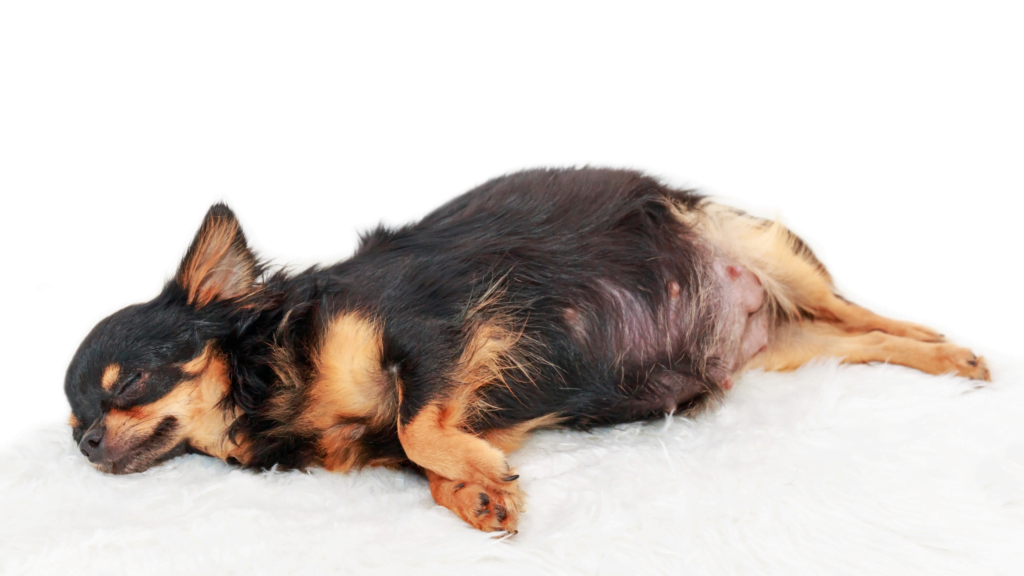
    While exercise is vital for pregnant dogs, it is essential to avoid over-exertion. Too much exercise can lead to problems such as dehydration, overheating, and even miscarriage.

    It is best to keep your dog’s exercise moderate during pregnancy and consult your veterinarian regarding your dog’s specific exercise needs.

    What are the signs that a pregnant dog needs to rest? 

    As your dog’s due date approaches, she will start to exhibit signs of nesting, such as looking for a place to have her puppies.

    She may also gain weight, and her mammary glands will swell in preparation for lactation. These are all typical signs that your dog is getting ready to give birth.

    However, suppose your dog is panting excessively, having trouble walking, refusing to eat or drink, or exhibiting other signs of exhaustion or distress.

    In that case, taking her to the vet is crucial to ensure she is healthy and not in danger.

    Tips for Managing a Pregnant Dog’s Activity

    Managing a pregnant dog’s activity is essential to ensuring a safe and healthy pregnancy. Here are some tips to help manage your pregnant dog’s activity:

    • Consult with a Veterinarian: Before starting any exercise program or changing your dog’s activity level, consult a veterinarian. They can assess your dog’s overall health and recommend safe and appropriate physical activity.
    • Monitor Activity Levels: Keep track of your dog’s activity level and adjust accordingly. Suppose your dog shows signs of fatigue or discomfort. In that case, it may be time to reduce the intensity or duration of exercise.
    • Provide Adequate Rest: Make sure your pregnant dog has plenty of opportunities for rest and relaxation. Provide a comfortable bed or quiet space where they can rest undisturbed.
    • Avoid High-impact Activities: High-impact activities such as jumping or running should be avoided during pregnancy. Instead, focus on low-impact activities such as walking, swimming, and gentle play.
    • Adjust Nutrition: Pregnant dogs require additional nutrition to support the growth and development of their puppies. Talk to your veterinarian about adjusting your dog’s diet to ensure they receive nutrients.
    • Monitor Weight: Monitoring your pregnant dog’s weight is essential to ensure a healthy pregnancy. Excessive weight gain can strain joints and increase the risk of complications during delivery.

    By following these tips and closely monitoring your pregnant dog’s activity levels, you can help ensure a safe and healthy pregnancy for your furry friend.

    What a pregnant dog should not do?
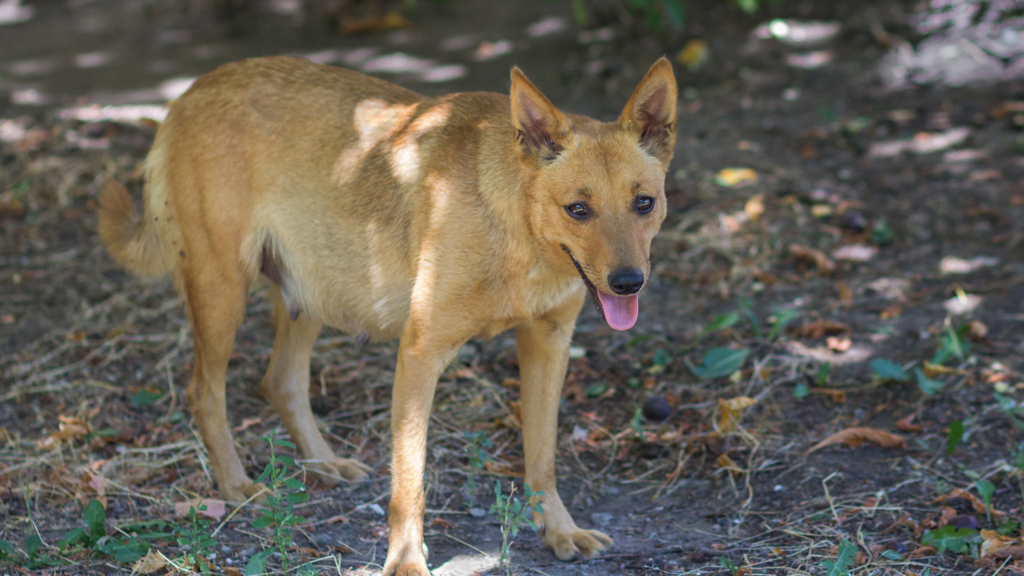
    What a pregnant dog should not do |
    What a pregnant dog should not do?

    There are several things that pregnant dogs should not do to ensure the safety and health of both the mother and her puppies:

    • Pregnant dogs should not be spayed: While spaying is a common practice to prevent unwanted litters, it is dangerous for pregnant dogs. The surgery puts the mother at risk for infection, bleeding, and death. It also increases the risk of stillbirth and early neonatal death.
    • Pregnant dogs should not be given vaccinations: Vaccinations are designed to stimulate the immune system, but a pregnant dog’s immune system is already suppressed. This can lead to the development of autoimmune diseases in the puppies.
    • Pregnant dogs should not be fed a commercial diet: Commercial diets may lack the necessary nutrients for a pregnant dog and her puppies, leading to malnutrition.
    • Pregnant dogs should not be exercised excessively: While exercise is essential for a pregnant dog, too much exercise can be dangerous. It can lead to dehydration, overheating, and even abortion.
    • Pregnant dogs should not be left alone for long periods: A pregnant dog must be with her owner or a trusted caretaker. She may need assistance with birthing, and she may also experience anxiety or depression during pregnancy.

    It is essential to provide proper care and attention to pregnant dogs to ensure the health and safety of both the mother and her puppies.

    Consulting with a veterinarian is also recommended to address any concerns and to ensure a healthy pregnancy.

    Can a pregnant dog climb stairs?

    Yes, a pregnant dog can climb stairs, but it’s essential to limit the amount of stair climbing as the pregnancy progresses.

    It’s best to avoid high-impact activities, like jumping or running up and down the stairs. This is because the weight and size of the growing puppies can put pressure on the mother’s joints and ligaments, increasing the risk of injury or complications.

    As a general rule, it’s best to limit stair climbing to a minimum and provide a comfortable and easily accessible resting area for the pregnant dog.

    Additionally, it’s always a good idea to consult a veterinarian regarding any specific concerns or recommendations for your dog’s pregnancy.

    When should you stop walking a pregnant dog?

    As the pregnancy progresses, monitoring the pregnant dog’s behavior and adjusting its exercise routine is essential.

    Generally, a pregnant dog can continue their regular exercise routine, such as walking, until around the sixth week of pregnancy.

    At this point, it’s recommended to gradually reduce their exercise to prevent any complications during delivery.

    It’s important to note that each dog’s pregnancy is unique, and it’s always best to consult a veterinarian to determine the appropriate exercise routine for the pregnant dog based on their needs and health status.

    Suppose the dog shows any signs of discomfort or exhaustion during exercise. In that case, it’s best to stop and rest and seek advice from a veterinarian if necessary.

    Consult Your Vet

    Consulting with a veterinarian is essential when managing a pregnant dog’s activity. A veterinarian can assess your dog’s overall health and recommend safe and appropriate physical activity.

    They can also monitor your dog’s pregnancy, provide nutritional guidance, and detect and address any potential health concerns or complications that may arise.

    It is essential to consult with your veterinarian throughout your dog’s pregnancy, from the early stages of gestation to the delivery of the puppies.

    This can help ensure your dog receives the care and attention she needs to stay healthy and safe throughout the process.

    In addition to monitoring your dog’s physical activity, a veterinarian can also provide guidance on other aspects of pregnancy care, such as nutrition, vaccinations, and parasite prevention.

    By working closely with your veterinarian, you can help to ensure a safe and healthy pregnancy for your furry friend and her puppies.
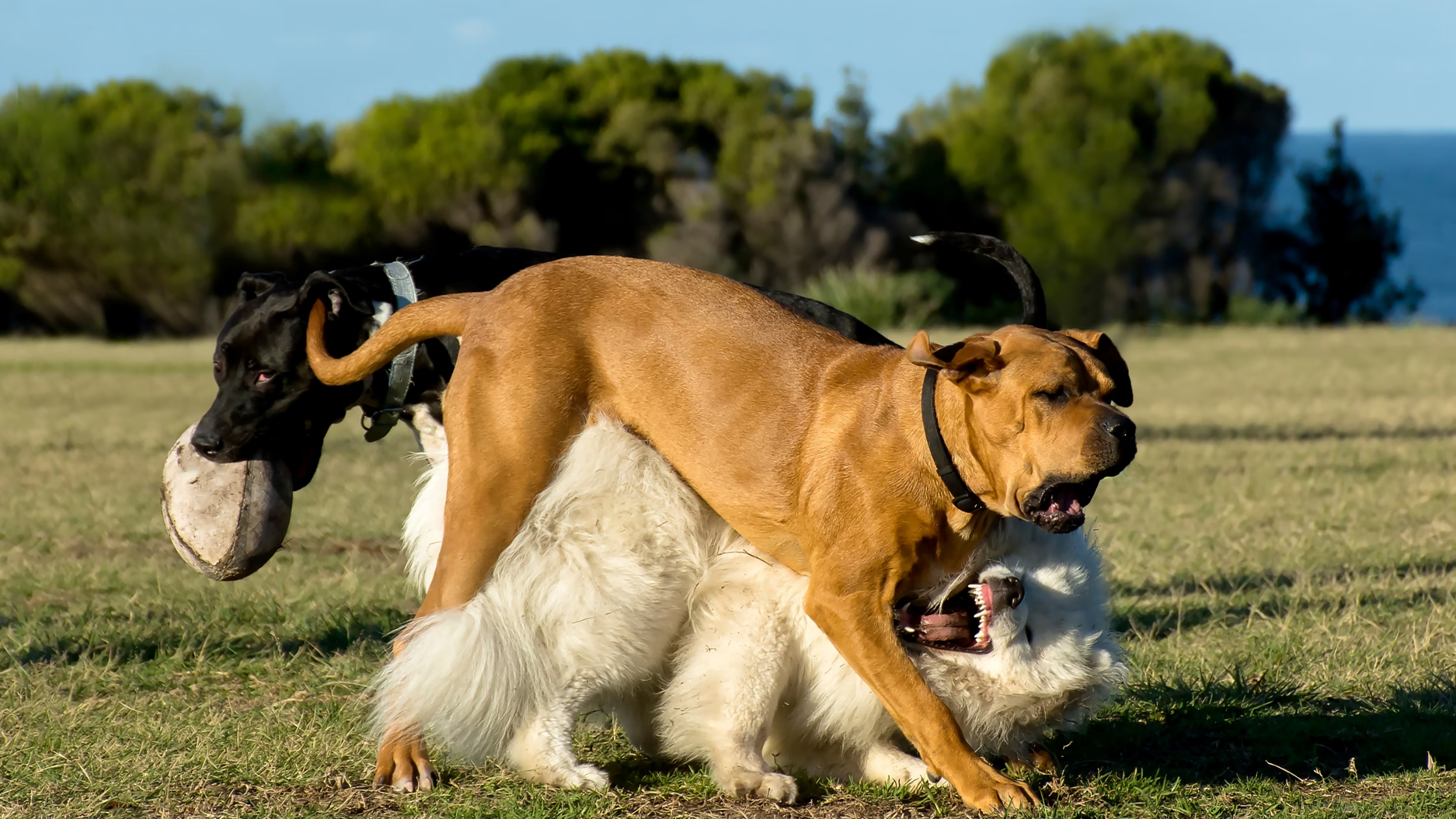
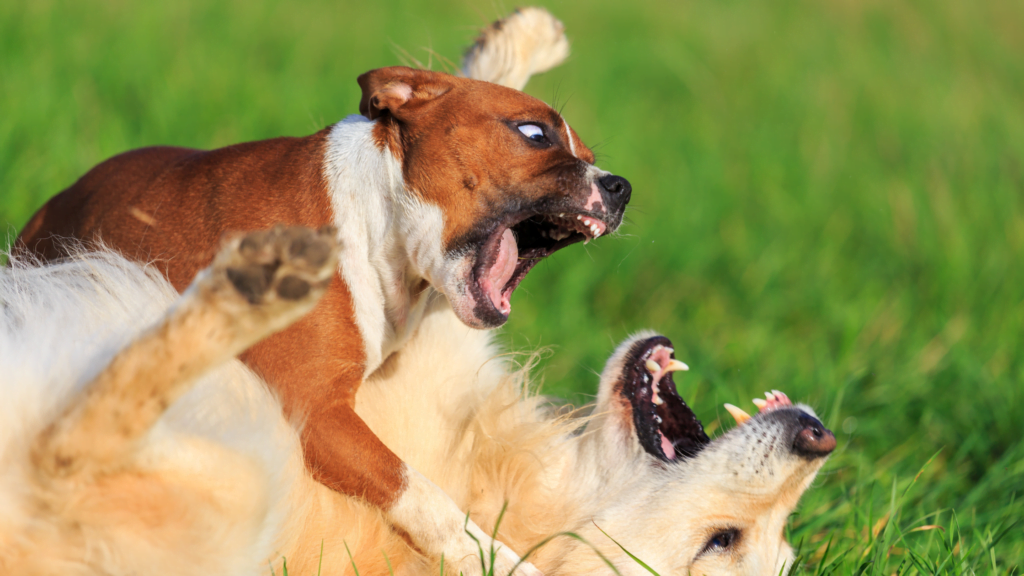
    Remember, every dog is unique; what works for one dog may not work for another. Consulting with a veterinarian can provide individualized guidance and help you make informed decisions about managing your pregnant dog’s activity and overall care.

    Conclusion

    In conclusion, managing a pregnant dog’s activity is essential to ensuring a safe and healthy pregnancy.

    While high-impact activities such as jumping should be avoided, there are still many safe and healthy ways for pregnant dogs to stay active, including walking, swimming, gentle play, and controlled exercise.

    It is essential to monitor your pregnant dog’s activity levels and adjust as needed to ensure their comfort and safety.

    Consulting with a veterinarian is essential when it comes to managing a pregnant dog’s activity, as they can provide recommendations for safe and appropriate physical activity, monitor your dog’s pregnancy, and address any potential health concerns or complications.

    By following these tips and working closely with your veterinarian, you can help to ensure a safe and healthy pregnancy for your furry friend and her puppies.

  • How to Tell if a Dog Fight is Serious: Understanding the Signs and What to Do

    How to Tell if a Dog Fight is Serious: Understanding the Signs and What to Do

    Dogs are social animals, but sometimes they can fight each other. Dog fights can be dangerous for the dogs involved and any people or animals in the vicinity. While a certain amount of rough play between dogs is normal, it’s important to know how to tell if a dog fight is serious and what steps to take to keep everyone safe. This comprehensive article will discuss how to tell if a dog fight is serious and what to do about it.

    Understanding Dog Behavior During Fights

    Dog fights can be alarming and dangerous for both dogs and their owners. To help prevent dog fights and intervene effectively if they do occur, it’s important to understand dog behavior during fights.

    • Dog Body Language: Dogs communicate their feelings through body language, including during a fight. Signs of aggression or discomfort may include raised hackles, stiff posture, and intense eye contact. In contrast, a dog feeling submissive or fearful may crouch down, avoid eye contact, and tuck their tail between their legs.
    • Triggering Factors: Dogs may be triggered to fight due to various factors, such as resource guarding, territorial behavior, fear, or frustration. Identifying and addressing these triggers can help prevent fights from occurring.
    • Pack Mentality: Dogs are packed animals and may act differently in a group. In some cases, dogs may band together to attack another dog. It’s important to keep an eye on the dynamics of a group of dogs to prevent fights from escalating.
    • The severity of the Fight: Not all dog fights are the same. Some fights may be minor scuffles that resolve quickly, while others may be serious and result in injuries. The severity of a fight can depend on factors such as the dogs’ size, breed, and temperament.

    By understanding these factors, you can learn to recognize the signs of a potential fight and take steps to prevent it from escalating. It’s important to intervene in a calm and controlled manner to avoid further agitating the dogs. In some cases, seeking professional help from a veterinarian or animal behaviorist may be necessary to address underlying behavioral issues.

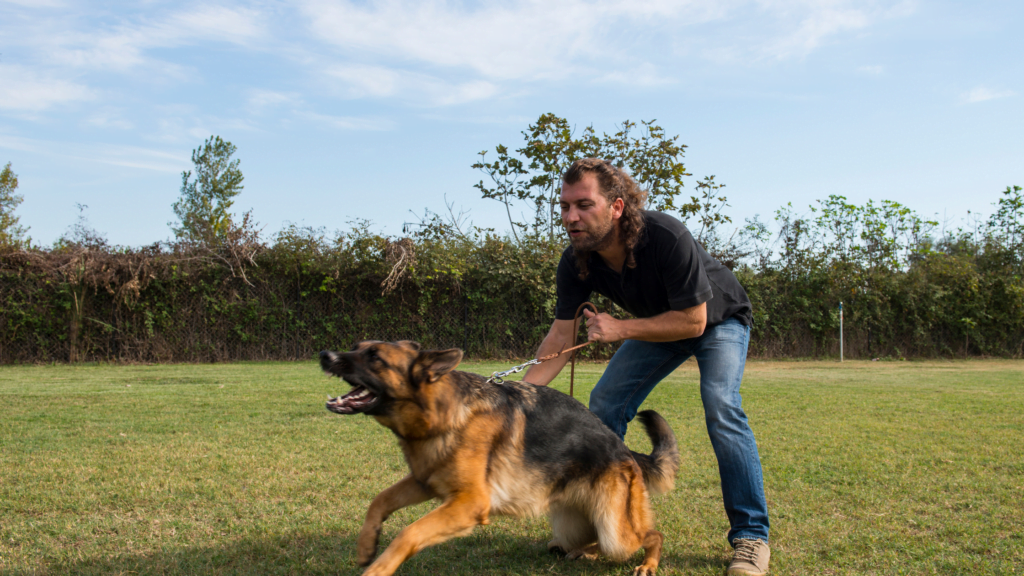
    Signs of a Serious Dog Fight : How to Tell if a Dog Fight is Serious

    Signs of a Serious Dog Fight |
    Signs of a Serious Dog Fight

    Dog fights can be dangerous, and it’s important to recognize the signs of a serious fight to take appropriate action to protect the dogs and any people nearby. Here are some signs of a serious dog fight:

    Aggressive behavior

    The dogs exhibit intense, aggressive behavior such as biting, lunging, and growling.

    Locked jaws

    The dogs are locked in a bite hold and cannot separate themselves from one another.

    Injuries

    The dogs have inflicted serious injuries on each other such as puncture wounds, lacerations, or broken bones.

    Blood

    A significant amount of blood is present, indicating that the fight is more severe.

    Growling and Biting

    The dogs are growling, biting, and holding onto each other with intense force and show no signs of releasing or calming down.

    High-pitched screams or cries

    One or both dogs are screaming or crying out in a high-pitched tone, indicating significant pain or fear.

    Loss of consciousness

    One or both dogs have lost consciousness, which indicates that the fight is severe and immediate medical attention is needed.

    It’s important to intervene in a serious dog fight as soon as possible. Never try to physically separate the dogs, as this can result in serious injuries to yourself or the dogs. Instead, try to distract them by making loud noises or spraying water. It’s best to seek professional help from a veterinarian or animal behaviorist to help diffuse the situation and address any underlying behavioral issues that may have led to the fight.

    Also Read : The Ultimate Guide to Skull Dog Fursuits: A Comprehensive Guide for Pet Owners

    Factors That Determine the Severity of a Dog Fight

    The severity of a dog fight can vary depending on several factors, including:

    • Breed and size of the dogs: The size and breed of the dogs involved in the fight can significantly impact the severity of the fight. Larger breeds and dogs with a history of aggression may cause more damage than smaller breeds or more docile dogs.
    • Age of the dogs: Puppies and older dogs may be less aggressive and more likely to try to avoid conflict. Conversely, adult dogs may be more aggressive and prone to fighting.
    • Triggering factors: The triggering factors that led to the fight can also determine the severity of the fight. If the dogs were fighting over food or toys, the fight might not be as serious as a fight due to territorial aggression or fear.
    • Previous history of aggression: If the dogs involved have a history of aggression or have been involved in previous fights, the fight may be more severe as the dogs may be more prone to violence.
    • Socialization and training: Dogs that have been socialized and trained to interact with other dogs and people are less likely to engage in aggressive behavior. Dogs that have not been properly socialized or trained may be more prone to aggressive behavior and serious fights.
    • Environment: The environment in which the fight occurs can also impact the severity of the fight. The dogs may be more prone to intense, serious fights if they are in a small, enclosed space. Dogs fighting in a more open, spacious area may be less likely to seriously injure one another.

    Understanding these factors can help you take steps to prevent dog fights from occurring and intervene effectively if a fight does occur. It’s important to keep a close eye on your dogs and to seek professional help if you are concerned about their behavior.

    What to Do When Dogs are Fighting: Do’s and Don’ts

    What to Do When Dogs are Fighting Dos and Donts |
    What to Do When Dogs are Fighting: Dos and Don’ts

    When dogs are fighting, it can be stressful and dangerous for both the dogs and any nearby people. Here are some dos and don’ts to keep in mind if you find yourself in this situation:

    DO’s:

    • Stay calm: Dogs can sense fear and anxiety, so it’s important to remain calm and composed to avoid further agitating them.
    • Make a loud noise: A loud noise such as clapping, yelling, or banging on a nearby object can sometimes startle the dogs and break their focus on the fight.
    • Use a distraction: A distraction such as throwing a blanket over the dogs or spraying water at them can help break up the fight.
    • Seek professional help: If you are unable to intervene or the situation seems dangerous, it’s important to seek professional help from a veterinarian, animal control officer, or experienced dog trainer.
    • Separate the dogs once it is safe to do so: Once the fight has ended, it is important to separate the dogs to prevent any further aggression.

    DON’T:

    • Physically intervene: Attempting to physically separate the dogs can be extremely dangerous and can result in serious injuries to yourself or the dogs.
    • Punish the dogs: Punishing them after a fight can increase their aggression and worsen the situation.
    • Blame or scold one dog: It’s important to avoid blaming or scolding one dog, as both dogs may have contributed to the fight.
    • Leave the dogs unsupervised: After a fight, it’s important to separate them and keep them in separate areas to prevent further aggression.

    Remember, prevention is key when it comes to dog fights. Keeping a close eye on your dogs and addressing any behavioural issues can help prevent fights from occurring in the first place.

    How to Prevent Dog Fights from Happening

    Preventing dog fights is important in keeping your dogs and other animals or people safe. Here are some steps you can take to help prevent dog fights from happening:

    Proper socialization: Socializing your dogs from a young age can help them feel comfortable around other dogs and people, reducing the likelihood of aggression and fights.

    Supervision: Keeping a close eye on your dogs, especially around other dogs, can help you identify any potential signs of aggression and intervene before a fight occurs.

    Training: Basic obedience training can help your dogs respond to your commands and stay calm in new or stressful situations.

    Avoiding trigger situations: Identifying situations that may trigger aggressive behavior in your dogs, such as food or toy guarding, and avoiding those situations can help prevent fights.

    Spaying/neutering: Spaying or neutering your dogs can reduce aggression and territorial behavior, making them less likely to fight.

    Separate feeding areas: Providing separate feeding areas for your dogs can help reduce the likelihood of fights over food.

    Avoiding unfamiliar dogs: Avoiding interactions with unfamiliar dogs or dogs with aggressive behavior can reduce the risk of your dogs getting into fights.

    Regular exercise and playtime: Regular exercise and playtime can help reduce your dogs’ stress and energy levels, making them less prone to aggression and fights.

    Remember, it’s important to always be aware of your dogs’ behavior and take action to prevent fights from occurring. Seek professional help from a veterinarian or animal behaviorist if you have any concerns about your dogs’ behavior.

    Importance of Training and Socializing Dogs

    Importance of Training and Socializing Dogs |
    Importance of Training and Socializing Dogs

    Training and socializing your dog are important steps in helping your pet become a well-behaved and well-adjusted member of your family. Here are some reasons why training and socializing are so important:

    • Promotes Good Behavior: Proper training and socialization can help prevent problem behaviors such as aggression, excessive barking, and destructive chewing. It can also help teach your dog to follow basic commands, such as “sit,” “stay,” and “come,” which can be crucial in keeping them safe in potentially dangerous situations.
    • Strengthens Bond with Your Dog: Training and socializing can help you build a stronger bond with your dog. Teaching your dog to listen and respond to you can establish a sense of trust and respect between you and your pet.
    • Encourages Positive Interactions with People and Other Dogs: Socializing your dog from a young age can help them become comfortable and well-behaved around people and other dogs. This can make it easier to take them out in public and introduce them to new people and animals.
    • Reduces Risk of Dog Bites and Aggression: Proper training and socialization can help reduce the risk of your dog becoming aggressive or biting people or other animals. Dogs not properly socialized and trained may become fearful or territorial, leading to dangerous situations.
    • Helps Your Dog Stay Safe: A well-trained and socialized dog is likelier to listen to your commands and avoid dangerous situations. For example, a dog trained to come when called is less likely to run into traffic or become lost.

    In summary, training and socializing your dog are essential for promoting good behavior, strengthening the bond between you and your pet, and reducing the risk of dangerous situations. It is important to start training and socializing your dog from a young age and to seek professional help if you have any concerns about your pet’s behavior.

    Also Read : Blue Heeler Corgi Mix: A Comprehensive Guide.

    Seeking Professional Help for Aggressive Dogs

    If your dog displays aggression, seeking professional help from a veterinarian or animal behaviorist is important. Here are some reasons why seeking professional help for aggressive dogs is important:

    • Safety: Aggressive dogs can risk the safety of people and other animals. Hence, addressing any aggressive behavior as soon as possible is important to prevent injuries and harm.
    • Understanding the Root of the Behavior: A professional can help identify the underlying cause of your dog’s aggression, which can be due to fear, anxiety, or territorial behavior, among other reasons. Understanding the root cause can help you manage the behavior and prevent future incidents.
    • Developing a Treatment Plan: A professional can help develop a treatment plan tailored to your dog’s specific needs, including behavior modification techniques, medication, and training.
    • Reducing Stress and Anxiety: Aggressive behavior in dogs can result from stress and anxiety. A professional can help identify ways to reduce stress in your dog’s environment, which can help improve their behavior.
    • Improving Quality of Life: Addressing aggressive behavior can improve your dog’s quality of life by reducing fear, anxiety, and stress and promoting positive behaviors.

    Aggressive behavior can be managed and improved with proper treatment. Still, it requires patience, commitment, and a willingness to work with your dog. Remember, aggressive behavior in dogs should not be ignored, and it’s important to seek professional help as soon as possible.

    Legal Consequences of Dog Fighting

    Dog fighting is illegal in most countries and can have severe legal consequences for those involved. Here are some examples of the legal consequences of dog fighting:

    • Criminal Charges: Participating in dog fighting can result in criminal charges, including animal cruelty, animal fighting, and organized crime. Depending on the jurisdiction and the severity of the offence, penalties may include fines, imprisonment, and probation.
    • Property Seizure: In many cases, law enforcement can seize property, including dogs, vehicles, and equipment, that are used in dog fighting operations. This can result in significant financial losses for those involved.
    • Professional Consequences: Individuals involved in dog fighting may face professional consequences, including loss of employment, license revocation, and damage to their professional reputation.
    • Social Consequences: Being involved in dog fighting can also lead to social consequences, including public outcry and ostracization from the community.
    • Impact on Animals: In addition to the legal consequences for those involved, dog fighting can seriously harm the animals involved. In many cases, dogs used for fighting are subjected to brutal training and conditioning methods and may be killed or seriously injured during fights.

    In summary, dog fighting is a serious crime with severe legal consequences. It harms animals and negatively affects those involved, including criminal charges, property seizures, and professional and social consequences. It’s important to report any suspected cases of dog fighting to the appropriate authorities, such as law enforcement or animal welfare organizations, to help prevent these illegal activities and protect animals from harm.

  • Free Printable Dog Training Plan Template: Dog Training Plan

    Free Printable Dog Training Plan Template: Dog Training Plan

    Do you need Printable Dog Training Plan Template? Then you are at the Right Place but wait before printing you Printable Dog Training Plan Template you need to Create a Dog Training Plan.

    Also Read : can dogs eat Nuts?

    Printable Dog Training Plan Template

    Here is a Printable Dog Training Plan Template that you can use as a starting point for creating your own training plan for your dog

    Title: [Name of Training Plan]

    Objective: [State the specific goal of your training plan, such as “to teach my dog to sit on command” or “to improve my dog’s recall in the park”]

    Training schedule:

    • [Day of the week] – [Time of training session]
    • [Day of the week] – [Time of training session]
    • [Day of the week] – [Time of training session]
    • [Day of the week] – [Time of training session]
    • [Day of the week] – [Time of training session]

    Training activities:

    • [Training activity]
    • [Training activity]
    • [Training activity]
    • [Training activity]
    • [Training activity]

    Training equipment:

    • [Training equipment]
    • [Training equipment]
    • [Training equipment]
    • [Training equipment]

    Notes:

    • [Note or observation]
    • [Note or observation]
    • [Note or observation]
    • [Note or observation]

    This format allows you to clearly outline your training schedule, activities, and equipment, as well as make notes and observations about your dog’s progress. You can also easily add or remove items from each section as needed. I hope this helps!

    Creating a Dog Training Plan: A Step-by-Step Guide

    Printable-Dog-Training-Plan-Template
    Printable-Dog-Training-Plan-Template

    Training your dog can be a rewarding and enjoyable experience for both you and your furry companion. It can also help to improve your dog’s behavior, obedience, and overall well-being. However, it’s important to have a clear and structured plan in place in order to achieve the best results. Here is a step-by-step guide on how to create a dog training plan:

    Identify your training goals

    The first step in creating a training plan is to determine what you want to achieve through training. Do you want to teach your dog basic obedience commands, such as sit, stay, and come? Do you want to improve your dog’s socialization skills? Do you want to work on specific behavior issues, such as barking or jumping? By identifying your specific training goals, you can create a plan that is tailored to your needs and those of your dog.

    Determine a training schedule

    Next, decide on a schedule for your training sessions. Consider factors such as your availability, your dog’s energy levels and attention span, and the length of each training session. It’s generally recommended to start with shorter training sessions and gradually increase the length as your dog’s skills improve. You can also vary the frequency of your training sessions based on your schedule and your dog’s needs.

    Choose the right training tools

    Depending on your training goals and your dog’s personality and learning style, you may need to use different training tools and techniques. These could include treats, a clicker, a crate, a leash, or other equipment. Select the tools that will be most effective for your training plan and have them ready before you begin.

    Choose appropriate training activities

    Once you have identified your training goals and chosen the right tools, you can start selecting the specific training activities that you will be doing during each session. These could include obedience commands, behavior modification techniques, or other exercises that are relevant to your goals. Make sure to choose activities that are appropriate for your dog’s age, size, and abilities.

    Make notes and observations

    As you progress through your training plan, it’s important to keep track of your dog’s progress and any challenges or successes that you encounter. Make notes and observations about your dog’s behavior, response to training, and overall progress. This can help you to identify areas that need improvement and to adjust your training plan as needed.

    By following these steps, you can create a comprehensive and effective dog training plan that will help you to achieve your goals and improve your dog’s behavior and obedience. Remember to be patient, consistent, and positive during your training sessions, and you and your dog will soon be well on your way to success.

  • Master the Art of Dog Scents Training: The Comprehensive Guide

    Master the Art of Dog Scents Training: The Comprehensive Guide

    The sense of smell is an essential aspect of a dog’s natural abilities, and scents training helps to enhance and utilize this sense. Dog scents training is a type of training that helps dogs develop and improve their sense of smell. This training is helpful for various purposes, including search and rescue, tracking, and detecting specific scents such as drugs or explosives.

    The Benefits of Dog Scents Training

    The Benefits of Dog Scents Training |
    The Benefits of Dog Scents Training

    As a dog owner, you may be wondering if there are any benefits to training your dog to respond to scents. The answer is yes! There are several benefits to scent training your dog, including:

    Improved communication and bond between owner and dog

    One of the main benefits of dog scents training is improved communication and bonding between the owner and the dog. When a dog can complete a scents training exercise, it helps build trust and confidence in the dog. It also helps the owner understand how their dog thinks and learns, which can strengthen the bond between them.

    Increased mental and physical stimulation

    Another benefit of dog scents training is that it provides mental and physical stimulation for the dog. Dogs are intelligent creatures that need mental and physical stimulation to stay happy and healthy. Scents training exercises provide a challenging and engaging activity for the dog, which helps prevent boredom and keeps them mentally and physically active.

    Enhanced problem-solving and critical-thinking skills

    In addition to providing mental and physical stimulation, scents training also helps dogs develop problem-solving and critical-thinking skills. Dogs have a natural curiosity and desire to explore their environment, and scents training exercises allow them to do so in a controlled and safe manner. By searching for and following scents, dogs can use their brains to solve problems and think critically.

    Improved Obedience

    One of the main benefits of scent training your dog is that it can improve their obedience. Scent training requires your dog to focus and pay attention to you, which is a great way to improve their overall obedience.

    Better Behavior Around Other Dogs

    Another benefit of scent training your dog is that it can help improve their behaviour around other dogs. Scent training will help your dog understand that they need to listen to you and not be distracted by other dogs.

    Better Tracking Abilities

    Scent training is a great way to achieve this if you want your dog to have better tracking abilities. This is because when you train your dog to follow a scent, it will be able to follow any scent you give them. This can be very useful if you ever lose your dog or if they run off after another animal.

    Improved Search and Rescue Abilities

    Another great benefit of scent training your dog is that it can improve their search and rescue abilities. This is because when you train your dog to follow a scent, it will be able to follow any scent you give them. This can be very useful if you ever need to find a lost child or pet.

    Improved Hunting Abilities

    If you are a hunter, you will know that having a dog with a good sense of smell is very important. By scent training your dog, you can improve its hunting abilities. This is because they will be able to follow any scent you give them, which will help you find the game.

    Also Read: Can dogs eat Nutter Butters? Are Nutter Butters Safe for Dogs?

    How to Get Started with Dog Scents Training

    How to Get Started with Dog Scents Training |
    How to Get Started with Dog Scents Training
    • Choosing an appropriate training location – The first step in starting scents training with your dog is choosing an appropriate location. It’s crucial to find a location that is safe, quiet, and free of distractions. This will help ensure that the dog can focus on the training exercise.
    •  Gathering necessary training supplies – Next, gather the necessary training supplies. This may include toys, treats, and scent articles. Scent articles are objects with a specific scent, such as a toy sprayed with a particular scent. These objects will be used as part of the scents training exercises.
    •  Introducing the concept of scents to the dog – Once you have the necessary supplies, it’s time to introduce the concept of scents. This can be done by allowing the dog to sniff and explore the scent articles. You can also use treats or toys as rewards to encourage the dog to investigate the scents.

    Basic Dog Scents Training Exercises

    Basic Dog Scents Training Exercises |
    Basic Dog Scents Training Exercises
    • Hide and seek with scent articles – Once the dog is comfortable with scents, it’s time to move on to some Basic scents training exercises. One of the most basic exercises is hiding and seeking with scent articles. To do this, you will hide a scent article and allow the dog to find it using its sense of smell. You can use treats or toys as rewards to encourage the dog to find the scent article.
    •  Following a scent trail – Another essential scents training exercise is following a scent trail. This involves laying a scent trail for the dog using the scent articles. As the dog follows the trail, you can use treats or toys as rewards to encourage them to continue.
    •  Scent discrimination – Scent discrimination is another essential scents training exercise that involves teaching the dog to distinguish between different scents. To do this, you will present the dog with two or more scent articles with different scents. The dog will then be asked to choose the right scent. You can use treats or toys as rewards to encourage the dog to choose the right scent.

    Advanced Dog Scents Training Exercises

    Advanced Dog Scents Training Exercises |
    Advanced Dog Scents Training Exercises
    • Search and rescue simulations – Once the dog has mastered the primary scents training exercises, you can move on to some advanced exercises. One advanced exercise is search and rescue simulations. This involves setting up a mock search and rescue scenario and allowing the dog to use their sense of smell to find a missing person or object. This exercise can be beneficial for training search and rescue dogs, as it helps them learn how to use their sense of smell to locate people or objects in various environments.
    • Tracking simulations – Tracking simulations are another advanced scents training exercise that teaches the dog to follow a specific scent over a long distance. This can be useful for tracking criminals or lost individuals. To do this, you will lay a scent trail for the dog to follow using the scent articles. As the dog follows the trail, you can use treats or toys as rewards to encourage them to continue.
    • Detection of specific scents – Detection of specific scents is another advanced scents training exercise that involves teaching the dog to detect specific scents such as drugs or explosives. This type of training is often used for law enforcement or military purposes, as it allows dogs to detect illegal substances or dangerous materials.

    Tips and Tricks for Successful Dog Scents Training

    Tips and Tricks for Successful Dog Scents Training |
    Tips and Tricks for Successful Dog Scents Training
    • Starting with easy exercises and gradually increasing difficulty – There are vital tips and tricks to remember when it comes to successful scents training with your dog. One of the most important things is to start with easy exercises and gradually increase the difficulty as your dog becomes more skilled. This will help prevent frustration and keep the training sessions enjoyable for you and your dog.
    •  Using positive reinforcement and rewards – Another important tip is to use positive reinforcement and rewards to encourage good behaviour. This can include treats, toys, or praise. Rewarding your dog for their successes will help motivate them to continue participating in the training exercises.
    •  Keeping training sessions short and consistent – It’s also important to keep training sessions short and consistent. Dogs have short attention spans, so it’s best to keep training sessions to about 15-20 minutes at a time. Consistency is also vital, as regular training sessions will help your dog retain their learned skills.

    Also Read: can dogs eat Nuts?

    Problem Solving – Troubleshooting for Dog Scents Training

    1. Make sure your dog is properly motivated. – The first step in troubleshooting your scent training is ensuring your dog is properly motivated. If your dog is not interested in the scent you are trying to train them to find; they will not be very successful in finding it. Make sure you are using a scent your dog is interested in and offering a high-value reward for finding it.
    2. Make sure you are using the proper technique. – If your dog is not responding to the scent training technique you are using, it may be time to try a different one. Various techniques can be used to train a dog to find a scent, and only some will work for some dogs. If your technique is not working, try a different one.
    3. Make sure you are using enough scent. – If your dog is not finding the scent you are trying to train them to find, it may be because there is not enough of it. Make sure you are using a strong scent and that you are using a lot of it. The more scent there is, the easier it will be for your dog to find.
    4. Make sure you are using the right kind of scent. – If you are using a synthetic scent, it may confuse your dog. Ensure you use a natural scent, such as an essential oil, that your dog can quickly identify.
    5. Make sure you are consistent. – If you are not consistent with your scent training, your dog will not be successful. Make sure you are doing the same thing every time and doing it for a long enough period. Dogs need time to learn, and if you are not consistent, they will not be able to learn effectively.

    Conclusion

    In conclusion, dog scents training is a valuable and enjoyable activity for both dogs and their owners. It helps improve communication and bonding, provides mental and physical stimulation, and helps dogs develop problem-solving and critical-thinking skills. With the right approach and patience, you can successfully train your dog in scents and enjoy their many benefits. So, we encourage readers to try scents training with their dogs and experience the benefits firsthand.

  • Bubble theory dog training: Understanding its Effectiveness in 2023

    Bubble theory dog training: Understanding its Effectiveness in 2023

    We’re always looking for new and effective methods when training our furry friends. One such method that has gained popularity recently is the “Bubble Theory dog training”.

    This approach centers around creating a “bubble” of safety and trust around your dog to encourage good behavior.

    In this article, we will delve into the effectiveness of this method, its benefits, drawbacks, and how you can use it to train your dog.

    What is the Bubble Theory Dog Training?

    What is the Bubble Theory Dog Training?
    What is Bubble Theory Dog Training?

    The bubble theory dog training method is an approach that aims to establish a close bond and effective communication between a dog and its owner.

    It is based on the idea that dogs have a “bubble” or personal space that they are protective of and that owners need to understand and respect.

    This method prioritizes positive reinforcement and rewards over punishment and correction, and it can be used to train dogs of all ages and breeds.

    This article will explore the principles of the bubble theory dog training method and its advantages and disadvantages. We will also provide some tips on how to apply this approach to train your furry friend.

    The Science Behind the Bubble Theory: How Does It Work?

    The Bubble Theory dog training method is based on creating a safe and positive environment for your dog. It focuses on the “bubble,” representing the dog’s personal space or comfort zone. The idea is to create a bubble around your dog to protect them from external stressors, distractions, and negative experiences.

    The bubble is created using positive reinforcement techniques such as treats, toys, and praise to build trust and reinforce good behavior. By creating a positive bubble around your dog, you are helping them feel safe and secure, which in turn helps them learn and retain new behaviors more effectively.

    The theory is based on the idea that dogs learn best in a stress-free environment and that by creating a positive bubble, we can reduce stress and increase learning opportunities. It also emphasizes the importance of setting realistic training goals, understanding your dog’s needs and personality, and being patient and consistent in your training approach.

    Overall, the Bubble Theory is a gentle and effective training method that prioritizes your dog’s emotional well-being. Building a positive bubble around your dog can create a strong foundation for learning and behavior modification.

    Bubble theory dog training for reactive and fearful dogs.

    Bubble theory dog training for reactive and fearful dogs
    Bubble theory dog training for reactive and fearful dogs

    For reactive and fearful dogs, the safety bubble is crucial. Due to their need to feel safe, their bubble is larger, sometimes much larger than confident dogs.

    A dog’s behavior will change when his safe space is threatened, so it’s critical to observe carefully. 

    • In this case, he might focus on the thing that is heading for the outer edge of his bubble. 
    • There is a good chance he will lick his lips and he will certainly feel tense. 

    Keep an eye out for those changes. Your dog’s bubble needs to be protected when changes occur. It won’t take long for your dog’s body to produce stress hormones if you don’t take a break.

    Also Read: How to Stop Dog Nipping when Excited – All Regarding Dogs

    Benefits of the Bubble Theory Method for Your Dog

    Benefits of Bubble theory dog training |
    Benefits of the bubble theory dog training.

    The Bubble Theory method of dog training benefits dogs and their owners. One of the biggest advantages is that it promotes a positive relationship between the dog and the owner. When you use the Bubble Theory method, your dog will learn to trust and respect you as a leader. This leads to a stronger bond and makes training more effective.

    Another benefit of this training method is that it is based on the dog’s instincts. By using positive reinforcement and encouraging good behavior, you work with your dog’s instincts instead of against them. This helps to create a more harmonious relationship and reduces the risk of behavior problems.

    Creating a safe and positive training environment can help your dog feel more relaxed and confident. Additionally, the Bubble Theory method is gentle and non-threatening. This is particularly beneficial for dogs that are anxious or fearful.

    The Bubble Theory method is a great way to train your dog positively and effectively. It helps to create a strong bond between you and your pet, encourages good behavior, and is gentle and non-threatening.

    Drawbacks of the Bubble Theory Method for Your Dog

    While the Bubble Theory method has advantages, it has some potential drawbacks. One potential issue is that it requires a lot of time and patience from the owner, as it can take some dogs a while to understand and respect the bubble fully. Additionally, some dogs may respond poorly to the method if they are naturally more independent or assertive. They may see the owner’s attempts to control their space challenging their authority.

    Another potential drawback is that the bubble can become a crutch, and owners may rely too heavily on the technique instead of building a more well-rounded training plan for their dog. Over-reliance on any single training method can limit a dog’s development and prevent them from reaching its full potential.

    Lastly, some experts have expressed concern that the Bubble Theory method could lead to anxiety or aggression in dogs, as it could potentially reinforce feelings of isolation or fear in dogs already prone to these issues. It is important to carefully evaluate your dog’s temperament and consult a professional trainer before implementing any new training technique.

    How to Use the Bubble Theory Method to Train Your Dog

    The bubble theory method is a unique approach to dog training that requires a certain level of commitment and patience from the owner. Here are some steps to get started with using the bubble theory method to train your dog:

    1. Establish the bubble: The first step is establishing your dog’s bubble or personal space. This involves creating a boundary around your dog where they feel comfortable and safe. It’s important to respect this boundary and not push your dog outside.
    2. Use positive reinforcement: The bubble theory method relies heavily on positive reinforcement. This means rewarding your dog for good behavior and ignoring bad behavior. Rewards can include treats, toys, and praise.
    3. Be consistent: Consistency is key when training your dog using the bubble theory method. Ensure everyone in the household is on board with the same training techniques and rules.
    4. Avoid punishment: Punishing your dog for bad behavior goes against the principles of the bubble theory method. Instead, ignore the bad behavior and redirect your dog’s attention to something positive.
    5. Practice patience: Training your dog using the bubble theory method takes time and patience. Stay calm if your dog catches on right away. Keep practicing and rewarding good behavior.
    6. Seek professional help: If you’re having difficulty training your dog using the bubble theory method, consider seeking the help of a professional dog trainer who is familiar with this method.

    Following these steps and consistently using the bubble theory method can train your dog to be well-behaved and happy.

    Tips and Tricks for Successful Bubble Theory Training

    Bubble Theory dog training is an effective and positive way to train your dog, but like any training method, it requires patience, consistency, and some tips and tricks to make it successful. Here are some helpful suggestions for using the Bubble Theory method to train your dog:

    • Start Slowly: When introducing your dog to the Bubble Theory method, it’s important to start slowly and not overwhelm them with too much stimulation or interaction. Begin by simply creating a physical boundary around your dog and gradually increasing the distraction and stimulation level over time.
    • Use Positive Reinforcement: Positive reinforcement is key to the Bubble Theory method. Always reward your dog with treats, praise, and attention when they are inside the bubble and following your commands. This will encourage them to continue behaving positively.
    • Be Consistent: Consistency is essential for any training method to be effective, and the Bubble Theory is no exception. Use the same commands, gestures, and boundaries each time you train your dog, and ensure that everyone in your household uses the same approach.
    • Keep Training Sessions Short: Dogs have a limited attention span, so keep your training sessions short and focused. This will help your dog stay engaged and motivated.
    • Be Patient: Training your dog with the Bubble Theory method takes time and patience. It’s important to stay calm and relaxed if your dog responds quickly. Keep practicing and reinforcing positive behaviors; eventually, your dog will understand what is expected of them.

    Following these tips and tricks, you can effectively train your dog using the Bubble Theory method and create a positive and happy relationship with your furry friend.

    Common Misconceptions about the Bubble Theory Method

    The bubble theory method is a relatively new and lesser-known dog training approach often misunderstood by those who need to become more familiar with it. Here are some common misconceptions about the bubble theory method and why they are not accurate:

    • It Is Only for Aggressive Dogs: One of the most common misconceptions about the bubble theory method is that it is only suitable for aggressive dogs. However, the bubble theory method can be used for any dog, regardless of temperament or behavior.
    • It Is Cruel: Some people believe that the bubble theory method is cruel because it involves keeping the dog on a short leash and not allowing them to interact with other dogs or people. However, this is different. The bubble theory method is a positive reinforcement technique that encourages good behavior and discourages negative behavior.
    • It Requires Isolation: Another common misconception about the bubble theory method is that it requires isolating the dog from the world. However, this is not true. The bubble theory method involves gradually expanding the dog’s social circle over time and allowing them to interact with more people and dogs as they become more comfortable.
    • It Is Ineffective: Some people believe the bubble theory method is less effective than other dog training methods. However, this is only sometimes true. While the bubble theory method may not work for every dog, it can be highly effective for many dogs, particularly those who have experienced trauma or have behavioral issues.

    The bubble theory method is a unique and effective dog training approach that can benefit many dogs and their owners. As with any dog training method, it is important to approach it with an open mind and a willingness to learn and adapt to your dog’s needs.

    Alternatives to the Bubble Theory Method

    While the Bubble Theory method can be effective for some dogs and their owners, it may only work for some. If you are interested in alternative training methods, consider some of the following:

    • Positive Reinforcement Training: This popular training method uses rewards such as treats, toys, and praise to encourage good behavior in dogs. This approach is often recommended for puppies and dogs with less severe behavioral issues.
    • Clicker Training: This training method uses a small handheld device that makes a clicking sound when pressed. The click is paired with a treat or reward to reinforce positive behavior.
    • Behavior Modification: This approach addresses and modifies specific behaviors causing problems. This method may involve desensitization and counter-conditioning to help dogs overcome fears and phobias.
    • Professional Training: If you are struggling to train your dog on your own, consider enlisting the help of a professional dog trainer. A trainer can assess your dog’s behavior and develop a customized training plan to help address specific issues.

    Remember, every dog is unique, and what works for one may not work for another. It’s essential to find a training method that works for you and your dog and be patient and consistent in your training efforts.

    Is the Bubble Theory Method Right for Your Dog?

    The bubble theory method is more than a one-size-fits-all solution for dog training. While it can be effective for some dogs, there may be better approaches for others. When deciding if the bubble theory method is right for your dog, consider your dog’s personality, behavior, and learning style.

    Dogs who are shy or anxious may benefit from the protective bubble that the method provides, while dogs who are more outgoing or assertive may find the method frustrating or limiting. Additionally, some dogs may respond better to other training methods focusing on positive reinforcement and reward-based training.

    Before starting any training program, it’s important to consult with a professional dog trainer or behaviorist to determine the best approach for your specific dog. They can help you assess your dog’s needs and create a customized training plan that addresses its unique challenges and goals.

    Ultimately, the decision to use the bubble theory method should be based on your dog’s needs and personal preferences as a trainer. With the right guidance and commitment, this method can be a valuable tool in helping your dog become a well-behaved and happy companion.

    Conclusion: Incorporating the Bubble Theory Method into Your Dog’s Training

    The Bubble Theory method is a unique approach to dog training that can be highly effective when used correctly. By using positive reinforcement and gradual exposure to new environments and situations, dogs can learn to feel comfortable and confident in various settings. However, it’s important to recognize that this method may only fit some dogs or owners.

    Before deciding to incorporate the Bubble Theory method into your dog’s training, carefully consider your dog’s personality and individual needs. Also, please consult a professional dog trainer with experience using this method to ensure you use it correctly and effectively.

    When used correctly, the Bubble Theory method can help you build a strong bond with your dog and set them up for success in various situations. With patience, consistency, and a willingness to adapt to your dog’s unique needs, you can help your furry friend develop into a happy and confident companion.

    Hope you find this information helpful. Thanks for reading.

  • Do Police Dogs Use Prong Collars? Should they be used or not ?

    Do Police Dogs Use Prong Collars? Should they be used or not ?

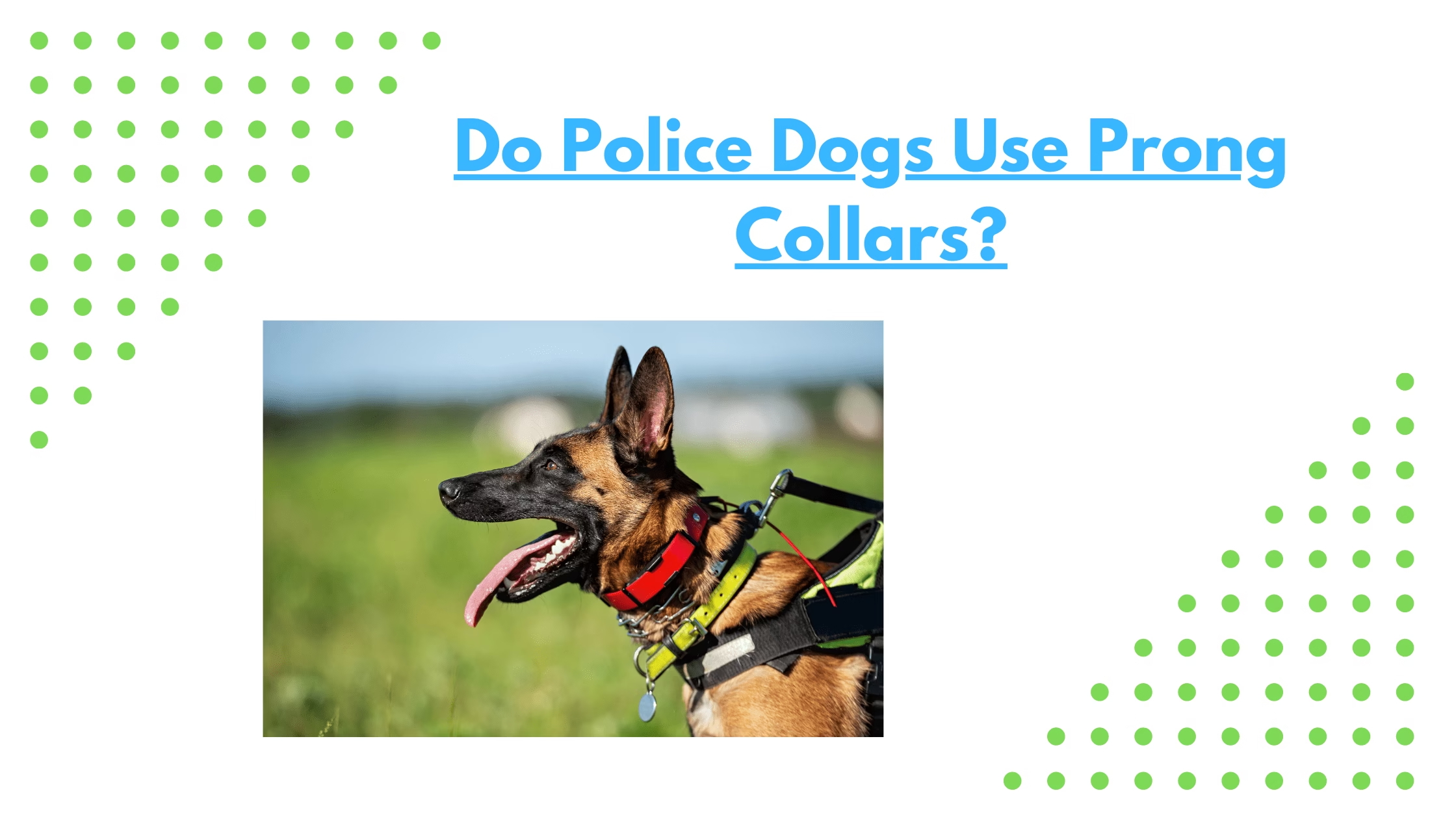
    Do Police Dogs Use Prong Collars? Police train their dogs to detect drugs, weapons, and other contraband by sniffing out odors on suspects’ clothing. The dogs also alert officers when they sense someone is hiding something in their pockets.

    Why do police dogs use prong collars?

    Why do police dogs use prong collars?
    Why do police dogs use prong collars?

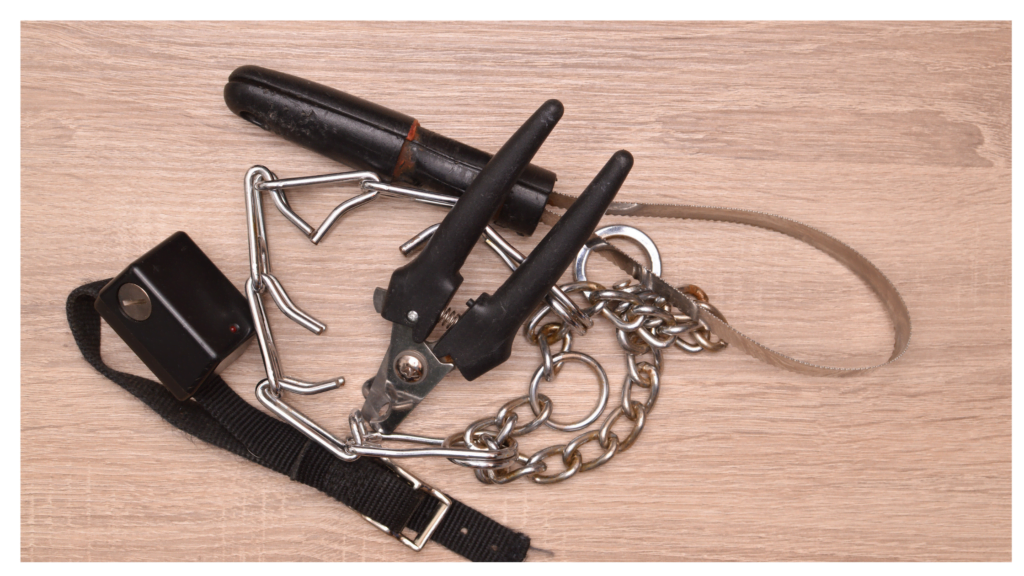
    A prong collar is a type of training device used with police dogs. It consists of two metal prongs attached to a chain.

    The dog wears the collar while being trained. When the dog detects an odor, the dog pulls on the chain, causing the prongs to dig into the dog’s skin and pinch him.

    This creates a painful sensation that helps the dog associate the smell with bad behavior.

    read about : clicker training

    The History of Dog Training Collars

    In the early 1900s, German police officers began using prong collars to train dogs to detect explosives. They were first introduced as part of a program called “K9 Unit,” designed to help track down criminals who had escaped prison.

    Types of Dog Training Collars – What’s the Difference?

    Today, prong collars are still used by some police departments, though not all. Most commonly, these collars are used to teach dogs to find drugs and other contraband. However, there are also several different types of dog training collars available. These include:

    • Leash collars – These collars attach to a leash and use an electric shock to stop a dog from pulling.

    • Remote control collars allow a handler to activate the collar with a radio signal remotely.

    • Electronic collars – These collards contain electronic sensors that send signals when a dog approaches them.

    read more about collars

    read about : What is NePoPo Dog Training| Is it good for your dog?

    Is There Any Reason Not to Train with a Prong collar?

    However, there are some situations where a prong collar might not be appropriate. For example, some dog owners use prong collars to make their dogs obedient and teach them commands differently.

    But as a dog lover, I will never recommend hurting your dog to make them do what you want them to do because it will never lead to a good relationship between you and your dog.

  • Boerboel Training Manual| Best Guide

    Boerboel Training Manual| Best Guide

    Boerboel Training Manual| how to raise a boerboel puppy all facts and valuable information.

    The Boerboel is a large, powerful as well as smart functioning canine. Understood for being excellent with kids it is still incredibly important to take part in heavy socialization and also training from a young age.

    Being such a powerful canine this type is susceptible to being dominant and also enforcing. Unless the proprietor comes to be a leader from the starting this breed will take over and rule the roost. As such, this may not be a canine for the first time pet owner. Rather, this canine masters a home where the proprietor is devoted to suitable training and control.

    Origin of the Boerboel


    The Boerboel is a large functioning molossoid breed from South Africa. The name originated from the Afrikaans/Dutch word meaning “farmer’s pet dog”. The pet dog was additionally reproduced to protect homesteads.

    Truth beginning of the breed doubts but it is believed that the canine derived from interbreeding of indigenous African types with breeds brought from the European inhabitants.

    The refining of the breed is still on the establishing stage.

    Boerboel Look as well as Abilities


    The Boerboel is a heavy mastiff type with an elevation of concerning 25 to 28 inches for males, and 23 to 26 inches for women as well as I can weigh from 100 to 200 extra pounds. It is durable with a strong construct. Well balanced, substantial and also powerful in look, the Boerboel is well-muscled and intimidating.

    It has a powerful neck and relocates with function as well as sufficient dexterity. The head is large yet symmetrical to the body. It provides an overall perception important, stamina, power, and also physical ability.

    Typically, they have sand-colored layers with black masks. However, shades might differ its coat colors might be available in brindle, brownish, red-brown, red, fawn, yellow-cream, white-cream, water down, and black. These are all approved colors. A deep mask is preferred for all.

    Temperament and Tendencies of the Boerboel


    They are extremely obedient as well as really wise and they are confident as well as extremely leading. Nevertheless, it calls for human leadership and also friendship. If left alone for routine extended periods, they can come to be damaging, careless as well as dangerous.

    Boerboels are very safety and also can be aggressive. They additionally possess solid territorial impulses making them well suited for guard work, especially in domestic scenarios. They are brave and show self-assurance and they are responsive to the needs of their families.

    They are extremely playful as well as they appreciate a good game of bring.

    Boerboel Training as well as Care


    Boerboels are not advised for house life. A huge fenced yard is needed to maintain your Boerboel happy. It should be emphasized that Boerboels should not be laid off too often and also long. They are extremely safety as well as in some cases do not take too well to complete strangers.

    Socializing is critical for Boerboels. This will restrict their aggression produced by their strong watchdog impulses. Proprietors need to constantly supervise them if unfamiliar people exist.

    The main goal in training this canine is to achieve a leadership setting. It is an all-natural instinct for a dog to have an order in their group. When humans cope with pet dogs, they become their part of their group. The whole team coordinates under a solitary leader. Lines are clearly specified as well as rules are set.

    Owners ought to provide time for play as well as exercise. At least, Boerboels requires to be tackled lengthy daily walks. These canines thrive on love as well as attention and also require companionship from their owners.

    Boerboels are easy to bridegroom. A periodic cleaning as well as a monthly bathroom is all that is required. This breed is an ordinary shedder.

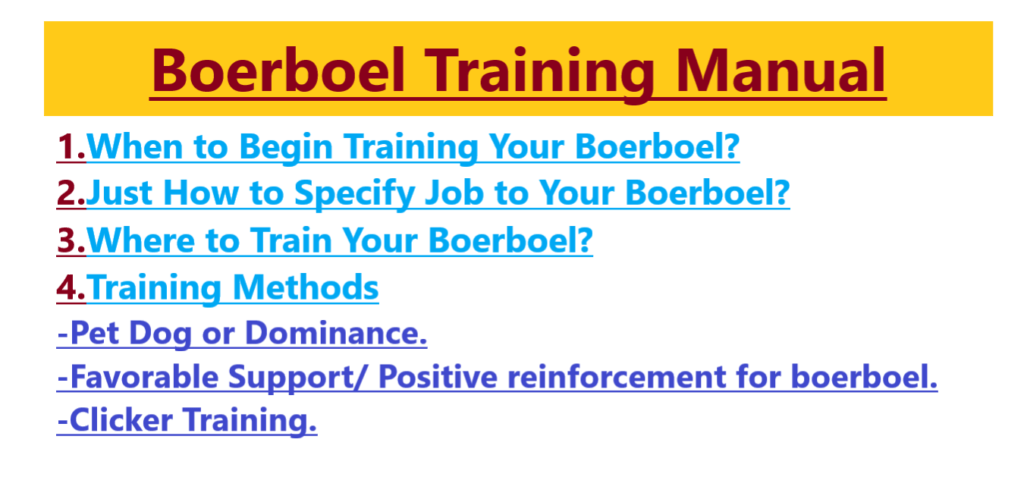
    Boerboel Training Manual

    Boerboel Training Manual
    Boerboel Training Manual

    When to Begin Training Your Boerboel?


    It is best to begin training your Boerboel pup from a very early age. You need to start with the basic and obedience training when your puppy is 8-10 weeks old. In addition, you can also teach them easy commands like ‘come’ and also ‘stay’ as they reach one month old.


    By the time your Boerboel young puppy gets to four months old, you should make sure that it has actually mastered all the fundamental residence training. After that, your pooch awaits the following level training which is, obviously, the dexterity training.

    You need to begin with small dexterity training then carry on to the innovative training slowly. You must train your Boerboel every now and then also when they are adults so that they won’t neglect or be mischievous in the future.

    Just How to Specify Job to Your Boerboel?


    Like the German Guard Canine, the Boerboel was likewise originally reproduced to be strong as well as fearless watchdog. Specifying a task to this type comes to be a little bit challenging due to its independent nature. However with positivity as well as treats, points can work out well.

    Attempt defining a task to your Boerboel utilizing hand gestures and body movement. If required, you’ll also have to demonstrate the job to your dog so that he/she can recognize you quickly.

    Make certain to make proper use deals with upon the desired behavior or serve as it will boost their confidence. Nonetheless, be careful not to provide a substantial amount of food as treats which will make their stomach go complete and also cause laziness.

    Where to Train Your Boerboel?


    Regardless of just how huge your canine is, you should constantly start educating your pet from your home. Yes, you’ll need to begin training your Boerboel in your home from the moment you bring him/her. Furthermore, you can always think about utilizing your backyard or garden for a wider space.

    When your dog becomes a little bit old and aware of the setting, you can take them out to dog parks or kindergarten. Ensure to put them on the chain as they may assault other pet dogs due to their vibrant as well as hostile impulses.


    If you are not an experienced pet owner and also have actually finished all the basic trainings for your Boerboel, you can take them to a pet dog training center. They will find out the innovative and complicated tasks conveniently with the help of the professionals. Though the training center could cost you a little bit a lot more, your cash will certainly be totally worth paying.

    Training Methods


    Right here are several of the training methods you can choose training your Boerboel on your own:

    Alpha Pet Dog or Dominance


    The Alpha Pet dog method is basically revealing or clarifying your Boerboel that you are their leader, not they. You’ll have to develop a leadership and also positive prominence to ensure that your pet dog will certainly always follow your commands and also respect you. This makes certain that your puppy will certainly constantly await your commands before doing anything like eating, going out for strolls, etc.

    Favorable Support/ Positive reinforcement for boerboel


    Among the most effective training techniques, positive support is a basic and also easy method to educate your Boerboel. The concept is to applaud as well as appreciate any kind of actions or act on your command. If your pet performs according to your command, promptly reward them with a reward and appreciation him/her.

    The reward will certainly make your Boerboel create a concept that they will be compensated a yummy reward by following specific commands by you. Therefore, it is very effective to educate your puppy standard and house training.

    Clicker Training


    As the name suggests, the Remote control Training method utilizes a clicking tool to do the job. It is a little bit comparable to the previous one but you will be clicking the clicker rather than applauding your pet dog upon the desired action.

    Whenever your Boerboel doesn’t carry out as per your command, you can click another button on the tool which will certainly develop a different audio. This will certainly clarify your fuzzy friend that it did glitch. You should likewise supply treat after your dog serves as you wanted otherwise it will certainly not function efficiently.

    Educating Strategies


    Here are some reliable training Strategies to train your Boerboel:

    • Go Slow: You should always go slow-moving when educating your Boerboel dog. Though your dog is an intelligent and also rapid student, it won’t have the ability to discover all the commands if you educate him 10 regulates a day. Hence, you’ll have to go sluggish and teach one command a day but see to it the pet dog masters it. Bear in mind the intention is to train not to make your pet a train.
    • Socializing: Socialization plays a vital duty in a pet’s life since it can not be trained effectively if it lacks interaction abilities and hesitates of new individuals. It will certainly be really difficult to train your pet with a pet instructor. Therefore, ensure that you let your Boerboel understand the globe as well as create socializing skills at a young age.
    • Stay Clear Of Penalty: Punishing is never ever a remedy whether it might be for youngsters or dogs. Your dog can never ever learn correctly if you punish him/her for making blunders. You’ll need to put on a smile and respect your pet dog. With perseverance as well as love, your pet dog will eventually thrive and also discover everything.